What are Bulk Handling & Loading Services?
Bulk handling and loading services refer to the processes and systems used to manage, transport, and load bulk materials in various industries. These services are essential for efficiently moving large quantities of materials such as grains, chemicals, metals, and aggregates. The primary goal is to streamline the logistics of handling bulk products while ensuring safety, efficiency, and cost-effectiveness.
These services find application in multiple sectors, including agriculture, manufacturing, mining, and logistics. Businesses utilize bulk handling and loading services to optimize their supply chains, reduce operational costs, and enhance productivity. With the rapid growth of industrial activities globally, the demand for reliable bulk handling solutions has increased significantly, making it a critical component in the supply chain management of several industries.
The bulk handling industry continues to evolve, driven by technological advancements and increased regulatory requirements. As companies seek to improve their operational efficiency, the adoption of automated systems and smart technologies is becoming more prevalent. This shift is reshaping the landscape, providing businesses with innovative solutions to meet their bulk handling needs in a competitive market.
Key Features and Specifications
Bulk handling and loading services come with a range of key features and specifications designed to enhance operational efficiency and safety. Understanding these specifications is crucial for businesses looking to invest in reliable services.
Key specifications include:
1. Capacity and Throughput
- Measures the maximum load a system can handle within a specific time frame.
- Often ranges from several tons per hour to hundreds of tons per hour, depending on the application.
2. Equipment Types
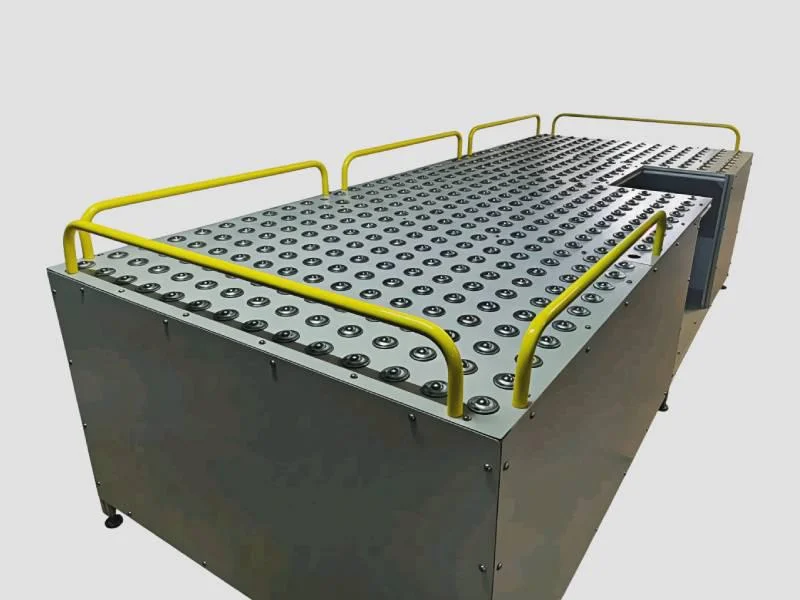
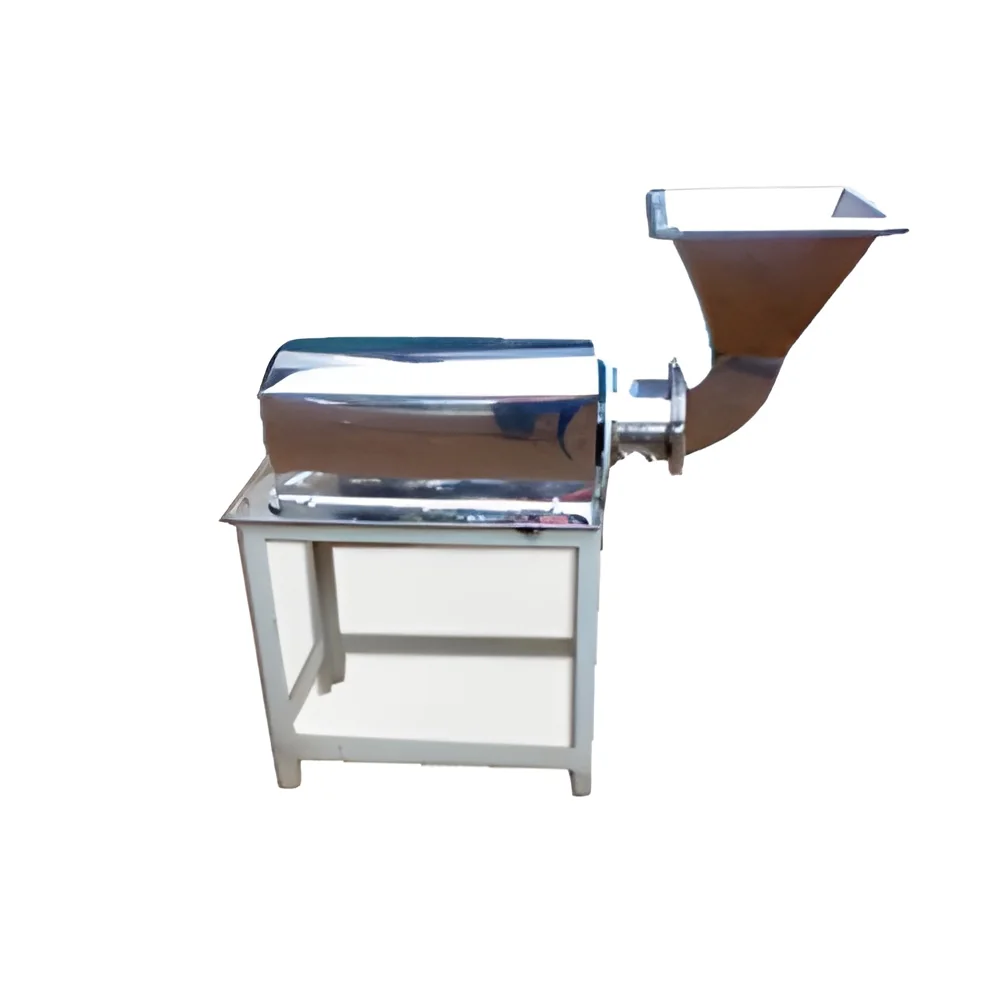
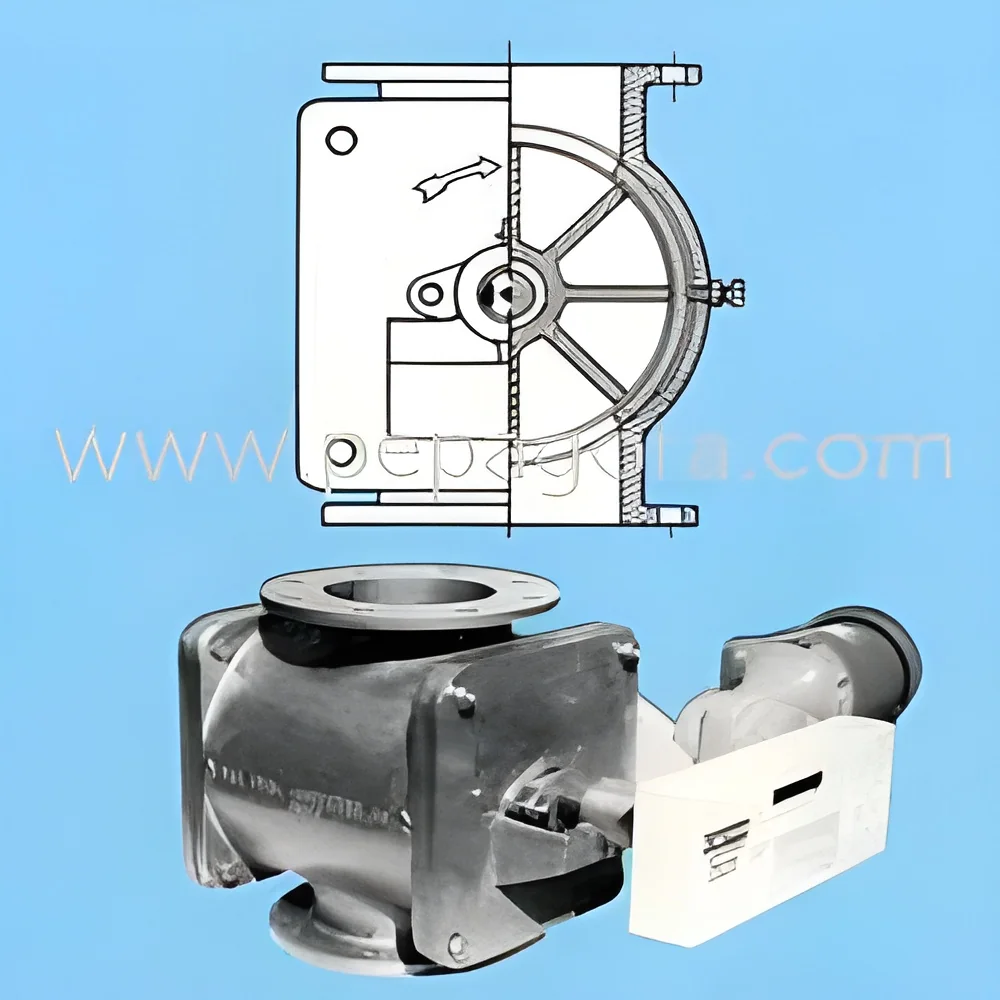
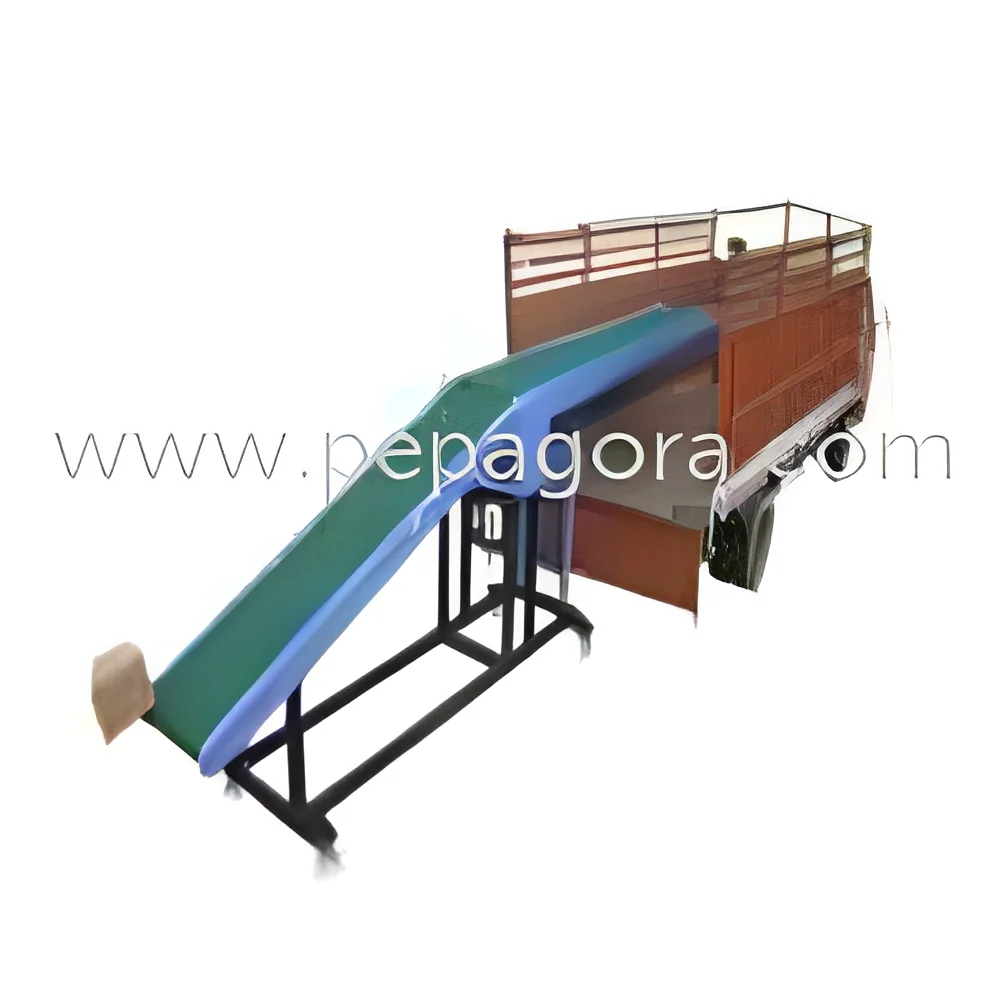
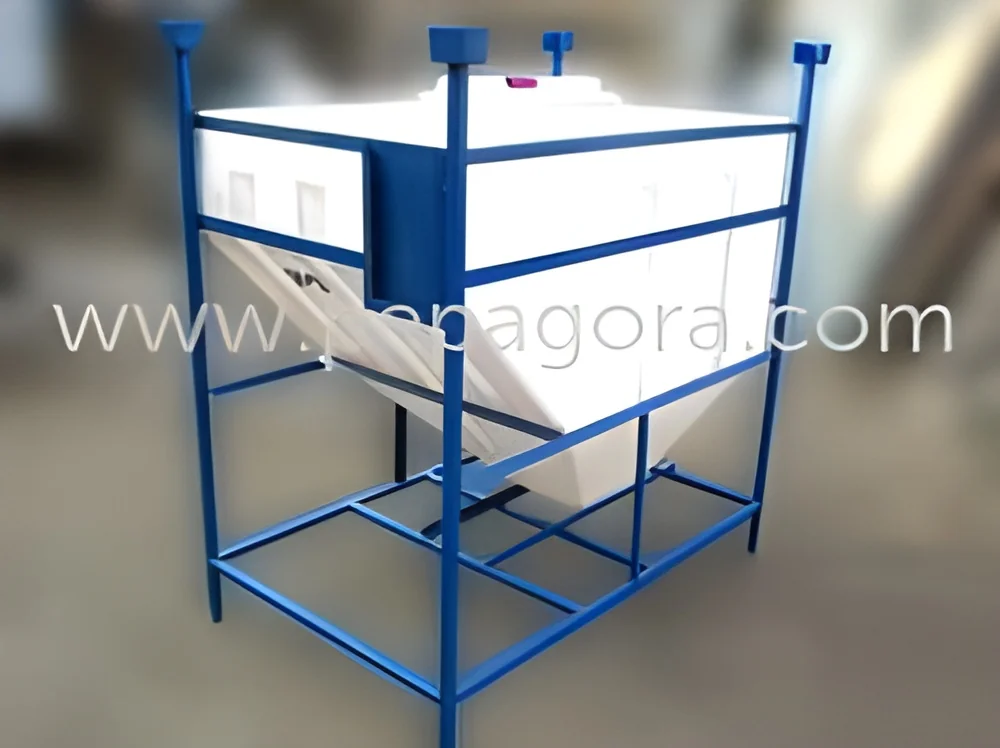
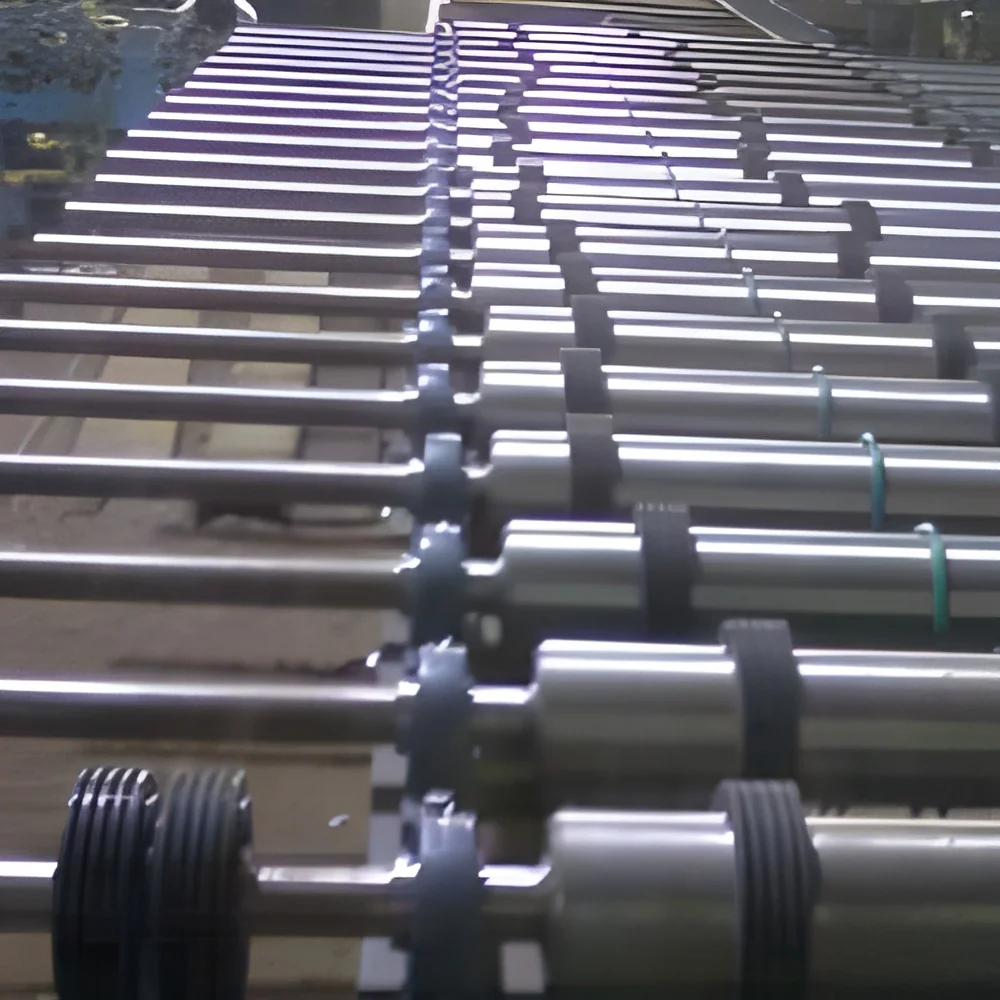
- Includes conveyors, loaders, hoppers, and silos designed for specific bulk materials.
- Equipment specifications vary based on the type of material and the handling environment.
3. Safety Standards
- Adherence to safety protocols such as lockout/tagout procedures and emergency stop mechanisms.
- Compliance with industry standards to ensure worker safety and material integrity.
4. Automation Features
- Integration of automated controls and monitoring systems for improved operational efficiency.
- Systems may include sensors for real-time data collection and analysis.
5. Environmental Controls
- Features that manage dust, spillage, and other environmental impacts during handling and loading.
- Often includes air filtration systems and containment solutions.
6. Customization Options
- Services can often be tailored to meet specific operational needs and material types.
- Flexibility in design and implementation to fit unique business requirements.
7. Maintenance Requirements
- Specifications related to routine maintenance schedules and procedures to ensure equipment longevity.
- Regular inspections and servicing protocols are essential.
8. Compliance Certifications
- Services often carry certifications such as UL and CE to ensure compliance with safety and quality standards.
- Adherence to industry regulations is crucial for operational legitimacy.
In summary, understanding the features and specifications of bulk handling and loading services is essential for making informed decisions. These services not only improve efficiency but also ensure safety and compliance in various industrial operations.
Common Applications and Use Cases
Bulk handling and loading services are versatile and cater to a wide array of industries.
1. Agriculture: In the agricultural sector, these services are used for handling grains, fertilizers, and animal feed. Efficient loading and storage techniques help ensure product quality and minimize spoilage.
2. Manufacturing: Manufacturing facilities use bulk handling for raw materials such as plastics, chemicals, and metals. Streamlined processes allow for continuous production and reduced downtime.
3. Mining: In the mining industry, bulk loading services are essential for transporting mined materials like coal, ores, and aggregates. Efficient handling reduces costs and maximizes output.
4. Logistics: Logistics companies frequently utilize bulk handling services for shipping bulk goods. Efficient loading practices improve turnaround times and enhance supply chain efficiency.
5. Food Processing: Bulk handling is critical in food processing for managing ingredients like sugar, flour, and oils. Ensuring hygiene and compliance with safety standards is paramount in this sector.
6. Chemical Processing: Chemical industries rely on bulk handling for hazardous materials. Specialized equipment and safety measures are essential to prevent accidents and ensure compliance with regulations.
7. Construction: In construction, bulk materials like sand, gravel, and cement are commonly handled. Efficient loading and transport are vital for timely project completion.
Product Variants and Subcategories
Bulk handling and loading services offer a variety of solutions tailored to specific needs. Each variant is designed to address unique challenges in the handling of bulk materials.
Automated Bulk Handling Systems
These systems utilize advanced technology for the automatic loading and unloading of bulk materials. Features include real-time monitoring and control, enhancing efficiency and safety in operations.
Manual Bulk Loading Solutions
Designed for industries with lower throughput requirements, these solutions rely on manual processes for loading and handling. They are cost-effective and suitable for smaller operations or specific applications.
Mobile Bulk Handling Units
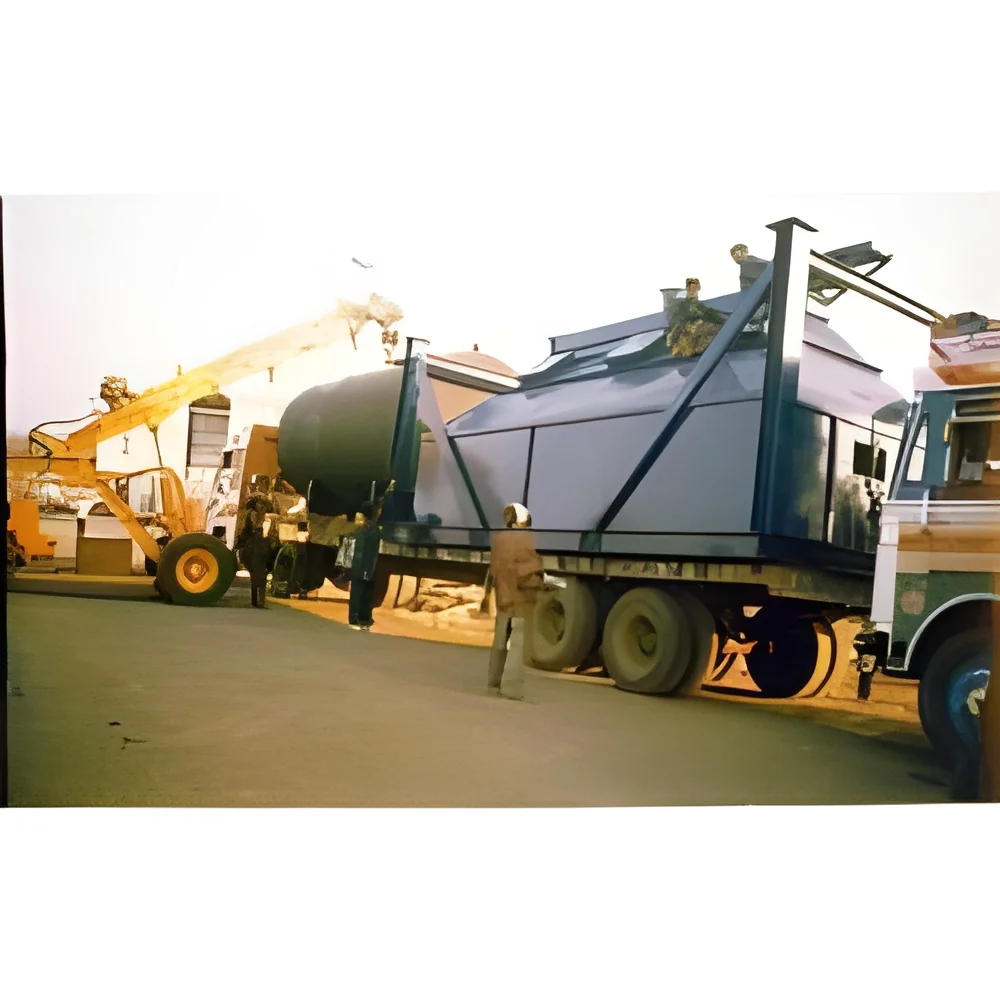
These units provide flexibility for businesses that require temporary or mobile solutions for bulk handling. They can be easily transported and set up at different locations as needed.
Specialized Loading Equipment
This includes custom-designed loaders and conveyors tailored for specific types of materials. Features may include specialized hoppers or feeder systems to accommodate various bulk products.
Benefits and Advantages
Investing in bulk handling and loading services brings numerous benefits to businesses.
1. Enhanced Efficiency: Streamlining the loading and handling processes significantly reduces operational time and costs.
2. Improved Safety: Adhering to safety standards and utilizing modern equipment minimizes risks associated with material handling.
3. Cost Savings: Efficient bulk handling reduces waste and lowers transportation costs, leading to overall savings.
4. Increased Productivity: Automated systems free up labor and enhance throughput, allowing for more efficient operations.
5. Flexibility: Customizable solutions adapt to various materials and business requirements, ensuring optimal performance.
6. Compliance Assurance: Services that meet industry regulations provide peace of mind regarding safety and quality standards.
Buying Guide for B2B Buyers
When sourcing bulk handling and loading services, several factors should be considered to ensure the best fit for your business needs.
1. Quality Assessment: Evaluate the quality of services by examining past performance, customer reviews, and certifications. Quality assurance measures are critical for ensuring reliability.
2. Supplier Verification: Conduct thorough due diligence on potential suppliers. Check their reputation, experience, and compliance with industry standards.
3. Pricing and MOQ: Understand the pricing structure and minimum order quantities required by suppliers. This will help in budgeting and ensuring cost-effectiveness.
4. Delivery and Lead Times: Discuss logistics and delivery schedules with suppliers to ensure timely service. Lead times can significantly affect project timelines.
5. Compliance Requirements: Ensure that the service providers comply with all necessary regulations and standards relevant to your industry. This is essential for maintaining operational legality and safety.
Compliance and Certifications
Compliance and certifications are integral to the reliability of bulk handling and loading services. Key quality standards such as ISO 9001, HACCP, and GDP ensure that services meet industry benchmarks for safety and quality.
Industry certifications like UL and CE are critical indicators of a supplier's commitment to maintaining high standards. These certifications demonstrate adherence to safety protocols and regulatory requirements.
In addition to these standards, safety and testing requirements must be consistently met to ensure operational integrity. Companies must be aware of regional compliance considerations, as regulations can vary significantly across different jurisdictions. Understanding these requirements helps businesses avoid legal issues and maintain a safe working environment.
Why Source Bulk Handling & Loading Services from Pepagora?
Pepagora provides a trusted platform for sourcing bulk handling and loading services, offering several key advantages to B2B buyers.
Verified Supplier Network: Pepagora’s network consists of thoroughly vetted suppliers committed to quality and reliability. This ensures that businesses can find trustworthy partners for their bulk handling needs.
Streamlined RFQ Process: The request for quotation process is designed to be efficient and user-friendly. Buyers can easily compare options and select services that best meet their requirements.
Trade Assurance and Support: Pepagora offers buyer protection through trade assurance programs. This provides peace of mind, ensuring that transactions are secure and satisfactory.
Regional Coverage: With a focus on markets in India, the GCC, and Southeast Asia, Pepagora provides access to a broad range of suppliers and services. This regional coverage allows businesses to find local solutions that cater to their specific operational needs.
In conclusion, Pepagora stands out as a reliable source for bulk handling and loading services, making it easier for businesses to find the right solutions for their logistics challenges.

 IN
IN