What are Blast Furnace Slag Aggregates?
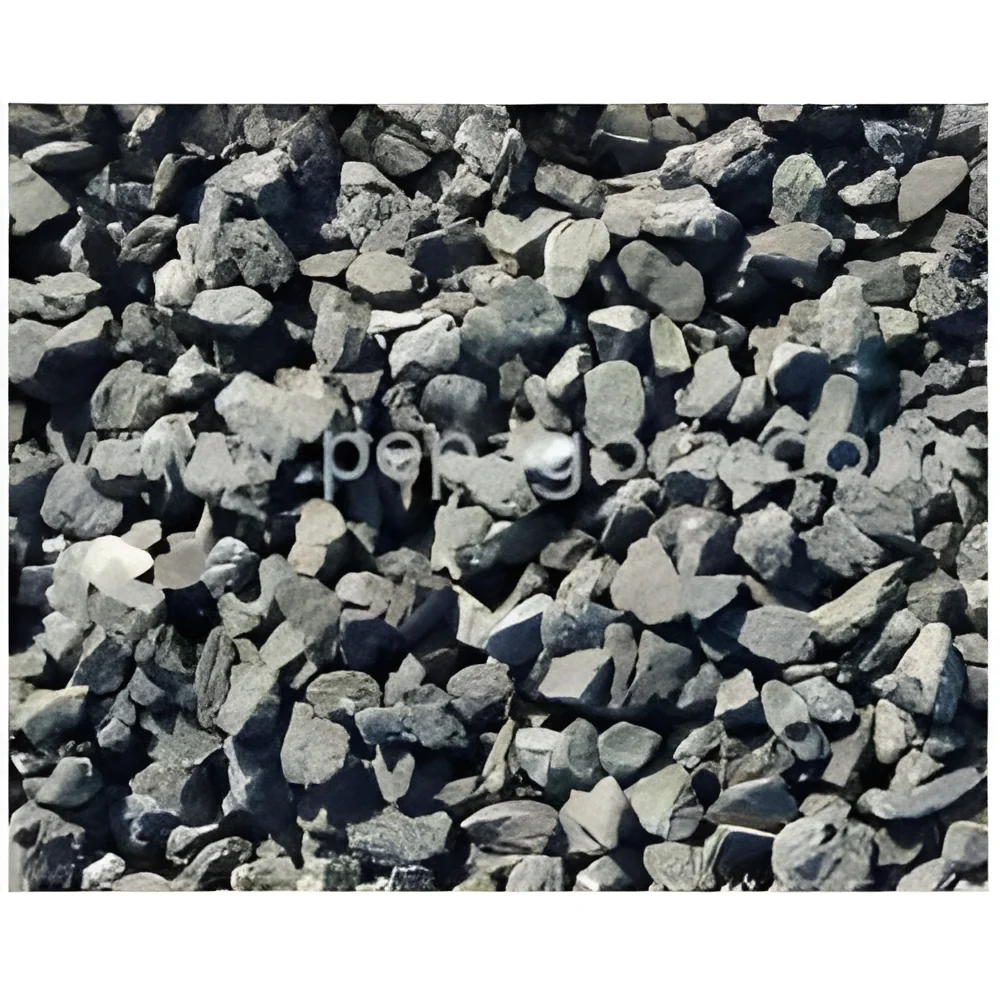
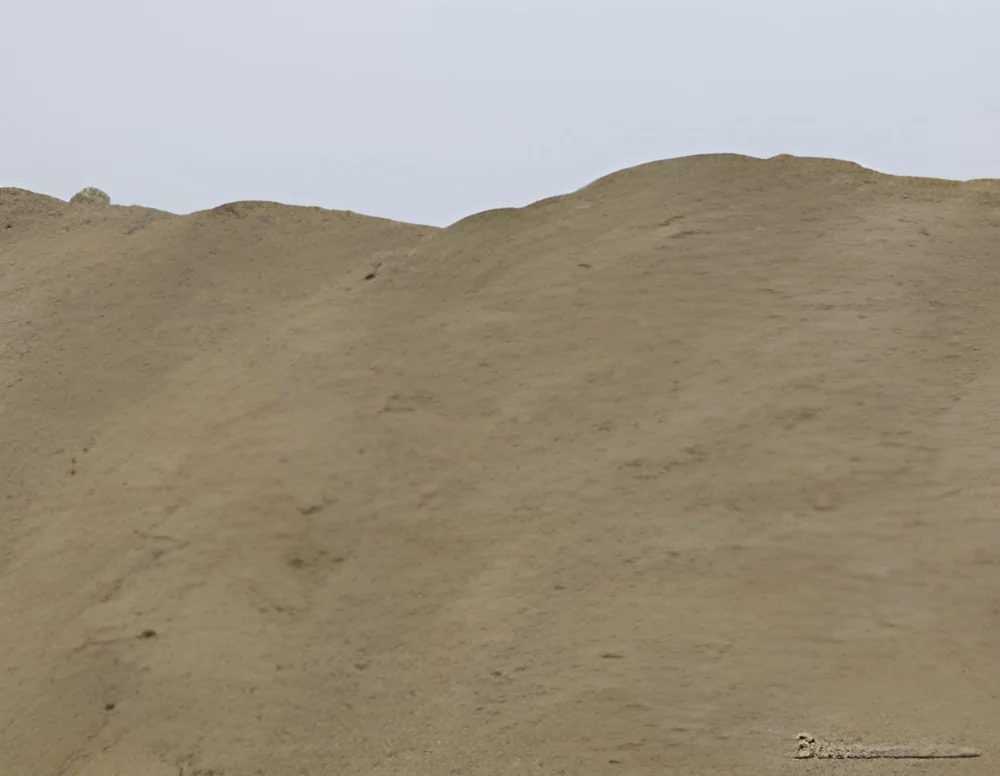
Blast Furnace Slag Aggregates are a type of construction material derived from the byproduct of iron and steel manufacturing. When iron ore is melted in a blast furnace, molten slag is produced, which can be rapidly cooled and processed into aggregates. These aggregates are typically used as a replacement for natural aggregates in various construction applications due to their unique properties.
The primary uses of Blast Furnace Slag Aggregates include their application in concrete production, road construction, and other structural applications. They are valued for their durability, resistance to environmental degradation, and ability to enhance the overall performance of concrete. As the construction industry increasingly focuses on sustainability, the demand for such recycled materials is growing, making Blast Furnace Slag Aggregates an important consideration for builders and contractors.
In the context of the industry, Blast Furnace Slag Aggregates play a significant role in addressing the environmental challenges posed by the extraction of natural resources. Their use contributes to reducing waste and promoting the sustainable use of materials. As construction practices evolve, the market for these aggregates is expected to grow, driven by regulatory pressures and an increasing emphasis on green building practices.
Key Features and Specifications
Blast Furnace Slag Aggregates are characterized by several key features that make them suitable for various applications. These aggregates boast a range of specifications that align with industry standards, ensuring quality and performance.
Key specifications include:
1. Particle Size Distribution
- Typically ranges from fine to coarse aggregates
- Ensures optimal mixing and performance in concrete applications
2. Specific Gravity
- Generally ranges from 2.5 to 2.9
- Important for understanding material density and strength
3. Absorption Rate
- Commonly between 1% to 3%
- Affects the water-cement ratio in concrete mixes
4. Bulk Density
- Usually around 1,400 to 1,800 kg/m3
- Influences the overall weight and structural integrity of constructions
5. Chemical Composition
- Rich in silica, alumina, and calcium
- Contributes to the pozzolanic activity in concrete
6. Environmental Benefits
- Reduces carbon footprint compared to natural aggregates
- Aids in sustainable construction practices
7. Color and Aesthetic Options
- Available in various colors based on processing
- Enhances visual appeal in architectural applications
8. Freeze-Thaw Resistance
- Excellent resistance to freeze-thaw cycles
- Ensures long-term durability in varying climates
In summary, the features and specifications of Blast Furnace Slag Aggregates highlight their utility in construction while promoting sustainability.
Common Applications and Use Cases
Blast Furnace Slag Aggregates find diverse applications across multiple industries due to their beneficial properties.
1. Construction: Used as a substitute for natural aggregates in concrete mixes, enhancing strength and durability.
2. Road Building: Ideal for base and sub-base layers in road construction, providing excellent load-bearing capacity.
3. Landscaping: Employed as decorative aggregates in landscaping projects, contributing to aesthetic designs.
4. Infrastructure Projects: Utilized in the construction of bridges, tunnels, and other critical infrastructure due to their resilience.
5. Environmentally Friendly Projects: Favored in green building initiatives for their low carbon footprint and recycled nature.
6. Industrial Flooring: Applied in flooring systems that require high durability and resistance to wear and tear.
7. Soil Stabilization: Effective in improving soil properties for construction sites, enhancing stability and load distribution.
Product Variants and Subcategories
Blast Furnace Slag Aggregates offer various options to meet specific project requirements.
Granulated Blast Furnace Slag (GBFS)
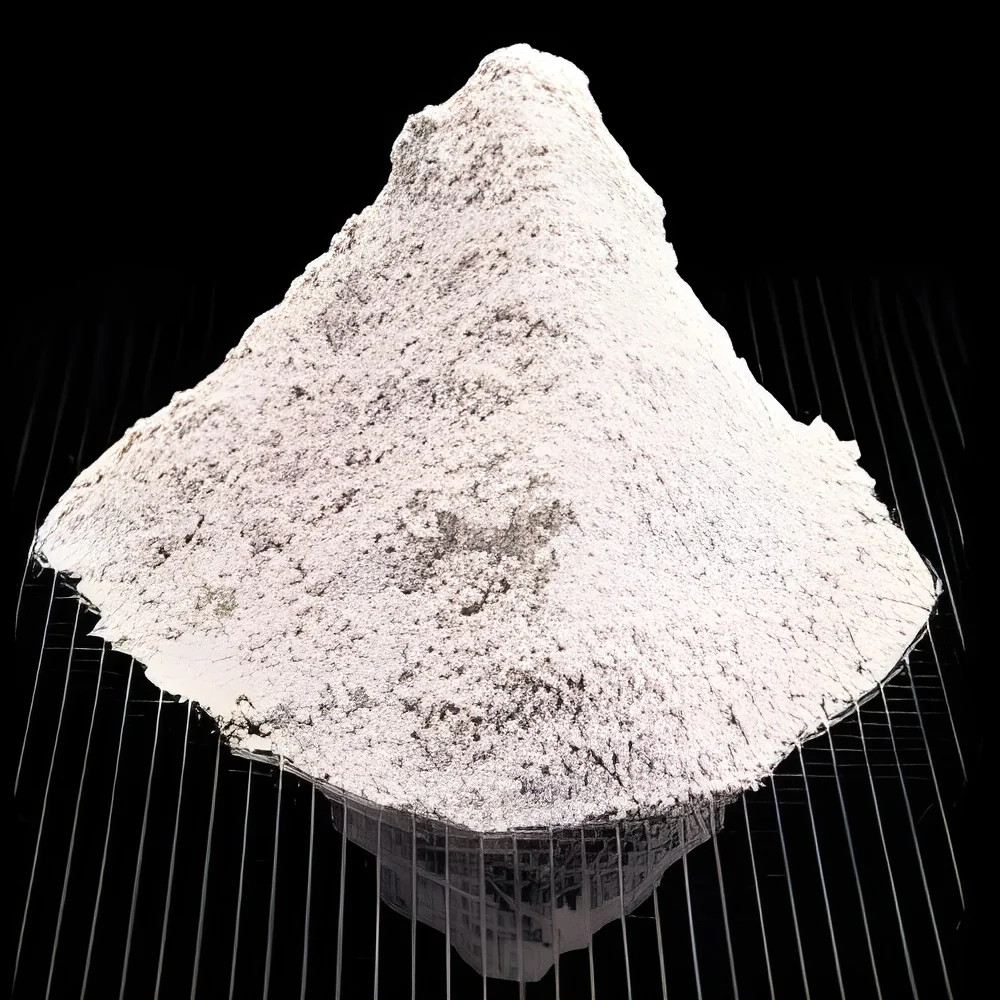
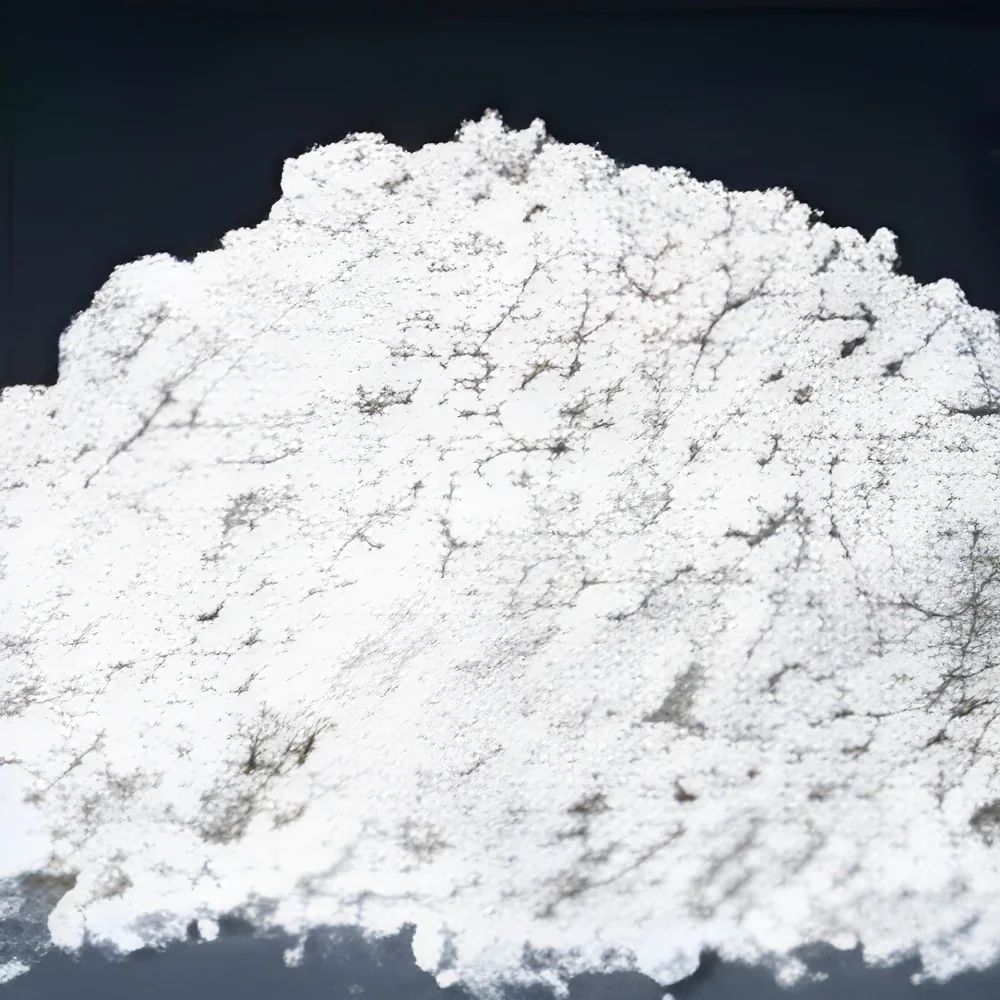
This variant is produced by rapidly cooling molten slag with water, forming a glassy, granular material. It is widely used in cement production and concrete applications, enhancing strength and durability.
Air-Cooled Blast Furnace Slag (ACBFS)
ACBFS is formed by allowing the molten slag to cool slowly in air, resulting in a dense and robust aggregate. It is commonly utilized in road construction and as a lightweight fill material.
Benefits and Advantages
The use of Blast Furnace Slag Aggregates brings numerous benefits to construction projects.
Key benefits include:
1. Sustainability: Reduces reliance on natural resources, promoting eco-friendly construction practices.
2. Enhanced Durability: Increases the lifespan of concrete structures due to superior resistance to environmental factors.
3. Cost-Effectiveness: Often more affordable than traditional aggregates, leading to overall project savings.
4. Improved Workability: Contributes to better workability in concrete mixes, facilitating easier handling and application.
5. Reduced Shrinkage: Helps minimize shrinkage in concrete, reducing the risk of cracking over time.
6. Versatility: Suitable for a wide range of applications across various industries, ensuring flexibility in usage.
Buying Guide for B2B Buyers
When sourcing Blast Furnace Slag Aggregates, buyers should consider several essential factors to ensure quality and suitability for their projects.
1. Quality Assessment: Evaluate the material's properties, including particle size, specific gravity, and chemical composition, to ensure it meets project requirements.
2. Supplier Verification: Vet suppliers for their experience, reputation, and adherence to quality standards. Look for certifications and customer feedback.
3. Pricing and MOQ: Understand the cost implications and minimum order quantities to align with project budgets and timelines.
4. Delivery and Lead Times: Confirm logistics capabilities, including delivery schedules and lead times, to ensure timely availability of materials.
5. Compliance Requirements: Ensure that the aggregates meet all relevant regulations and quality standards required for specific applications.
Compliance and Certifications
Blast Furnace Slag Aggregates are subject to various quality standards and compliance requirements.
Relevant quality standards such as ISO 9001 ensure that manufacturers maintain consistent quality management systems throughout production. This guarantees that the aggregates produced meet industry expectations for performance and reliability.
Industry certifications like CE indicate that the products meet European safety and environmental requirements, instilling confidence in buyers regarding material quality and compliance.
Additionally, safety and testing requirements are crucial to ensure that the aggregates are free from harmful contaminants and suitable for use in construction applications. Regular testing can help maintain compliance with these standards.
Regional compliance considerations may vary, and it is essential for buyers to understand local regulations concerning the use of recycled materials in construction to ensure full compliance.
Why Source Blast Furnace Slag Aggregates from Pepagora?
Pepagora provides a trusted platform for sourcing Blast Furnace Slag Aggregates, offering several key advantages to B2B buyers.
Verified Supplier Network: Pepagora connects buyers with a network of verified suppliers who meet stringent quality and compliance standards. This ensures that buyers can trust the sources of their materials.
Streamlined RFQ Process: The platform offers a simplified request for quotation (RFQ) process, enabling buyers to receive competitive quotes from multiple suppliers quickly and efficiently.
Trade Assurance and Support: Pepagora prioritizes buyer protection by offering trade assurance mechanisms, ensuring that transactions are secure and that buyers receive the quality they expect.
Regional Coverage: With a strong presence in India, the GCC, and Southeast Asia, Pepagora facilitates access to a wide range of suppliers and materials, making it easier for buyers to find suitable options for their projects.

 IN
IN