
 IN
Motor Rewinding & Testing
2 products available
What are Motor Rewinding & Testing?
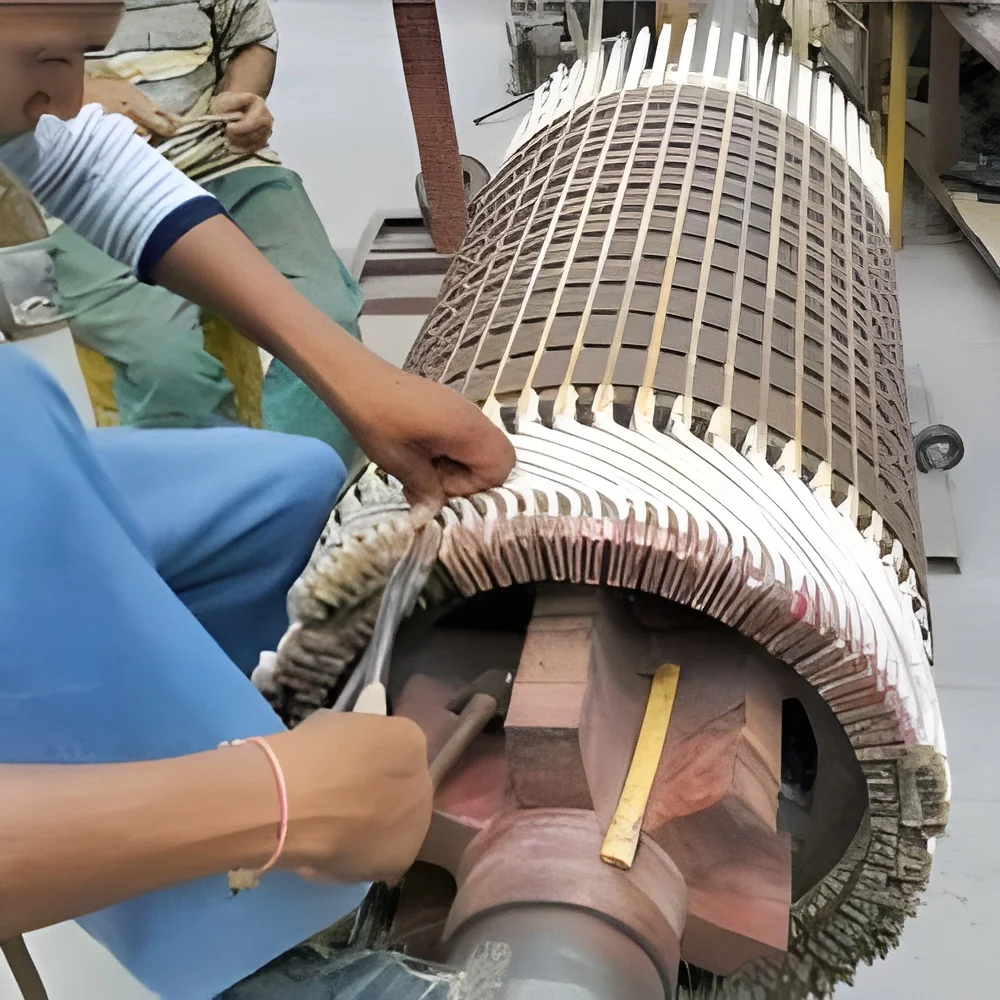
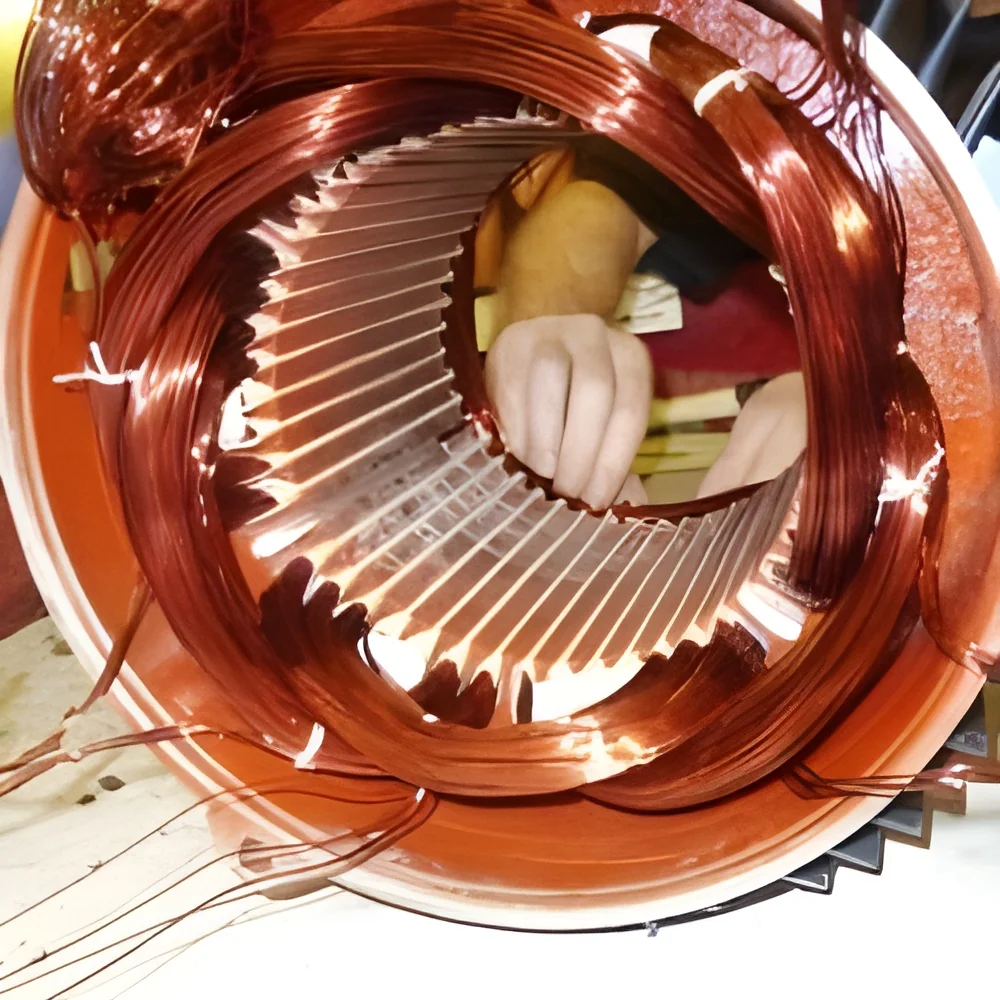
Motor rewinding and testing refers to the process of repairing and maintaining electric motors by replacing their windings and ensuring their performance through rigorous testing. This procedure is essential for extending the lifespan of motors, which are critical components in various industrial applications. The rewinding process involves removing old wire coils from the motor stator or rotor and replacing them with new wire. Following rewinding, testing is performed to ensure the motor operates efficiently and safely.
These services are primarily used in industries such as manufacturing, automotive, and HVAC, where electric motors are integral to machinery and systems. Businesses rely on motor rewinding and testing to prevent unexpected failures, reduce downtime, and optimize performance. The relevance of these services has grown with the increasing demand for energy-efficient solutions and the need for sustainable practices in manufacturing and production processes. As industries continue to evolve, the motor rewinding and testing market remains vital for maintaining operational efficiency.
Key Features and Specifications
Motor rewinding and testing services offer several critical features that enhance their functionality and reliability. Understanding these specifications is essential for businesses when selecting appropriate services.
Key specifications include:
1. Quality of Rewind
- High-grade copper or aluminum wire is used for rewinding.
- Compliant with industry standards for electrical conductivity.
2. Insulation Class
- Various insulation classes available (e.g., Class B, F, H).
- Ensures suitability for different operating temperatures.
3. Testing Voltage
- Standard testing voltages range from 500 to 1000 volts.
- Ensures the integrity of the rewound motor.
4. Impedance Testing
- Measures the resistance of the motor windings.
- Critical for detecting short circuits or open circuits.
5. Vibration Analysis
- Monitoring motor vibrations to identify imbalances.
- Helps in predictive maintenance.
6. Thermal Imaging
- Used to detect hot spots in motor windings.
- Assists in identifying potential failures.
7. Rotor and Stator Inspection
- Comprehensive inspection of rotor and stator components.
- Ensures overall motor integrity.
8. Availability of Documentation
- Detailed reports provided post-testing.
- Includes test results and recommendations for maintenance.
In summary, understanding these features and specifications enables businesses to make informed decisions when sourcing motor rewinding and testing services.
Common Applications and Use Cases
Motor rewinding and testing are applicable across various industries, ensuring that electric motors operate at peak performance.
1. Manufacturing: Motors used in conveyor systems and machinery require regular rewinding to maintain operational efficiency.
2. Automotive: Electric motors in vehicles, including starters and power windows, benefit from rewinding to enhance reliability and longevity.
3. HVAC: Motors in heating, ventilation, and air conditioning systems are critical for performance; rewinding can reduce energy consumption.
4. Mining: Heavy-duty motors used in mining equipment must be rewound and tested to prevent failures in harsh environments.
5. Agriculture: Motors in irrigation systems need to be serviced regularly to ensure consistent water supply.
6. Marine: Motors in boats and ships require rewinding and testing for safety and performance in marine conditions.
7. Renewable Energy: Wind turbine motors and solar panel tracking systems benefit from rewinding to ensure maximum efficiency.
Product Variants and Subcategories
Motor rewinding and testing services can vary based on specific needs and applications, offering tailored solutions for different sectors.
Standard Rewinding Services
These services focus on basic rewinding and are suitable for common industrial motors. They offer quick turnaround and reliability.
High-Performance Rewinding Services
Designed for specialized motors, these services ensure high efficiency and are often accompanied by advanced testing methods.
Custom Rewinding Solutions
For unique motor specifications, custom solutions can be developed to meet specific operational requirements.
Benefits and Advantages
Motor rewinding and testing services offer numerous advantages that contribute to operational efficiency and cost savings.
Key benefits include:
1. Cost Savings: Rewinding is often more economical than replacing entire motors, reducing overall maintenance costs.
2. Extended Motor Life: Regular rewinding and testing can significantly increase the lifespan of electric motors.
3. Improved Efficiency: Rewound motors often perform better, resulting in lower energy consumption.
4. Reduced Downtime: Timely maintenance prevents unexpected motor failures and associated production delays.
5. Enhanced Performance: Testing ensures that motors operate at optimal performance levels, improving overall productivity.
6. Environmentally Friendly: By extending the life of motors, businesses contribute to sustainability efforts by reducing waste.
Buying Guide for B2B Buyers
When sourcing motor rewinding and testing services, businesses should consider several critical factors to ensure they make the best choices.
1. Quality Assessment: Evaluate the quality of materials used in rewinding, including the type of wire and insulation standards. This can influence the performance and durability of the rewound motors.
2. Supplier Verification: It is essential to vet suppliers for their experience and reputation in the industry. Look for certifications and customer reviews to ensure reliability.
3. Pricing and MOQ: Understand the pricing structure and minimum order quantities to align with budget and operational needs. Request detailed quotes to compare.
4. Delivery and Lead Times: Assess the supplier's ability to meet delivery schedules and lead times, as timely service is critical for maintaining production schedules.
5. Compliance Requirements: Ensure that suppliers comply with relevant industry standards and regulations. This includes certifications such as CE and adherence to safety regulations.
Compliance and Certifications
Compliance and certifications play a vital role in ensuring the quality and safety of motor rewinding and testing services. Adhering to established quality standards, such as ISO 9001, guarantees that processes are efficient and effective.
Industry certifications, such as CE, indicate that products and services meet European safety standards. This is crucial for businesses operating in regions where compliance is mandatory.
Additionally, safety and testing requirements ensure that the services provided do not pose risks to operators or equipment. Regular audits and adherence to safety protocols are necessary to maintain these standards.
Regional compliance considerations may also vary, with different regions having specific regulations that must be followed for motor services. Understanding these requirements is essential for companies sourcing motor rewinding and testing services globally.
Why Source Motor Rewinding & Testing from Pepagora?
Pepagora provides a trusted platform for businesses looking to source motor rewinding and testing services. With a focus on quality and reliability, Pepagora connects buyers with verified suppliers who meet industry standards.
The verified supplier network ensures that businesses have access to reputable service providers with proven track records. This reduces the risks associated with sourcing and guarantees quality service.
Pepagora also offers a streamlined Request for Quotation (RFQ) process, making it easy for buyers to obtain competitive quotes from multiple suppliers. This efficiency allows for better decision-making based on price and service offerings.
Furthermore, Pepagora provides trade assurance and support, ensuring that buyers are protected throughout the sourcing process. This includes support in resolving any disputes or issues that may arise.
Finally, with a strong geographic reach across India, the GCC, and Southeast Asia, Pepagora offers access to a diverse range of suppliers, accommodating various business needs and preferences.


Frequently Asked Questions
What are Motor Rewinding & Testing?
Motor rewinding involves the process of disassembling an electric motor, replacing the old wire windings with new ones, and reassembling the motor. Testing refers to the evaluation of the motor's performance and functionality after rewinding to ensure it meets operational standards.
What are the different types of Motor Rewinding & Testing?
There are several types of motor rewinding services, including AC motor rewinding, DC motor rewinding, and servo motor rewinding. Each type requires specific techniques and materials based on the motor's design and application.
How do I choose the right Motor Rewinding & Testing?
To choose the right motor rewinding and testing service, consider the provider's experience, reputation, and the types of motors they specialize in. Additionally, ensure they use quality materials and have the necessary testing equipment to guarantee optimal performance.
What are the standard specifications for Motor Rewinding & Testing?
Standard specifications for motor rewinding include wire gauge, insulation type, and winding configuration. Testing specifications may include parameters like voltage, current, insulation resistance, and efficiency ratings to ensure compliance with industry standards.
What is the price range for Motor Rewinding & Testing?
The price range for motor rewinding and testing can vary widely based on the motor type, size, and complexity of the work involved. Generally, costs can start from a few thousand rupees and can go up to several tens of thousands for larger or more specialized motors.
What quality standards apply to Motor Rewinding & Testing?
Quality standards for motor rewinding and testing typically include compliance with ISO 9001 and other industry-specific certifications. These standards ensure that the materials used and the processes followed meet established benchmarks for safety and performance.
Where can I find Motor Rewinding & Testing suppliers in India?
You can find motor rewinding and testing suppliers in India through B2B marketplaces like Pepagora.com, where various manufacturers and service providers list their offerings. Additionally, industry trade shows and directories may provide valuable contacts.
Can Motor Rewinding & Testing be customized?
Yes, motor rewinding and testing services can often be customized to meet specific requirements, such as unique winding configurations or specialized testing procedures. It is advisable to discuss your needs with the supplier to ensure they can accommodate your specifications.
What is the typical minimum order quantity for Motor Rewinding & Testing?
The typical minimum order quantity (MOQ) for motor rewinding and testing services can vary among suppliers, but it often ranges from one unit to several units depending on the service provider's policy. It's best to inquire directly with the supplier for their specific MOQ.
What is the typical lead time for Motor Rewinding & Testing?
The typical lead time for motor rewinding and testing can range from a few days to several weeks, depending on factors such as the complexity of the motor, the workload of the service provider, and the availability of materials. It's recommended to confirm lead times with the supplier before placing an order.
Why Businesses Trust Pepagora
Thousands of companies trust Pepagora to source smarter and sell faster
Expand Your Sales Globally

Source Smarter,Grow Faster
