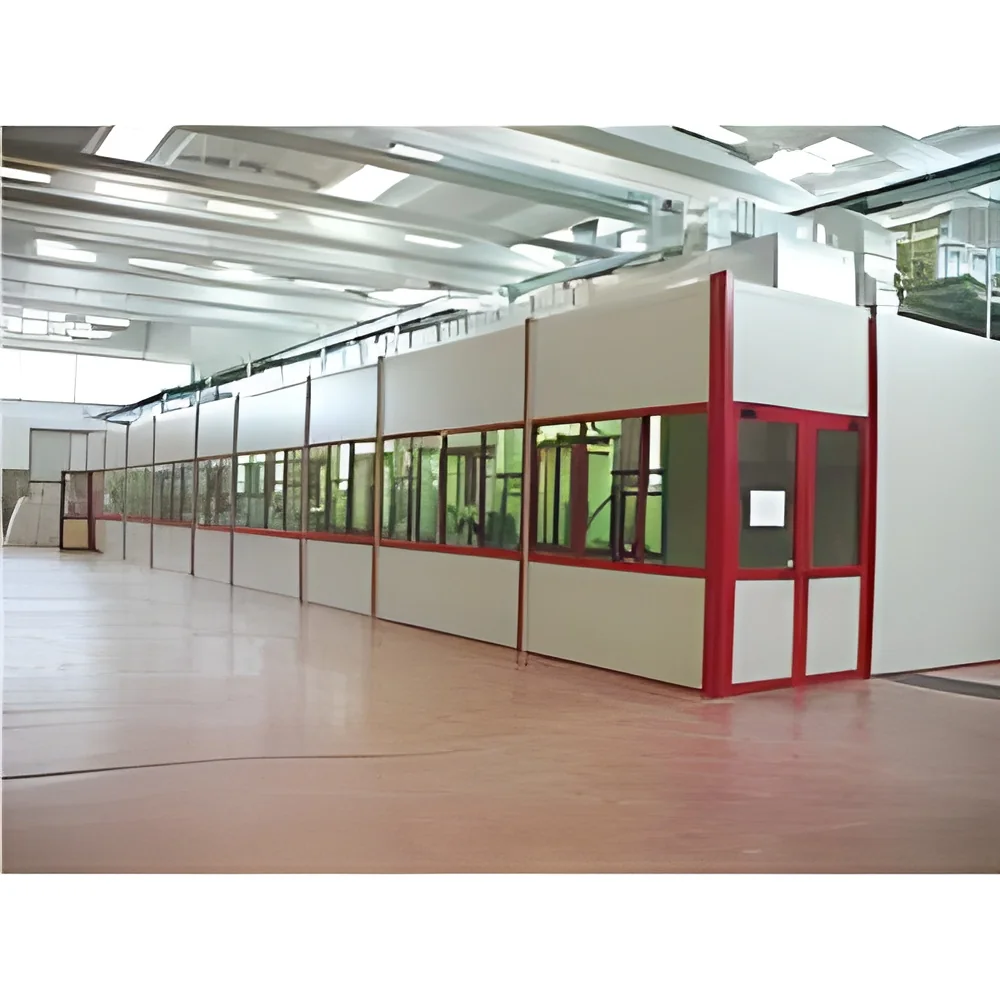
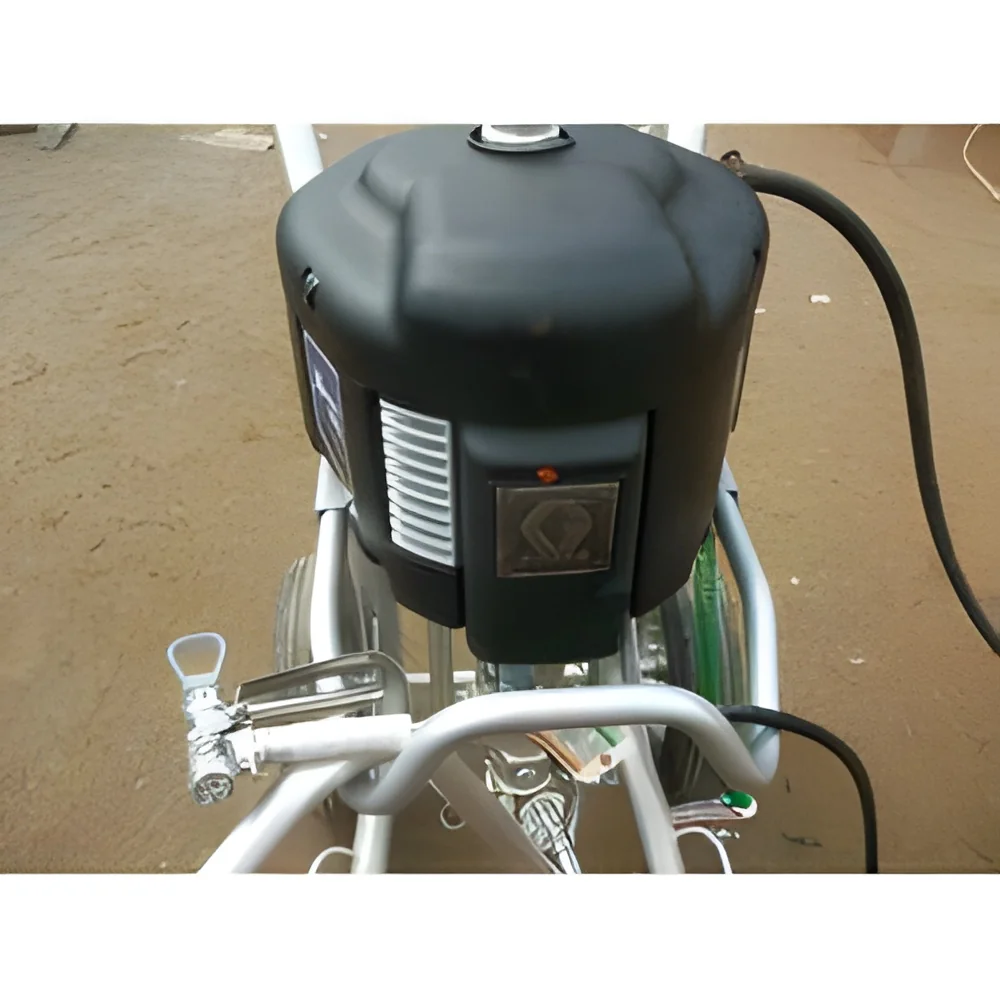
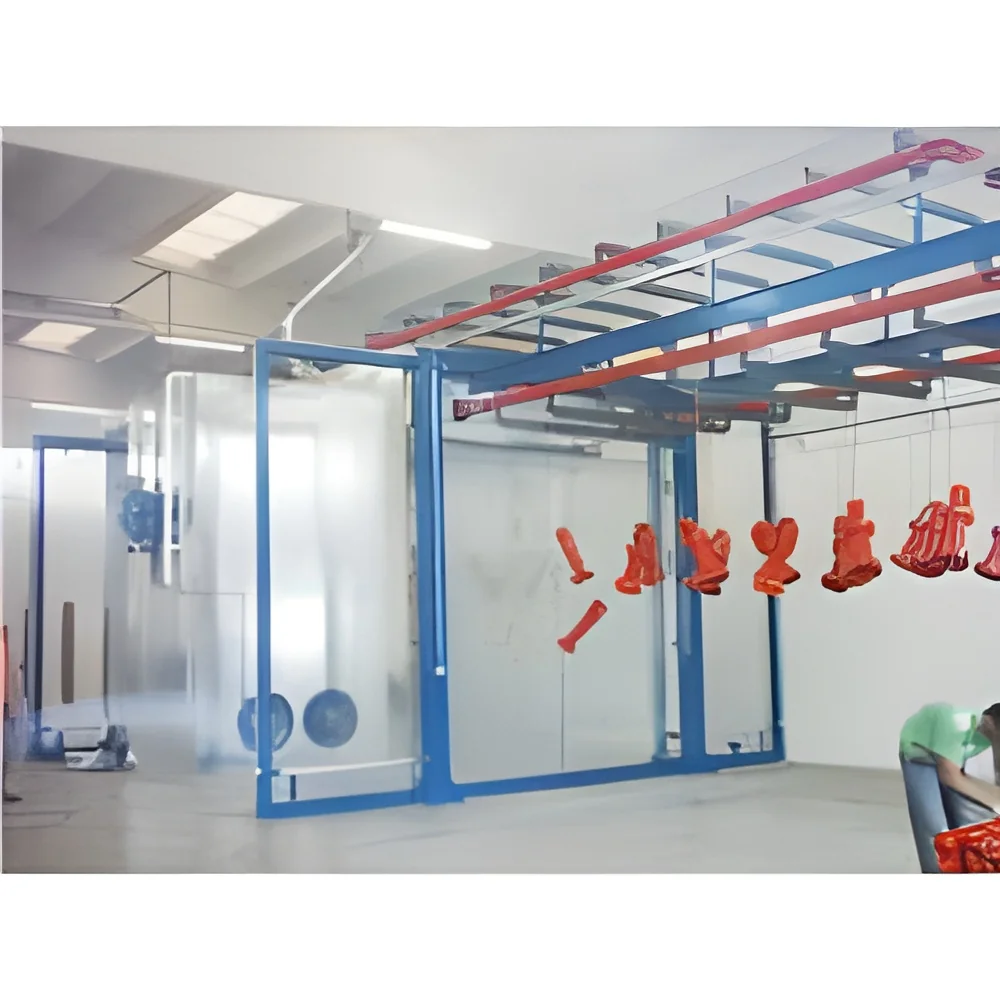
What are Industrial Painting & Coating?
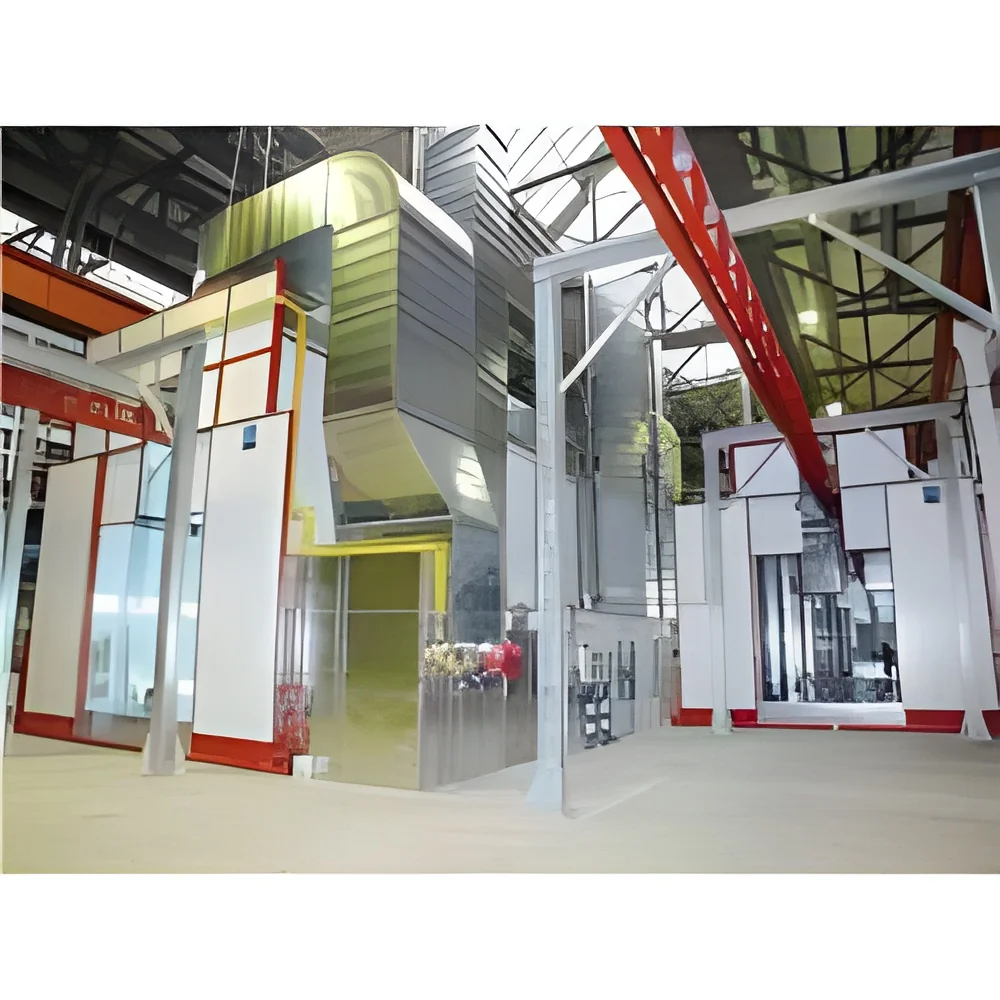
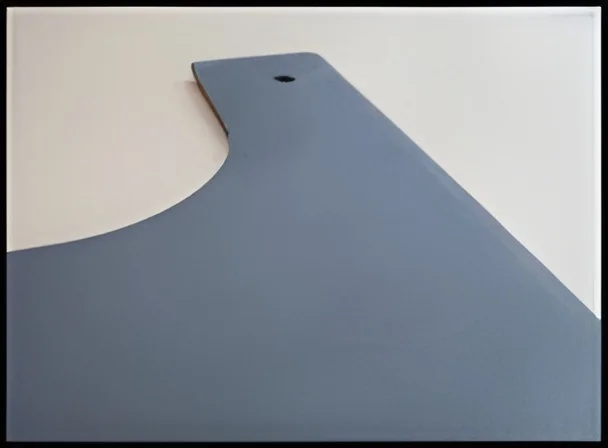
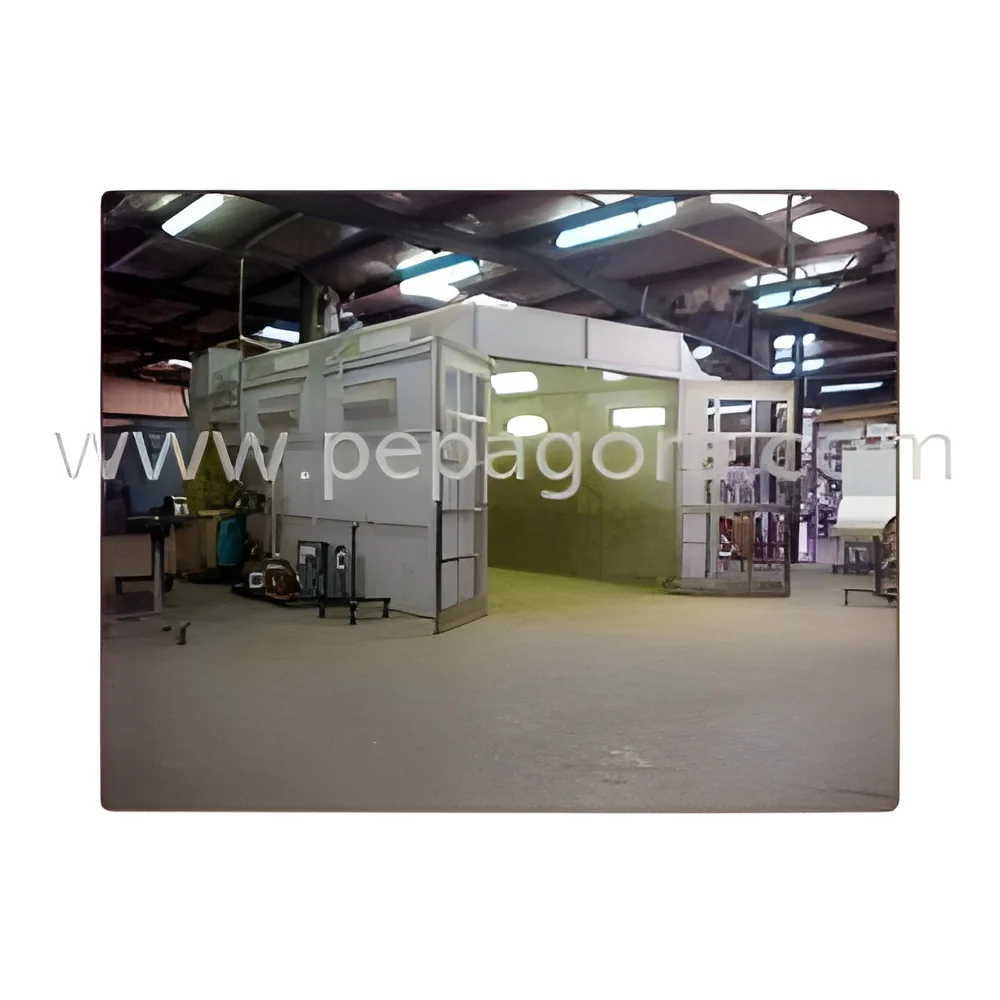
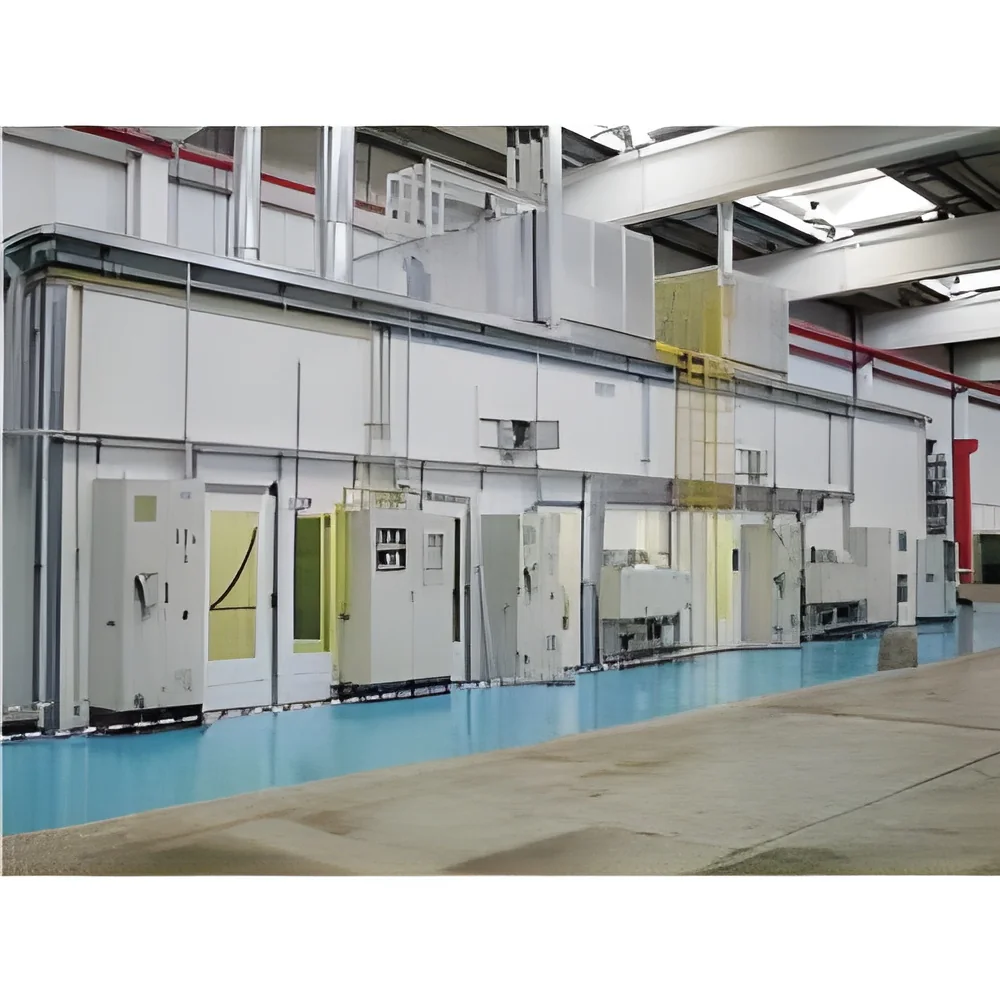
Industrial painting and coating refer to the application of protective or decorative finishes on various surfaces, primarily in industrial settings. These processes involve the use of paints, coatings, and other surface treatments to enhance the appearance and durability of materials such as metal, wood, and concrete. The objective is to protect these surfaces from corrosion, wear, and environmental factors while also improving their aesthetic value.
The primary uses of industrial painting and coating can be found across various sectors, including manufacturing, construction, and transportation. Businesses utilize these coatings not only for protection but also for branding and compliance with safety regulations. Industries often require specific properties such as heat resistance, chemical resistance, and environmental sustainability in their coatings to meet operational needs.
In today’s competitive market, the relevance of industrial painting and coating cannot be overstated. Companies are increasingly focused on extending the lifespan of their assets while minimizing maintenance costs. As a result, the demand for high-quality, durable coatings continues to grow, reflecting a broader trend toward enhanced product performance and sustainability in industrial applications.
Key Features and Specifications
Industrial painting and coating products come with a range of features designed to meet diverse industrial needs. Understanding these specifications helps in selecting the right products for specific applications.
Key specifications include:
1. Durability
- This specification relates to the resistance of the coating to wear, chemicals, and environmental factors.
- Common durability ratings range from moderate to extreme, depending on the application.
2. Corrosion Resistance
- This refers to the ability of the coating to protect the underlying material from rust and degradation.
- Various coatings offer different levels of corrosion resistance, suitable for both indoor and outdoor applications.
3. Heat Resistance
- This specification indicates how well the coating can withstand high temperatures without losing its integrity.
- Temperature ranges can vary widely based on the type of coating used.
4. Application Method
- Coatings can be applied using methods such as spraying, brushing, or rolling.
- Each method has specific requirements and is suitable for different types of surfaces.
5. Environmental Compliance
- Many coatings are formulated to meet environmental regulations concerning volatile organic compounds (VOCs).
- Compliance with these standards is essential for various industries.
6. Finish Type
- The finish of a coating can be glossy, matte, or textured, affecting the final appearance of the surface.
- Different finishes are chosen based on aesthetic preferences and functional requirements.
7. Drying Time
- This specification indicates the time it takes for the coating to cure and become usable.
- Different coatings have varying drying times which can impact project timelines.
8. Color Options
- Industrial coatings are available in a wide range of colors to suit branding and design needs.
- Custom color matching may also be available to meet specific client requirements.
In summary, understanding the features and specifications of industrial painting and coating products is crucial for making informed decisions about their application and use in various industries.
Common Applications and Use Cases
Industrial painting and coating find applications across a multitude of industries, each with specific needs and requirements.
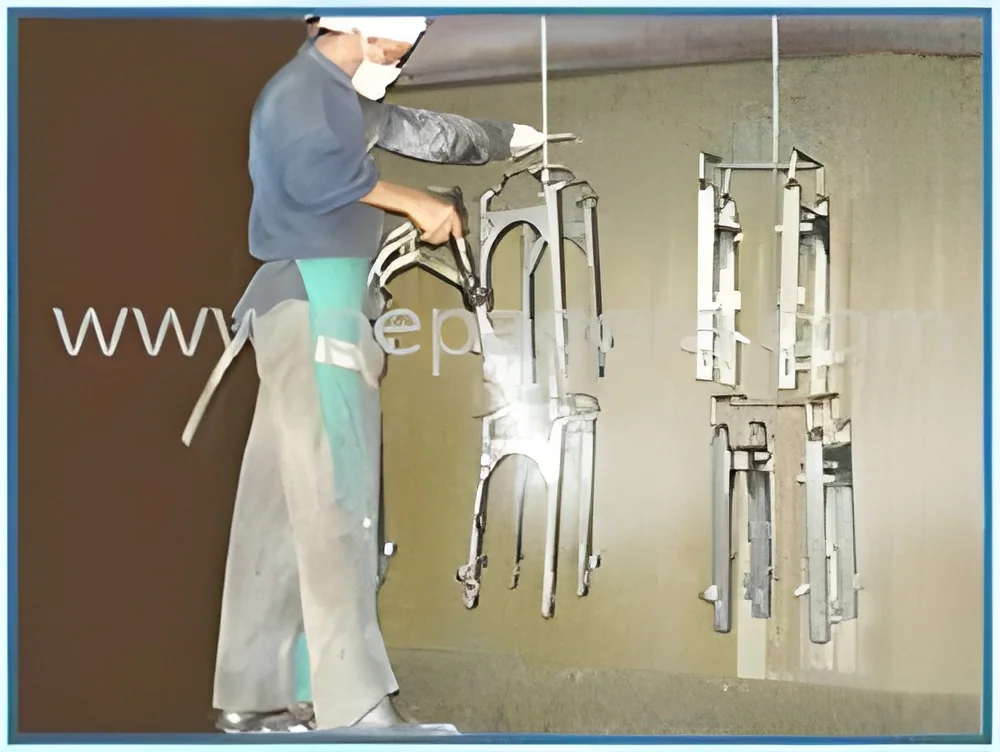
1. Manufacturing: Coatings are used to protect machinery and equipment from wear and corrosion. Specialized coatings can enhance the longevity of critical components.
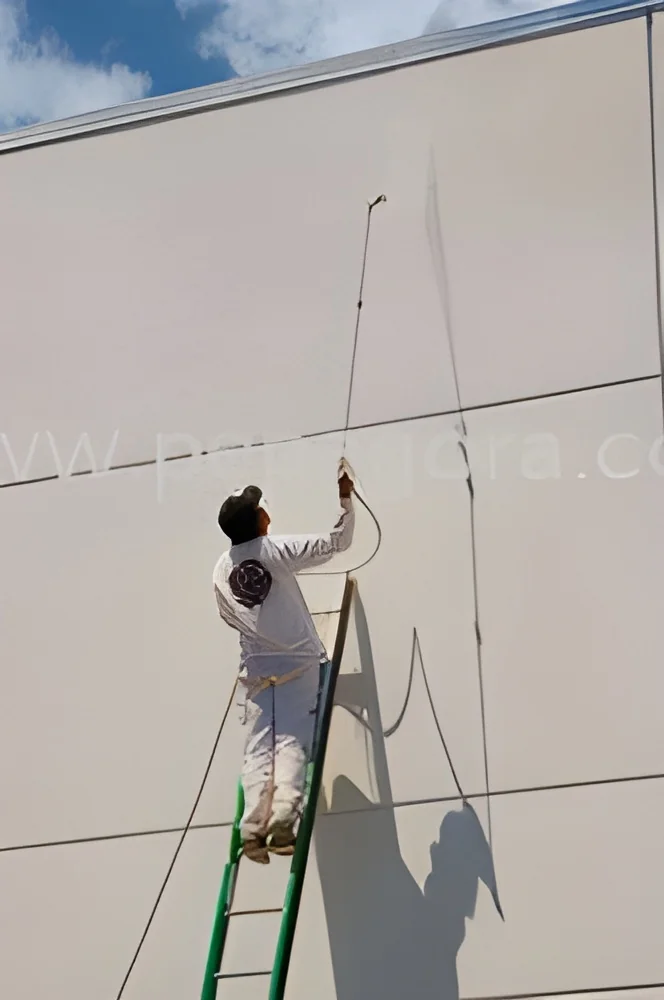
2. Construction: Paints and coatings are applied to structural elements and facades to provide protection from the elements while offering aesthetic appeal.
3. Transportation: Vehicles, including trucks and ships, utilize industrial coatings to resist corrosion from exposure to water and chemicals, ensuring durability and safety.
4. Oil and Gas: Coatings are essential for pipelines and storage tanks to prevent corrosion and failure, particularly in harsh environments.
5. Aerospace: Specialized coatings are used to protect aircraft surfaces from extreme temperatures and aerodynamic wear.
6. Marine: Marine coatings are designed to withstand harsh sea conditions, protecting vessels from corrosion and fouling.
7. Power Generation: Industrial coatings are applied to equipment in power plants to prevent degradation due to high temperatures and corrosive materials.
Product Variants and Subcategories
Industrial painting and coating products come in various types to accommodate the unique requirements of different applications.
Epoxy Coatings
Epoxy coatings are known for their excellent adhesion and chemical resistance. They are often used in industrial settings where durability is paramount, such as flooring and machinery protection.
Polyurethane Coatings
These coatings offer superior UV resistance and flexibility, making them suitable for outdoor applications. They are commonly used in automotive and architectural finishes.
Acrylic Coatings
Acrylic coatings are water-based and environmentally friendly. They provide good weather resistance and are often used in decorative applications.
Thermal Spray Coatings
This variant involves applying a coating in a molten or semi-molten state, ideal for repairing and protecting parts exposed to high wear.
Benefits and Advantages
Choosing industrial painting and coating products offers several advantages for businesses.
1. Enhanced Durability: These coatings significantly extend the life of surfaces, reducing the need for frequent replacements.
2. Cost Efficiency: Investing in high-quality coatings can lower maintenance costs over time by providing better protection against wear and corrosion.
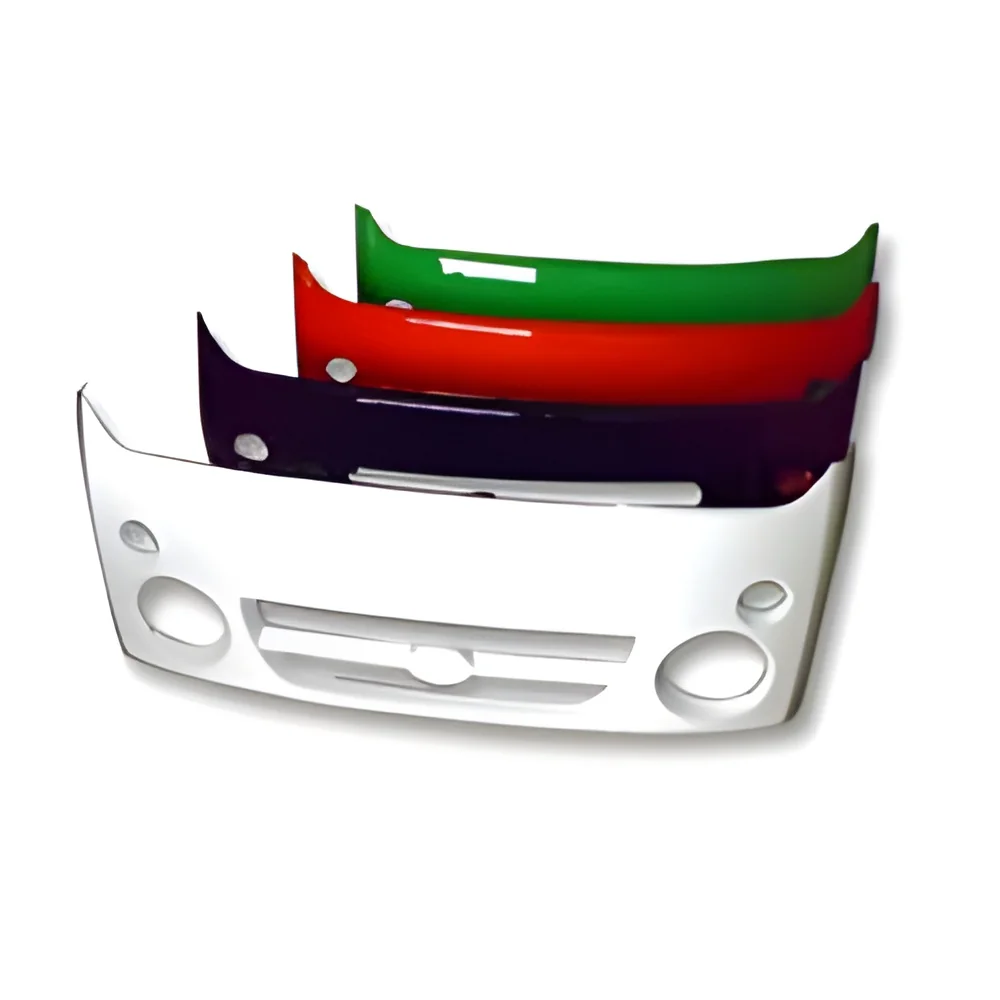
3. Improved Aesthetics: Coatings offer a range of colors and finishes, enhancing the visual appeal of products and environments.
4. Compliance Assurance: Many coatings meet industry standards and regulations, helping businesses stay compliant with safety and environmental laws.
5. Versatility: Industrial coatings can be customized to suit various applications, making them suitable for a wide range of industries.
6. Environmental Compliance: Many modern coatings are designed to be eco-friendly, reducing the environmental impact of industrial processes.
Buying Guide for B2B Buyers
When considering the procurement of industrial painting and coating products, several key factors should be taken into account to ensure a suitable purchase.
1. Quality Assessment: Evaluate the quality of coatings based on performance metrics such as durability, adhesion, and resistance to various environmental factors.
2. Supplier Verification: It is crucial to vet suppliers for reliability and reputation. Look for certifications and past performance to ensure they can meet your needs.
3. Pricing and MOQ: Understand the pricing structure and any minimum order quantities that may apply. This helps in budgeting and inventory management.
4. Delivery and Lead Times: Inquire about logistics and delivery schedules to ensure that products will arrive when needed, avoiding delays in projects.
5. Compliance Requirements: Ensure that products meet relevant industry standards and regulations, including safety and environmental considerations.
Compliance and Certifications
Industrial painting and coating products are subject to various quality standards and certifications to ensure they meet industry requirements.
Relevant standards include ISO 9001, which outlines quality management principles that help organizations ensure their products consistently meet customer expectations.
Another important certification is CE marking, indicating that products conform to European health, safety, and environmental protection standards.
Safety and testing requirements are essential as they ensure that the coatings do not pose risks to health or the environment. This includes assessments for volatile organic compounds and other hazardous materials.
Regional compliance considerations may vary, so it is critical for businesses to understand local regulations that could affect the use and application of industrial coatings.
Why Source Industrial Painting & Coating from Pepagora?
Pepagora offers a reliable platform for sourcing industrial painting and coating products, providing several advantages for buyers.
Verified Supplier Network: Pepagora connects buyers with a network of verified suppliers, ensuring that only reputable manufacturers are available for consideration. This verification process helps mitigate risks associated with procurement.
Streamlined RFQ Process: The request for quotation (RFQ) process on Pepagora is designed to be user-friendly, allowing buyers to receive competitive bids efficiently. This saves time and resources while ensuring that they find the best deals.
Trade Assurance and Support: Pepagora offers trade assurance to protect buyers throughout the purchasing process. This includes support in case of disputes, ensuring a secure transaction environment.
Regional Coverage: With a strong presence in India, the GCC, and Southeast Asia, Pepagora provides extensive geographic reach. This enables buyers to connect with local suppliers who understand regional market dynamics and requirements.
In summary, sourcing industrial painting and coating products through Pepagora not only simplifies the procurement process but also enhances buyer confidence through verified suppliers and comprehensive support.

 IN
IN