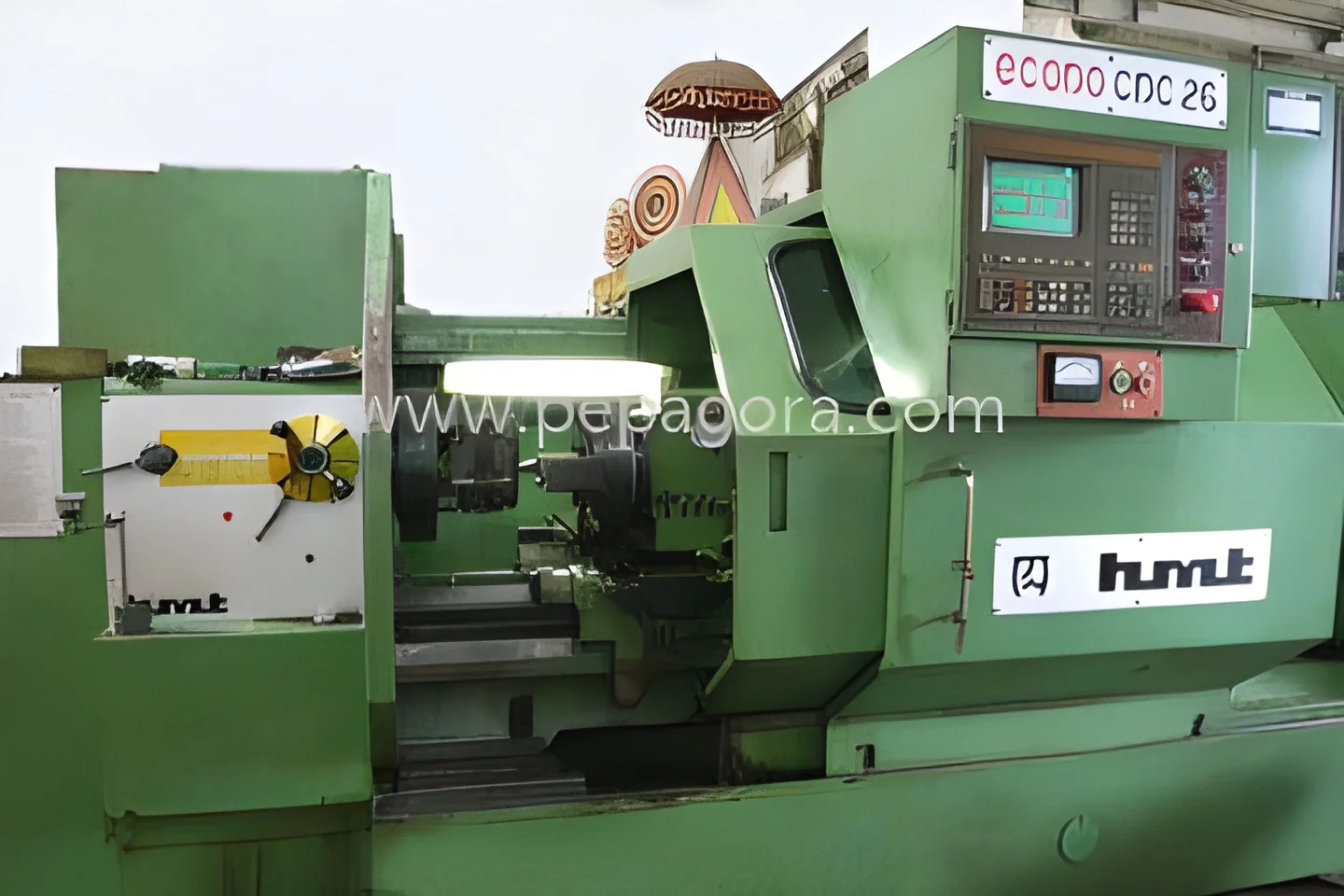
What are Lathe & Milling Machine Maintenance?
Lathe and milling machine maintenance refers to the systematic care and upkeep of these essential tools used in manufacturing and fabrication processes. Maintenance activities are crucial to ensuring that machines operate efficiently, safely, and with precision. Regular maintenance can include cleaning, lubrication, calibration, and the replacement of worn parts, all of which help extend the life of the machinery and improve overall productivity.
These machines are widely used across various industries such as automotive, aerospace, and metalworking for tasks like shaping, cutting, and drilling materials. Proper maintenance is critical to avoid downtime, which can lead to significant financial losses. Companies that prioritize regular maintenance not only enhance the performance of their machines but also maintain a competitive edge in their respective markets.
In today’s industrial landscape, the demand for high-quality lathe and milling machine maintenance services continues to grow. With the increasing complexity of machining operations and the need for precision in manufacturing, businesses must invest in reliable maintenance practices to ensure compliance with industry standards and optimize production capabilities.
Key Features and Specifications
When assessing lathe and milling machine maintenance, various features and specifications are essential for ensuring optimal performance. Understanding these specifications helps businesses choose the right maintenance solutions tailored to their operational needs.
Key specifications include:
1. Lubrication Systems
- Automated lubrication for consistent oil delivery
- Different types such as centralized or manual systems
2. Calibration Accuracy
- Precision measurement capabilities
- Tolerances ranging from microns to millimeters
3. Material Compatibility
- Suitable for various machine materials, including steel and aluminum
- Resistance to chemicals and corrosion
4. Maintenance Frequency
- Recommended intervals for different maintenance tasks
- Guidelines for preventive versus corrective maintenance
5. Safety Features
- Emergency stop mechanisms
- Guards and shields for operator protection
6. Diagnostic Tools
- Built-in sensors for performance monitoring
- Software for predictive maintenance analysis
7. Environmental Control
- Temperature and humidity monitoring capabilities
- Dust and debris management systems
8. Compliance Standards
- Adherence to industry regulations, including CE certifications
- Quality assurance benchmarks
Understanding these specifications ensures that businesses can effectively maintain their machinery and enhance operational efficiency.
Common Applications and Use Cases
Lathe and milling machine maintenance serves a wide range of industries, each with specific applications that benefit from regular upkeep.
1. Automotive: In this industry, precision machining is critical for producing high-quality components, such as engine parts and transmission systems. Regular maintenance ensures accuracy and reliability.
2. Aerospace: Maintenance is vital for aerospace manufacturing, where components must meet strict safety and performance standards. Machines are maintained to prevent failures that could compromise flight safety.
3. Metalworking: In metal fabrication, lathe and milling machines are used for cutting and shaping metal sheets. Consistent maintenance helps maintain the precision required for complex designs.
4. Electronics: The production of circuit boards and electronic components relies on precision machining. Proper maintenance ensures that machines operate effectively to meet tight tolerances.
5. Construction: Machinery used for manufacturing construction components benefits from regular maintenance to ensure reliability and performance in harsh environments.
6. Medical Devices: Precision is paramount in the production of medical instruments. Regular maintenance helps uphold the quality of manufactured devices.
7. Energy: In the energy sector, machinery is used to produce components for renewable energy systems. Maintenance ensures operational efficiency and longevity of equipment.
Product Variants and Subcategories
Lathe and milling machine maintenance encompasses a diverse range of products tailored to specific needs and applications. Understanding these variants can help businesses make informed decisions.
Preventive Maintenance Solutions
These solutions focus on routine checks and services designed to prevent potential issues before they arise. They usually include scheduled inspections, lubrication, and cleaning.
Corrective Maintenance Solutions
This variant addresses issues that have already occurred, requiring repairs or part replacements. It aims to restore machines to their operational condition as quickly as possible.
Predictive Maintenance Tools
Using advanced analytics and monitoring technologies, predictive maintenance tools help identify potential failures before they happen. This proactive approach minimizes downtime and extends machine life.
Remote Maintenance Services
With the advancement of technology, remote maintenance services allow technicians to monitor and troubleshoot machines from afar. This can reduce response times and improve service efficiency.
Benefits and Advantages
Investing in lathe and milling machine maintenance offers several advantages that can significantly impact operational efficiency and cost management.
Key benefits include:
1. Increased Machine Longevity: Regular maintenance helps extend the lifespan of machinery, reducing the frequency of replacements.
2. Enhanced Productivity: Well-maintained machines operate more efficiently, leading to improved production rates and reduced downtime.
3. Cost Savings: Preventive maintenance can save costs associated with emergency repairs and lost production time.
4. Improved Safety: Regular maintenance reduces the risk of accidents and equipment failures, ensuring a safer working environment.
5. Higher Quality Products: Consistent maintenance helps maintain precision, leading to higher quality output and fewer defects.
6. Compliance Assurance: Regular maintenance ensures that machinery meets industry standards and regulations, reducing the risk of non-compliance penalties.
Buying Guide for B2B Buyers
When sourcing lathe and milling machine maintenance, it is crucial for B2B buyers to consider several factors that can influence their decision-making process.
1. Quality Assessment: Evaluate the quality of maintenance services offered, ensuring they meet industry standards and specifications. Look for certifications or quality assurance processes that verify the reliability of the service.
2. Supplier Verification: Conduct thorough research on potential suppliers to verify their credibility and reputation in the industry. Check customer reviews and request references to ensure they have a track record of delivering quality maintenance services.
3. Pricing and MOQ: Consider the cost of maintenance services and any minimum order quantities (MOQ) that may apply. Ensure that the pricing aligns with your budget while still meeting quality expectations.
4. Delivery and Lead Times: Assess the supplier's ability to meet your delivery requirements and lead times. Timely maintenance is critical to avoid operational delays.
5. Compliance Requirements: Ensure that the maintenance services adhere to relevant regulatory requirements and industry standards. This will help mitigate risks associated with compliance violations.
Compliance and Certifications
Compliance and certifications are essential aspects of lathe and milling machine maintenance that ensure products and services meet industry standards.
Relevant quality standards such as ISO 9001 are crucial for maintaining consistent quality in maintenance practices. Companies adhering to ISO standards demonstrate their commitment to quality management systems and customer satisfaction.
Industry certifications, including CE, indicate that products meet safety, health, and environmental protection standards. This certification is vital for ensuring that maintenance services are safe and reliable.
Safety and testing requirements must also be a priority in maintenance practices. Regular safety inspections and testing ensure that machines operate within safe parameters.
Regional compliance considerations may vary based on geographic location. Understanding local regulations and standards can help businesses ensure they remain compliant across different markets.
Why Source Lathe & Milling Machine Maintenance from Pepagora?
Pepagora provides a trusted platform for sourcing lathe and milling machine maintenance with several key advantages.
Verified Supplier Network: Pepagora has a robust network of verified suppliers who have been thoroughly vetted for quality and reliability. This ensures buyers can trust the services they receive.
Streamlined RFQ Process: The request for quotation (RFQ) process on Pepagora is designed to be user-friendly and efficient. Buyers can easily compare offers and choose the best option for their maintenance needs.
Trade Assurance and Support: Pepagora offers trade assurance to protect buyers from risks associated with transactions. The platform provides support throughout the buying process, ensuring a smooth experience.
Regional Coverage: Pepagora has a wide geographic reach, covering key markets in India, the Gulf Cooperation Council (GCC), and Southeast Asia. This allows businesses to find maintenance solutions tailored to their specific regional needs.

 IN
IN