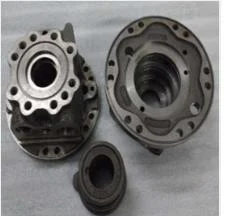
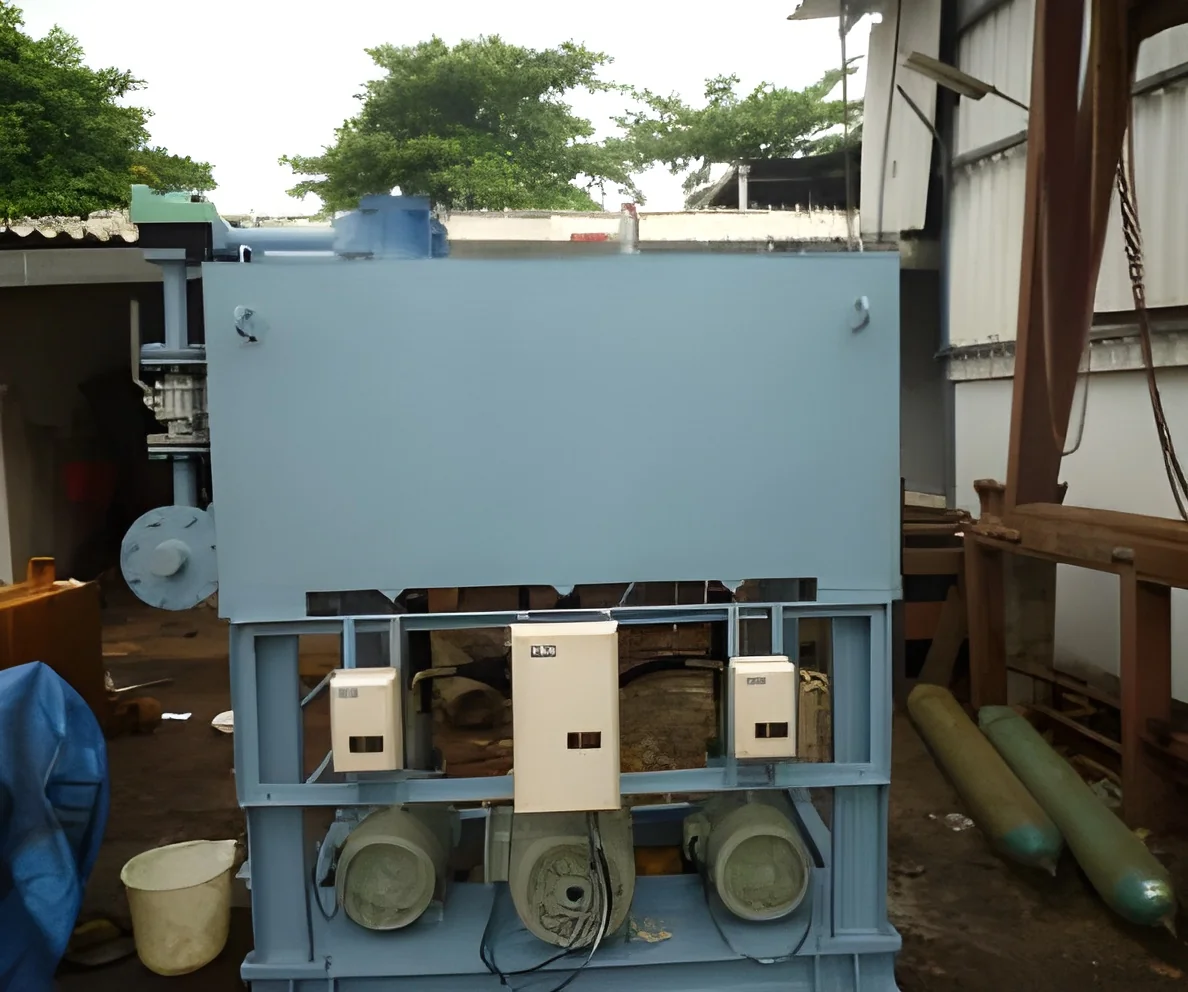
What are Hydraulic System Servicing?
Hydraulic system servicing involves the maintenance, repair, and overall management of hydraulic systems used in various industrial applications. These systems rely on pressurized fluids to transmit power and perform work. Proper servicing ensures that hydraulic machinery operates efficiently, minimizing downtime and extending the lifespan of the equipment. This process can include routine inspections, fluid changes, system adjustments, and troubleshooting of hydraulic components.
Hydraulic systems are utilized in diverse sectors such as manufacturing, construction, agriculture, and transportation. They are critical for operating equipment like forklifts, excavators, and hydraulic presses. By maintaining these systems, businesses can ensure optimal performance, reduce the risk of equipment failures, and enhance safety in the workplace. The demand for hydraulic system servicing is growing as industries increasingly rely on automated and hydraulic technologies to improve productivity and efficiency.
Key Features and Specifications
Hydraulic system servicing encompasses a variety of features and specifications that ensure the effective operation of hydraulic systems. Understanding these key specifications is essential for B2B buyers to make informed decisions.
Key specifications include:
1. Service Interval
- Regular maintenance schedules to optimize performance
- Typically ranges from 500 to 2000 operating hours depending on usage
2. Fluid Type Compatibility
- Ensures the use of appropriate hydraulic fluids
- Includes mineral oils, water-based fluids, and biodegradable options
3. Pressure Ratings
- Maximum operational pressure levels for various hydraulic systems
- Usually ranges from 1000 psi to 5000 psi
4. Temperature Range
- Operating temperature limits for hydraulic fluids
- Commonly between -20°C to 80°C
5. Filtration Standards
- Requirements for fluid cleanliness to prevent contamination
- ISO cleanliness codes are often referenced
6. Component Compatibility
- Ensure parts are compatible with leading hydraulic brands
- Includes seals, pumps, and valves
7. Inspection Procedures
- Standardized methods for evaluating system performance
- Visual inspections, pressure tests, and fluid analysis
8. Safety Standards
- Compliance with industry safety regulations
- Adherence to guidelines set forth by organizations like UL and CE
In summary, understanding these features and specifications helps businesses maintain their hydraulic systems effectively, ensuring longevity and performance.
Common Applications and Use Cases
Hydraulic system servicing finds extensive application across various industries. This versatility makes it a crucial service for maintaining equipment reliability.
1. Manufacturing: Hydraulic systems in manufacturing facilitate automation and material handling, ensuring efficient production lines.
2. Construction: Heavy machinery like cranes and excavators rely on hydraulic systems for lifting and moving materials, making servicing vital for operational safety.
3. Agriculture: Tractors and other farming equipment utilize hydraulic systems for tasks such as plowing and harvesting, requiring regular maintenance to prevent failures.
4. Transportation: Hydraulic brakes and steering systems in vehicles need servicing to ensure safety and reliability on the road.
5. Mining: Hydraulic systems power drilling and excavation equipment, where consistent servicing is essential to maintain productivity and safety.
6. Aerospace: Hydraulic systems control flight surfaces and landing gear, emphasizing the need for stringent servicing to adhere to safety regulations.
7. Oil and Gas: Equipment used in drilling and extraction relies on hydraulic systems, making regular servicing critical to prevent costly downtimes.
Product Variants and Subcategories
Hydraulic system servicing includes a range of options to accommodate different operational needs. Understanding these variants helps businesses choose the right service for their requirements.
Hydraulic Fluid Change Service
This variant focuses on the replacement of hydraulic fluids to ensure optimal system performance. Regular fluid changes help to maintain cleanliness and prevent degradation of hydraulic components.
Leak Detection Service
This service specializes in identifying and rectifying leaks within hydraulic systems. Timely leak detection prevents fluid loss and system inefficiencies, ensuring reliable operation.
Pressure Testing Service
This variant involves assessing the pressure levels in hydraulic systems to ensure they meet operational standards. Regular pressure testing helps identify potential issues before they lead to failures.
Maintenance Audits
This service provides a comprehensive evaluation of hydraulic systems, including inspections, recommendations for improvements, and necessary repairs.
Benefits and Advantages
Hydraulic system servicing offers numerous benefits that enhance operational efficiency and safety.
1. Increased Equipment Lifespan: Regular servicing extends the life of hydraulic components, reducing the need for replacements.
2. Enhanced Performance: Well-maintained hydraulic systems operate more efficiently, leading to improved productivity in industrial applications.
3. Reduced Downtime: Timely servicing helps identify and address issues before they cause equipment failures, minimizing operational disruptions.
4. Safety Assurance: Regular inspections and maintenance reduce the risk of accidents related to hydraulic failures, promoting a safer work environment.
5. Cost Savings: Preventative maintenance is often more cost-effective than emergency repairs, helping businesses manage their budgets effectively.
6. Compliance with Regulations: Regular servicing ensures adherence to industry standards and safety regulations, protecting businesses from potential liabilities.
Buying Guide for B2B Buyers
When sourcing hydraulic system servicing, B2B buyers should consider several key factors to ensure they make informed decisions.
1. Quality Assessment: Evaluate the quality of service providers based on their experience and customer feedback. High-quality servicing is critical to maintaining hydraulic systems effectively.
2. Supplier Verification: Vet suppliers to ensure they have a good reputation in the industry. Check for certifications and compliance with relevant standards to guarantee reliable service.
3. Pricing and MOQ: Understand the cost structure and minimum order quantities associated with servicing. This information helps in budgeting and planning for maintenance needs.
4. Delivery and Lead Times: Consider the logistics of service delivery, including response times for urgent repairs and scheduled maintenance.
5. Compliance Requirements: Ensure that the service provider adheres to all relevant industry regulations and safety standards. This compliance is vital for protecting both equipment and personnel.
Compliance and Certifications
Hydraulic system servicing must adhere to various quality standards and certifications to ensure reliability and safety in operations.
Relevant quality standards such as ISO 9001 establish a framework for maintaining quality management systems. These standards help service providers implement consistent processes that meet customer expectations.
Additionally, industry certifications like UL and CE signify that hydraulic components and servicing meet strict safety and performance criteria. These certifications are crucial for ensuring that equipment operates safely under specified conditions.
Safety and testing requirements also play a significant role in hydraulic system servicing. Regular safety audits and pressure tests help identify potential hazards, ensuring that all systems comply with regional and international safety regulations.
Furthermore, regional compliance considerations may vary, necessitating that service providers understand and implement local regulations. This understanding is key to maintaining operational validity across different geographical areas.
Why Source Hydraulic System Servicing from Pepagora?
Pepagora provides a trusted platform for sourcing hydraulic system servicing, offering several key advantages to B2B buyers.
Verified Supplier Network: Pepagora connects buyers with a network of verified suppliers, ensuring that businesses can find reliable service providers with a proven track record in hydraulic servicing.
Streamlined RFQ Process: The platform simplifies the request for quotation (RFQ) process, allowing buyers to quickly and efficiently obtain quotes from multiple suppliers. This streamlining saves time and helps buyers compare options effectively.
Trade Assurance and Support: Pepagora offers trade assurance and support, providing buyers with protection throughout the sourcing process. This assurance fosters confidence in transactions and promotes positive supplier relationships.
Regional Coverage: With a strong presence in regions like India, the GCC, and Southeast Asia, Pepagora facilitates access to hydraulic system servicing across diverse markets. This geographic reach allows businesses to find local service providers that understand regional requirements and dynamics.

 IN
IN