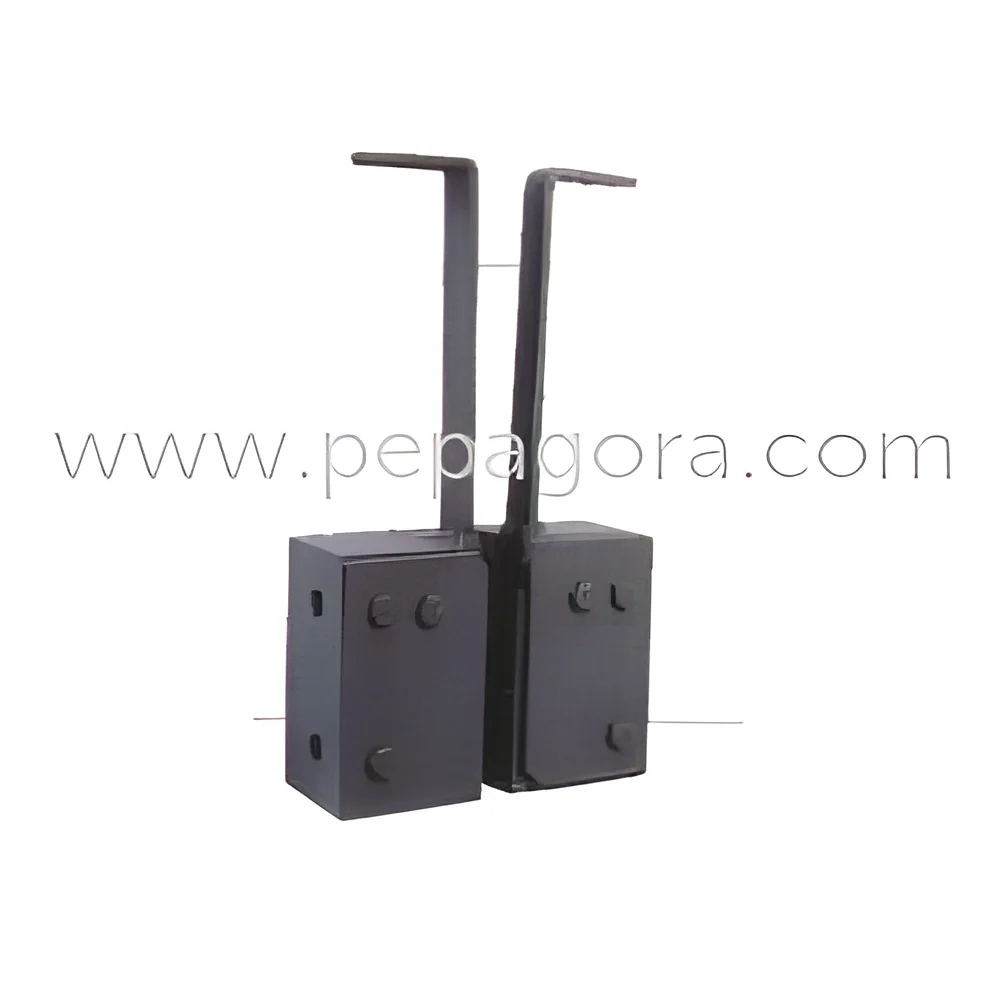
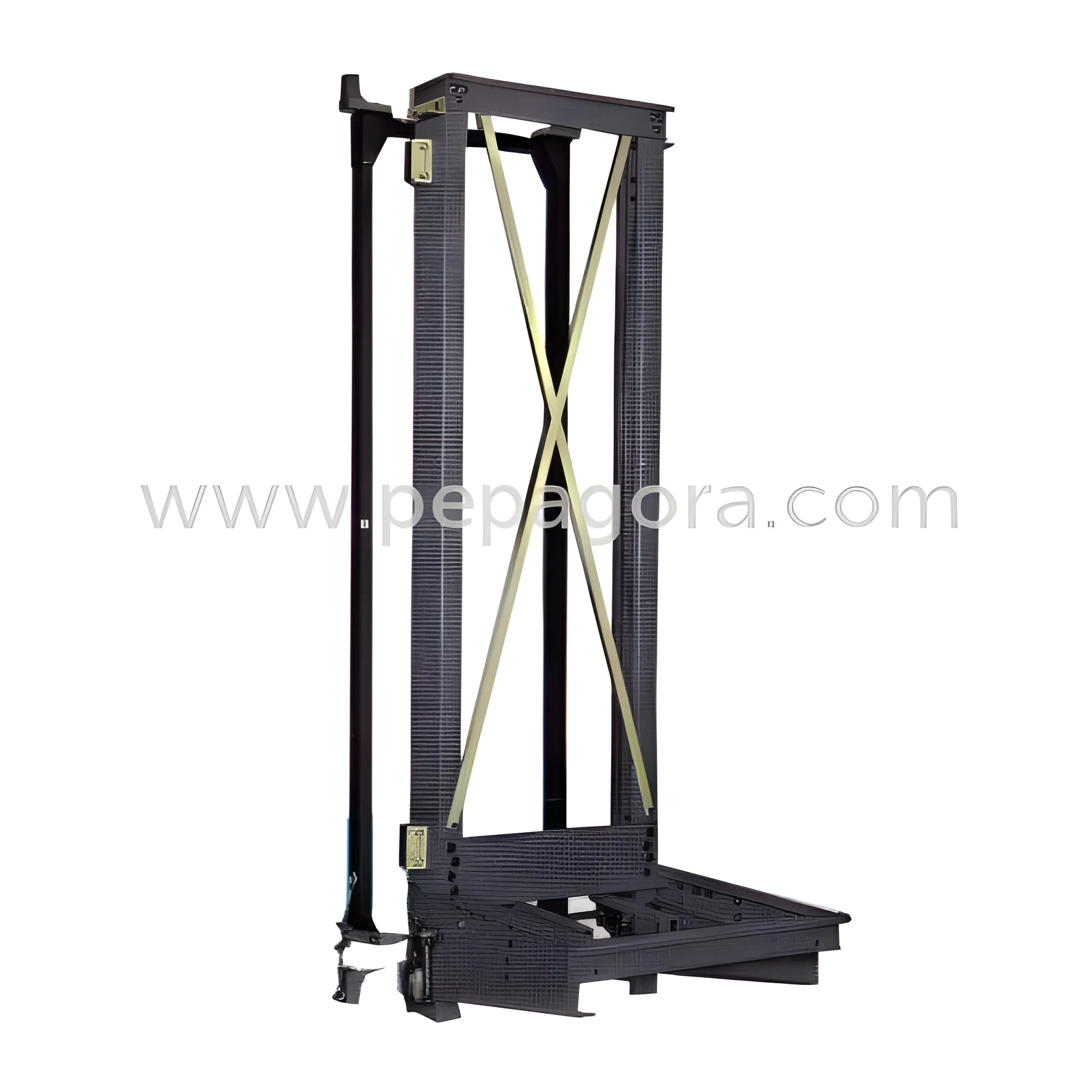
What are Elevator & Lift Maintenance?
Elevator and lift maintenance refers to the regular inspection, servicing, and repair of elevators and lifts to ensure their safe and efficient operation. This process is critical for the longevity of the equipment and the safety of its users. Maintenance activities can vary widely, including routine checks, emergency repairs, and comprehensive overhauls, depending on the type of lift and its usage frequency. The goal is to prevent breakdowns and ensure compliance with safety regulations.
These services are essential in various sectors including commercial buildings, residential complexes, and industrial facilities. Elevators and lifts are vital for moving people and goods efficiently, making their reliable operation a priority for business owners and facility managers. By investing in maintenance, companies can minimize downtime, reduce repair costs, and enhance user satisfaction. In an increasingly competitive market, maintaining high standards of safety and reliability in elevator systems is crucial for attracting tenants and customers.
Key Features and Specifications
Elevator and lift maintenance services encompass a range of features designed to ensure optimal performance and safety. These features are backed by rigorous specifications that help service providers deliver effective maintenance solutions.
Key specifications include:
1. Safety Inspections
- Routine inspections assess the functionality of safety devices and emergency systems.
- Inspections are typically conducted every six to twelve months, depending on local regulations.
2. Maintenance Frequency
- Regular preventive maintenance is recommended at least once a month.
- More frequent checks may be necessary for high-traffic installations.
3. Response Time
- Emergency response times should be within a specified timeframe, often less than two hours.
- Timely responses minimize disruption and enhance safety.
4. Parts Replacement
- Replacement of worn parts, such as cables and brakes, is essential for maintaining safety.
- Components should meet or exceed manufacturer specifications.
5. Compliance Standards
- Maintenance services must comply with local and international safety standards.
- Certifications such as CE indicate adherence to safety regulations.
6. Documentation
- Comprehensive maintenance records should be kept for compliance and audit purposes.
- Records should include inspection logs, repair details, and parts replaced.
7. Training and Certification
- Technicians should have relevant training and certifications to perform maintenance.
- Continuous education on the latest technologies and safety practices is essential.
8. Monitoring Systems
- Advanced monitoring systems can provide real-time data on lift performance.
- These systems help identify potential issues before they result in breakdowns.
In summary, understanding these features and specifications is vital for companies seeking reliable elevator and lift maintenance services. They ensure safety, compliance, and operational efficiency.
Common Applications and Use Cases
Elevator and lift maintenance is integral to various industries, reflecting the necessity of reliable vertical transportation systems.
1. Commercial Buildings: Elevators in office buildings require regular maintenance to accommodate high foot traffic, ensuring safety and efficiency for employees and visitors.
2. Residential Complexes: Apartment buildings rely on well-maintained lifts for accessibility, making it crucial to conduct routine inspections and repairs to guarantee safe operation.
3. Healthcare Facilities: Hospitals and clinics use elevators to transport patients and medical equipment. Maintenance is critical to ensure the reliability of these systems, especially in emergencies.
4. Retail Outlets: Shopping malls and large retail stores depend on lifts for customer convenience. Regular maintenance can minimize downtime and enhance the shopping experience.
5. Industrial Facilities: Factories often use lifts for moving goods and materials. Maintenance services are essential to prevent operational disruptions and ensure safety in high-stakes environments.
6. Educational Institutions: Schools and universities utilize elevators for accessibility. Proper maintenance is necessary to support students and staff with mobility challenges.
7. Hospitality Industry: Hotels and resorts require lifts to ensure guest comfort. Regular maintenance helps provide a seamless experience for visitors.
Product Variants and Subcategories
Elevator and lift maintenance services come in various forms to meet specific needs. Each variant is tailored to address unique operational challenges.
Preventive Maintenance Services
This variant focuses on scheduled inspections and routine servicing to prevent breakdowns. It includes comprehensive checks of all elevator systems and ensures compliance with safety regulations.
Emergency Repair Services
Emergency services provide immediate response to breakdowns or malfunctions. This variant ensures that issues are resolved quickly to minimize downtime and maintain safety.
Modernization Services
Modernization involves upgrading older elevator systems with new technology. This variant improves performance, energy efficiency, and safety features while extending the lifespan of the equipment.
Benefits and Advantages
Investing in elevator and lift maintenance offers numerous advantages for businesses.
1. Enhanced Safety: Regular maintenance helps identify and rectify potential safety hazards, protecting users and reducing liability.
2. Reduced Downtime: Consistent servicing minimizes the risk of unexpected breakdowns, ensuring elevators operate smoothly and efficiently.
3. Cost Savings: Preventive maintenance can reduce long-term repair costs and extend the lifespan of elevator systems, resulting in significant savings.
4. Improved User Experience: Well-maintained elevators provide reliable service, enhancing customer satisfaction and tenant retention.
5. Compliance with Regulations: Adhering to maintenance schedules ensures compliance with safety regulations, avoiding penalties and legal issues.
6. Increased Property Value: Investing in maintenance can improve the overall value of a property, making it more attractive to potential tenants or buyers.
Buying Guide for B2B Buyers
When sourcing elevator and lift maintenance services, several factors should be considered to ensure the best choice for your business needs.
1. Quality Assessment: Evaluate the service provider's reputation and track record. Look for reviews and testimonials from other businesses to gauge reliability.
2. Supplier Verification: Ensure that the maintenance provider is certified and meets industry standards. Verification can include checking for relevant licenses and safety certifications.
3. Pricing and MOQ: Understand the pricing structure and minimum order quantities associated with maintenance services. Compare quotes from different providers to find the best value.
4. Delivery and Lead Times: Inquire about the expected lead times for service delivery, especially for emergency repairs. Timely service is critical in minimizing operational disruptions.
5. Compliance Requirements: Ensure that the service provider adheres to local and regional safety regulations. Compliance with standards such as CE can assure quality and safety.
Compliance and Certifications
Elevator and lift maintenance services must adhere to a range of compliance standards and certifications to ensure safety and reliability.
Relevant quality standards such as ISO 9001 outline the requirements for a quality management system, ensuring consistent service delivery. Compliance with these standards indicates that a service provider is committed to quality and continuous improvement.
Industry certifications, including CE, demonstrate that maintenance services meet European safety, health, and environmental protection standards. This certification is crucial for businesses operating in regions that require compliance with these regulations.
Safety and testing requirements are also essential, as they ensure that all elevator systems are functioning correctly and safely. Regular testing of safety features, such as emergency brakes and alarms, is mandatory to maintain compliance.
Regional compliance considerations should also be taken into account. Different regions may have specific regulations governing elevator operation and maintenance, making it essential for businesses to work with providers familiar with local laws.
Why Source Elevator & Lift Maintenance from Pepagora?
Pepagora is a trusted platform for sourcing elevator and lift maintenance, offering several key advantages for B2B buyers.
Verified Supplier Network: Pepagora connects businesses with a network of verified suppliers, ensuring that companies can find reputable service providers. This network allows buyers to choose from a range of qualified professionals who have been vetted for reliability and quality.
Streamlined RFQ Process: The request for quotation process on Pepagora is designed to be efficient and user-friendly. Buyers can quickly submit their requirements and receive competitive quotes from multiple suppliers, simplifying the decision-making process.
Trade Assurance and Support: Pepagora offers trade assurance, providing buyers with protection throughout the purchasing process. This support includes assistance with any issues that may arise, ensuring a smooth transaction and peace of mind.
Regional Coverage: With a strong presence in India, the GCC, and Southeast Asia, Pepagora's regional coverage facilitates access to local suppliers. This geographic reach allows businesses to find maintenance solutions tailored to their specific market needs.
By choosing Pepagora for elevator and lift maintenance, businesses can benefit from a reliable sourcing platform that connects them with qualified suppliers, ensuring safety, compliance, and operational efficiency.

 IN
IN