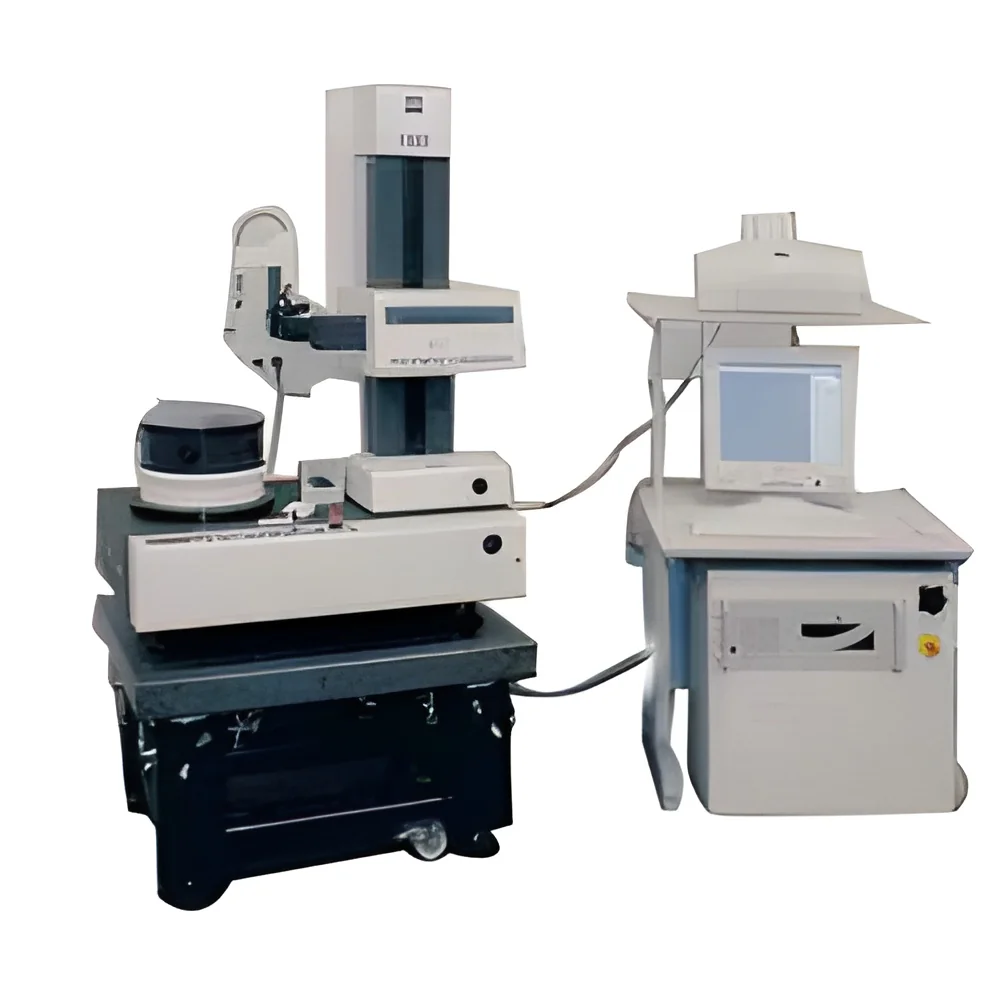
What are CNC Machine Calibration?
CNC Machine Calibration is the process of adjusting and verifying the accuracy of a CNC machine's movements and functions. This involves checking the machine's alignment, measurement accuracy, and operational consistency to ensure it meets the required specifications. Calibration is vital for maintaining the precision of CNC machinery, which relies on programmed instructions to perform tasks with exact measurements.
The primary uses of CNC Machine Calibration are found in manufacturing and machining environments where precision is critical. Industries such as aerospace, automotive, and electronics heavily depend on calibrated CNC machines to produce components that adhere to strict tolerances. Proper calibration minimizes errors, enhances product quality, and reduces waste, making it a crucial aspect of industrial operations.
In today’s competitive market, the relevance of CNC Machine Calibration is underscored by the push for automation and technological advancement. As manufacturers integrate sophisticated CNC systems into their processes, the need for regular calibration ensures that these machines operate at optimal efficiency, aligning with industry standards and customer expectations.
Key Features and Specifications
CNC Machine Calibration offers several key features that enhance machine performance and accuracy. These features are critical for ensuring that CNC machinery operates within specified tolerances and meets production requirements.
Key specifications include:
1. Measurement Accuracy
- Typically ranges from ±0.01 mm to ±0.1 mm
- Ensures precision in machining operations
2. Calibration Frequency
- Recommended every 6 to 12 months
- Dependent on machine usage and operational conditions
3. Temperature and Humidity Control
- Operating temperature typically between 15°C to 30°C
- Humidity levels maintained at 30% to 70% for optimal performance
4. Alignment Verification
- Checking for squareness and levelness within specified tolerances
- Utilizes laser and electronic measurement tools
5. Software Compatibility
- Works with various CNC control software platforms
- Enhances ease of calibration and data collection
6. Reporting Capabilities
- Generates detailed calibration reports for documentation
- Tracks historical calibration data for compliance
7. User Interface
- Intuitive interfaces for easy operation and monitoring
- Allows for real-time adjustments during calibration
In summary, CNC Machine Calibration is characterized by its emphasis on precision, frequent verification, and compatibility with modern technologies, making it indispensable for manufacturers seeking quality assurance.
Common Applications and Use Cases
CNC Machine Calibration serves a variety of industries that require high precision in their manufacturing processes.
1. Aerospace: Calibration is essential for ensuring that aircraft components meet stringent safety and performance standards, where even minor deviations can lead to catastrophic failures.
2. Automotive: In the automotive sector, CNC machine calibration is crucial for producing parts that must fit together perfectly for optimal vehicle performance and safety.
3. Electronics: The electronics industry relies on calibrated CNC machinery to manufacture components with high precision, which is critical for function and reliability.
4. Medical Devices: Calibration ensures that surgical instruments and medical devices are produced with the accuracy required to meet health regulations and standards.
5. Tool and Die Making: In this sector, precise calibration helps in creating molds and dies that require exact specifications for manufacturing processes.
6. Metal Fabrication: CNC calibration is vital in metalworking environments to ensure accurate cuts and shapes, enhancing product quality and minimizing waste.
7. Furniture Manufacturing: In furniture production, CNC machines must be calibrated to ensure that components fit together seamlessly, ensuring both aesthetics and functionality.
Product Variants and Subcategories
CNC Machine Calibration offers various product variants to meet different operational needs and industry requirements.
Standard Calibration System: This variant provides basic calibration tools and software for small to medium-sized CNC machines. It is designed for ease of use and quick setup, making it ideal for businesses looking to implement calibration without extensive training.
Advanced Calibration System: This system includes more sophisticated tools and software for high-end CNC machines. It allows for detailed analysis and reporting, catering to industries with rigorous calibration demands.
Portable Calibration Kit: This variant is designed for on-site calibration, featuring lightweight and compact tools that enable technicians to perform calibration at various locations, enhancing flexibility and efficiency.
Benefits and Advantages
CNC Machine Calibration offers numerous benefits that contribute to improved operational efficiency and product quality.
Key benefits include:
1. Enhanced Precision: Regular calibration ensures that CNC machines operate within specified tolerances, leading to higher quality products.
2. Reduced Waste: By minimizing errors in production, calibration helps reduce material waste and lowers costs.
3. Increased Lifespan: Properly calibrated machines experience less wear and tear, extending their operational lifespan and reducing maintenance costs.
4. Compliance Assurance: Calibration helps manufacturers meet industry standards and regulatory requirements, avoiding potential fines and ensuring product safety.
5. Improved Productivity: Accurate machines operate more efficiently, leading to higher output and faster production times.
6. Customer Satisfaction: High-quality, precisely manufactured products lead to greater customer trust and satisfaction, enhancing business reputation.
Buying Guide for B2B Buyers
When sourcing CNC Machine Calibration, it is important to consider several factors to ensure you make informed decisions.
1. Quality Assessment: Look for calibration systems that adhere to industry standards for accuracy and reliability. Review certifications and customer testimonials to gauge quality.
2. Supplier Verification: Vet potential suppliers by checking their reputation, experience, and customer support services. Ensure they are compliant with relevant industry regulations.
3. Pricing and MOQ: Consider the cost of calibration systems along with their minimum order quantities. Compare prices across different suppliers to find the best value for your investment.
4. Delivery and Lead Times: Assess the logistics involved in procuring calibration systems. Ensure that suppliers can meet your delivery timelines without sacrificing quality.
5. Compliance Requirements: Be aware of any regulatory compliance requirements relevant to your industry. Ensure that the calibration systems you consider meet these standards.
Compliance and Certifications
CNC Machine Calibration is subject to various quality standards and certifications that ensure safety and reliability in manufacturing processes.
ISO 9001 is one of the most recognized quality management standards, ensuring that calibration processes are consistent and meet customer satisfaction. Adhering to ISO standards helps businesses demonstrate their commitment to quality and continuous improvement.
Additionally, compliance with CE certification signifies that the calibration equipment meets European Union safety and environmental protection requirements. This certification is crucial for companies operating in or exporting to European markets.
Safety and testing requirements are also essential to ensure that calibration processes do not compromise operator safety or machine integrity. Regular testing and adherence to safety standards are vital for minimizing risks in the workplace.
Regional compliance considerations may vary, and it is important for businesses to be aware of local regulations that could impact calibration practices. Understanding these requirements is essential for maintaining compliance and ensuring smooth operations.
Why Source CNC Machine Calibration from Pepagora?
Pepagora provides a trusted platform for sourcing CNC Machine Calibration with several key advantages.
Verified Supplier Network: Pepagora features a network of verified suppliers, ensuring that buyers can trust the quality and reliability of the products they purchase. This verification process helps mitigate risks associated with sourcing.
Streamlined RFQ Process: The Request for Quotation (RFQ) process is designed to be user-friendly, allowing buyers to easily request quotes from multiple suppliers. This efficiency saves time and simplifies the purchasing process.
Trade Assurance and Support: Pepagora offers trade assurance, providing buyers with added protection during transactions. In case of disputes, the platform facilitates support to resolve issues, ensuring a smoother buying experience.
Regional Coverage: With a strong presence in India, GCC, and Southeast Asia, Pepagora is well-positioned to serve a diverse range of businesses. This geographic reach allows for better access to suppliers and products tailored to specific regional needs.

 IN
IN