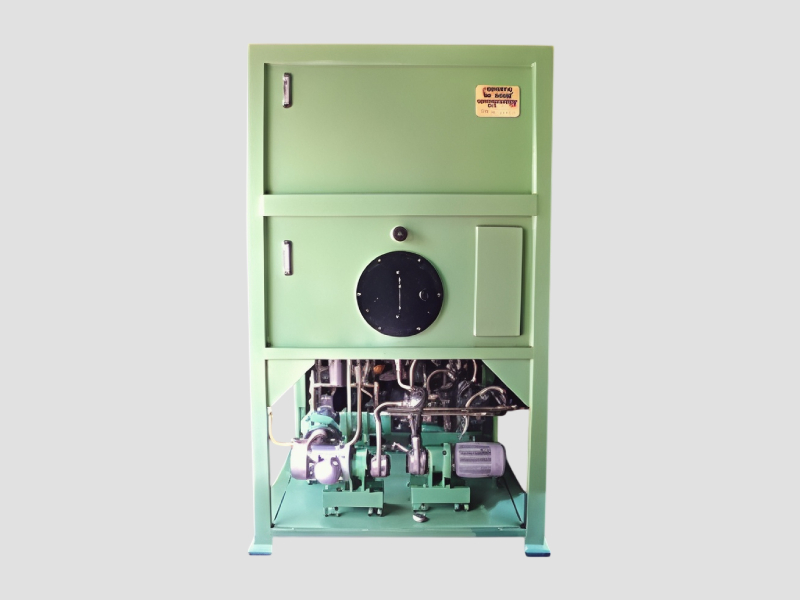
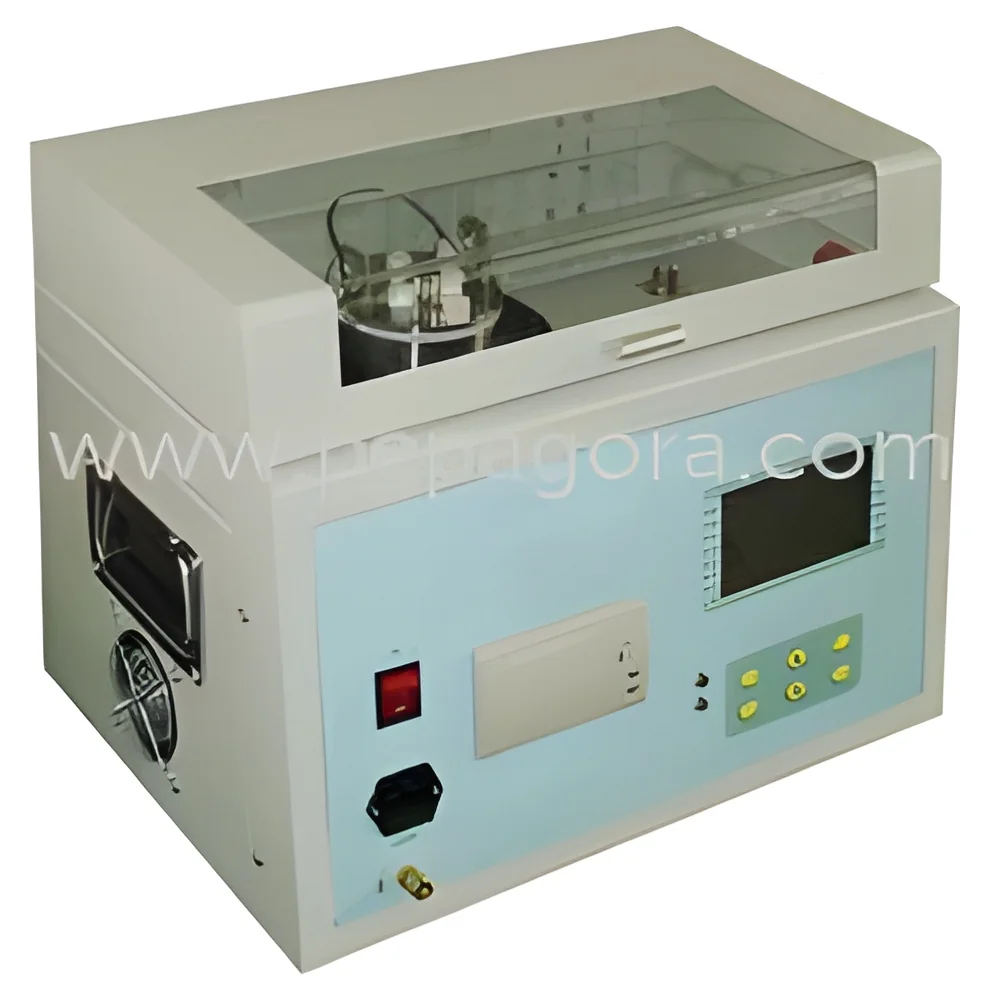
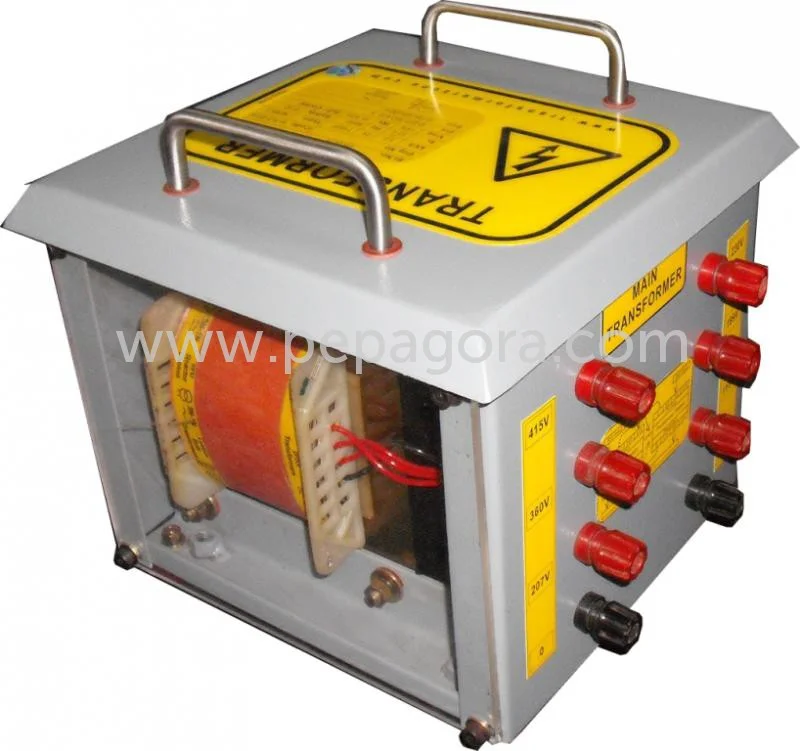
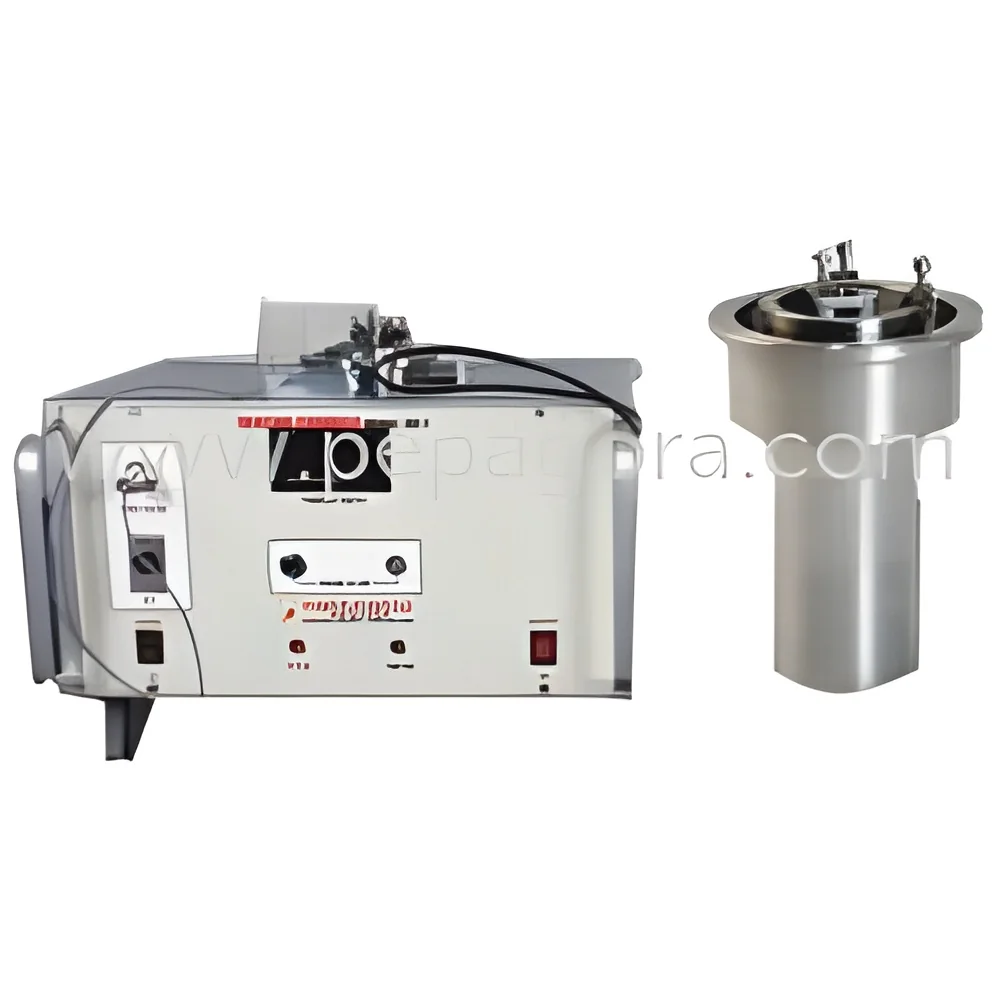
What are Transformer Testing & Servicing?
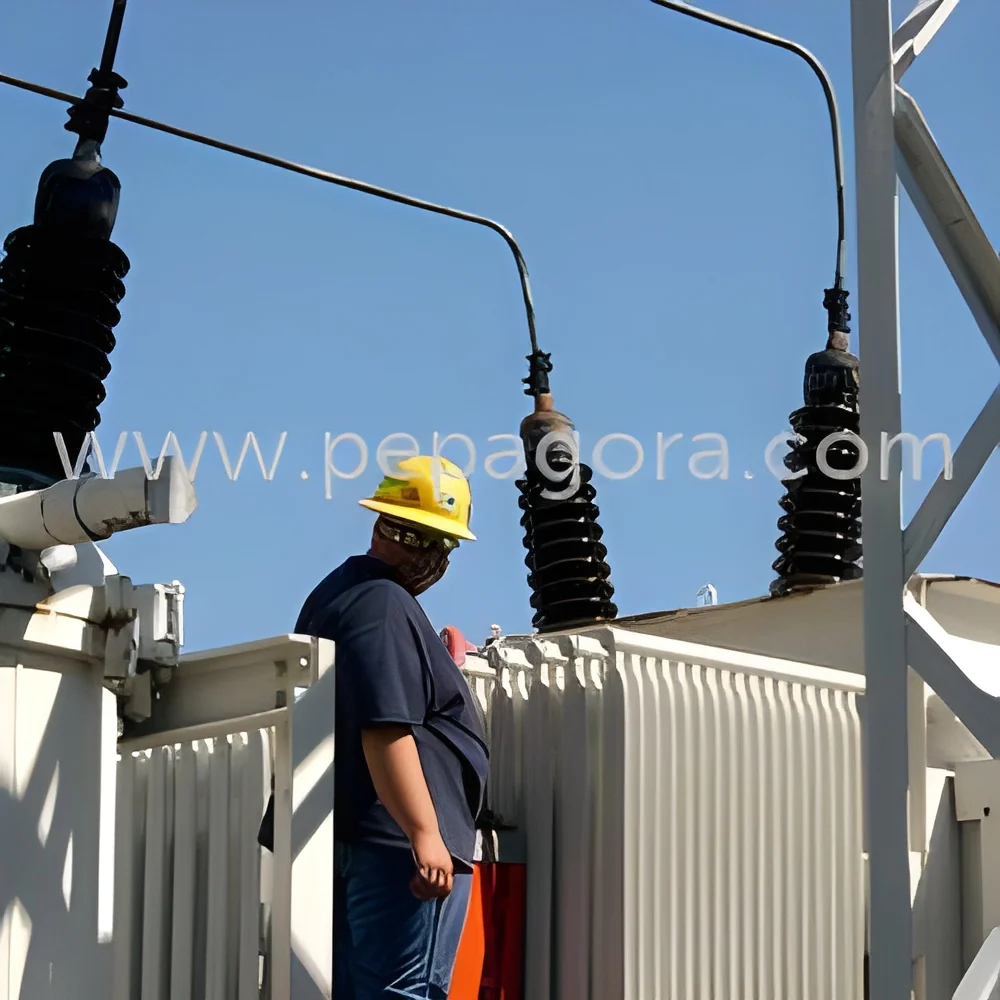
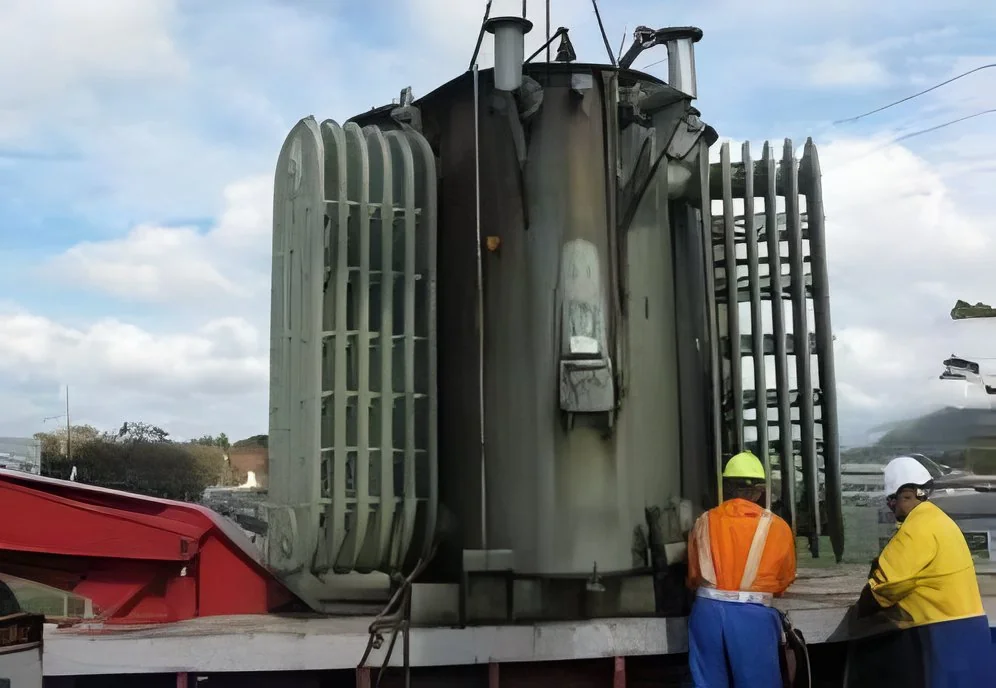
Transformer testing and servicing refer to the systematic evaluation and maintenance of electrical transformers to ensure their efficient and reliable operation. This process involves various diagnostic tests to assess the transformer's condition, such as insulation resistance testing, power factor testing, and thermal imaging. The goal is to identify potential issues before they lead to failures, thereby extending the life of the transformer and ensuring it operates within specified parameters.
These services are crucial in sectors such as power generation, manufacturing, and utilities, where transformers play a vital role in electrical distribution and conversion. Regular testing and servicing help in maintaining optimal performance, reducing downtime, and ensuring compliance with safety standards. In today's competitive market, where operational efficiency is paramount, transformer testing and servicing have become integral to asset management strategies in the industrial sector.
The relevance of transformer testing and servicing spans various industries, driving demand for specialized services that support the longevity and reliability of electrical systems. As power demands increase and technology evolves, ensuring transformers are well-maintained is critical for operational continuity and safety.
Key Features and Specifications
Transformer testing and servicing involve several robust features and specifications that determine the effectiveness and reliability of the processes. Understanding these specifications is essential for businesses seeking to maintain their transformer systems.
Key specifications include:
1. Insulation Resistance Testing
- Evaluates the condition of insulation materials in transformers.
- Typically measured in megohms (MΩ).
2. Power Factor Testing
- Assesses the dielectric losses in the transformer insulation.
- Measured in percentage (%), with acceptable ranges varying by application.
3. Thermal Imaging
- Uses infrared technology to identify hot spots and thermal anomalies.
- Provides visual data for proactive maintenance.
4. Sweep Frequency Response Analysis
- Analyzes the frequency response of transformers to detect mechanical issues.
- Key for identifying winding deformation or core issues.
5. Transformer Turns Ratio Testing
- Measures the ratio of primary to secondary winding turns.
- Ensures that transformers are functioning within specified parameters.
6. Dissolved Gas Analysis (DGA)
- Monitors gas levels in transformer oil to detect potential faults.
- Critical for identifying issues like overheating or arcing.
7. Circuit Breaker Testing
- Ensures that the associated circuit breakers function correctly in conjunction with transformers.
- Evaluates timing and contact resistance.
8. Routine Maintenance Checks
- Regular inspections and cleaning to maintain optimal performance.
- Includes checking for oil leaks and ensuring proper grounding.
In summary, transformer testing and servicing encompass a variety of detailed evaluations and maintenance procedures that are essential for the health of electrical systems across multiple industries.
Common Applications and Use Cases
Transformer testing and servicing have diverse applications across various industries, ensuring the reliability and efficiency of electrical systems.
1. Power Generation: In power plants, regular testing helps maintain transformers that convert generated electricity for distribution, ensuring minimal downtime and operational efficiency.
2. Manufacturing: Factories rely on transformers for machinery operation. Testing services prevent unexpected failures, ensuring continuous production and safety.
3. Utilities: Electric utility companies conduct regular transformer servicing to ensure reliable power supply to consumers, reducing outages and improving service quality.
4. Renewable Energy: In solar and wind installations, transformers must be tested to handle variable loads and output, facilitating efficient energy conversion.
5. Transportation: Rail and metro systems depend on transformers for power supply. Testing ensures these systems operate safely and efficiently.
6. Data Centers: Transformers in data centers must be reliable to prevent data loss and downtime. Regular servicing maintains optimal performance.
7. Mining: In mining operations, transformers are essential for powering equipment. Testing ensures they can handle the high demands of the industry.
Product Variants and Subcategories
Transformer testing and servicing come in various forms to cater to specific needs and applications within different industries. Although detailed subcategories are not available, some variants are commonly recognized.
Portable Transformer Testing Equipment
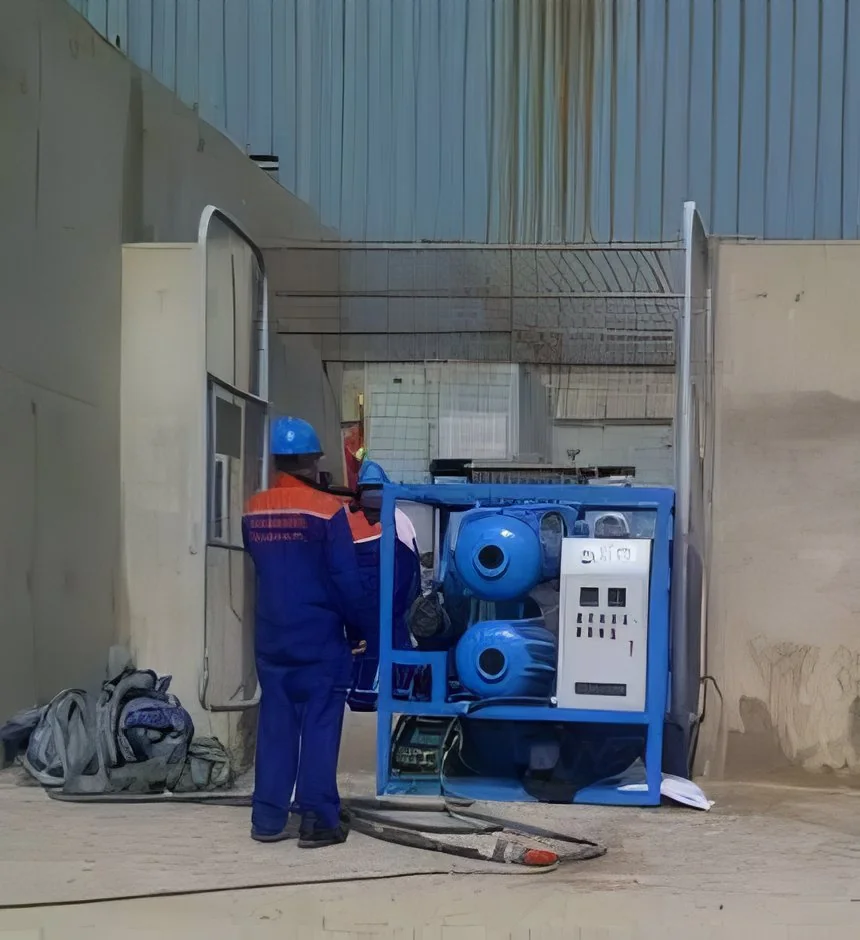
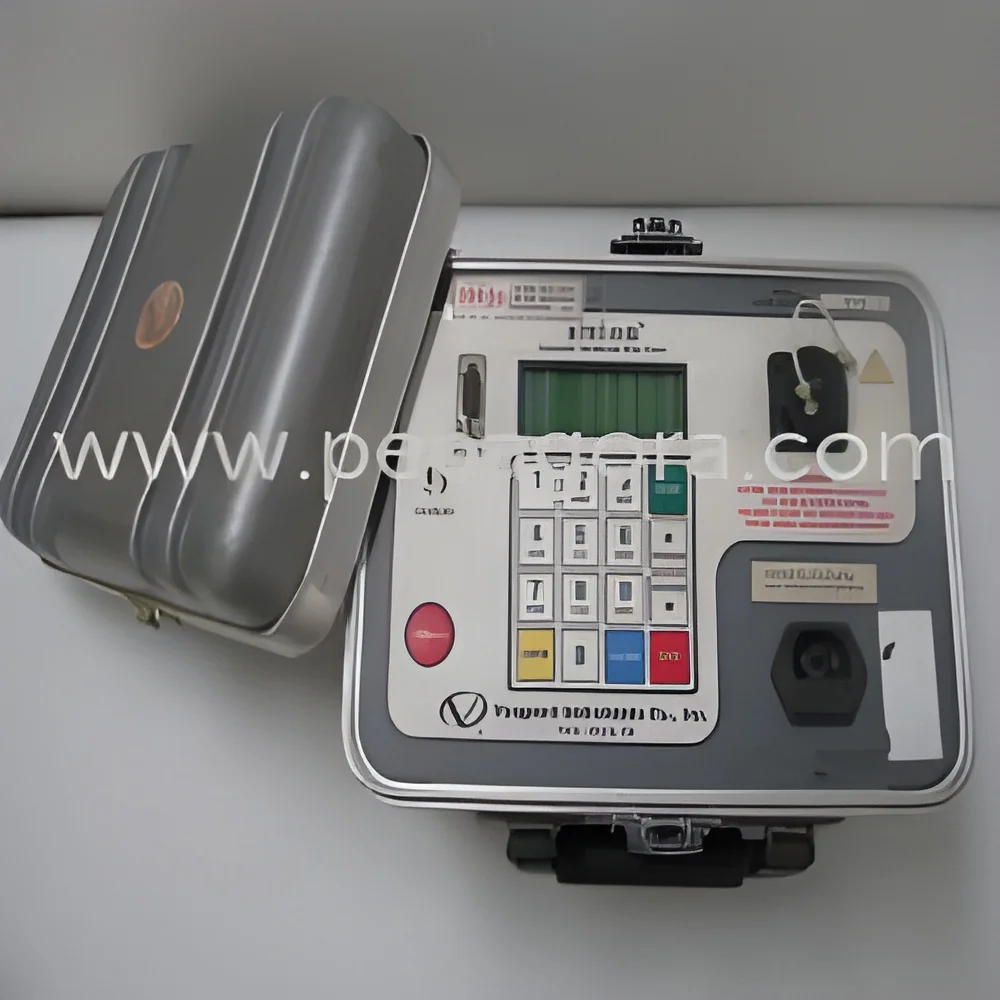
This variant is designed for field testing, making it suitable for on-site evaluations. It typically includes essential testing features like insulation resistance and power factor testing, allowing technicians to perform comprehensive assessments without needing extensive setup.
Stationary Transformer Testing Solutions
These solutions are installed in fixed locations, often within industrial facilities. They provide continuous monitoring and can perform advanced diagnostic testing, ensuring transformers are always operating within safe parameters.
Mobile Testing Units
Mobile units are equipped to perform a range of tests on-site. These units are particularly useful for large industrial sites where transformers may be dispersed, allowing for efficient service without disrupting operations.
Benefits and Advantages
Transformer testing and servicing offer numerous benefits that enhance the performance and reliability of electrical systems.
Key benefits include:
1. Increased Reliability: Regular testing identifies potential issues early, reducing the risk of transformer failures and improving overall reliability.
2. Cost Savings: Preventative maintenance minimizes costly repairs and downtime, allowing businesses to save on emergency service expenses.
3. Extended Equipment Life: Routine servicing prolongs the lifespan of transformers, optimizing asset management and reducing replacement costs.
4. Improved Efficiency: Well-maintained transformers operate more efficiently, ensuring better energy use and lower operational costs.
5. Enhanced Safety: Regular testing ensures compliance with safety standards, protecting personnel and equipment from electrical hazards.
6. Data-Driven Decisions: Comprehensive testing provides valuable data that can inform maintenance schedules and operational adjustments.
Buying Guide for B2B Buyers
When sourcing transformer testing and servicing, several factors should be carefully considered to ensure the best outcomes for your operations.
1. Quality Assessment: Look for providers with a proven track record of high-quality testing and servicing. Assess their methodologies and equipment to ensure they meet industry standards.
2. Supplier Verification: Vet suppliers through references and past performance. Ensure they have the necessary certifications and experience in your specific industry.
3. Pricing and MOQ: Consider the costs involved and minimum order quantities. Compare quotes from multiple suppliers to ensure competitive pricing without sacrificing quality.
4. Delivery and Lead Times: Check the supplier's ability to meet your timelines for testing and servicing. Timely service is crucial to minimize downtime.
5. Compliance Requirements: Ensure the services provided comply with relevant regulatory standards. Understanding local and international compliance is essential for operational safety.
Compliance and Certifications
Transformer testing and servicing are subject to various quality standards and compliance regulations that ensure both safety and efficacy.
Relevant quality standards, such as ISO 9001, ensure that service providers maintain a consistent quality management system. This certification indicates that the provider adheres to international standards in delivering their services.
Additionally, industry certifications, including CE marking, demonstrate that equipment and services meet European health, safety, and environmental protection standards. This is particularly important for companies operating in or exporting to European markets.
Safety and testing requirements vary by region, with many jurisdictions mandating specific compliance measures for electrical equipment. It is essential to be familiar with these requirements to avoid legal issues and ensure safe operations.
Regional compliance considerations may include local electrical codes and regulations, which can differ significantly. Understanding these specifics is crucial for ensuring that transformer testing and servicing meet all necessary standards.
Why Source Transformer Testing & Servicing from Pepagora?
Pepagora provides a trusted platform for sourcing transformer testing and servicing, offering several key advantages that enhance the buying experience for businesses.
Verified Supplier Network: Pepagora collaborates with a network of verified suppliers who have undergone rigorous vetting processes. This ensures that buyers can trust the quality of services provided.
Streamlined RFQ Process: The platform simplifies the request for quotation process, allowing buyers to easily compare multiple service providers. This efficiency helps businesses make informed decisions quickly.
Trade Assurance and Support: Pepagora offers trade assurance, providing added security for transactions. Buyers receive support throughout the process, ensuring a smooth experience from sourcing to service delivery.
Regional Coverage: With a focus on markets in India, the GCC, and Southeast Asia, Pepagora's regional reach allows businesses to find service providers that understand local requirements and can meet specific operational needs.
By sourcing transformer testing and servicing through Pepagora, businesses can ensure they receive high-quality services tailored to their unique requirements, backed by a trusted network of suppliers.

 IN
IN