𝗪𝗵𝗮𝘁 𝗮𝗿𝗲 𝗠𝗮𝗶𝗻𝘁𝗲𝗻𝗮𝗻𝗰𝗲 & 𝗥𝗲𝗽𝗮𝗶𝗿 𝗦𝗲𝗿𝘃𝗶𝗰𝗲𝘀?
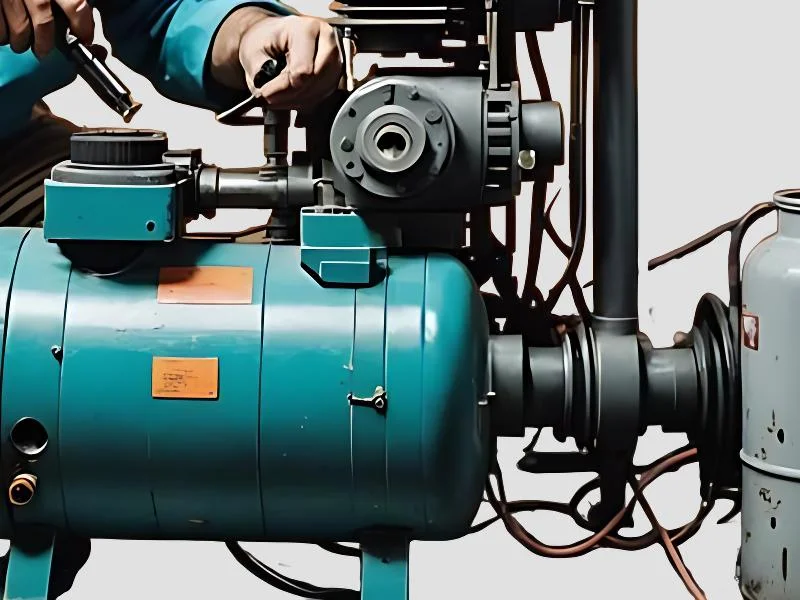
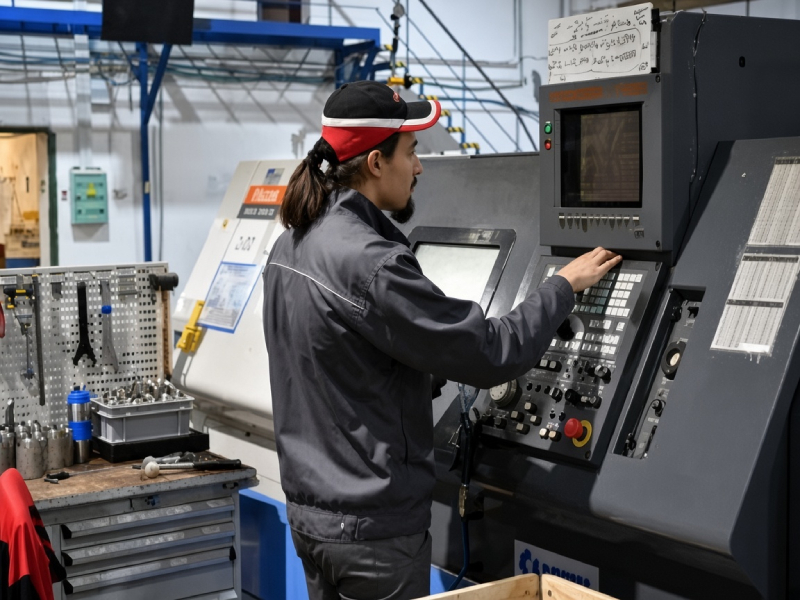
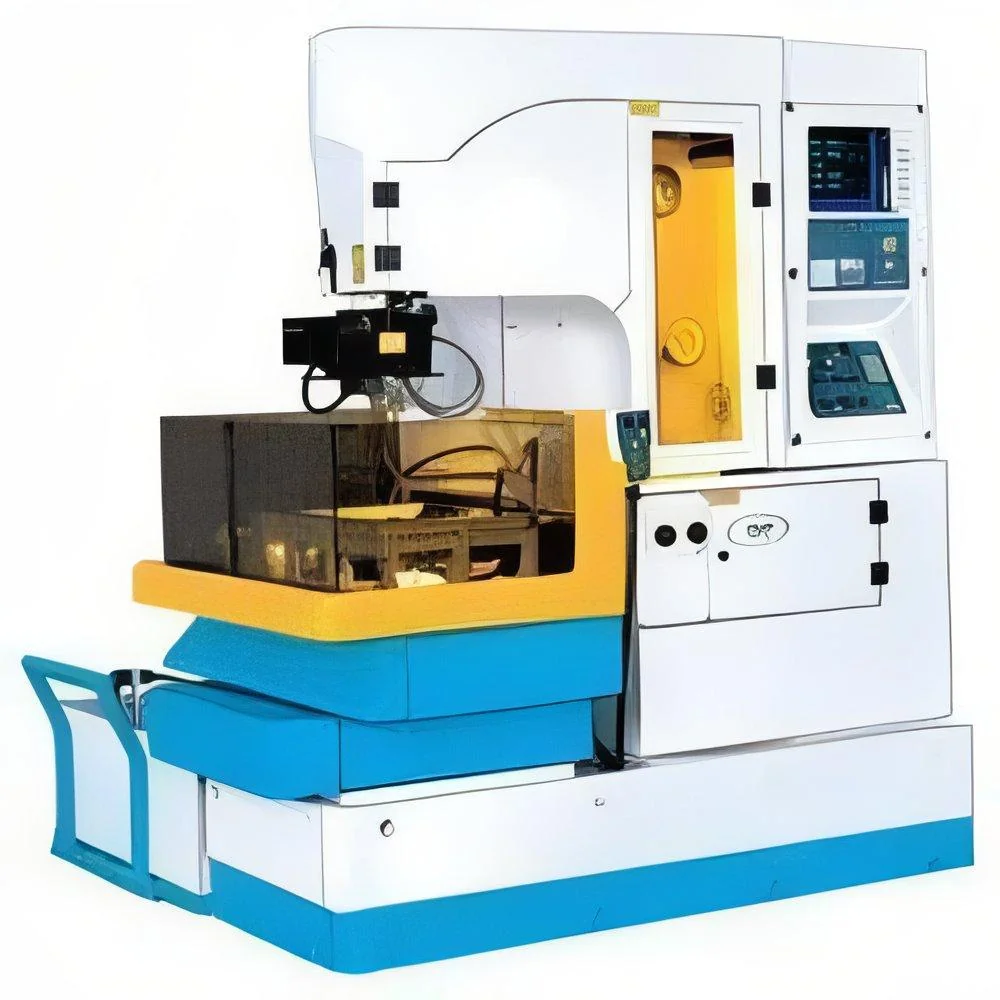
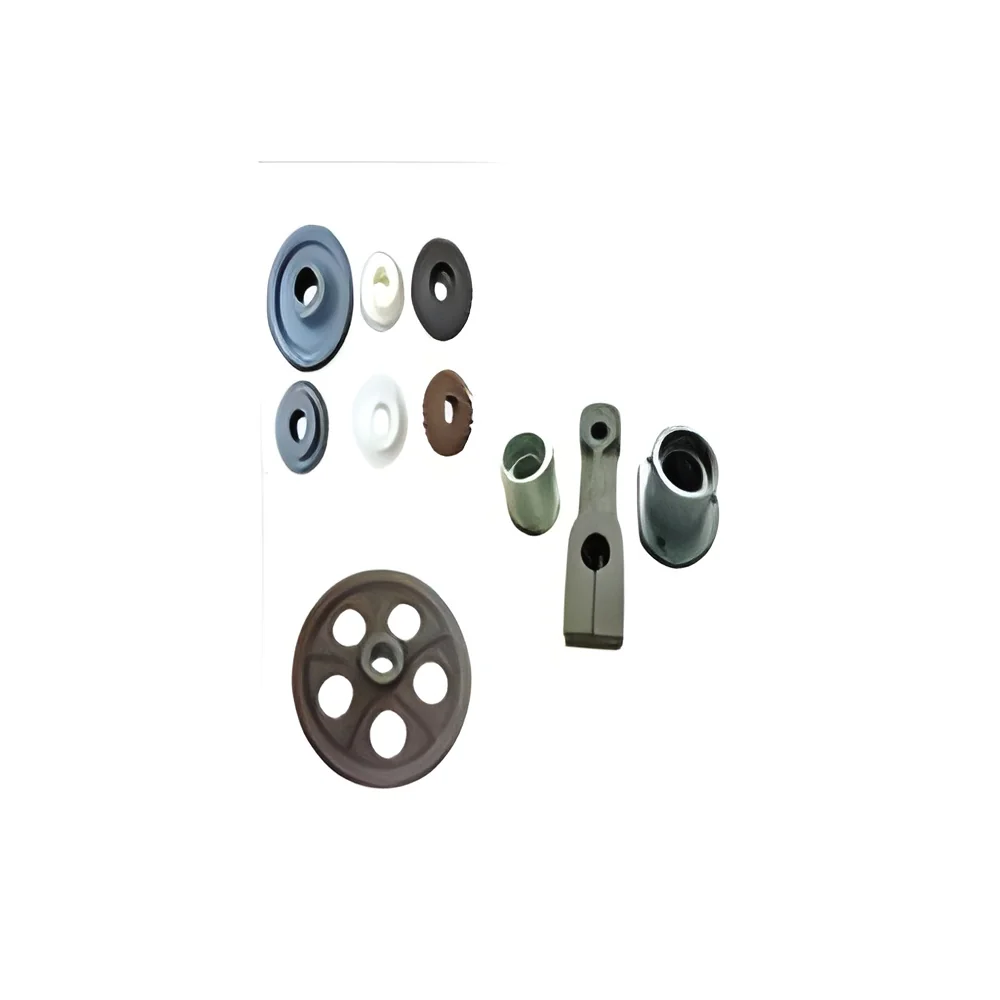
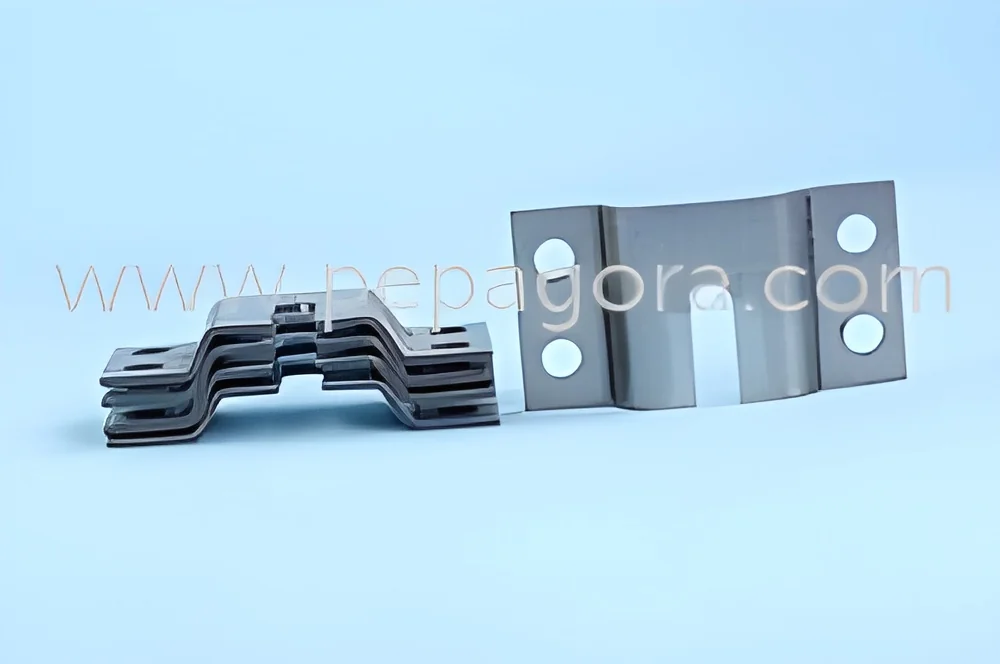
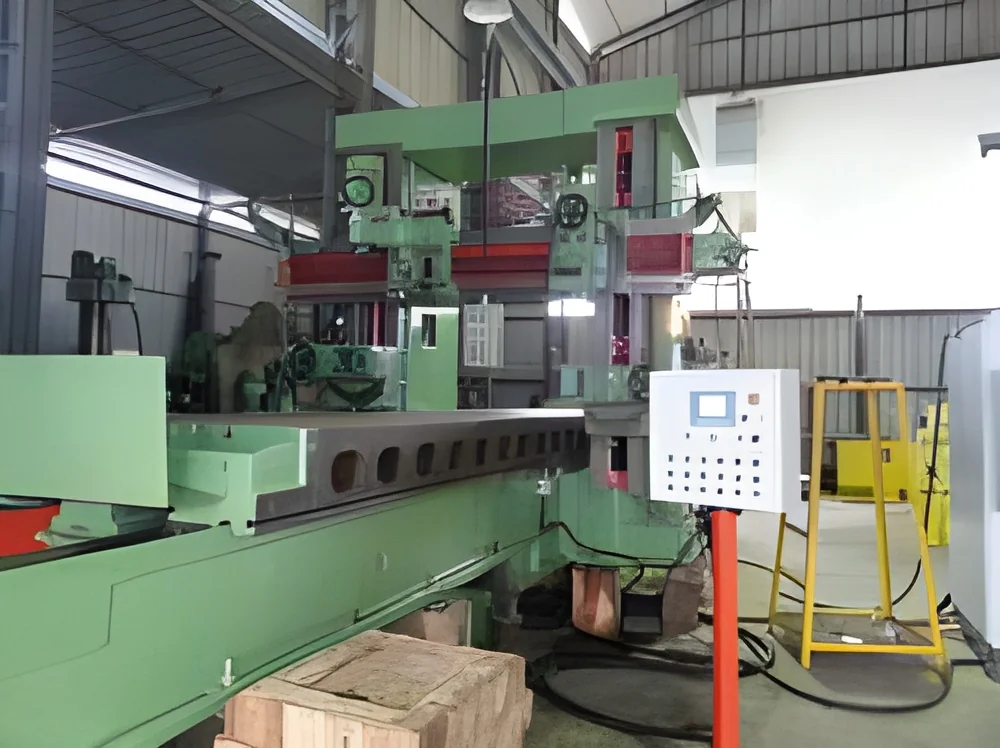
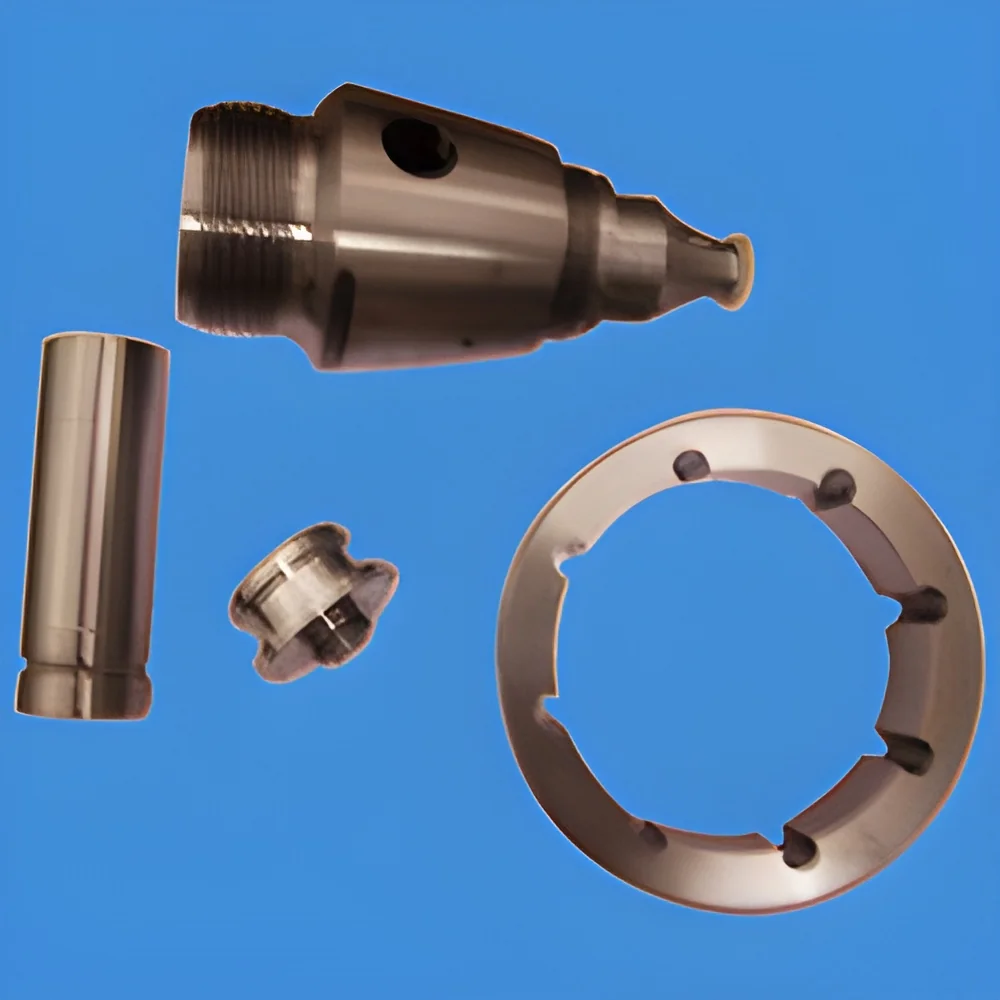
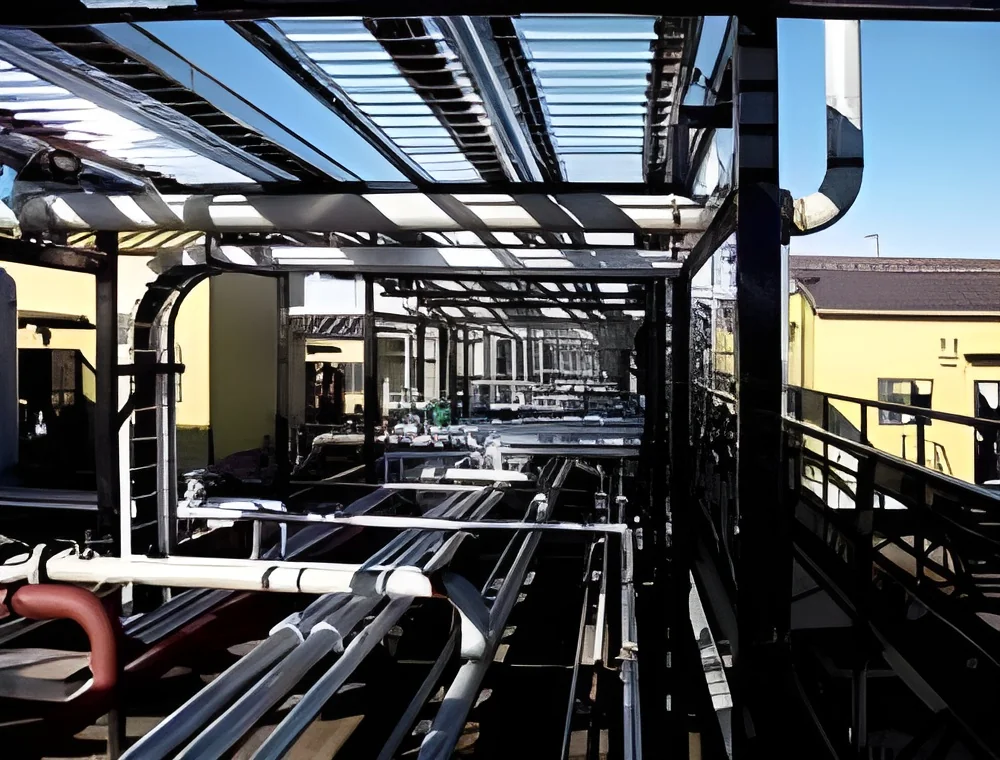
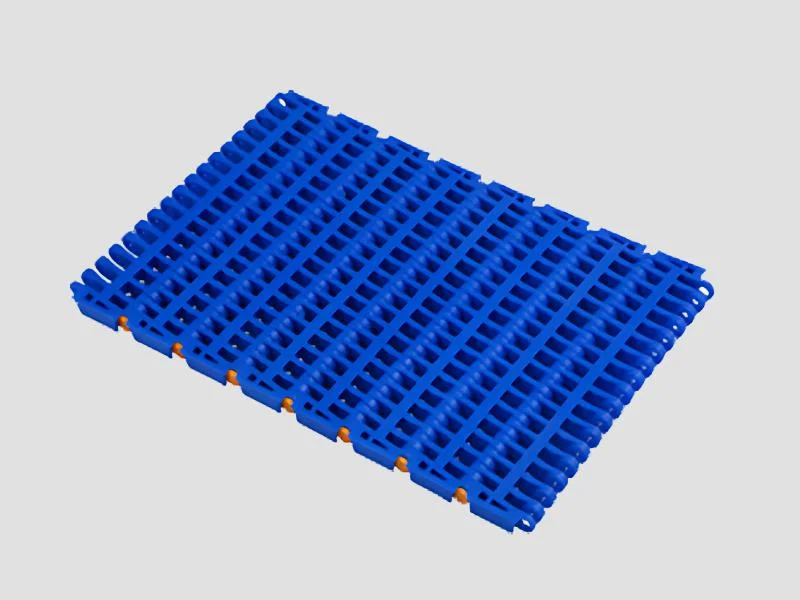
Maintenance and repair services refer to a comprehensive range of activities designed to ensure the optimal performance and longevity of equipment, machinery, and infrastructure. These services encompass preventive measures, corrective actions, and regular inspections to mitigate downtime and extend the life cycle of assets. They are essential in various industries, facilitating smooth operations and minimizing unexpected failures.
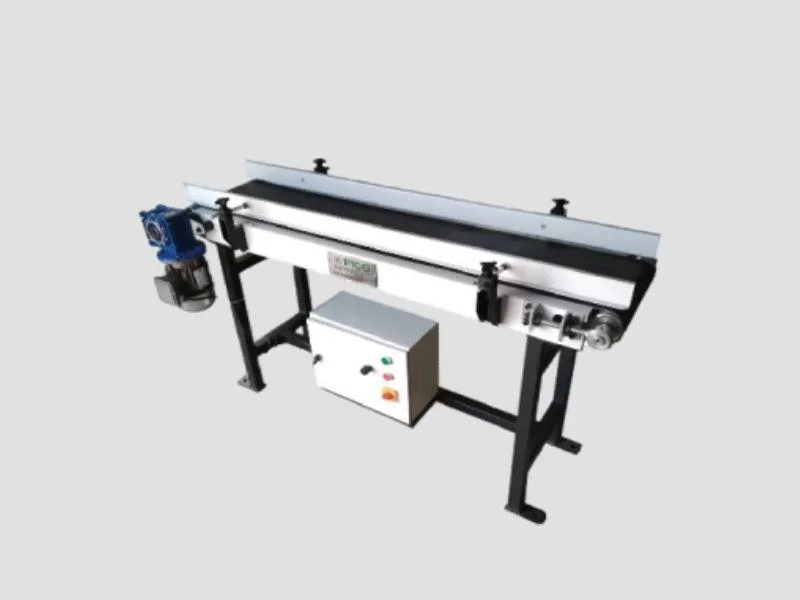
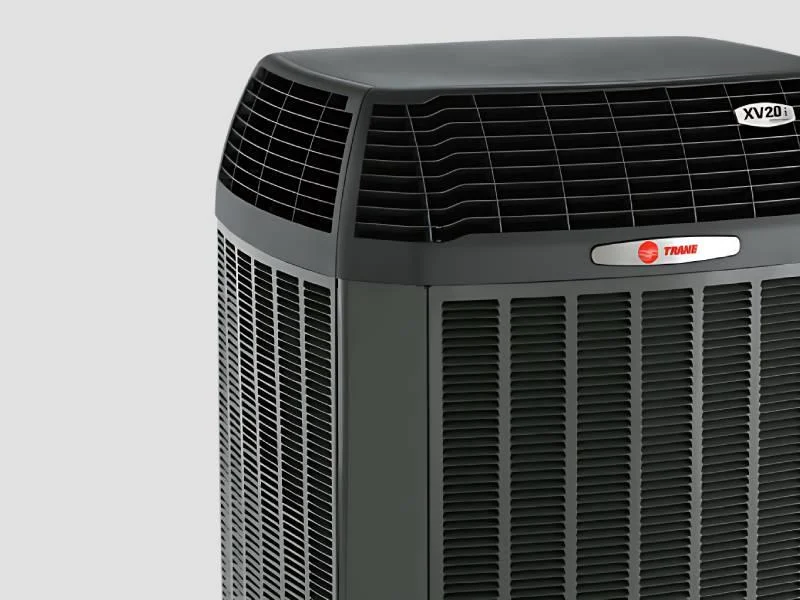
Primarily, businesses utilize maintenance and repair services to maintain essential equipment and systems, ensuring they meet safety standards and operational efficiency. Common applications include machinery maintenance in manufacturing, routine inspections in transportation fleets, and HVAC system upkeep in commercial buildings. These services help organizations avoid costly repairs, enhance productivity, and ensure compliance with regulatory requirements.
The relevance of maintenance and repair services spans across numerous sectors, including manufacturing, transportation, construction, and healthcare. As industries evolve and technology advances, the demand for specialized maintenance services continues to grow. In a competitive market, businesses recognize the importance of reliable maintenance to sustain their operations and provide high-quality products and services.
𝗞𝗲𝘆 𝗙𝗲𝗮𝘁𝘂𝗿𝗲𝘀 𝗮𝗻𝗱 𝗦𝗽𝗲𝗰𝗶𝗳𝗶𝗰𝗮𝘁𝗶𝗼𝗻𝘀
Maintenance and repair services are characterized by several key features that enhance their effectiveness and reliability. Understanding these specifications can help businesses select the right service providers for their needs.
Key specifications include:
1. Service Scope
- Comprehensive coverage of maintenance and repair tasks
- Tailored solutions based on industry needs
2. Response Time
- Set timeframes for service delivery
- Emergency repair options available
3. Expertise Level
- Qualified technicians with industry-specific training
- Continuous professional development and certifications
4. Equipment and Tools
- Use of advanced diagnostic and repair tools
- Access to specialized equipment for various applications
5. Compliance Standards
- Adherence to regulatory standards and safety protocols
- Certifications such as CE for quality assurance
6. Maintenance Plans
- Options for scheduled preventive maintenance
- Customizable plans to suit specific operational needs
7. Reporting and Monitoring
- Regular reporting on maintenance activities
- Performance monitoring to ensure service effectiveness
In summary, maintenance and repair services are defined by their comprehensive scope, response efficiency, and compliance with industry standards. These features ensure businesses receive quality support to maintain their operations effectively.
𝗖𝗼𝗺𝗺𝗼𝗻 𝗔𝗽𝗽𝗹𝗶𝗰𝗮𝘁𝗶𝗼𝗻𝘀 𝗮𝗻𝗱 𝗨𝘀𝗲 𝗖𝗮𝘀𝗲𝘀
Maintenance and repair services find extensive application across various industries, each requiring specific expertise and solutions.
1. Manufacturing: In the manufacturing sector, these services are crucial for maintaining production equipment and machinery, ensuring minimal downtime and optimal output. Regular inspections help identify potential issues before they lead to costly breakdowns.
2. Transportation: Fleet maintenance is vital for transportation companies to ensure vehicle reliability and safety. Scheduled maintenance and quick repair services help keep vehicles on the road and maintain compliance with safety regulations.
3. Construction: In construction, maintenance and repair services are necessary for machinery used on-site, such as cranes and excavators. Regular servicing ensures these machines operate safely and efficiently.
4. Healthcare: Hospitals and clinics rely on maintenance services for medical equipment to ensure patient safety and compliance with health regulations. Timely repairs and preventive maintenance are essential for critical life-saving devices.
5. Hospitality: In the hospitality industry, maintenance services ensure that facilities such as hotels and restaurants run smoothly. Regular upkeep of HVAC systems, plumbing, and kitchen equipment enhances customer satisfaction.
6. Energy: Energy companies utilize maintenance services for power generation equipment and renewable energy installations. Regular maintenance ensures efficient operation and compliance with environmental standards.
7. Retail: Retail businesses require maintenance services for their physical locations, including HVAC systems and security equipment. Ensuring these systems function correctly helps provide a comfortable shopping experience for customers.
𝗣𝗿𝗼𝗱𝘂𝗰𝘁 𝗩𝗮𝗿𝗶𝗮𝗻𝘁𝘀 𝗮𝗻𝗱 𝗦𝘂𝗯𝗰𝗮𝘁𝗲𝗴𝗼𝗿𝗶𝗲𝘀
Maintenance and repair services encompass a variety of offerings tailored to different industry needs. Although specific variants may not be available, the diversity of services allows businesses to choose what best fits their requirements.
Preventive Maintenance Services
These services focus on regular inspections and scheduled maintenance tasks designed to prevent equipment failure. They include routine checks and servicing to identify and address potential issues before they escalate.
Corrective Maintenance Services
Corrective maintenance services are reactive and designed to address equipment failures after they occur. This includes repairs, replacements, and troubleshooting to restore functionality as quickly as possible.
Emergency Repair Services
Emergency repair services provide immediate support for equipment failures that require urgent attention. These services are critical in industries where downtime can lead to significant losses.
Customized Maintenance Solutions
Some service providers offer tailored maintenance solutions that cater to the specific needs of a business. This may include a combination of preventive and corrective services based on operational demands.
𝗕𝗲𝗻𝗲𝗳𝗶𝘁𝘀 𝗮𝗻𝗱 𝗔𝗱𝘃𝗮𝗻𝘁𝗮𝗴𝗲𝘀
Investing in maintenance and repair services offers numerous advantages for businesses seeking to enhance their operational efficiency.
Key benefits include:
1. Increased Equipment Longevity: Regular maintenance extends the life of equipment, reducing the need for costly replacements and enhancing return on investment.
2. Reduced Downtime: Timely repairs and preventive maintenance minimize unexpected breakdowns, ensuring continuous operation and reducing lost productivity.
3. Enhanced Safety: Maintenance services help ensure that equipment and systems comply with safety standards, reducing risks to employees and customers.
4. Cost Savings: By preventing major repairs and optimizing equipment performance, businesses can lower overall operational costs and improve profitability.
5. Improved Compliance: Regular maintenance helps organizations meet regulatory requirements, avoiding penalties and enhancing their reputation in the market.
6. Higher Productivity: Well-maintained equipment operates more efficiently, leading to increased productivity and better service delivery for customers.
𝗕𝘂𝘆𝗶𝗻𝗴 𝗚𝘂𝗶𝗱𝗲 𝗳𝗼𝗿 𝗕𝟮𝗕 𝗕𝘂𝘆𝗲𝗿𝘀
When sourcing maintenance and repair services, businesses should consider several critical factors to ensure they select the right provider.
1. Quality Assessment: Evaluate the quality of the services offered by reviewing customer testimonials and case studies. Ensure the provider follows recognized industry standards.
2. Supplier Verification: Conduct thorough background checks on potential suppliers, including their experience, qualifications, and certifications. This will help ensure reliability and expertise.
3. Pricing and MOQ: Understand the pricing structure and any minimum order quantities that may apply. Compare quotes from different providers to find a competitive option.
4. Delivery and Lead Times: Confirm the expected delivery times for services and any guarantees offered. Timeliness is crucial in maintenance and repair to minimize downtime.
5. Compliance Requirements: Assess the provider's knowledge of and adherence to relevant regulations and standards. Ensure they can meet the specific compliance needs of your industry.
𝗖𝗼𝗺𝗽𝗹𝗶𝗮𝗻𝗰𝗲 𝗮𝗻𝗱 𝗖𝗲𝗿𝘁𝗶𝗳𝗶𝗰𝗮𝘁𝗶𝗼𝗻𝘀
Maintenance and repair services must adhere to various quality standards and certifications to ensure their reliability and effectiveness. Key standards include:
ISO 9001: This international standard focuses on quality management systems, ensuring that service providers maintain consistent quality in their operations.
CE Certification: This certification indicates that services meet European safety, health, and environmental protection requirements. It is crucial for businesses operating in or exporting to Europe.
Safety and Testing Requirements: Service providers must comply with safety regulations specific to their industry. This includes testing of equipment and processes to ensure they meet required safety standards.
Regional Compliance Considerations: Different regions may have unique regulatory requirements for maintenance and repair services. Providers must be knowledgeable about these regulations to ensure compliance and avoid legal issues.
𝗪𝗵𝘆 𝗦𝗼𝘂𝗿𝗰𝗲 𝗠𝗮𝗶𝗻𝘁𝗲𝗻𝗮𝗻𝗰𝗲 & 𝗥𝗲𝗽𝗮𝗶𝗿 𝗦𝗲𝗿𝘃𝗶𝗰𝗲𝘀 𝗳𝗿𝗼𝗺 𝗣𝗲𝗽𝗮𝗴𝗼𝗿𝗮?
Pepagora offers a trusted platform for sourcing maintenance and repair services, providing several key advantages that make it an ideal choice for businesses.
Verified Supplier Network: Pepagora connects buyers with a network of verified suppliers who have undergone rigorous vetting processes. This ensures that businesses can find reliable partners for their maintenance needs.
Streamlined RFQ Process: The platform simplifies the request for quotation (RFQ) process, allowing buyers to easily compare offers from multiple providers. This efficiency helps businesses make informed decisions quickly.
Trade Assurance and Support: Pepagora provides trade assurance and support to buyers, ensuring that they are protected during transactions. This added layer of security fosters confidence in sourcing services.
Regional Coverage: With a strong presence in India, the Gulf Cooperation Council (GCC) countries, and Southeast Asia, Pepagora offers extensive regional coverage. This geographic reach allows businesses to find local service providers who understand their specific needs and compliance requirements.

 IN
IN