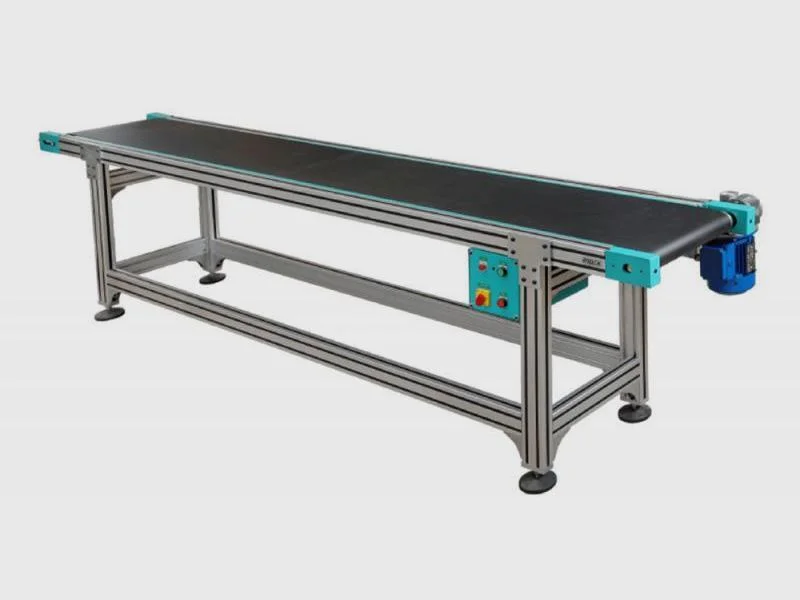
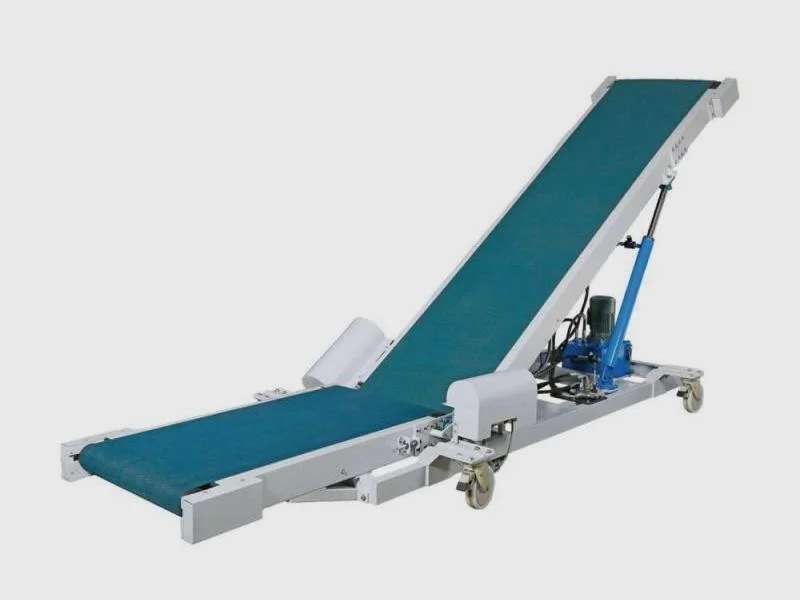
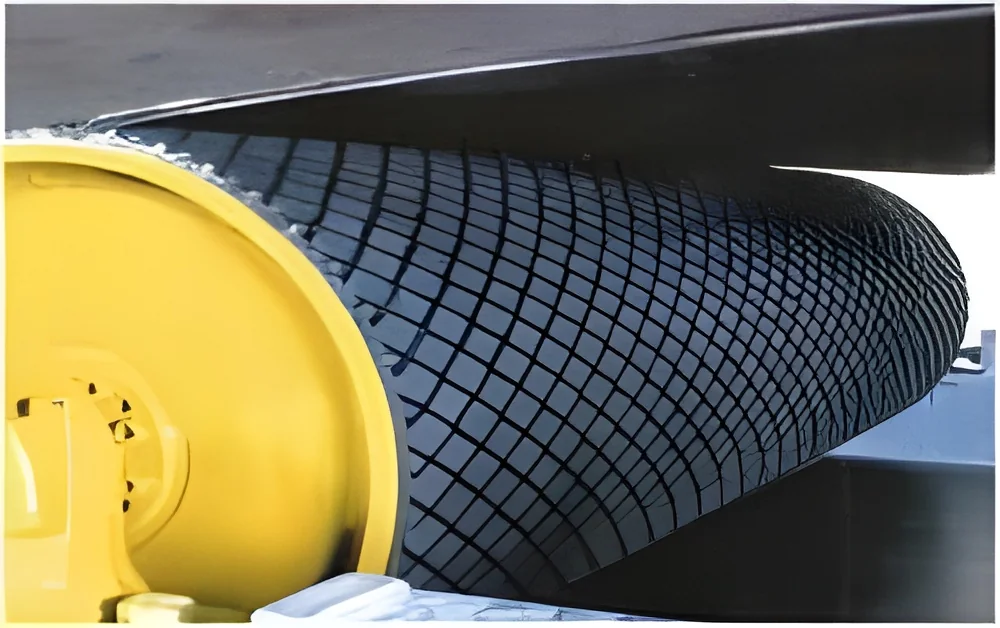
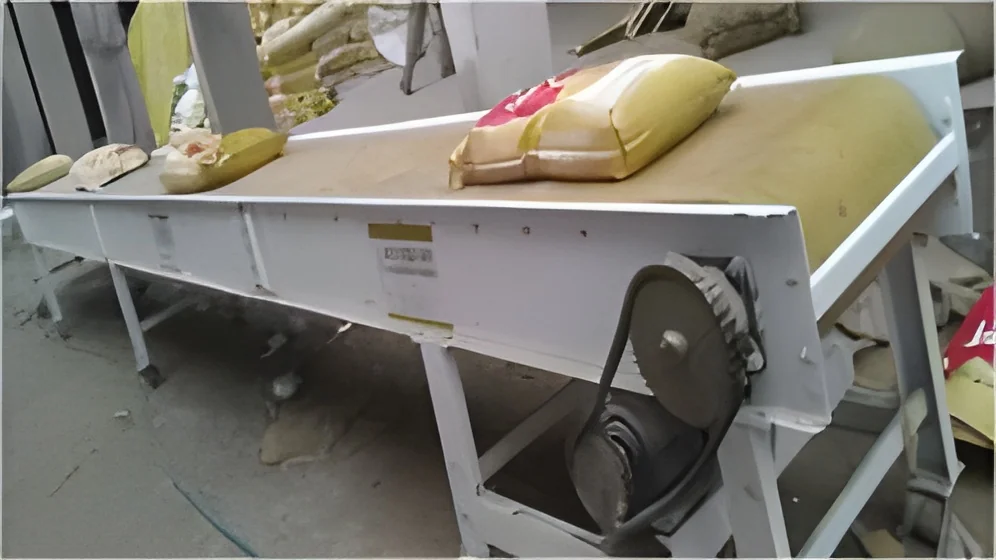
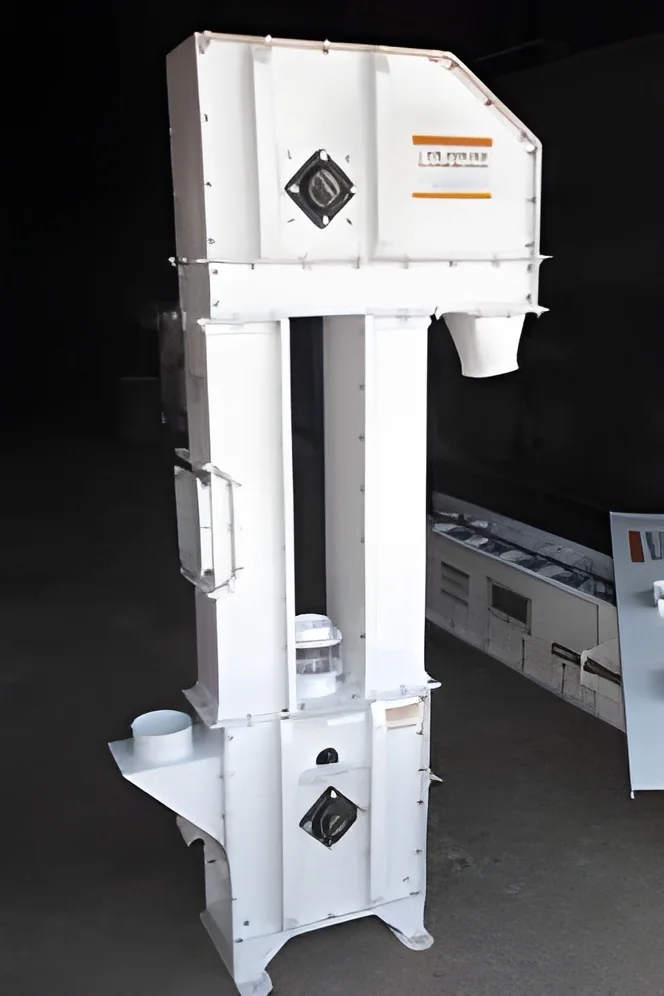
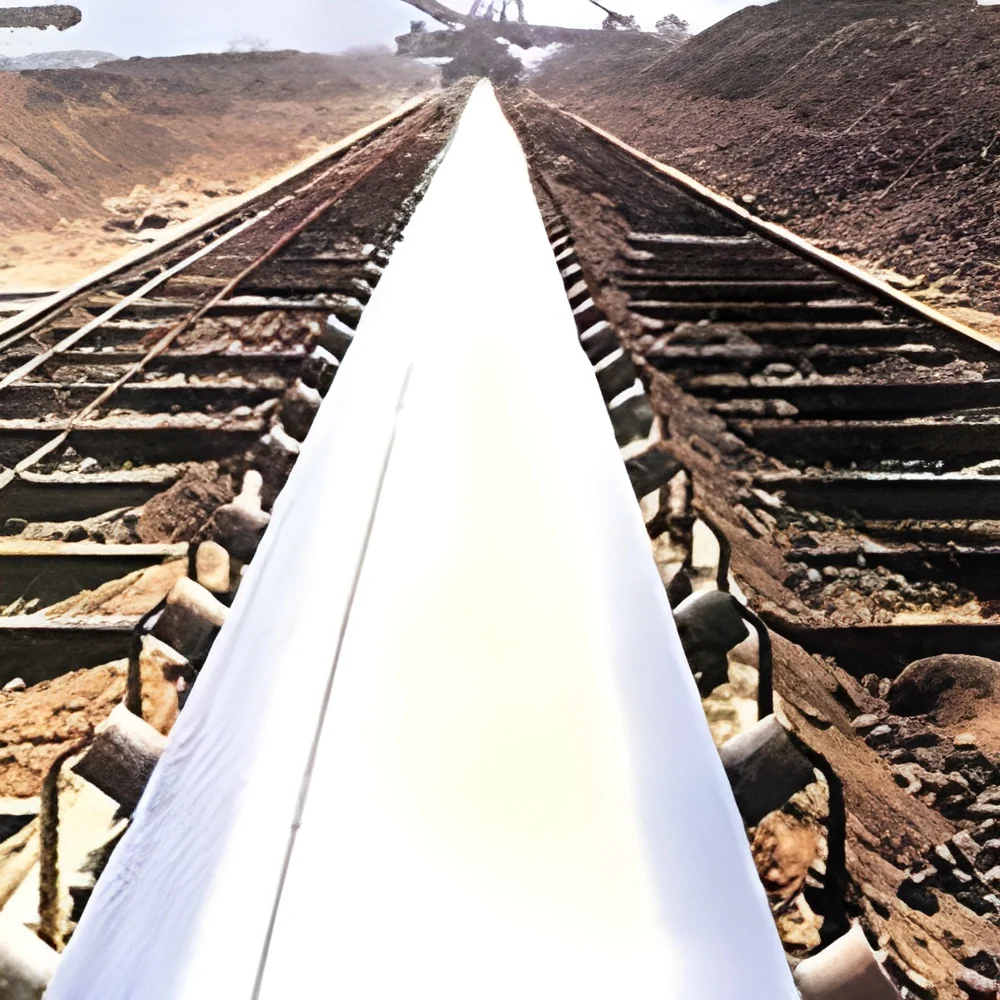
What are Conveyor Belt Maintenance & Splicing?
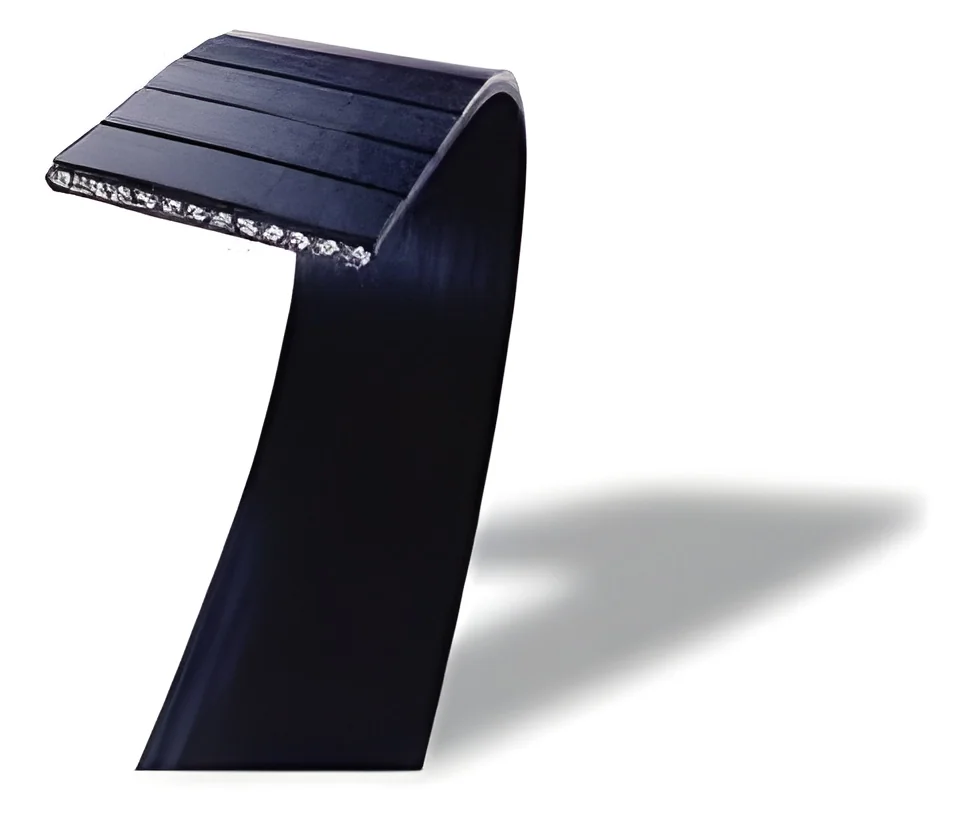
Conveyor belt maintenance and splicing are essential processes in the operation of conveyor systems. Maintenance involves regular inspections, adjustments, and repairs to ensure that conveyor belts operate efficiently and safely. Splicing, on the other hand, refers to the procedure of joining two ends of a conveyor belt, allowing for continuous operation. This process is crucial in situations where a belt may have undergone wear and tear, or where a longer belt is required to meet operational needs.
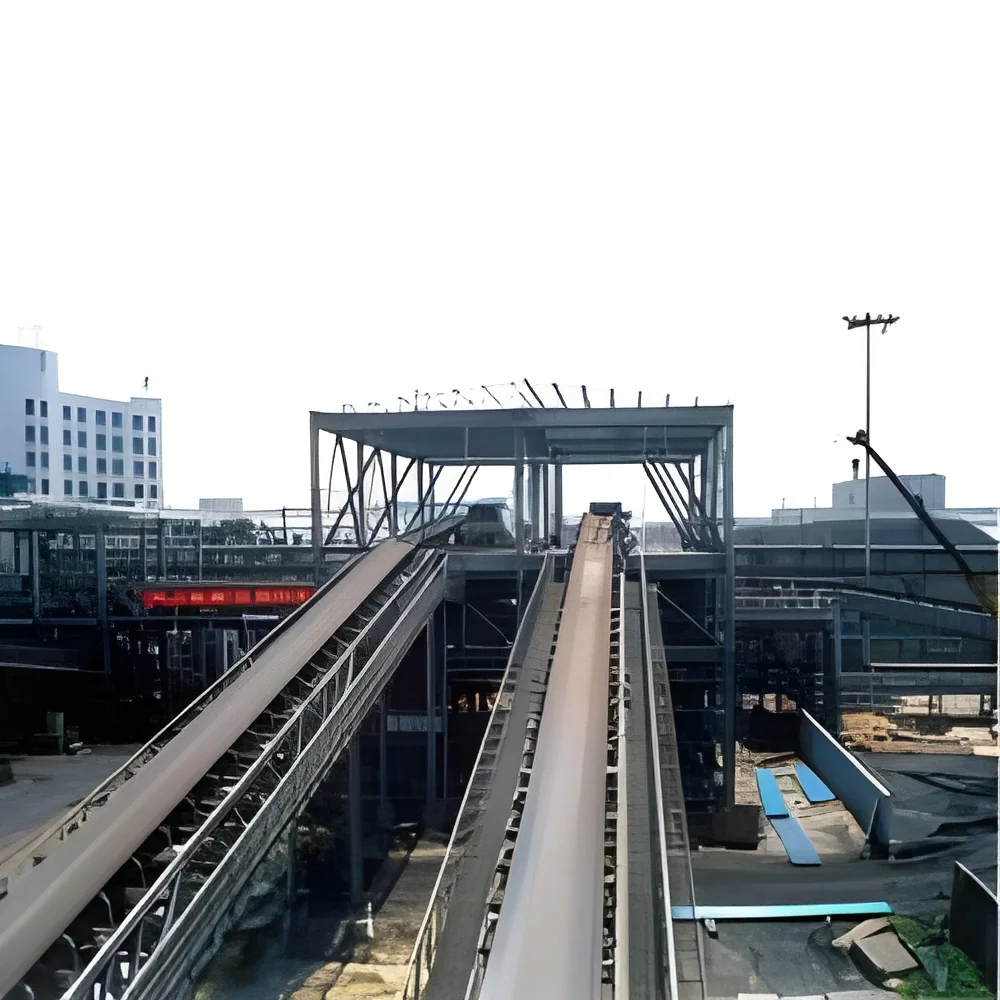
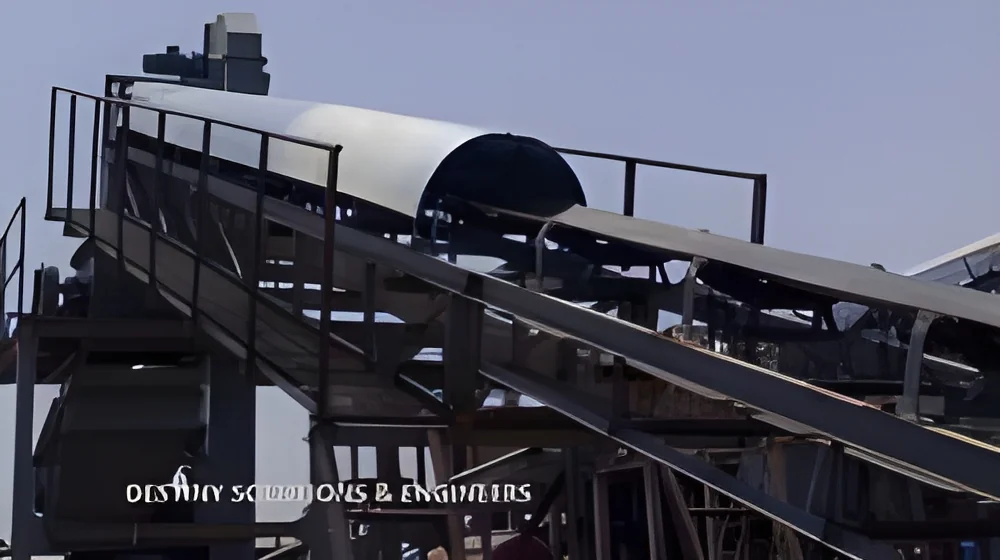
These processes are primarily used in industries such as manufacturing, logistics, and mining, where conveyor systems play a vital role in material handling. Proper maintenance extends the life of conveyor belts and reduces downtime caused by unexpected failures. Splicing ensures that production lines run smoothly without interruptions. In today's competitive market, effective conveyor belt maintenance and splicing are critical for maintaining productivity and operational efficiency.
In terms of industry relevance, the demand for conveyor belt maintenance and splicing services continues to grow, particularly as companies seek to enhance efficiency and reduce operational costs. The global shift towards automation and increased production capacities has further emphasized the importance of reliable conveyor systems, making these services an integral part of modern industrial operations.
Key Features and Specifications
Conveyor belt maintenance and splicing come with several key features and specifications that enhance their performance and reliability. Understanding these specifications can help businesses choose the right solutions for their operational needs.
Key specifications include:
1. Maintenance Frequency
- Regular inspections are recommended to ensure optimal performance.
- Frequency may vary based on usage and environmental conditions.
2. Splice Types
- Various splice types available, including mechanical, vulcanized, and cold-bonded.
- Selection depends on belt type and application requirements.
3. Material Compatibility
- Splicing materials must be compatible with the conveyor belt composition.
- Ensures durability and effectiveness of the splice.
4. Temperature Resistance
- Splicing materials designed to withstand specific temperature ranges.
- Critical for applications in extreme environments.
5. Load Capacity
- Each conveyor belt and splice must support designated load limits.
- Ensures safe and efficient material transport.
6. Installation Time
- Quick installation options available to minimize downtime.
- Efficiency in splicing reduces overall operational disruptions.
7. Safety Features
- Incorporation of safety standards in maintenance practices.
- Ensures compliance with industry regulations.
8. Customization Options
- Ability to tailor maintenance and splicing solutions to specific needs.
- Addresses unique operational challenges faced by businesses.
In summary, understanding these features and specifications is key to ensuring effective conveyor belt maintenance and splicing, contributing to enhanced operational efficiency and safety.
Common Applications and Use Cases
Conveyor belt maintenance and splicing serve a wide range of industries, each with specific applications that highlight the importance of these services.
1. Manufacturing: In manufacturing, conveyor systems transport materials and products through assembly lines. Regular maintenance ensures minimal downtime and efficiency in production.
2. Logistics: In logistics and warehousing, conveyor belts are used for sorting and transporting packages. Proper splicing allows for uninterrupted movement of goods, enhancing overall productivity.
3. Mining: The mining industry relies heavily on conveyor belts for transporting bulk materials. Durable splicing techniques are essential to withstand harsh conditions and high loads.
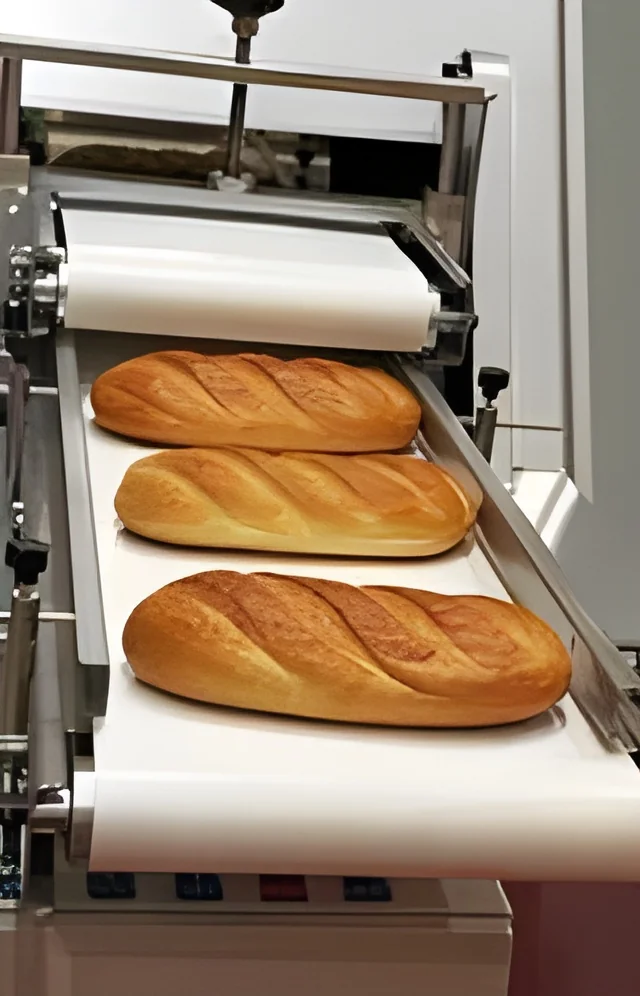
4. Food Processing: Conveyor belts in food processing must meet strict hygiene standards. Specialized maintenance and splicing techniques ensure compliance with safety regulations.
5. Automotive: The automotive sector uses conveyor systems for assembling vehicles. Regular maintenance is crucial for maintaining production speed and quality.
6. Pharmaceuticals: In pharmaceuticals, conveyor belts transport delicate products. Precision in splicing ensures that operations remain consistent and safe.
7. Recycling: Conveyor belts are used in recycling operations to sort materials. Effective maintenance helps manage the wear and tear from abrasive materials.
Product Variants and Subcategories
Conveyor belt maintenance and splicing encompass a variety of products tailored to meet different operational needs. The diversity in product offerings allows businesses to select the best solutions for their specific applications.
Vulcanized Splices: Vulcanized splices provide a strong and durable bond, making them ideal for heavy-duty applications. These splices are heat-treated to create a seamless connection, ensuring longevity and reliability.
Mechanical Splices: Mechanical splices offer easy installation and removal, making them suitable for applications where quick changes are necessary. These splices use metal fasteners for secure connections.
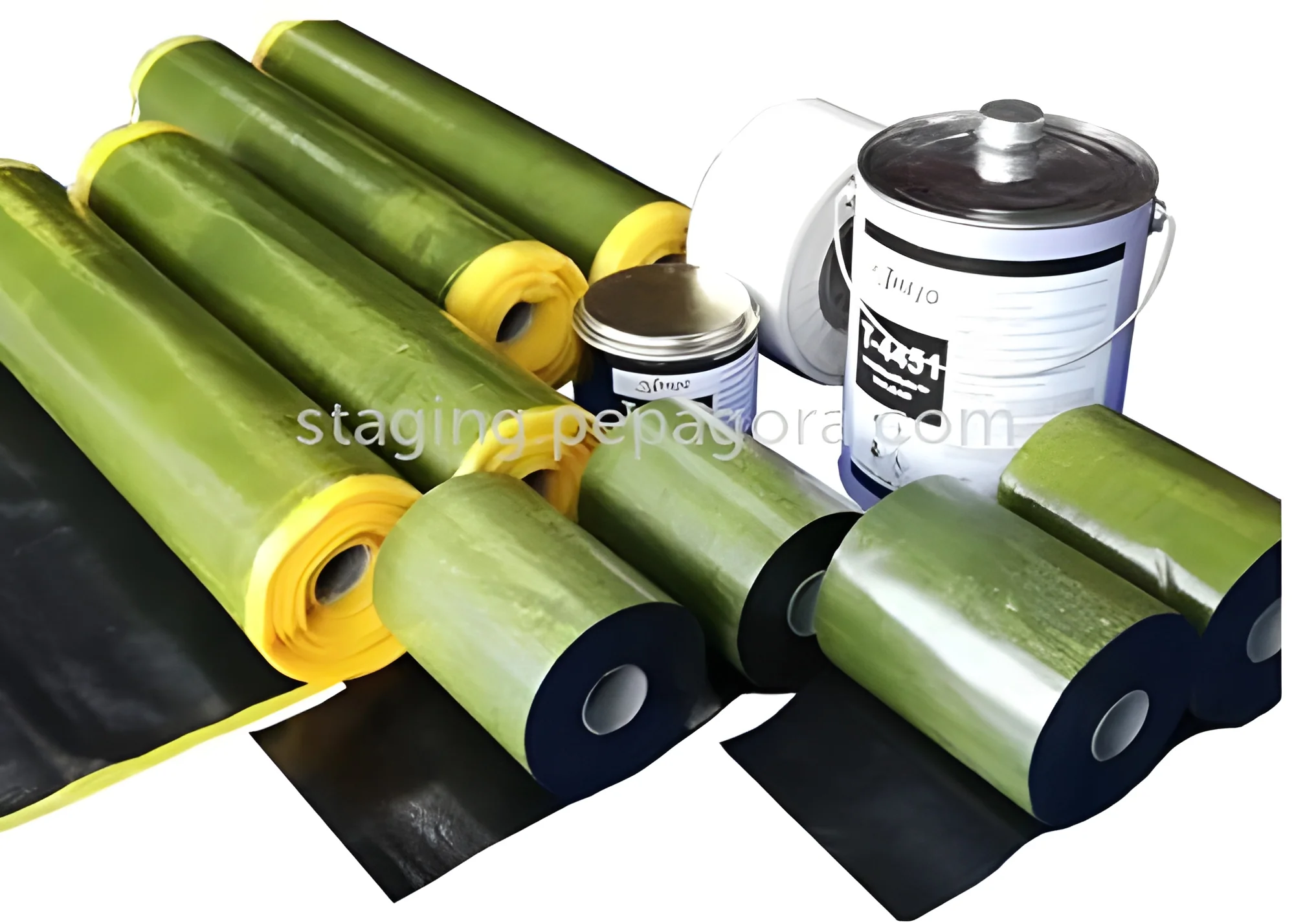
Cold-Bonded Splices: Cold-bonded splices are used in situations where heat is not an option. They utilize adhesives to bond belt ends and are effective in various temperature conditions.
Benefits and Advantages
Conveyor belt maintenance and splicing offer numerous benefits that enhance operational efficiency and safety. Understanding these advantages can help businesses make informed decisions.
Key benefits include:
1. Increased Efficiency: Regular maintenance ensures that conveyor systems operate at peak performance, reducing downtime and improving productivity.
2. Cost Savings: Effective splicing can extend the lifespan of conveyor belts, reducing the need for frequent replacements and associated costs.
3. Enhanced Safety: Proper maintenance and reliable splicing reduce the risk of accidents caused by belt failures, ensuring a safer workplace.
4. Improved Product Quality: Well-maintained conveyor systems prevent material damage, ensuring that products are delivered in optimal condition.
5. Customization: Flexible maintenance and splicing solutions can be tailored to meet specific operational requirements, enhancing overall effectiveness.
6. Compliance with Regulations: Adhering to maintenance standards ensures compliance with industry regulations, protecting businesses from potential liabilities.
Buying Guide for B2B Buyers
When sourcing conveyor belt maintenance and splicing services, several factors should be considered to ensure that the chosen solutions meet operational needs effectively.
1. Quality Assessment: Evaluate the quality of materials and techniques used in maintenance and splicing. Look for providers that adhere to recognized industry standards.
2. Supplier Verification: Vet potential suppliers by checking their credentials and customer reviews. This helps ensure reliability and quality service.
3. Pricing and MOQ: Consider pricing structures and minimum order quantities. Understanding these factors can help manage budget constraints effectively.
4. Delivery and Lead Times: Assess delivery timelines and logistics to ensure that maintenance and splicing services can be implemented without causing delays.
5. Compliance Requirements: Ensure that the solutions meet relevant regulatory standards. This is crucial to maintain safety and operational integrity.
Compliance and Certifications
Compliance with industry standards and certifications is crucial in conveyor belt maintenance and splicing. Relevant quality standards ensure that products and services meet customer expectations.
ISO 9001: This standard outlines the requirements for a quality management system, helping organizations ensure that their products consistently meet customer and regulatory requirements.
HACCP: Hazard Analysis and Critical Control Points is a preventive approach to food safety that applies to conveyor systems used in food processing. Compliance ensures that operations meet necessary safety standards.
CE Certification: CE marking indicates that products comply with European health, safety, and environmental protection standards. This certification is essential for businesses operating within the EU market.
Safety and Testing Requirements: Regular testing ensures that conveyor belts and splices meet performance and safety criteria. Compliance with testing standards helps mitigate risks associated with operational failures.
Regional Compliance Considerations: Businesses should be aware of local regulations and compliance requirements specific to their region. This ensures that operations remain lawful and safe.
Why Source Conveyor Belt Maintenance & Splicing from Pepagora?
Pepagora provides a trusted platform for sourcing conveyor belt maintenance and splicing, offering several key advantages that set it apart from competitors.
Verified Supplier Network: Pepagora connects buyers with a network of verified suppliers. This network ensures that businesses can access high-quality maintenance and splicing services from reputable providers.
Streamlined RFQ Process: The request for quotation process at Pepagora is designed to be efficient and user-friendly. This allows businesses to obtain multiple quotes quickly, facilitating informed decision-making.
Trade Assurance and Support: Pepagora offers trade assurance to protect buyers from potential risks associated with purchasing. This support adds an extra layer of security to transactions.
Regional Coverage: Pepagora's geographic reach spans India, the GCC, and Southeast Asia. This broad coverage allows businesses to find suitable suppliers regardless of their location, enhancing accessibility to essential services.
By sourcing conveyor belt maintenance and splicing through Pepagora, businesses can ensure they receive quality services while benefiting from a streamlined procurement process.

 IN
IN