
 IN
Mortar Mixers
1 products available
What are Mortar Mixers?
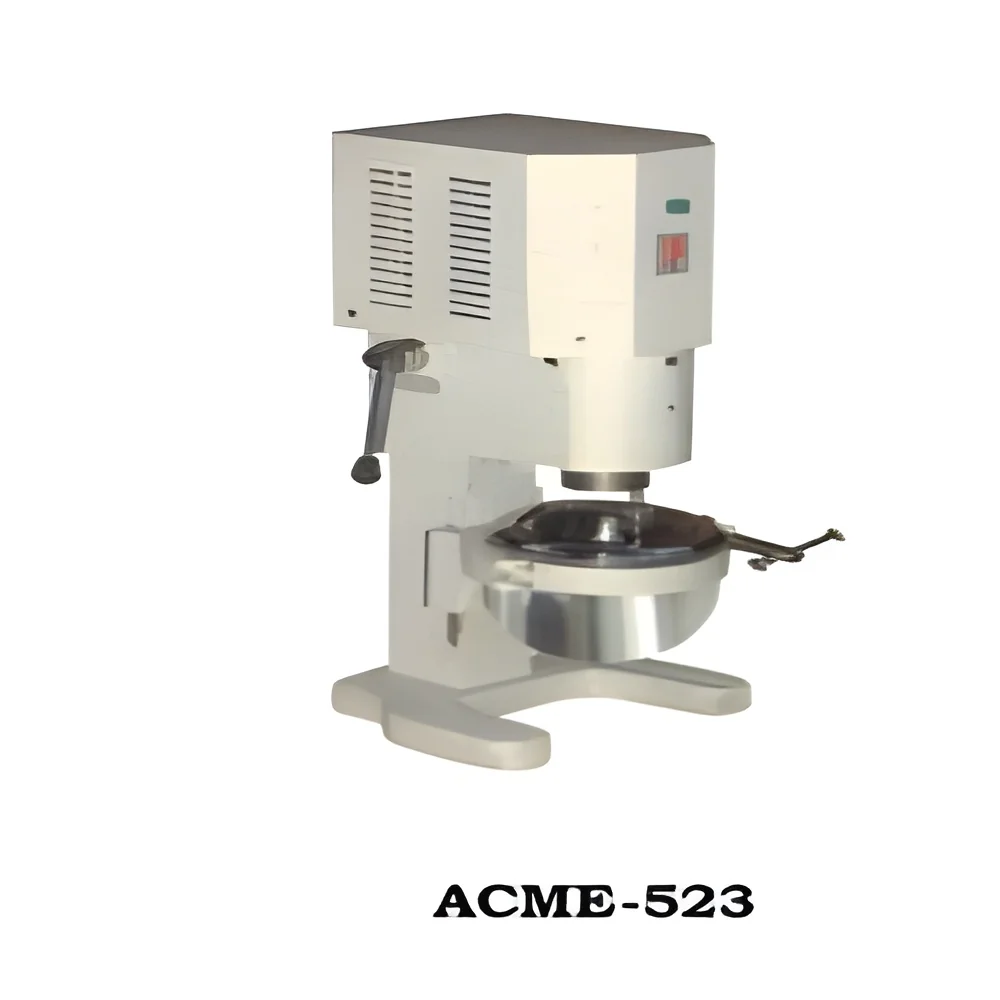
Mortar mixers are specialized machines designed to blend sand, cement, and water to produce mortar. They streamline the mixing process, ensuring a consistent and homogenous mixture that is essential for construction applications. Mortar mixers vary in size and capacity, catering to different project requirements. They can be powered by electricity or gasoline, which makes them versatile for both indoor and outdoor use.
These mixers are primarily used in the construction industry for masonry work, plastering, and other applications requiring mortar. They facilitate the quick and efficient preparation of mortar, significantly reducing labor time and improving the quality of the mix. Businesses engaged in residential, commercial, or industrial construction benefit from using mortar mixers as they enhance productivity and ensure superior results.
The relevance of mortar mixers in the construction sector cannot be understated. As construction projects evolve and demand for efficiency rises, these mixers have become integral tools in the industry. With a growing market for construction equipment and a focus on quality, mortar mixers are positioned as essential machinery for contractors and builders alike.
Key Features and Specifications
Mortar mixers come equipped with various features designed to enhance performance and ease of use. Understanding these specifications is crucial for businesses looking to invest in reliable mixing equipment.
Key specifications include:
1. Drum Capacity
- Typically ranges from 3 to 12 cubic feet.
- Larger capacities accommodate bigger jobs, while smaller ones are suitable for residential projects.
2. Power Source
- Options include electric and gas-powered models.
- Electric models are ideal for indoor use, while gas-powered mixers are better for outdoor applications.
3. Mixing Speed
- Varies depending on the model, generally between 20 to 30 RPM.
- Higher speeds contribute to more consistent mixes.
4. Weight
- Generally ranges from 200 to 600 pounds.
- Heavier models provide stability, while lighter ones offer portability.
5. Construction Material
- Commonly made from steel or polyethylene.
- Steel offers durability, while polyethylene is resistant to corrosion.
6. Mobility Features
- Many models include wheels for easy transport.
- Some feature a towable design for larger jobs.
7. Safety Features
- Equipped with emergency stop buttons and safety guards.
- Ensures operator safety during use.
8. Warranty and Support
- Varies by manufacturer; typically ranges from one to three years.
- Essential for ensuring long-term use and support.
In summary, selecting a mortar mixer involves evaluating these specifications to meet specific project needs and operational requirements.
Common Applications and Use Cases
Mortar mixers serve various industries, each with distinct applications for the equipment.
1. Construction: Primarily used for mixing mortar for bricklaying and plastering, ensuring a uniform consistency that enhances structural integrity.
2. Landscaping: Employed in the creation of outdoor features such as patios and retaining walls, providing the necessary mortar for stone and brick installations.
3. Infrastructure: Utilized in road construction and repair projects where concrete and mortar are needed for laying down pavements and curbs.
4. Precast Concrete: Important in manufacturing precast concrete elements where precise mixing of mortar is crucial for quality.
5. Restoration: Used in historical building renovations where traditional mortar is often required to match the existing material.
6. DIY Projects: Popular among contractors and hobbyists for small-scale projects requiring quick and efficient mortar mixing.
7. Industrial Applications: Used in various manufacturing processes involving the mixing of binders and other materials.
Product Variants and Subcategories
Mortar mixers come in a range of variants to cater to diverse project requirements.
Portable Mortar Mixers
These compact models are designed for easy transport and are ideal for small to medium-sized projects. They often feature a lightweight design and are typically powered by electricity for indoor use.
Heavy-Duty Mortar Mixers
Built for larger projects, these models offer greater drum capacity and robust construction. They are often gas-powered and designed to handle extensive mixing tasks in commercial and industrial applications.
Towable Mortar Mixers
These mixers feature a towable design, making them suitable for transporting between job sites. They combine larger capacity with mobility, allowing contractors to mix large volumes of mortar efficiently.
Continuous Mortar Mixers
Designed for high-volume applications, continuous mixers provide a steady flow of mixed mortar. They are ideal for large construction sites where quick and consistent mixing is essential.
Batch Mortar Mixers
These mixers produce fixed batches of mortar, ensuring precise control over the mixing process. They are commonly used in masonry applications where specific mix ratios are crucial.
Benefits and Advantages
Investing in a mortar mixer brings several key benefits that enhance operational efficiency.
1. Improved Mixing Quality: Mortar mixers ensure a consistent and uniform mix, reducing the risk of weak mortar.
2. Time Efficiency: Automated mixing speeds up the process, allowing for quicker project completion.
3. Labor Reduction: Reduces the need for manual mixing, freeing up labor for other tasks.
4. Increased Productivity: Allows for larger batches to be mixed in less time, maximizing output on job sites.
5. Versatility: Suitable for various applications, from small DIY projects to large-scale construction.
6. Enhanced Durability: Modern mixers are built to withstand heavy use, offering longevity and reliability.
Buying Guide for B2B Buyers
When sourcing mortar mixers, it is essential to consider various factors to ensure a suitable purchase.
1. Quality Assessment: Evaluate the build quality and materials used in the mixer. Look for reputable brands that adhere to industry standards.
2. Supplier Verification: Vet potential suppliers by checking their credentials, customer reviews, and after-sales support capabilities.
3. Pricing and MOQ: Understand the price range for the mixers you are considering. Also, inquire about the minimum order quantities to ensure it aligns with your needs.
4. Delivery and Lead Times: Assess the supplier’s logistics capabilities to confirm timely delivery that fits your project schedule.
5. Compliance Requirements: Ensure the mixers meet relevant regulatory standards and certifications, such as CE, to guarantee safety and quality.
Compliance and Certifications
Compliance and certifications play a vital role in the quality assurance of mortar mixers. Relevant quality standards, such as ISO 9001, ensure that manufacturers adhere to international quality management principles. Certification like CE indicates that the product meets European safety, health, and environmental protection requirements.
In addition to quality standards, safety and testing requirements are critical for ensuring the reliable operation of mortar mixers. These requirements often involve rigorous testing of the equipment to ensure it can withstand the operational demands of various construction environments.
Regional compliance considerations may vary, so it is essential for buyers to be aware of local regulations that might impact the use and sale of mortar mixers. Ensuring compliance with these standards can help avoid legal and operational issues.
Why Source Mortar Mixers from Pepagora?
Pepagora provides a trusted platform for sourcing mortar mixers, offering several key advantages for businesses.
Verified Supplier Network: Pepagora connects buyers with a network of verified suppliers, ensuring that all listed products meet high-quality standards. This verification process helps buyers make informed purchasing decisions.
Streamlined RFQ Process: The platform features a user-friendly Request for Quotation (RFQ) system, allowing buyers to easily communicate their needs and receive competitive quotes from multiple suppliers.
Trade Assurance and Support: Pepagora offers buyer protection through trade assurance, ensuring that transactions are secure and that support is available throughout the purchasing process.
Regional Coverage: With a strong presence in India, the GCC, and Southeast Asia, Pepagora provides extensive geographic reach, making it easier for businesses in these regions to find the right mortar mixers for their needs.
By choosing Pepagora, companies can enhance their sourcing experience for mortar mixers while ensuring they receive quality products from reliable suppliers.


 India
Frequently Asked Questions
What are Mortar Mixers?
Mortar mixers are machines used to combine cement, sand, and water to create mortar, which is used in construction for laying bricks and blocks. They ensure a consistent and uniform mixture, improving the quality of the construction work.
What are the different types of Mortar Mixers?
There are several types of mortar mixers, including drum mixers, paddle mixers, and forced action mixers. Each type varies in its mixing mechanism and is suited for different applications and volumes of material.
How do I choose the right Mortar Mixers?
Choosing the right mortar mixer depends on factors such as the volume of material you need to mix, the type of project, and your budget. Consider the mixer type, capacity, and features that will best meet your specific requirements.
What are the standard specifications for Mortar Mixers?
Standard specifications for mortar mixers typically include mixing capacity, power source, mixing speed, and dimensions. It's important to review these specifications to ensure compatibility with your project needs.
What is the price range for Mortar Mixers?
The price of mortar mixers can vary significantly based on their type, capacity, and brand, typically ranging from INR 25,000 to INR 1,00,000 or more. It's advisable to compare prices from different suppliers to find the best deal.
What quality standards apply to Mortar Mixers?
Mortar mixers should comply with industry standards such as IS (Indian Standards) or ISO certifications, ensuring safety and performance. Quality assurance processes during manufacturing are crucial for maintaining these standards.
Where can I find Mortar Mixers suppliers in India?
You can find mortar mixers suppliers in India through B2B marketplaces like Pepagora, trade shows, and industry directories. Searching online will provide a list of manufacturers and distributors in your region.
Can Mortar Mixers be customized?
Yes, many manufacturers offer customization options for mortar mixers to meet specific project requirements. You can request modifications in size, capacity, or features based on your needs.
What is the typical minimum order quantity for Mortar Mixers?
The typical minimum order quantity (MOQ) for mortar mixers can vary by supplier but generally ranges from 1 to 10 units. It's best to confirm MOQs directly with the supplier you are considering.
What is the typical lead time for Mortar Mixers?
The lead time for mortar mixers can vary based on the supplier and customization requirements, usually ranging from 2 to 8 weeks. It's recommended to check with the supplier for specific timelines.
Why Businesses Trust Pepagora
Thousands of companies trust Pepagora to source smarter and sell faster
Expand Your Sales Globally

Source Smarter,Grow Faster
