
 IN
Modular Kitchen Units
2 products available
What are Modular Kitchen Units?
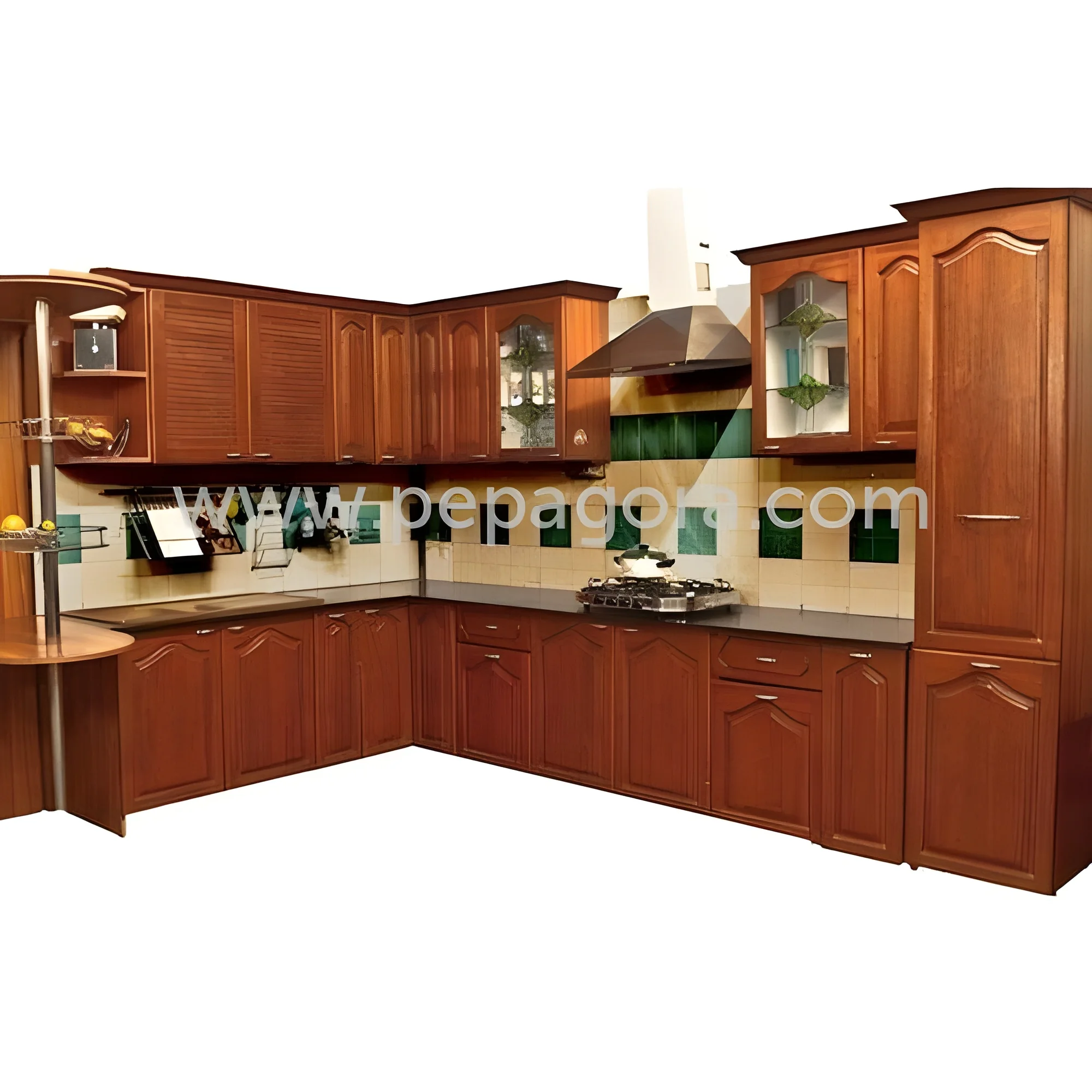
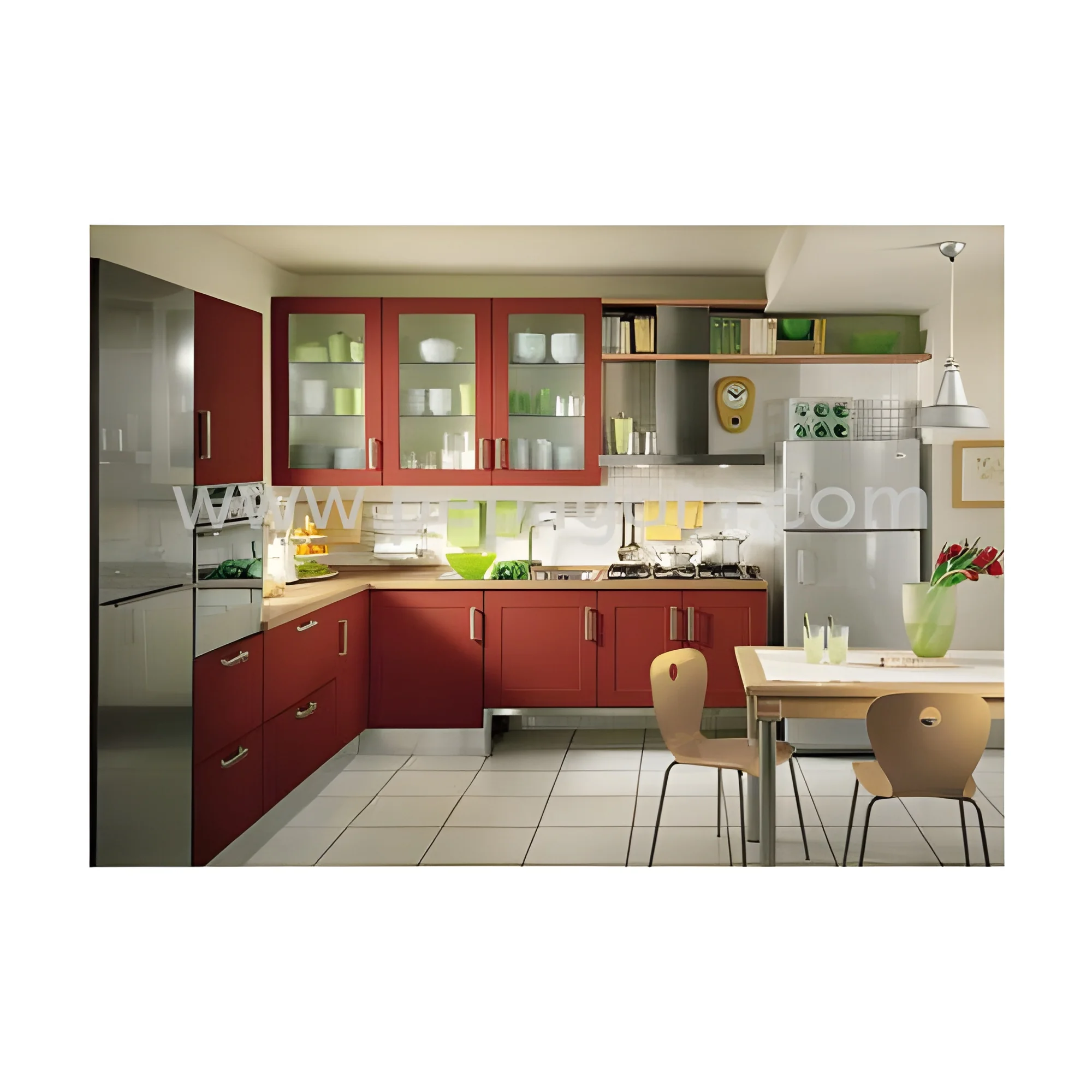
Modular Kitchen Units are pre-manufactured kitchen components designed for efficient assembly and customization. These units consist of cabinets, countertops, and other elements that can be configured to fit various kitchen layouts. The modular approach allows for a quick and standardized installation process, making it easier for businesses to set up functional kitchen spaces.
These units are primarily used in commercial kitchens, including restaurants, cafes, and catering services. They provide an organized and efficient way to manage cooking and food preparation tasks. Additionally, modular kitchen units are adaptable for residential applications, offering homeowners a modern and stylish kitchen solution. The relevance of this product in the market is significant, as it caters to the growing demand for efficient and versatile kitchen solutions in both the commercial and residential sectors.
Key Features and Specifications
Modular Kitchen Units come with various features that enhance usability and efficiency. These specifications help in identifying the right units for specific needs.
Key specifications include:
1. Material Quality
- Typically manufactured from high-grade plywood, MDF, or particle board.
- Water-resistant and durable to withstand kitchen conditions.
2. Design Flexibility
- Available in multiple styles including contemporary, traditional, and minimalist.
- Customizable sizes and designs to fit unique kitchen layouts.
3. Storage Capacity
- Various cabinet configurations to maximize space.
- Adjustable shelving and drawer options for versatile storage solutions.
4. Installation Convenience
- Flat-pack design for easy transport and assembly.
- Pre-drilled holes for quick setup.
5. Finish Options
- Available in laminate, vinyl, or paint finishes.
- Wide range of colors to match diverse aesthetics.
6. Hardware Quality
- High-quality hinges and drawer slides for smooth operation.
- Soft-close mechanisms for user convenience.
7. Warranty
- Standard warranties of 2-5 years depending on the manufacturer.
- Coverage for defects in materials and workmanship.
In summary, the key features and specifications of Modular Kitchen Units make them a suitable choice for various applications, ensuring functionality and aesthetic appeal.
Common Applications and Use Cases
Modular Kitchen Units serve multiple industries with specific applications tailored to their needs.
1. Hospitality Industry: Modular kitchen units are widely used in hotels and restaurants to create efficient cooking spaces that can accommodate large volumes of food preparation while maintaining a streamlined workflow.
2. Catering Services: Catering businesses utilize these units to set up temporary or mobile kitchens at event locations, ensuring quick assembly and ease of transport.
3. Residential Projects: Homeowners are increasingly opting for modular kitchens due to their customizable nature and modern designs, providing efficient use of space in homes.
4. Healthcare Facilities: Hospitals and nursing homes benefit from modular kitchen systems to ensure hygienic and organized food preparation areas for patient meals.
5. Educational Institutions: Schools and universities use modular kitchens in cafeterias for efficient meal service and food preparation.
6. Retail Food Outlets: Food trucks and kiosks often rely on modular units for their compact and efficient cooking setups.
7. Food Processing Units: These kitchens facilitate the preparation and packaging of food products in a controlled environment, enhancing productivity and compliance.
Product Variants and Subcategories
Modular Kitchen Units come in various designs and configurations to meet diverse requirements.
Standard Modular Kitchen
This variant features a straightforward design with pre-defined dimensions, ideal for small to medium-sized kitchens. It offers basic functionalities with essential storage and counter space.
Custom Modular Kitchen
This variant allows for tailored designs based on specific kitchen layouts, catering to unique requirements. Custom options may include specialized storage solutions and premium finishes.
Compact Modular Kitchen
Designed for limited spaces, this variant maximizes functionality in small areas without compromising on design appeal. It is particularly suitable for apartments and studio living.
Luxury Modular Kitchen
This high-end variant incorporates premium materials and advanced features, such as smart technology integration. It appeals to upscale consumers looking for elegance and functionality.
Benefits and Advantages
Modular Kitchen Units offer numerous advantages that make them appealing to B2B buyers.
1. Cost-Effective: The standardized manufacturing process often results in lower costs, making modular kitchens an economical choice for businesses.
2. Time-Saving: Quick assembly and installation reduce downtime significantly, allowing businesses to set up kitchens faster.
3. Customizability: The ability to tailor designs to specific needs ensures that each kitchen can meet the unique requirements of the user.
4. Space Optimization: Modular units are designed to utilize available space efficiently, maximizing storage and functionality.
5. Aesthetic Appeal: With a variety of finishes and designs available, modular kitchens can enhance the visual appeal of any space.
6. Durability: High-quality materials and construction methods ensure that these units withstand the rigors of commercial use and last for years.
Buying Guide for B2B Buyers
When sourcing Modular Kitchen Units, various factors should be considered to ensure the best choice.
1. Quality Assessment: Evaluate the material quality and construction standards to ensure durability and performance. Look for certifications that indicate compliance with industry standards.
2. Supplier Verification: Conduct thorough checks on potential suppliers, including reviews and references, to ensure reliability and trustworthiness in their product offerings.
3. Pricing and MOQ: Understand the pricing structures, including any minimum order quantities (MOQ), to plan budgets effectively and ensure a good return on investment.
4. Delivery and Lead Times: Confirm logistics details such as delivery timelines and shipping costs to avoid unexpected delays in kitchen setup.
5. Compliance Requirements: Be aware of any local regulations or safety certifications required for kitchen installations, including health and safety standards.
Compliance and Certifications
Modular Kitchen Units must adhere to various quality standards and certifications to ensure safety and performance. Relevant standards include ISO 9001, which focuses on quality management systems, ensuring that products meet customer and regulatory requirements.
Certifications like UL and CE indicate that the products have been tested for safety and compliance with international standards. These certifications play a crucial role in building trust with customers and ensuring the reliability of kitchen installations.
Additionally, safety and testing requirements vary by region, necessitating awareness of local compliance laws regarding materials and kitchen setups. It is essential for manufacturers and suppliers to stay updated on these regulations to maintain compliance and marketability.
Why Source Modular Kitchen Units from Pepagora?
Pepagora offers a reliable platform for sourcing Modular Kitchen Units, providing several key advantages to buyers.
Verified Supplier Network: Pepagora connects buyers with a network of verified suppliers, ensuring that all manufacturers meet stringent quality standards and compliance requirements.
Streamlined RFQ Process: The platform simplifies the request for quotation (RFQ) process, making it easy for buyers to compare options and negotiate suitable terms with suppliers.
Trade Assurance and Support: Buyers receive trade assurance, which protects their purchases and ensures that suppliers fulfill their commitments. Pepagora offers dedicated support to assist buyers throughout the sourcing process.
Regional Coverage: With a strong presence in India, the GCC region, and Southeast Asia, Pepagora provides access to a wide range of suppliers and products, catering to diverse market needs and preferences.


Frequently Asked Questions
What are Modular Kitchen Units?
Modular Kitchen Units are prefabricated components that can be assembled to create a functional kitchen. These units typically include cabinets, shelves, and countertops that are designed to fit together seamlessly, allowing for easy installation and customization.
What are the different types of Modular Kitchen Units?
There are several types of Modular Kitchen Units, including base cabinets, wall cabinets, tall units, and corner units. Each type serves a specific purpose, providing storage solutions and maximizing kitchen space efficiency.
How do I choose the right Modular Kitchen Units?
When choosing Modular Kitchen Units, consider factors such as the layout of your kitchen, your storage needs, and your preferred style. It's also important to assess the materials used in the units for durability and ease of maintenance.
What are the standard specifications for Modular Kitchen Units?
Standard specifications for Modular Kitchen Units often include dimensions, material types, and weight capacity. Common materials include plywood, MDF, and particle board, with finishes ranging from laminate to veneer.
What is the price range for Modular Kitchen Units?
The price range for Modular Kitchen Units can vary significantly based on materials, design, and customization options. Generally, prices can start from a few thousand rupees for basic units and can go up to several lakhs for high-end designs.
What quality standards apply to Modular Kitchen Units?
Quality standards for Modular Kitchen Units typically involve durability, finish, and safety regulations. Units should comply with industry standards for materials and construction to ensure longevity and user safety.
Where can I find Modular Kitchen Units suppliers in India?
You can find Modular Kitchen Units suppliers in India through various online B2B marketplaces, local furniture stores, and specialized kitchen showrooms. Websites like Pepagora.com can help you connect with reputable manufacturers and suppliers.
Can Modular Kitchen Units be customized?
Yes, Modular Kitchen Units can be customized to meet specific needs and preferences. Many manufacturers offer options for size, color, materials, and additional features to create a tailored kitchen solution.
What is the typical minimum order quantity for Modular Kitchen Units?
The typical minimum order quantity (MOQ) for Modular Kitchen Units varies by supplier and can range from a single unit to several units. It is advisable to check with individual suppliers for their specific MOQs.
What is the typical lead time for Modular Kitchen Units?
The typical lead time for Modular Kitchen Units can vary depending on the supplier and customization requirements. Generally, it can range from a few weeks to several months, so it is recommended to confirm with the supplier.
Why Businesses Trust Pepagora
Thousands of companies trust Pepagora to source smarter and sell faster
Expand Your Sales Globally

Source Smarter,Grow Faster
