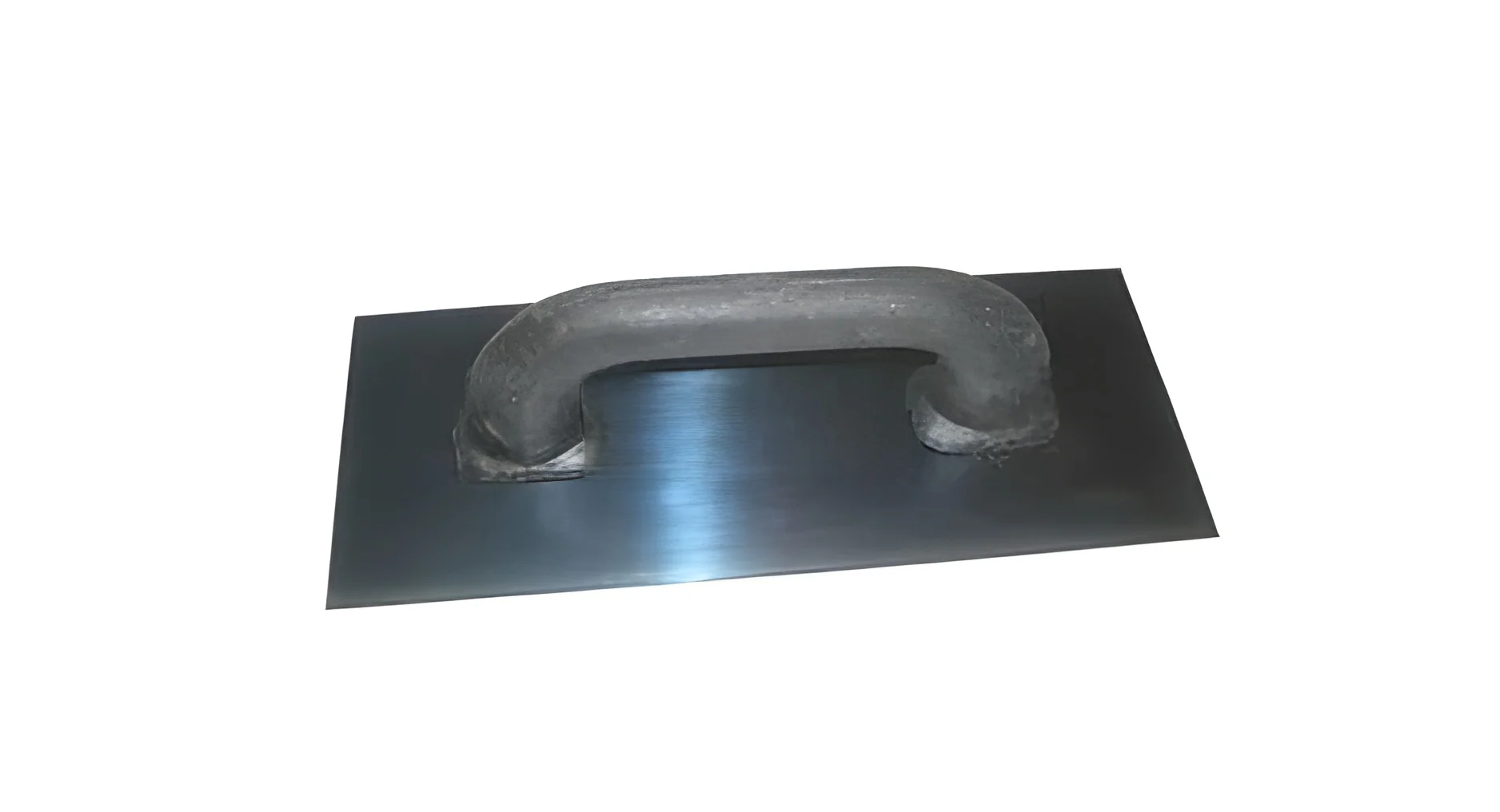
What are Masonry Hammers?
Masonry hammers are specialized tools designed for working with brick, stone, and concrete. They typically feature a heavy, flat striking surface on one end and a chisel-like point on the other, allowing users to break and chisel materials effectively. These hammers are essential for tasks that require precision and force, such as splitting stones, shaping bricks, or clearing mortar joints.
In the construction and masonry industries, these hammers play a vital role in various applications. Workers use masonry hammers not only for demolition but also for detailed work, such as carving or shaping masonry materials. Their unique design enhances a tradesperson's ability to perform intricate tasks while providing the necessary impact force for heavier work. As construction projects grow increasingly complex, the demand for high-quality masonry hammers continues to rise in the market.
Key Features and Specifications
Masonry hammers are characterized by specific features that enhance their functionality. Understanding these features helps buyers choose the right tool for their needs.
Key specifications include:
1. Head Weight
- Typically ranges from 16 to 32 ounces.
- Heavier heads provide more striking power for tougher materials.
2. Handle Material
- Common materials include wood, fiberglass, and steel.
- Each material affects durability, shock absorption, and user comfort.
3. Overall Length
- Standard lengths vary from 10 to 14 inches.
- Longer handles offer more leverage for striking.
4. Grip Type
- Options include rubberized and textured grips.
- Enhanced grip improves control and reduces hand fatigue.
5. Chisel Edge Design
- Available in various shapes, such as flat, pointed, or wide.
- Different designs are suited for specific applications.
6. Finish
- Tools may have painted, polished, or treated finishes.
- Finishes can affect rust resistance and longevity.
7. Balance
- A well-balanced hammer ensures precision with each strike.
- Balance is critical for user comfort and efficiency.
8. Certifications
- Many masonry hammers come with CE certification.
- This indicates compliance with European health and safety standards.
Masonry hammers are engineered for durability and performance, making them essential tools in masonry work.
Common Applications and Use Cases
Masonry hammers serve various industries, each requiring unique applications.
1. Construction: In the construction sector, these hammers are used for shaping and cutting bricks and stones for building structures.
2. Renovation: During renovation projects, masonry hammers assist in removing old materials, such as brick or concrete, to prepare for new installations.
3. Landscaping: Masonry hammers are valuable for landscaping professionals who need to break stones or create decorative features.
4. Artisan Stonework: Craftsmen in artisan stonework use masonry hammers for precision tasks, including carving and detailing.
5. Restoration: In historical restoration projects, these hammers help artisans carefully remove and replace damaged masonry without compromising surrounding structures.
6. Utility Work: Utility workers may use masonry hammers to access underground pipes or cables, especially in areas with concrete or stone surfaces.
7. DIY Projects: Home improvement enthusiasts rely on masonry hammers for various DIY tasks, from building patios to creating stone walls.
Product Variants and Subcategories
Masonry hammers come in a variety of designs to suit different user needs. Each variant offers specific features tailored to various applications.
Traditional Masonry Hammer
This variant features a classic design with a flat striking surface and a pointed chisel edge. It is ideal for general masonry work, providing versatility for breaking and shaping materials.
Heavy-Duty Masonry Hammer
Designed for rigorous tasks, this hammer has a heavier head, allowing it to deliver greater impact. It is suitable for professionals working on larger projects involving dense materials.
Pointed Masonry Hammer
With a specialized pointed end, this hammer excels in precision work, making it perfect for detailed stone carving or removing mortar from joints.
Benefits and Advantages
Masonry hammers offer numerous benefits that enhance productivity and safety.
1. Enhanced Efficiency: The design of masonry hammers allows for effective striking and chiseling, leading to quicker project completion.
2. Versatility: These tools can be used in various applications, making them valuable across multiple trades and industries.
3. Ergonomic Design: Many hammers feature ergonomic handles that reduce strain on the hands, allowing for extended use without discomfort.
4. Durability: Constructed from high-quality materials, masonry hammers are built to withstand heavy use in challenging environments.
5. Precision: The chisel point allows for meticulous work, ensuring accuracy in masonry tasks.
6. Cost-Effectiveness: Investing in a quality masonry hammer can lead to long-term savings by reducing the need for frequent replacements.
Buying Guide for B2B Buyers
When sourcing masonry hammers, it is essential to consider several factors to ensure a suitable purchase.
1. Quality Assessment: Evaluate the quality of materials and craftsmanship. Look for hammers that meet industry standards for durability and performance.
2. Supplier Verification: Vet suppliers by checking their reputation, customer reviews, and certifications. A reliable supplier ensures consistent quality.
3. Pricing and MOQ: Understand the pricing structure and minimum order quantities (MOQ) required. This helps in budgeting and aligning with business needs.
4. Delivery and Lead Times: Inquire about logistics and expected delivery times. Efficient supply chains are crucial for maintaining project timelines.
5. Compliance Requirements: Ensure that the products meet necessary compliance and safety standards relevant to your industry, including CE certification.
Compliance and Certifications
Masonry hammers must adhere to various compliance standards to ensure safety and quality in professional use.
ISO 9001 is a widely recognized standard that establishes criteria for a quality management system. Manufacturers of masonry hammers often seek this certification to demonstrate consistent quality and reliability.
CE certification indicates that a product meets European health, safety, and environmental protection standards. This certification is crucial for buyers in markets that require compliance with stringent regulations.
Safety and testing requirements for masonry hammers typically involve ensuring that tools can withstand specific impact tests and meet ergonomic guidelines to reduce user strain.
Regional compliance considerations may vary, and it is important for buyers to understand the standards applicable in their specific markets.
Why Source Masonry Hammers from Pepagora?
Pepagora provides a trusted platform for sourcing masonry hammers with several key advantages.
Verified Supplier Network: Pepagora has established a rigorous verification process for suppliers. This ensures that buyers have access to high-quality products from reputable manufacturers.
Streamlined RFQ Process: The Request for Quotation (RFQ) system simplifies the purchasing process. Buyers can easily request quotes from multiple suppliers, allowing for informed decision-making.
Trade Assurance and Support: Pepagora offers trade assurance services that protect buyers throughout the purchasing process. This includes support for resolving disputes and ensuring product quality.
Regional Coverage: With a presence in India, GCC, and Southeast Asia, Pepagora is well-positioned to serve a diverse range of markets. This geographic reach facilitates effective sourcing for businesses operating in multiple regions.

 IN
IN