
 IN
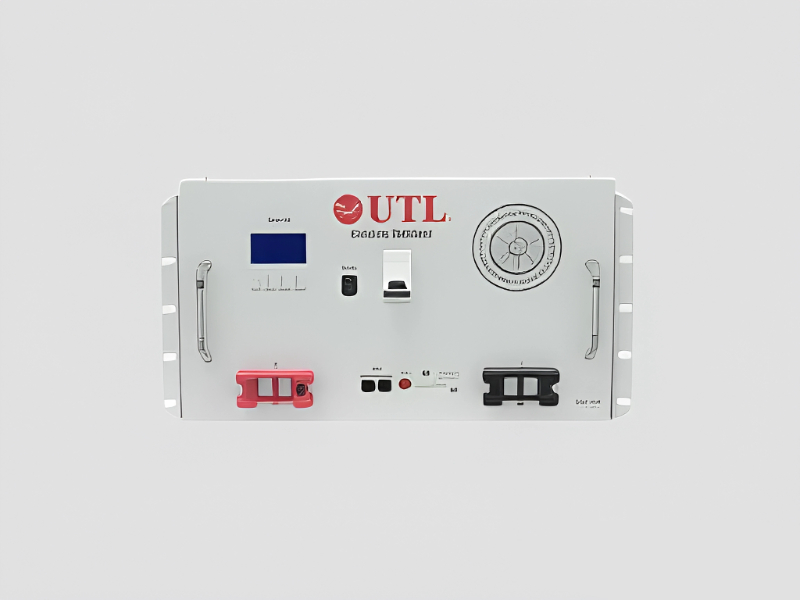
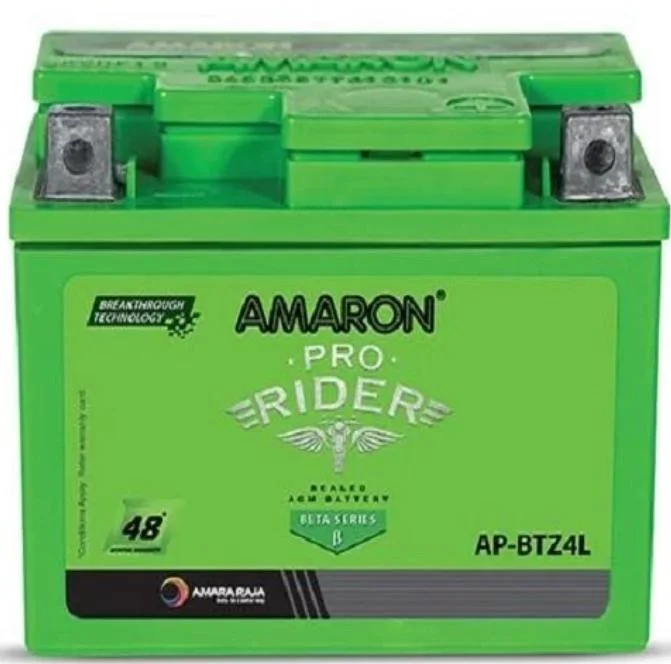
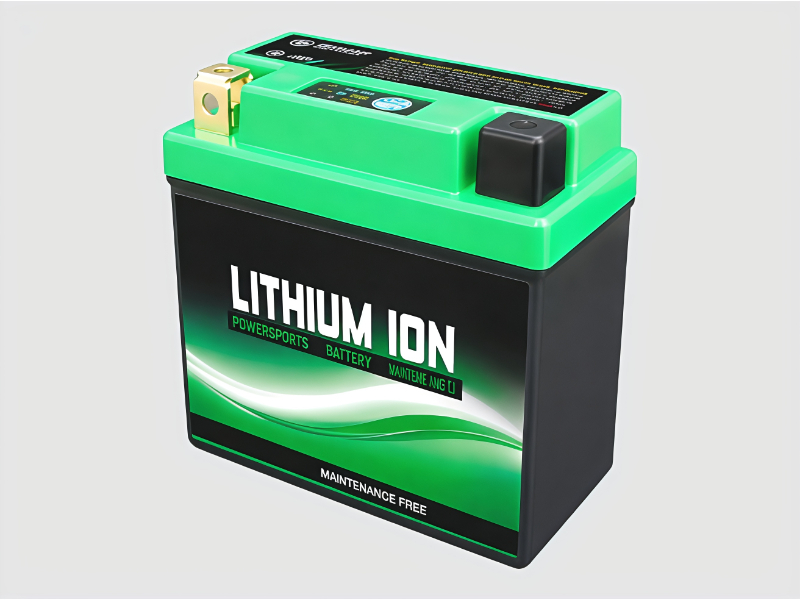
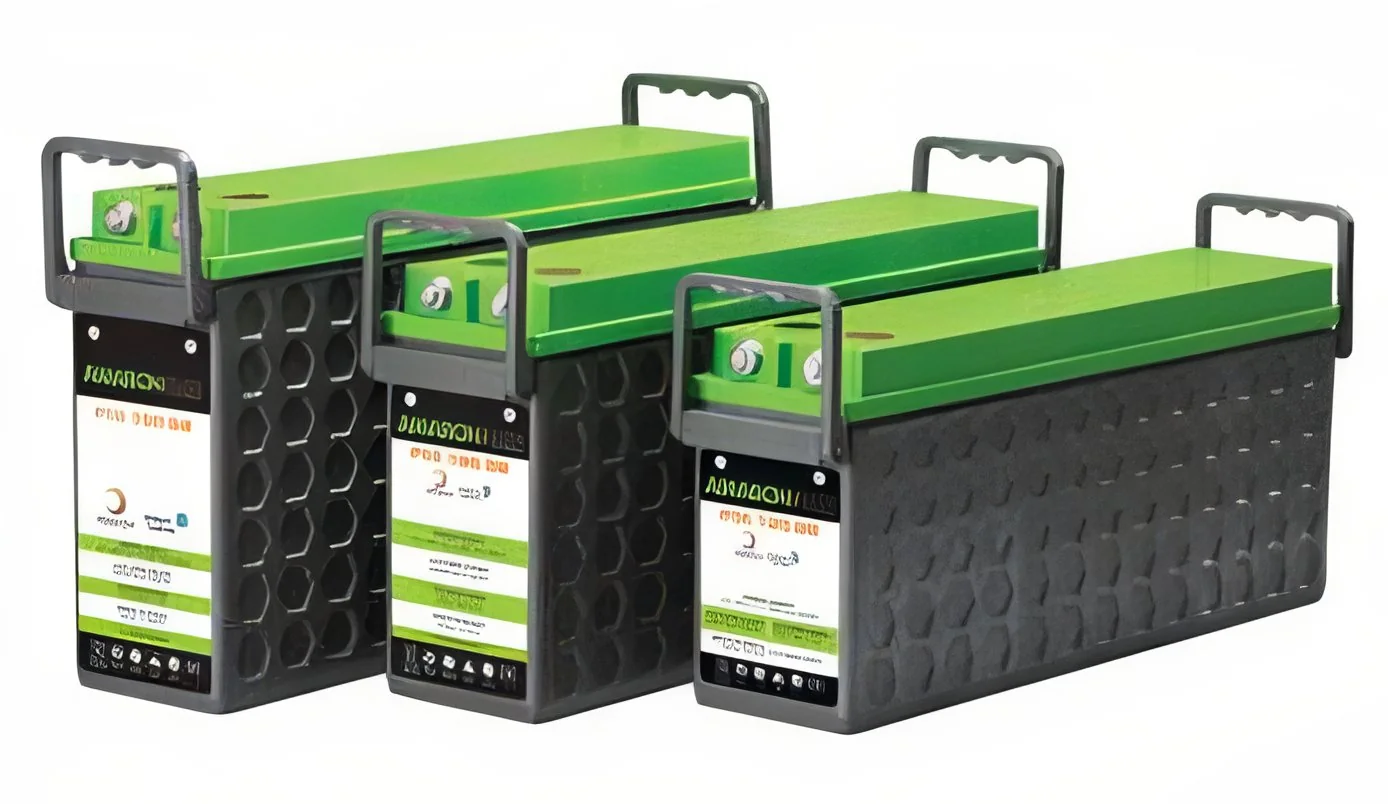
Lithium-ion Batteries
17 products available
What are Lithium-ion Batteries?
Lithium-ion batteries are rechargeable energy storage devices that use lithium ions as the primary charge carriers. They consist of an anode, a cathode, and an electrolyte, allowing for the efficient movement of ions during charging and discharging cycles. This technology is favored for its high energy density, low self-discharge rate, and long cycle life, making it a popular choice for a variety of applications in the industrial sector.
These batteries are widely used in sectors such as electronics, automotive, and renewable energy storage. In electronics, they power portable devices like smartphones and laptops. In the automotive industry, lithium-ion batteries are essential for electric vehicles, providing the necessary energy for propulsion. Additionally, they are utilized in renewable energy systems, where they store energy generated from solar panels and wind turbines for later use.
As the demand for sustainable energy solutions and portable power sources grows, the lithium-ion battery market is experiencing significant expansion. This growth is driven by technological advancements, increased production capacity, and a rising focus on reducing carbon footprints across industries.
Key Features and Specifications
Lithium-ion batteries boast several key features that make them suitable for various applications. Their design and performance metrics can significantly influence their usability in different sectors.
Key specifications include:
1. Energy Density
- This specification indicates the amount of energy stored per unit volume or weight.
- Typically ranges from 150 to 250 Wh/kg.
2. Cycle Life
- Refers to the total number of complete charge and discharge cycles the battery can undergo before its capacity significantly degrades.
- Generally ranges from 500 to 2000 cycles.
3. Operating Voltage
- The standard voltage range for lithium-ion batteries.
- Usually between 3.2 and 4.2 volts per cell.
4. Charge Time
- Indicates how long it takes to fully charge a battery.
- Can range from 1 to 5 hours depending on the battery size and charger.
5. Self-Discharge Rate
- The rate at which a battery loses its charge when not in use.
- Typically around 2-5% per month.
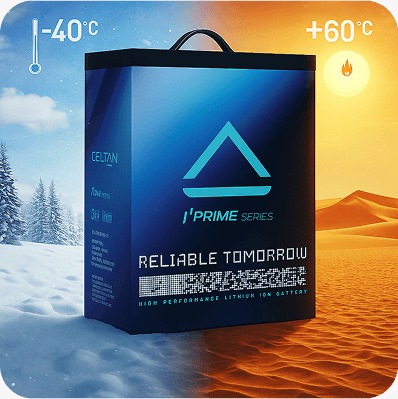
6. Temperature Tolerance
- Describes the optimal operating temperature range.
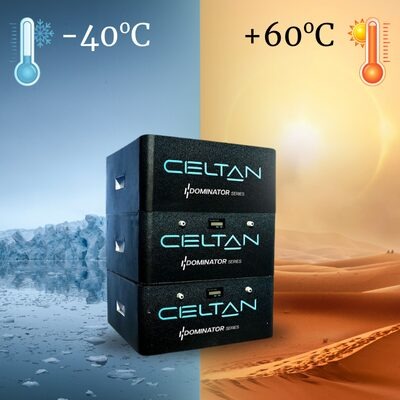
- Generally effective between -20°C and 60°C.
7. Weight
- Important for applications where portability is crucial.
- Weight can vary widely based on design but typically ranges from 200g to several kilograms.
8. Safety Features
- Many lithium-ion batteries include built-in protection against overcharging, short circuits, and thermal runaway.
These specifications highlight the advanced technology and capabilities of lithium-ion batteries, making them ideal for a variety of industrial applications.
Common Applications and Use Cases
Lithium-ion batteries serve multiple industries, enhancing efficiency and performance in various applications.
1. Electronics: They power smartphones, laptops, tablets, and wearable technology, providing reliable energy storage and portability.
2. Automotive: Electric and hybrid vehicles utilize lithium-ion batteries to deliver the necessary energy for propulsion, contributing to reduced emissions and improved fuel efficiency.
3. Renewable Energy: These batteries play a crucial role in storing energy from renewable sources like solar and wind, enabling a consistent power supply even when generation fluctuates.
4. Industrial Equipment: Lithium-ion batteries are used in forklifts and other warehouse equipment, enhancing operational efficiency and reducing downtime.
5. Telecommunications: They provide backup power for telecommunications equipment, ensuring uninterrupted service during outages.
6. Medical Devices: Many portable medical devices rely on lithium-ion batteries for reliable power, essential for patient monitoring and treatment devices.
7. Aerospace: Lithium-ion batteries are increasingly used in drones and other aerospace applications, where weight and energy efficiency are critical.
Product Variants and Subcategories
Lithium-ion batteries come in diverse variants to cater to specific needs across industries.
Prismatic Lithium-ion Batteries
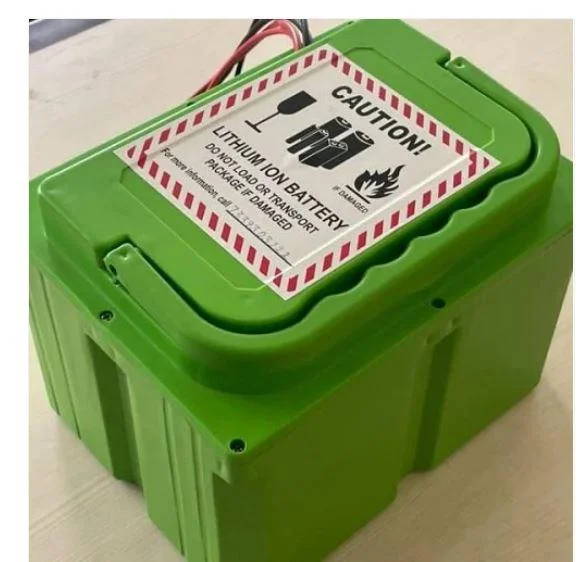
These batteries are designed in a rectangular shape, offering high energy density and space efficiency. They are commonly used in consumer electronics and electric vehicles due to their lightweight design and compact form factor.
Cylindrical Lithium-ion Batteries
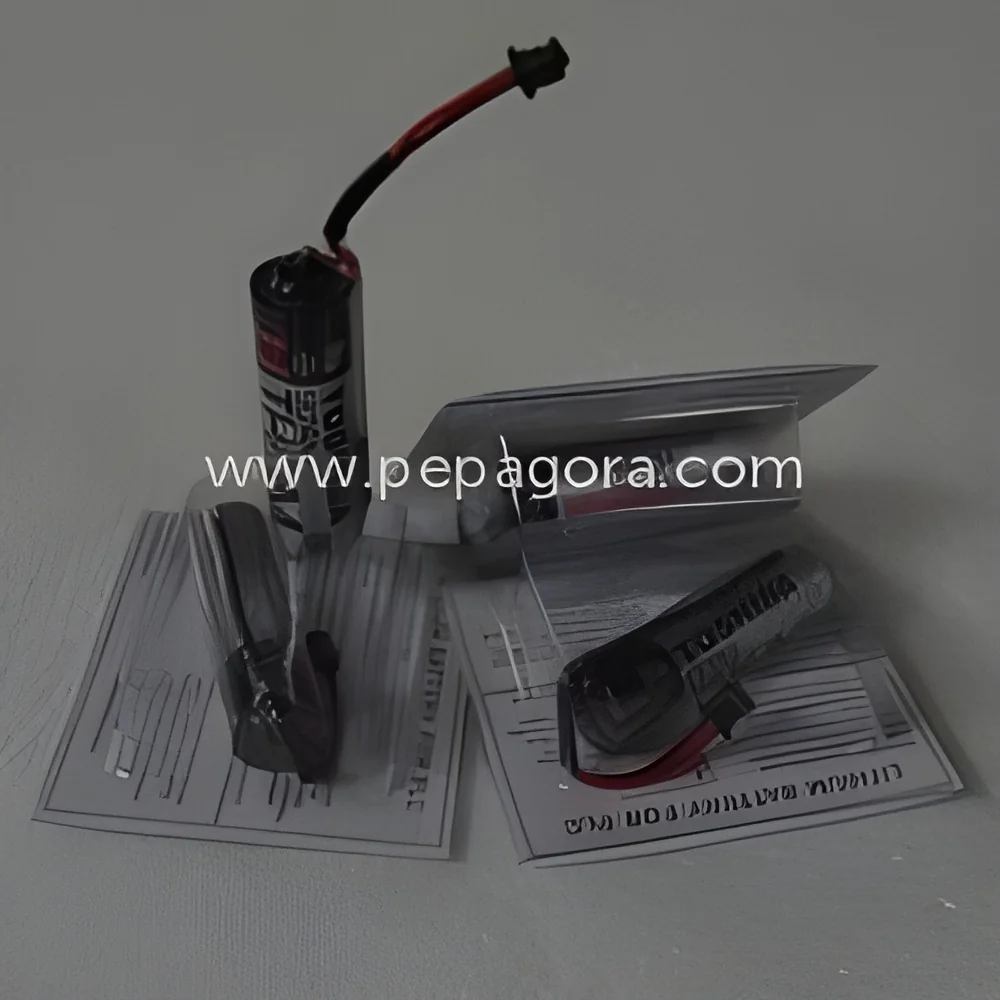
Characterized by their cylindrical shape, these batteries are widely utilized in power tools and electric bikes. Their robust construction provides excellent thermal management and safety features.
Pouch Lithium-ion Batteries
These batteries are lightweight and flexible, making them ideal for applications requiring space-saving designs. They are often found in smartphones and laptops where form factor is critical.
Benefits and Advantages
Lithium-ion batteries provide numerous advantages that make them a preferred choice for various applications.
Key benefits include:
1. High Energy Density: Lithium-ion batteries can store a significant amount of energy in a compact size, making them ideal for portable applications.
2. Long Cycle Life: They offer a longer lifespan compared to other battery technologies, reducing the need for frequent replacements.
3. Fast Charging: Many lithium-ion batteries support rapid charging, allowing for quick turnaround times in demanding applications.
4. Low Maintenance: They require minimal maintenance, which contributes to lower operating costs over time.
5. Environmentally Friendly: Lithium-ion batteries can be recycled, and their use helps reduce reliance on fossil fuels in transportation.
6. Lightweight: Their relatively low weight makes them suitable for applications where portability is important.
Buying Guide for B2B Buyers
When sourcing lithium-ion batteries, buyers should consider several critical factors to ensure they select the right product for their needs.
1. Quality Assessment: Evaluate the quality of batteries by checking certifications and performance metrics. Look for compliance with industry standards to ensure reliability.
2. Supplier Verification: Conduct thorough research on suppliers. Verify their reputation in the market through reviews, testimonials, and past projects.
3. Pricing and MOQ: Consider the cost of batteries and any minimum order quantity (MOQ) requirements. Compare prices among different suppliers to ensure competitiveness.
4. Delivery and Lead Times: Understand the supplier’s logistics capabilities. Assess their lead times to ensure timely delivery of batteries to meet project schedules.
5. Compliance Requirements: Be aware of any regulatory requirements governing battery production and use. Ensure suppliers adhere to necessary safety and environmental standards.
Compliance and Certifications
Lithium-ion batteries must comply with various quality standards and regulations to ensure safety and performance.
Relevant quality standards like ISO 9001 ensure that manufacturers maintain high levels of quality management throughout the production process. This standard is essential for ensuring consistent product quality and customer satisfaction.
Industry certifications, such as CE marking, indicate that the batteries meet European safety and environmental protection requirements. This certification is crucial for manufacturers looking to export their products to international markets.
Safety and testing requirements are vital for lithium-ion batteries. Manufacturers are required to conduct rigorous testing for thermal stability, electrical performance, and mechanical durability to prevent hazards such as overheating or fires.
Regional compliance considerations are also essential since regulations can vary significantly between regions. Buyers should ensure that their suppliers meet local regulations, which may include specific environmental standards and safety protocols.
Why Source Lithium-ion Batteries from Pepagora?
Pepagora provides a trusted platform for sourcing lithium-ion batteries, offering several key advantages for B2B buyers.
Verified Supplier Network: Pepagora ensures that all suppliers are thoroughly vetted, providing buyers with access to reliable manufacturers that meet high standards for quality and performance.
Streamlined RFQ Process: The request for quotation (RFQ) process on Pepagora is designed to be efficient and user-friendly. Buyers can easily compare quotes from multiple suppliers, simplifying the sourcing process.
Trade Assurance and Support: Pepagora offers trade assurance to protect buyers throughout the purchasing process. This includes support for handling disputes and ensuring that suppliers fulfill their commitments.
Regional Coverage: With a strong presence in regions such as India, the GCC, and Southeast Asia, Pepagora connects buyers with suppliers that can meet their specific needs, enhancing accessibility and convenience in the sourcing process.




Frequently Asked Questions
What are Lithium-ion Batteries?
Lithium-ion Batteries are rechargeable batteries that store energy through the movement of lithium ions between the positive and negative electrodes. They are widely used in portable electronics, electric vehicles, and renewable energy systems due to their high energy density and long cycle life.
What are the different types of Lithium-ion Batteries?
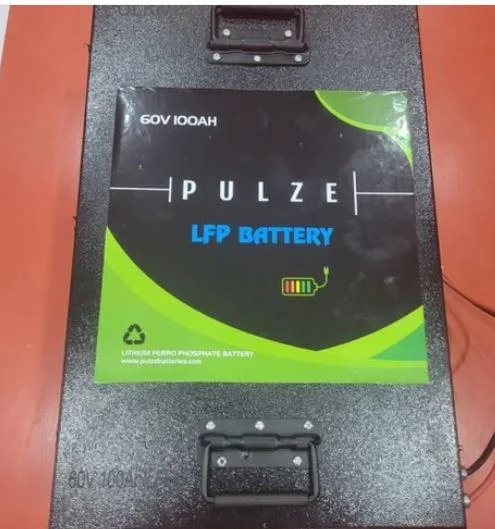
There are several types of Lithium-ion Batteries, including Lithium Cobalt Oxide (LCO), Lithium Manganese Oxide (LMO), Lithium Iron Phosphate (LFP), and Lithium Nickel Manganese Cobalt (NMC). Each type has its own unique characteristics, making them suitable for various applications such as consumer electronics or electric vehicles.
How do I choose the right Lithium-ion Batteries?
To choose the right Lithium-ion Batteries, consider factors such as the required voltage, capacity, and discharge rate for your specific application. Additionally, evaluate the battery's size, weight, and safety features to ensure it meets your needs.
What are the standard specifications for Lithium-ion Batteries?
Standard specifications for Lithium-ion Batteries typically include nominal voltage, capacity (measured in amp-hours or milliamp-hours), cycle life, and charge/discharge rates. Manufacturers may provide additional specifications such as internal resistance and operating temperature ranges.
What is the price range for Lithium-ion Batteries?
The price range for Lithium-ion Batteries can vary widely based on factors such as capacity, type, and manufacturer. Generally, prices can range from a few hundred to several thousand Indian Rupees per unit, depending on the specifications and application.
What quality standards apply to Lithium-ion Batteries?
Lithium-ion Batteries must comply with various quality standards including ISO 9001 for quality management systems and IEC 62133 for safety requirements. These standards ensure that the batteries are reliable, safe, and perform as intended.
Where can I find Lithium-ion Batteries suppliers in India?
You can find Lithium-ion Batteries suppliers in India through online B2B marketplaces like Pepagora.com, industry trade shows, and local directories. These platforms can connect you with manufacturers and distributors offering a wide range of Lithium-ion Batteries.
Can Lithium-ion Batteries be customized?
Yes, Lithium-ion Batteries can often be customized to meet specific requirements including size, capacity, and discharge characteristics. Many manufacturers offer customization options to cater to the unique needs of different applications.
What is the typical minimum order quantity for Lithium-ion Batteries?
The typical minimum order quantity (MOQ) for Lithium-ion Batteries can vary by supplier but generally ranges from 10 to 100 units. It is advisable to check with individual suppliers for their specific MOQ requirements.
What is the typical lead time for Lithium-ion Batteries?
The typical lead time for Lithium-ion Batteries can vary based on factors such as order size and customization. Generally, lead times can range from a few days to several weeks, so it's essential to confirm with the supplier for precise timelines.
Why Businesses Trust Pepagora
Thousands of companies trust Pepagora to source smarter and sell faster
Expand Your Sales Globally

Source Smarter,Grow Faster
