
 IN
Lighting Product OEMs
29 products available
What are Lighting Product OEMs?
Lighting Product OEMs, or Original Equipment Manufacturers, are companies that design and produce lighting products for other brands or businesses. These manufacturers typically focus on creating lighting solutions that meet specific customer needs, such as energy efficiency, durability, and design requirements. By leveraging advanced technology and innovative designs, Lighting Product OEMs enable businesses to offer high-quality lighting solutions without the need for extensive in-house production capabilities.
The primary uses of Lighting Product OEMs span various industries, including commercial, industrial, and residential sectors. Businesses often partner with these manufacturers to provide lighting systems that enhance visibility, improve safety, and promote energy savings. OEMs can produce a wide range of products, from LED fixtures to smart lighting systems, tailored to the unique demands of their clients. The industry is experiencing significant growth as more companies seek sustainable, energy-efficient lighting solutions, making OEMs a crucial component of today's marketplace.
As demand for advanced lighting solutions increases, Lighting Product OEMs play a pivotal role in driving innovation within the industry. They are positioned to respond to trends such as smart building technology and energy regulations. This relevance in the evolving market context ensures that businesses collaborating with Lighting Product OEMs can remain competitive and meet changing consumer expectations.
Key Features and Specifications
Lighting Product OEMs offer a variety of features and specifications that cater to diverse applications. These specifications are essential for ensuring that the lighting products meet industry standards and customer requirements.
Key specifications include:
1. Energy Efficiency
- High luminous efficacy, measured in lumens per watt
- Compliance with ENERGY STAR or similar certifications
2. Light Output
- Range of lumens produced, depending on the product type
- Adjustable brightness settings for customized lighting solutions
3. Color Temperature
- Options for warm, cool, and daylight color temperatures
- Measured in Kelvin (K), typically ranging from 2700K to 6500K
4. Lifespan
- Average lifespan of lighting products, often exceeding 25,000 hours for LED options
- Reduced maintenance costs due to longer-lasting products
5. Dimming Capability
- Support for various dimming technologies, including phase-cut, 0-10V, and digital controls
- Enhances energy savings and user comfort
6. Environmental Impact
- RoHS compliance to limit hazardous substances
- Recyclable materials to promote sustainability
7. Safety Standards
- Compliance with relevant safety standards, such as UL or CE markings
- Assurance of product safety in various applications
8. Warranty and Support
- Standard warranty periods, typically ranging from 3 to 5 years
- Support services for installation and troubleshooting
In summary, the features and specifications of Lighting Product OEMs are designed to meet the demands of modern lighting applications while ensuring efficiency, safety, and sustainability.
Common Applications and Use Cases
Lighting Product OEMs cater to a wide array of industries, providing tailored solutions that enhance functionality and aesthetics.
1. Commercial: In office buildings, OEMs produce energy-efficient lighting systems that improve productivity and reduce energy costs.
2. Industrial: In manufacturing facilities, robust lighting solutions are essential for ensuring safety and efficiency on the production floor.
3. Retail: OEMs create attractive lighting designs that enhance product display and customer experience in retail environments.
4. Hospitality: In hotels and restaurants, customized lighting solutions help create ambiance and improve guest satisfaction.
5. Healthcare: OEMs develop specialized lighting products that support patient care and promote healing in medical facilities.
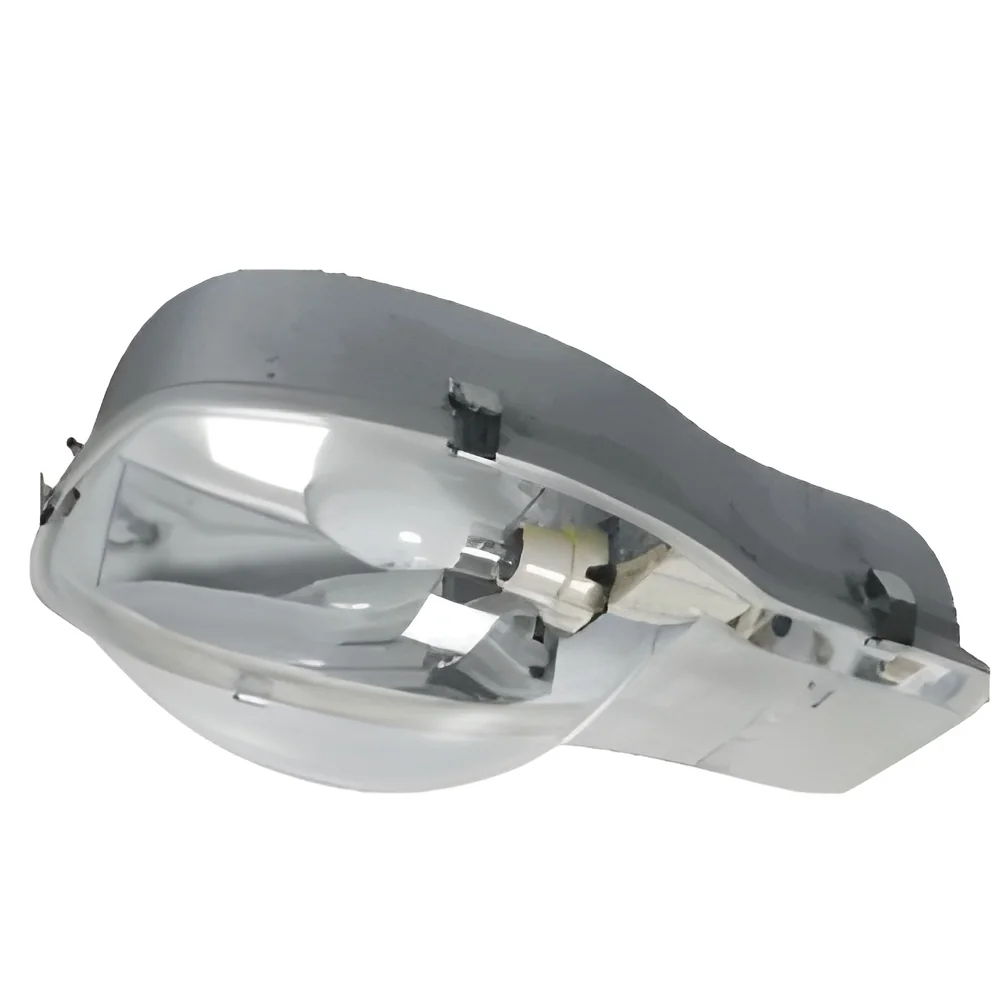
6. Outdoor: Street lighting and landscape illumination products enhance safety and visibility in public spaces.
7. Residential: Energy-efficient lighting solutions for homes promote sustainability while providing comfort and convenience.
Product Variants and Subcategories
Lighting Product OEMs offer a diverse range of products to meet specific customer needs and preferences. This product diversity allows businesses to select the best solutions for their applications.
LED Lighting Solutions
These products are known for their energy efficiency and long lifespan. They are suitable for various applications, from residential to industrial, providing significant energy savings.
Smart Lighting Systems
These solutions incorporate advanced technology, allowing users to control lighting through mobile apps or smart home systems. They cater to the growing demand for automation and energy management.
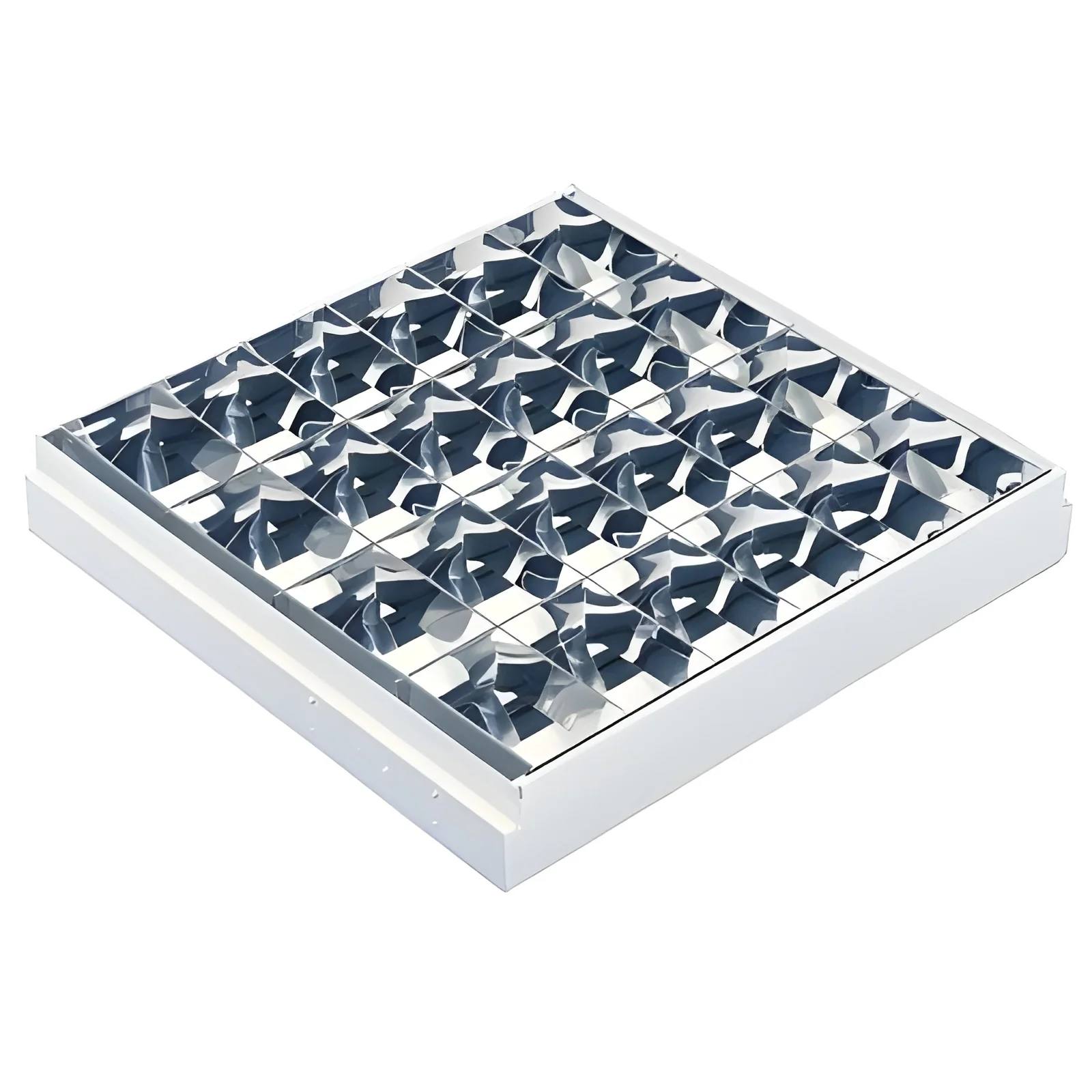
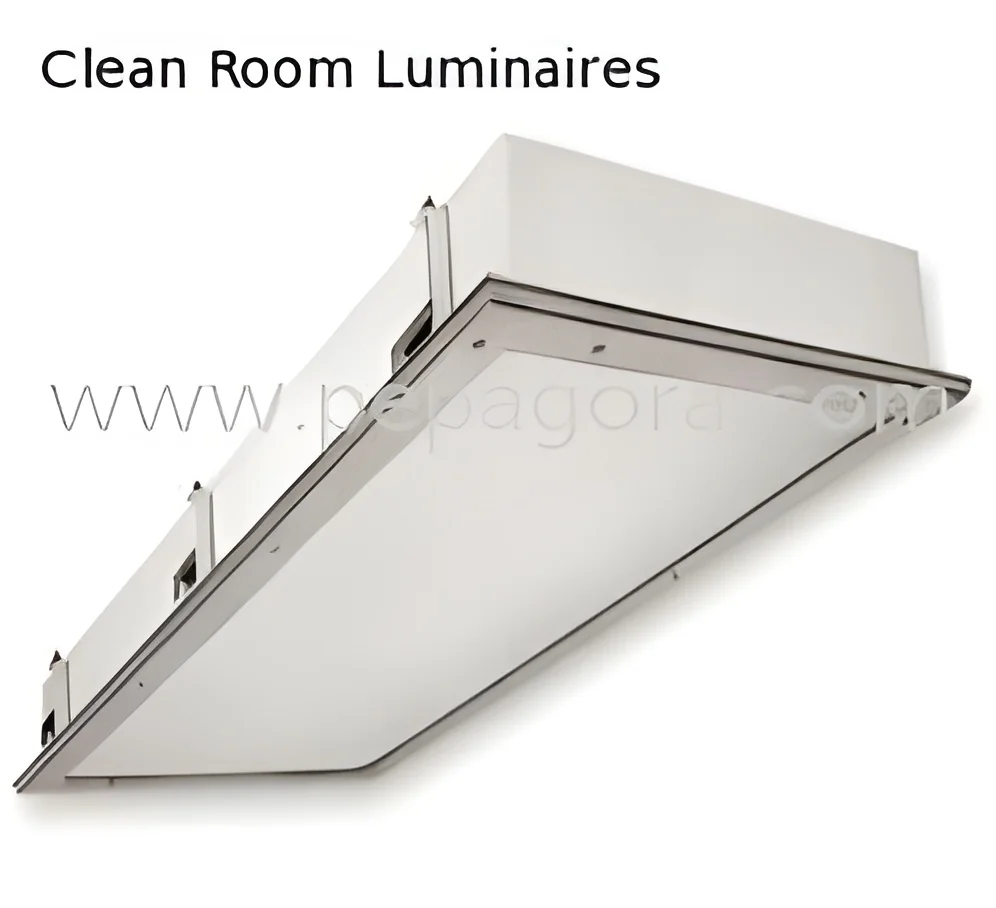
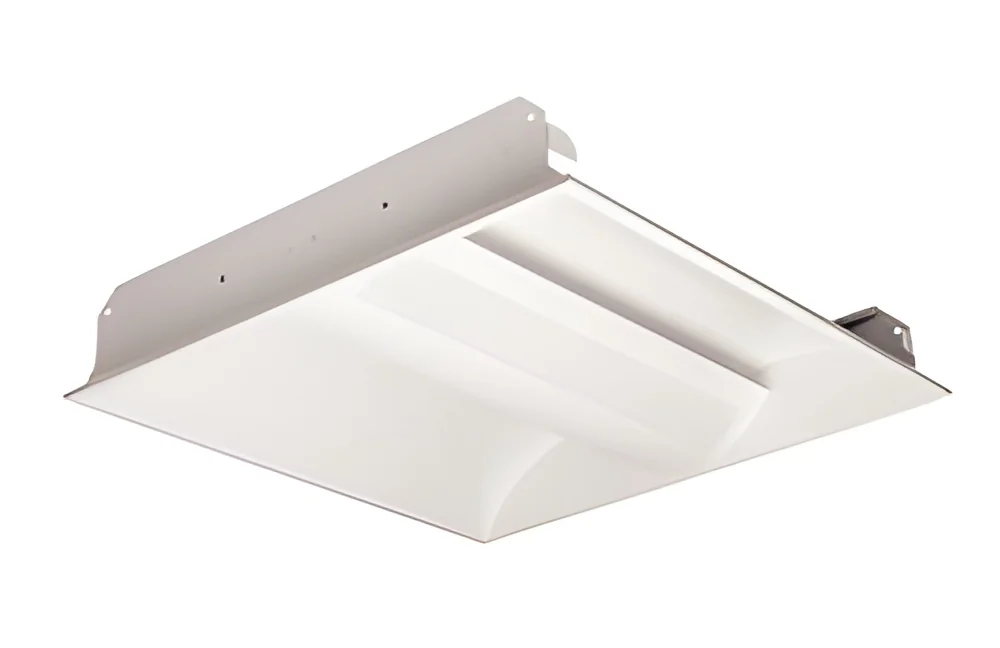
Commercial Fixtures
Designed for office and retail environments, these fixtures enhance aesthetics and functionality. They often include features such as dimming and adjustable color temperatures.
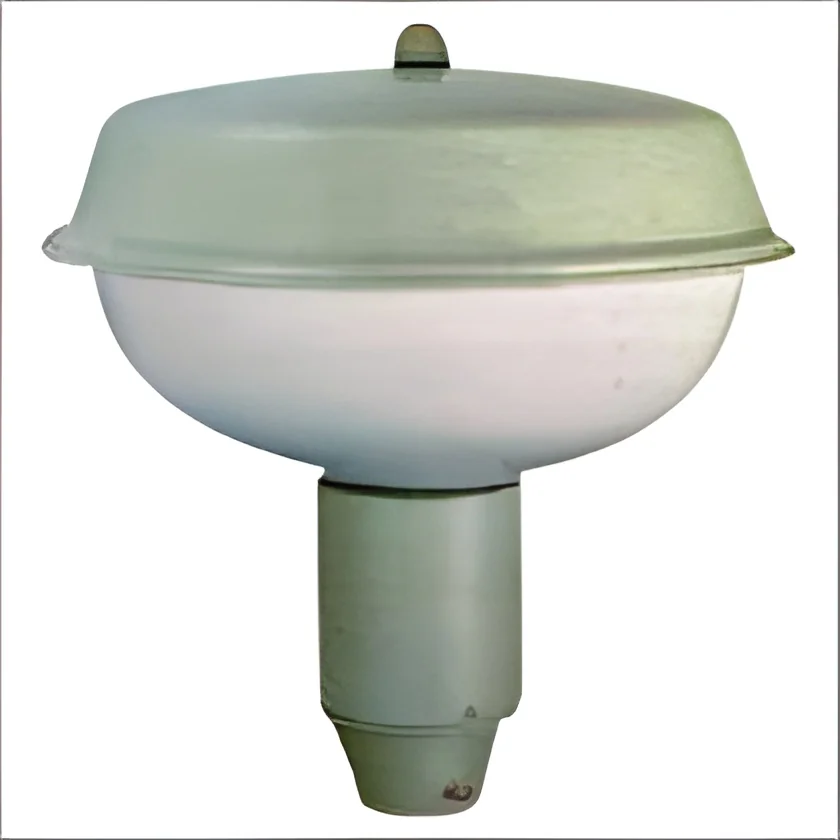
Outdoor Lighting Products
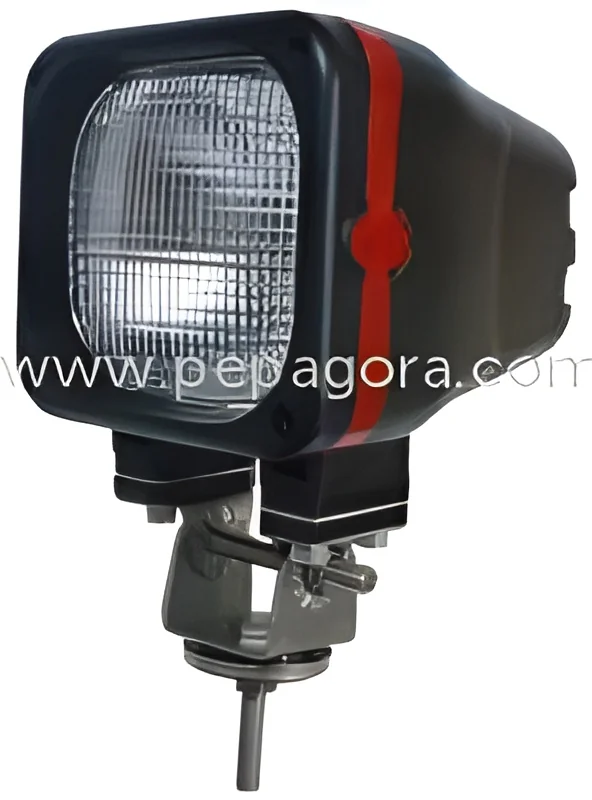
These include floodlights, streetlights, and landscape lighting. They are designed to withstand harsh weather conditions while ensuring safety and visibility.
Benefits and Advantages
The advantages of sourcing from Lighting Product OEMs are numerous and can significantly impact business operations.
Key benefits include:
1. Customization: OEMs offer tailored solutions that meet specific application needs, allowing businesses to differentiate their offerings.
2. Cost-Effectiveness: By partnering with OEMs, companies can reduce production costs while maintaining high-quality standards.
3. Innovation: Access to the latest technology and design innovations ensures that businesses stay competitive in the marketplace.
4. Scalability: OEMs can scale production to meet changing demand, providing flexibility for growing businesses.
5. Technical Support: Many OEMs provide extensive support, including installation guidance and troubleshooting assistance.
6. Compliance Assurance: OEMs often ensure their products meet industry standards and regulations, reducing the compliance burden for businesses.
Buying Guide for B2B Buyers
When sourcing Lighting Product OEMs, it is essential to consider several factors to ensure a successful partnership.
1. Quality Assessment: Evaluate the manufacturer's quality control processes and certifications to ensure products meet industry standards. Look for compliance with ISO 9001 or other relevant quality standards.
2. Supplier Verification: Conduct thorough due diligence on potential suppliers. This may include checking references, evaluating financial stability, and reviewing customer feedback.
3. Pricing and MOQ: Understand the pricing structure and minimum order quantities (MOQ) to align with your budget and inventory needs. Request quotes from multiple suppliers for comparison.
4. Delivery and Lead Times: Inquire about the supplier's delivery capabilities and lead times to ensure timely product availability for your projects.
5. Compliance Requirements: Confirm that the OEM's products comply with relevant safety and environmental regulations, such as CE certifications and RoHS compliance.
Compliance and Certifications
Compliance with industry standards and certifications is crucial for Lighting Product OEMs. These requirements ensure product safety, quality, and environmental responsibility.
ISO 9001 is a widely recognized quality management standard that outlines requirements for consistent product quality and customer satisfaction. Compliance with this standard indicates a manufacturer's commitment to quality assurance.
CE certification is essential for products sold in European markets, indicating compliance with health, safety, and environmental protection standards. This certification provides assurance to buyers that the products meet European Union regulations.
Safety and testing requirements are critical for ensuring that lighting products are safe for use in various environments. Manufacturers must adhere to specific safety standards, such as UL or ETL, depending on the target market.
Regional compliance considerations may vary based on the geographical area where the products are sold. It is essential for manufacturers to understand and comply with local regulations to avoid legal issues and ensure market access.
Why Source Lighting Product OEMs from Pepagora?
Pepagora provides a trusted platform for sourcing Lighting Product OEMs, offering numerous advantages to businesses seeking reliable partnerships.
The verified supplier network ensures that buyers can connect with reputable manufacturers. This verification process helps mitigate risks associated with sourcing from unknown suppliers.
The streamlined RFQ process simplifies the quotation and procurement experience. Buyers can easily request quotes from multiple suppliers, allowing for informed decision-making and competitive pricing.
Trade assurance and support provided by Pepagora protect buyers throughout the sourcing process. This support includes assistance with transactions, ensuring that businesses receive the products they need without complications.
Furthermore, Pepagora's regional coverage extends across India, the GCC, and Southeast Asia, facilitating access to a diverse range of Lighting Product OEMs. This broad geographical reach enables businesses to find suitable suppliers that meet their specific requirements.

Frequently Asked Questions
What are Lighting Product OEMs?
Lighting Product OEMs (Original Equipment Manufacturers) are companies that design and manufacture lighting products for other brands to sell under their own names. These OEMs often provide a range of products, including LED fixtures, lamps, and smart lighting solutions, tailored to meet the specific needs of their clients.
What are the different types of Lighting Product OEMs?
There are various types of Lighting Product OEMs, including those specializing in residential lighting, commercial lighting, industrial lighting, and outdoor lighting. Additionally, some OEMs focus on specific technologies like LED, solar, or energy-efficient lighting solutions.
How do I choose the right Lighting Product OEMs?
When selecting a Lighting Product OEM, consider factors such as their product range, manufacturing capabilities, quality certifications, and delivery timelines. It is also beneficial to review their past projects and customer feedback to ensure they align with your requirements.
What are the standard specifications for Lighting Product OEMs?
Standard specifications for Lighting Product OEMs typically include parameters like lumen output, color temperature, energy efficiency ratings, and lifespan. Additionally, compliance with safety standards such as IEC, UL, and CE is essential for ensuring product quality and safety.
What is the price range for Lighting Product OEMs?
The price range for Lighting Product OEMs can vary widely based on the type of product, materials used, and customization options. Generally, prices can start from a few hundred INR for basic fixtures and can go up to several thousand INR for advanced lighting solutions.
What quality standards apply to Lighting Product OEMs?
Lighting Product OEMs must adhere to various quality standards to ensure product safety and performance. Common standards include ISO certifications, as well as specific lighting standards set by organizations like the International Electrotechnical Commission (IEC) and Underwriters Laboratories (UL).
Where can I find Lighting Product OEMs suppliers in India?
You can find Lighting Product OEMs suppliers in India through B2B marketplaces like Pepagora.com, industry trade shows, and exhibitions. Additionally, online directories and local business listings can provide valuable contacts for reputable OEMs in the lighting industry.
Can Lighting Product OEMs be customized?
Yes, many Lighting Product OEMs offer customization options to meet specific client requirements. This can include adjustments in design, size, color, and technical specifications to ensure the final product aligns with the client's branding and functional needs.
What is the typical minimum order quantity for Lighting Product OEMs?
The typical minimum order quantity (MOQ) for Lighting Product OEMs can vary based on the manufacturer and product type. Generally, MOQs can range from 100 to 1000 units, but some OEMs may offer lower quantities for specific products or custom orders.
What is the typical lead time for Lighting Product OEMs?
The typical lead time for Lighting Product OEMs varies depending on the complexity of the order and the manufacturer's production capacity. Generally, lead times can range from 4 to 12 weeks, with custom orders often requiring additional time for design and production.
Why Businesses Trust Pepagora
Thousands of companies trust Pepagora to source smarter and sell faster
Expand Your Sales Globally

Source Smarter,Grow Faster
