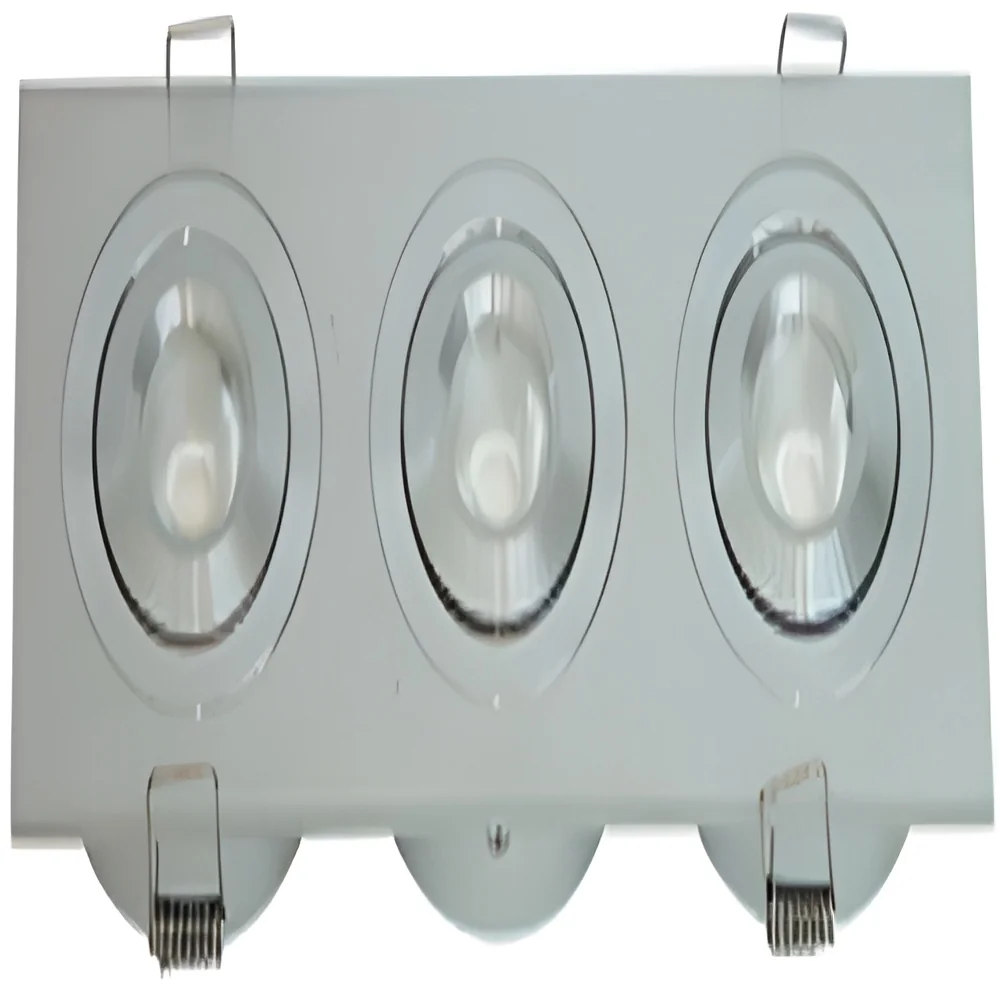
What are Recessed Downlights?
Recessed downlights are a type of lighting fixture that is installed into a hollow opening in the ceiling. The fixture is positioned flush with the ceiling surface, providing a sleek and unobtrusive lighting solution. These lights are designed to focus light downward, which helps to illuminate spaces effectively while minimizing the visual bulk of traditional light fixtures.
Recessed downlights are primarily used in commercial and industrial settings, including offices, retail spaces, and warehouses. Their design allows for even light distribution, making them suitable for various applications, such as task lighting and ambiance enhancement. Additionally, they are often utilized in residential spaces where modern aesthetics and efficient lighting are desired. The increasing demand for energy-efficient lighting solutions has made recessed downlights a popular choice in many markets.
The relevance of recessed downlights in the industry is underscored by the growing focus on energy efficiency and sustainability. As businesses aim to reduce their energy consumption and carbon footprint, recessed downlights offer a viable solution. The market for these products continues to expand as advancements in LED technology and smart lighting systems enhance their functionality and appeal.
Key Features and Specifications
Recessed downlights come with a variety of features and specifications tailored to meet the needs of different commercial and industrial applications. Understanding these specifications is crucial for selecting the right product for specific lighting requirements.
Key specifications include:
1. Light Source
- Options include LED, halogen, or fluorescent.
- LED variants are energy-efficient with longer lifespans.
2. Wattage
- Typical ranges from 10W to 30W depending on brightness.
- Higher wattage options available for larger spaces.
3. Color Temperature
- Available in warm white (2700K), cool white (4000K), and daylight (5000K).
- Choice impacts ambiance and functionality.
4. Beam Angle
- Common angles include 15, 30, and 60 degrees.
- Affects the spread of light and coverage area.
5. Dimming Capability
- Many models support dimming features.
- Offers versatility in adjusting lighting levels.
6. Housing Type
- Options include new construction, remodel, and adjustable designs.
- Selection depends on installation needs.
7. Voltage
- Typically compatible with standard voltage (120V or 240V).
- Ensures compatibility with existing electrical systems.
8. Certification
- Most recessed downlights are CE certified.
- Ensures compliance with safety and performance standards.
In summary, selecting recessed downlights requires careful consideration of their features and specifications. By understanding these key elements, businesses can make informed choices that enhance their lighting solutions.
Common Applications and Use Cases
Recessed downlights are versatile lighting solutions that serve various industries. Their design and functionality make them ideal for numerous applications.
1. Commercial Offices: Recessed downlights are commonly used in office settings to create a professional work environment. They provide adequate lighting for tasks while maintaining an aesthetically pleasing ceiling line.
2. Retail Spaces: In retail stores, recessed downlights highlight products effectively. They help create an inviting atmosphere that enhances customer experience and promotes sales.
3. Hospitality: Hotels and restaurants utilize recessed downlights to set the mood in dining areas and lobbies. Their adjustable lighting options allow for ambiance customization.
4. Healthcare Facilities: Recessed downlights are used in hospitals and clinics for general lighting in examination rooms and waiting areas. They provide bright, even light that is essential for medical settings.
5. Educational Institutions: Classrooms and lecture halls benefit from recessed downlights, which ensure adequate illumination for learning without being intrusive.
6. Industrial Warehouses: In large warehouses, recessed downlights improve visibility for safety and efficiency. They are often integrated with motion sensors for energy savings.
7. Residential Spaces: Homeowners use recessed downlights in kitchens, living rooms, and hallways, providing a modern touch while maximizing space.
Product Variants and Subcategories
Recessed downlights come in various designs and configurations to meet diverse lighting needs. These variants offer tailored solutions for different applications.
Standard Recessed Downlights: These are the most common type, designed for general lighting purposes. They provide a clean look and are suitable for a wide range of environments.
Adjustable Recessed Downlights: These allow for directional lighting. Ideal for highlighting artwork or specific areas, they offer flexibility in light placement.
Gimbaled Downlights: Featuring a swivel mechanism, these lights can be angled to focus light where needed. They are particularly useful in retail and gallery settings.
Low-Profile Recessed Downlights: Designed for spaces with limited ceiling height, these fixtures maintain a sleek appearance while providing effective lighting.
Benefits and Advantages
Recessed downlights offer numerous benefits that make them an attractive choice for B2B buyers.
1. Space Efficiency: By being mounted in the ceiling, recessed downlights save space and create an uncluttered look, making them ideal for modern interiors.
2. Energy Efficiency: Many recessed downlights use LED technology, which consumes less energy than traditional lighting options. This leads to lower utility costs and a reduced environmental impact.
3. Versatile Design: Available in various styles and finishes, they can complement any architectural design or decor, enhancing the overall aesthetic of a space.
4. Improved Lighting Quality: Recessed downlights provide even illumination, reducing shadows and enhancing visibility in work areas.
5. Increased Property Value: High-quality lighting solutions can improve the appeal of a property, potentially increasing its market value.
6. Customizable Options: With various wattages, colors, and beam angles available, businesses can tailor lighting to meet specific needs and preferences.
Buying Guide for B2B Buyers
When sourcing recessed downlights, businesses should consider several factors to ensure they select the most suitable products.
1. Quality Assessment: It is essential to evaluate the quality of the lights being purchased. Look for reputable manufacturers with a history of producing reliable and durable products.
2. Supplier Verification: Vetting suppliers is crucial. Ensure they have proper certifications and positive reviews to guarantee a trustworthy partnership.
3. Pricing and MOQ: Understand the pricing structure and minimum order quantities (MOQ) required by suppliers. This helps in budgeting and ensures the best value for purchases.
4. Delivery and Lead Times: Inquire about delivery schedules and lead times. Timely delivery is vital for project planning and execution.
5. Compliance Requirements: Ensure that the recessed downlights meet relevant industry standards and certifications. Compliance is necessary for safety and regulatory purposes.
Compliance and Certifications
Compliance and certification are critical components when selecting recessed downlights. These products must adhere to various quality standards to ensure safety and performance.
Relevant quality standards include ISO 9001, which emphasizes quality management systems. This standard ensures that manufacturers consistently produce high-quality products that meet customer expectations.
Industry certifications such as CE mark signify compliance with European safety and environmental requirements. This certification is essential for products sold in European markets, ensuring they meet rigorous safety standards.
Additionally, recessed downlights must undergo appropriate safety and testing requirements to guarantee their reliability. This includes tests for electrical safety, heat resistance, and overall product durability.
Regional compliance considerations may vary, so it is crucial for businesses to remain informed about local regulations and standards that apply to their specific industry and location.
Why Source Recessed Downlights from Pepagora?
Pepagora provides an excellent platform for sourcing recessed downlights, offering several key advantages that benefit B2B buyers.
Verified Supplier Network: Pepagora connects buyers with a network of verified suppliers. This ensures that businesses can access high-quality products from trusted manufacturers.
Streamlined RFQ Process: The platform features a streamlined Request for Quotation (RFQ) process, making it easy for buyers to obtain competitive quotes for their lighting needs. This efficiency saves time and simplifies procurement.
Trade Assurance and Support: Pepagora offers trade assurance and support to buyers, providing a safety net for transactions. This level of protection builds trust between buyers and suppliers.
Regional Coverage: With a presence in India, the GCC, and Southeast Asia, Pepagora ensures broad geographic coverage. This makes it easier for businesses across various regions to source recessed downlights tailored to their local market needs.

 IN
IN