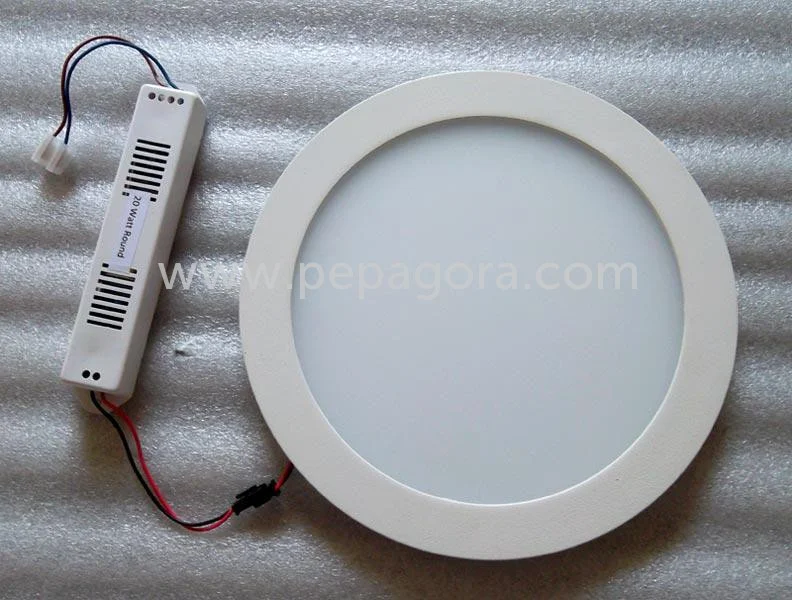
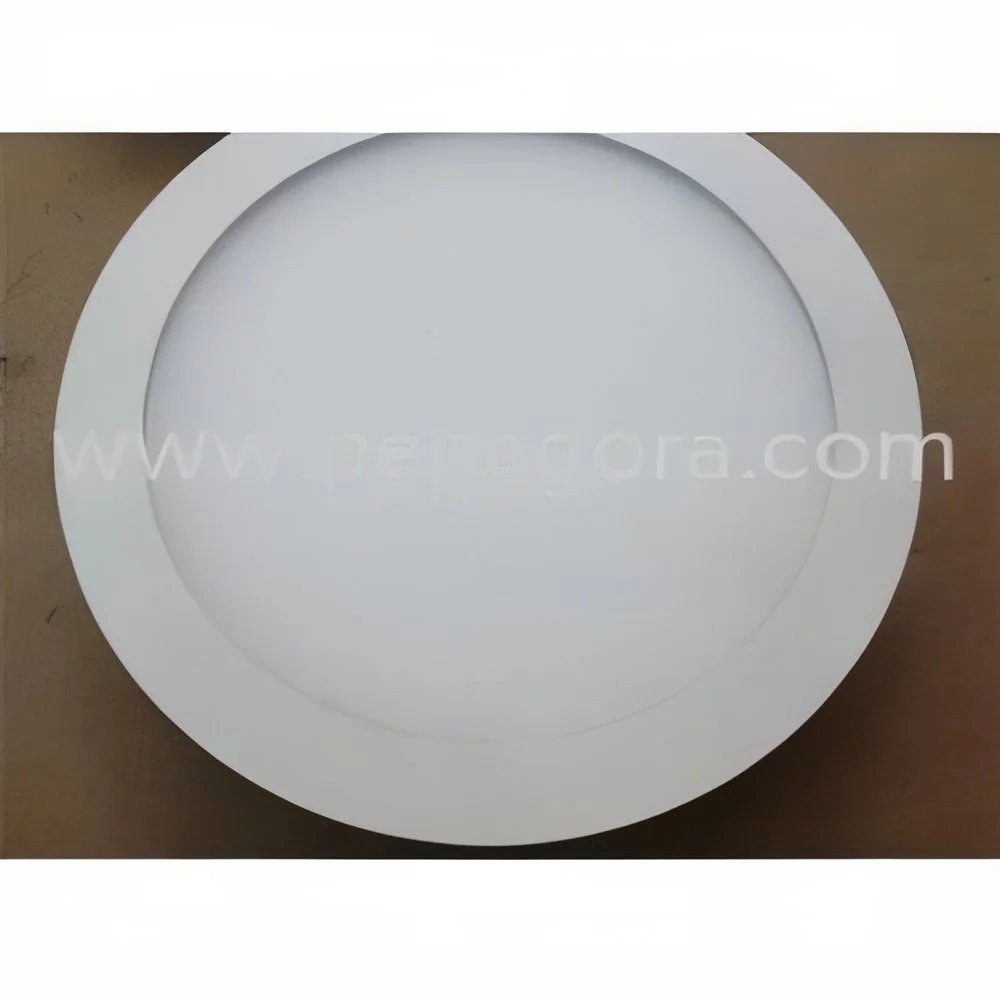
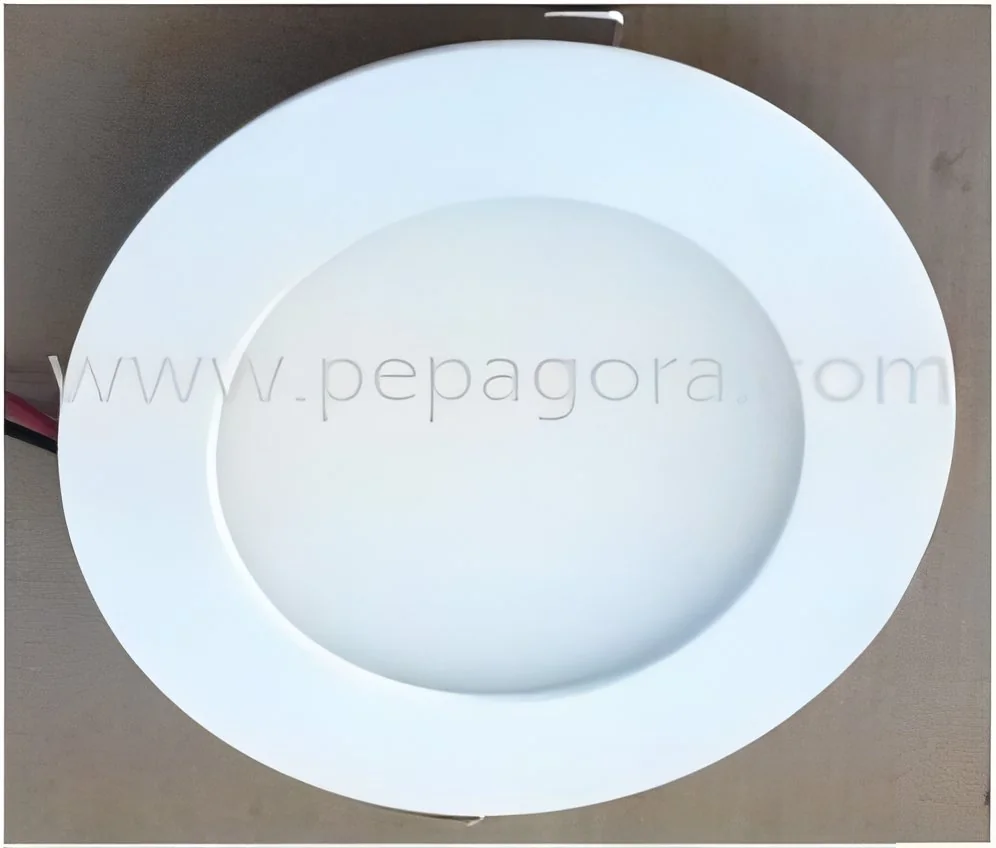
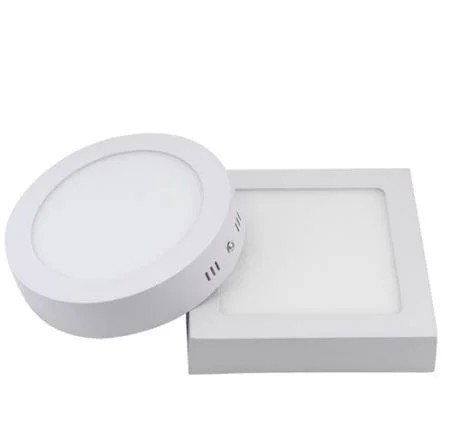
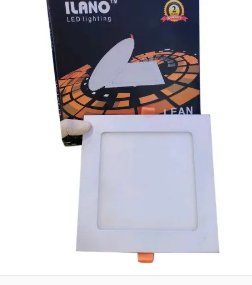
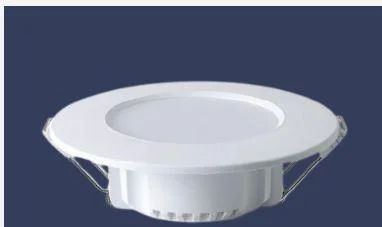
What are Panel Lights?
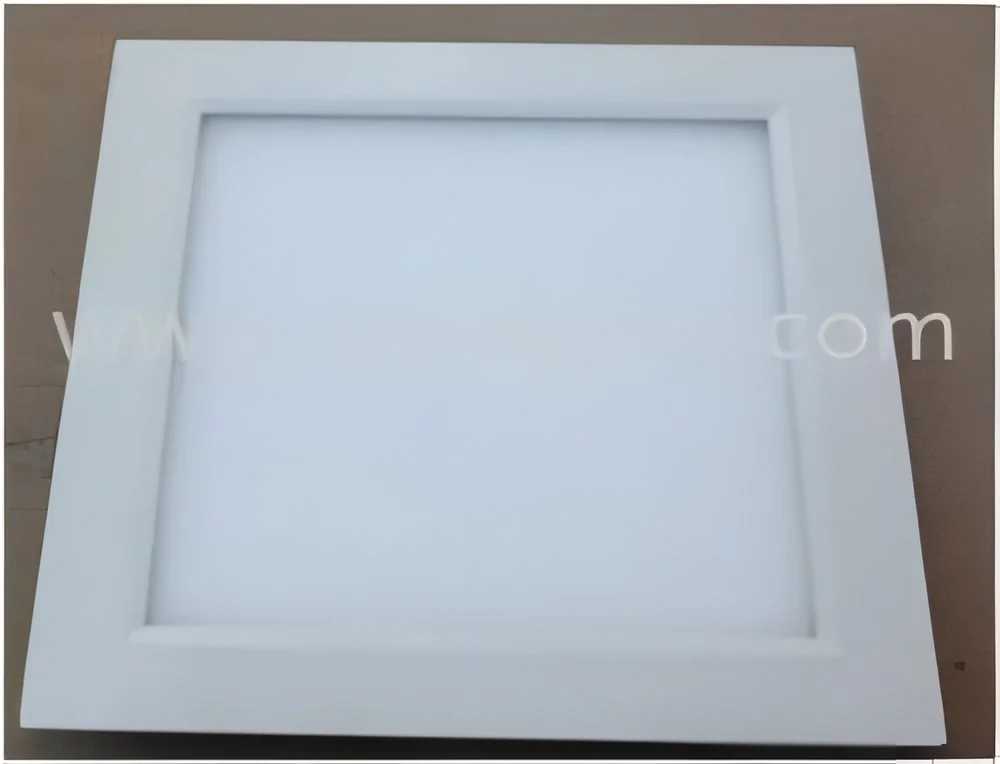
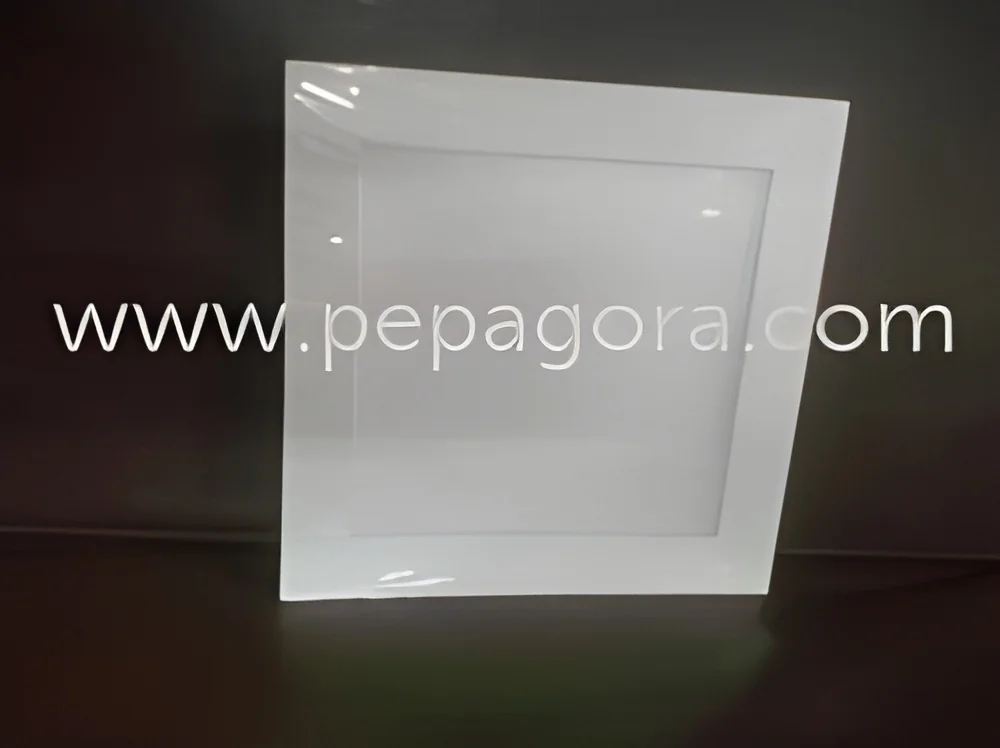
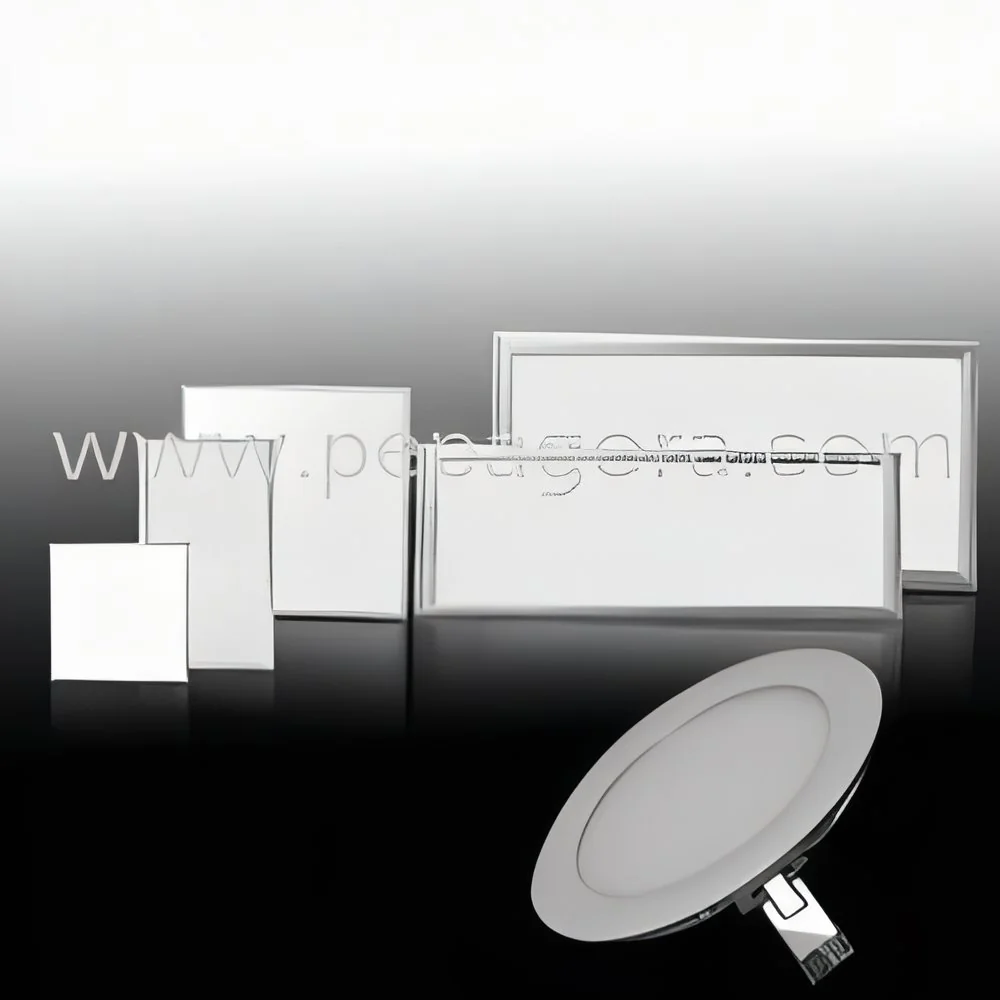
Panel lights are a type of lighting fixture that provides uniform illumination in a sleek and modern design. They are typically installed in ceilings and are known for their low profile, energy efficiency, and versatility. Panel lights can be used in various settings, including offices, retail spaces, schools, and hospitals. Their design allows for easy integration into different architectural styles while providing effective lighting solutions.
The primary uses of panel lights include providing general illumination, task lighting, and accent lighting in commercial and industrial spaces. They are increasingly popular due to their ability to enhance the aesthetic appeal of interiors while ensuring optimal visibility. With advancements in LED technology, panel lights offer significant energy savings and longer lifespans compared to traditional lighting solutions. This makes them a preferred choice for businesses looking to reduce operational costs and environmental impact.
In the current market, panel lights are gaining traction across various industries as companies prioritize energy efficiency and modern designs. The demand for eco-friendly lighting solutions is driving innovation in this sector, leading manufacturers to develop advanced products that meet the latest standards and regulations. As businesses continue to invest in upgrading their facilities, panel lights are becoming an essential component of contemporary lighting designs.
Key Features and Specifications
Panel lights are designed with several key features that enhance their functionality and efficiency. These specifications are crucial for businesses to consider when selecting the right lighting solutions for their needs.
Key specifications include:
1. Light Source Type
- Typically LED
- Offers energy efficiency and longevity
2. Lumen Output
- Ranges from 300 to 5000 lumens
- Provides varying brightness levels for different applications
3. Color Temperature
- Available in ranges from 3000K to 6500K
- Allows for selection between warm and cool light options
4. Power Consumption
- Generally between 15W to 60W
- Ensures energy efficiency while delivering adequate illumination
5. Mounting Options
- Surface-mounted and recessed designs
- Provides flexibility in installation based on ceiling types
6. Lifespan
- Typically lasts 25,000 to 50,000 hours
- Reduces maintenance costs and frequency of replacements
7. Dimming Capability
- Many models offer dimmable options
- Allows for control over brightness and ambiance
8. Certification
- CE certified for safety and efficiency
- Ensures compliance with industry standards
In summary, understanding the key features and specifications of panel lights is essential for businesses to make informed purchasing decisions. The right combination of specifications can enhance workplace environments while achieving energy efficiency.
Common Applications and Use Cases
Panel lights are versatile and can be utilized in various industries to meet specific lighting needs.
1. Office Spaces: Panel lights are widely used in offices to provide uniform lighting that enhances productivity and reduces eye strain. Their sleek design helps maintain a professional appearance while delivering effective illumination.
2. Retail Environments: In retail settings, panel lights help showcase products effectively. They can be used for general lighting or to create focused lighting effects on specific displays, enhancing the shopping experience.
3. Healthcare Facilities: Panel lights are essential in hospitals and clinics, where bright and even lighting is crucial for patient care and medical procedures. They contribute to a sterile and well-lit environment.
4. Educational Institutions: Schools and universities benefit from panel lights that provide clear visibility in classrooms and lecture halls. Their energy efficiency is an added advantage for budget-conscious educational facilities.
5. Hospitality Sector: Hotels and restaurants utilize panel lights to create inviting atmospheres. Their aesthetic appeal and energy savings make them ideal for these environments.
6. Industrial Applications: In warehouses and manufacturing plants, panel lights offer bright and reliable lighting that improves safety and efficiency during operations.
7. Residential Use: Panel lights are increasingly used in homes for modern lighting solutions in kitchens, living rooms, and hallways. Their design complements contemporary interiors.
Product Variants and Subcategories
Panel lights come in a variety of designs and configurations to cater to different needs and preferences.
Slim Panel Lights
Slim panel lights are characterized by their ultra-thin design, making them ideal for low ceilings. They are energy-efficient and provide even lighting, making them suitable for residential and commercial spaces.
Edge-Lit Panel Lights
Edge-lit panel lights utilize LED technology to illuminate from the edges of the panel. This design provides a sleek look and is often used in offices and retail settings to create an elegant atmosphere.
Backlit Panel Lights
Backlit panel lights feature a light source behind the panel, providing uniform illumination across the surface. They are ideal for spaces that require bright, consistent lighting, such as hospitals and classrooms.
Benefits and Advantages
Choosing panel lights presents numerous advantages for businesses aiming to enhance their lighting solutions.
1. Energy Efficiency: Panel lights, particularly LED models, consume significantly less energy than traditional lighting options. This leads to lower electricity bills and a reduced carbon footprint.
2. Long Lifespan: With a lifespan of up to 50,000 hours, panel lights require less frequent replacements, resulting in cost savings on maintenance and labor.
3. Uniform Illumination: Panel lights provide even lighting across large areas, reducing shadows and ensuring better visibility. This is crucial for workplaces where clarity is essential.
4. Modern Aesthetic: The sleek and minimalist design of panel lights enhances the visual appeal of any space, making them a popular choice for contemporary interiors.
5. Versatile Applications: Panel lights can be used in various settings, from offices to residential homes, making them a flexible lighting solution for different environments.
6. Easy Installation: Many panel lights are designed for quick and straightforward installation, reducing downtime during set-up.
Buying Guide for B2B Buyers
When sourcing panel lights, businesses should consider several factors to ensure they select the right products for their needs.
1. Quality Assessment: Evaluate the quality of panel lights by checking for certifications such as CE. High-quality products ensure safety and longevity, providing better value over time.
2. Supplier Verification: Vet suppliers thoroughly to ensure they have a reputable history and can provide reliable products. Check for customer reviews and industry certifications.
3. Pricing and MOQ: Understand the pricing structure and minimum order quantities (MOQ) set by suppliers. This helps in budgeting and ensures that sufficient quantities are sourced for projects.
4. Delivery and Lead Times: Consider the logistics involved in sourcing panel lights. Discuss lead times with suppliers to ensure timely delivery for your projects.
5. Compliance Requirements: Ensure that the panel lights meet local and regional compliance standards. This is crucial for safety and regulatory adherence in various industries.
Compliance and Certifications
Panel lights must adhere to several quality standards and certifications to ensure their safety and effectiveness in various applications.
ISO 9001 is a widely recognized standard that ensures quality management processes are in place. Manufacturers of panel lights that comply with this standard demonstrate their commitment to producing high-quality products.
CE certification is essential for panel lights sold in European markets. This certification indicates that the products meet safety, health, and environmental protection standards set by the European Union.
Additionally, panel lights must meet safety and testing requirements, including electrical safety standards. Compliance with these standards is critical to avoid hazards in commercial and industrial environments.
Regional compliance considerations may vary based on local regulations. Businesses should verify that their panel lights comply with relevant standards in their operating regions to ensure safety and legality.
Why Source Panel Lights from Pepagora?
Pepagora offers a trusted platform for sourcing panel lights, providing several key advantages for B2B buyers.
Verified Supplier Network: Pepagora connects buyers with a verified network of suppliers who have been thoroughly vetted. This ensures that businesses can source high-quality panel lights with confidence.
Streamlined RFQ Process: The request for quotation (RFQ) system simplifies the procurement process, allowing buyers to receive competitive quotes from multiple suppliers quickly. This saves time and enables better decision-making.
Trade Assurance and Support: Pepagora provides trade assurance and support to buyers, protecting their purchases and ensuring satisfaction with the sourced products. This builds trust and fosters long-term supplier relationships.
Regional Coverage: Pepagora has a strong presence in key markets such as India, the GCC, and Southeast Asia. This geographic reach allows businesses to source panel lights efficiently, regardless of their location.
In conclusion, Pepagora stands out as a reliable source for panel lights, offering a combination of quality products, efficient processes, and robust support for B2B buyers.

 IN
IN