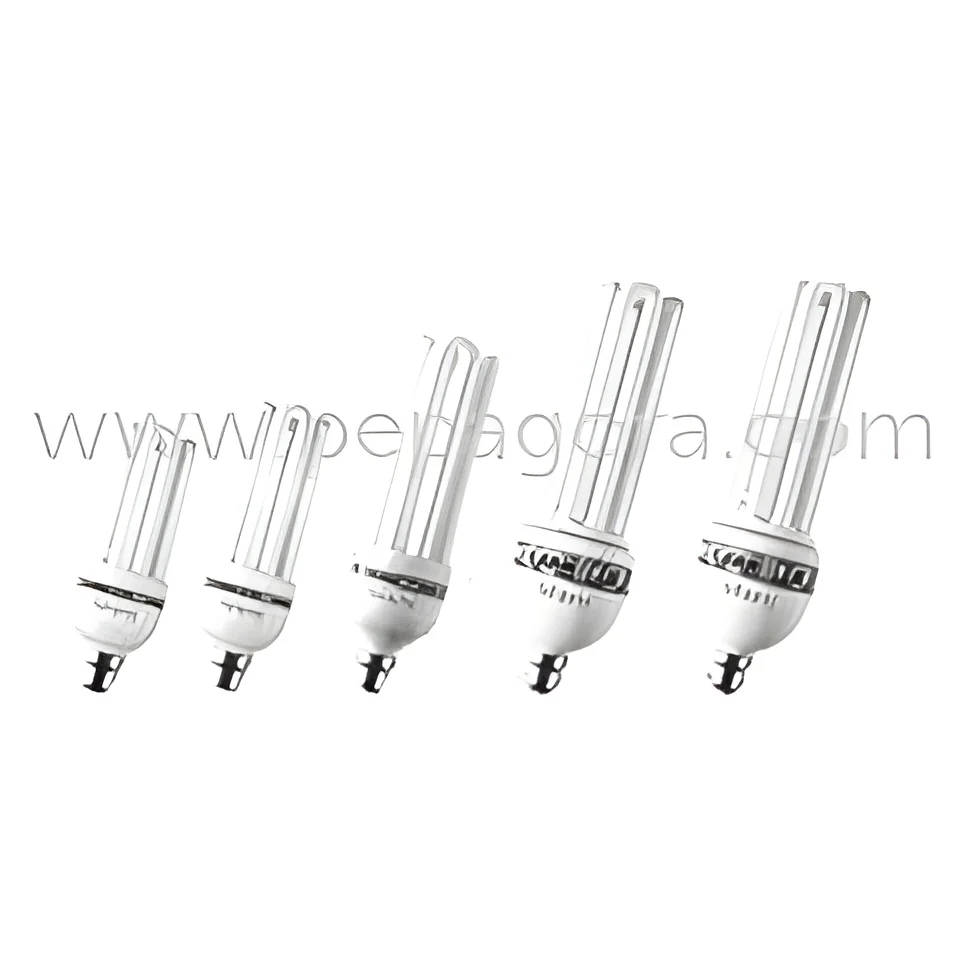
What are CFL Bulbs?
CFL bulbs, or compact fluorescent lamps, are energy-efficient lighting solutions that use a gas-filled tube and a small amount of mercury to produce light. When electricity flows through the gas, it emits ultraviolet light, which then excites a phosphor coating inside the bulb. This process results in visible light being emitted, providing an effective alternative to traditional incandescent bulbs. CFLs are designed to last longer and consume less energy, making them a popular choice for both residential and commercial applications.
CFL bulbs are commonly used in a variety of settings, including offices, retail spaces, and industrial environments. They are especially beneficial in areas where lighting is needed for extended periods, as they can significantly reduce energy costs. Many businesses are adopting CFL technology to enhance their sustainability practices and reduce their carbon footprint. As energy regulations become stricter, the relevance of CFLs in the market continues to grow, positioning them as a reliable choice for businesses aiming to improve energy efficiency.
Key Features and Specifications
CFL bulbs come with a range of features and specifications that make them suitable for various applications. Their energy-saving capabilities and longer lifespan are some of the primary reasons businesses opt for them.
Key specifications include:
1. Energy Consumption
- Typically ranges from 9 to 20 watts
- Provides light output comparable to a 40 to 100-watt incandescent bulb
2. Lumen Output
- Commonly between 800 to 1600 lumens
- Brightness equivalent to traditional bulbs of varying wattages
3. Lifespan
- Average lifespan of 7,000 to 15,000 hours
- Reduces replacement frequency and maintenance costs
4. Color Temperature
- Available in warm white (2700K) to daylight (6500K)
- Allows for options suited to different environments
5. Base Types
- Common bases include E26 and E27
- Compatibility with standard fixtures
6. Dimming Capability
- Some models offer dimming features
- Provides flexibility in lighting control
7. Environmental Impact
- Contains small amounts of mercury
- Designed for energy efficiency to lower carbon emissions
8. Start-Up Time
- Typically reaches full brightness in 30 seconds
- Suitable for spaces where instant lighting is essential
CFL bulbs combine these features to provide efficient lighting solutions, making them a valuable component in energy management strategies.
Common Applications and Use Cases
CFL bulbs are versatile and find applications across various industries.
1. Office Spaces: CFLs are ideal for general office lighting, providing bright illumination that enhances productivity while reducing energy costs.
2. Retail Environments: In retail settings, CFLs can be used to highlight products and create inviting atmospheres, all while maintaining energy efficiency.
3. Industrial Facilities: Many factories and warehouses utilize CFLs for their long lifespan and low energy consumption, contributing to overall operational savings.
4. Educational Institutions: Schools and universities benefit from CFLs in classrooms and hallways, ensuring well-lit learning environments.
5. Hospitality Sector: Hotels and restaurants employ CFLs for their ambiance and cost-saving benefits, often using them in dining areas and guest rooms.
6. Healthcare Facilities: Hospitals and clinics use CFLs for their efficiency and reliability, ensuring proper lighting in patient care areas.
7. Residential Buildings: Homeowners appreciate CFLs for their cost savings and longer life, often using them in various fixtures throughout their homes.
Product Variants and Subcategories
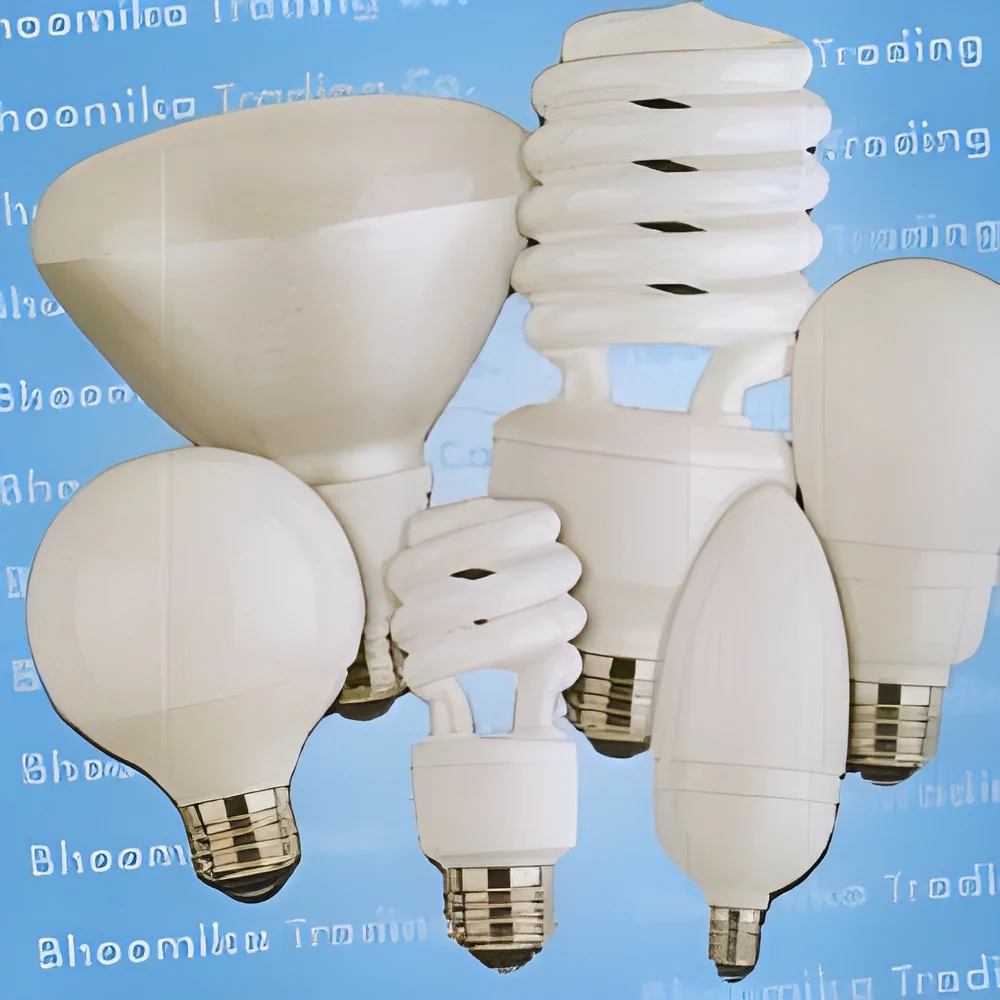
CFL bulbs come in various options, catering to different lighting needs and preferences.
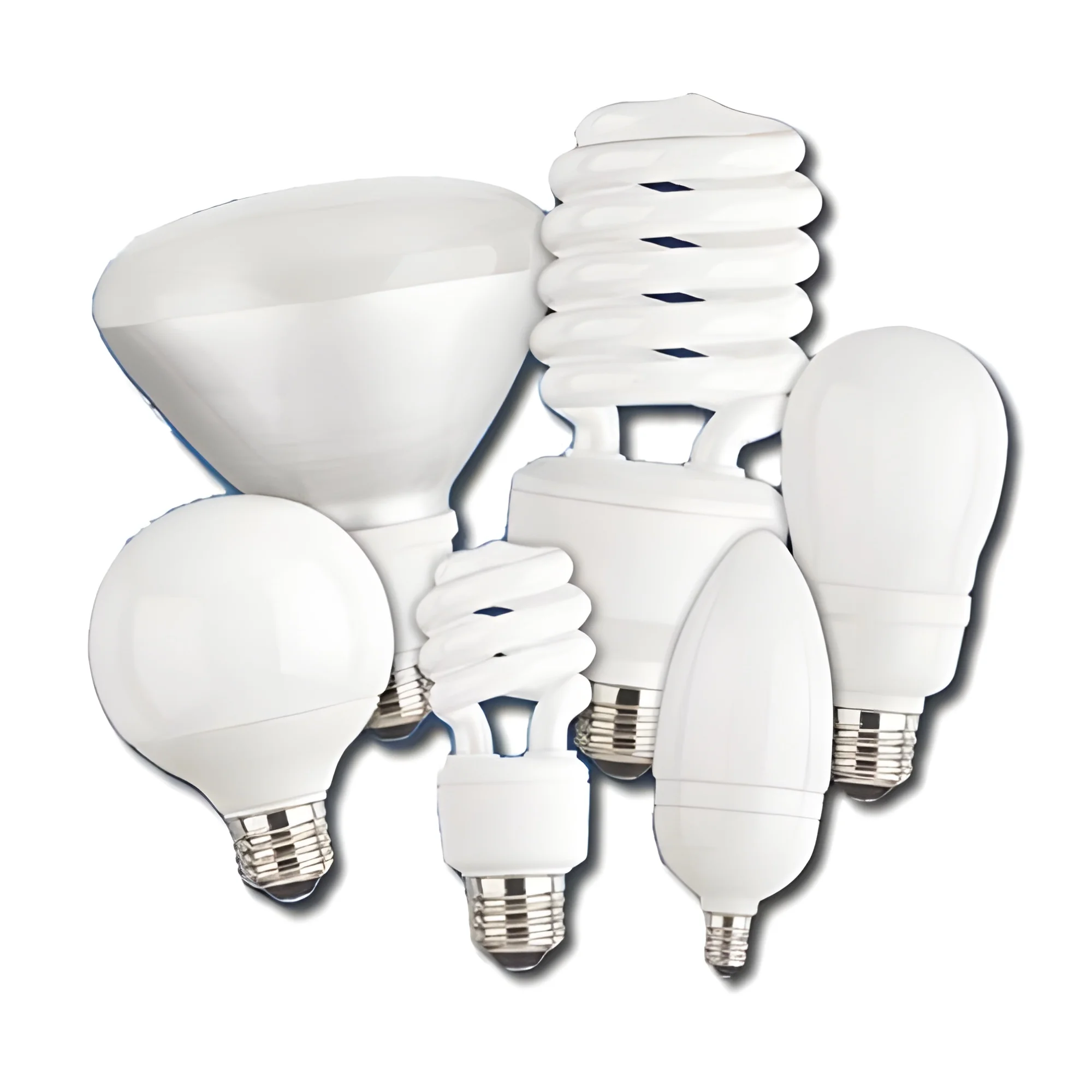
Standard CFL Bulbs
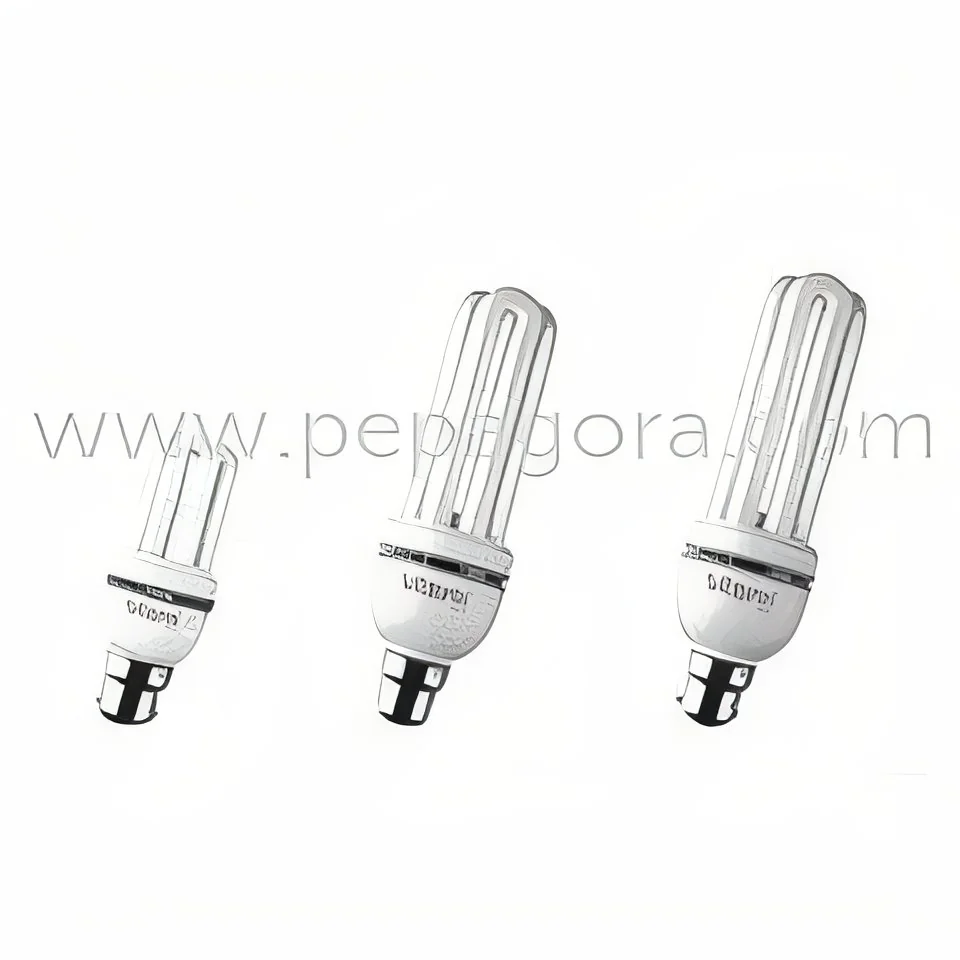
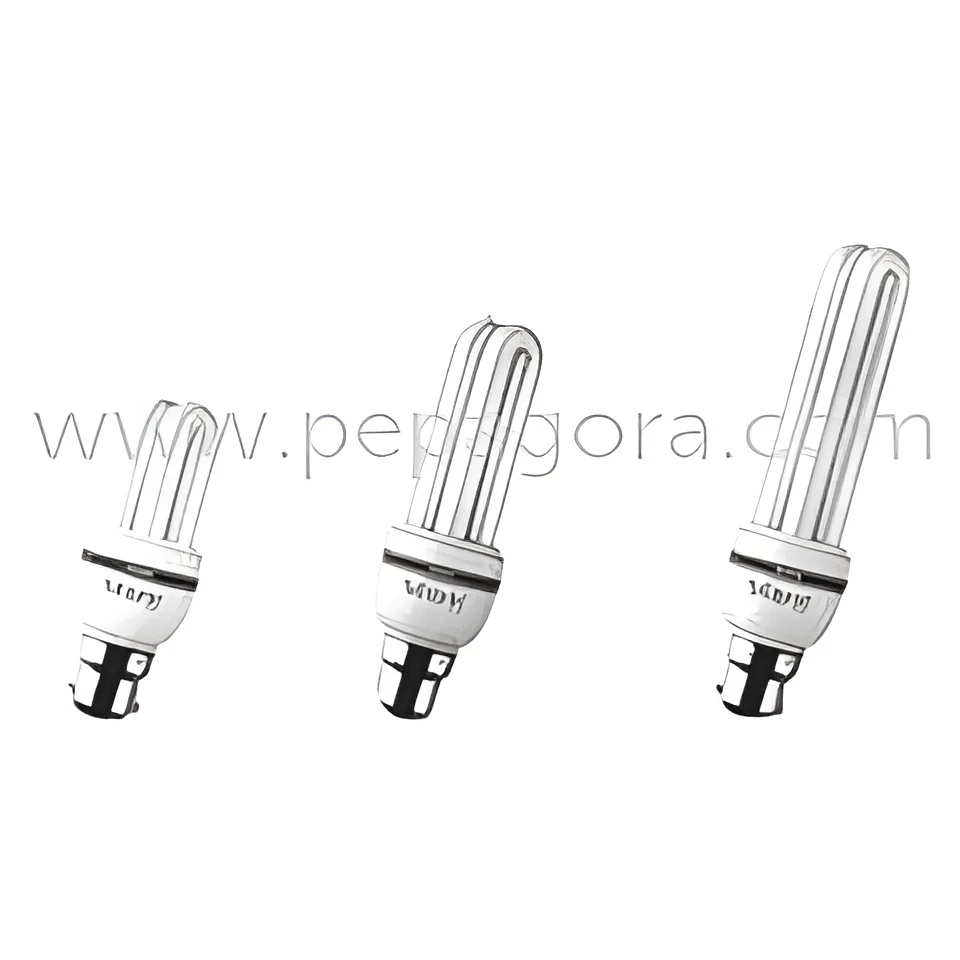
These are the most common variants, available in different wattages and color temperatures. They are suitable for general lighting purposes in homes and offices.
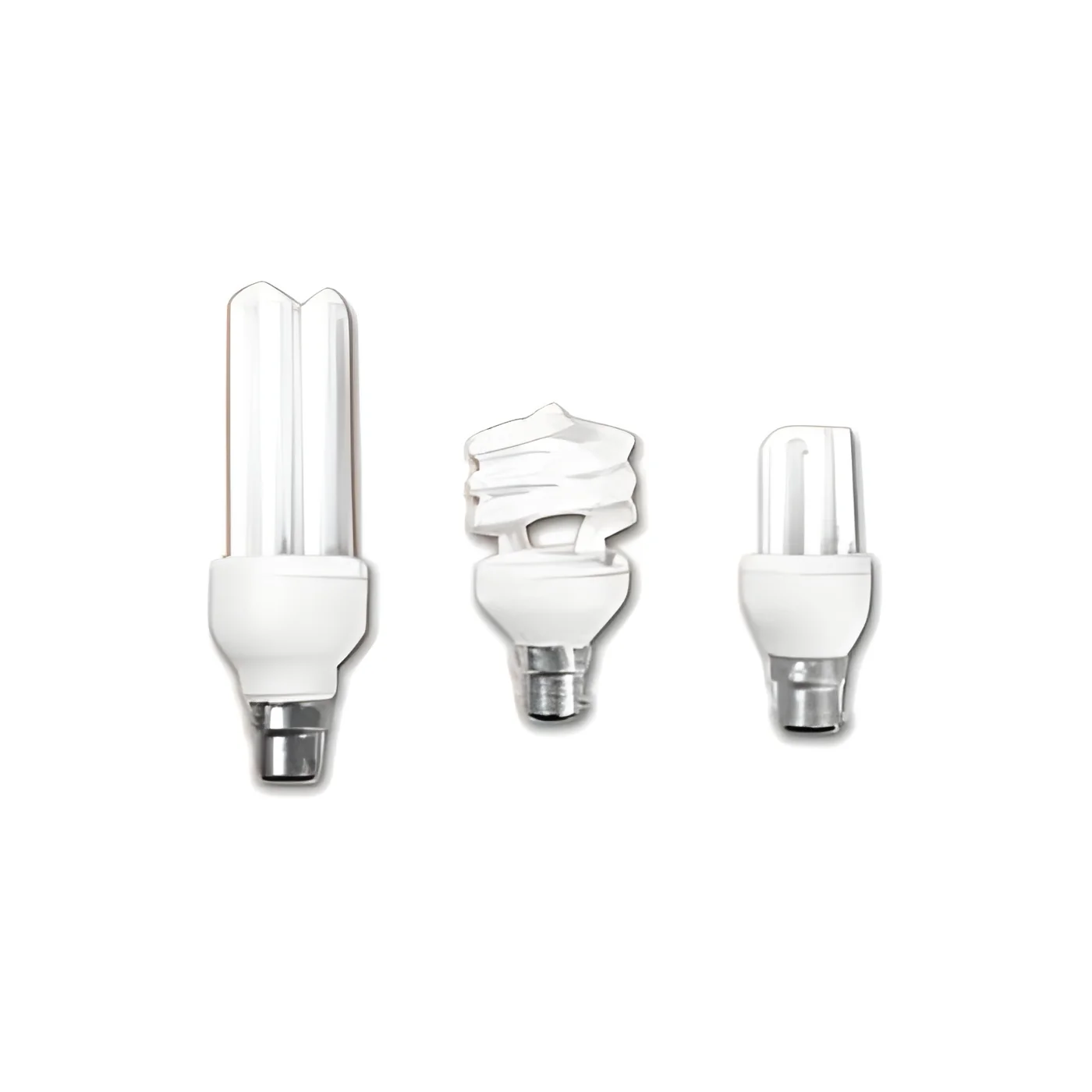
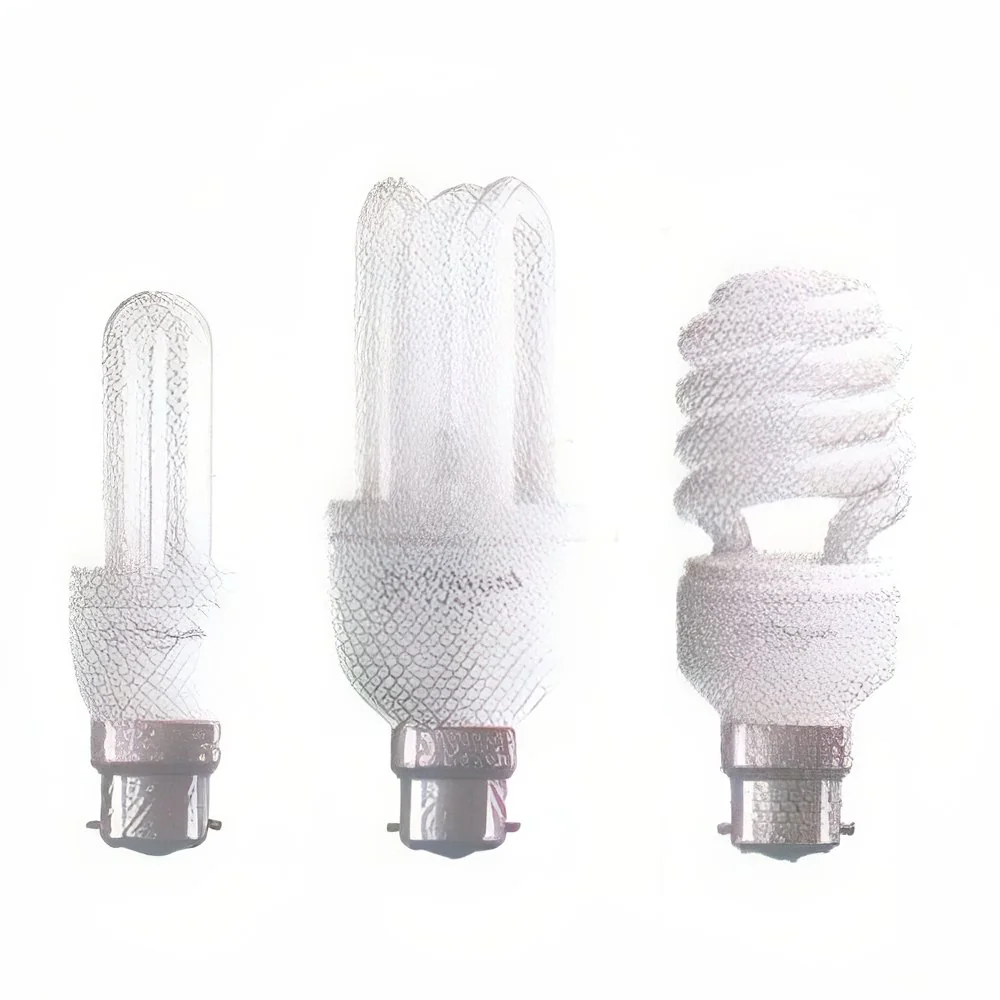
Twist CFL Bulbs
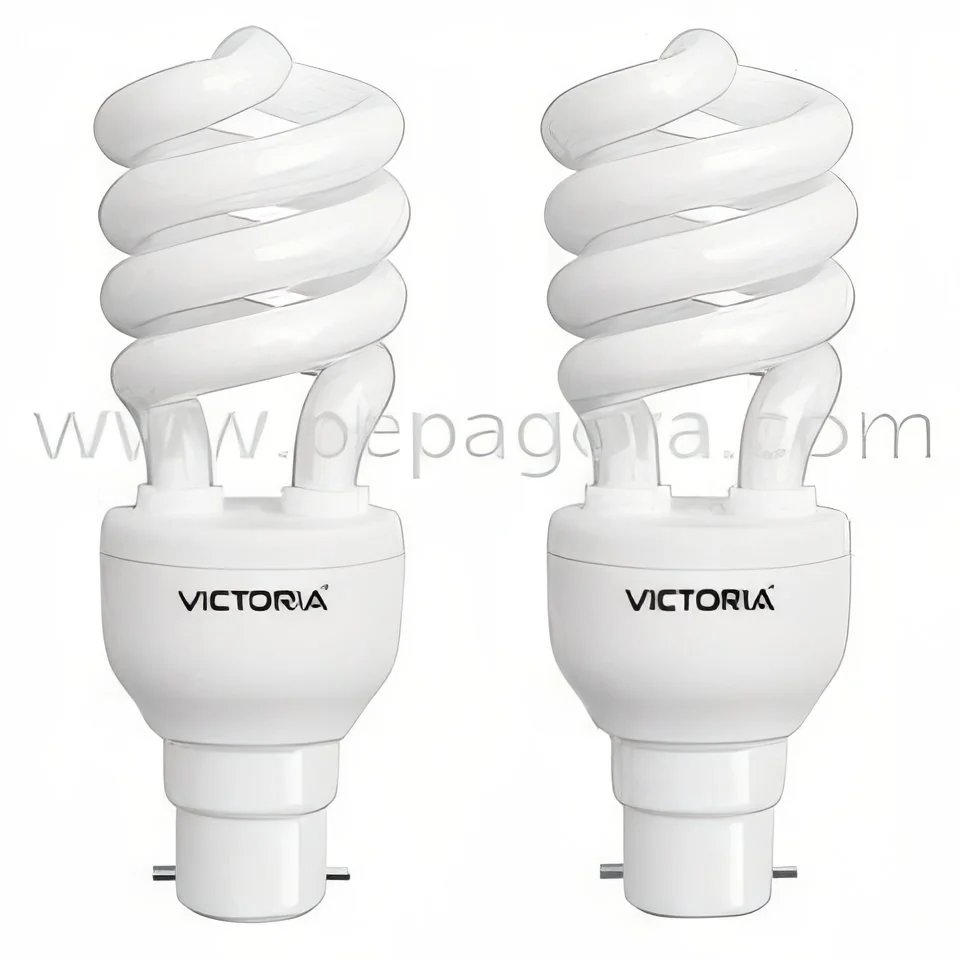
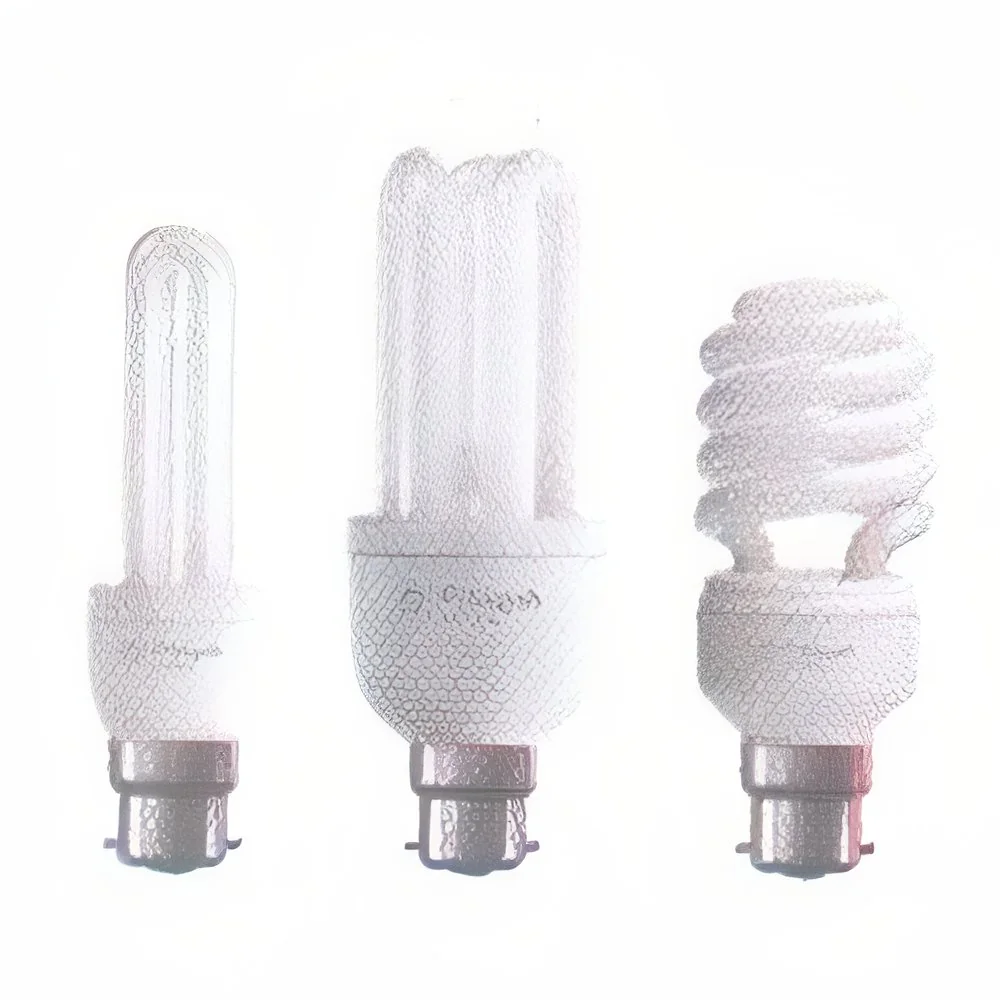
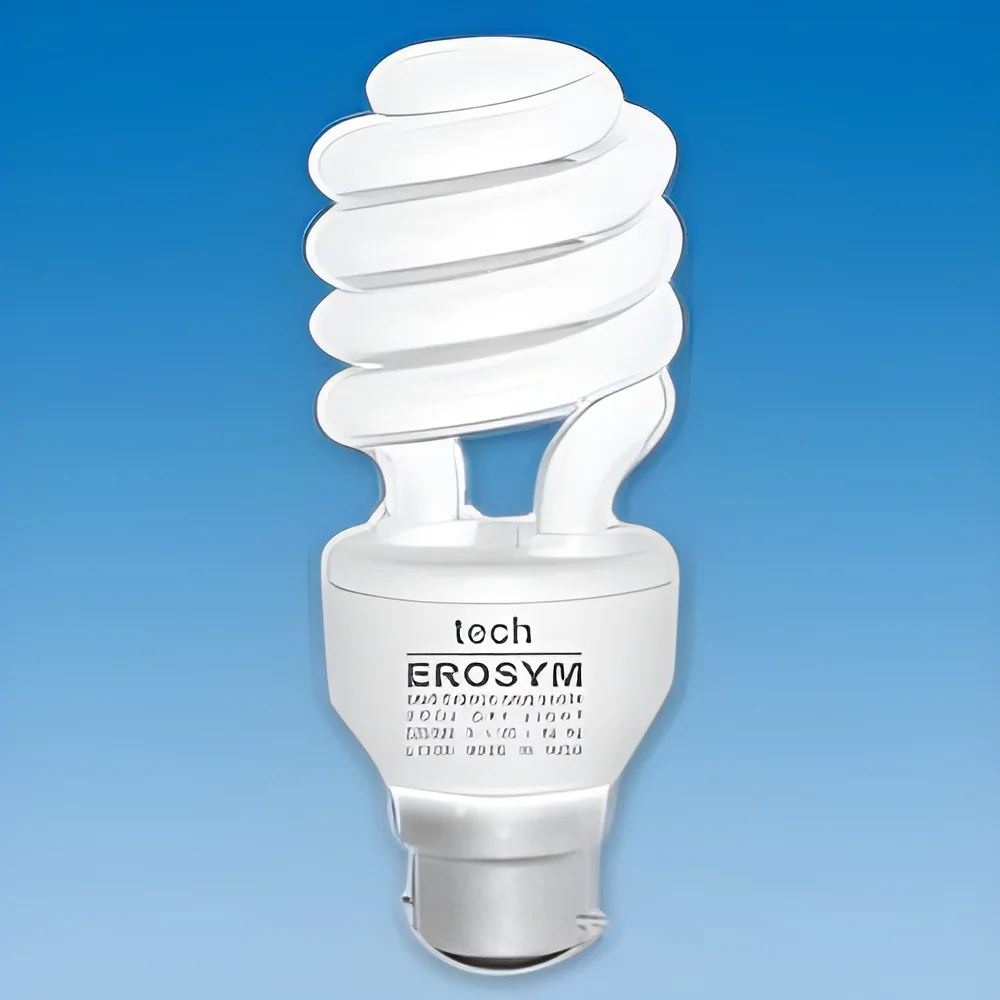
Designed with a unique spiral shape, these bulbs offer compact size and can fit into smaller fixtures while providing the same energy efficiency.
Decorative CFLs
These bulbs feature decorative shapes and designs, suitable for chandeliers and accent lighting, enhancing both aesthetics and energy savings.
Benefits and Advantages
CFL bulbs provide numerous benefits to businesses looking to optimize their lighting solutions.
1. Energy Savings: CFLs consume significantly less energy than incandescent bulbs, resulting in lower electricity bills.
2. Long Lifespan: With a lifespan of up to 15,000 hours, CFLs reduce the frequency and cost of replacements.
3. Environmental Sustainability: By using less energy, CFLs contribute to reduced carbon emissions, aligning with corporate sustainability goals.
4. Versatile Applications: CFLs can be used in various settings, making them suitable for different industries and environments.
5. Cost-Effective: While initial costs may be higher than traditional bulbs, the long-term savings on energy and replacements make CFLs more economical.
6. Improved Light Quality: CFLs provide bright, high-quality light that enhances visibility and comfort in workspaces.
Buying Guide for B2B Buyers
When sourcing CFL bulbs for commercial use, several factors must be considered to ensure the best choices are made.
1. Quality Assessment: Evaluate the quality of the bulbs by reviewing manufacturer specifications and ensuring compliance with industry standards.
2. Supplier Verification: Vet suppliers to confirm their reliability, checking for certifications and customer reviews to ensure they provide quality products.
3. Pricing and MOQ: Consider the cost of CFL bulbs, including bulk pricing and minimum order quantities, to align with budgetary constraints.
4. Delivery and Lead Times: Understand the logistics involved, including shipping times and availability, to ensure timely procurement.
5. Compliance Requirements: Be aware of any regulatory standards relevant to CFL bulbs, including environmental and safety regulations, to ensure compliance in your operations.
Compliance and Certifications
CFL bulbs must adhere to various quality standards and certifications to ensure safety and efficiency. Key standards include ISO 9001, which focuses on quality management systems, ensuring that products meet customer and regulatory requirements.
Additionally, industry certifications such as CE and UL indicate that the bulbs have been tested for safety and performance. These certifications are crucial for businesses that prioritize safety and quality in their operations.
Safety testing requirements often include assessments for electrical safety, environmental impact, and performance reliability. Furthermore, businesses should consider regional compliance regulations, which may vary depending on the geographic location of operations.
Why Source CFL Bulbs from Pepagora?
Pepagora offers a reliable platform for sourcing CFL bulbs, providing several advantages to B2B buyers.
Verified Supplier Network: Pepagora connects buyers with a network of verified suppliers, ensuring quality and trust in every transaction. This network is crucial for companies seeking consistent and reliable products.
Streamlined RFQ Process: The platform features an efficient request for quotation (RFQ) process, allowing buyers to easily compare offers and make informed decisions without the hassle of extensive research.
Trade Assurance and Support: Pepagora provides trade assurance, offering protection for buyers throughout the sourcing process. This support ensures that transactions are secure and that buyers receive the products they expect.
Regional Coverage: With geographic reach extending across India, the GCC, and Southeast Asia, Pepagora caters to a diverse clientele, ensuring that businesses can source CFL bulbs tailored to their specific needs and locations.

 IN
IN