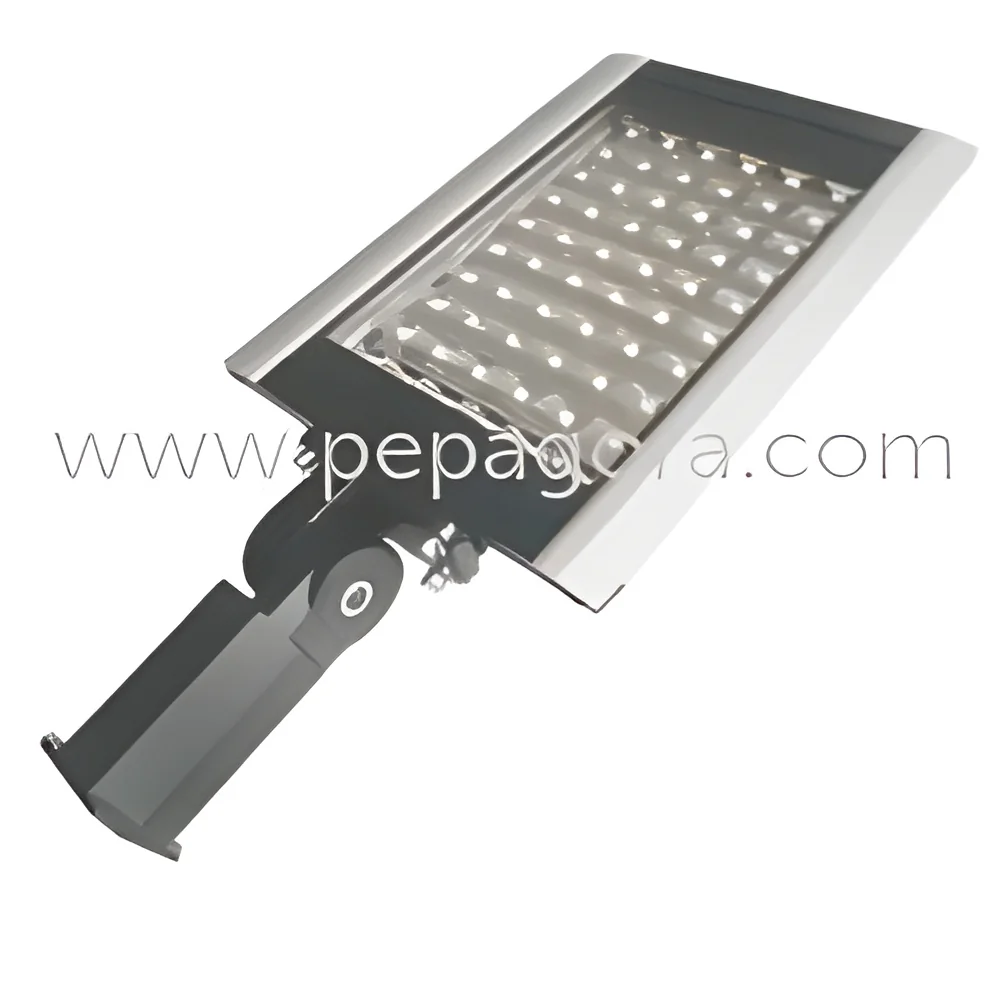
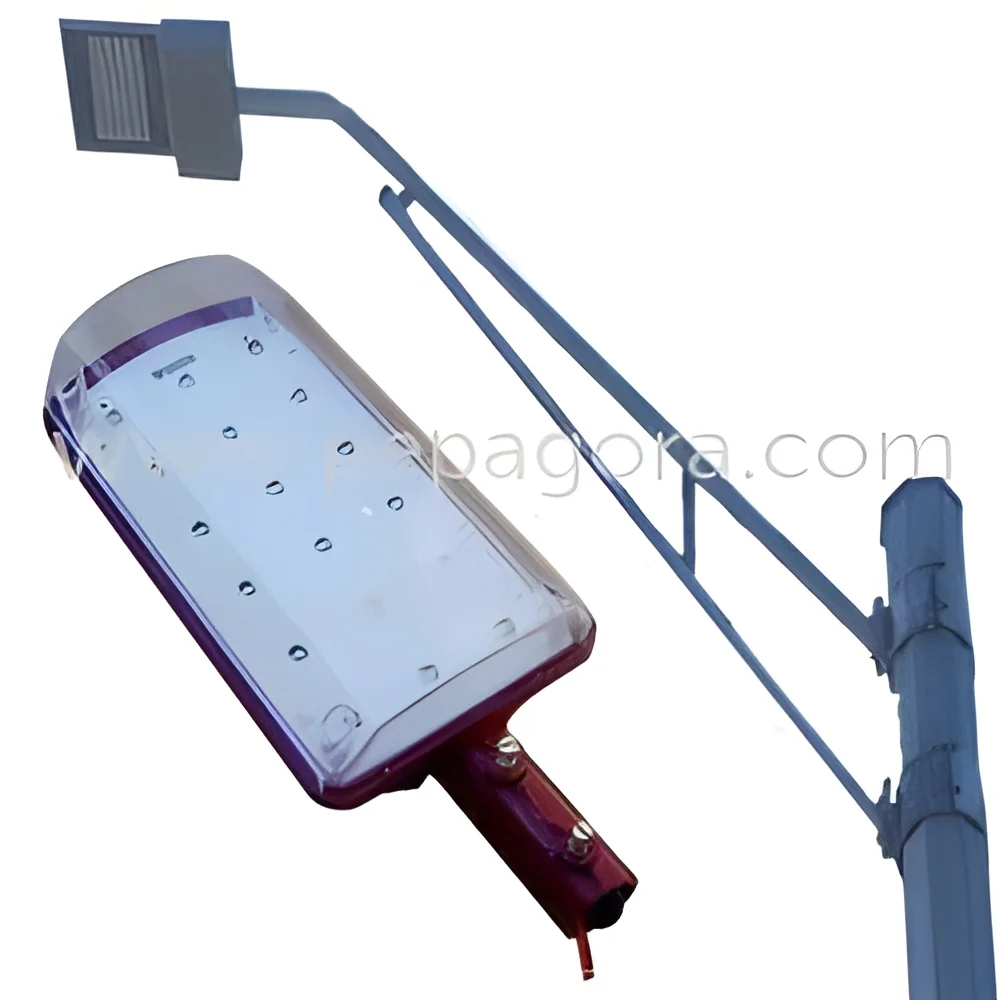
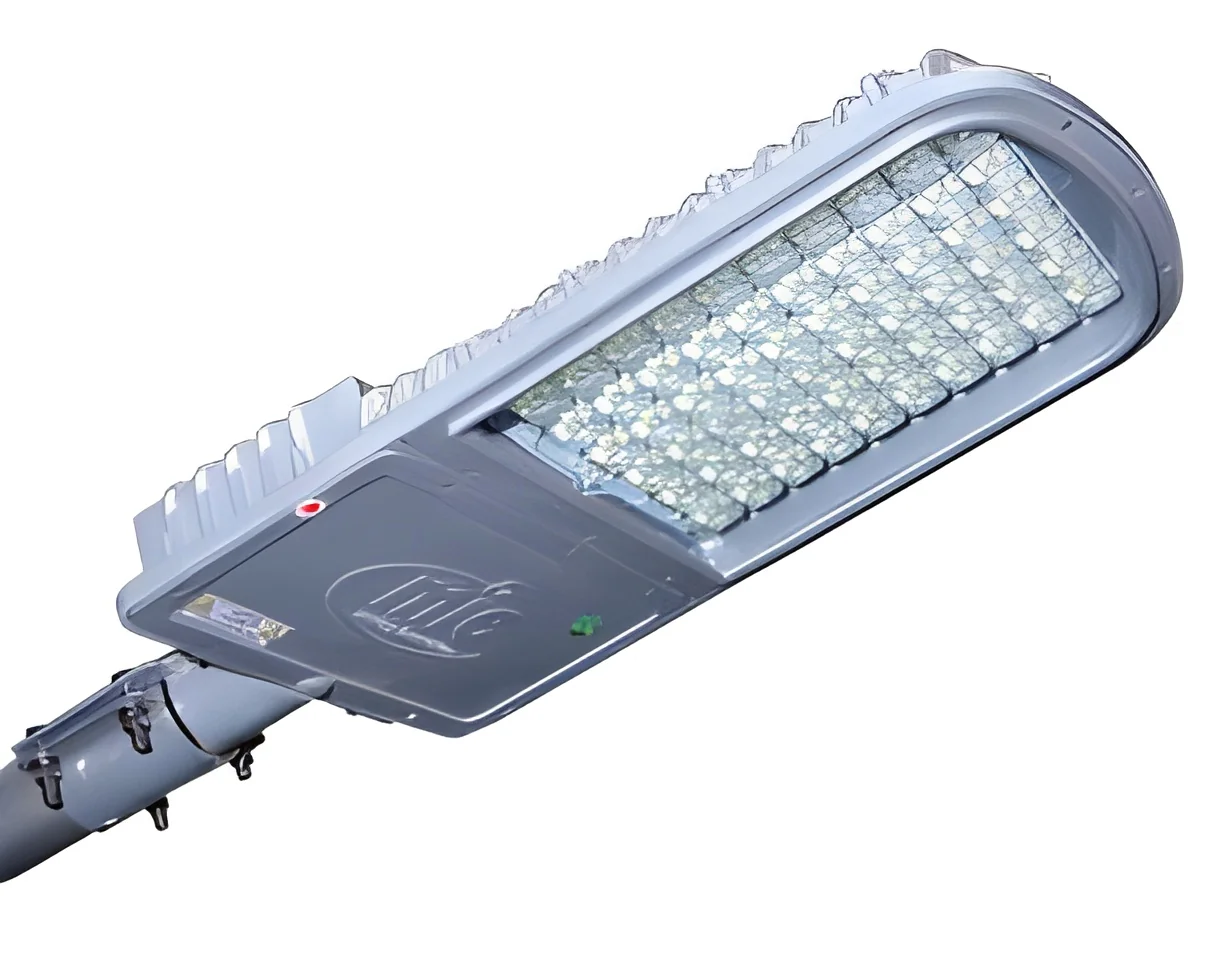
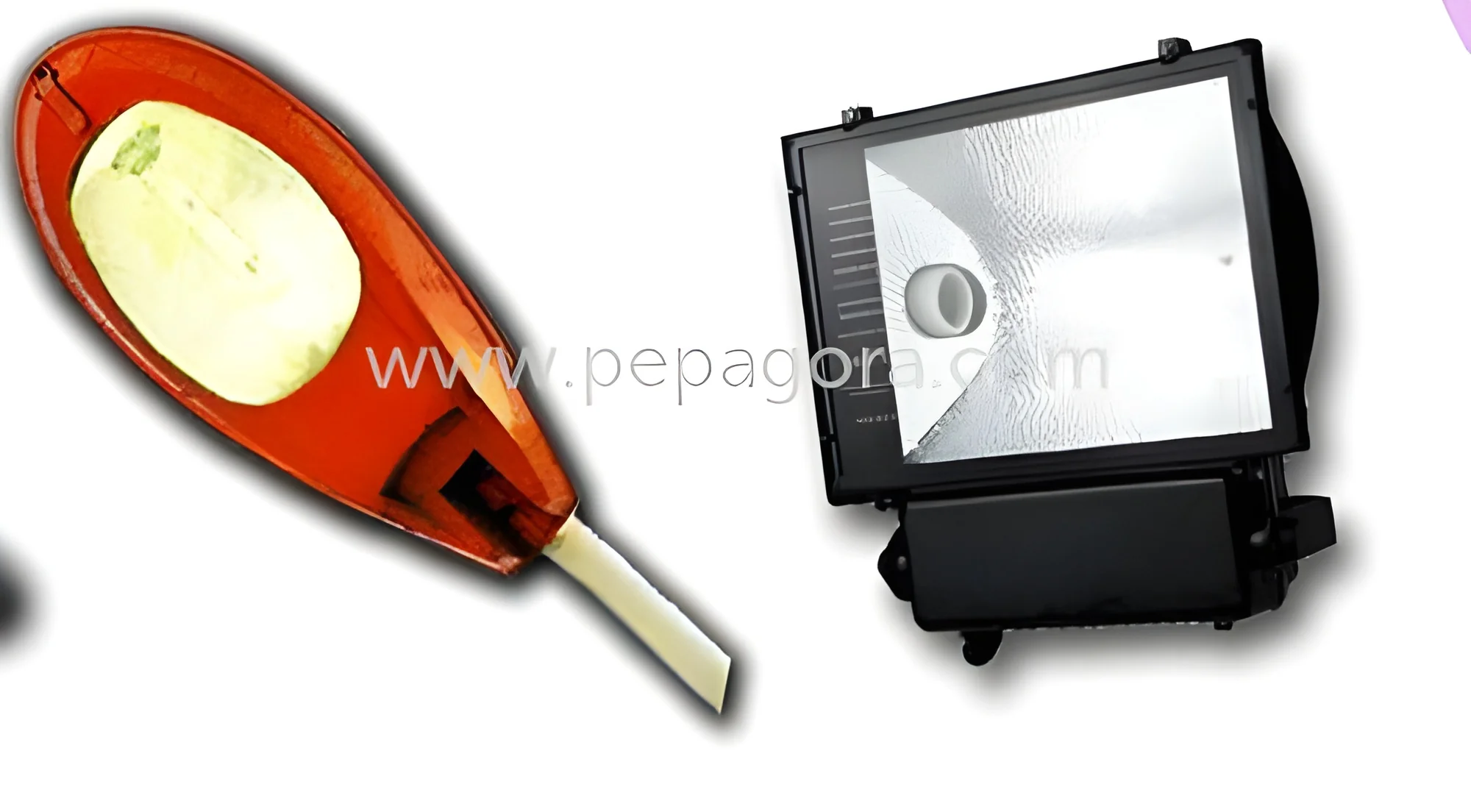
What are Street Lights?
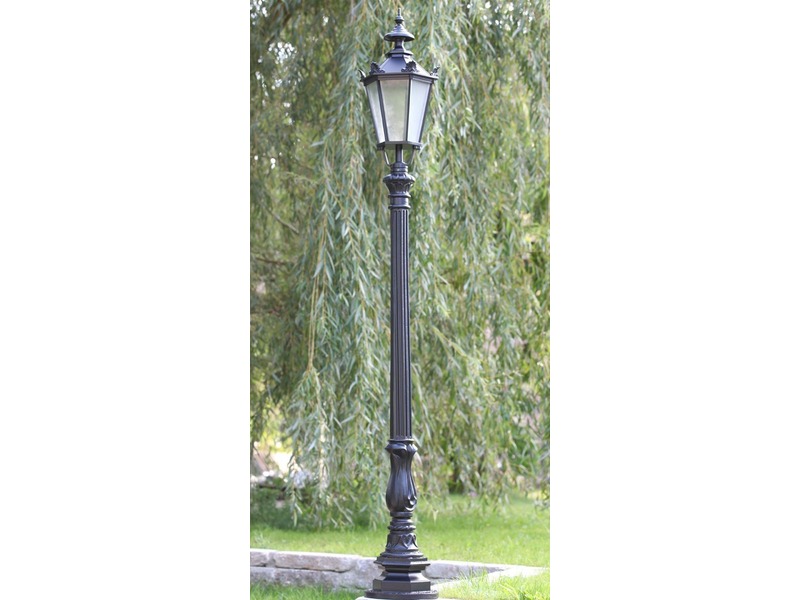
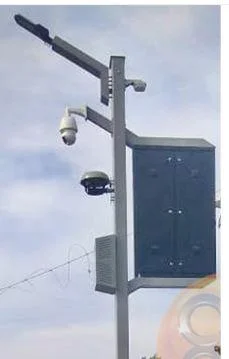
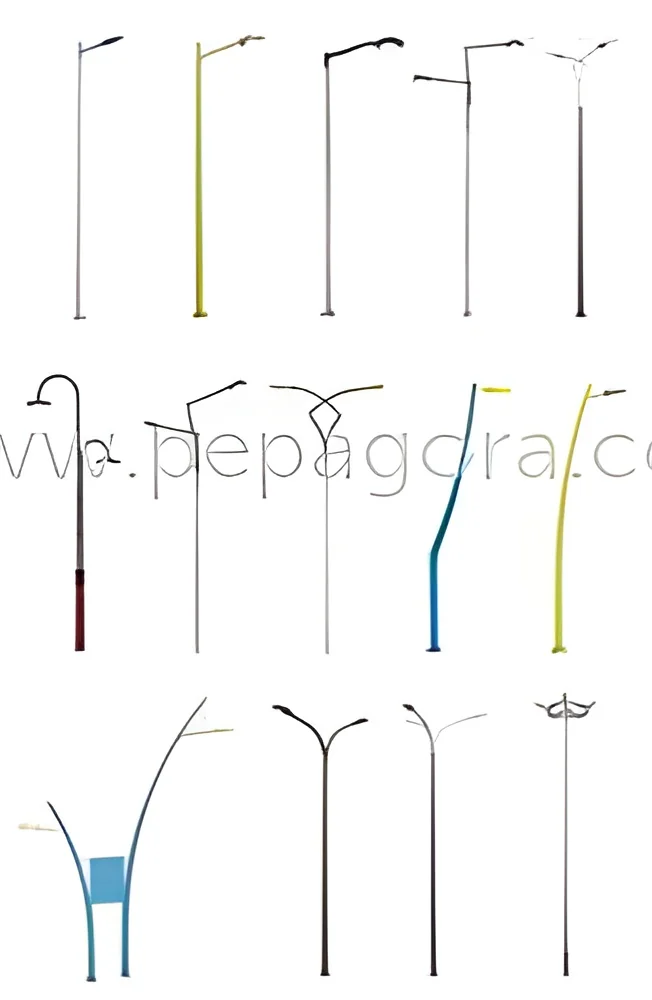
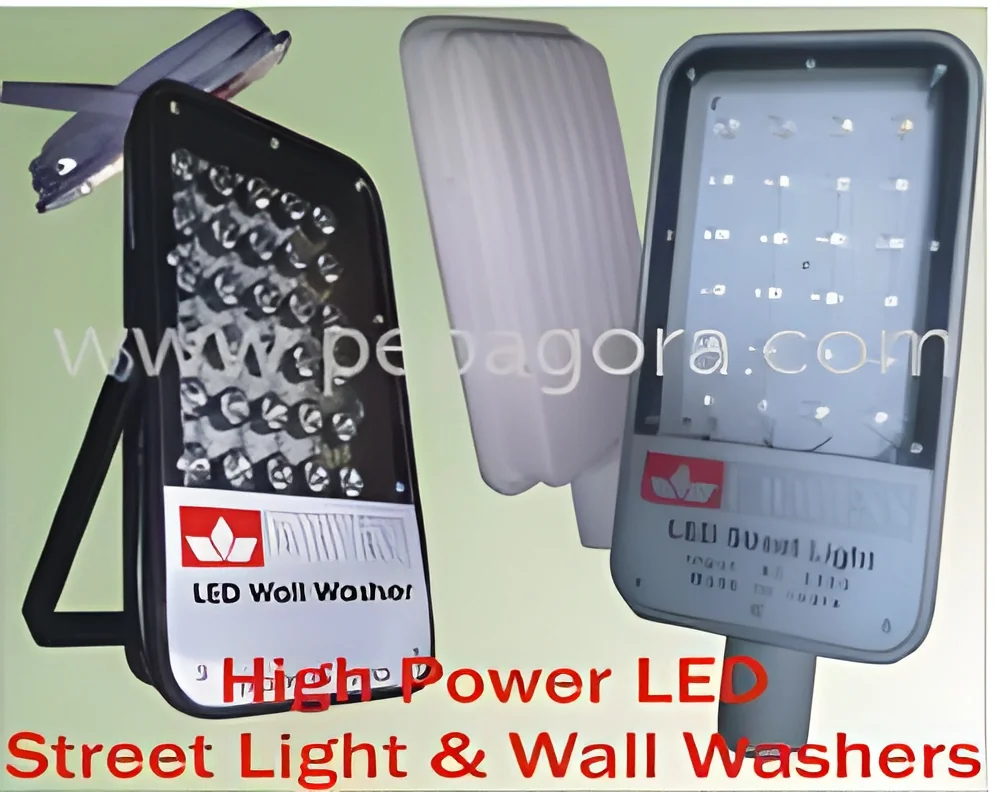
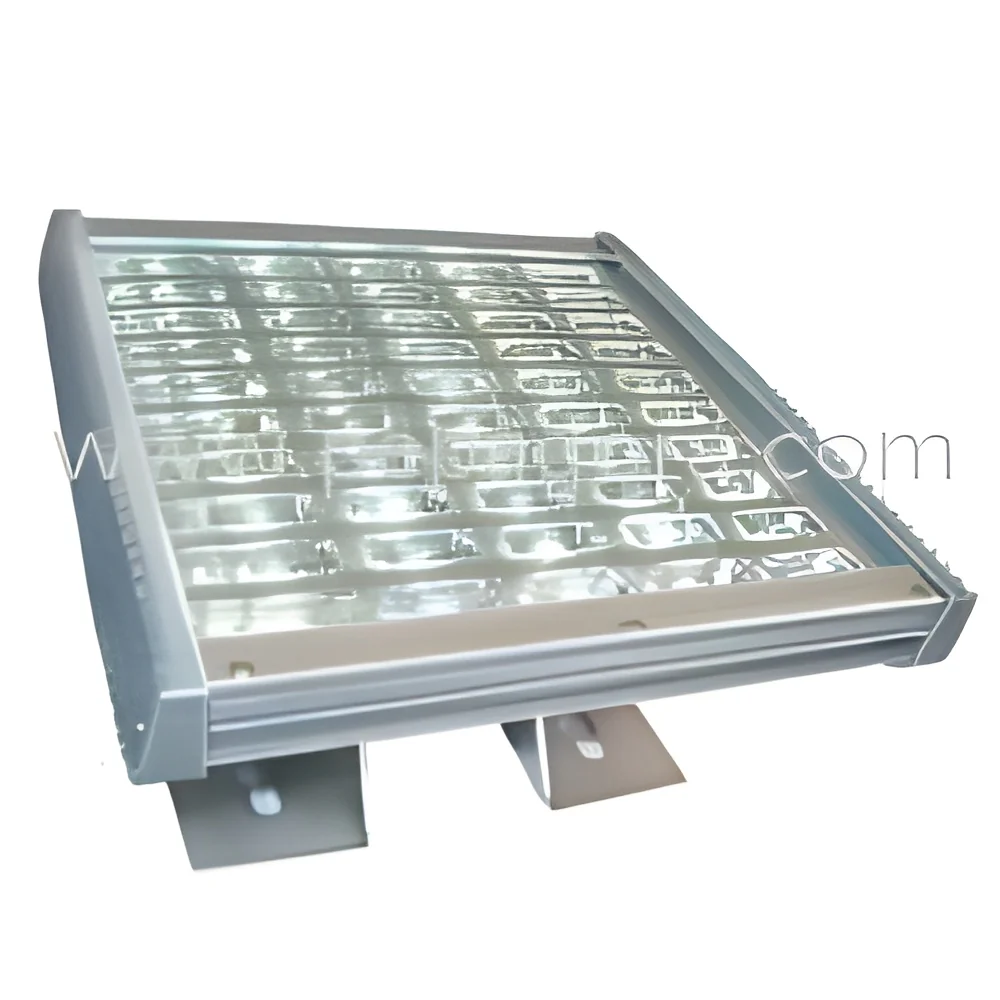
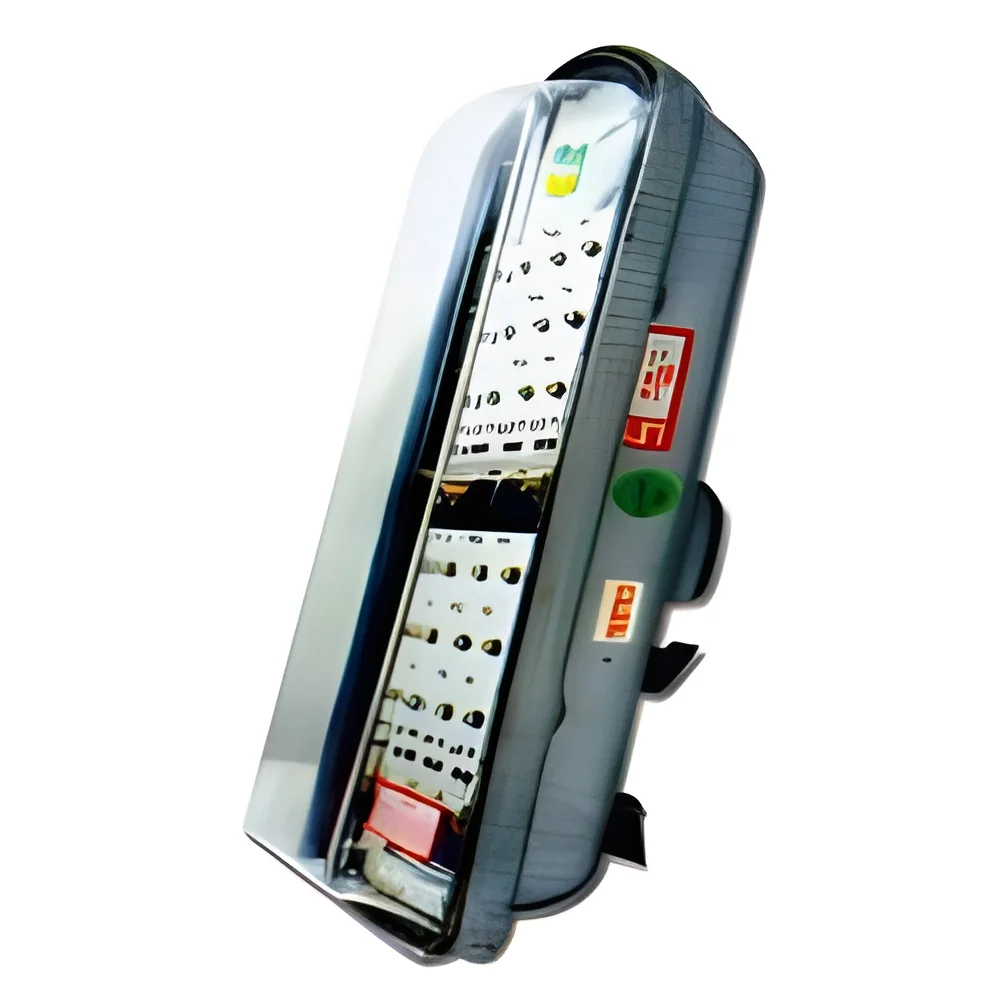
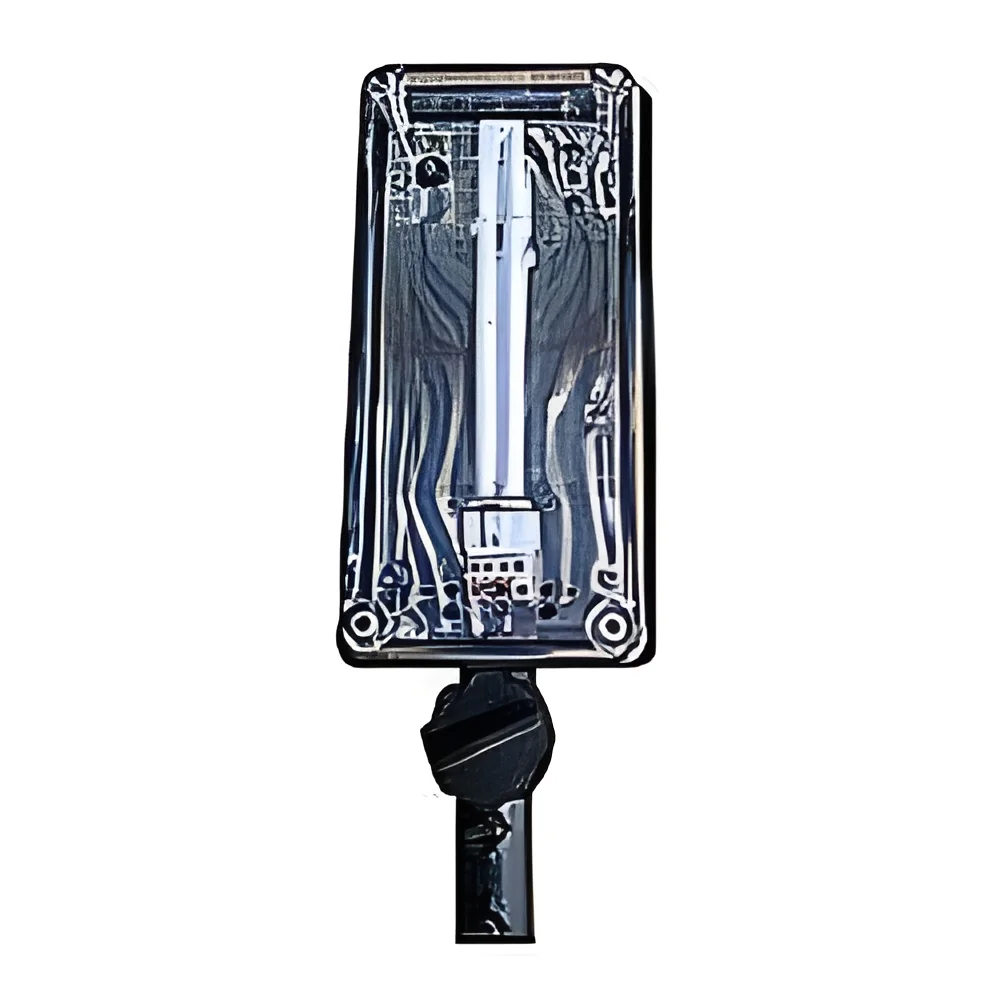
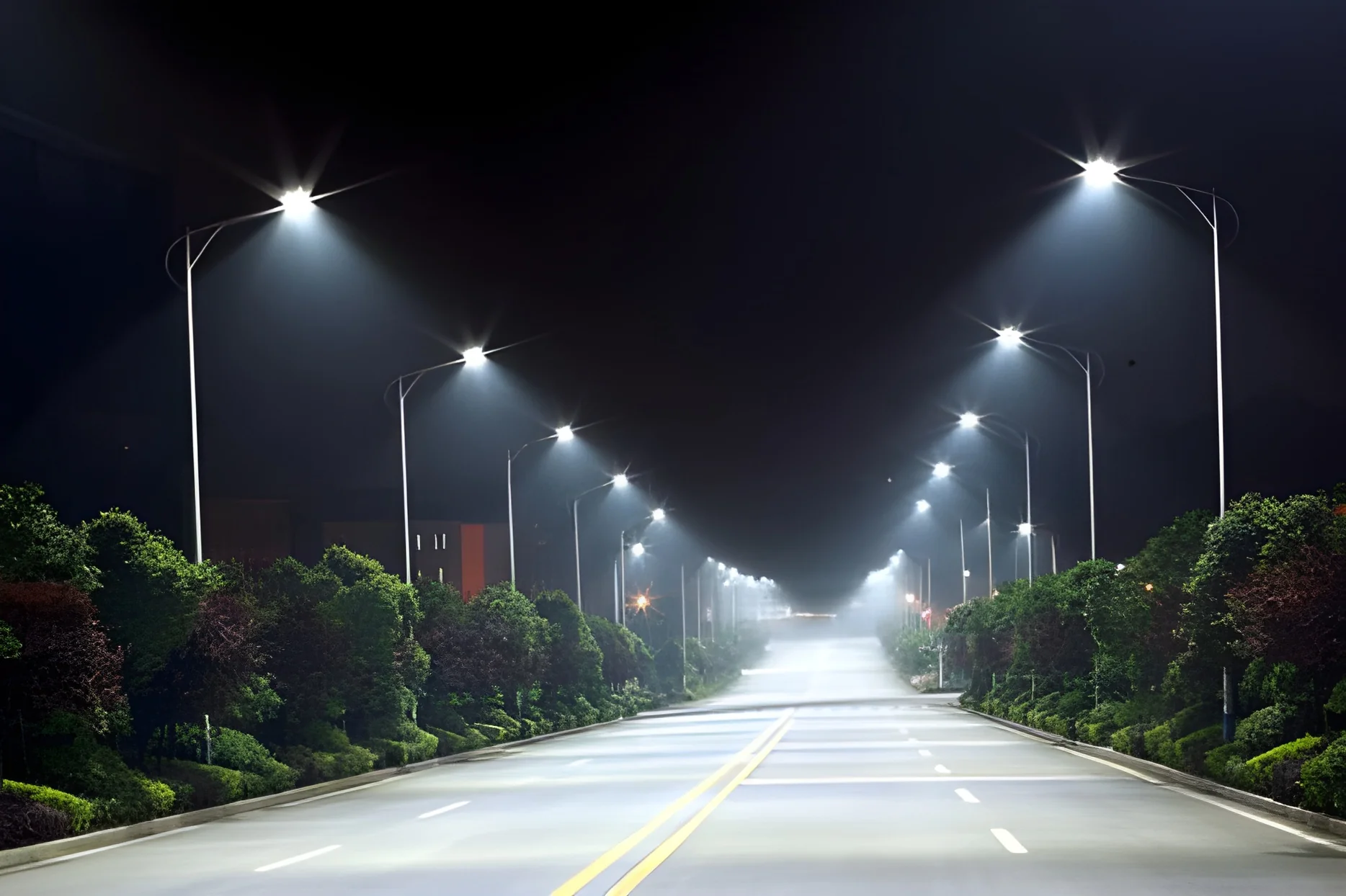
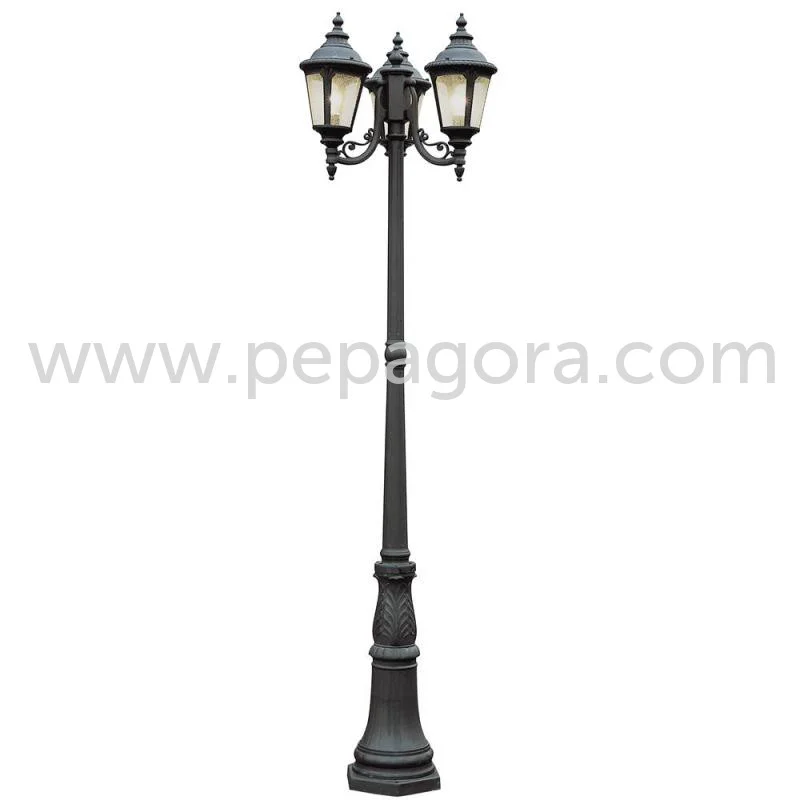
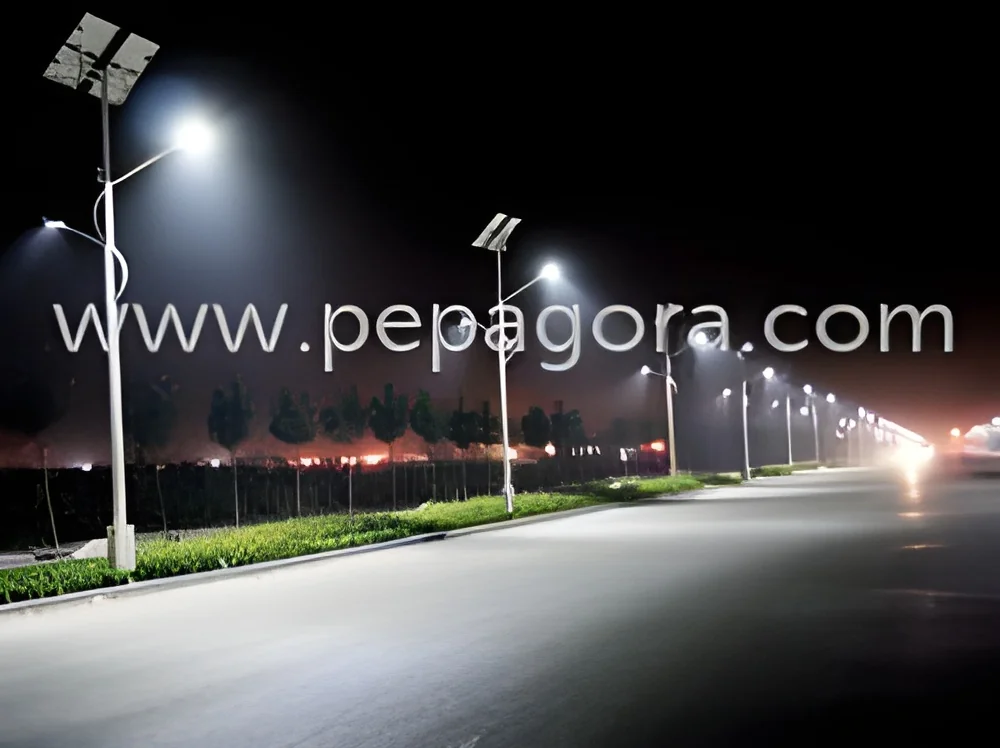
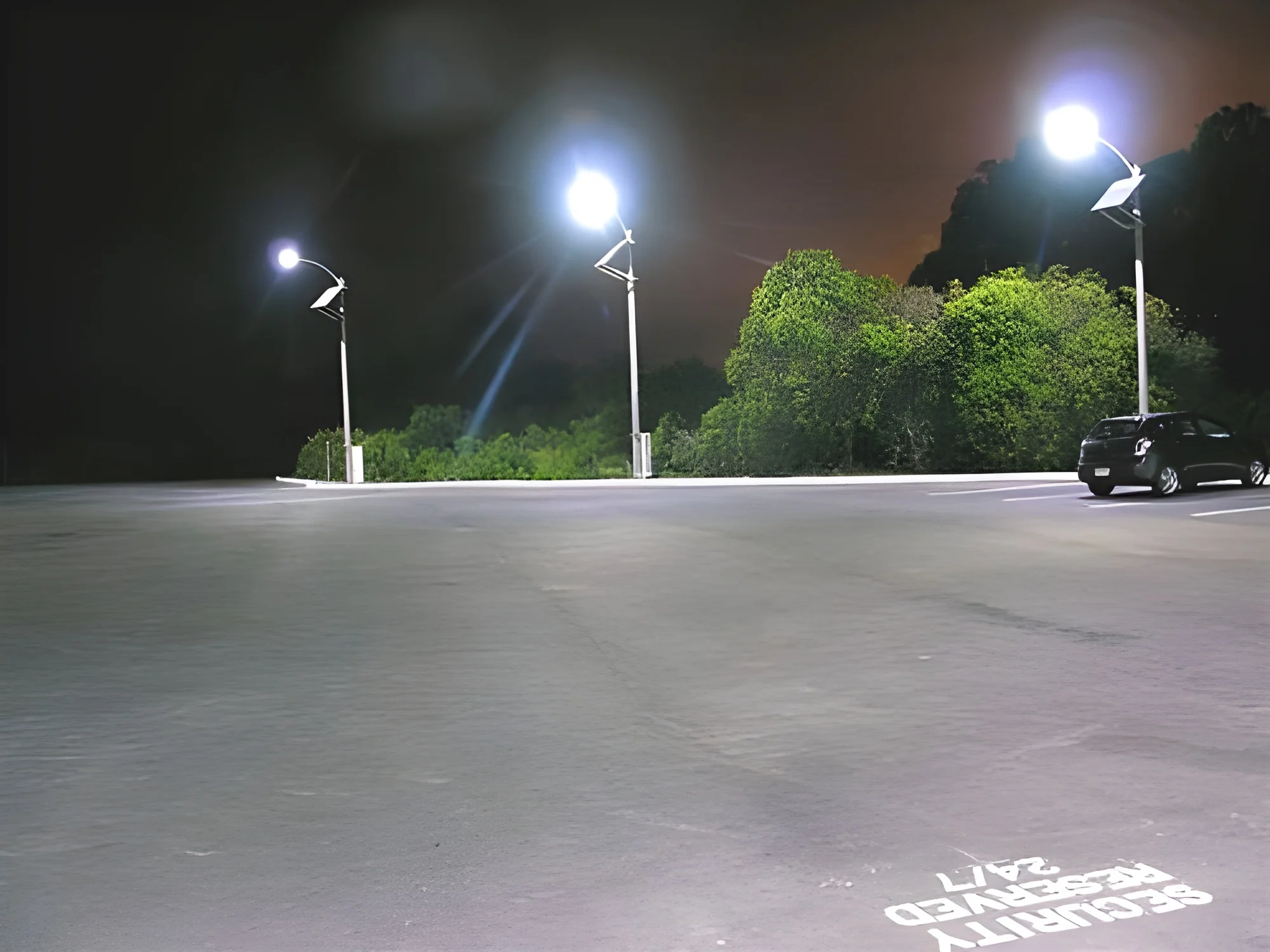
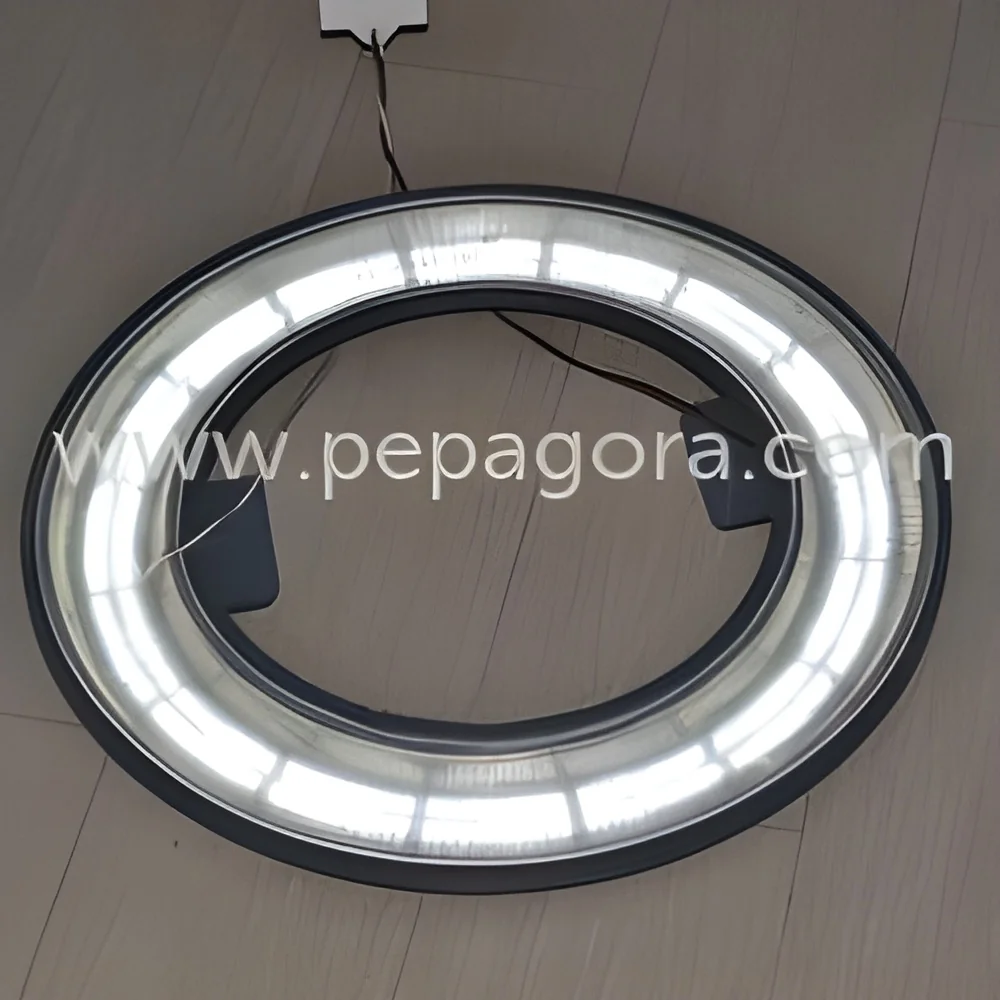
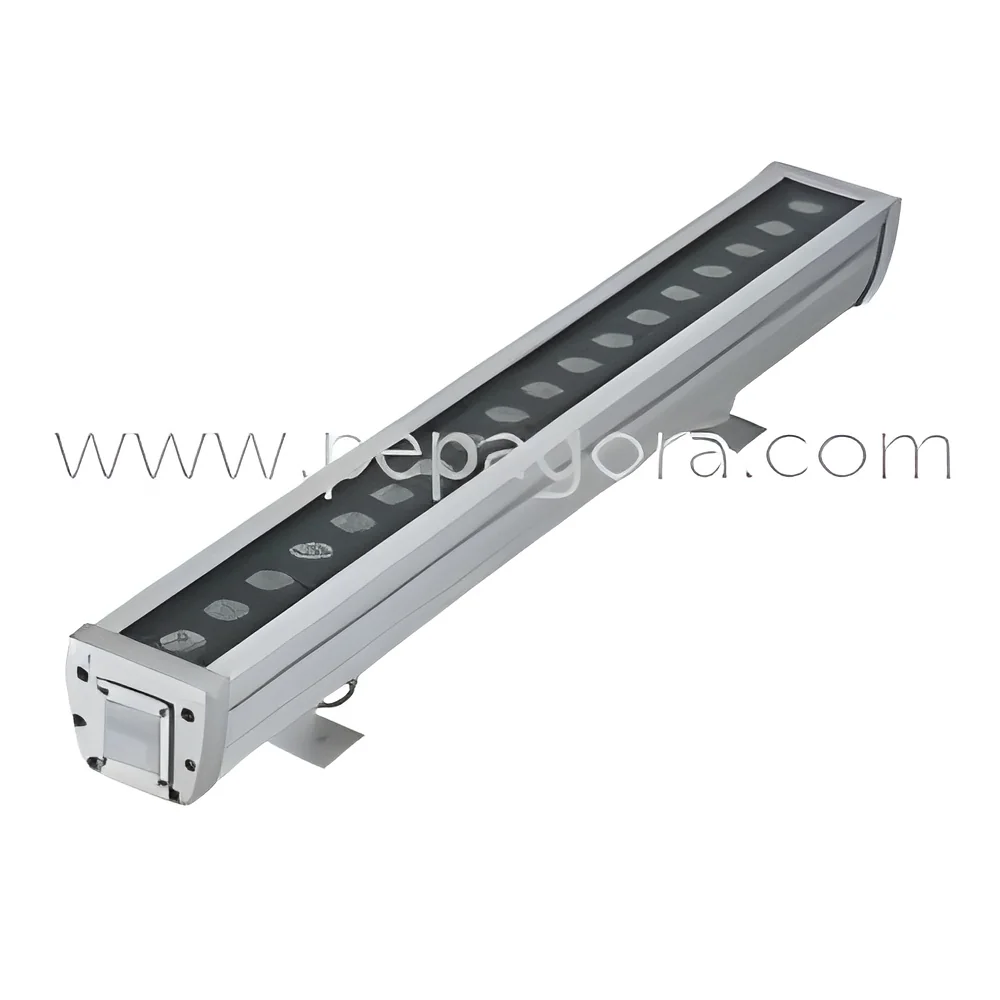
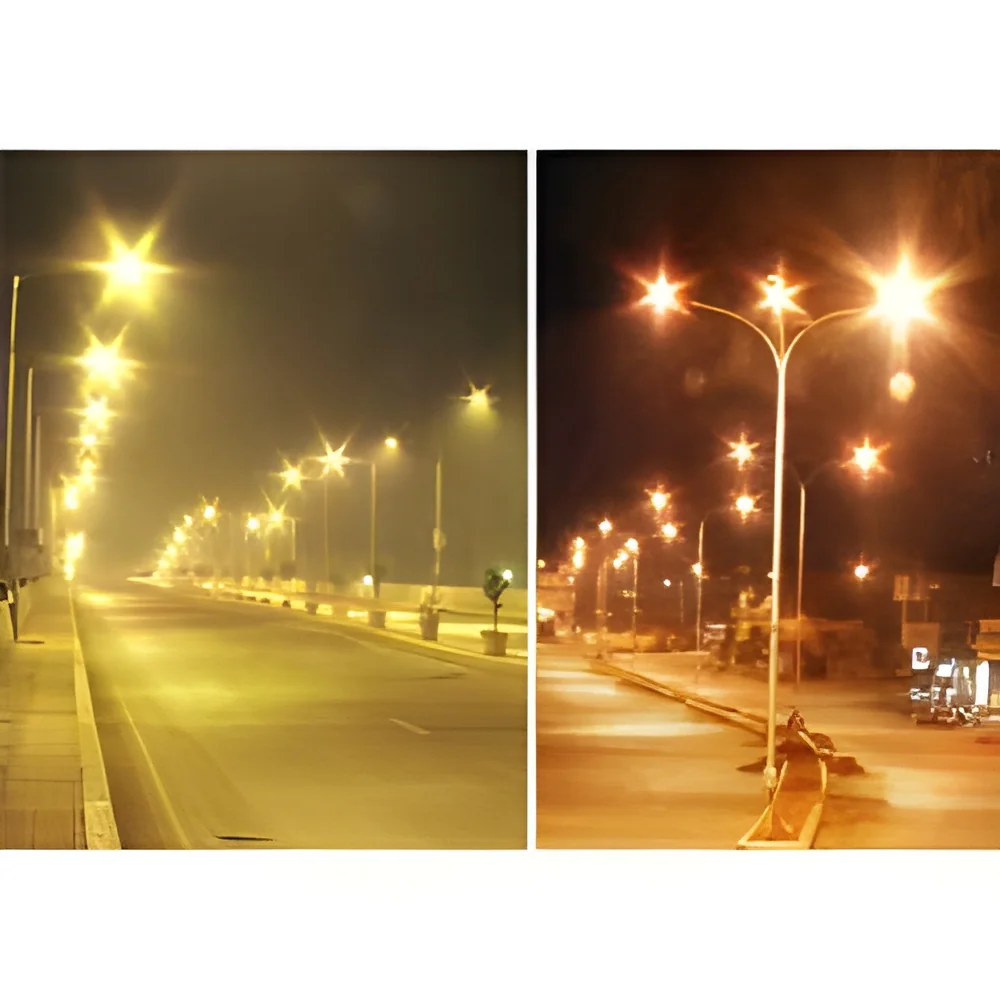
Street lights are essential outdoor lighting fixtures designed to illuminate roads, pathways, and public spaces during nighttime. They serve the dual purpose of enhancing visibility for drivers and pedestrians while also improving safety and security in urban and rural environments. Typically mounted on poles, street lights come in various designs and technologies, including traditional incandescent, high-intensity discharge, and modern LED options.
The primary use of street lights extends beyond mere illumination. They are critical for urban planning, contributing to safer traffic flow, reducing accidents, and deterring crime in poorly lit areas. Businesses and municipalities invest in street lighting systems to create a welcoming atmosphere, promote night-time activities, and enhance the overall quality of life for residents. With the ongoing transition to energy-efficient solutions, the market for street lights is evolving, driven by the need for sustainability and cost-effective operations.
Key Features and Specifications
Street lights feature a variety of characteristics that cater to different applications. When selecting street lights, understanding these specifications is crucial for ensuring optimal performance and compliance with local regulations.
Key specifications include:
1. Light Source Type
- Options include LED, HPS (High-Pressure Sodium), and MH (Metal Halide)
- LED lights offer higher efficiency and longer lifespan
2. Luminous Flux
- Measured in lumens, indicating the brightness output
- Typically ranges from 1,000 to 20,000 lumens depending on application
3. Wattage
- Power consumption of the light source
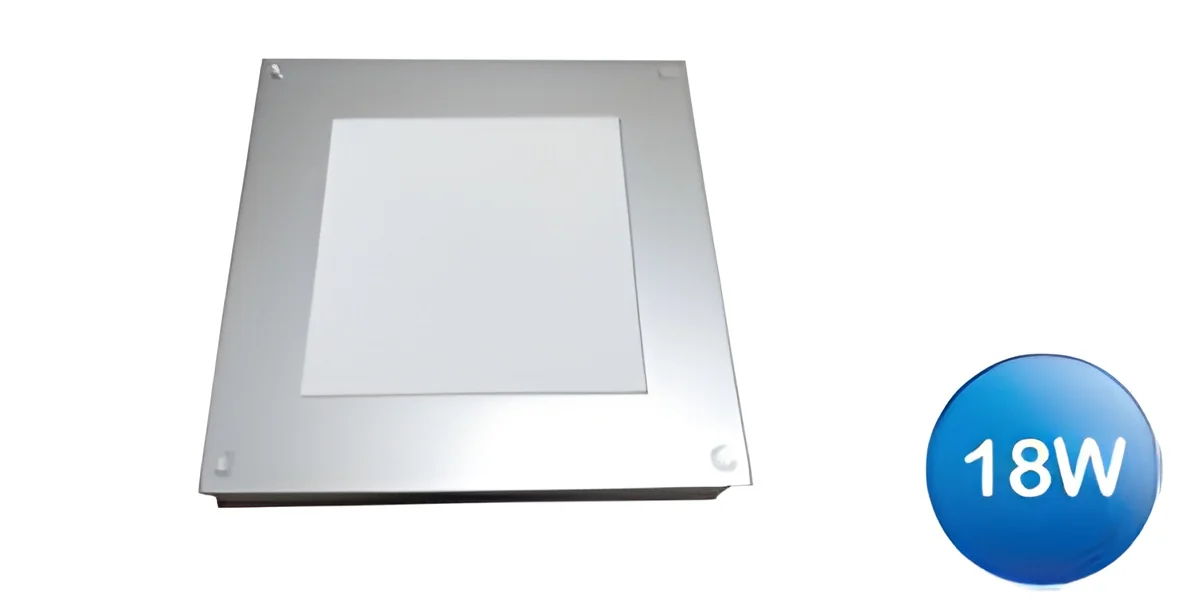
- Common wattages range from 50W to 400W
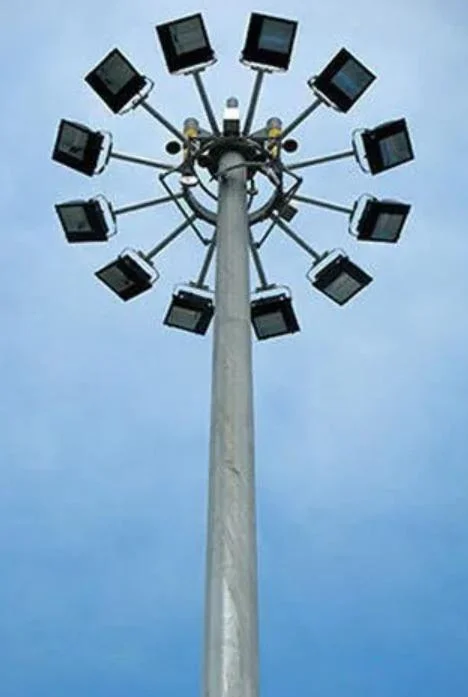
4. Height
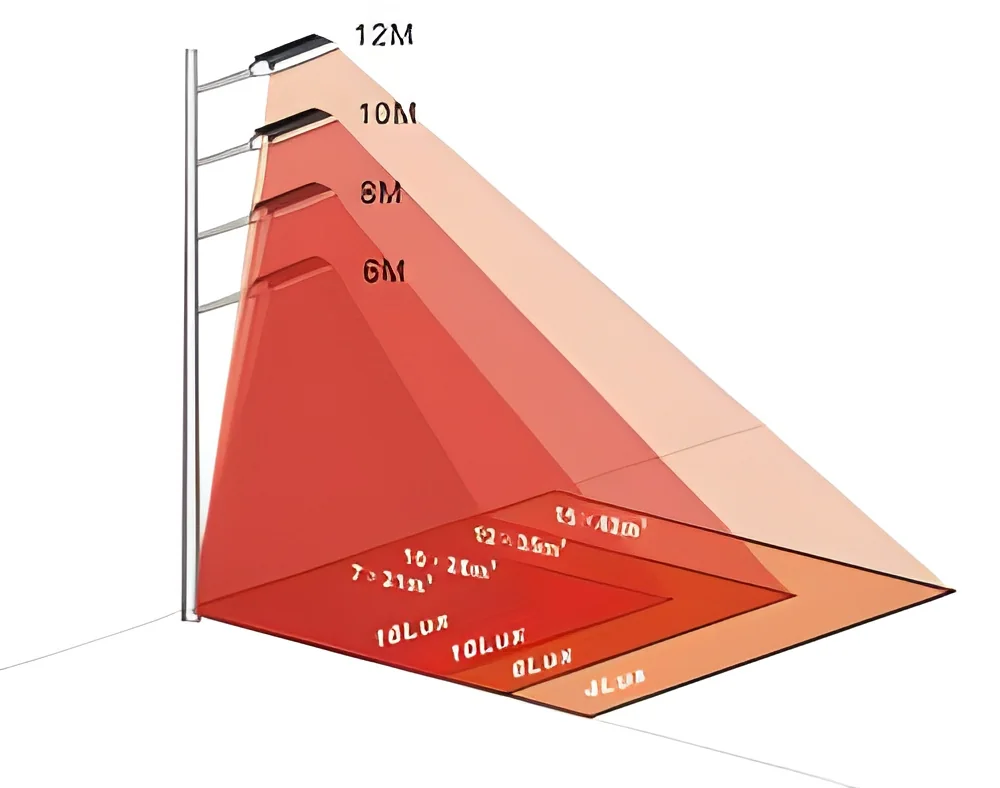
- The height of the pole can vary from 10 to 30 feet
- Taller poles provide better illumination over wider areas
5. Photocell Integration
- Automatic light activation based on ambient light levels
- Enhances energy efficiency by reducing unnecessary usage
6. IP Rating
- Ingress Protection rating indicating dust and water resistance
- Common ratings include IP65 and IP66 for outdoor suitability
7. Fixture Material
- Durable materials such as aluminum or polycarbonate for longevity
- Resistance to corrosion and weather conditions is essential
8. Mounting Options
- Various styles such as pole-mounted or wall-mounted
- Flexibility in installation to suit specific site requirements
These features help ensure that street lighting systems meet the diverse needs of urban environments while maintaining energy efficiency and safety.
Common Applications and Use Cases
Street lights are versatile and find applications in multiple sectors.
1. Urban Development: Used extensively in city planning to enhance safety in streets, parks, and public squares.
2. Transportation: Essential for highways and roads, ensuring visibility for vehicles and pedestrians, thus reducing accidents.
3. Commercial Areas: Enhance visibility in retail districts, encouraging night-time shopping and improving security for businesses.
4. Industrial Sites: Provide necessary lighting for operations and security in manufacturing and logistics areas.
5. Residential Communities: Improve safety in neighborhoods with well-lit streets, pathways, and communal areas.
6. Recreational Facilities: Illuminate parks, sports fields, and playgrounds, allowing for extended use during evening hours.
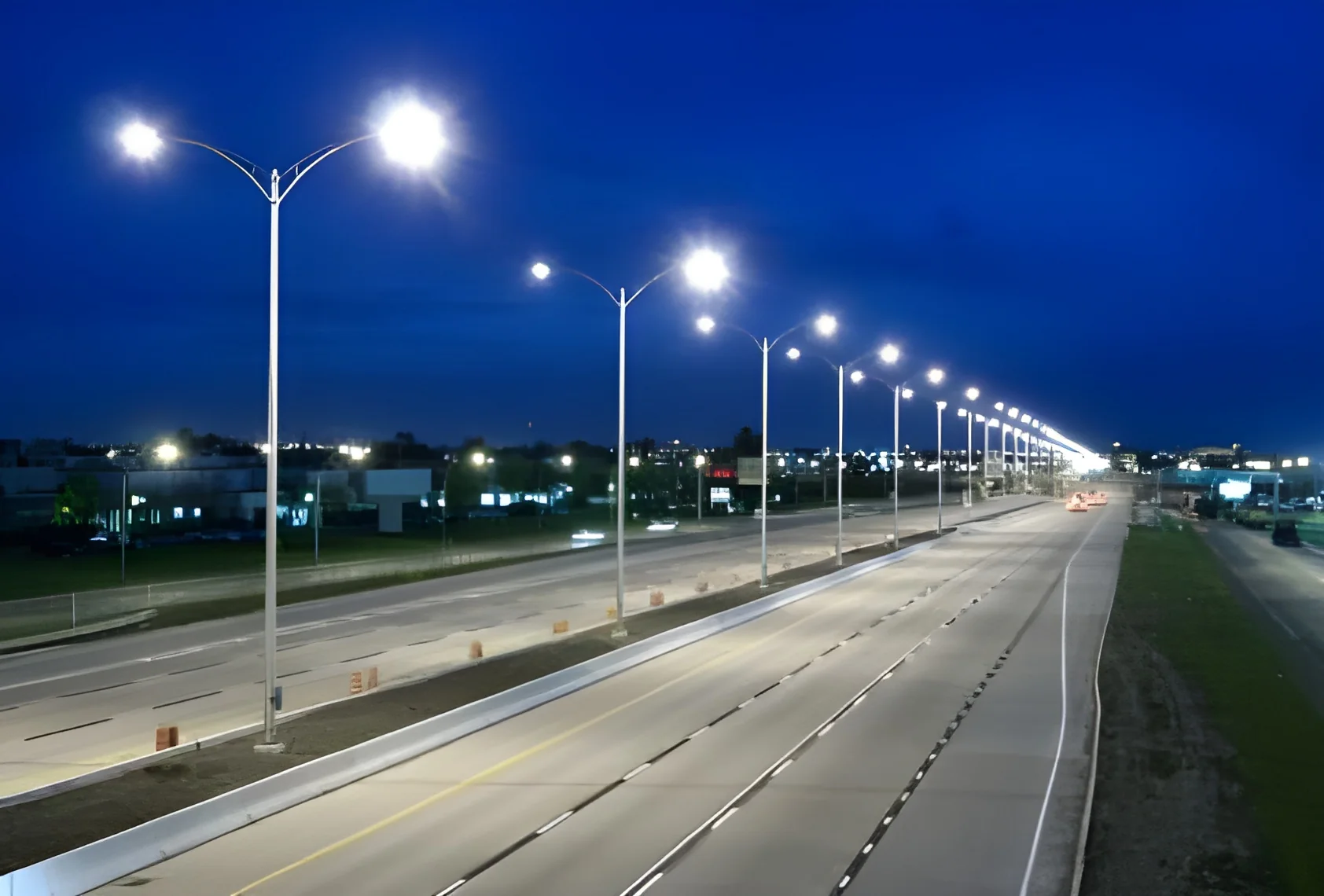
7. Highway Lighting: Specific designs cater to major roads and highways, focusing on brightness and visibility from a distance.
Product Variants and Subcategories
Street lights come in a range of variants to cater to different needs and environments.
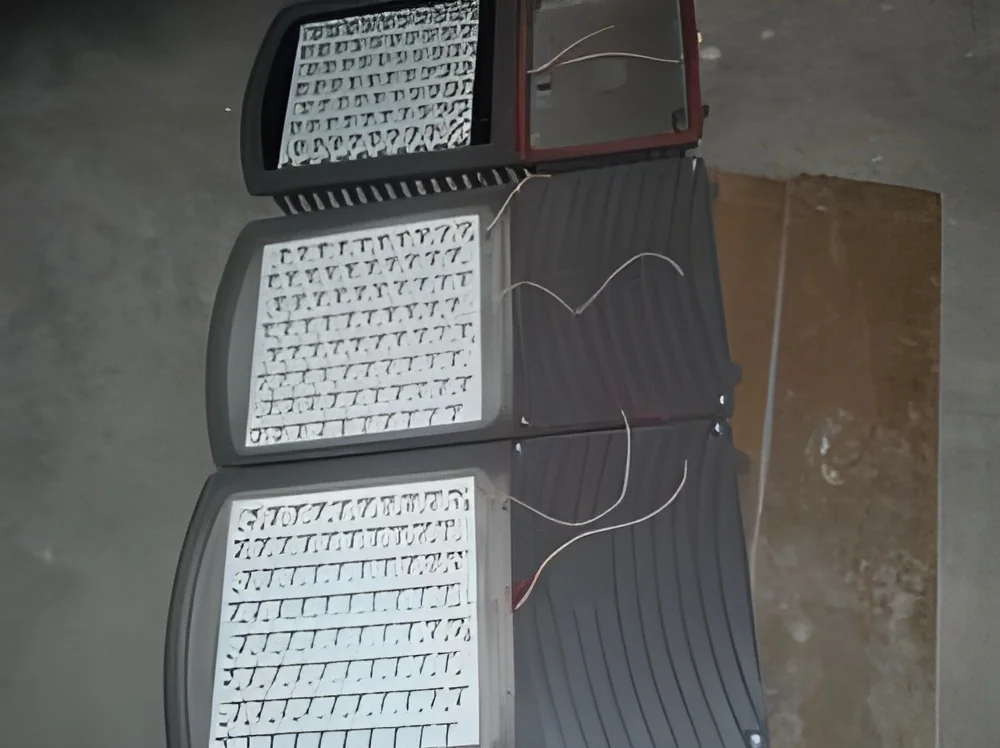
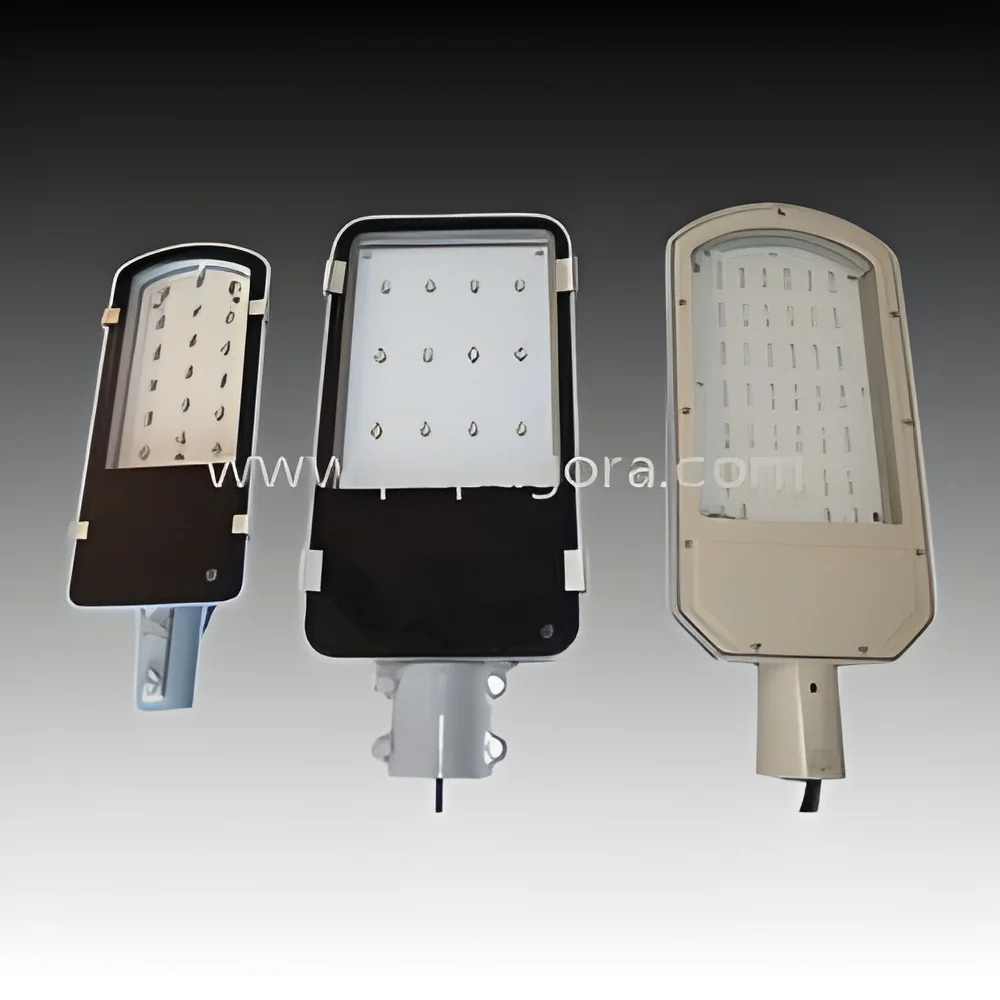
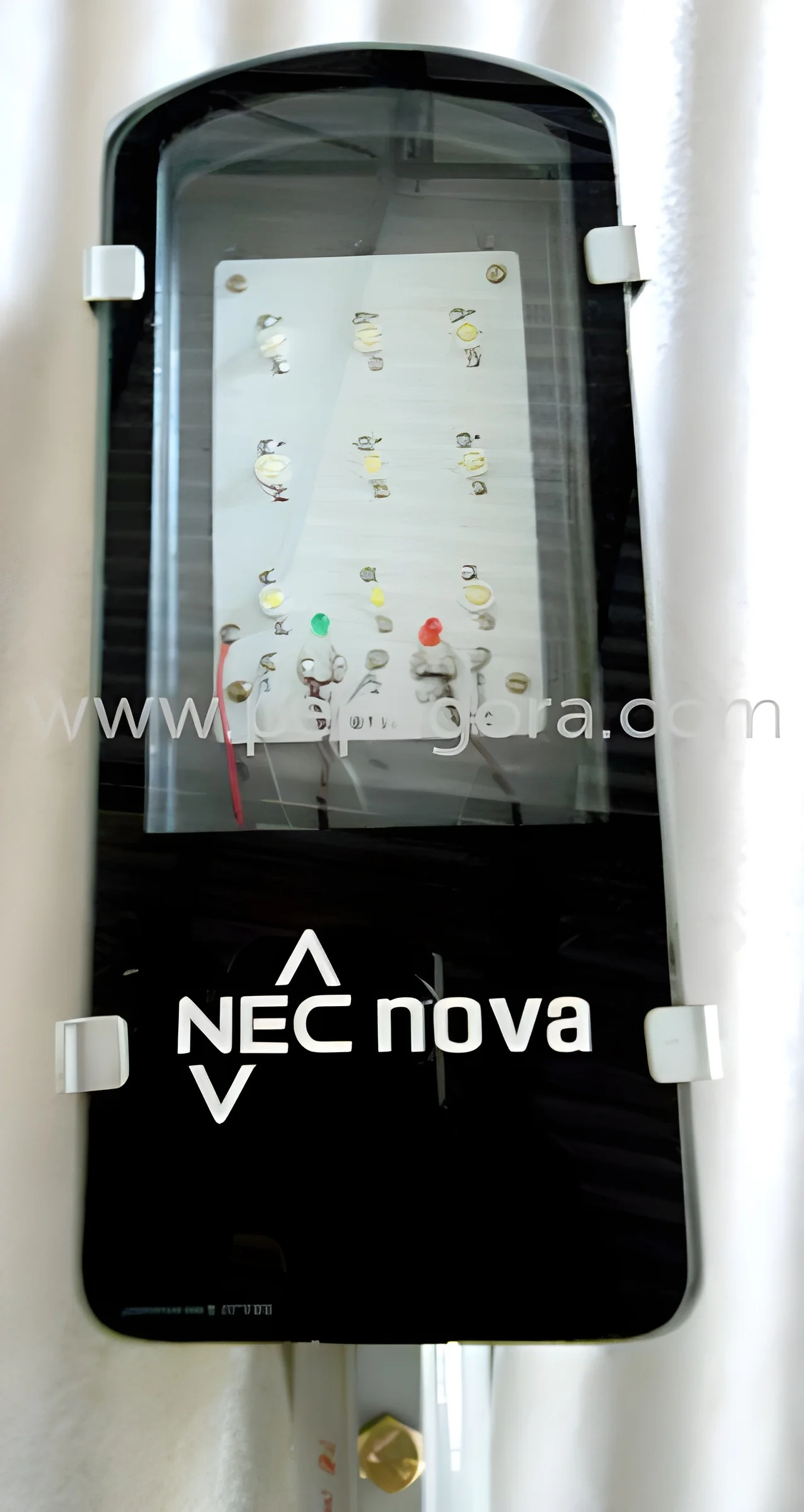
LED Street Lights
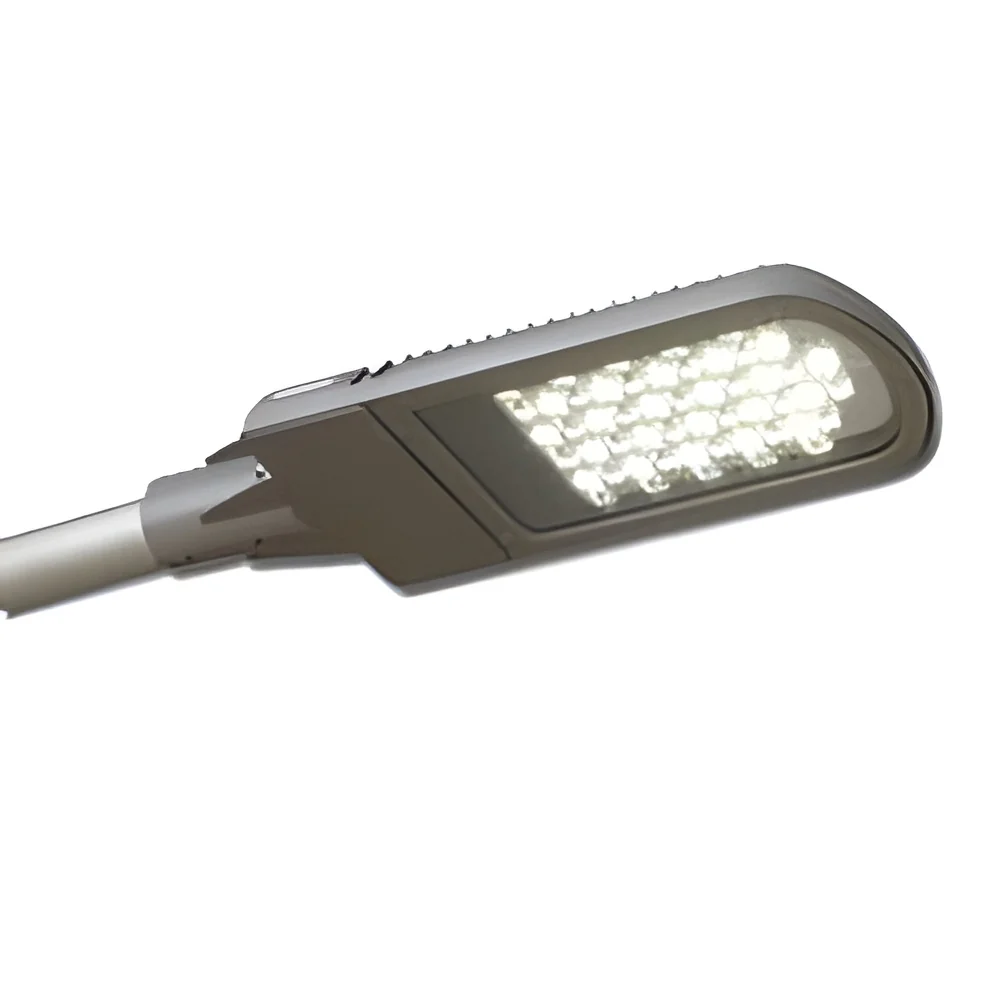
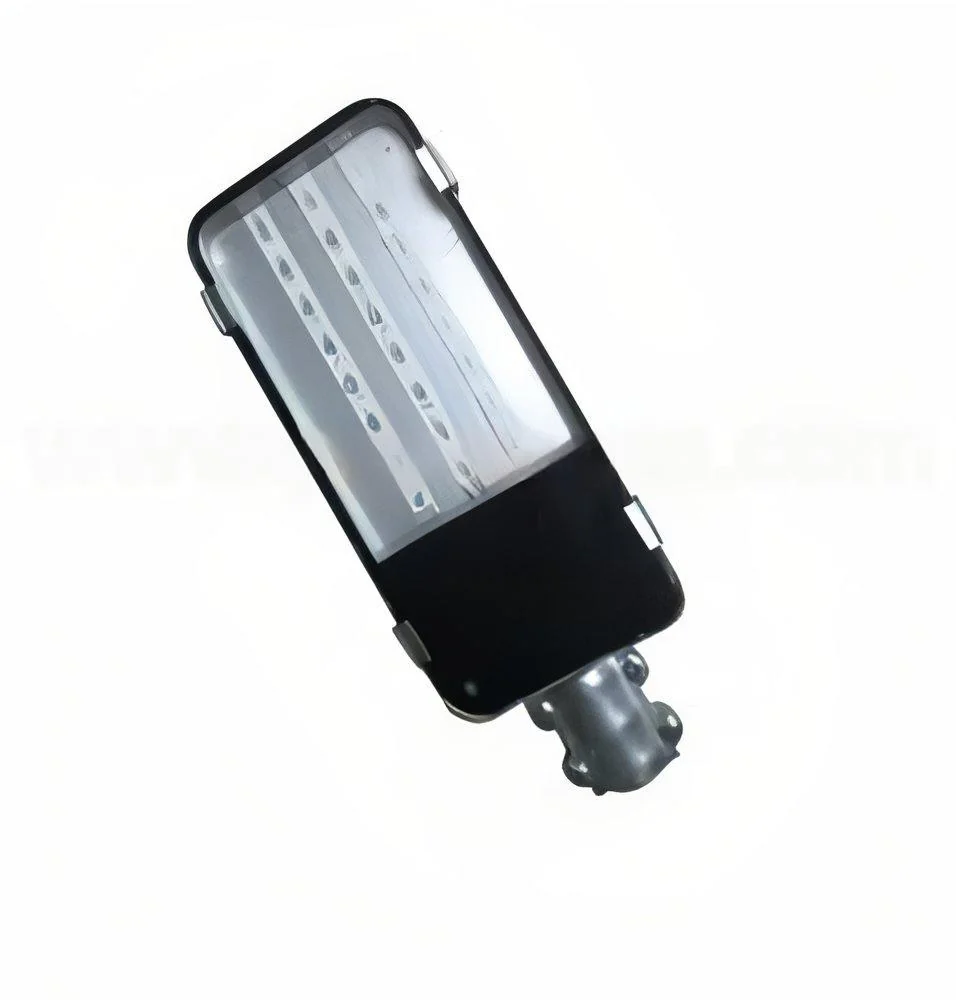
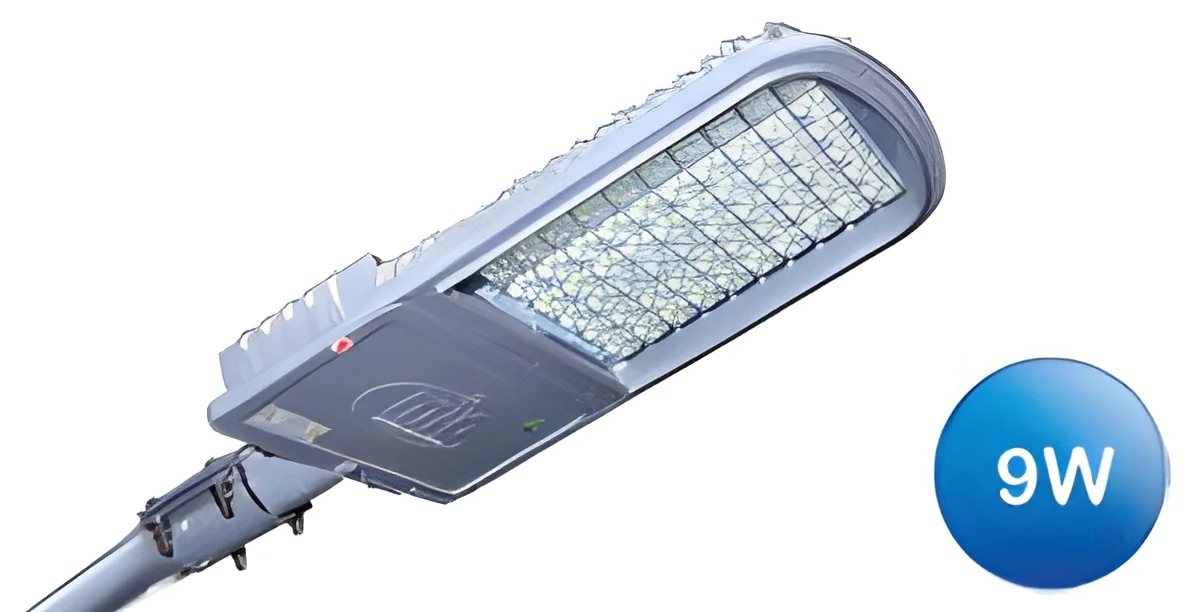
These lights are energy-efficient, with a lifespan of over 50,000 hours. They provide bright, white light and can significantly reduce energy costs for municipalities.
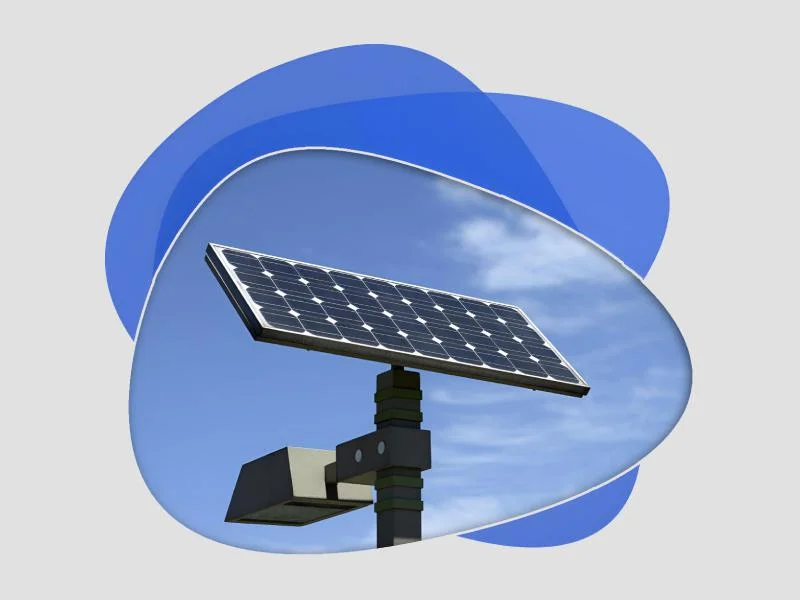
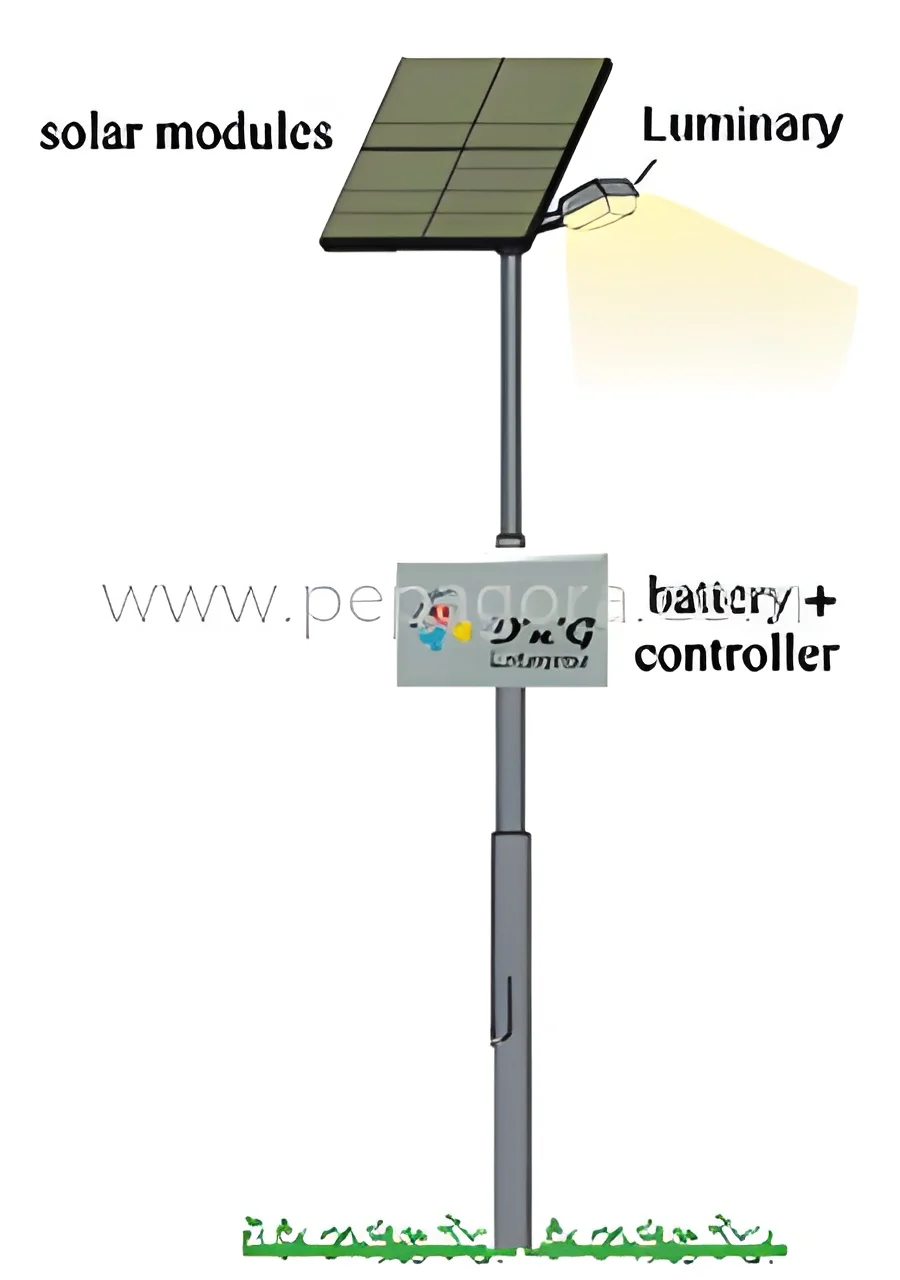
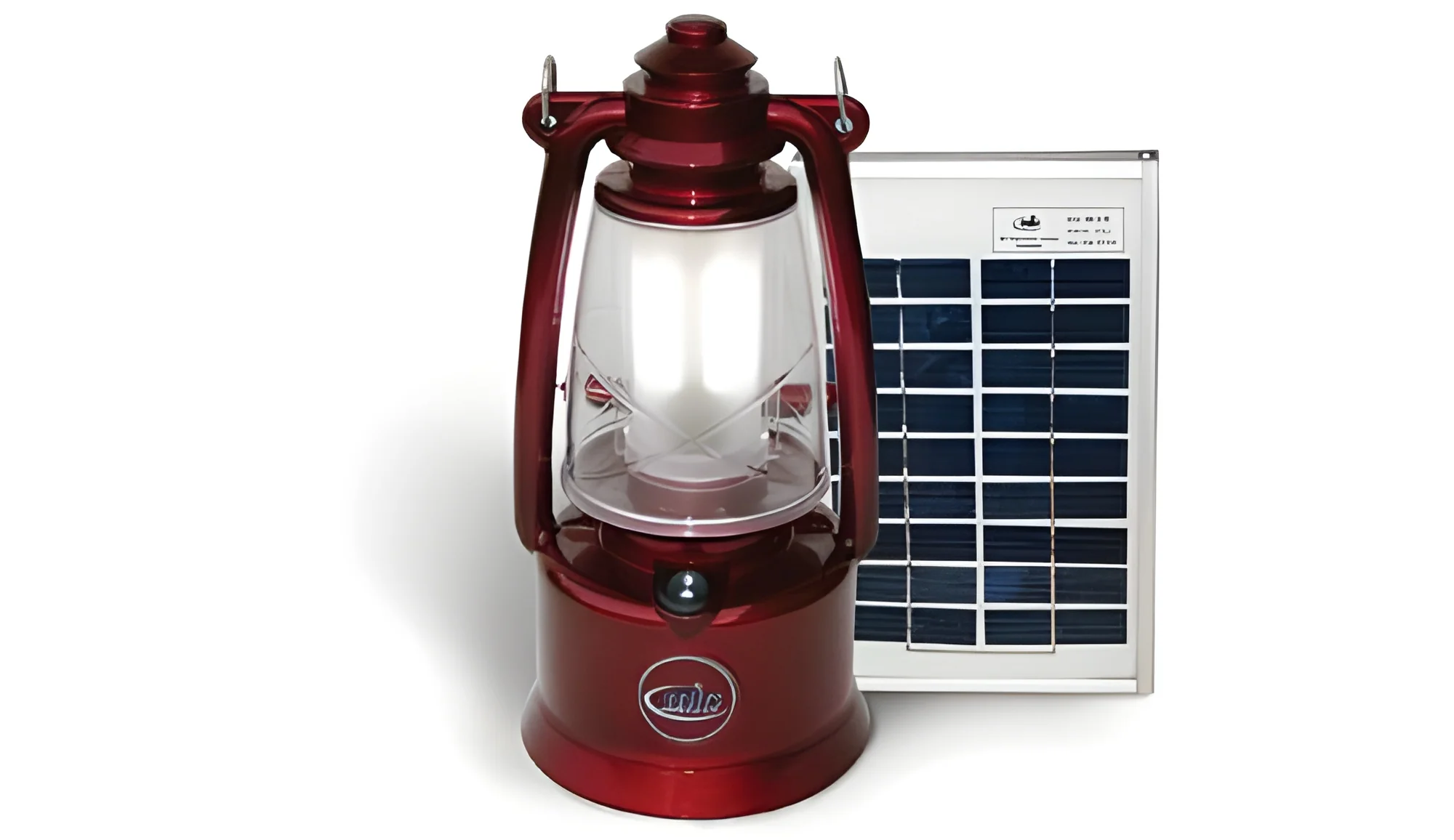
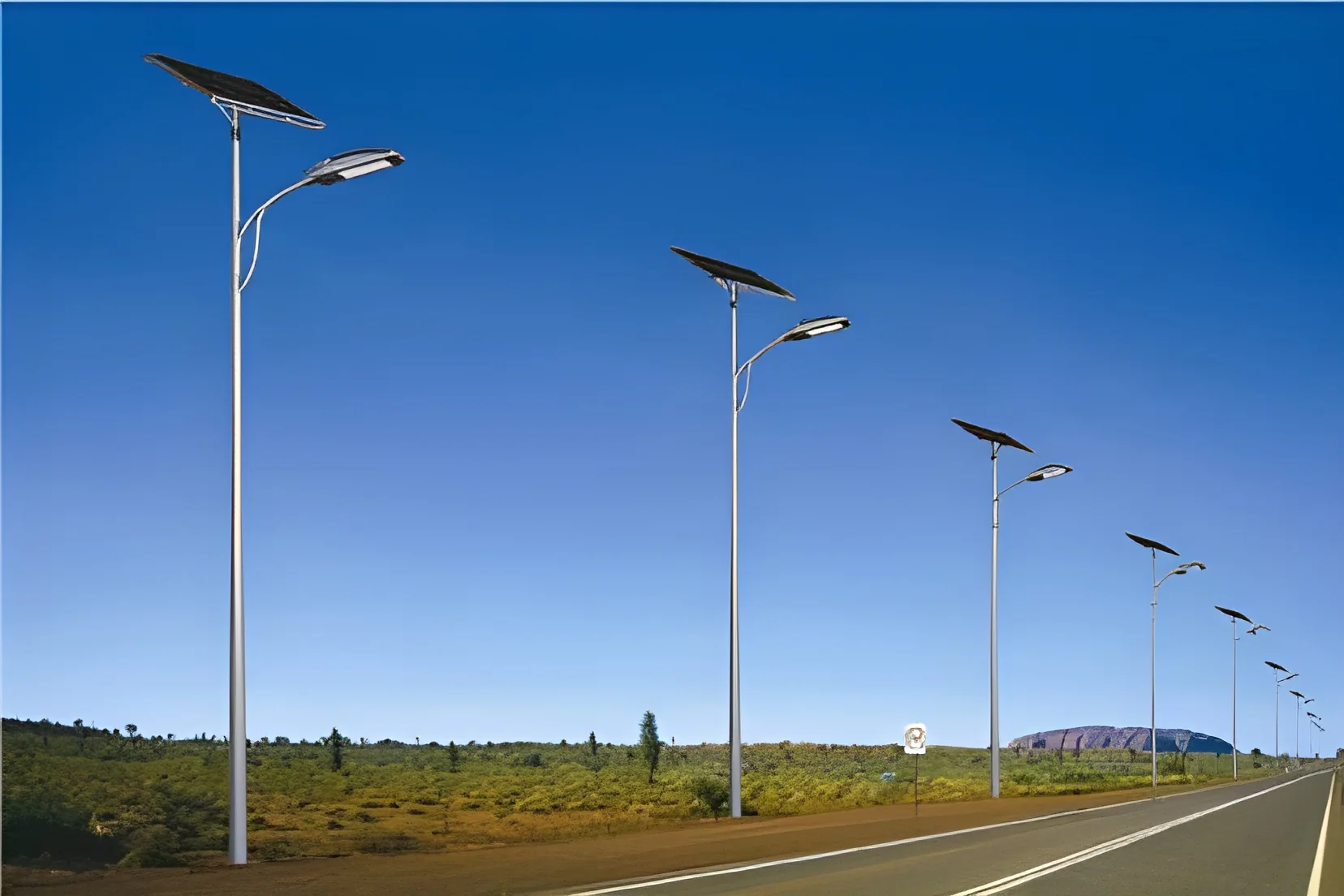
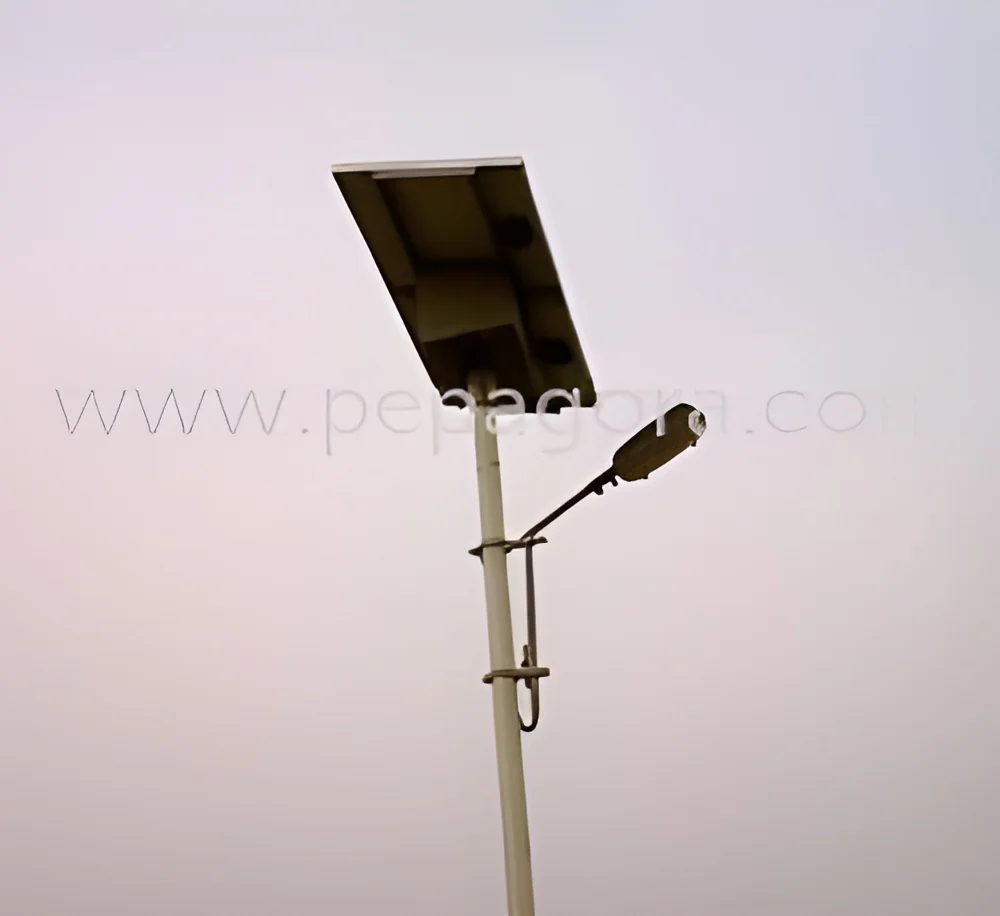
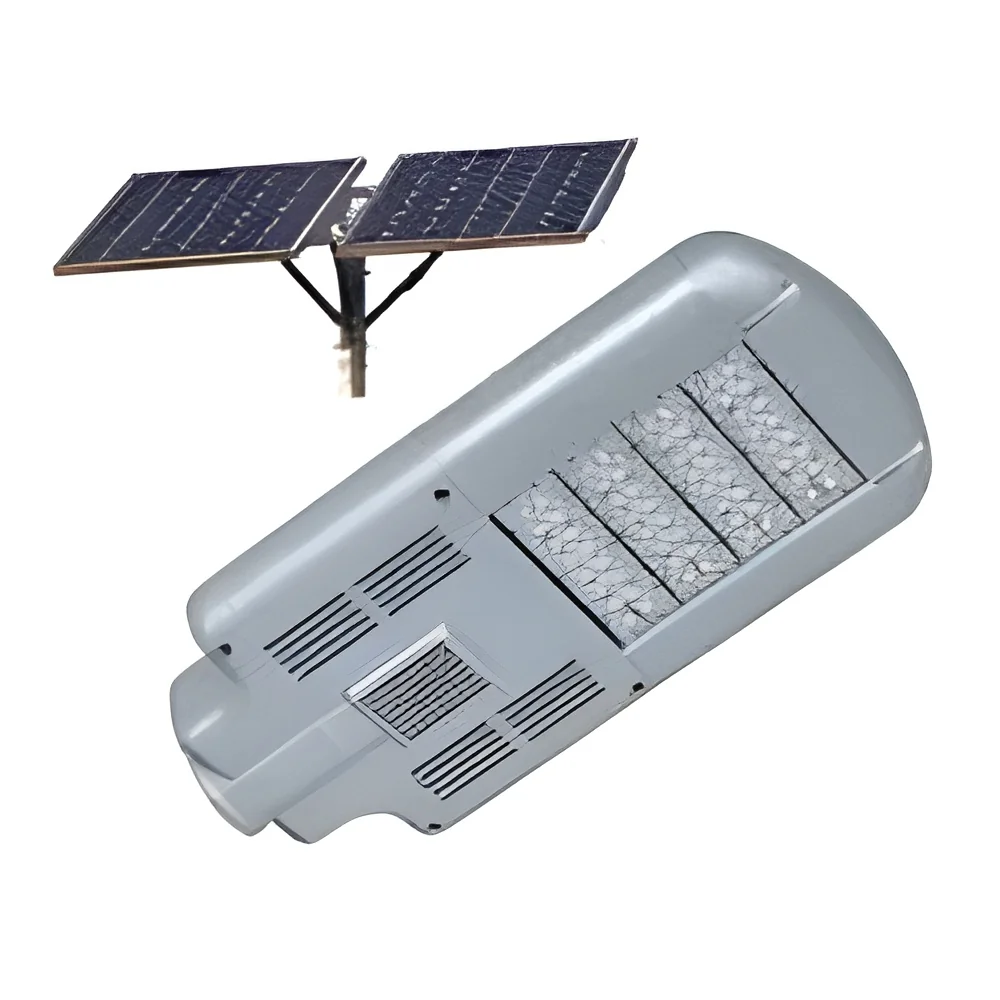
Solar Street Lights
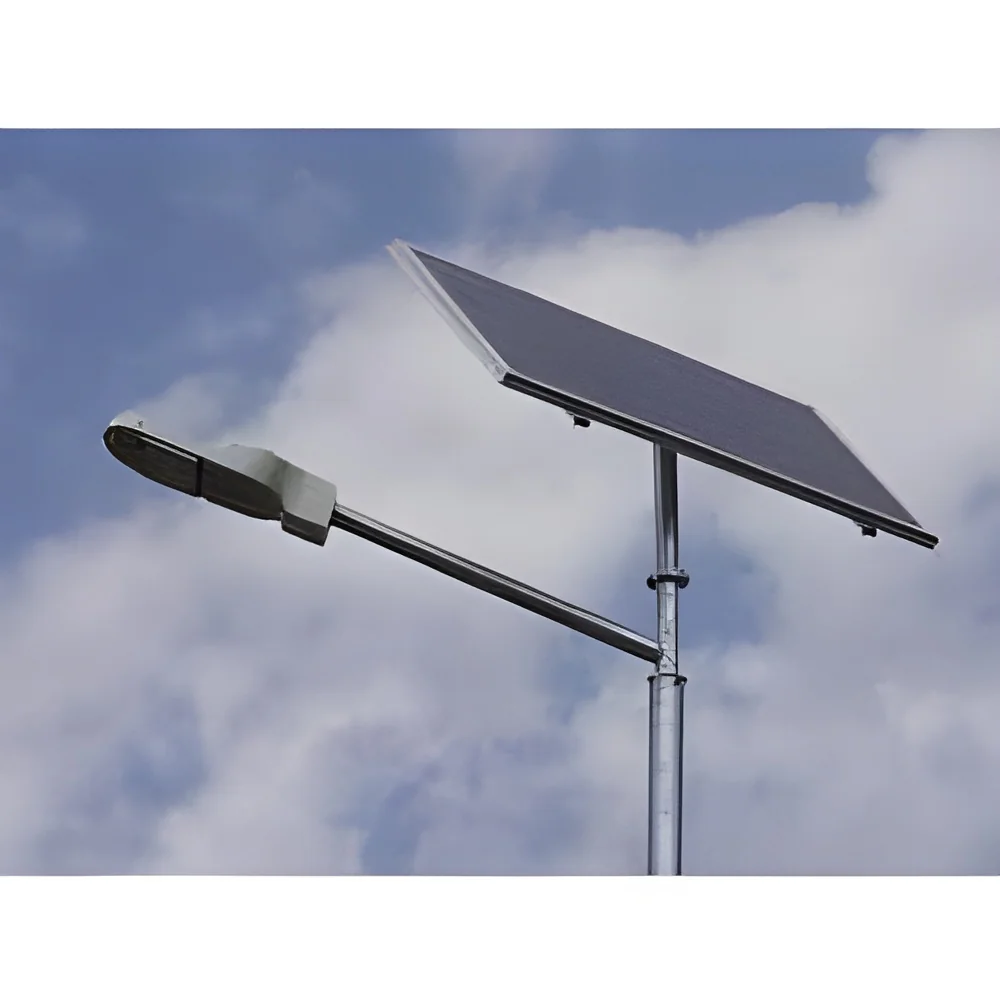
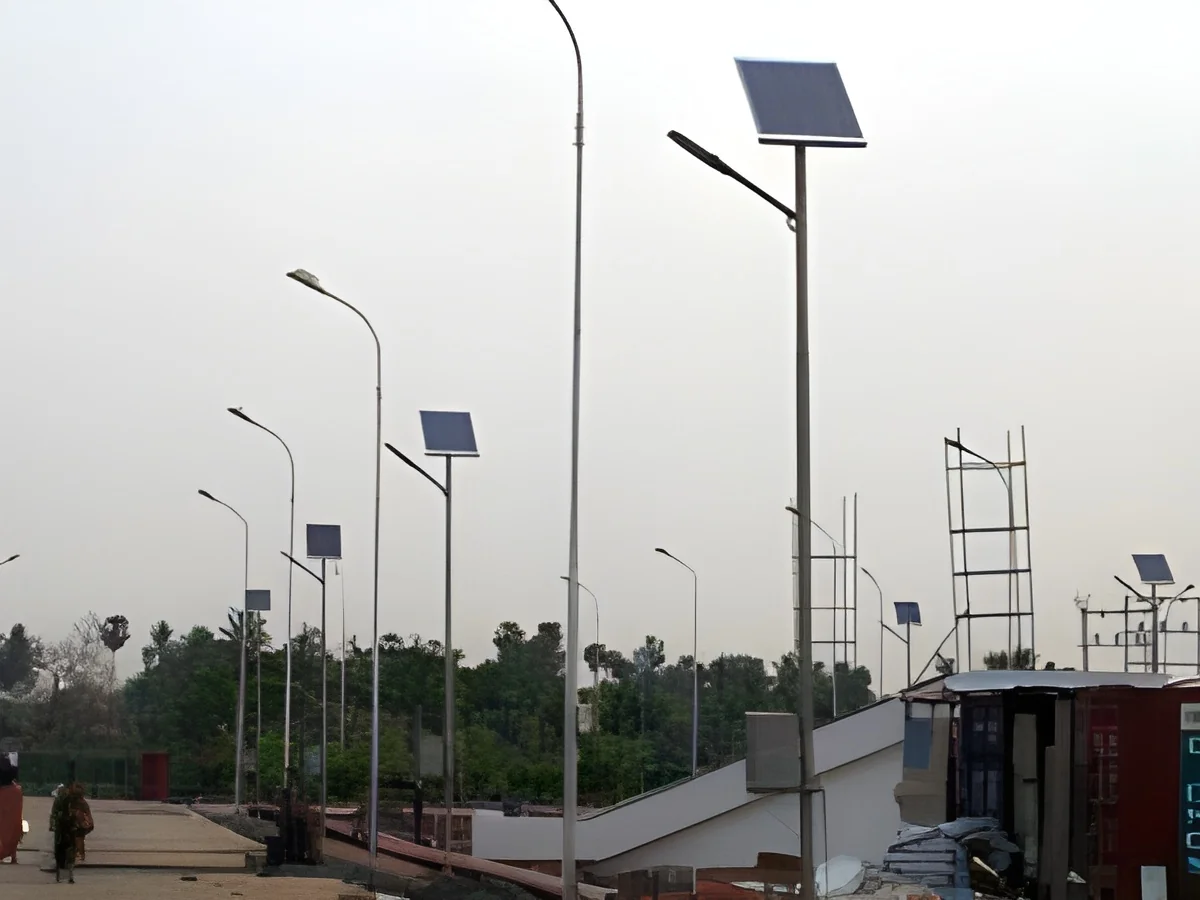
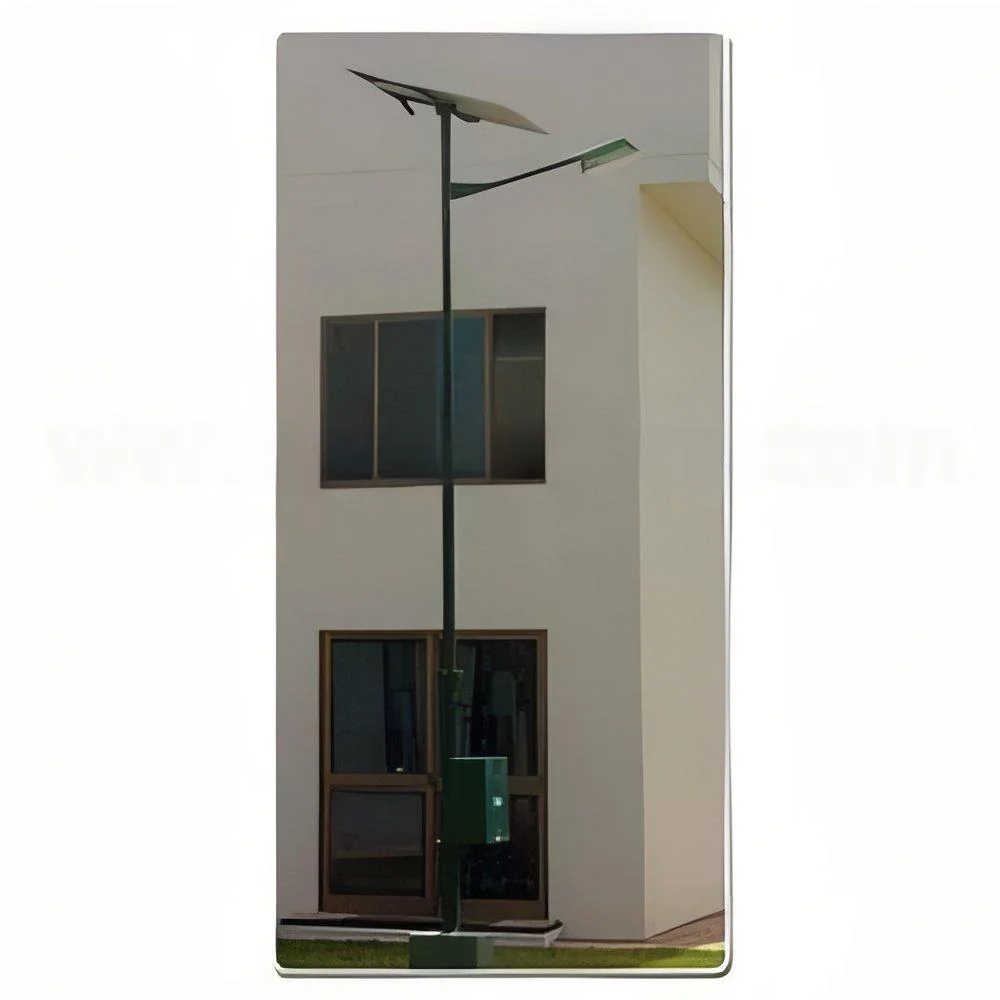
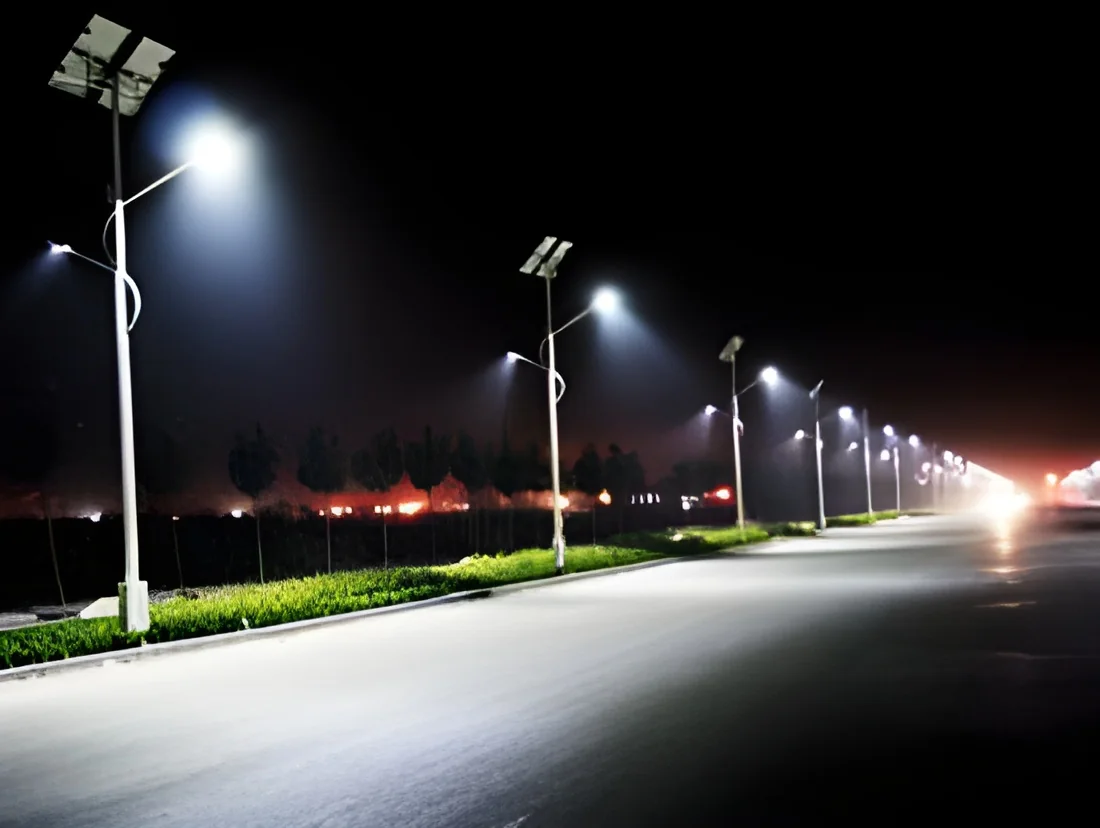
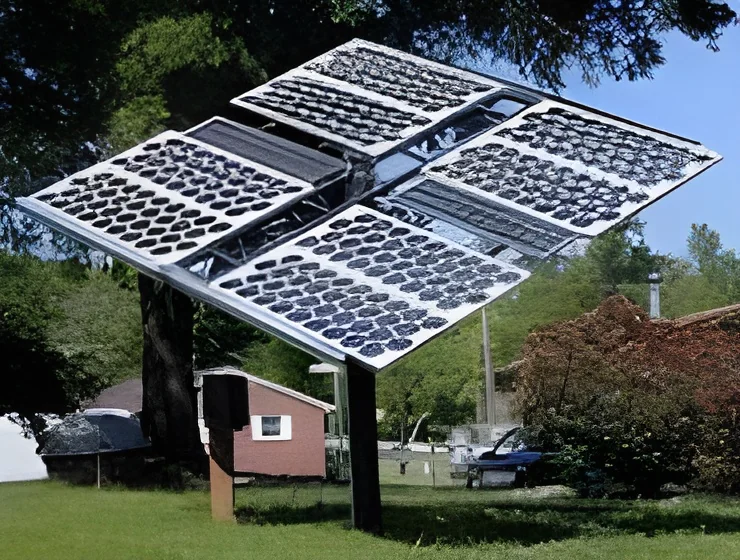
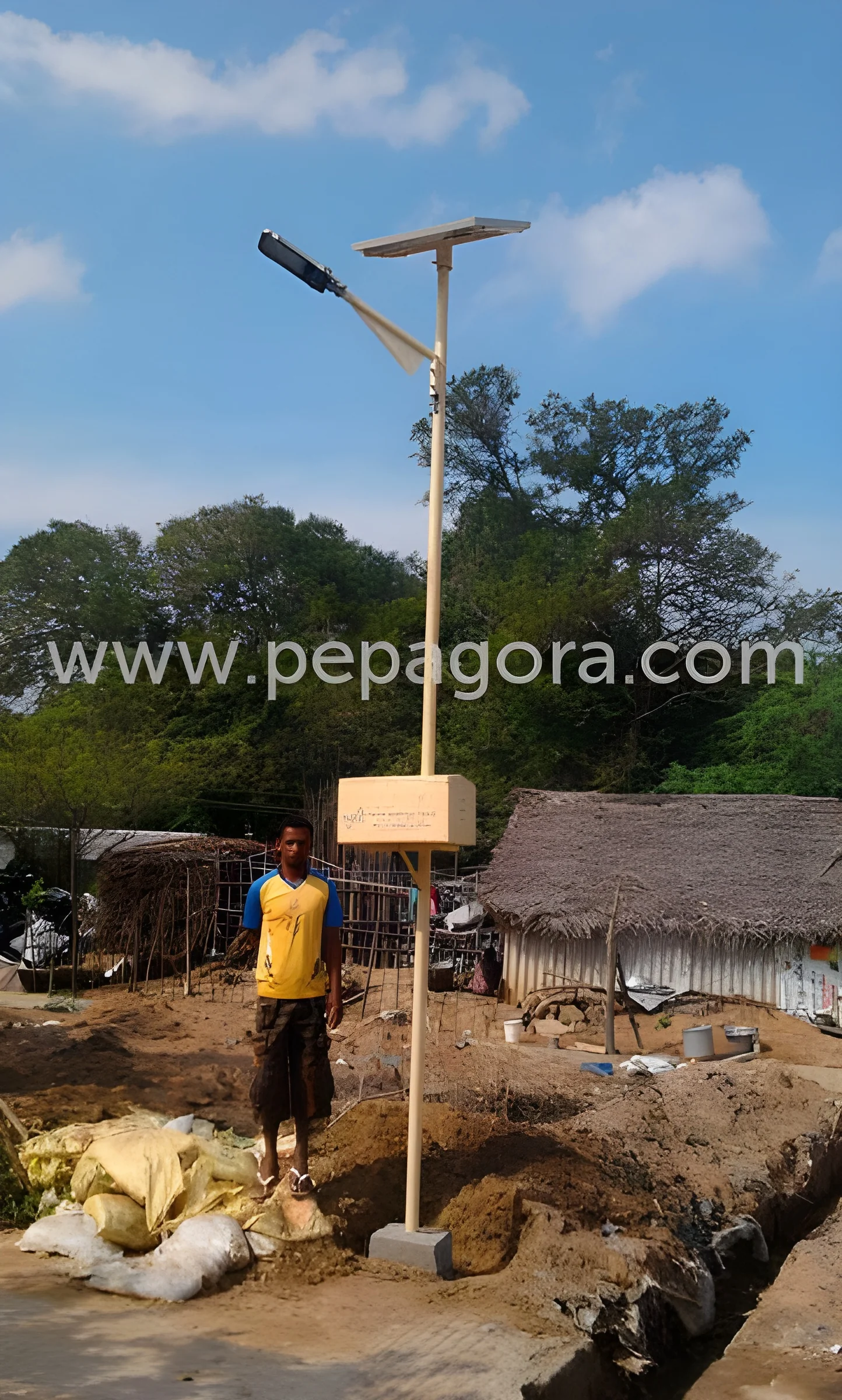
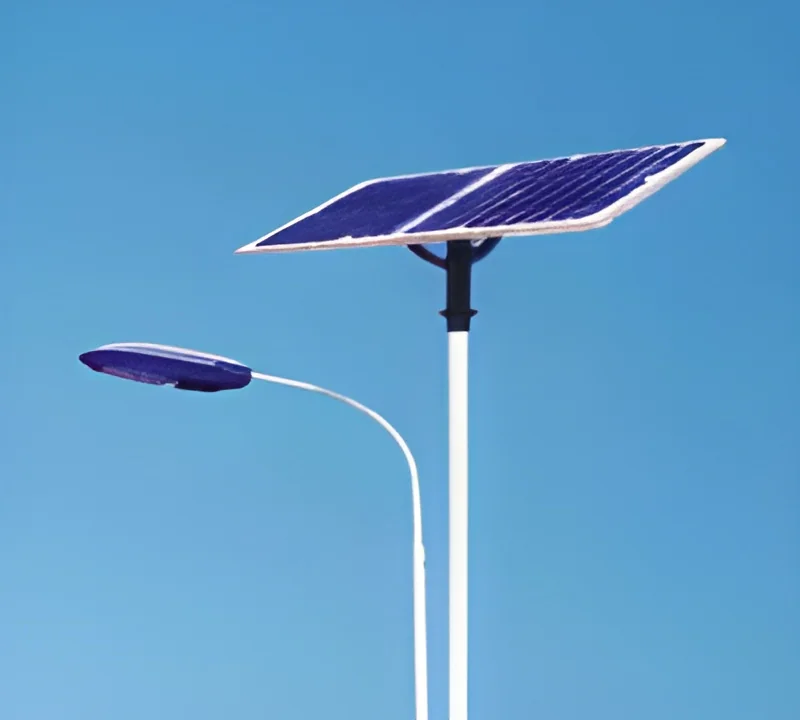
Powered by solar panels, these lights are ideal for remote areas without access to the electrical grid. They offer sustainability and reduced operational costs.
Smart Street Lights
Equipped with sensors and IoT technology, these lights can adjust brightness based on traffic and pedestrian presence, contributing to energy savings and enhanced safety.
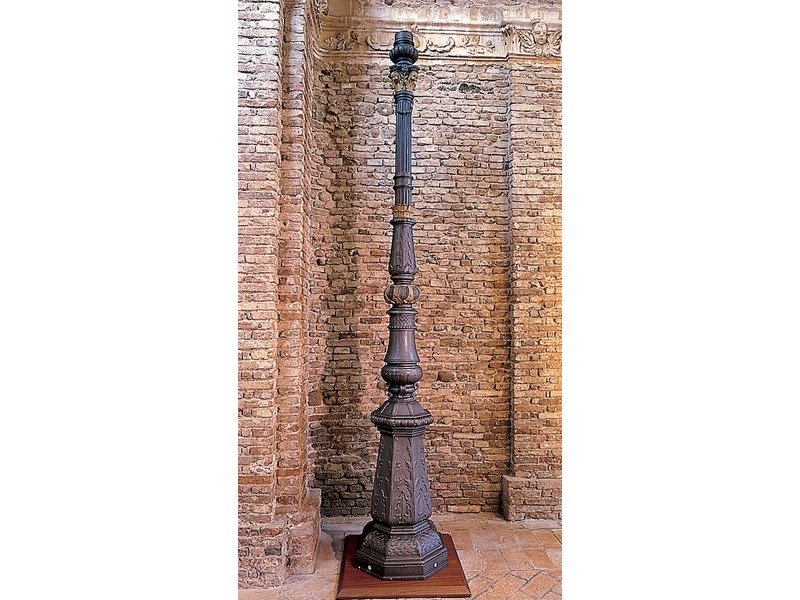
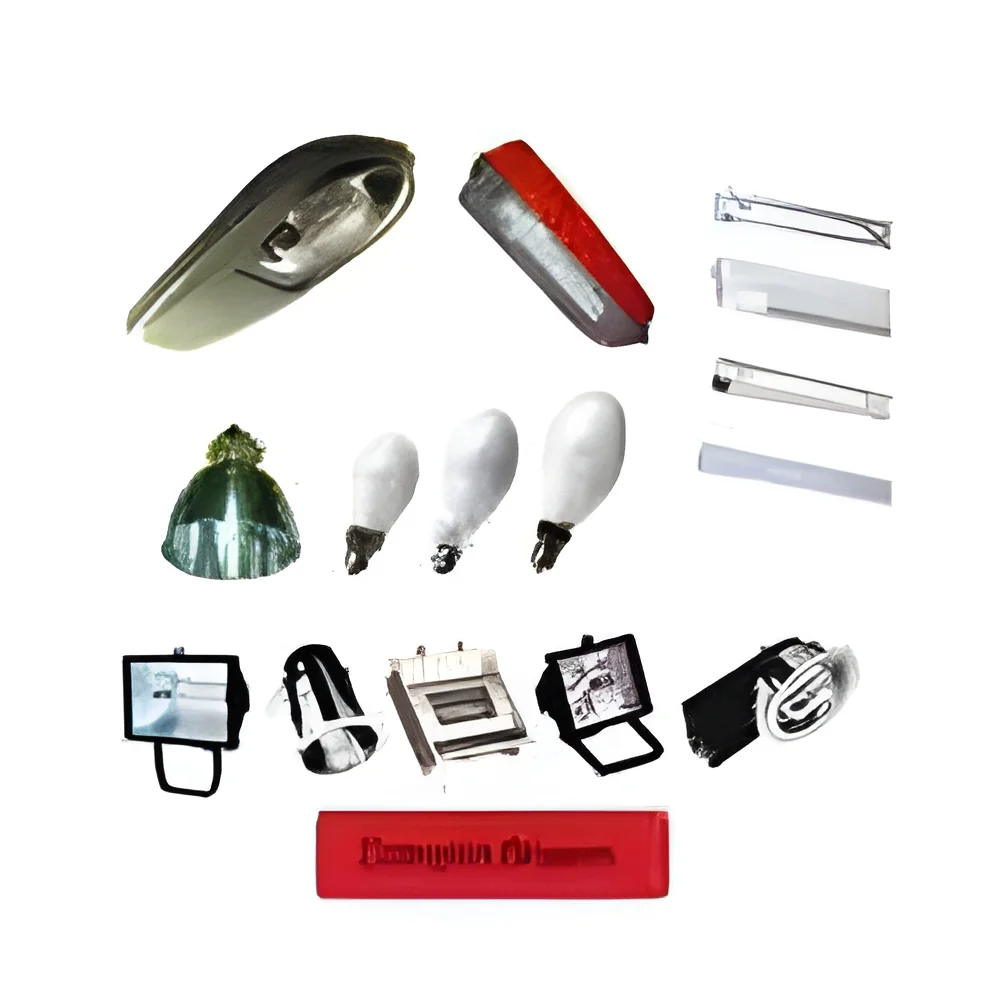
Traditional Street Lights
These include mercury vapor and high-pressure sodium lights, often used in older installations. While less efficient, they may still be preferred in certain applications due to their familiarity.
Benefits and Advantages
Investing in street lights provides numerous advantages for municipalities and businesses.
1. Enhanced Safety: Well-lit areas reduce the risk of accidents and crime, promoting a sense of security among citizens.
2. Energy Efficiency: Modern LED and solar street lights consume less energy, leading to lower operational costs and reduced carbon footprints.
3. Increased Visibility: Improved illumination helps in better traffic management and pedestrian safety, contributing to smoother urban mobility.
4. Long Lifespan: LED street lights can last significantly longer than traditional bulbs, reducing maintenance and replacement costs.
5. Environmental Impact: Energy-efficient options align with sustainability goals, contributing to greener urban planning.
6. Aesthetic Appeal: Attractive street lighting designs can enhance the overall look of a neighborhood or commercial area, promoting community pride.
Buying Guide for B2B Buyers
When sourcing street lights, several factors should be considered to ensure the best fit for your needs.
1. Quality Assessment: Look for lights that meet industry standards and have a proven track record of durability and performance.
2. Supplier Verification: Vet suppliers thoroughly to ensure they provide high-quality products and reliable customer service.
3. Pricing and MOQ: Understand the pricing structure and minimum order quantities to align with your budget and project scale.
4. Delivery and Lead Times: Consider logistics and delivery schedules to ensure timely installation of street lights.
5. Compliance Requirements: Confirm that the products meet local regulations and standards for safety and environmental impact.
Compliance and Certifications
Street lights must adhere to various compliance and certification standards to ensure safety and reliability.
Quality standards such as ISO 9001 are critical in manufacturing processes, ensuring consistent quality control. The certification CE indicates compliance with European health, safety, and environmental protection standards, reassuring buyers of product reliability.
Safety and testing requirements are also crucial, particularly in outdoor applications where exposure to weather elements is common. Regional compliance considerations may vary, necessitating an understanding of local regulations to avoid legal issues.
Why Source Street Lights from Pepagora?
Pepagora offers a reliable platform for sourcing street lights, providing several key advantages to B2B buyers.
Verified Supplier Network: Pepagora has a stringent vetting process for suppliers, ensuring that buyers have access to quality products from trusted manufacturers.
Streamlined RFQ Process: The Request for Quotation system simplifies the buying process, allowing buyers to receive competitive quotes from multiple suppliers quickly.
Trade Assurance and Support: Buyers benefit from protection measures that ensure the transaction is secure, minimizing risks associated with purchasing.
Regional Coverage: With a strong presence in India, the GCC, and Southeast Asia, Pepagora ensures geographical reach and accessibility for a broad audience, making it easier for buyers to find suitable street lighting solutions tailored to their needs.

 IN
IN