What are Automated Motion Sensor Lighting?
Automated motion sensor lighting refers to a lighting system that activates based on the detection of movement within a designated area. This technology employs sensors that can detect motion and trigger lights to turn on or off automatically. These systems enhance energy efficiency and increase safety by providing illumination only when needed.
These lighting solutions are widely used in various business environments, including warehouses, office buildings, and outdoor spaces. The primary applications include security lighting, energy management, and convenience lighting. By reducing unnecessary energy use, businesses can lower their utility costs and minimize their carbon footprint. The relevance of this technology in today's market stems from the growing demand for smart building solutions and energy-efficient products.
Key Features and Specifications
Automated motion sensor lighting systems come equipped with various features designed to enhance functionality and user experience. These specifications ensure that the products meet the specific needs of different environments.
Key specifications include:
1. Detection Range
- The area within which the sensor can detect motion.
- Typical ranges vary from 10 to 30 feet.
2. Sensor Type
- Types of sensors include passive infrared (PIR), ultrasonic, and dual technology.
- Each type has unique detection capabilities suited for different applications.
3. Light Output
- Measured in lumens, indicating the brightness of the light.
- Common outputs range from 800 to 3000 lumens.
4. Power Source
- Options include hardwired, battery-operated, or solar-powered systems.
- Each option caters to different installation and operational needs.
5. Adjustability Features
- Many systems offer adjustable sensitivity and timer settings.
- This allows customization to fit specific requirements.
6. Environmental Ratings
- Products may have ratings for moisture and temperature resistance.
- Common ratings include IP65 for outdoor use.
7. Integration Capabilities
- Compatibility with smart home or building management systems.
- Enables centralized control and monitoring.
8. Warranty and Lifespan
- Typical warranties range from 1 to 5 years.
- Lifespan can vary, with many LEDs rated for over 25,000 hours.
These specifications highlight the importance of choosing the right automated motion sensor lighting system to meet operational needs.
Common Applications and Use Cases
Automated motion sensor lighting serves various industries.
1. Warehousing: In warehouse environments, motion sensor lights enhance security by illuminating areas only when movement is detected, reducing energy costs while increasing safety.
2. Office Buildings: In office settings, these lights help save energy by turning off when rooms are unoccupied, contributing to green building initiatives.
3. Retail Spaces: Retailers utilize motion sensor lighting to create welcoming environments that activate when customers enter, enhancing the shopping experience.
4. Outdoor Spaces: Outdoor motion sensor lights are widely used in parking lots, pathways, and building exteriors for safety and security, providing light only when needed.
5. Industrial Facilities: In industrial settings, these lighting systems improve safety in work areas by ensuring proper visibility during shifts when personnel are present.
6. Healthcare Facilities: Hospitals and clinics use motion sensor lighting in patient rooms and hallways to minimize disruption while ensuring adequate lighting when staff or patients are present.
7. Residential Applications: Homeowners can enhance security and convenience with motion sensor lights in gardens and driveways, ensuring safety without continuous lighting.
Product Variants and Subcategories
Automated motion sensor lighting systems come in diverse variants to cater to different needs.
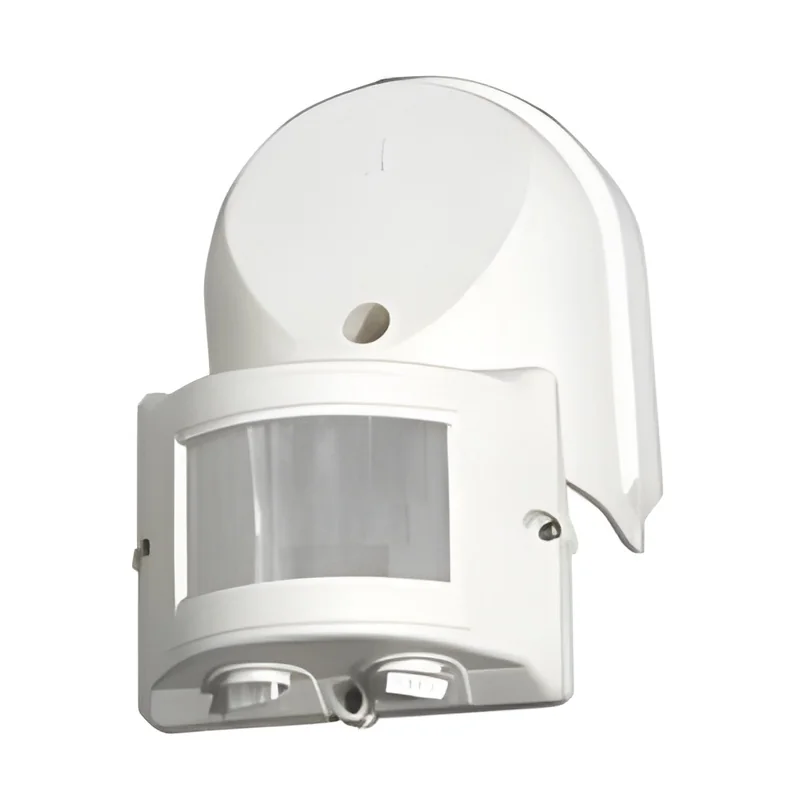
Wall-Mounted Sensors: These fixtures are designed for mounting on walls and offer effective coverage for corridors and entryways. They often feature adjustable sensors and can integrate with existing security systems.
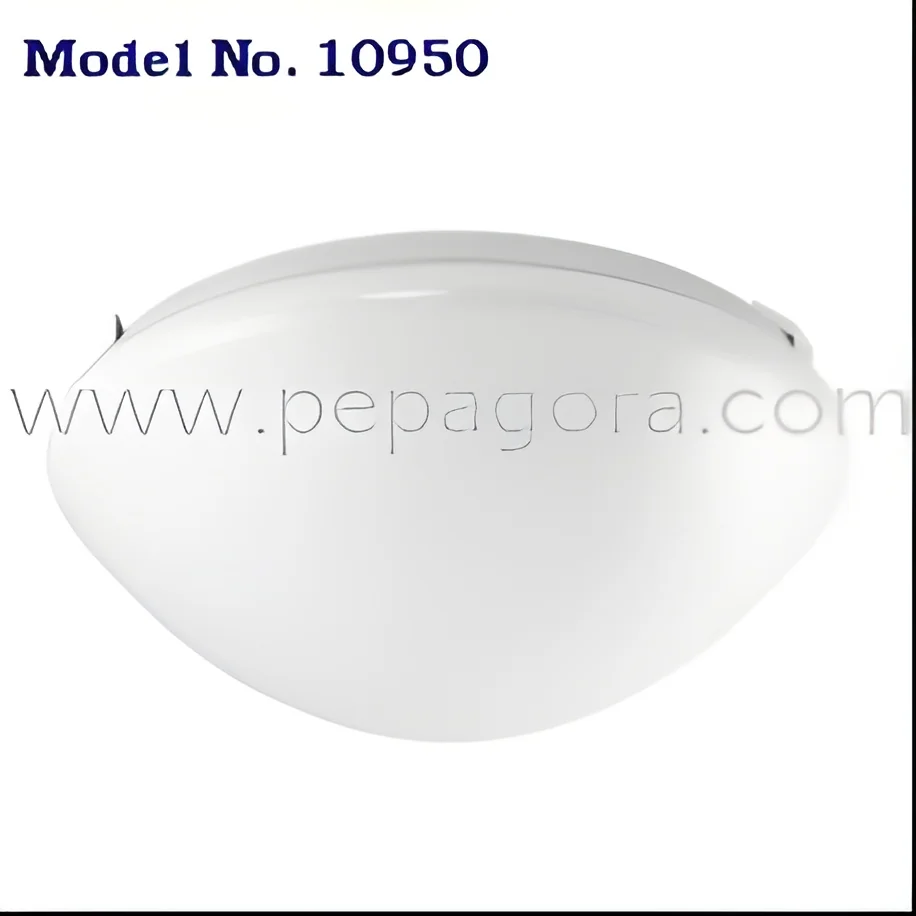
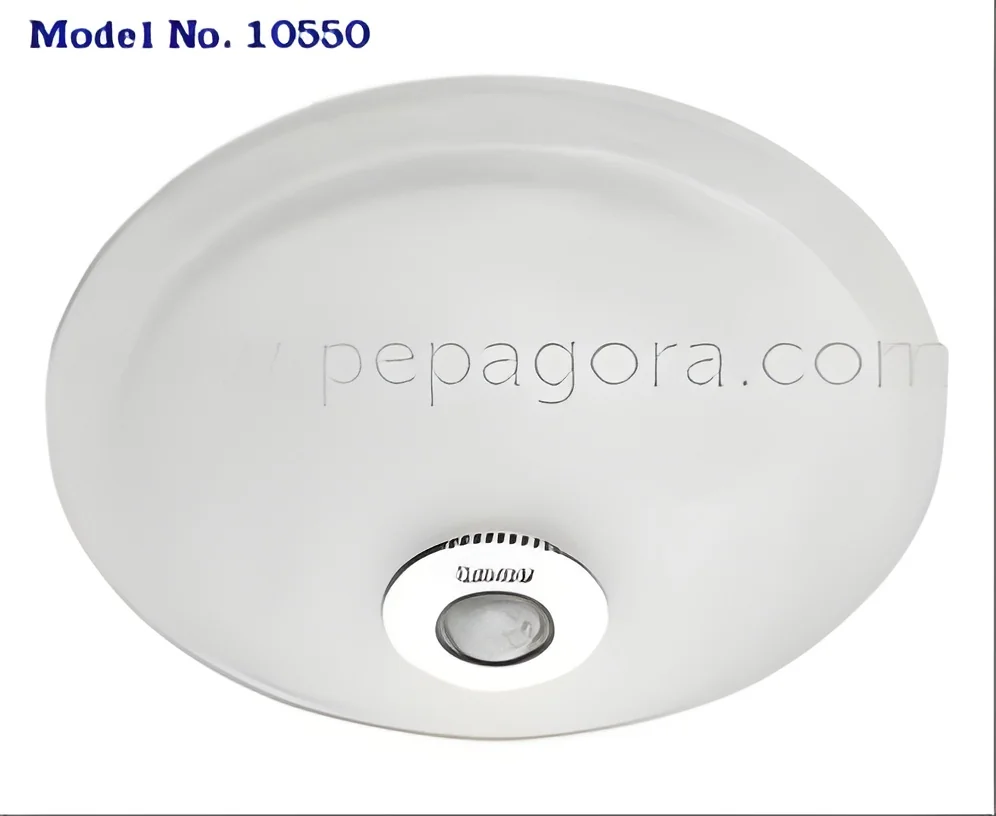
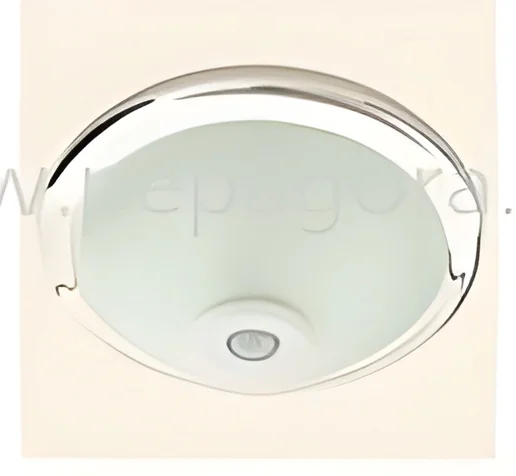
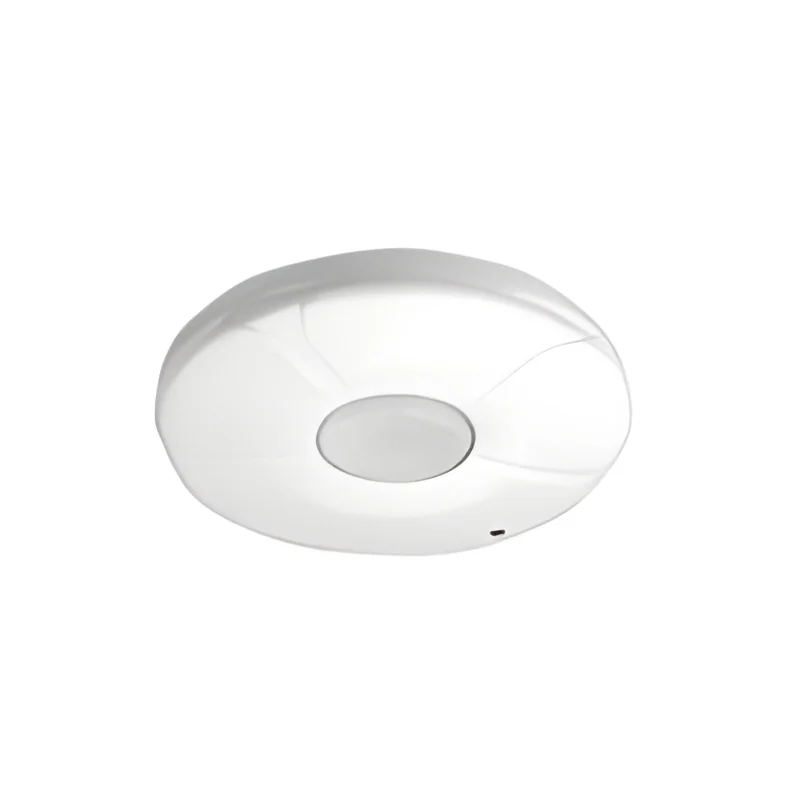
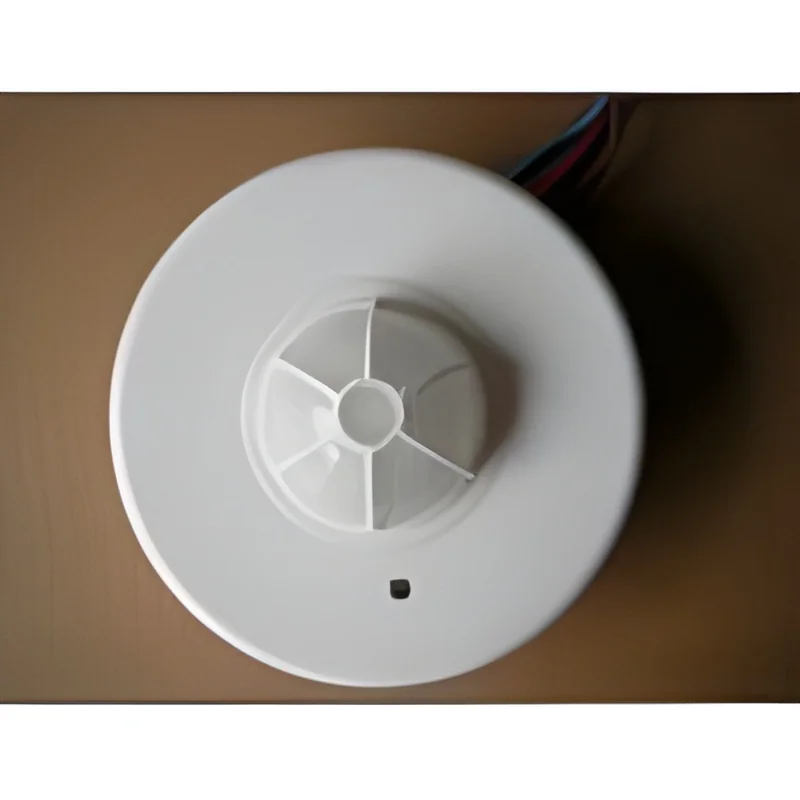
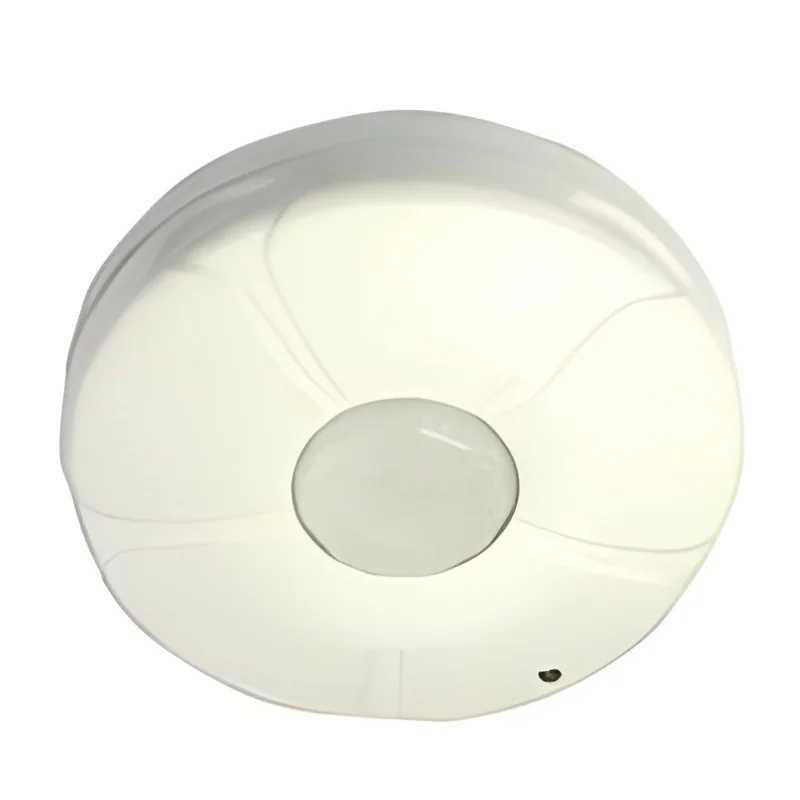
Ceiling-Mounted Sensors: Ideal for larger spaces, ceiling-mounted options provide broad coverage and are commonly used in warehouses and industrial settings. They typically have higher lumens output for increased visibility.
Portable Motion Sensors: These are versatile lighting solutions that can be easily moved to different locations. They are suitable for temporary setups or areas where fixed lighting is impractical.
Solar-Powered Motion Sensors: These eco-friendly options harness solar energy, making them perfect for outdoor use in remote areas without electrical access. They are cost-effective and reduce reliance on traditional power sources.
Benefits and Advantages
Automated motion sensor lighting offers numerous benefits to businesses.
1. Energy Efficiency: These systems significantly reduce energy consumption by only illuminating spaces when needed, leading to lower utility bills.
2. Enhanced Security: By providing lighting when movement is detected, they deter potential intruders and enhance safety in vulnerable areas.
3. Improved Convenience: Users enjoy the convenience of automatic lighting, which eliminates the need to manually turn lights on and off, particularly in high-traffic areas.
4. Long Lifespan: Many motion sensor lights utilize LED technology, which is known for its longevity, reducing the frequency and costs associated with replacements.
5. Adaptability: These systems can be easily integrated into existing infrastructure, making them suitable for various environments and industries.
6. User Customization: Many products allow users to adjust settings such as sensitivity and duration, catering to specific lighting needs.
Buying Guide for B2B Buyers
When sourcing automated motion sensor lighting, several key factors should be considered.
1. Quality Assessment: Buyers should evaluate products based on materials used and performance standards. Ensuring compliance with industry standards can prevent issues with durability and functionality.
2. Supplier Verification: It is crucial to vet suppliers by checking their reputation, experience, and customer reviews. Engaging with credible suppliers ensures reliability and quality.
3. Pricing and MOQ: Understanding the price range for these lighting solutions is essential, as well as the minimum order quantity (MOQ) that suppliers may require.
4. Delivery and Lead Times: Buyers should inquire about delivery schedules and lead times to ensure timely project completion. Efficient logistics can significantly impact overall project management.
5. Compliance Requirements: Assessing compliance with regional regulations and certifications, such as CE marking, ensures that products meet safety and performance standards.
Compliance and Certifications
Automated motion sensor lighting products must comply with various quality standards and certifications.
ISO 9001 is a standard that outlines quality management principles, ensuring products are consistently produced to meet customer and regulatory requirements. Manufacturers adhering to this standard demonstrate a commitment to quality and operational efficiency.
CE certification is essential for products marketed in the European Union. It indicates compliance with health, safety, and environmental protection standards. Ensuring that products carry this certification is critical for market acceptance.
Safety and testing requirements also play a significant role in product compliance. Manufacturers should conduct thorough testing to ensure their lighting systems perform safely under various environmental conditions.
Regional compliance considerations may vary, so it's important for businesses to understand specific requirements based on their location and target markets.
Why Source Automated Motion Sensor Lighting from Pepagora?
Pepagora provides a trusted platform for sourcing automated motion sensor lighting with several key advantages.
Verified Supplier Network: Pepagora features a network of verified suppliers committed to quality and reliability. Buyers can confidently source products knowing they meet industry standards.
Streamlined RFQ Process: The Request for Quotation (RFQ) system simplifies the procurement process. Buyers can easily compare prices and obtain quotes from multiple suppliers, ensuring they find the best value.
Trade Assurance and Support: Pepagora offers trade assurance to protect buyers from potential risks associated with transactions. This support fosters trust and confidence in the sourcing process.
Regional Coverage: With a focus on regions such as India, the GCC, and Southeast Asia, Pepagora ensures that buyers have access to a wide range of products and suppliers, catering to diverse business needs.

 IN
IN