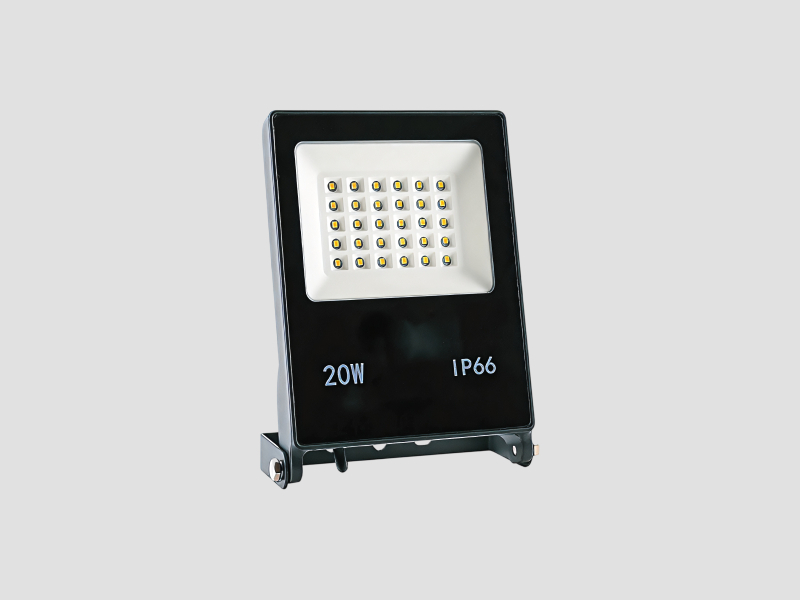
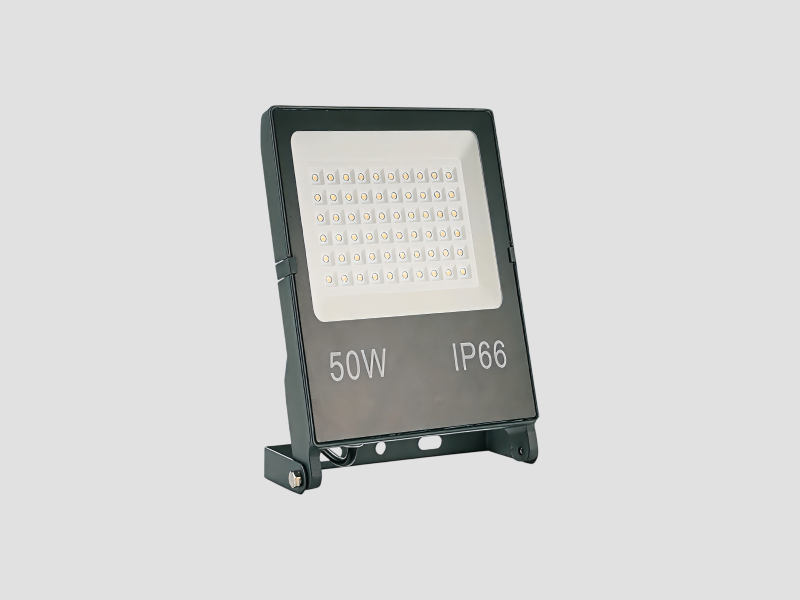
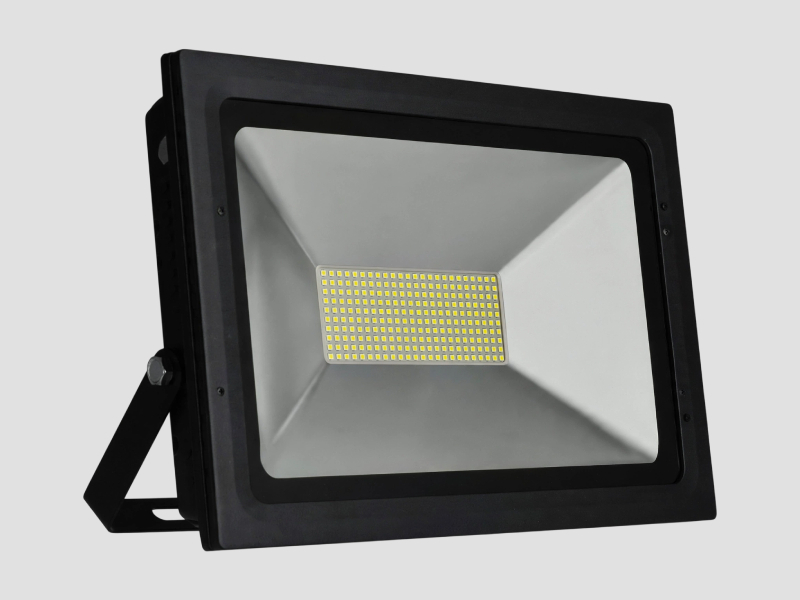
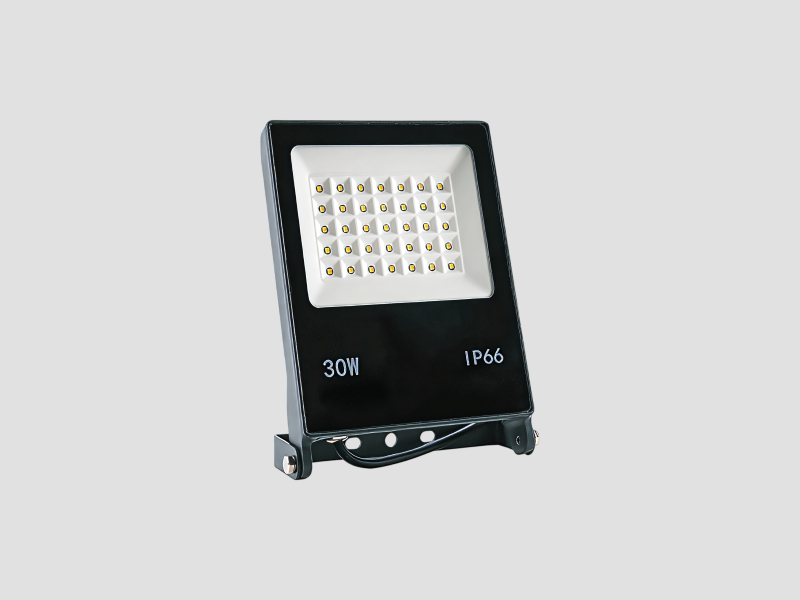
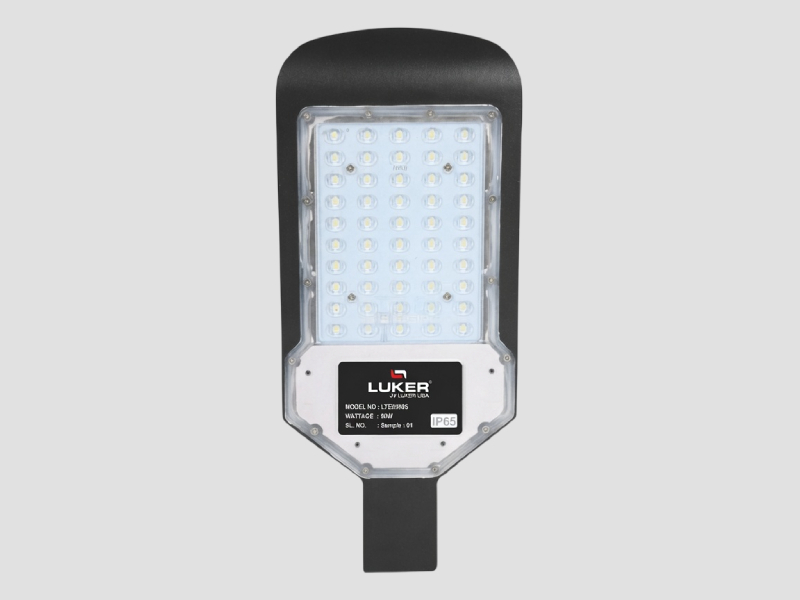
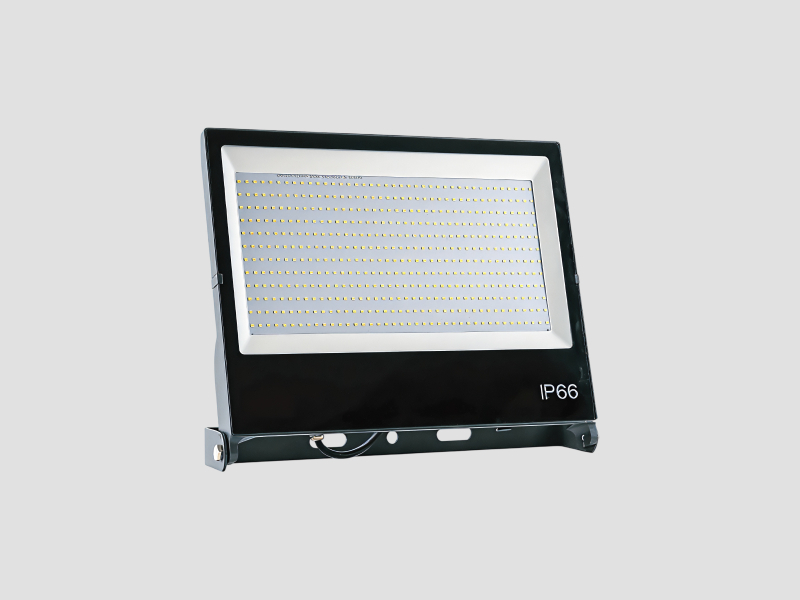
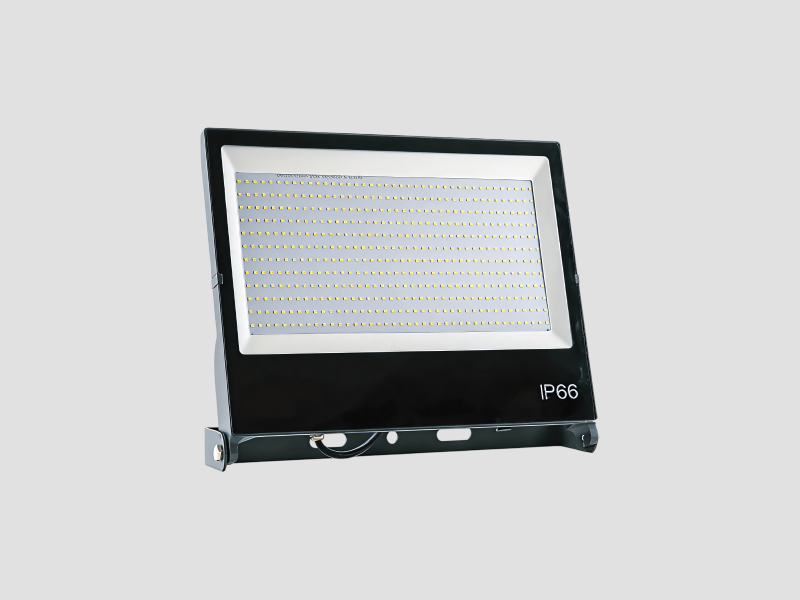
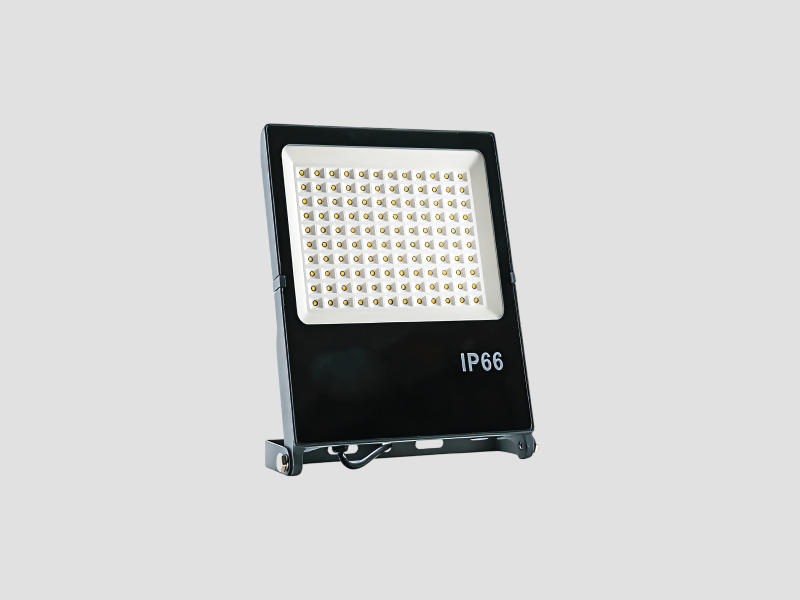
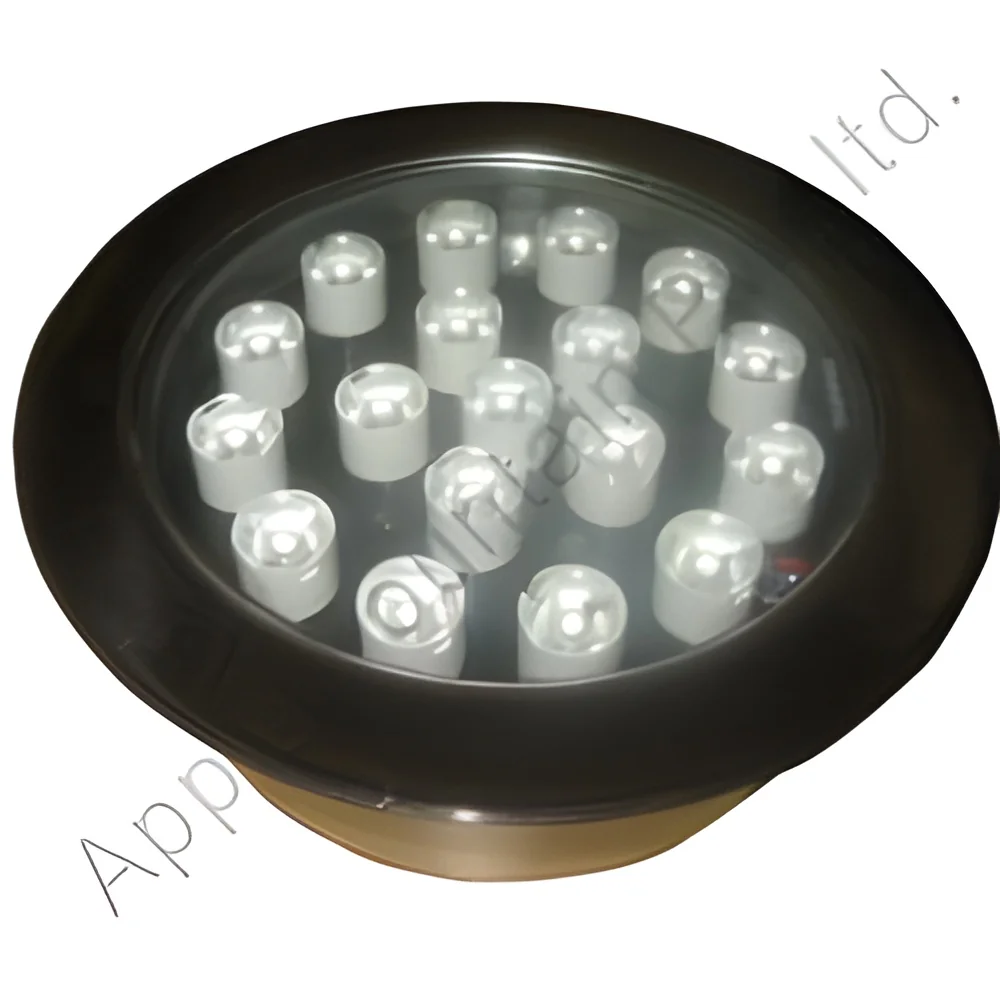
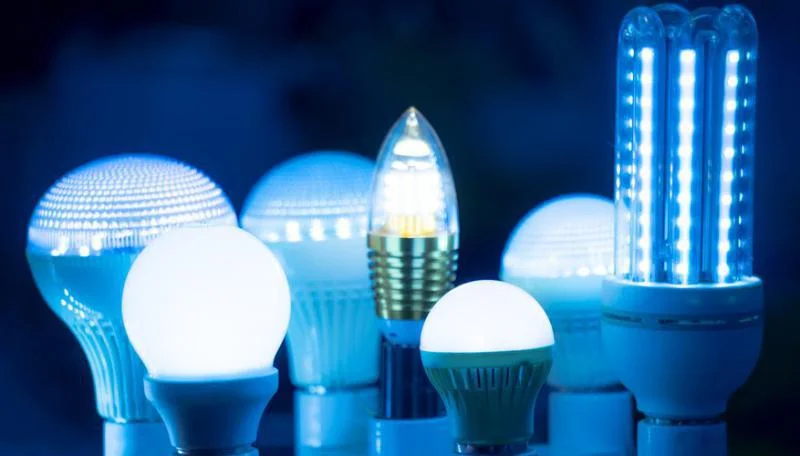
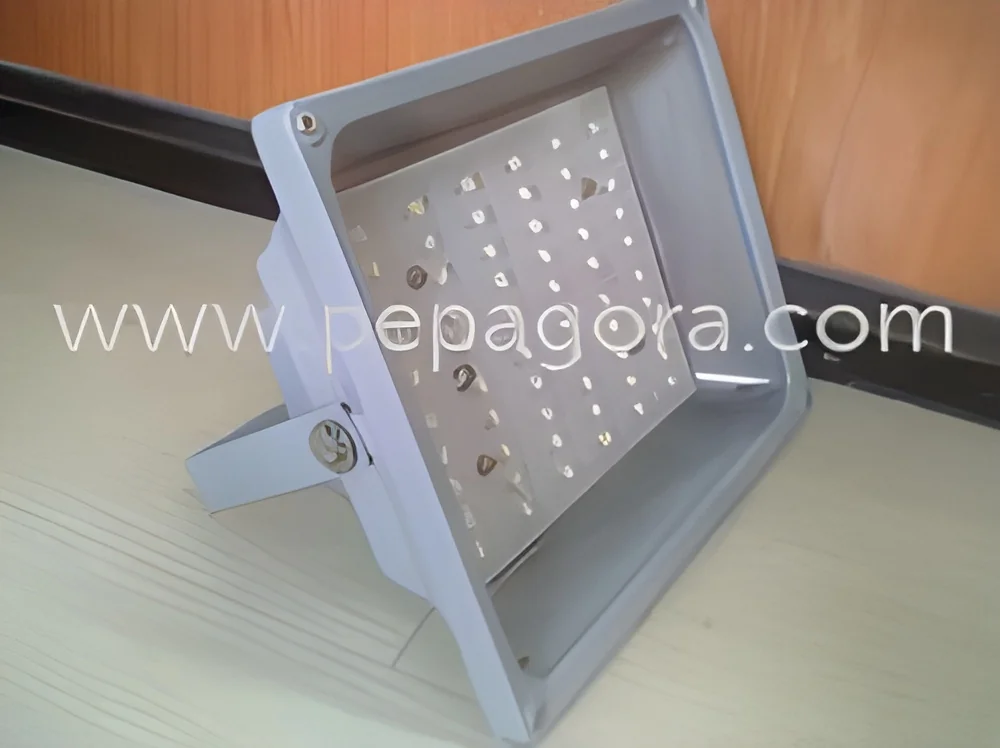
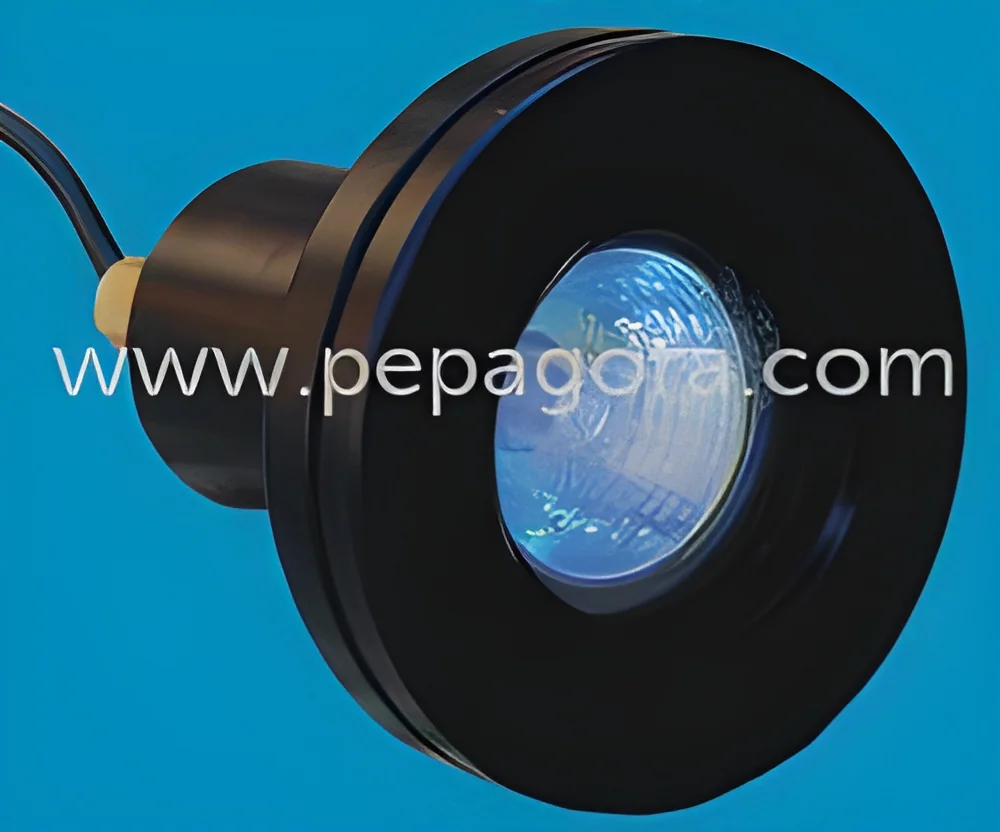
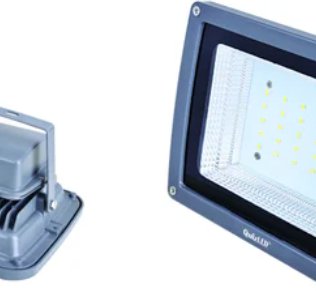
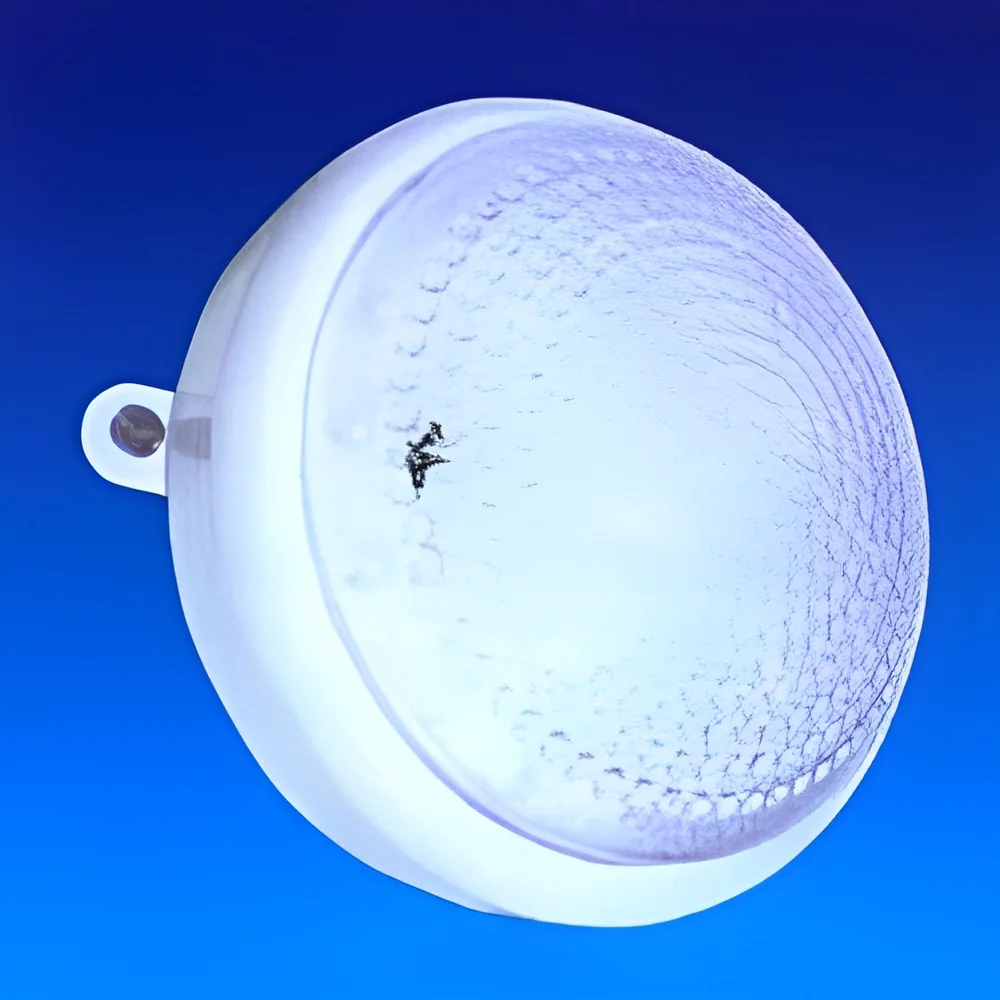
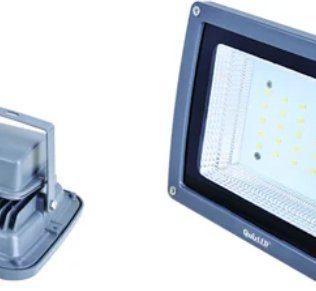
What are LED Flood Lights?
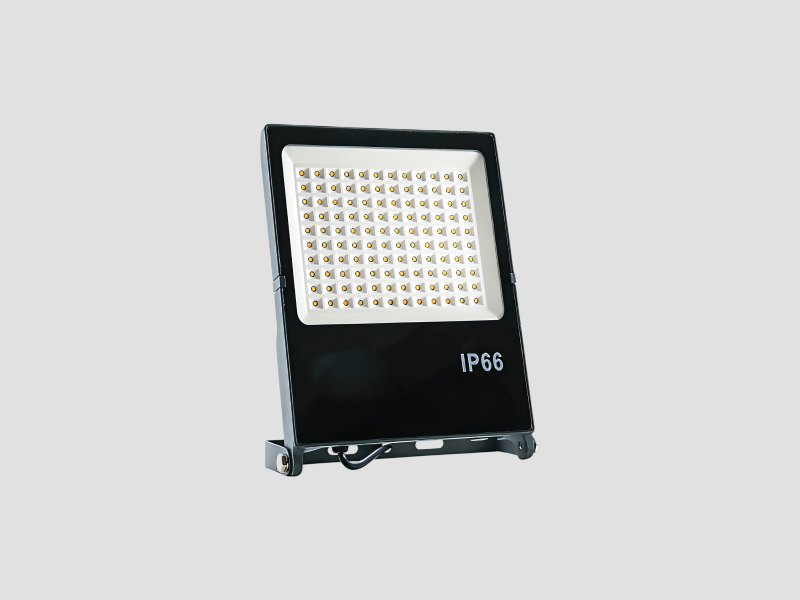
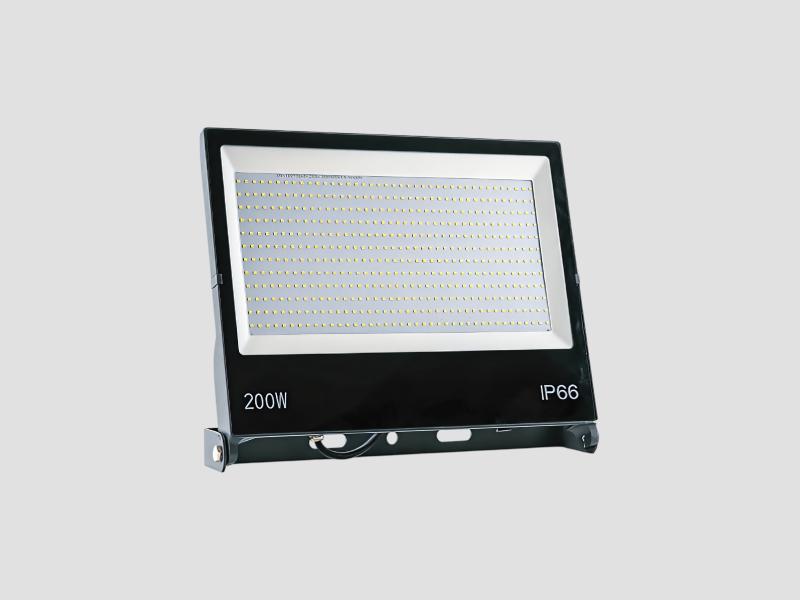
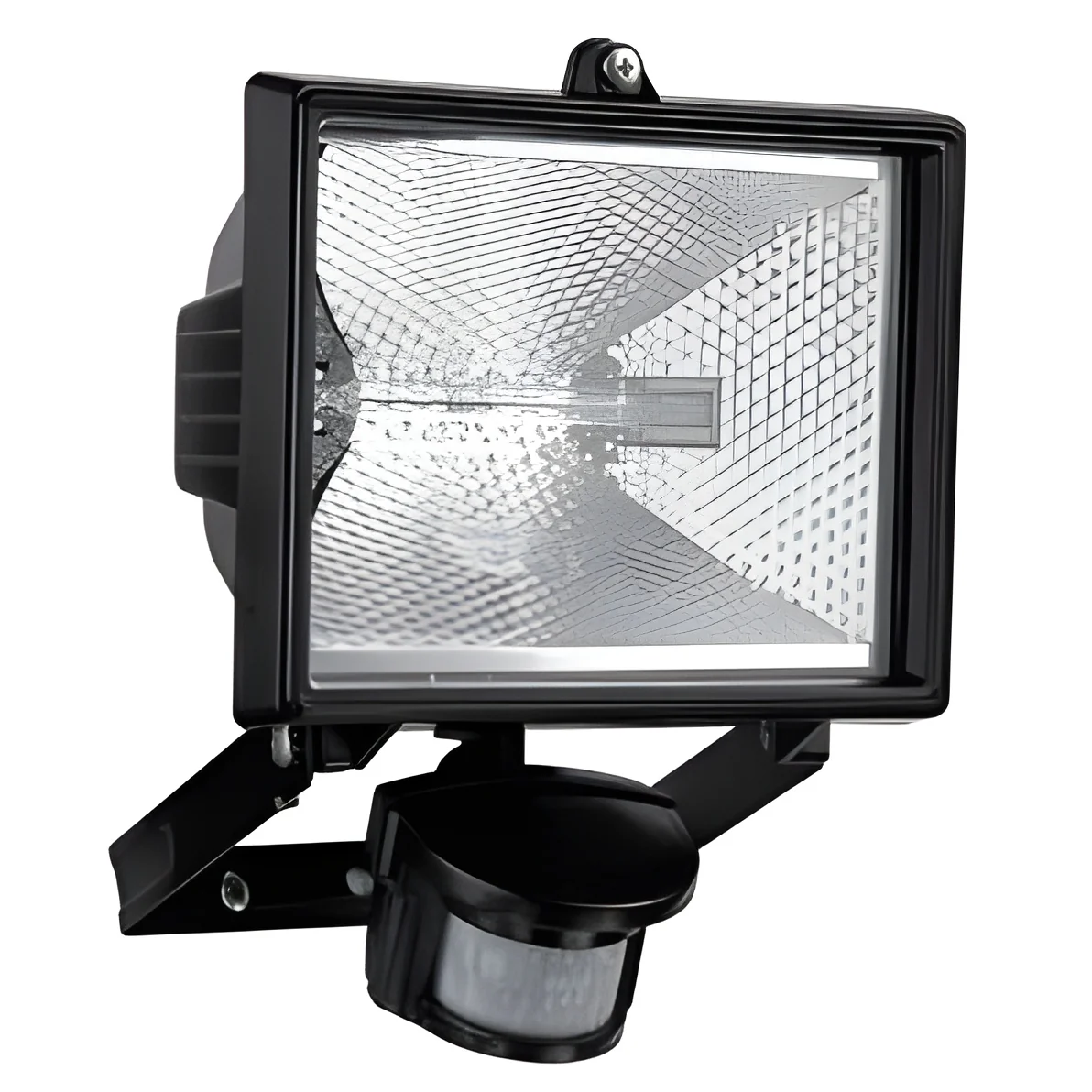
LED flood lights are versatile lighting solutions that provide broad illumination across a wide area. Utilizing light-emitting diode (LED) technology, these lights have become popular for their energy efficiency and long lifespan compared to traditional lighting options. LED flood lights are designed to withstand various environmental conditions, making them ideal for outdoor applications.
These lights are commonly used in commercial, industrial, and recreational settings. Businesses use LED flood lights for a variety of purposes, including enhancing security, illuminating construction sites, and providing lighting for sports facilities. Their ability to produce high-intensity light makes them suitable for large areas where clear visibility is crucial, such as parking lots and warehouses.
In the current market, LED flood lights are increasingly relevant due to the growing demand for energy-efficient lighting solutions. As industries focus on sustainability and cost-saving measures, LED technology presents an attractive option for reducing energy consumption and maintenance costs. The shift toward eco-friendly alternatives has driven the adoption of LED flood lights in various sectors.
Key Features and Specifications
LED flood lights come equipped with a range of features that enhance their functionality and efficiency. These features ensure that they meet the diverse needs of businesses across different industries. Understanding these specifications is vital for making informed purchasing decisions.
Key specifications include:
1. Luminous Output
- Measured in lumens, this indicates the amount of light produced.
- Ranges typically from 1,000 to 30,000 lumens depending on the model.
2. Wattage
- Indicates energy consumption, typically ranging from 50 to 400 watts.
- Lower wattage models are suitable for smaller areas, while higher wattage is ideal for extensive coverage.
3. Color Temperature
- Measured in Kelvin (K), it defines the hue of the light emitted.
- Common options are 3000K (warm white), 4000K (neutral), and 5000K (cool white).
4. Beam Angle
- The angle at which light is distributed, affecting coverage.
- Usually ranges from 60 to 120 degrees.
5. IP Rating
- Ingress Protection rating that indicates resistance to dust and moisture.
- Common ratings include IP65 for outdoor use.
6. Lifespan
- The expected operational life of LED flood lights, often exceeding 50,000 hours.
- This longevity reduces the frequency of replacements.
7. Voltage Range
- Typical voltage options include 120V, 240V, and 277V.
- Ensures compatibility with various electrical systems.
8. Certification
- Most LED flood lights come with certifications such as CE for quality assurance.
In summary, LED flood lights offer a wealth of features and specifications that can be tailored to meet specific business needs. Understanding these elements can help buyers choose the best lighting solution for their applications.
Common Applications and Use Cases
LED flood lights have a wide array of applications across different industries, making them a valuable asset for many businesses.
1. Retail: Retailers use LED flood lights for exterior lighting to enhance visibility and security around storefronts, attracting customers during nighttime hours.
2. Construction: In construction sites, these lights provide essential illumination for night work, ensuring safety and efficiency for workers.
3. Sports Facilities: Stadiums and sports fields utilize LED flood lights to illuminate playing areas, allowing for nighttime games and events.
4. Warehousing: Warehouses deploy LED flood lights for both interior and exterior lighting, improving safety and operational efficiency.
5. Parking Lots: These lights are vital for illuminating parking areas, deterring crime, and enhancing safety for pedestrians.
6. Event Venues: Event organizers use LED flood lights to create vibrant environments for outdoor gatherings, concerts, and festivals.
7. Industrial Sites: Factories and manufacturing plants rely on LED flood lights for safety and visibility in large workspaces.
Product Variants and Subcategories
While specific product variants may not be available, LED flood lights can be categorized based on their design and functionality.
Standard LED Flood Lights
These are the most common type, offering a balance of performance and affordability. They are suitable for general outdoor lighting needs across various applications.
Smart LED Flood Lights
These flood lights incorporate smart technology, allowing for remote control and automation. They are ideal for users looking to integrate lighting solutions with smart home or business systems.
Adjustable LED Flood Lights
These variants allow users to direct light precisely where needed. They are beneficial in scenarios where flexibility in lighting direction is required.
Solar LED Flood Lights
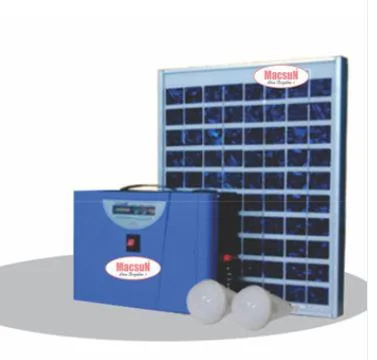
These environmentally friendly options harness solar energy, making them perfect for locations without access to electrical power. They are used in remote areas and for temporary installations.
Benefits and Advantages
LED flood lights provide numerous advantages that make them a preferred choice for businesses.
1. Energy Efficiency: LED flood lights consume significantly less energy than traditional lighting, leading to reduced electricity costs.
2. Long Lifespan: With lifespans often exceeding 50,000 hours, these lights require minimal maintenance and replacement, saving time and resources.
3. Bright Illumination: They produce high-intensity light that enhances visibility, crucial for security and operational efficiency.
4. Environmentally Friendly: LED technology produces less heat and contains no hazardous materials, making them a safer option for the environment.
5. Versatility: Available in various designs and specifications, LED flood lights can be tailored for a wide range of applications.
6. Quick Installation: Many models are designed for easy installation, allowing for rapid deployment in various settings.
Buying Guide for B2B Buyers
When sourcing LED flood lights for business applications, it is essential to consider several factors to ensure a successful purchase.
1. Quality Assessment: Evaluate the quality of materials and manufacturing processes. Look for products that comply with industry standards to ensure longevity and reliability.
2. Supplier Verification: Vet potential suppliers by checking their reputation and certifications. Reliable suppliers often provide detailed product information and support.
3. Pricing and MOQ: Understand the pricing structure and minimum order quantities. This helps in budgeting and ensures that you get the best value for your investment.
4. Delivery and Lead Times: Discuss logistics with suppliers to understand lead times for delivery. Timely delivery is crucial for project planning and execution.
5. Compliance Requirements: Be aware of any regulatory standards that may apply, such as CE certification. Ensuring compliance prevents potential legal issues and enhances safety.
Compliance and Certifications
LED flood lights are subject to various compliance and certification requirements that ensure their quality and safety in operation.
Quality standards such as ISO 9001 focus on maintaining quality management systems in manufacturing. These standards help ensure that products are consistently produced to meet customer expectations.
Certification bodies, such as CE, verify that products meet European safety, health, and environmental protection standards. This is particularly important for businesses operating in regulated markets.
Safety and testing requirements also encompass aspects like electrical safety and durability. Manufacturers must conduct rigorous testing to ensure their products can withstand different environmental conditions.
Regional compliance considerations may vary based on local regulations. Businesses should familiarize themselves with these requirements to ensure their products meet all necessary legal standards.
Why Source LED Flood Lights from Pepagora?
Pepagora offers a reliable platform for sourcing LED flood lights, providing several key advantages for businesses.
Verified Supplier Network: Pepagora connects buyers with a network of verified suppliers. This network ensures that buyers can trust the quality and reliability of the products they purchase.
Streamlined RFQ Process: The platform simplifies the request for quotation process, allowing businesses to quickly obtain competitive prices from multiple suppliers. This efficiency saves time and effort in sourcing.
Trade Assurance and Support: Pepagora provides trade assurance, protecting buyers throughout the purchasing process. This support includes assistance with disputes and ensuring timely delivery.
Regional Coverage: With a focus on markets like India, the GCC, and Southeast Asia, Pepagora offers extensive geographic reach, making it easier for businesses to find suitable suppliers in their regions.

 IN
IN