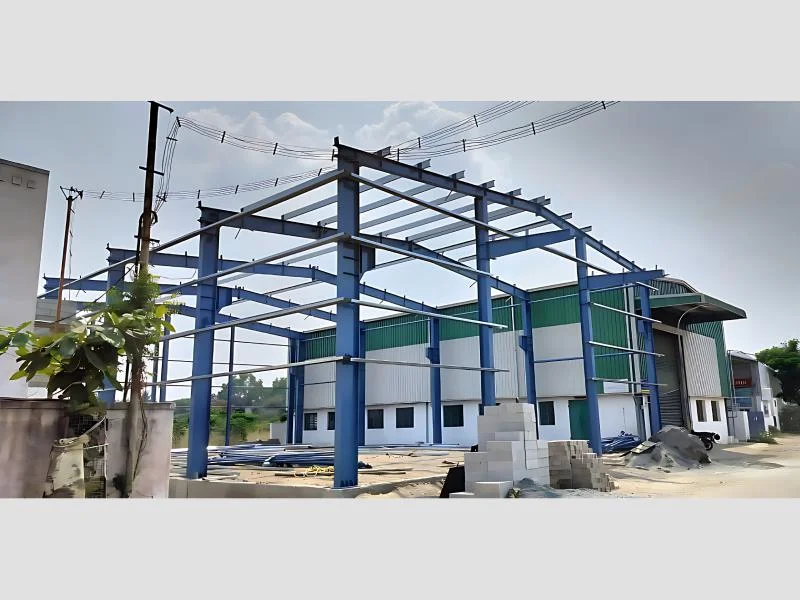
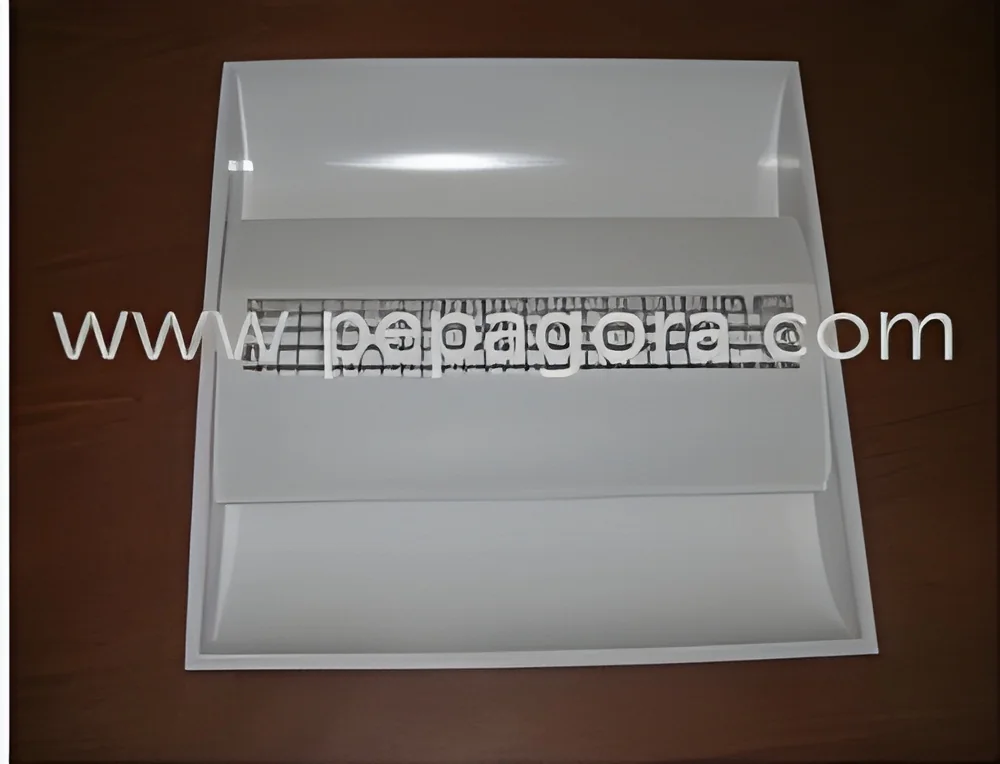
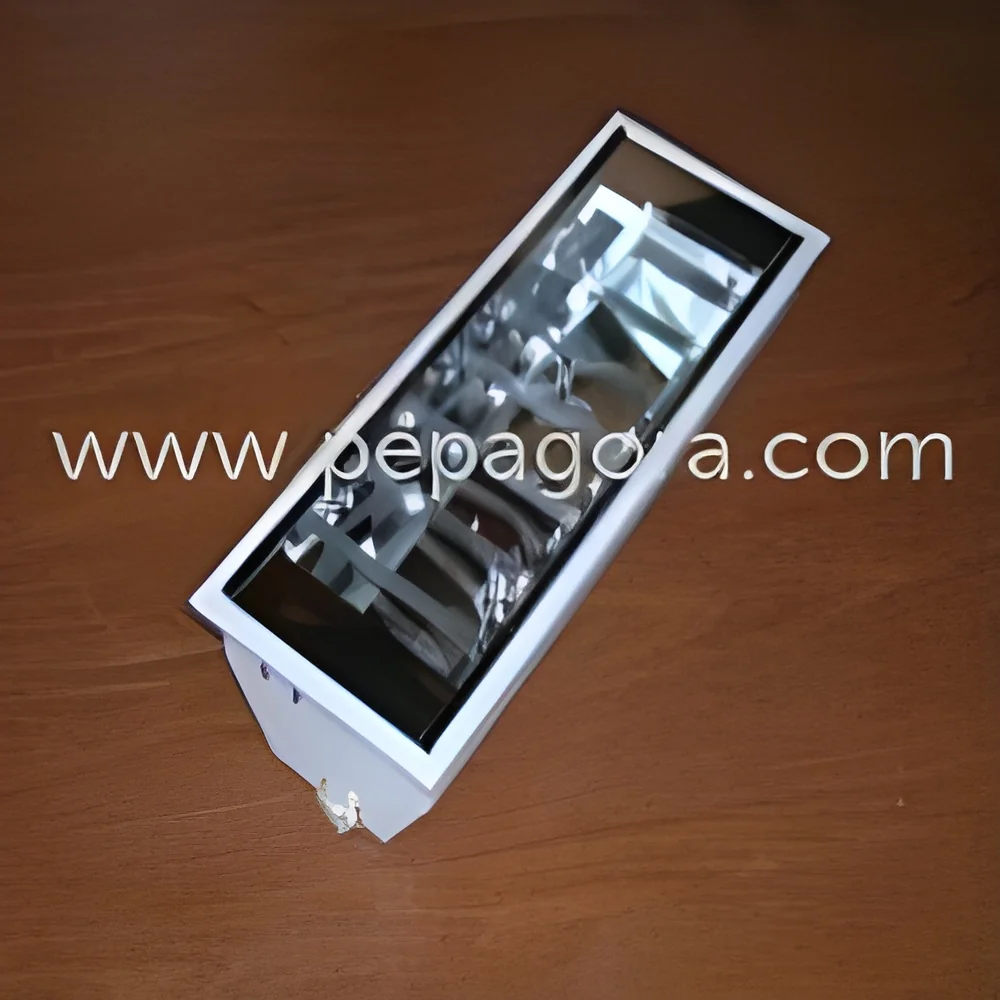
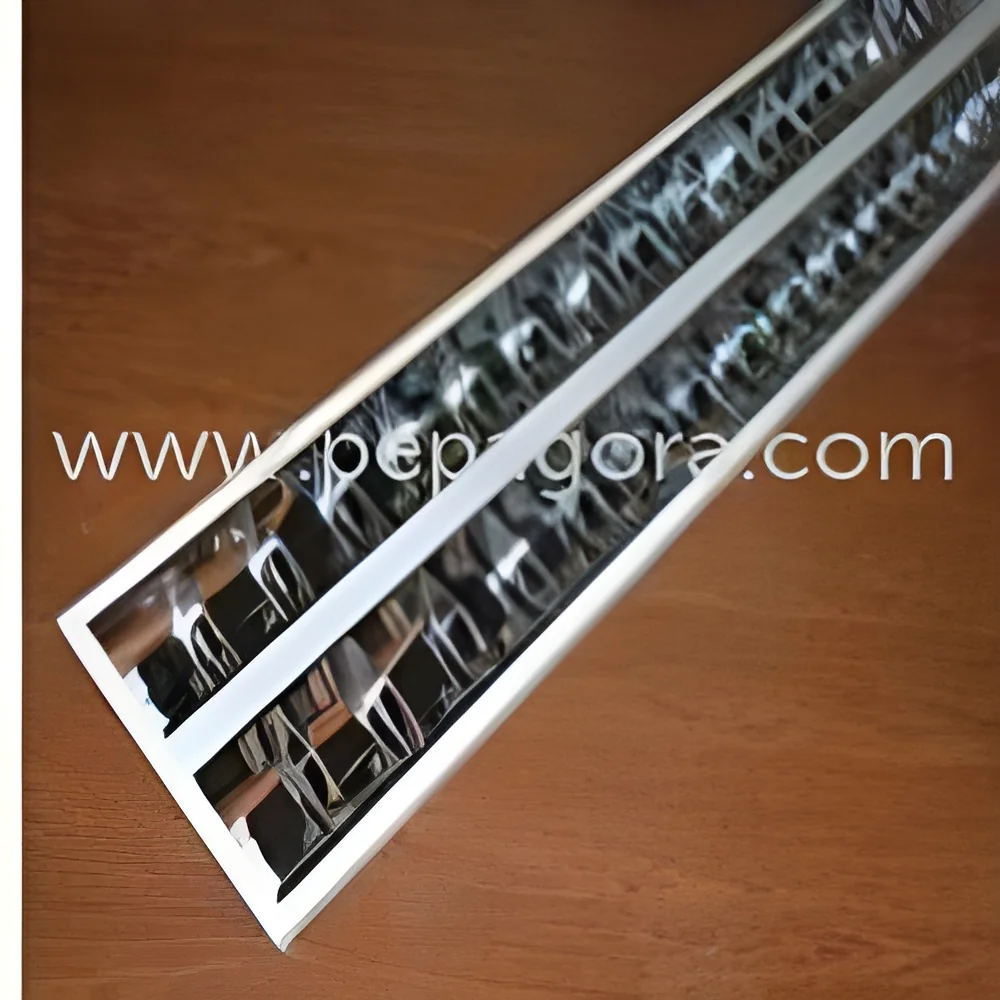
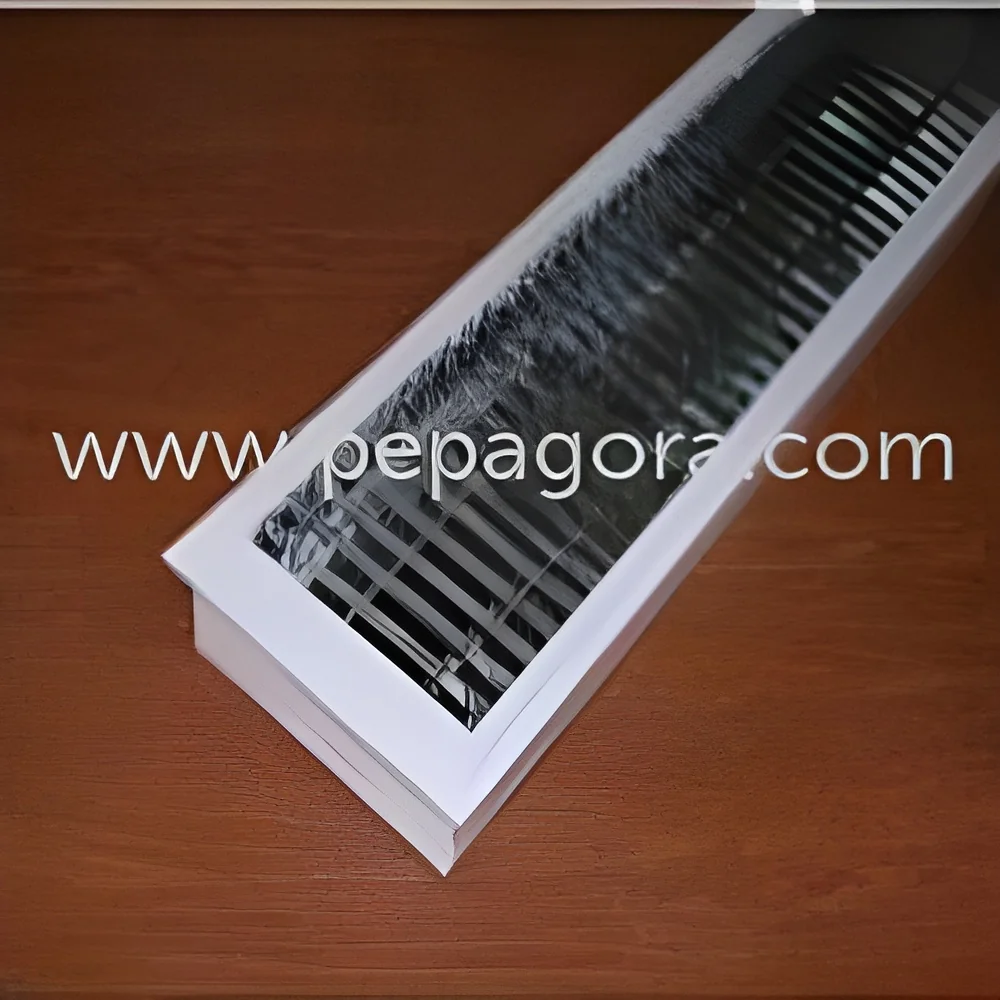
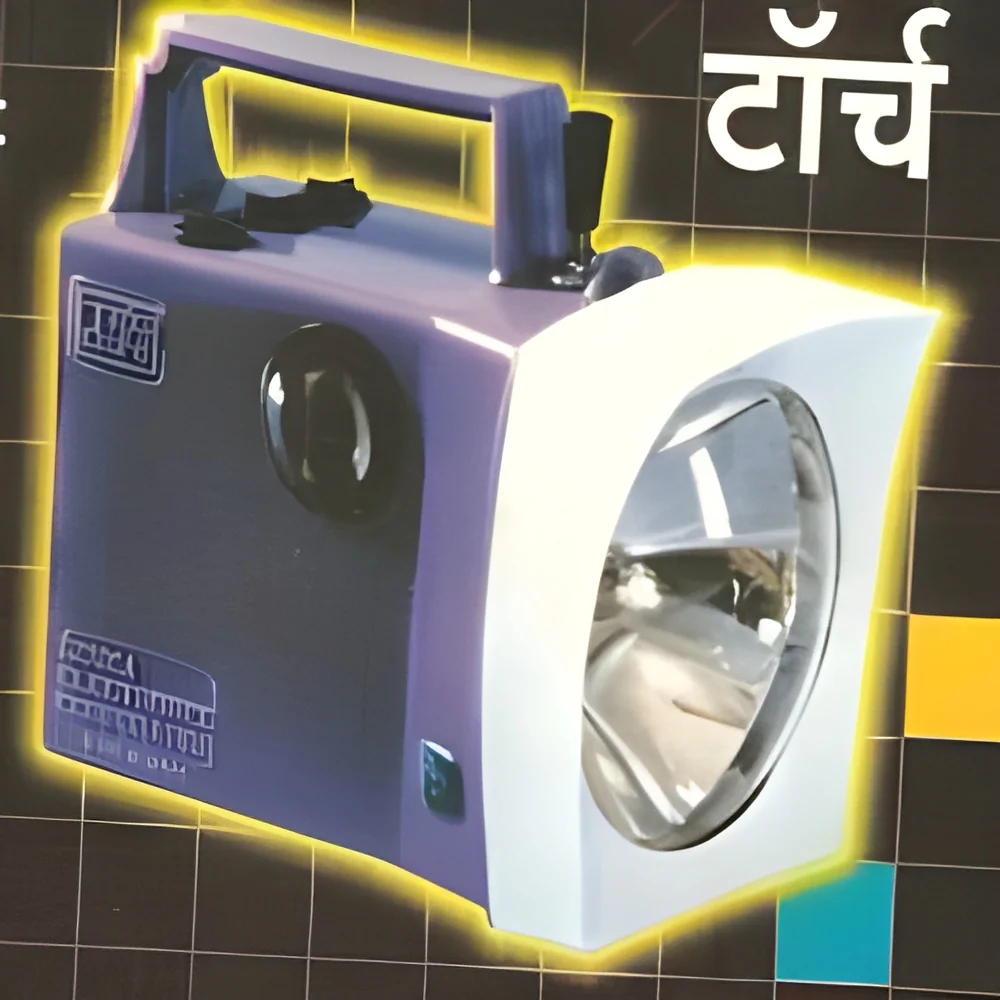
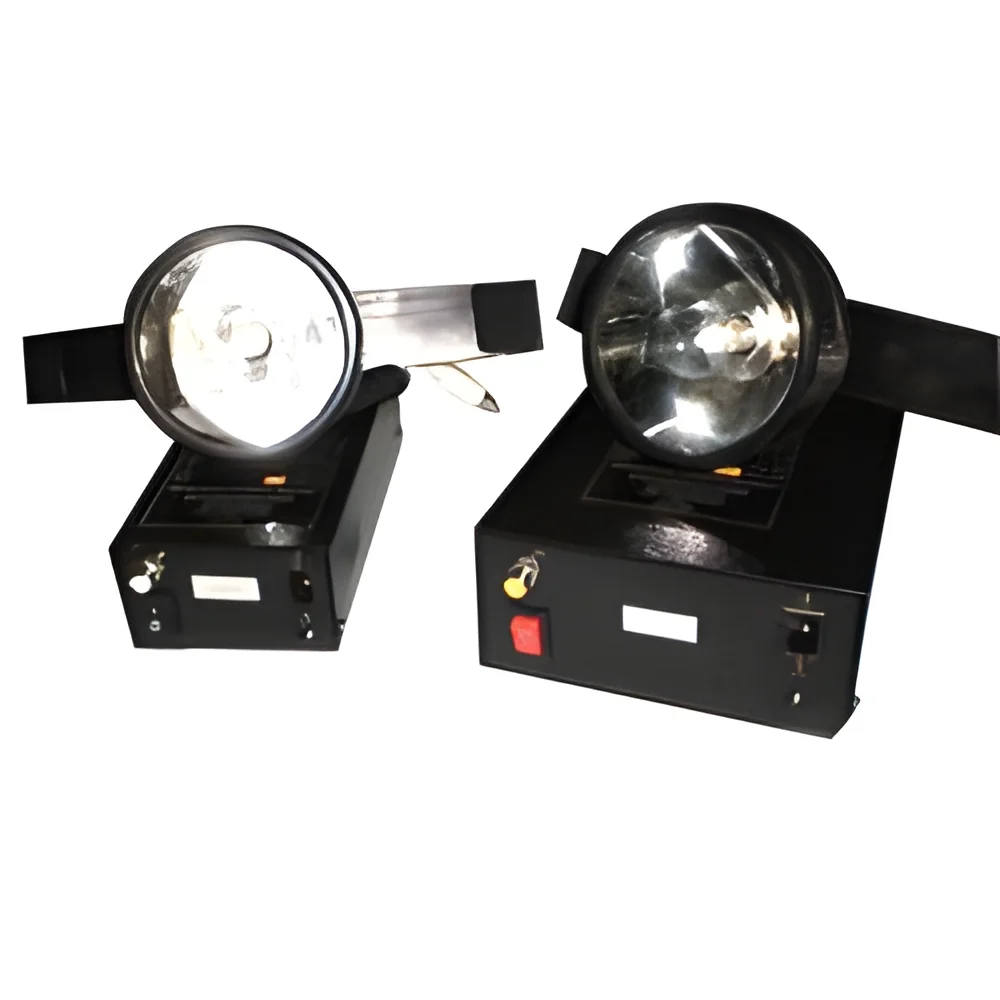
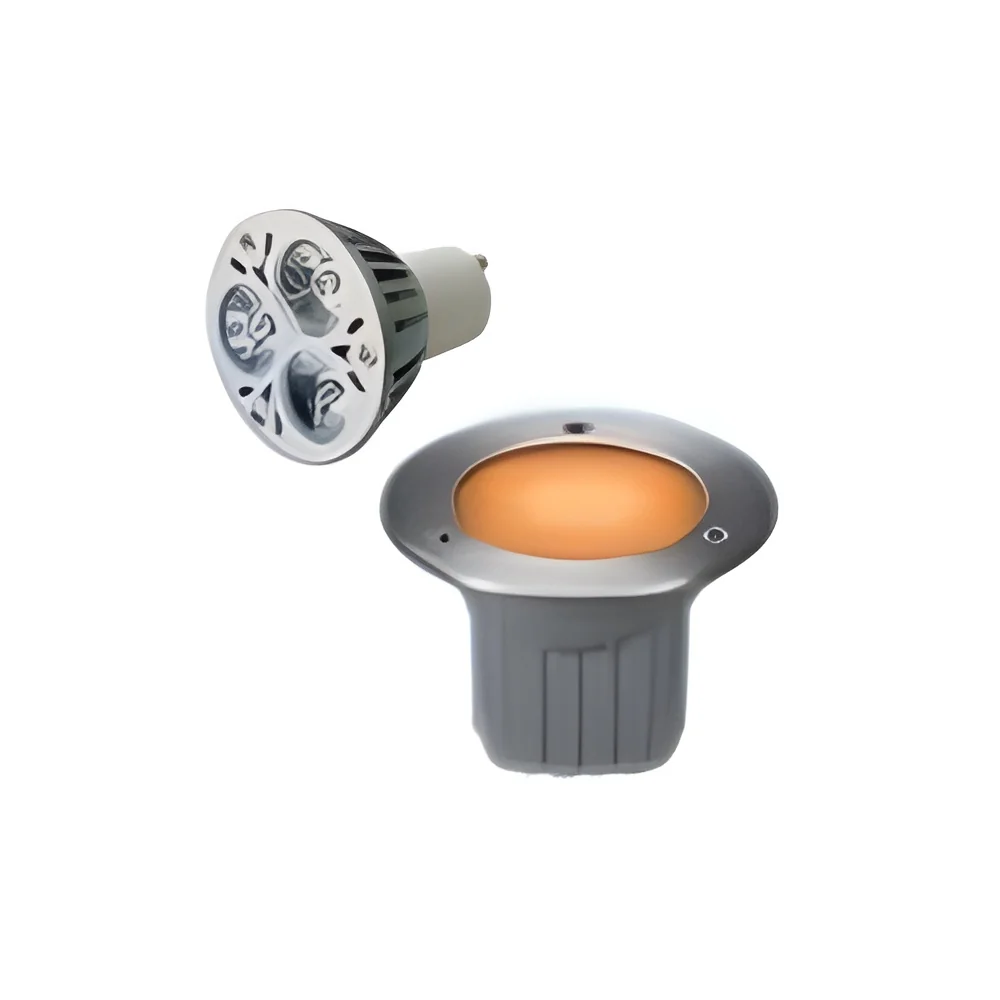
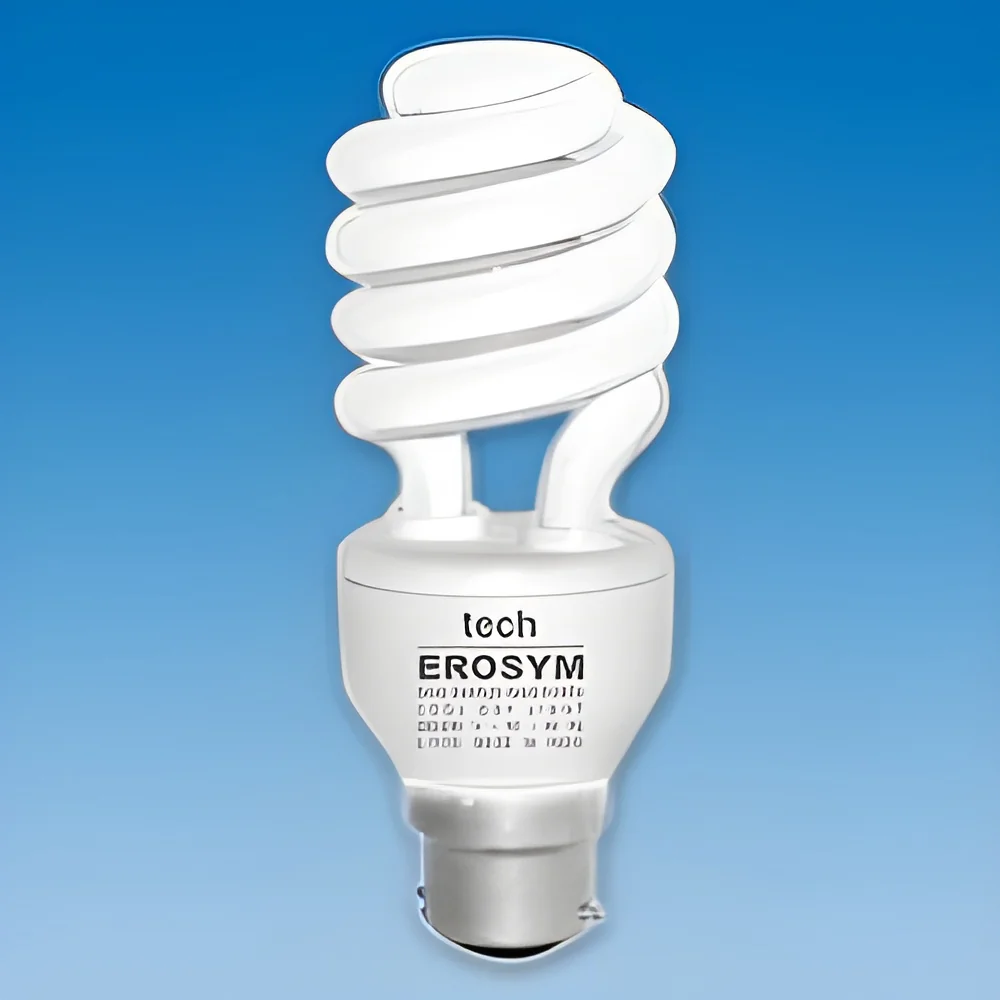
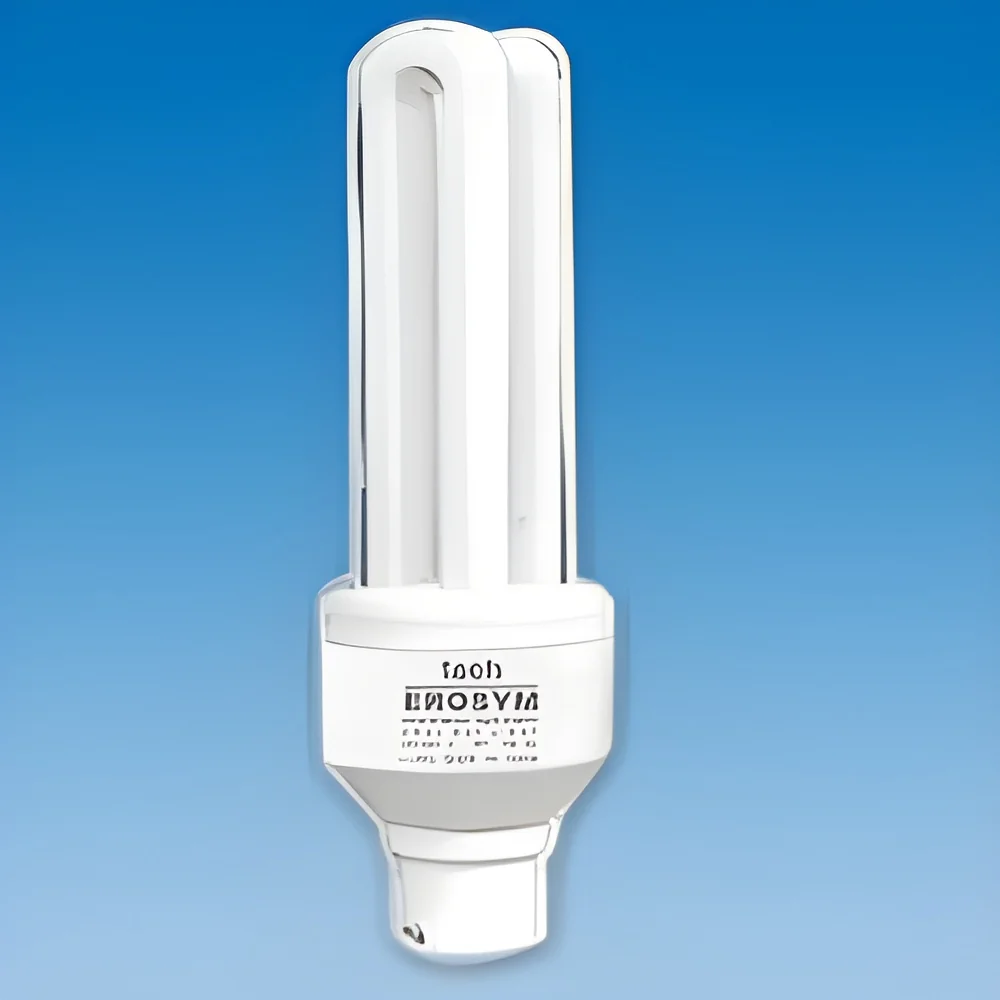
What are Warehouse & Workshop Lighting?
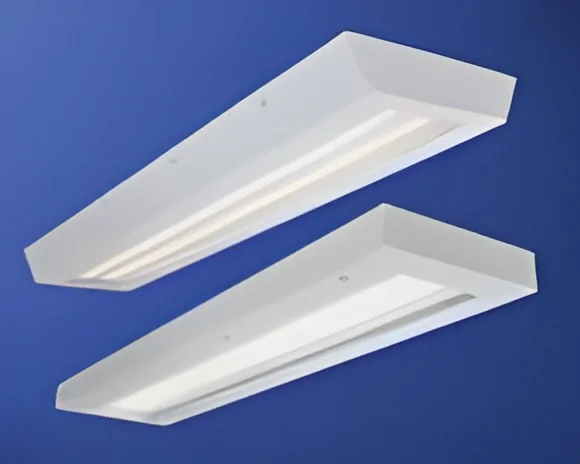
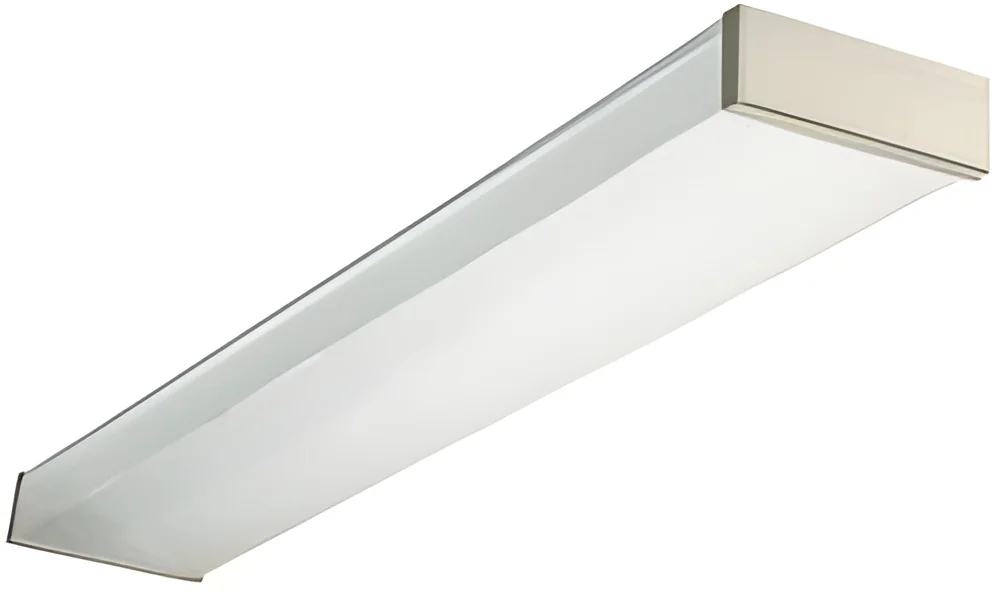
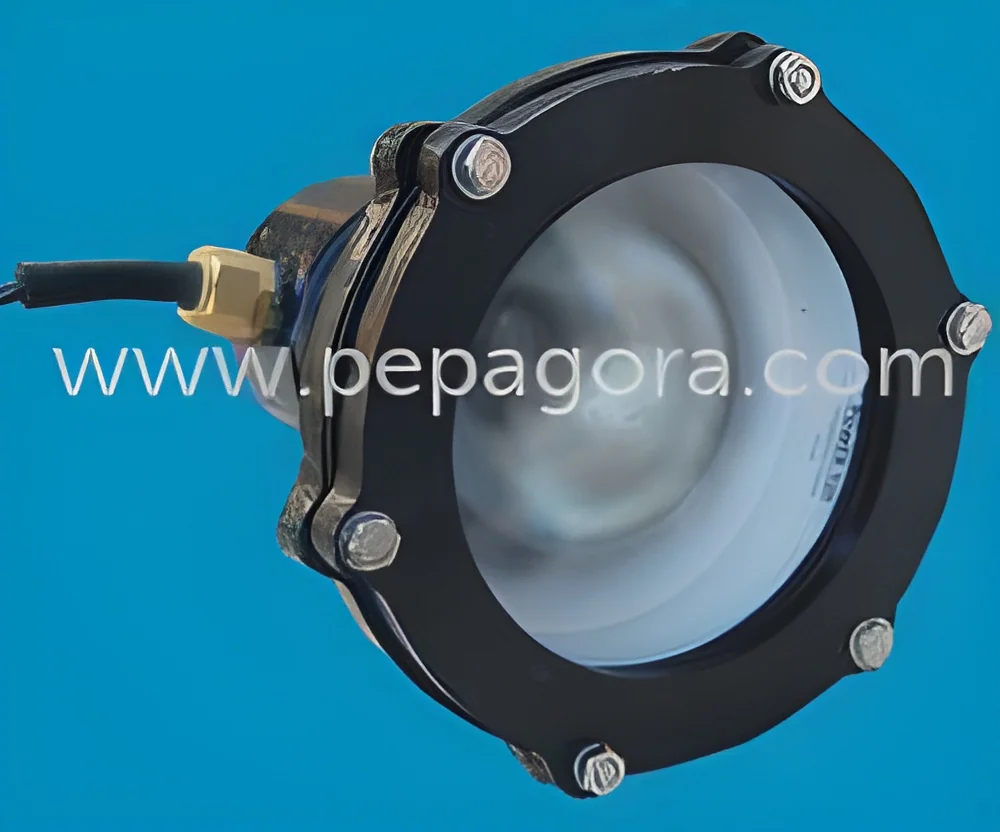
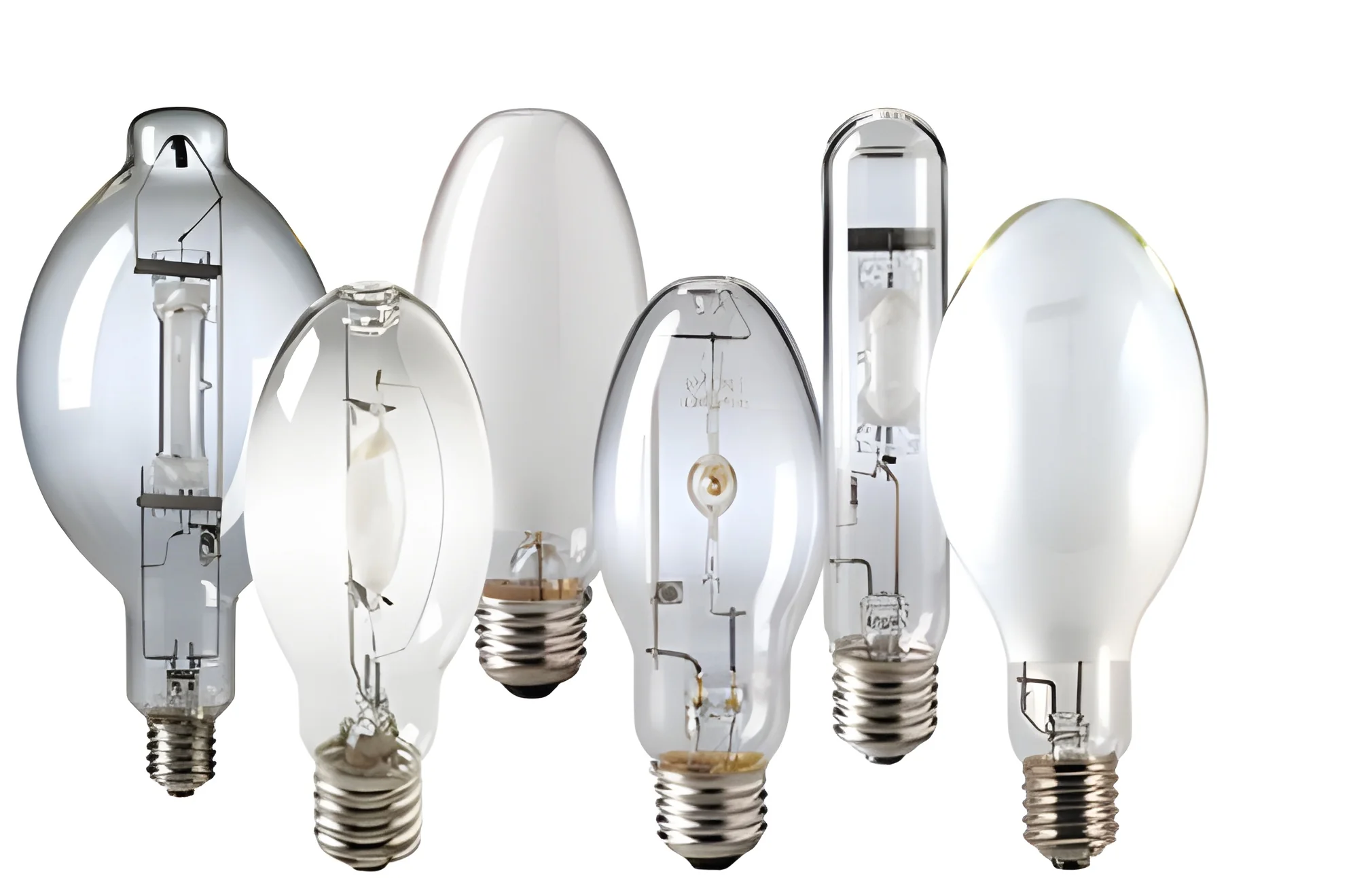
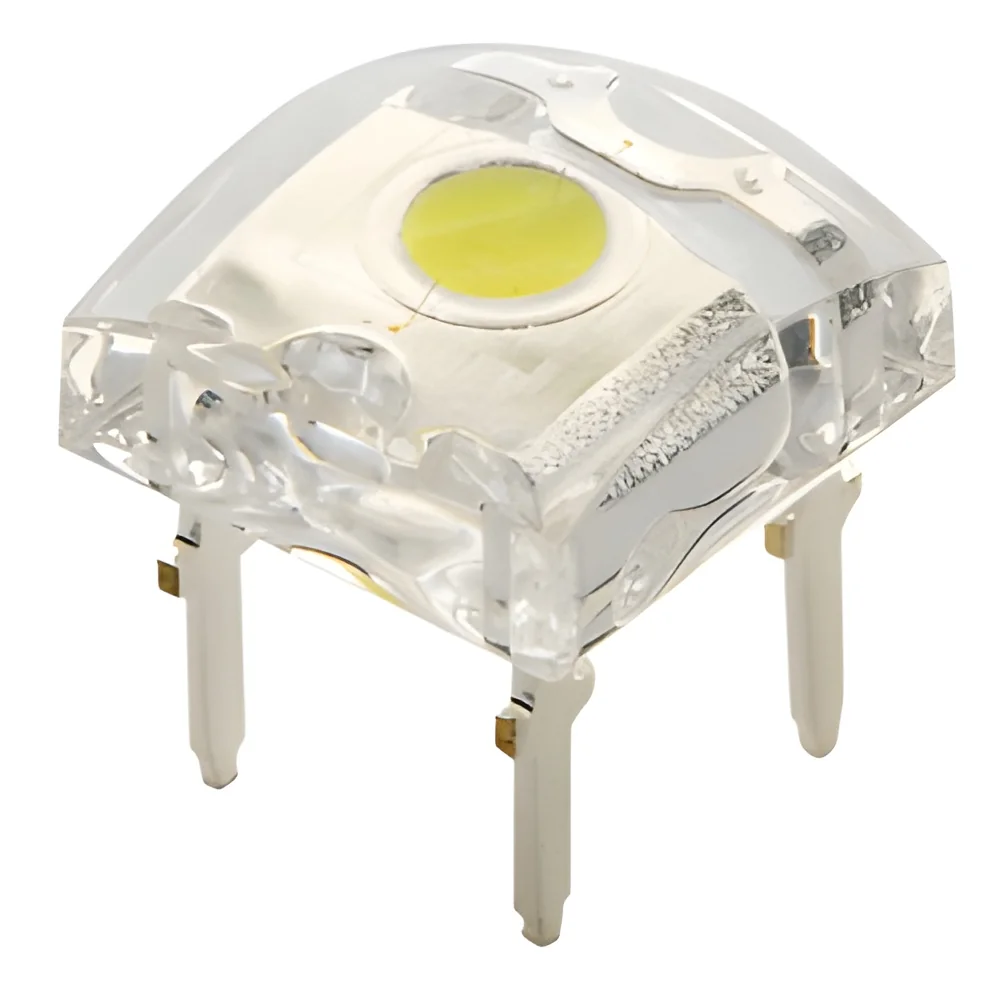
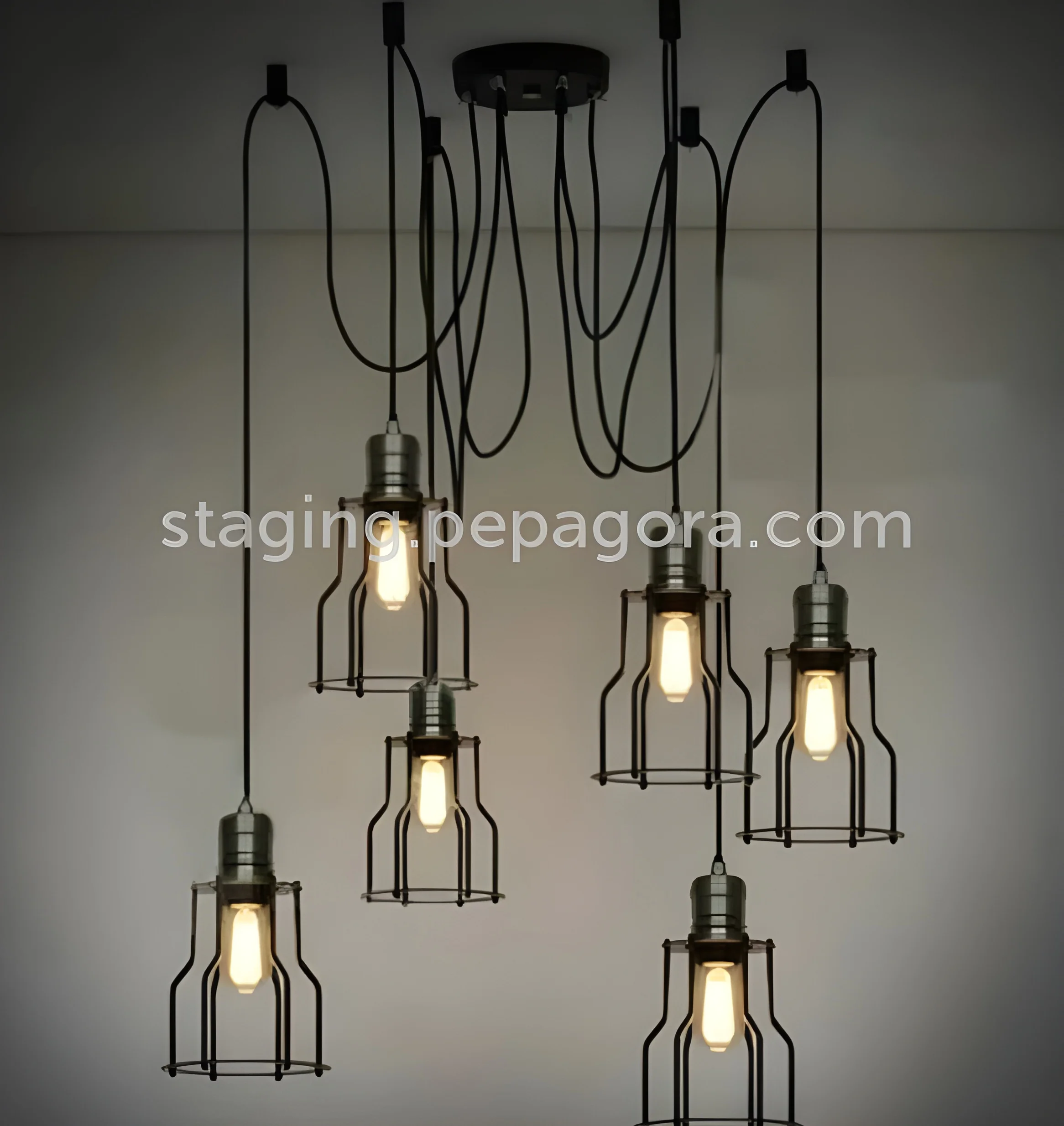
Warehouse and workshop lighting refers to the specialized lighting solutions designed to illuminate large industrial spaces such as warehouses, factories, and workshops. These lighting systems provide adequate visibility for various tasks, ensuring safety and efficiency in operations. The goal is to create a well-lit environment that enhances productivity while addressing the unique requirements of industrial settings.
These lighting solutions are primarily used in environments where high ceilings and expansive areas are common. They cater to a variety of applications, including assembly lines, storage areas, and maintenance workshops. Proper lighting is crucial in these settings to minimize accidents, improve worker morale, and maintain an efficient workflow. The increasing emphasis on safety regulations and energy efficiency has driven the demand for advanced lighting technologies in the industrial sector.
As industries evolve, the relevance of warehouse and workshop lighting continues to grow. With advancements in LED technology and smart lighting systems, businesses are now able to achieve greater energy savings and reduced operational costs. The market for industrial lighting is expected to expand as companies seek innovative solutions to meet both regulatory standards and operational needs.
Key Features and Specifications
Warehouse and workshop lighting systems come with a variety of features that cater to the specific demands of industrial environments. Understanding these specifications is crucial for businesses looking to invest in effective lighting solutions.
Key specifications include:
1. Lumen Output
- Measures the total amount of visible light emitted.
- Typical range: 4,000 to 50,000 lumens, depending on the application.
2. Energy Efficiency
- Indicates the amount of light produced per watt of energy consumed.
- Common efficiency ratings: 80-150 lumens per watt.
3. Color Temperature
- Refers to the hue of the light produced, measured in Kelvin (K).
- Common ranges: 3000K (warm white) to 6500K (daylight).
4. Lifespan
- The expected operational life of the lighting system.
- Typical lifespan for LED fixtures: 25,000 to 50,000 hours.
5. IP Rating
- Indicates the level of protection against dust and moisture.
- Common ratings: IP65 (dust-tight and water-resistant) to IP68 (submersible).
6. Mounting Options
- Refers to how the lighting fixtures can be installed.
- Options include ceiling-mounted, pendant, and wall-mounted.
7. Dimming Capability
- The ability to adjust brightness levels.
- Many modern systems offer 0-10V dimming or smart controls.
8. Certifications
- Indicates compliance with safety and performance standards.
- Common certification: CE marking for European markets.
These specifications help businesses select the right lighting solutions that align with their operational needs and safety standards.
Common Applications and Use Cases
Warehouse and workshop lighting serves a wide range of industries, each with unique lighting requirements.
1. Manufacturing: In manufacturing facilities, proper lighting is essential for assembly lines and quality control processes. Adequate illumination reduces errors and increases production efficiency.
2. Distribution Centers: Distribution centers require bright, uniform lighting to facilitate safe movement and handling of goods. Proper lighting minimizes the risk of accidents during operations.
3. Automotive: Automotive workshops benefit from focused lighting that allows technicians to see intricate details when repairing vehicles. This enhances accuracy and safety.
4. Retail: Warehouses supporting retail operations need effective lighting to ensure products are easily visible, enhancing the shopping experience for customers.
5. Food Processing: In food processing plants, lighting must meet stringent health and safety standards. Proper illumination helps maintain hygiene and quality control.
6. Logistics: Logistics companies rely on well-lit environments for sorting and loading operations. Effective lighting ensures efficiency and safety in high-traffic areas.
7. Construction: Construction sites require robust lighting solutions that can withstand harsh conditions. Proper lighting is vital for worker safety during night shifts or poor weather.
Product Variants and Subcategories
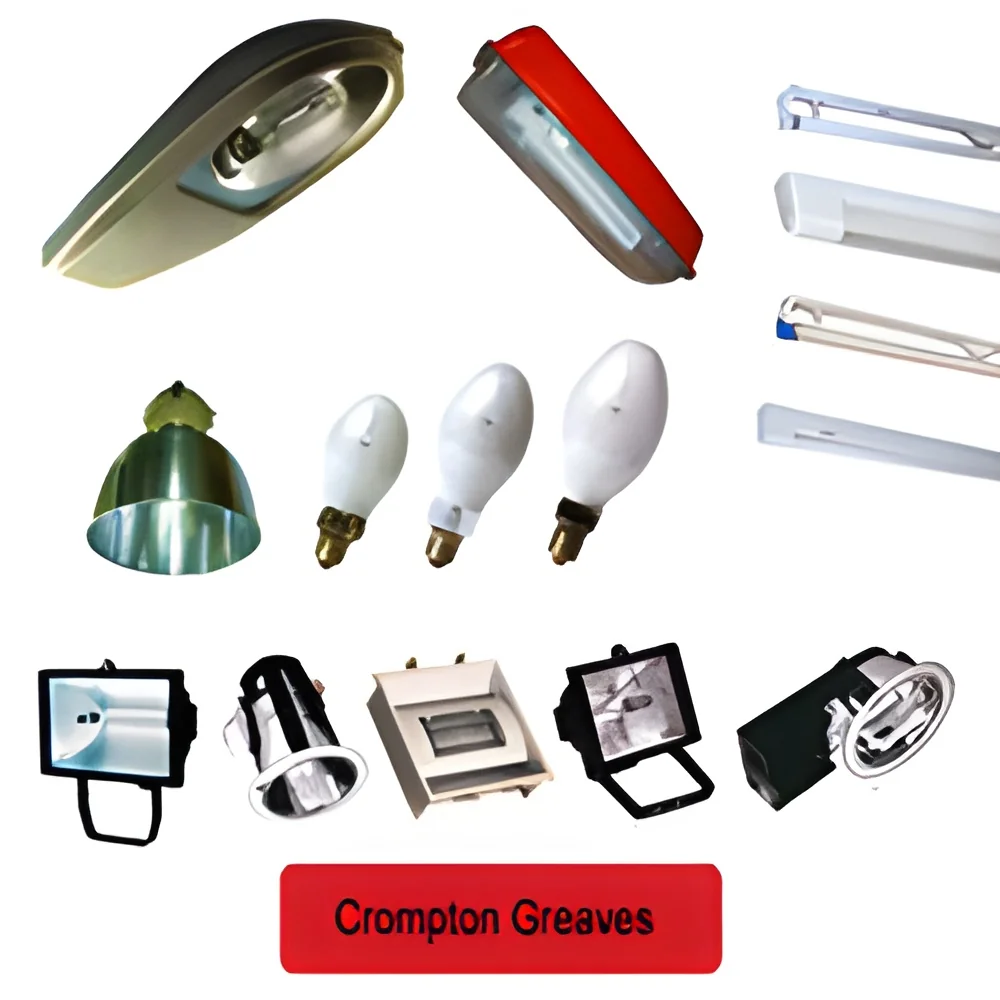
Warehouse and workshop lighting encompasses various product variants tailored to specific needs. Each variant offers unique features suited for different applications.
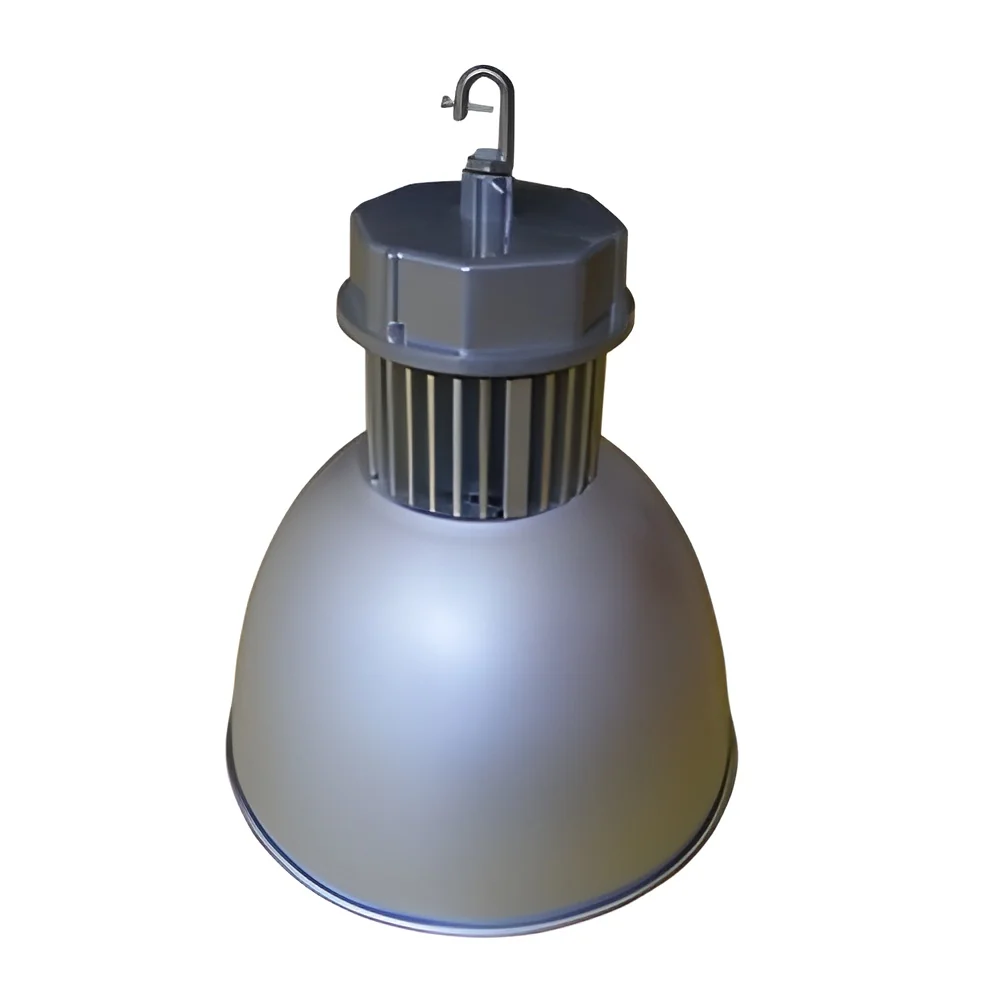
High-Bay Lights
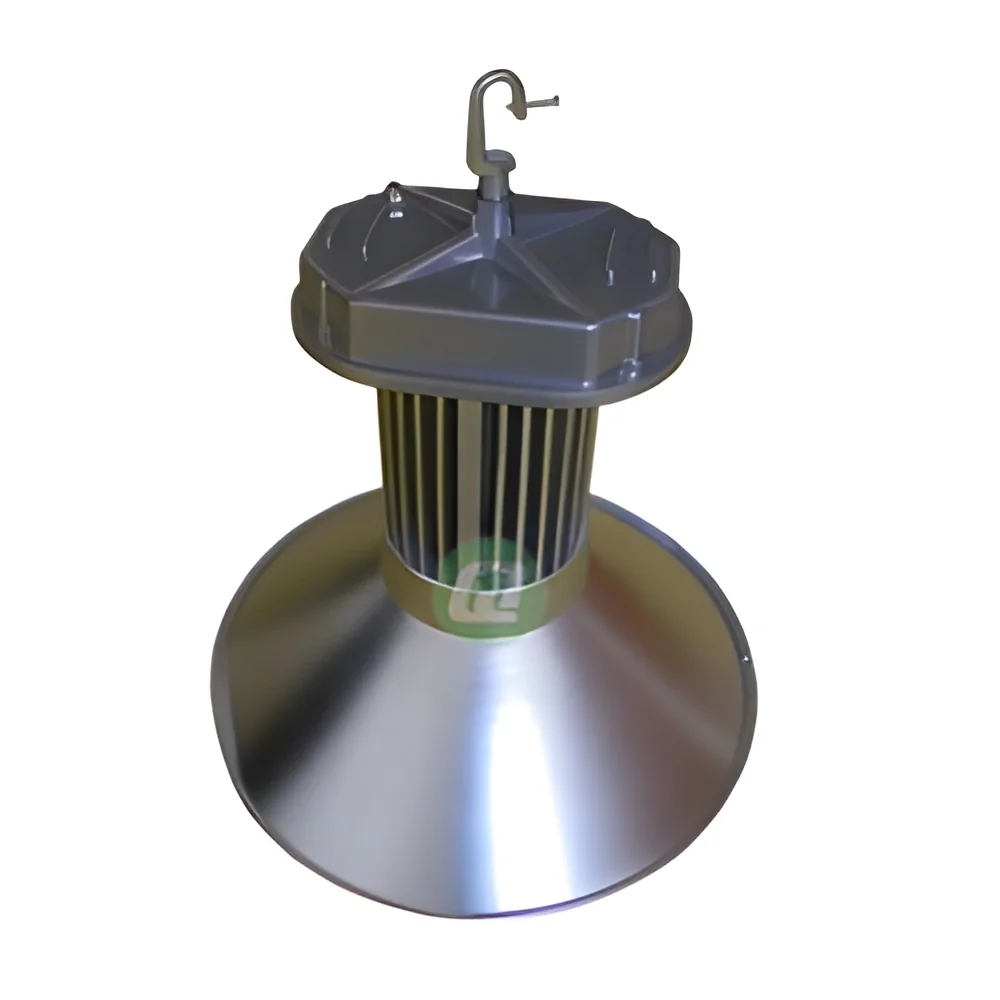
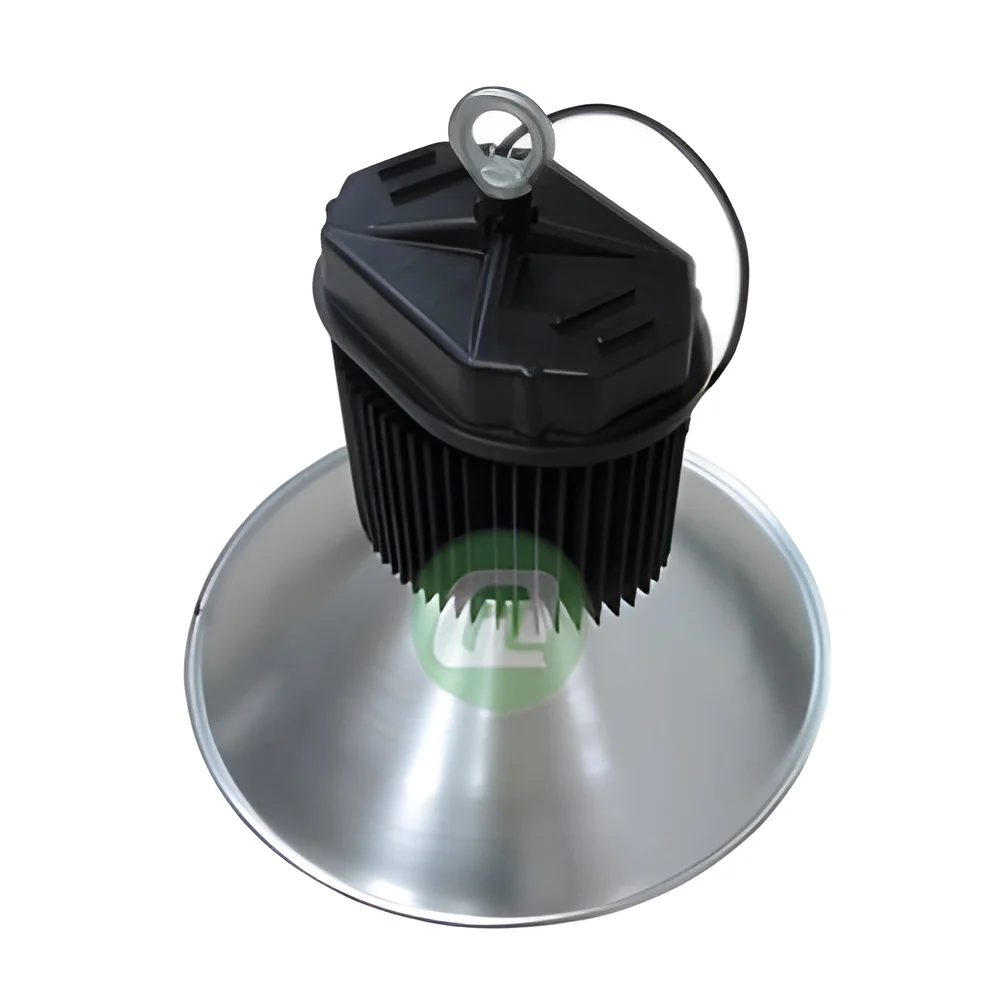
High-bay lights are designed for spaces with high ceilings, typically above 15 feet. These fixtures provide powerful illumination and are ideal for warehouses and manufacturing facilities.
LED Strip Lights
LED strip lights offer versatility and energy efficiency. They can be used for task lighting, accent lighting, or in areas where traditional fixtures may not fit.
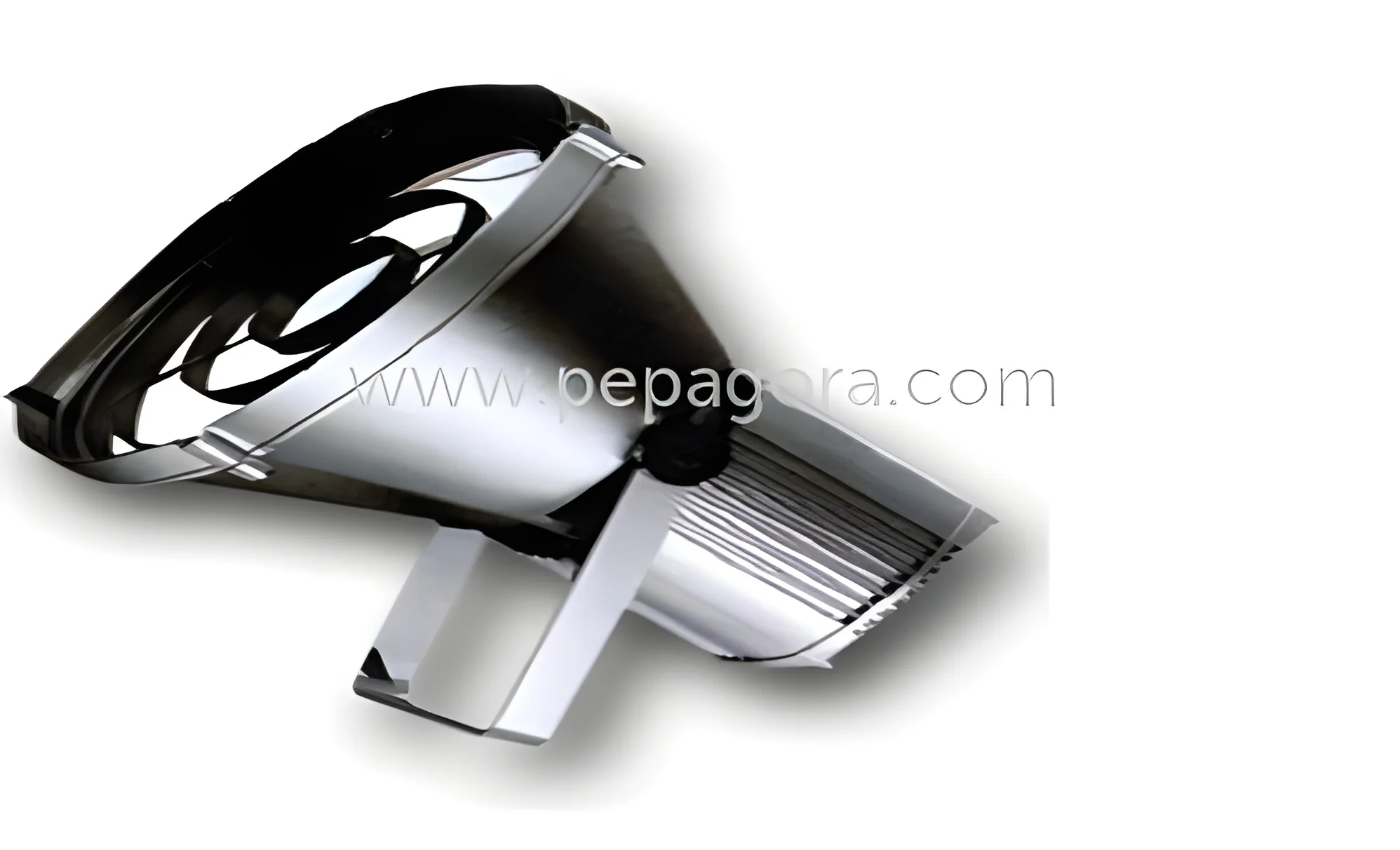
Flood Lights
Flood lights provide broad illumination, making them perfect for outdoor areas or large indoor spaces. They are often used for security and general lighting in warehouses.
Motion Sensor Lights
These lights enhance energy efficiency by automatically turning on and off based on movement. They are ideal for areas with intermittent use, such as storage rooms or loading docks.
Benefits and Advantages
Investing in warehouse and workshop lighting provides numerous advantages that contribute to improved operational efficiency.
1. Enhanced Safety: Proper lighting reduces the risk of accidents and injuries by improving visibility in workspaces.
2. Increased Productivity: Well-lit environments help workers perform tasks more efficiently, leading to higher output levels.
3. Energy Savings: Modern lighting solutions, particularly LED systems, consume less energy, resulting in lower utility bills.
4. Longer Lifespan: Quality lighting systems have extended operational lifespans, reducing the frequency of replacements and maintenance costs.
5. Improved Morale: A well-lit workplace contributes to a positive atmosphere, boosting employee morale and job satisfaction.
6. Compliance with Regulations: Proper lighting solutions can help businesses meet safety and health regulatory requirements, avoiding fines and legal issues.
Buying Guide for B2B Buyers
When sourcing warehouse and workshop lighting, several factors should be considered to ensure the right choice.
1. Quality Assessment: Examine the materials and construction of lighting fixtures to ensure durability and performance. Look for trusted brands known for quality.
2. Supplier Verification: Vet suppliers to confirm their reliability and track record. Consider their experience in the industrial lighting market and customer reviews.
3. Pricing and MOQ: Understand the cost structure and minimum order quantities. Compare prices among suppliers to ensure competitive rates.
4. Delivery and Lead Times: Inquire about logistics and the expected delivery timeline. Timely delivery is crucial for project planning and implementation.
5. Compliance Requirements: Ensure that the lighting solutions meet relevant safety and regulatory standards. Verify certifications like CE to ensure compliance.
Compliance and Certifications
Compliance and certifications play a vital role in warehouse and workshop lighting, ensuring safety and performance standards are met.
Relevant quality standards, such as ISO 9001, emphasize the importance of quality management systems in manufacturing processes. These standards help ensure that lighting products meet defined criteria for quality and reliability.
Industry certifications, particularly the CE marking, indicate that the products conform to health, safety, and environmental protection standards within the European market. This certification is critical for manufacturers looking to sell in Europe.
Safety and testing requirements are also essential. Lighting products must undergo rigorous testing to ensure they perform as expected under various conditions. This includes checks for electrical safety, thermal performance, and durability.
Regional compliance considerations can vary based on local regulations. Companies must be aware of specific requirements in their operating regions to ensure full compliance and avoid penalties.
Why Source Warehouse & Workshop Lighting from Pepagora?
Pepagora offers a trusted platform for sourcing warehouse and workshop lighting, providing key advantages that cater to B2B buyers.
Verified Supplier Network: Pepagora connects buyers with a network of verified suppliers, ensuring reliability and quality. Each supplier undergoes thorough vetting to guarantee they meet industry standards.
Streamlined RFQ Process: The request for quotation (RFQ) process is streamlined, enabling buyers to receive competitive quotes quickly. This efficiency saves time and helps businesses make informed decisions.
Trade Assurance and Support: Pepagora provides trade assurance and support to buyers, protecting their purchases and ensuring satisfaction. This includes assistance in case of disputes or issues with suppliers.
Regional Coverage: With a strong presence in India, the GCC, and Southeast Asia, Pepagora facilitates regional sourcing, allowing businesses to find suitable lighting solutions tailored to their geographic needs. This broad reach enhances accessibility and choice for buyers.

 IN
IN