Key Features and Specifications
LED bulbs are characterized by several key features that distinguish them from traditional lighting options. These specifications are crucial for businesses when selecting the right lighting solutions for their needs.
Key specifications include:
1. Energy Efficiency
- LED bulbs consume significantly less energy than incandescent bulbs.
- Typically range from 5 to 15 watts for standard applications.
2. Lifespan
- LED bulbs have a longer operational life, often exceeding 25,000 hours.
- Reduced frequency of replacement saves costs over time.
3. Light Output
- Measured in lumens, providing bright illumination.
- Common outputs range from 400 to 1600 lumens for various applications.
4. Color Temperature
- Available in different color temperatures, measured in Kelvin (K).
- Options include warm white (2700K), neutral white (4000K), and cool white (5000K).
5. Dimming Capability
- Many LED bulbs are compatible with dimmer switches.
- Allows for adjustable light levels to suit different environments.
6. Instant On
- LED bulbs light up instantly without any warm-up time.
- Provides immediate illumination when switched on.
7. Environmental Impact
- Free from hazardous materials like mercury.
- Fully recyclable and contributes to reduced waste.
8. Compatibility
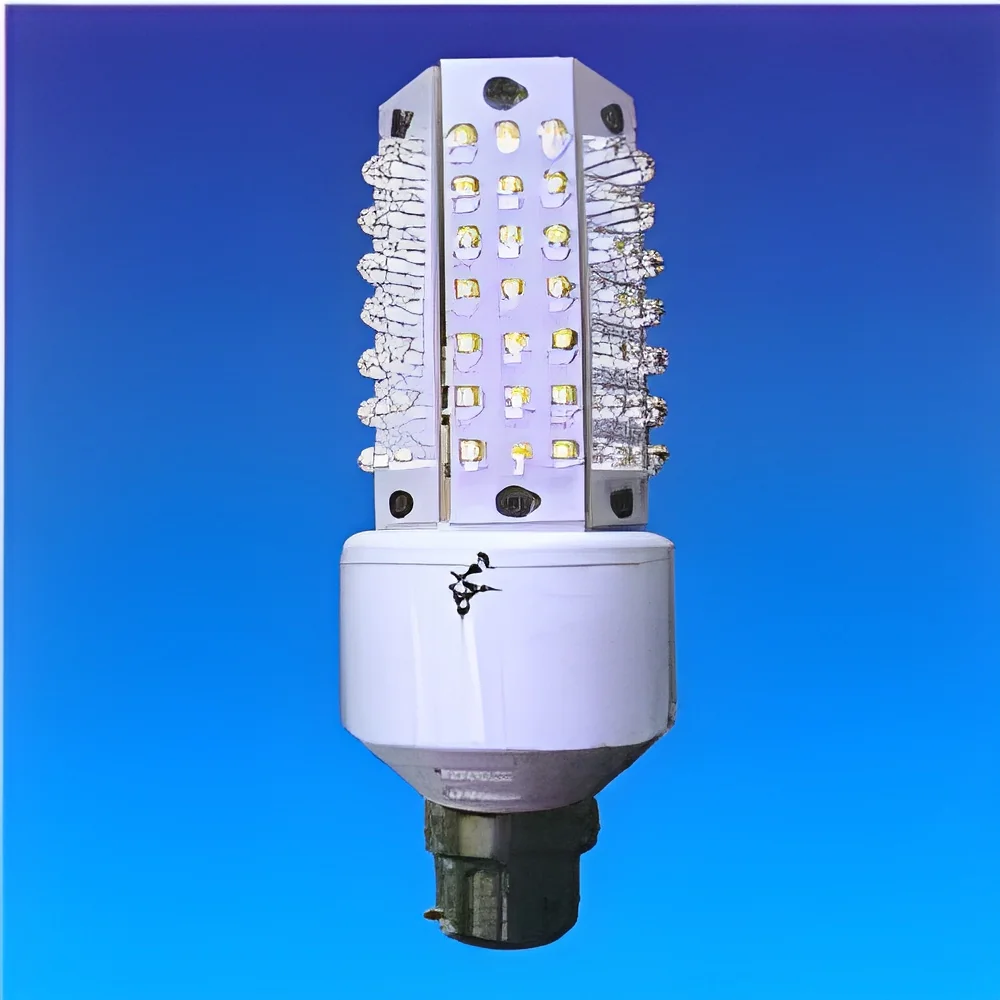
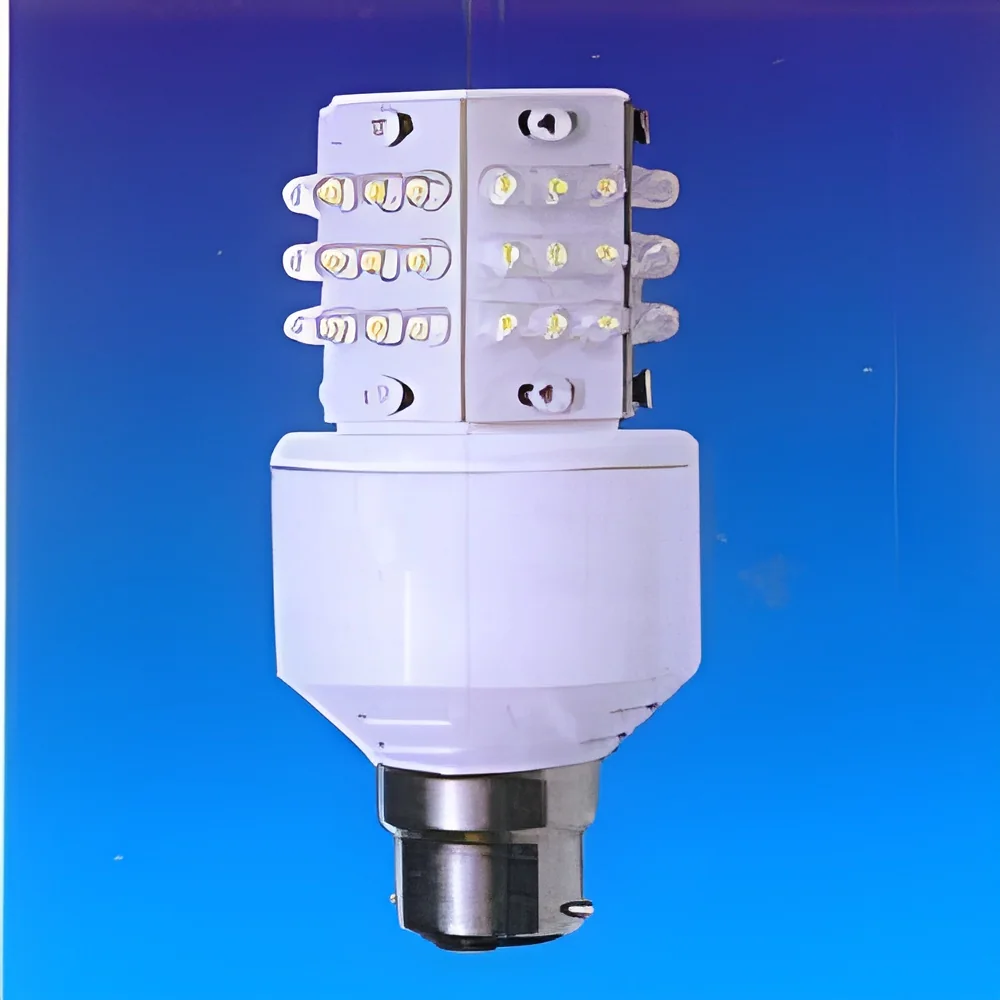
- Available in various base types (A60, B22, E27) for easy installation.
- Compatible with most existing fixtures with the appropriate base.
In summary, the key features and specifications of LED bulbs A60, B22, and E27 make them a versatile and efficient lighting option for various applications.
Common Applications and Use Cases
LED bulbs serve a multitude of industries, offering flexibility and efficiency for diverse lighting needs.
1. Residential: In homes, LED bulbs are widely used for general lighting, accent lighting, and outdoor lighting. Their energy efficiency contributes to reduced electricity bills and enhanced home aesthetics.
2. Commercial: Retail spaces utilize LED lighting to highlight merchandise and create an inviting atmosphere. Their long lifespan minimizes maintenance efforts, making them ideal for busy commercial environments.
3. Industrial: Factories and warehouses benefit from LED bulbs for task lighting and safety lighting. Their durability and brightness improve visibility in work areas, contributing to a safer workplace.
4. Hospitality: Hotels and restaurants use LED bulbs to create ambiance while keeping energy costs low. The ability to dim lights enhances guest experiences and mood settings.
5. Healthcare: Hospitals and clinics employ LED lighting for examination rooms and waiting areas, providing bright, clear light that enhances visibility and comfort for patients and staff.
6. Education: Schools and universities utilize LED bulbs in classrooms and hallways, providing consistent illumination that supports learning and safety.
7. Outdoor Lighting: LED bulbs are increasingly used for street lighting and outdoor signage, offering bright illumination that enhances safety and visibility in public spaces.
Product Variants and Subcategories
LED bulbs come in various designs to suit different lighting requirements and preferences. This diversity allows businesses to select the most suitable option for their specific applications.
A60 LED Bulb
The A60 LED bulb features a traditional shape that fits most fixtures. It is ideal for general household lighting and is available in multiple wattages and color temperatures, making it suitable for various environments.
B22 LED Bulb
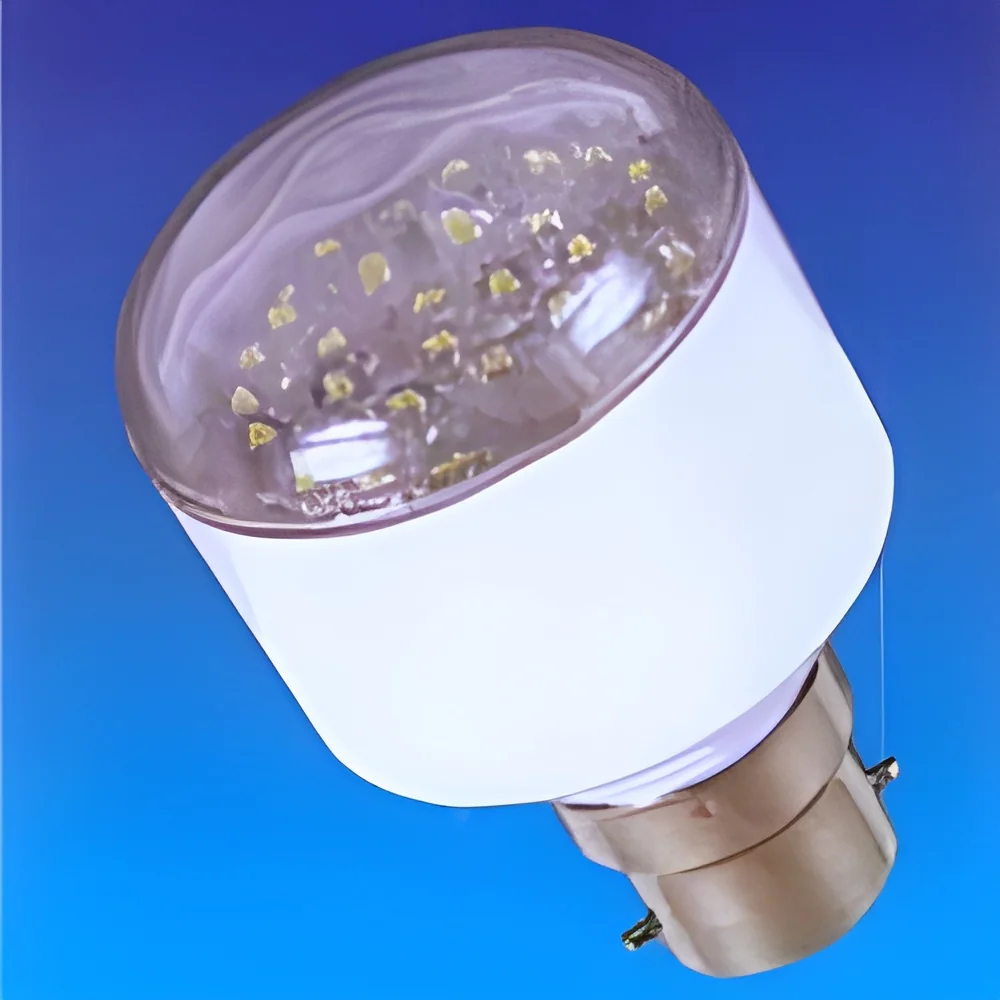
The B22 LED bulb comes with a bayonet base, making it easy to install in compatible fixtures. It is commonly used in residential lighting and provides efficient illumination for living rooms, kitchens, and outdoor spaces.
E27 LED Bulb
The E27 LED bulb features the widely used Edison screw base. This variant is perfect for both residential and commercial applications, offering a range of brightness levels and color temperatures to meet different lighting needs.
Benefits and Advantages
The adoption of LED bulbs A60, B22, and E27 provides numerous benefits to businesses and consumers alike.
1. Cost Savings: LED bulbs significantly reduce energy consumption, leading to lower electricity bills and operational costs over time.
2. Longevity: With a lifespan of up to 25,000 hours, LED bulbs require fewer replacements, minimizing maintenance efforts and costs.
3. Enhanced Lighting Quality: LED bulbs provide bright and consistent light, improving visibility and enhancing the overall atmosphere in various settings.
4. Environmental Benefits: LED bulbs are free from harmful substances like mercury and have a lower carbon footprint, contributing to sustainability efforts.
5. Versatile Applications: Available in multiple shapes and base types, LED bulbs can be used in a wide range of fixtures and settings.
6. Safety Features: LED technology generates less heat, reducing fire risks compared to traditional bulbs, and they are more resistant to breakage.
Buying Guide for B2B Buyers
When sourcing LED bulbs (A60, B22, E27), it is essential for buyers to consider several key factors to ensure they make informed decisions.
1. Quality Assessment: Evaluate the quality of the LED bulbs by checking for reputable brands and certifications. Look for products that meet industry standards for performance and safety.
2. Supplier Verification: Vet suppliers to ensure they have a history of reliability and quality. Check customer reviews and request references if necessary.
3. Pricing and MOQ: Understand the pricing structure and minimum order quantities (MOQ) required by suppliers. Consider bulk purchasing options for cost savings.
4. Delivery and Lead Times: Inquire about delivery schedules and lead times to ensure timely availability of products. Clarify logistics arrangements to avoid delays.
5. Compliance Requirements: Ensure that the LED bulbs comply with relevant regulations and standards in your region. This may include certifications like CE or UL for safety.
Compliance and Certifications
Compliance and certifications are crucial aspects of LED bulbs that reassure buyers of product quality and safety. Many LED bulbs adhere to internationally recognized standards, including ISO 9001, which ensures quality management systems are in place.
Industry certifications such as CE and UL indicate that the products meet specific safety and performance criteria. CE certification is essential for products sold in Europe, while UL certification is recognized primarily in North America.
In addition to safety certifications, LED bulbs may undergo testing to ensure they meet operational standards such as energy consumption and light output. Buyers should also consider regional compliance requirements, as different markets may have specific regulations governing lighting products.
Why Source LED Bulbs (A60, B22, E27) from Pepagora?
Pepagora offers a reliable platform for sourcing LED bulbs (A60, B22, E27), providing several key advantages for businesses.
Verified Supplier Network: Pepagora connects buyers with a network of verified suppliers, ensuring that all vendors meet stringent quality and reliability standards. This reduces the risk associated with sourcing products.
Streamlined RFQ Process: The request for quotation (RFQ) process on Pepagora is straightforward and efficient, allowing buyers to obtain competitive quotes from multiple suppliers quickly.
Trade Assurance and Support: Buyers can benefit from trade assurance programs that protect their purchases. Pepagora offers support throughout the sourcing process, ensuring a smooth transaction.
Regional Coverage: With a broad geographic reach, Pepagora serves buyers across India, the GCC, and Southeast Asia. This extensive coverage allows businesses to access quality LED bulbs tailored to their specific needs.

 IN
IN