
 IN
Lighting Fixtures & Lamps
3 products available
What are Lighting Fixtures & Lamps?
Lighting fixtures and lamps are essential components in various industrial and commercial environments, designed to provide illumination for specific tasks and areas. They encompass a wide range of products, including overhead lights, wall-mounted fixtures, and portable lamps. These products come in various styles, designs, and technologies, such as LED, fluorescent, and incandescent lighting, allowing businesses to choose the most suitable option based on their operational needs and aesthetic preferences.
In a business context, lighting fixtures and lamps are utilized in offices, warehouses, retail spaces, and manufacturing facilities. Proper lighting enhances productivity, safety, and the overall ambiance of a space. Additionally, energy-efficient options like LED lamps are increasingly favored for their lower operational costs and reduced environmental impact. The market for lighting solutions continues to grow, driven by advancements in technology and a focus on sustainable practices.
Key Features and Specifications
Lighting fixtures and lamps come with a range of features that cater to different business needs. Organizations should consider specifications that align with their operational requirements, energy efficiency goals, and aesthetic preferences.
Key specifications include:
1. Light Output
- Measured in lumens, indicating the brightness provided by the fixture.
- Ranges typically from 100 to several thousand lumens, depending on application.
2. Energy Efficiency
- Rated by lumens per watt (LPW), indicating how effectively the fixture converts electricity to light.
- Higher LPW ratings signify greater efficiency, especially for LED options.
3. Color Temperature
- Measured in Kelvin (K), affecting the warmth or coolness of light.
- Common ranges include 2700K to 6500K, suitable for various environments.
4. Lifespan
- Indicates the expected operational life of the lamp, usually measured in hours.
- LED fixtures can last 25,000 to 50,000 hours or more.
5. Dimming Capability
- Some fixtures offer dimming features for adjustable brightness.
- Useful for creating different atmospheres or saving energy.
6. Mounting Options
- Includes pendant, flush mount, and wall-mounted styles.
- Selection depends on ceiling height and design preferences.
7. Voltage and Wattage
- Specifications on voltage requirements and wattage consumption.
- Common voltages include 120V, 240V, and wattage can vary widely.
8. Certification
- Compliance with industry standards such as CE for safety and quality assurance.
- Essential for ensuring product reliability and performance.
In summary, understanding the key features and specifications of lighting fixtures and lamps is crucial for businesses looking to make informed purchasing decisions that meet their specific needs.
Common Applications and Use Cases
Lighting fixtures and lamps find extensive applications across various industries, improving functionality and safety.
1. Retail: In retail environments, lighting enhances product visibility and creates an inviting atmosphere. Fixtures are often strategically placed to highlight merchandise.
2. Warehousing: In warehouses, bright, energy-efficient lighting ensures safe navigation and improved productivity for workers handling goods.
3. Manufacturing: Adequate lighting is critical in manufacturing settings to maintain safety and precision during operations. Specialized fixtures may be used to minimize shadows and enhance visibility.
4. Hospitality: Hotels and restaurants utilize diverse lighting solutions to set the mood and improve guest experiences, from ambient lighting to task lights in work areas.
5. Healthcare: In healthcare facilities, proper lighting is essential for patient care and staff efficiency. Fixtures must provide clear illumination while minimizing glare.
6. Offices: Effective office lighting supports employee productivity and well-being. Options include adjustable task lighting for individual workspaces and ambient lighting for communal areas.
7. Education: Schools and universities require well-lit classrooms and study areas to promote learning and focus. Fixtures may incorporate energy-efficient technologies for cost savings.
Product Variants and Subcategories
Lighting fixtures and lamps are available in numerous variants, catering to different applications and preferences.
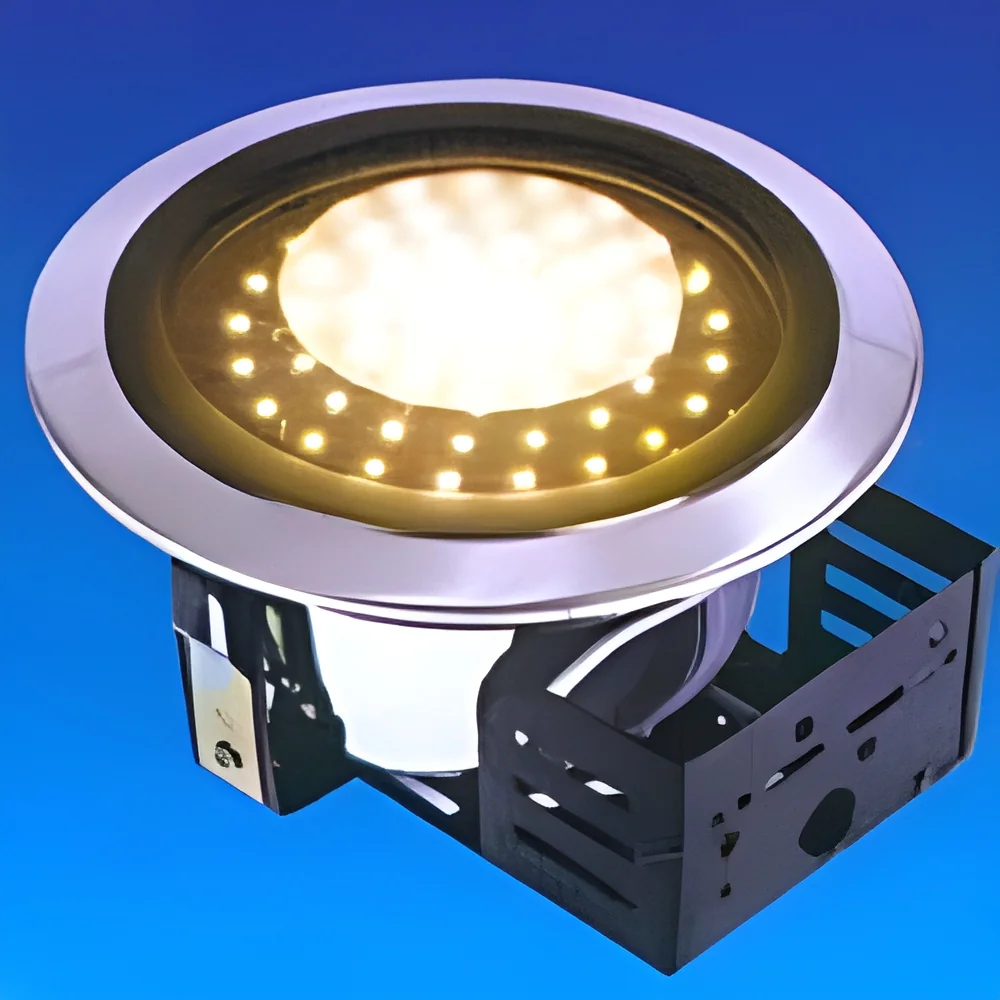
LED Fixtures: These fixtures use light-emitting diodes for energy efficiency and longevity. They are ideal for commercial spaces seeking to reduce energy costs while maintaining high-quality illumination.
Fluorescent Lamps: Fluorescent lamps are commonly used in offices and industrial settings due to their cost-effectiveness and energy efficiency. They provide bright, even lighting suitable for large areas.
Incandescent Lamps: While less energy-efficient, incandescent lamps offer warm light and are often used in residential and decorative applications. They are suitable for creating a cozy atmosphere.
Smart Lighting: This technology allows for remote control and automation of lighting systems. Smart fixtures can adapt to user needs and preferences, making them ideal for modern office environments.
Benefits and Advantages
Investing in quality lighting fixtures and lamps offers numerous benefits that can enhance business operations.
1. Improved Productivity: Proper lighting increases visibility and reduces eye strain, enabling employees to work more efficiently.
2. Energy Savings: Energy-efficient lighting solutions, such as LEDs, lower energy consumption, resulting in significant cost savings over time.
3. Enhanced Safety: Well-lit environments reduce the risk of accidents and injuries, promoting a safer workplace for employees and visitors.
4. Aesthetic Appeal: Attractive lighting fixtures enhance the overall design of a space, creating a more inviting atmosphere for customers and employees alike.
5. Longevity: High-quality fixtures often come with longer lifespans, reducing the frequency of replacements and maintenance costs.
6. Environmental Impact: Energy-efficient options contribute to sustainability efforts by reducing carbon footprints and complying with environmental regulations.
Buying Guide for B2B Buyers
When sourcing lighting fixtures and lamps, businesses should consider several key factors to ensure they make informed purchasing decisions.
1. Quality Assessment: Evaluate the quality of lighting products by reviewing specifications, materials, and performance ratings. Look for reputable manufacturers with a track record of reliability.
2. Supplier Verification: Vet potential suppliers by checking their credentials, customer reviews, and industry certifications. Ensure they have a robust supply chain to meet your business needs.
3. Pricing and MOQ: Understand pricing structures and minimum order quantities (MOQ) to align purchases with budget constraints. Compare offers from multiple suppliers to find the best value.
4. Delivery and Lead Times: Discuss delivery timelines and logistics with suppliers to ensure timely arrival of products. Confirm that they can meet your operational schedules.
5. Compliance Requirements: Familiarize yourself with relevant regulations and compliance needs for lighting fixtures. Ensure products meet industry standards, such as CE certification.
Compliance and Certifications
Compliance and certifications are crucial aspects of lighting fixtures and lamps that ensure quality, safety, and reliability in various applications.
Relevant quality standards, such as ISO 9001, ensure that manufacturers maintain consistent quality management systems. This standard reflects a commitment to producing high-quality products that meet customer expectations.
Industry certifications, particularly CE marking, signify that products comply with European safety and environmental standards. This certification is essential for businesses operating in regions that require adherence to these regulations.
Safety and testing requirements are also vital, as they guarantee that lighting fixtures and lamps function safely in their intended environments. Manufacturers should conduct thorough testing to ensure products meet safety standards.
Regional compliance considerations may vary, requiring businesses to be aware of local regulations. Understanding these requirements is essential for avoiding legal issues and ensuring that products are fit for use.
Why Source Lighting Fixtures & Lamps from Pepagora?
Pepagora provides a trusted platform for sourcing lighting fixtures and lamps, offering numerous advantages to B2B buyers.
Verified Supplier Network: Pepagora connects buyers with a network of verified suppliers, ensuring that businesses can source high-quality products from reputable manufacturers. This verification process helps mitigate risks associated with supplier reliability.
Streamlined RFQ Process: The platform offers a streamlined Request for Quotation (RFQ) process, allowing buyers to easily compare quotes from multiple suppliers. This feature simplifies the procurement process and enhances decision-making.
Trade Assurance and Support: Pepagora provides trade assurance, protecting buyers through various measures that ensure product quality and supplier accountability. This support fosters confidence in the purchasing process.
Regional Coverage: With a strong presence in India, the Gulf Cooperation Council (GCC), and Southeast Asia, Pepagora offers extensive regional coverage. This geographic reach enables businesses to access a wide range of lighting solutions tailored to local market needs.


Frequently Asked Questions
What are Lighting Fixtures & Lamps?
Lighting fixtures and lamps are devices that hold and illuminate light bulbs to provide artificial lighting. They come in various designs and types, serving both functional and aesthetic purposes in residential and commercial spaces.
What are the different types of Lighting Fixtures & Lamps?
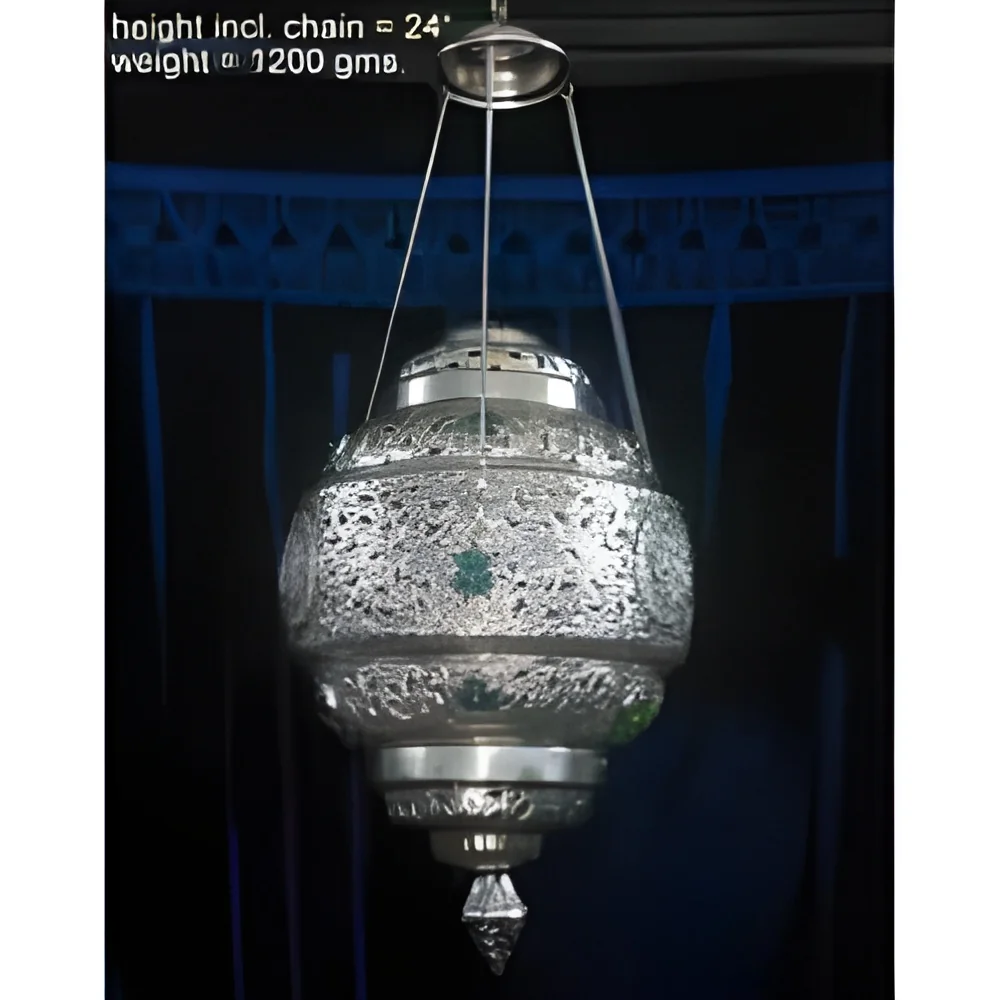
There are several types of lighting fixtures and lamps, including ceiling lights, wall sconces, table lamps, floor lamps, and pendant lights. Each type serves a specific purpose and can vary in design, brightness, and energy efficiency.
How do I choose the right Lighting Fixtures & Lamps?
Choosing the right lighting fixtures and lamps involves considering the purpose of the light, the style of the room, and the energy efficiency of the bulbs. It's important to assess the size of the space and the desired ambiance to select appropriate designs and brightness levels.
What are the standard specifications for Lighting Fixtures & Lamps?
Standard specifications for lighting fixtures and lamps typically include wattage, voltage, lumens (brightness), color temperature, and energy efficiency ratings. Additionally, materials and dimensions should be considered for compatibility with existing decor.
What is the price range for Lighting Fixtures & Lamps?
The price range for lighting fixtures and lamps can vary significantly based on factors such as design, brand, and technology used. Generally, prices can range from a few hundred to several thousand Indian Rupees.
What quality standards apply to Lighting Fixtures & Lamps?
Quality standards for lighting fixtures and lamps often include certifications such as ISI (Indian Standards Institute) and CE (Conformité Européenne). These standards ensure safety, efficiency, and performance of the products.
Where can I find Lighting Fixtures & Lamps suppliers in India?
You can find lighting fixtures and lamps suppliers in India through B2B marketplaces like Pepagora.com, trade shows, and local wholesale markets. Online platforms provide a wide range of options and facilitate easy comparison of suppliers.
Can Lighting Fixtures & Lamps be customized?
Yes, many manufacturers offer customization options for lighting fixtures and lamps, allowing you to choose specific designs, sizes, and finishes. Customization can help meet unique aesthetic and functional requirements.
What is the typical minimum order quantity for Lighting Fixtures & Lamps?
The typical minimum order quantity (MOQ) for lighting fixtures and lamps can vary by supplier, but it usually ranges from 10 to 50 units. It's advisable to check with specific suppliers for their MOQ policies.
What is the typical lead time for Lighting Fixtures & Lamps?
The typical lead time for lighting fixtures and lamps can range from 2 to 6 weeks, depending on the supplier and whether the products are in stock or made to order. It's important to confirm lead times directly with suppliers during the ordering process.
Why Businesses Trust Pepagora
Thousands of companies trust Pepagora to source smarter and sell faster
Expand Your Sales Globally

Source Smarter,Grow Faster
