
 IN
Jumper Cables
1 products available
What are Jumper Cables?
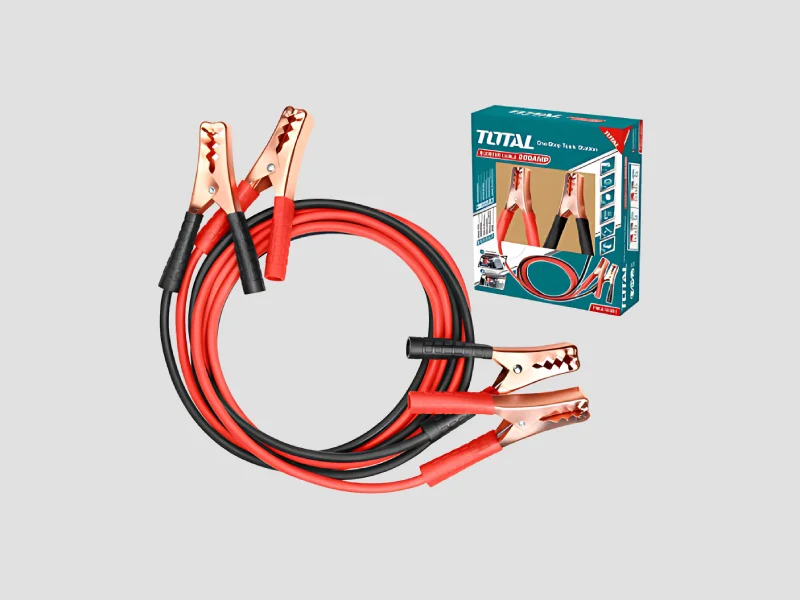
Jumper cables are electrical cables used to connect a discharged battery to a charged battery, facilitating the transfer of electrical energy. They typically consist of two insulated cables with alligator clips on both ends. One end connects to the positive and negative terminals of the dead battery, while the other end connects to a functioning battery. This process allows the dead battery to receive a boost of power, enabling the vehicle or equipment to start.
Jumper cables are widely used in automotive applications, particularly for starting vehicles with dead batteries. They are essential tools in emergency situations, ensuring that vehicles can be quickly revived without the need for professional assistance. Beyond automotive use, jumper cables are also applicable in various industrial settings, where they can connect batteries in machinery and equipment. Their versatility and ease of use make them a staple for both individuals and businesses.
In the current market, the demand for reliable jumper cables has increased due to the growing number of vehicles and machinery powered by batteries. As technology evolves, the quality and specifications of jumper cables have also improved, making them safer and more efficient for users. This relevance in the automotive and industrial sectors highlights the importance of having high-quality jumper cables readily available.
Key Features and Specifications
Jumper cables come with several key features that enhance their performance and usability. Understanding these specifications is vital for ensuring that the right product is selected for specific applications.
Key specifications include:
1. Cable Length
- Common lengths range from 10 to 25 feet, providing flexibility for various vehicle sizes.
- Longer cables are useful for larger vehicles or when connecting batteries in hard-to-reach areas.
2. Gauge Size
- The gauge size typically ranges from 4 to 8 AWG, indicating the thickness of the wire.
- Thicker cables (lower gauge number) can handle more current, making them more efficient for jump-starting.
3. Clamp Type
- Clamps may be fully insulated or partially insulated, providing different levels of safety during use.
- Alligator clips are standard, but some variants feature locking mechanisms for a secure connection.
4. Material
- Cables are commonly made of copper or aluminum, with copper being the preferred choice for its conductivity.
- Insulation is typically rubber or PVC, ensuring durability and resistance to wear.
5. Temperature Rating
- Jumpers can operate effectively in a range of temperatures, although specific ratings may not always be available.
- Users should consider environmental conditions when selecting cables.
6. Certifications
- Many jumper cables carry CE certification, ensuring they meet safety and quality standards.
- Compliance with relevant regulations is important for ensuring product reliability.
In summary, understanding the features and specifications of jumper cables is essential for selecting the right product. Proper evaluation ensures safety and efficiency during use, making jumper cables an indispensable tool for various applications.
Common Applications and Use Cases
Jumper cables are utilized across multiple industries and sectors, showcasing their versatility and importance.
1. Automotive Industry: In the automotive sector, jumper cables are primarily used for jump-starting vehicles with dead batteries. They are essential tools for emergency roadside assistance and are commonly found in service vehicles.
2. Construction and Heavy Equipment: Jumper cables are vital in construction sites where heavy machinery may require jump-starting due to battery failure. Their robust design allows for efficient power transfer in demanding environments.
3. Marine Applications: In marine settings, jumper cables help in starting boats and other watercraft with drained batteries. They are crucial for ensuring that vessels can operate reliably.
4. Agriculture: Farmers often use jumper cables to start tractors and other farming equipment. This application is critical for maintaining productivity during peak seasons.
5. Emergency Services: First responders and emergency services rely on jumper cables to ensure their vehicles are operational at all times. Quick access to reliable cables can make a significant difference in emergency situations.
6. Recreational Vehicles: RV owners utilize jumper cables to jump-start their vehicles during trips or when parked for extended periods. This ensures that they can continue their travels without interruption.
7. Industrial Equipment: In warehouses and manufacturing facilities, jumper cables are used to connect and power various equipment, ensuring smooth operations.
Product Variants and Subcategories
Jumper cables come in a variety of types and configurations, catering to different needs and applications. This diversity allows businesses to choose products that best fit their specific requirements.
Heavy-Duty Jumper Cables: These cables are designed for high-performance applications and typically feature thicker gauge wires. They are ideal for larger vehicles and heavy machinery, providing a reliable connection even in extreme conditions.
Lightweight Jumper Cables: Designed for ease of use and portability, lightweight jumper cables are perfect for everyday vehicles. They are easier to handle and store, making them suitable for individuals who may not use them frequently.
Professional Grade Jumper Cables: These cables are tailored for automotive professionals and roadside assistance providers. They often include advanced features such as reinforced clamps and higher conductivity materials.
Flexible Jumper Cables: These cables are designed for use in cold temperatures, remaining flexible even in harsh winter conditions. This feature is essential for users in colder climates.
Benefits and Advantages
Using high-quality jumper cables provides several advantages that enhance their effectiveness and reliability.
1. Reliability: High-quality jumper cables ensure consistent performance, providing peace of mind during emergencies.
2. Enhanced Safety: Well-designed cables with insulated clamps minimize the risk of accidents, protecting users from electrical shocks.
3. Efficient Power Transfer: Cables made from high-conductivity materials allow for faster and more efficient power transfer, reducing the time needed to jump-start a vehicle.
4. Durability: Quality jumper cables are built to withstand wear and tear, ensuring long-term use without frequent replacements.
5. Versatility: Jumper cables can be used in various applications beyond automotive, making them a valuable tool across multiple industries.
6. Cost-Effective: Investing in reliable jumper cables can save businesses money by reducing downtime and the need for professional service calls.
Buying Guide for B2B Buyers
When sourcing jumper cables for business use, several factors should be taken into consideration to ensure optimal selection.
1. Quality Assessment: Buyers should evaluate the quality of materials used in jumper cables, focusing on factors like gauge size, insulation, and overall construction. High-quality cables will perform better and last longer.
2. Supplier Verification: It is crucial to vet suppliers to ensure they are reputable and provide reliable products. Checking reviews and industry certifications can help in making informed decisions.
3. Pricing and MOQ: Understanding the pricing structure and minimum order quantities can assist in budget planning. Buyers should compare costs across suppliers to find competitive pricing.
4. Delivery and Lead Times: Inquire about delivery times and logistics to ensure that products can be received when needed, particularly for urgent requirements.
5. Compliance Requirements: Ensure that the jumper cables meet relevant industry standards and regulations, such as CE certification, to guarantee safety and quality.
Compliance and Certifications
Compliance with industry standards and certifications is essential for ensuring the reliability and safety of jumper cables. Many manufacturers adhere to recognized quality standards such as ISO 9001, which outlines effective quality management systems. This certification assures buyers that products are manufactured consistently to meet quality benchmarks.
Additionally, CE certification is crucial for products sold in the European market, verifying that the jumper cables meet safety and environmental requirements. This certification provides confidence to businesses sourcing products, ensuring compliance with necessary regulations.
Safety and testing requirements play a significant role in the production of jumper cables. Manufacturers often conduct rigorous tests to ensure that the cables can handle the electrical loads they are designed for. Regional compliance considerations are also important, as different areas may have specific regulations governing electrical products.
Why Source Jumper Cables from Pepagora?
Pepagora offers a trusted platform for sourcing jumper cables, providing several key advantages for B2B buyers.
Verified Supplier Network: The platform features a network of verified suppliers who meet strict quality standards. This verification process ensures that businesses can source reliable products with confidence.
Streamlined RFQ Process: Pepagora simplifies the quotation process, allowing buyers to request quotes from multiple suppliers quickly. This efficiency helps businesses compare options and make informed purchasing decisions.
Trade Assurance and Support: Buyers benefit from trade assurance measures that protect their purchases. This support safeguards transactions and ensures that buyers receive the products as promised.
Regional Coverage: Pepagora extends its services across various regions, including India, the GCC, and Southeast Asia. This geographic reach provides businesses with access to a diverse range of suppliers and products, catering to their specific needs.
By choosing Pepagora, businesses can leverage these advantages to secure high-quality jumper cables that meet their operational demands.



Frequently Asked Questions
What are Jumper Cables?
Jumper cables are electrical cables used to connect the battery of one vehicle to another to jump-start an engine. They typically consist of two insulated cables with alligator clips on each end, allowing for easy connection to battery terminals.
What are the different types of Jumper Cables?
There are primarily two types of jumper cables: standard jumper cables and heavy-duty jumper cables. Standard cables are suitable for everyday vehicles, while heavy-duty cables are designed for larger vehicles or those with higher power needs.
How do I choose the right Jumper Cables?
When selecting jumper cables, consider the cable gauge, length, and insulation type. A lower gauge number indicates thicker cables, which can handle more current, while longer cables provide greater flexibility in connecting vehicles.
What are the standard specifications for Jumper Cables?
Standard specifications for jumper cables include a gauge size typically ranging from 4 to 8 AWG, a length of 12 to 25 feet, and insulation that is both weather-resistant and flexible. Quality cables often have a copper core for better conductivity.
What is the price range for Jumper Cables?
The price of jumper cables can vary widely based on quality and specifications, typically ranging from ₹500 to ₹3,000 in the Indian market. Factors influencing price include cable gauge, length, and brand.
What quality standards apply to Jumper Cables?
Jumper cables should comply with safety standards such as IS 13489 for automotive cables in India. Additionally, they should be tested for durability, conductivity, and insulation quality to ensure reliability during use.
Where can I find Jumper Cables suppliers in India?
You can find jumper cables suppliers in India through online B2B marketplaces like Pepagora, trade directories, or by visiting automotive supply stores. Networking at automotive trade shows can also connect you with manufacturers and wholesalers.
Can Jumper Cables be customized?
Yes, jumper cables can be customized in terms of length, gauge, and even branding options. Many manufacturers offer customization to meet specific requirements for commercial or industrial use.
What is the typical minimum order quantity for Jumper Cables?
The minimum order quantity (MOQ) for jumper cables can vary by supplier, but it typically ranges from 50 to 100 units for wholesale orders. It's advisable to check with specific suppliers for their MOQ policies.
What is the typical lead time for Jumper Cables?
The typical lead time for jumper cables can range from 1 to 4 weeks, depending on the supplier and whether the cables are in stock or require customization. Always confirm lead times when placing an order.
Why Businesses Trust Pepagora
Thousands of companies trust Pepagora to source smarter and sell faster
Expand Your Sales Globally

Source Smarter,Grow Faster
