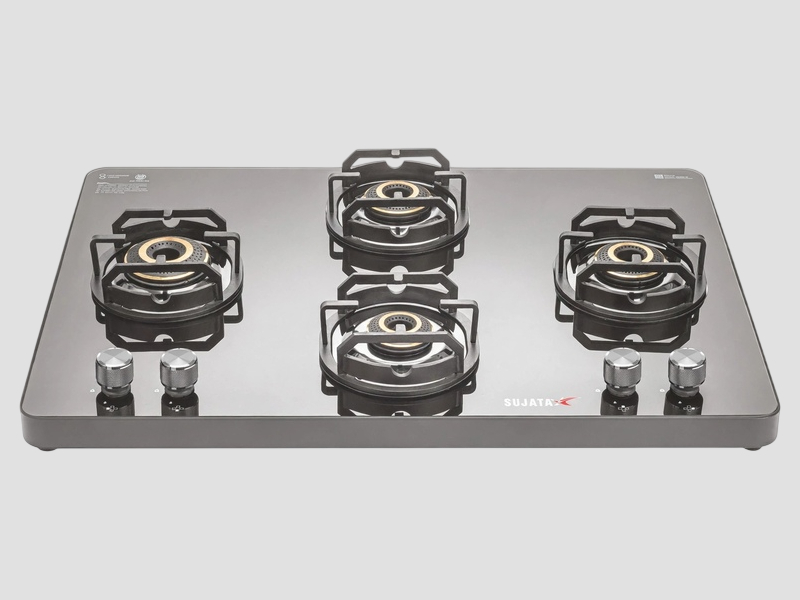
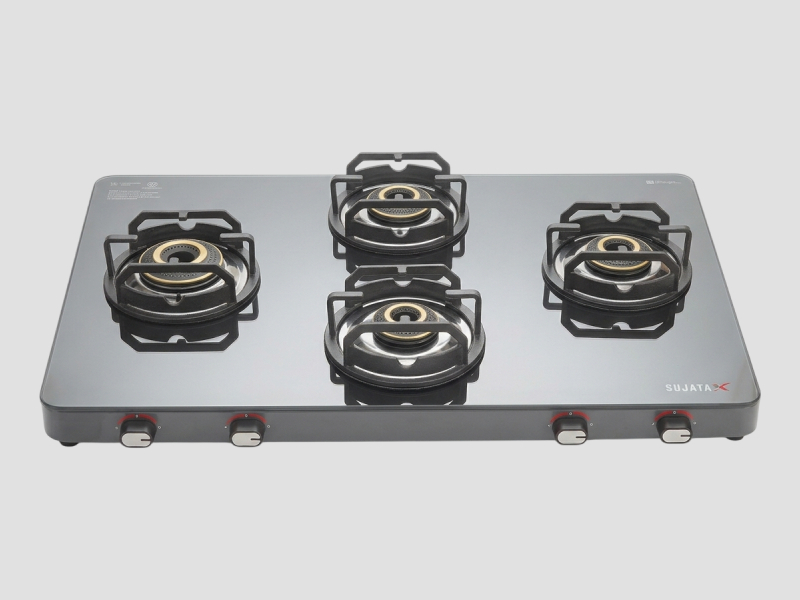
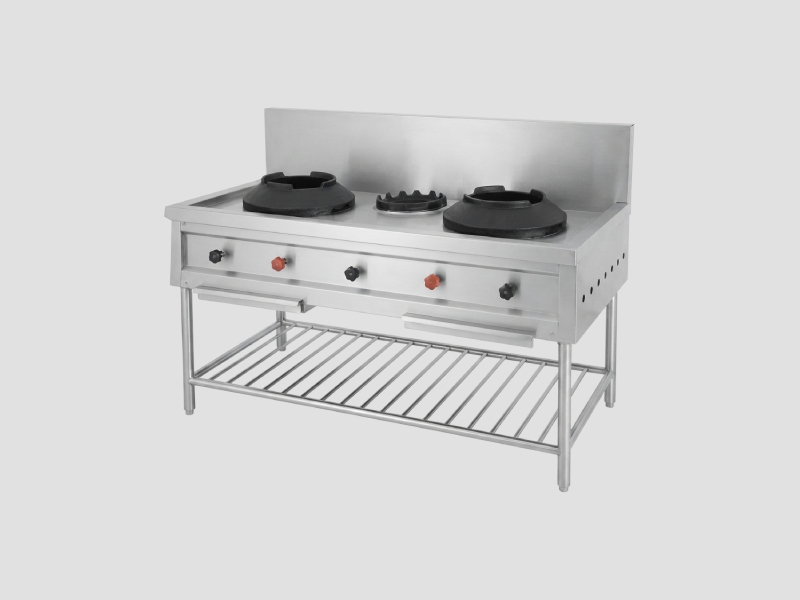
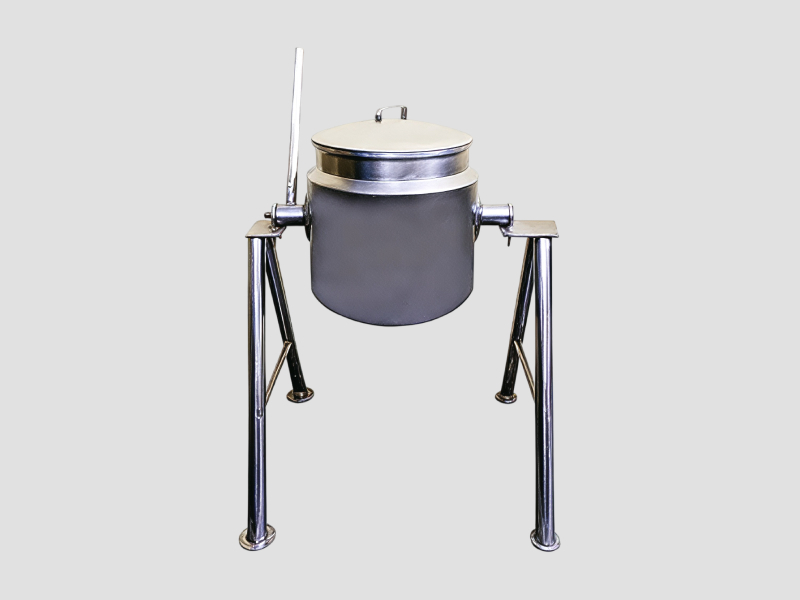
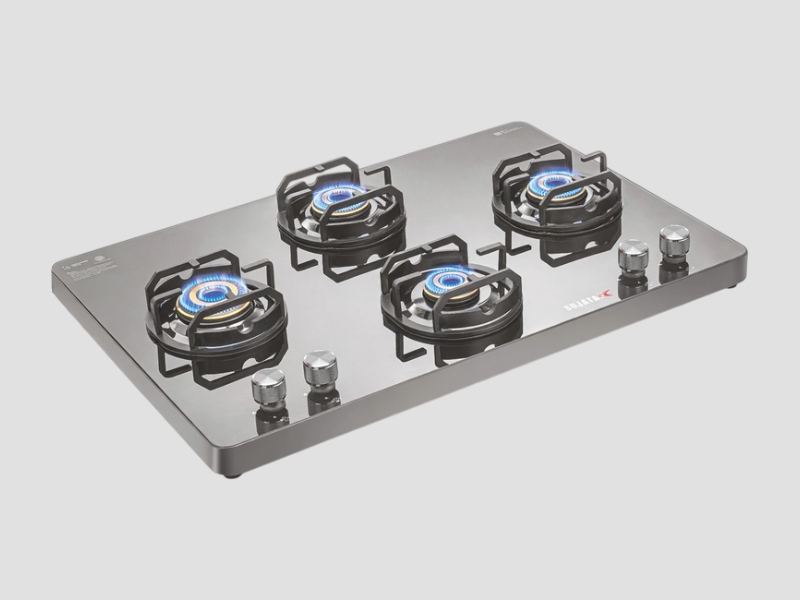
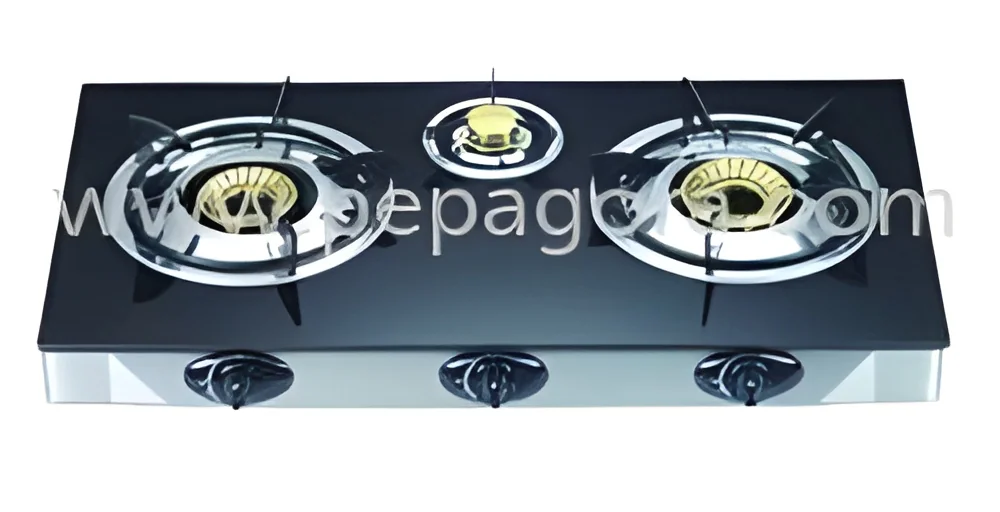
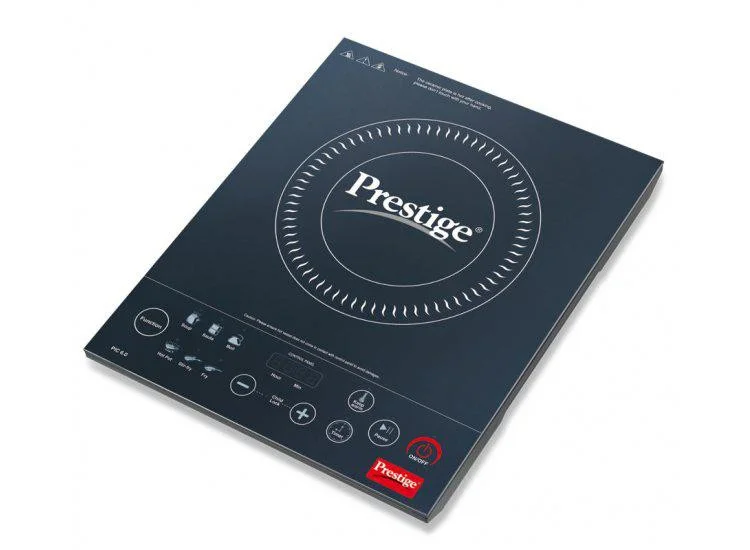
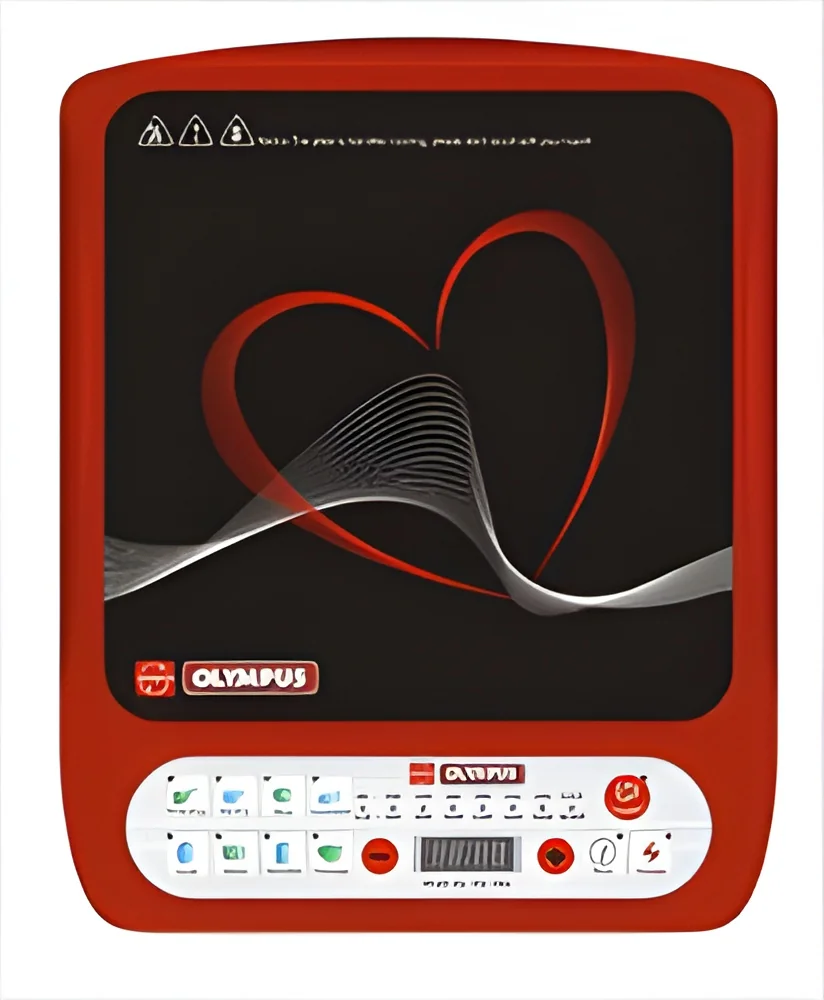
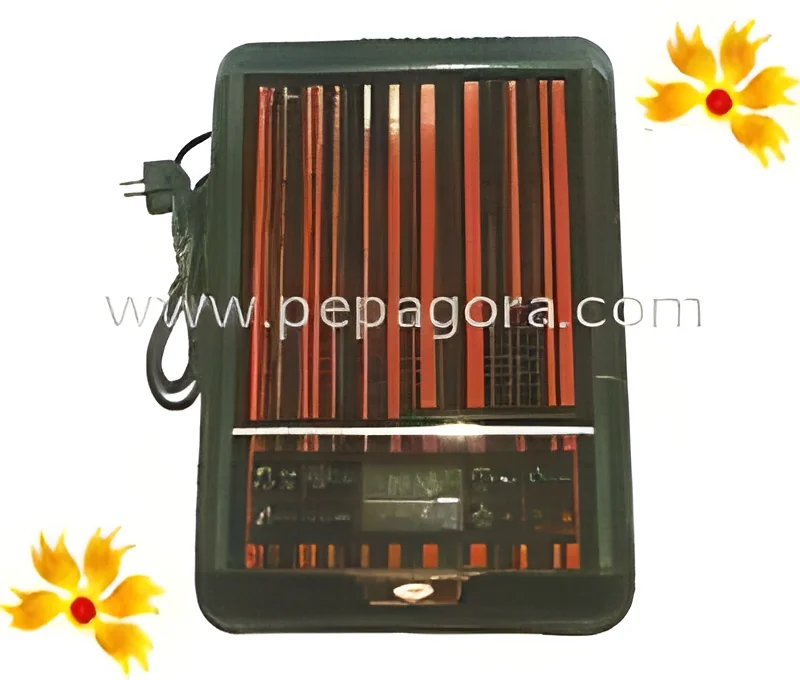
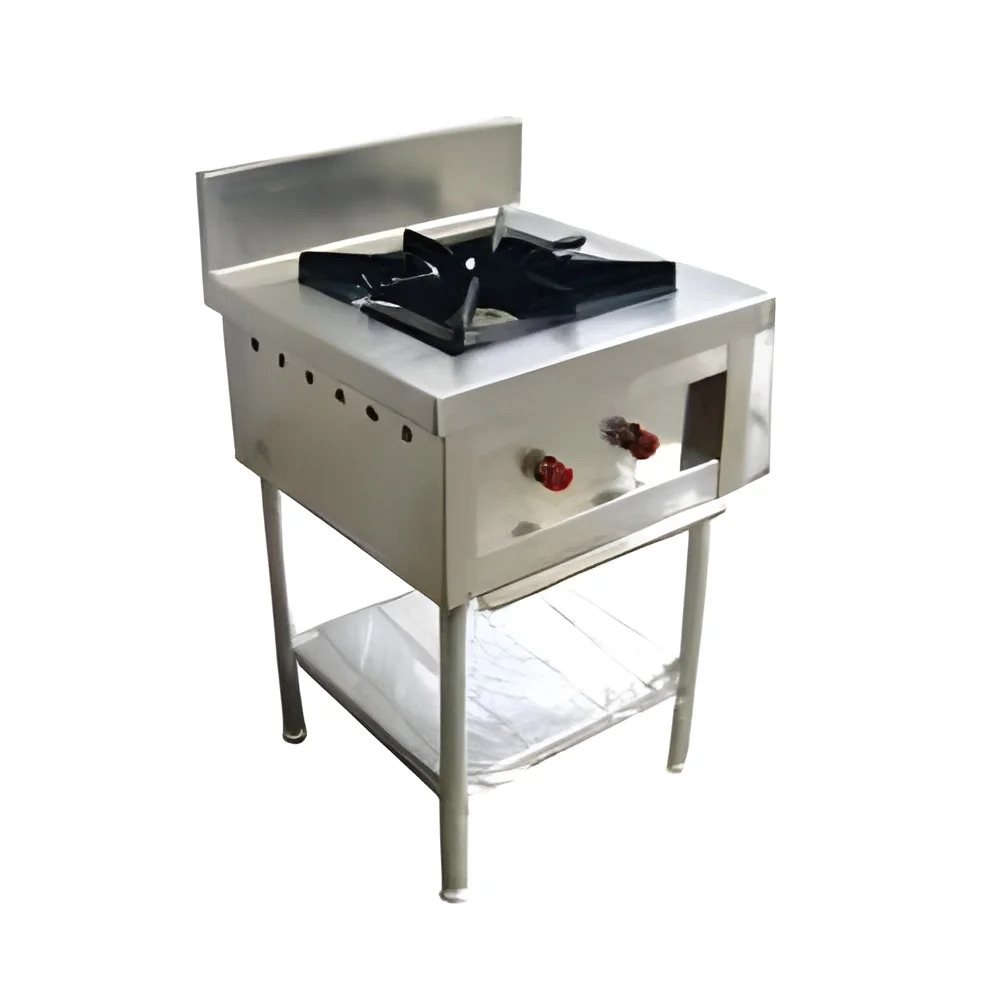
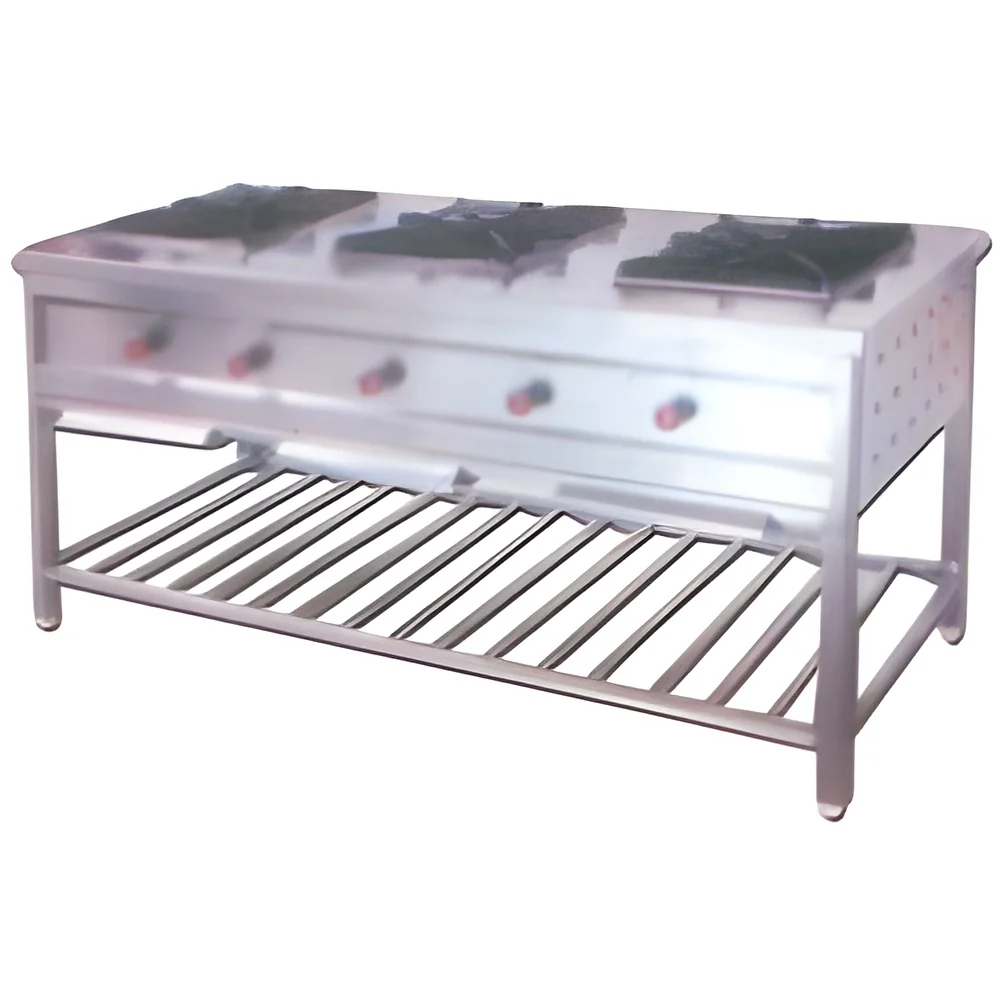
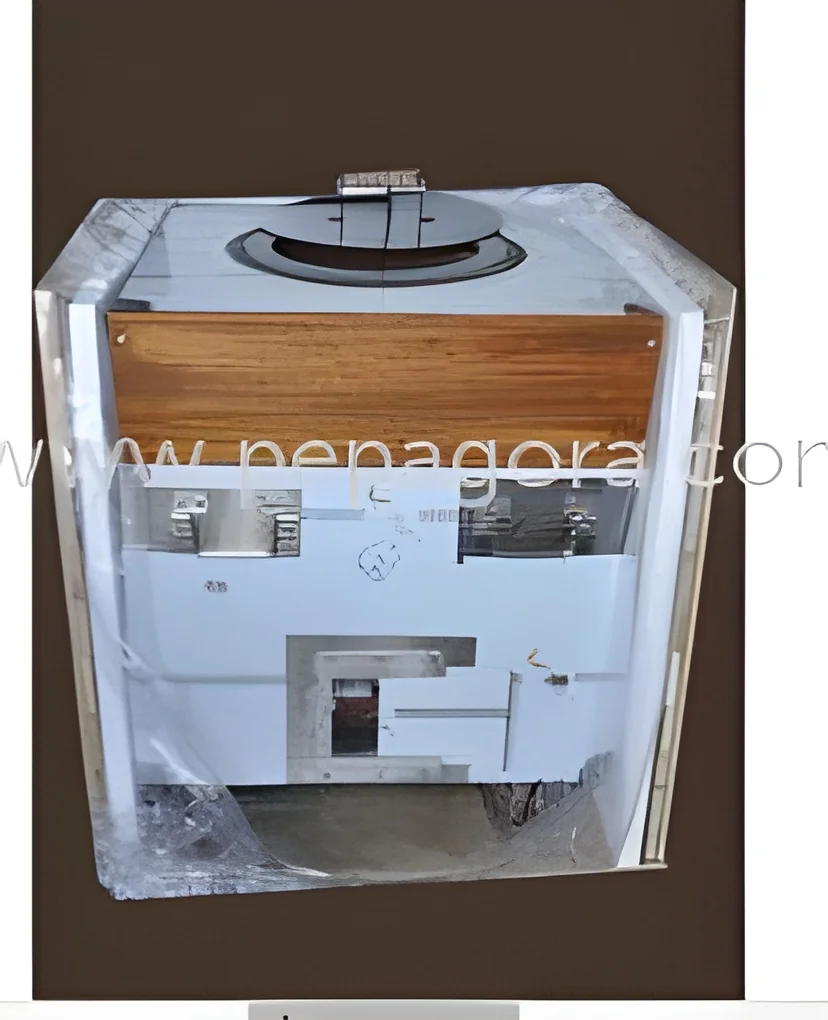
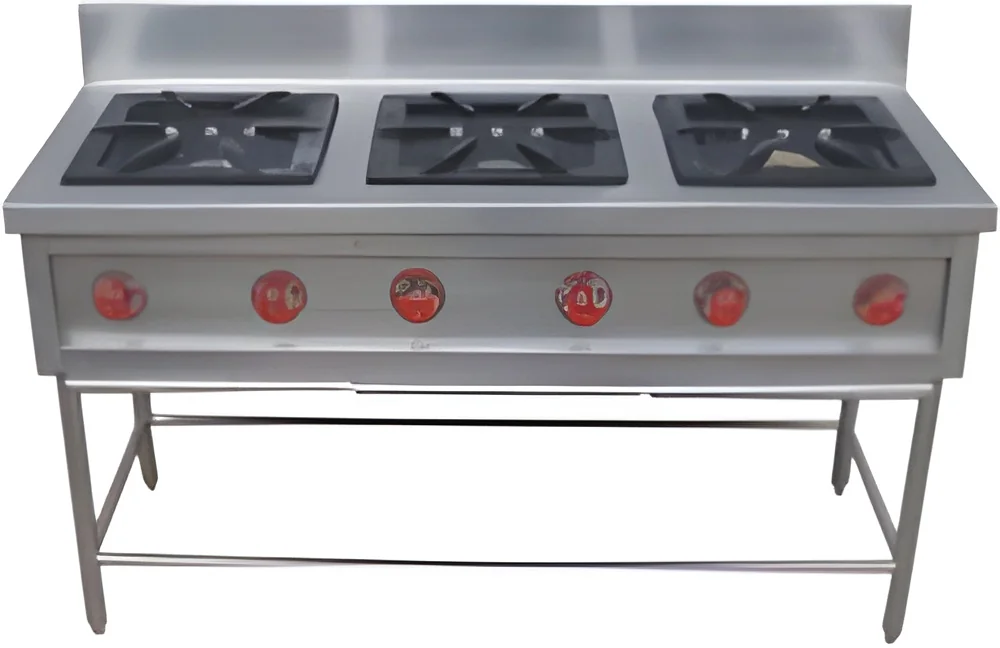
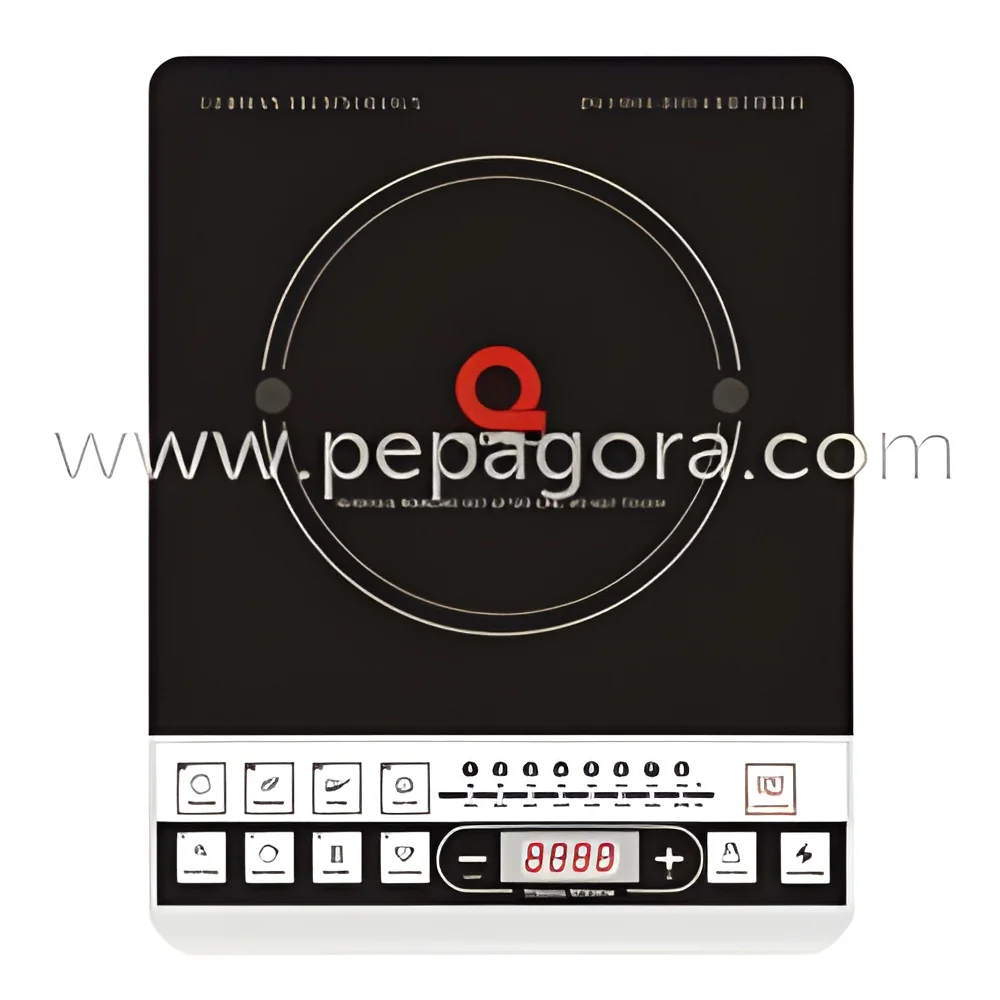
What are Induction Cooktops?
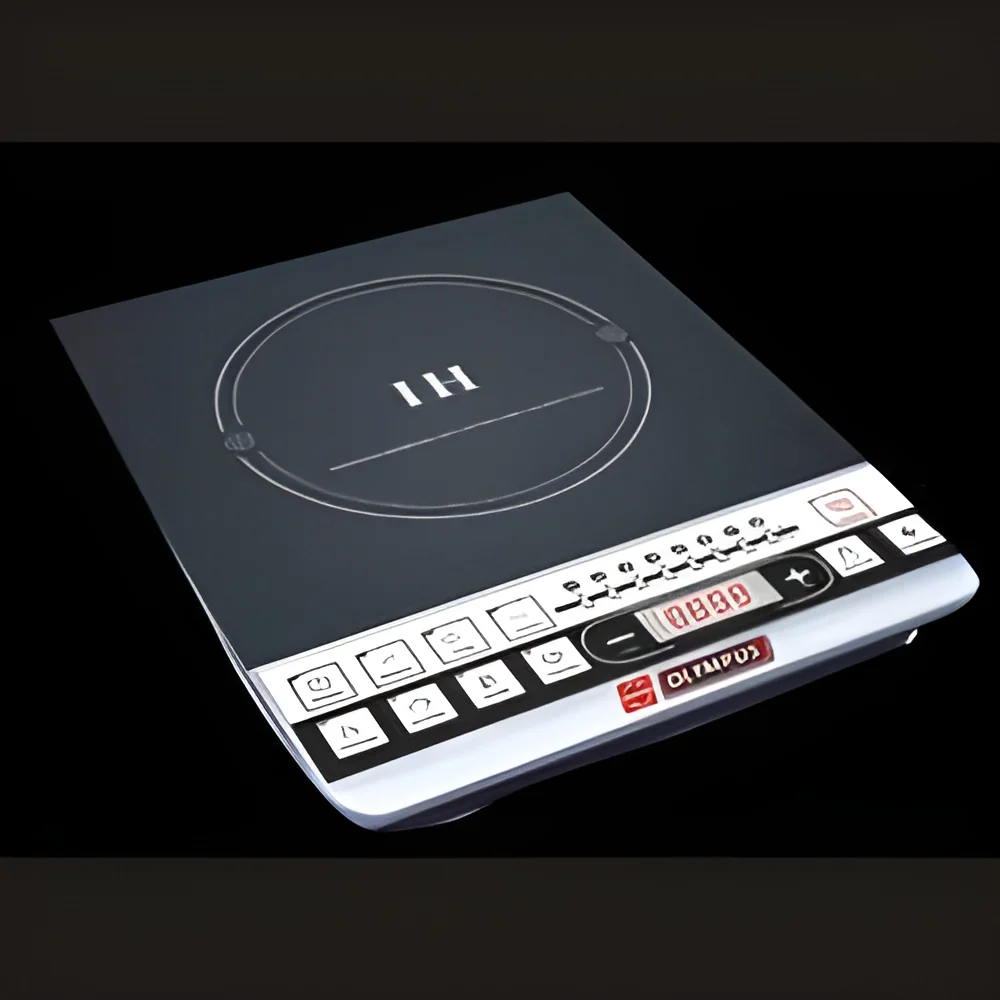
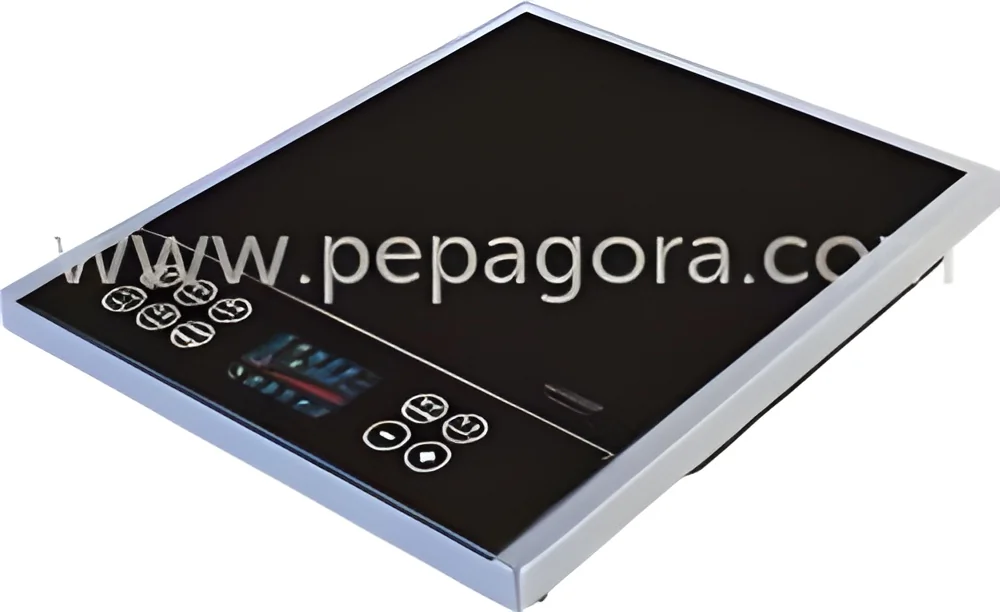
Induction cooktops are advanced cooking appliances that utilize electromagnetic energy to directly heat pots and pans, rather than heating the cooktop surface itself. This method allows for precise temperature control and faster cooking times, making it an efficient choice for both commercial and industrial kitchens. Induction technology works by creating a magnetic field that generates heat in compatible cookware, providing instant heat adjustments.
These cooktops are primarily used in various business settings, including restaurants, catering services, and food processing facilities. They are especially popular in environments where speed and energy efficiency are critical. Additionally, induction cooktops are increasingly being adopted in residential settings due to their safety and ease of use. Given the growing emphasis on energy conservation and sustainable cooking practices, the induction cooktop market is experiencing significant growth and innovation.
Key Features and Specifications
Induction cooktops come equipped with a variety of features that enhance their functionality and usability. When considering these appliances, it is crucial to understand their specifications to ensure they meet your operational needs.
Key specifications include:
1. Power Output
- Typically ranges from 1,200 to 3,700 watts
- Higher wattage allows for quicker heating and cooking times
2. Cooking Zones
- Number of cooking zones can vary from one to six
- Each zone may have its own wattage control for flexibility
3. Control Type
- Options include touch controls and knobs
- Touch controls often provide more precise settings
4. Safety Features
- Automatic shut-off when a pot is removed
- Child safety locks to prevent accidental operation
5. Compatibility
- Works only with ferrous metal cookware
- Magnetic materials are required for induction heating
6. Surface Material
- Typically made from glass-ceramic for easy cleaning
- Scratch-resistant surfaces enhance durability
7. Dimensions
- Available in various sizes to fit different kitchen layouts
- Standard sizes range from 30 cm to 90 cm in width
8. Energy Efficiency
- Generally more energy-efficient than traditional gas or electric stoves
- Can achieve 90% energy efficiency compared to 50% for gas
In summary, understanding these specifications is essential for making an informed purchase, ensuring that the selected induction cooktop aligns with the specific requirements of your business.
Common Applications and Use Cases
Induction cooktops serve a wide range of industries, providing versatile cooking solutions that enhance operational efficiency.
1. Food Service Industry: Commercial kitchens in restaurants and hotels benefit from induction cooktops for their rapid heating capabilities, allowing chefs to prepare meals quickly during peak hours.
2. Catering Services: Catering businesses use induction cooktops for on-site cooking, as they are portable and can be set up in various locations without extensive installation requirements.
3. Food Processing: In food production facilities, induction cooktops are used for cooking and heating processes, ensuring uniform cooking and reducing energy costs.
4. Educational Institutions: Culinary schools and training centers utilize induction cooktops to teach students about modern cooking techniques safely and efficiently.
5. Healthcare Facilities: Hospitals and care homes use induction cooktops to prepare meals, ensuring food safety and compliance with health regulations.
6. Residential Kitchens: Homeowners increasingly adopt induction cooktops for their modern design and energy efficiency, making them ideal for contemporary kitchens.
Benefits and Advantages
Induction cooktops offer numerous advantages over traditional cooking methods, making them an attractive option for businesses.
1. Energy Efficiency: Induction cooktops use less energy compared to gas or electric stoves, reducing operational costs and environmental impact.
2. Speed: These cooktops heat up quickly, significantly reducing cooking times and improving kitchen productivity.
3. Precision Cooking: The ability to control temperature settings with high accuracy allows for better cooking results and consistency in food preparation.
4. Safety Features: Induction cooktops remain cool to the touch, reducing the risk of burns and enhancing safety in busy kitchens.
5. Easy Cleaning: The smooth surface of induction cooktops makes them simple to clean, as spills do not burn onto the surface.
6. Versatility: With multiple cooking zones and power settings, induction cooktops can accommodate a variety of cooking styles and techniques.
Buying Guide for B2B Buyers
When sourcing induction cooktops for your business, several factors should be considered to ensure you make the right choice.
1. Quality Assessment: Look for cooktops that meet recognized quality standards. Check for certifications that indicate reliability and performance.
2. Supplier Verification: Vet suppliers thoroughly to ensure they have a good reputation and provide high-quality products. This may include checking reviews and references.
3. Pricing and MOQ: Understand the pricing structure and minimum order quantities (MOQ) that suppliers offer. Compare prices while considering the total cost of ownership.
4. Delivery and Lead Times: Confirm the expected delivery times and ensure they align with your operational needs to avoid disruptions.
5. Compliance Requirements: Be aware of any industry-specific compliance requirements and certifications needed for commercial kitchen equipment.
Compliance and Certifications
Induction cooktops must adhere to various industry standards and compliance regulations to ensure safety and performance. Key quality standards include ISO 9001, which focuses on quality management systems, and HACCP, which ensures food safety in food-related industries. Additionally, compliance with GDP (Good Distribution Practice) is essential in maintaining product integrity throughout the supply chain.
Induction cooktops are often certified by CE, which signifies conformity with health, safety, and environmental protection standards in the European Economic Area. Safety and testing requirements are critical, as they ensure that the appliances meet rigorous operational safety benchmarks.
Regional compliance considerations may vary based on local regulations, making it important for businesses to stay informed about relevant laws in their operational areas.
Why Source Induction Cooktops from Pepagora?
Pepagora offers a trusted platform for sourcing induction cooktops, providing several key advantages for B2B buyers.
Verified Supplier Network: Our marketplace features a wide range of verified suppliers, ensuring that businesses can find reliable products that meet their quality standards.
Streamlined RFQ Process: The request for quotation (RFQ) system allows buyers to easily compare offers from multiple suppliers, simplifying the procurement process.
Trade Assurance and Support: Pepagora provides trade assurance to protect buyers from potential risks during transactions, fostering confidence in the purchasing experience.
Regional Coverage: With a strong presence in India, the GCC, and Southeast Asia, Pepagora facilitates access to suppliers and products across diverse markets, helping buyers find the right solutions for their specific needs.

 IN
IN