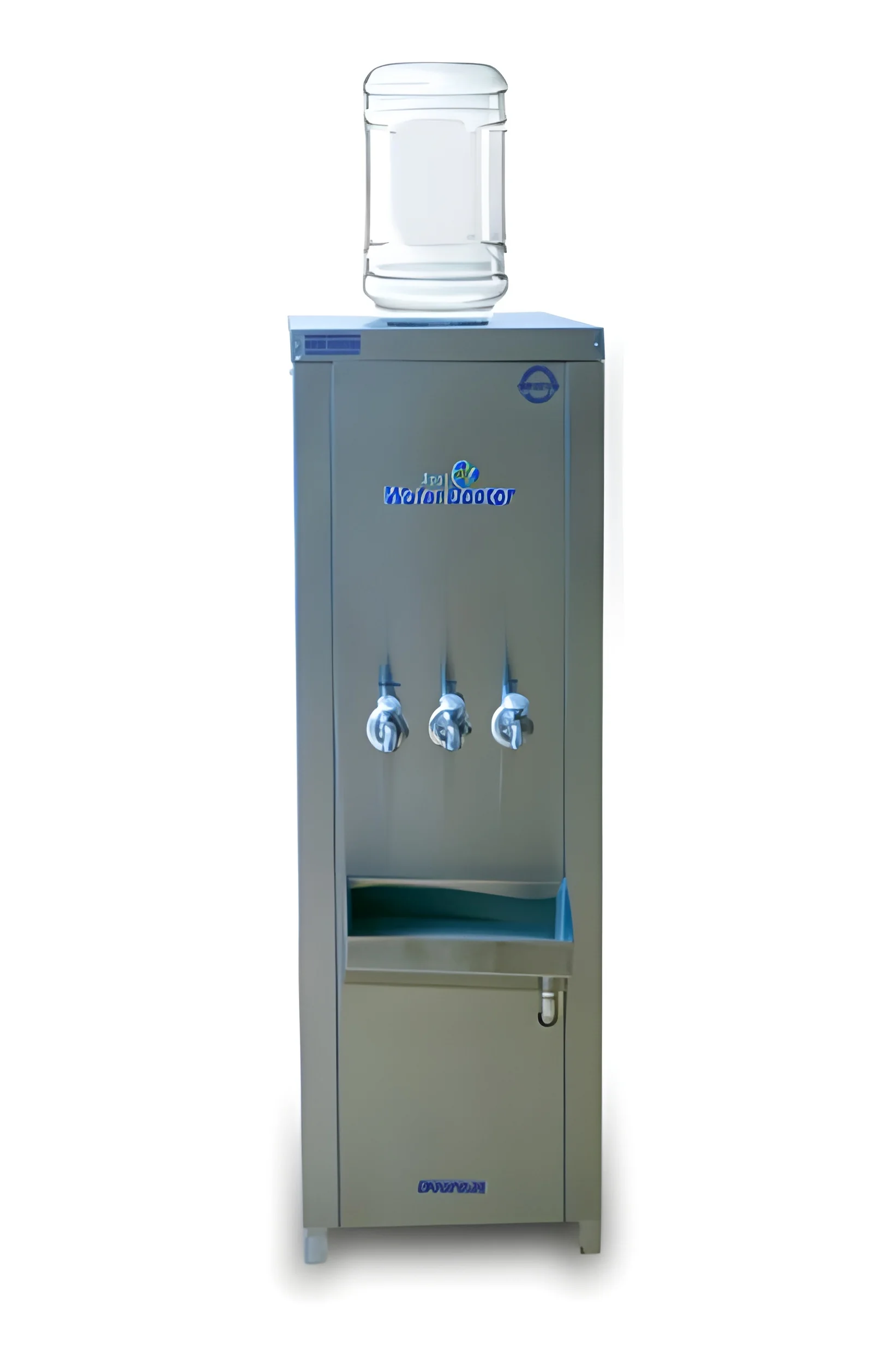
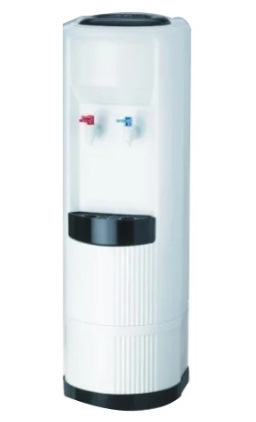
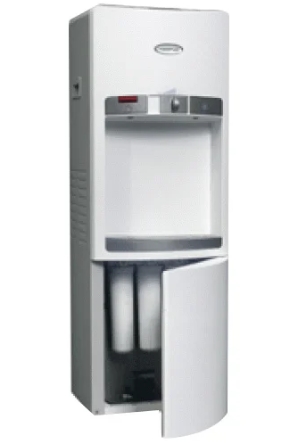
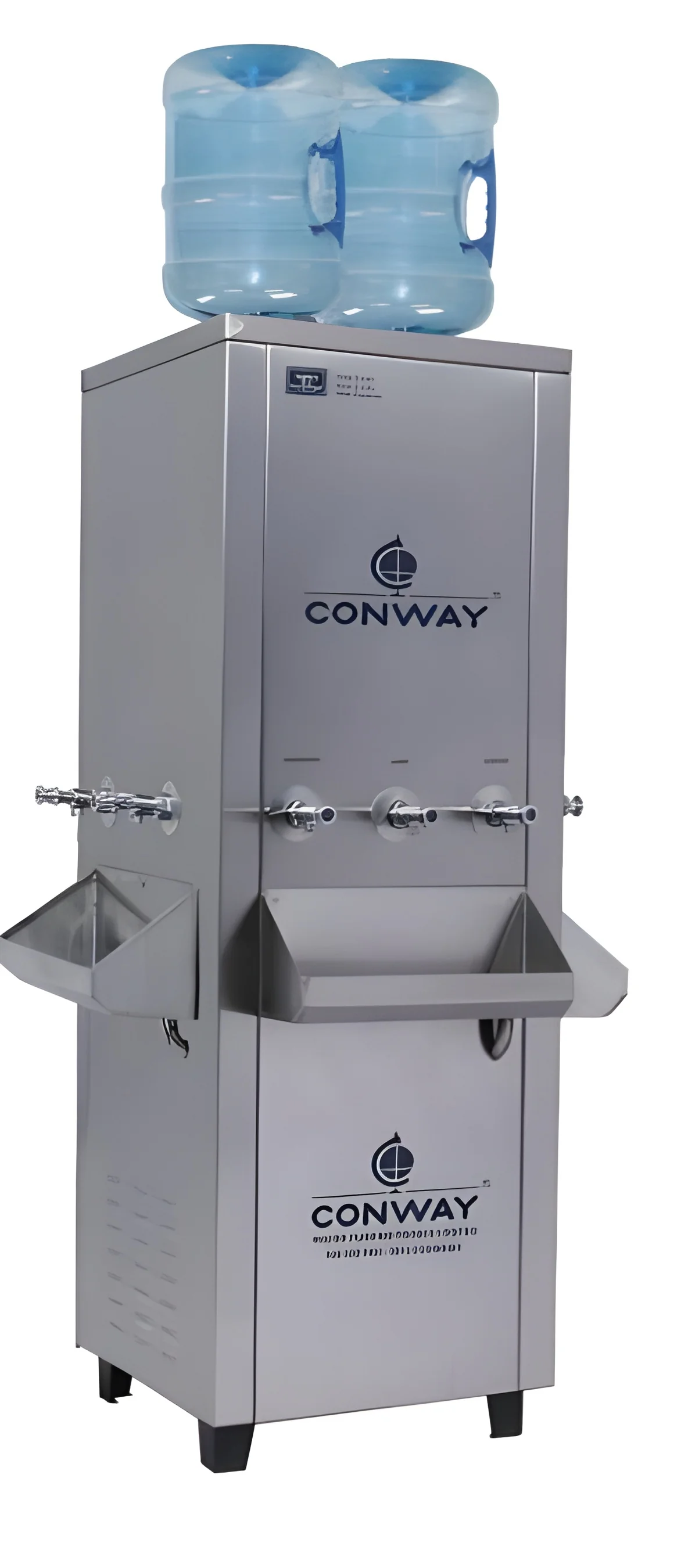
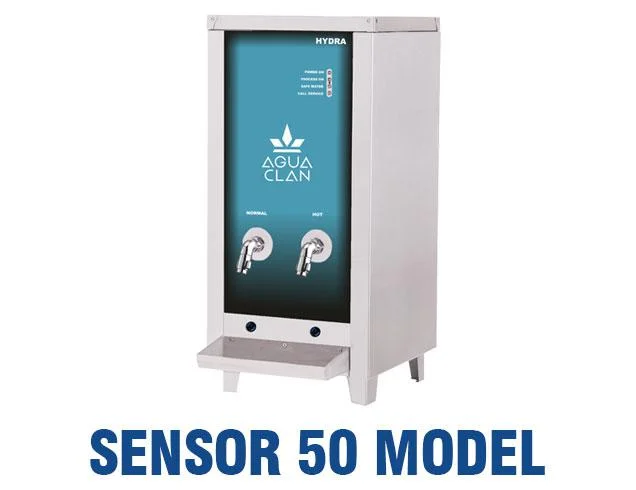
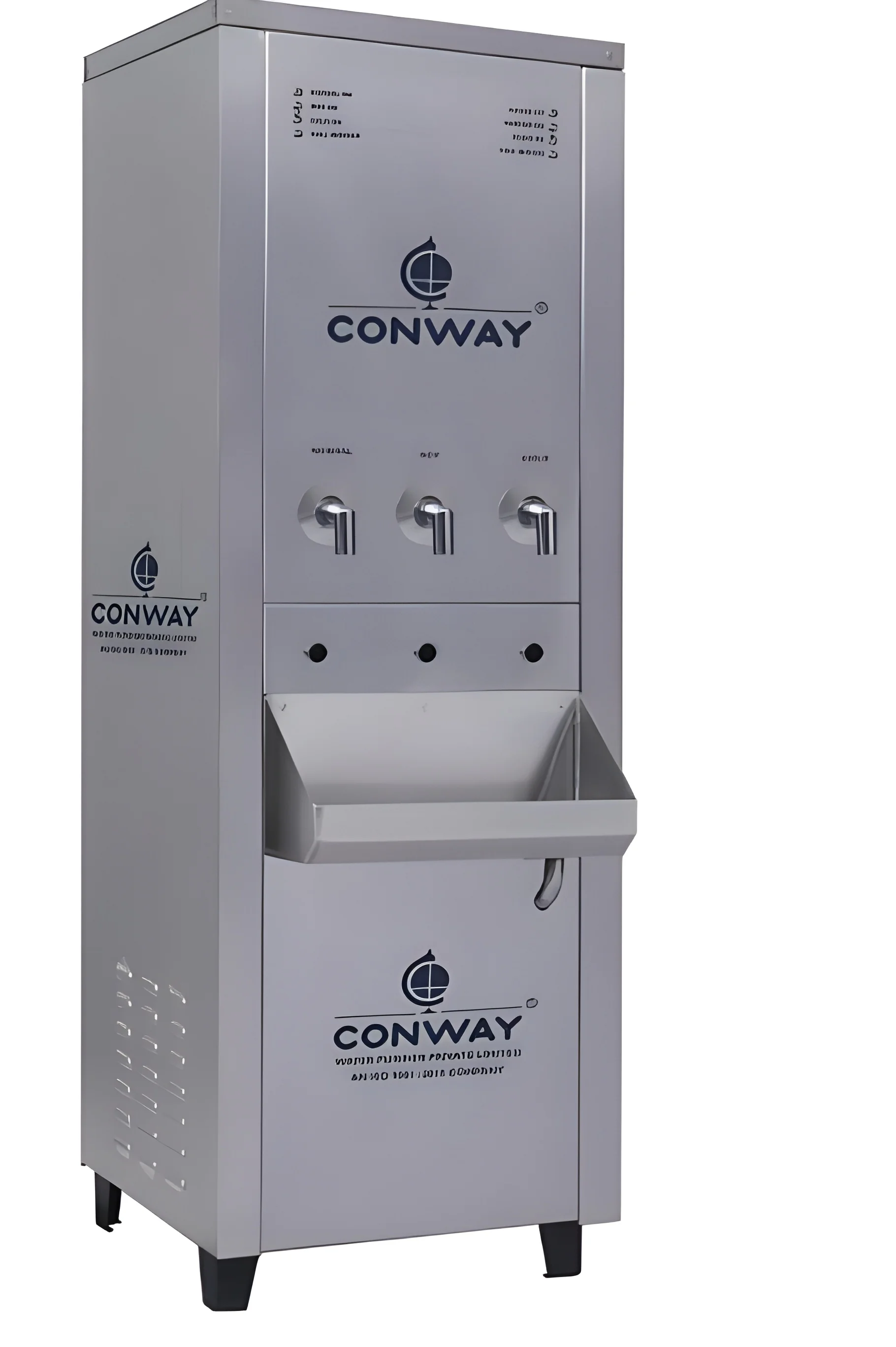
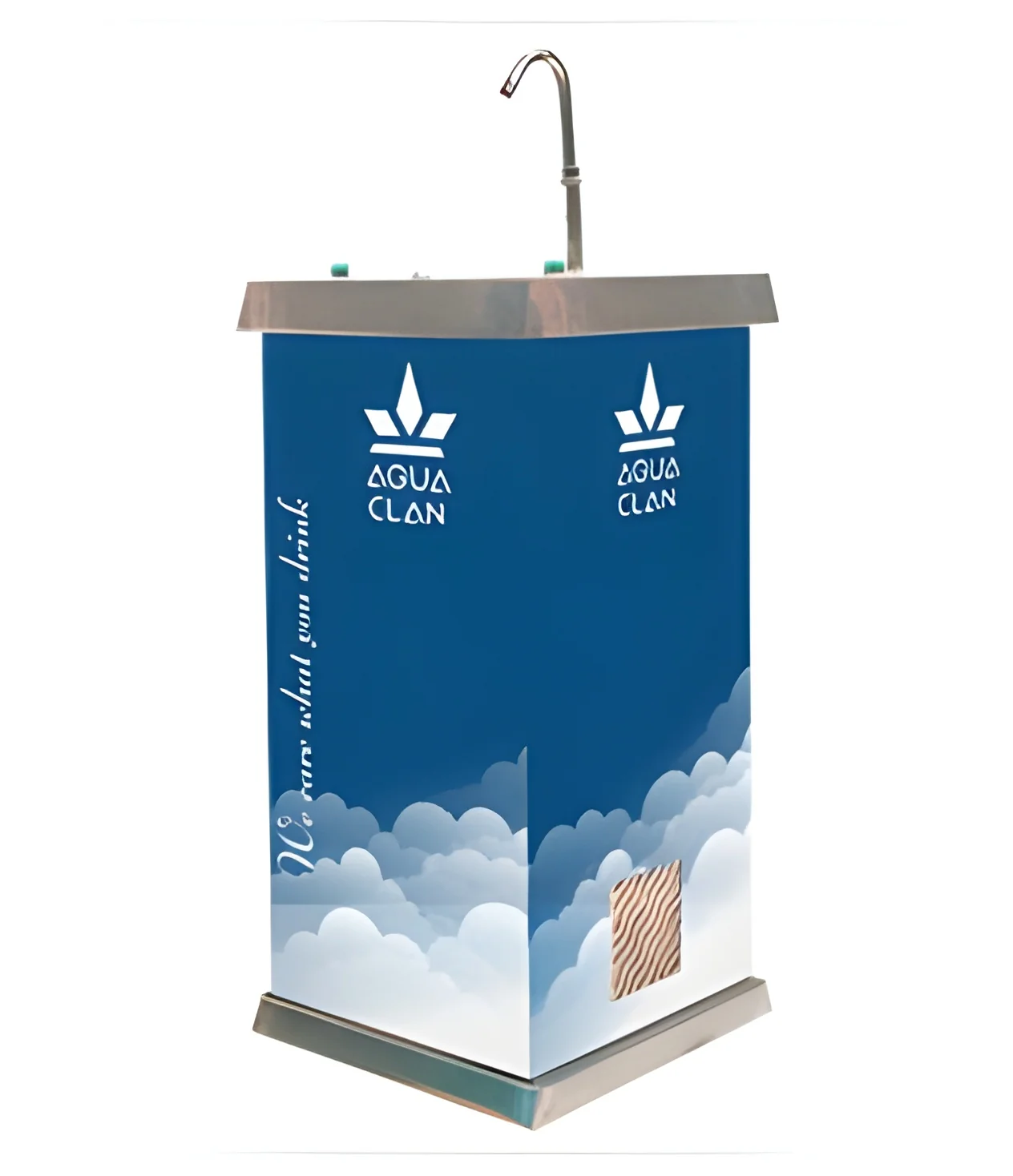
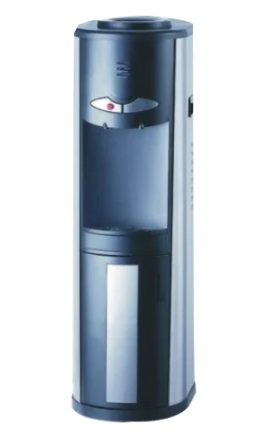
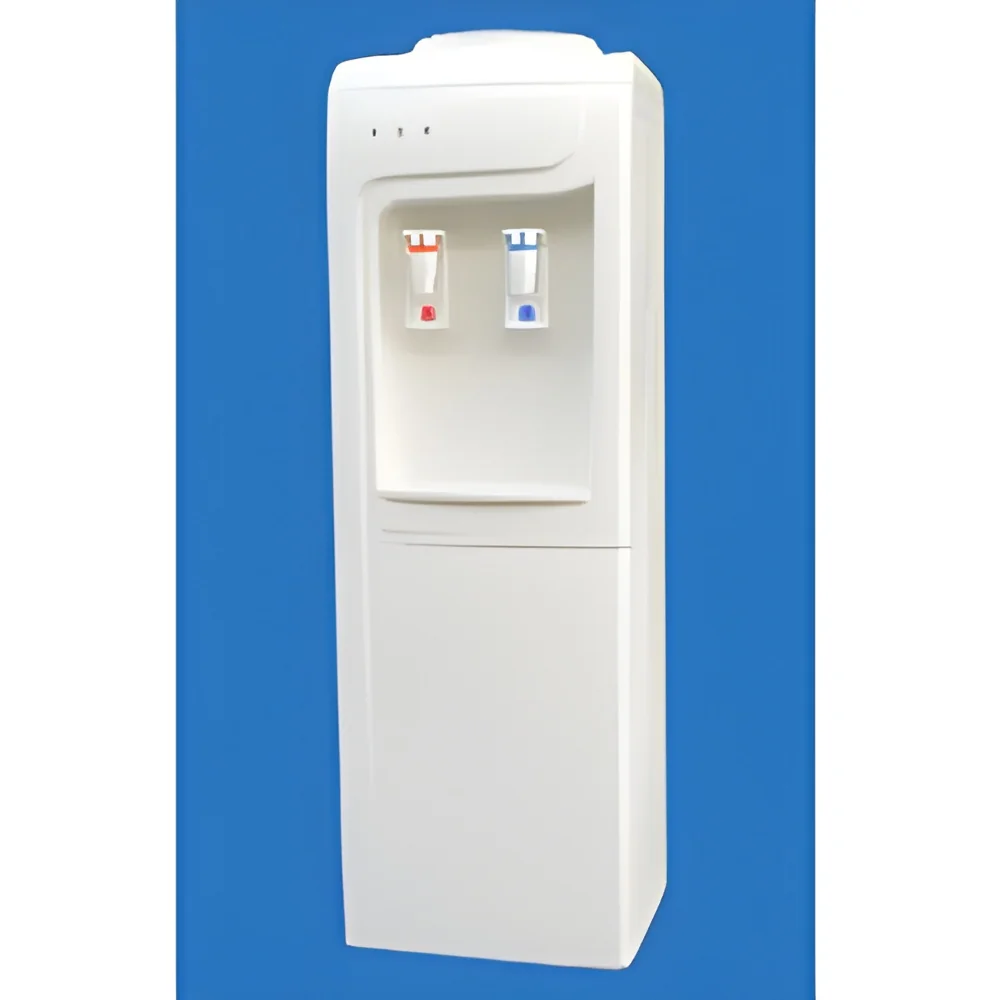
What are Water Dispensers?
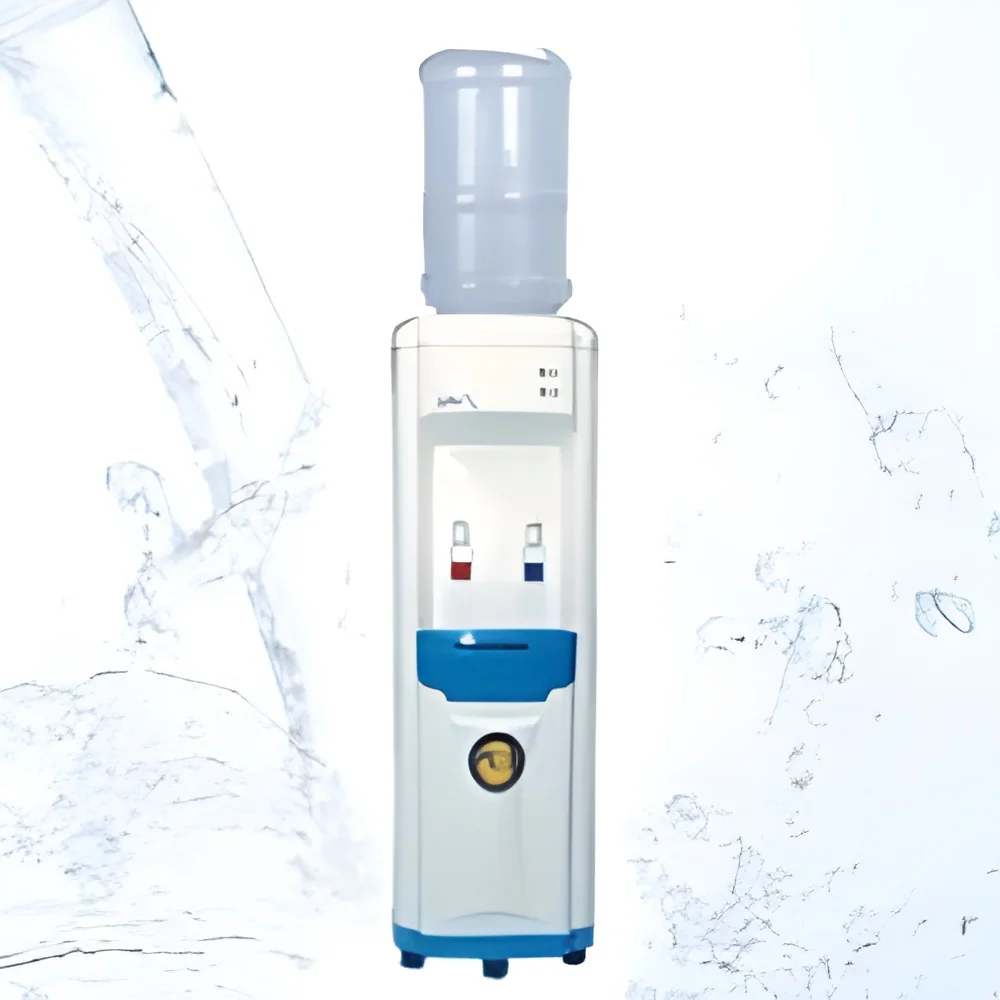
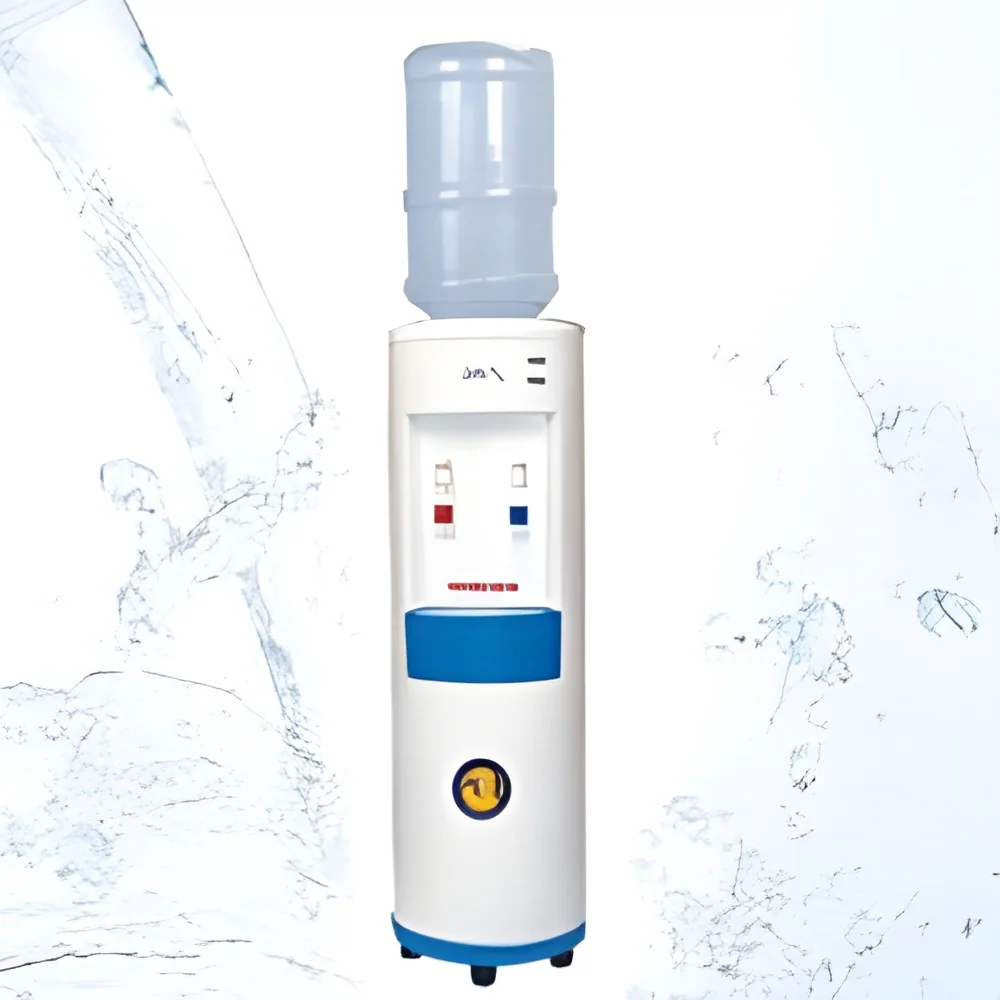
Water dispensers are devices designed to provide convenient access to drinking water. They can be found in various settings, including offices, schools, hospitals, and industrial environments. These dispensers typically store water in large containers or connect directly to a water supply, offering chilled, hot, or room temperature water based on user preferences. The ease of use and accessibility make them a popular choice for hydration solutions in both residential and commercial spaces.
The primary uses of water dispensers in business applications include providing employees and customers with easy access to drinking water, supporting hydration initiatives, and promoting workplace wellness. In many cases, water dispensers are essential for maintaining productivity, especially in high-demand environments. The growing awareness of health and wellness trends has increased the relevance of water dispensers across industries, reinforcing their market presence.
As businesses recognize the importance of providing clean and safe drinking water, the demand for water dispensers continues to rise. The market is evolving with advancements in technology and design, catering to the specific needs of different industries. Whether for convenience or health considerations, water dispensers play a vital role in enhancing workplace environments.
Key Features and Specifications
Water dispensers come equipped with various features designed to provide efficient and effective hydration solutions. Understanding the specifications is crucial for selecting the right unit for your business needs.
Key specifications include:
1. Water Capacity
- Available in different sizes, typically ranging from 3 to 5 gallons for bottled models.
- Some models offer direct plumbed connections for continuous water supply.
2. Temperature Control
- Options for hot, cold, and room temperature water.
- Heating and cooling capacities vary, often reaching up to 185°F for hot water and as low as 50°F for cold water.
3. Filtration System
- Many models include built-in filtration for improved water quality.
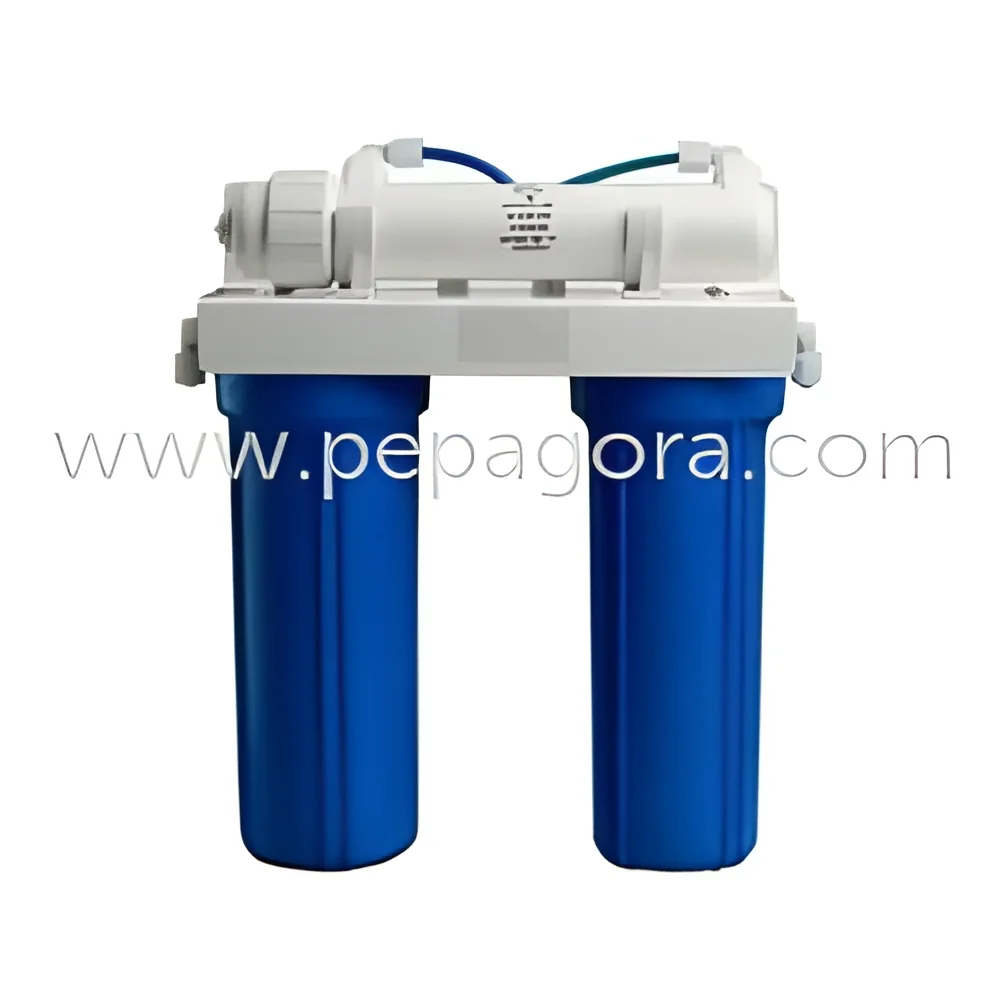
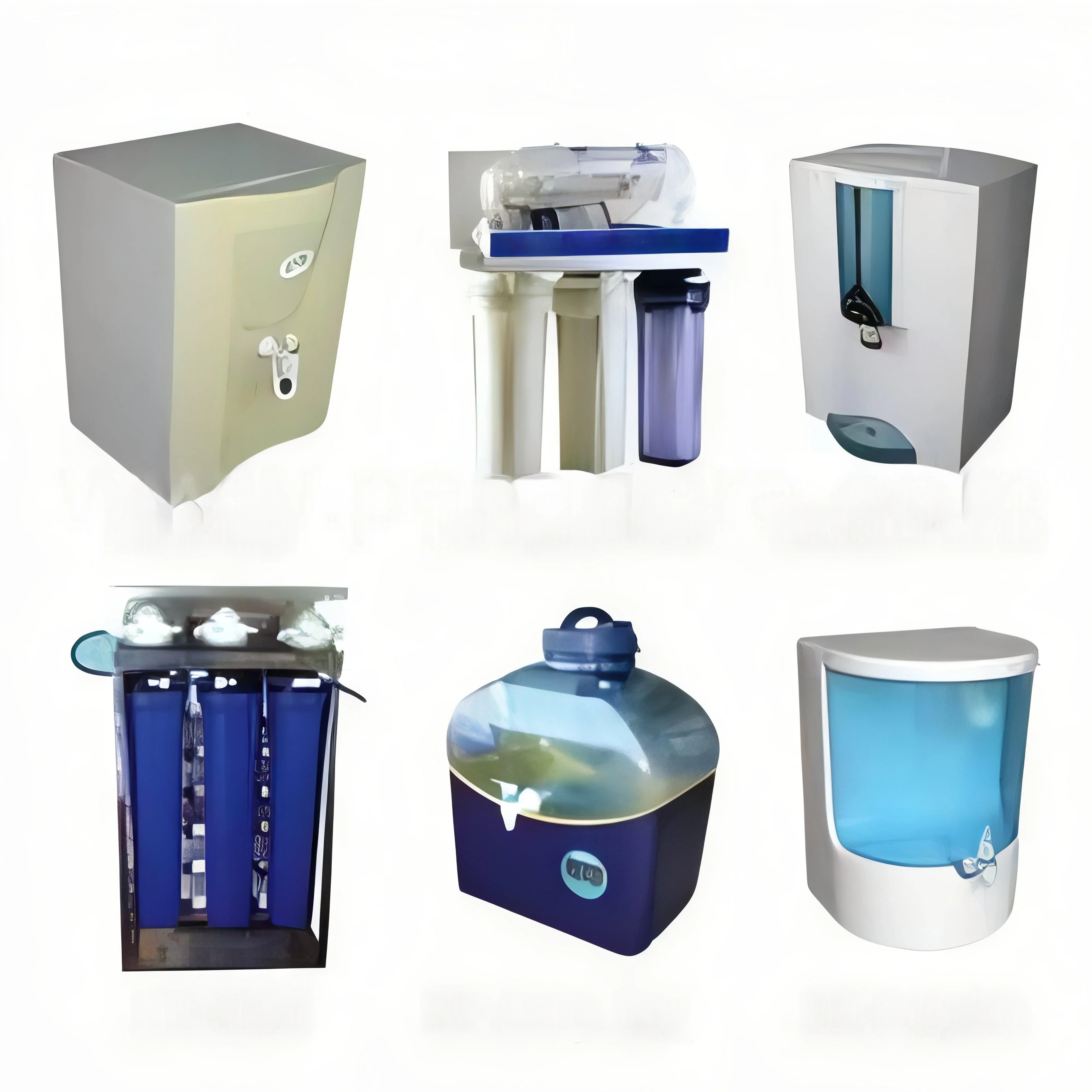
- Filtration types may include activated carbon, reverse osmosis, or UV purification.
4. Energy Efficiency
- Energy Star ratings indicate energy-efficient models.
- Features like sleep mode can reduce energy consumption.
5. Design and Portability
- Available in a variety of designs to match office aesthetics.
- Some models come with wheels for easy mobility.
6. Safety Features
- Child safety locks for hot water taps.
- Automatic shut-off systems to prevent overheating.
7. Maintenance Indicators
- Alerts for filter replacement and general maintenance needs.
8. Customization Options
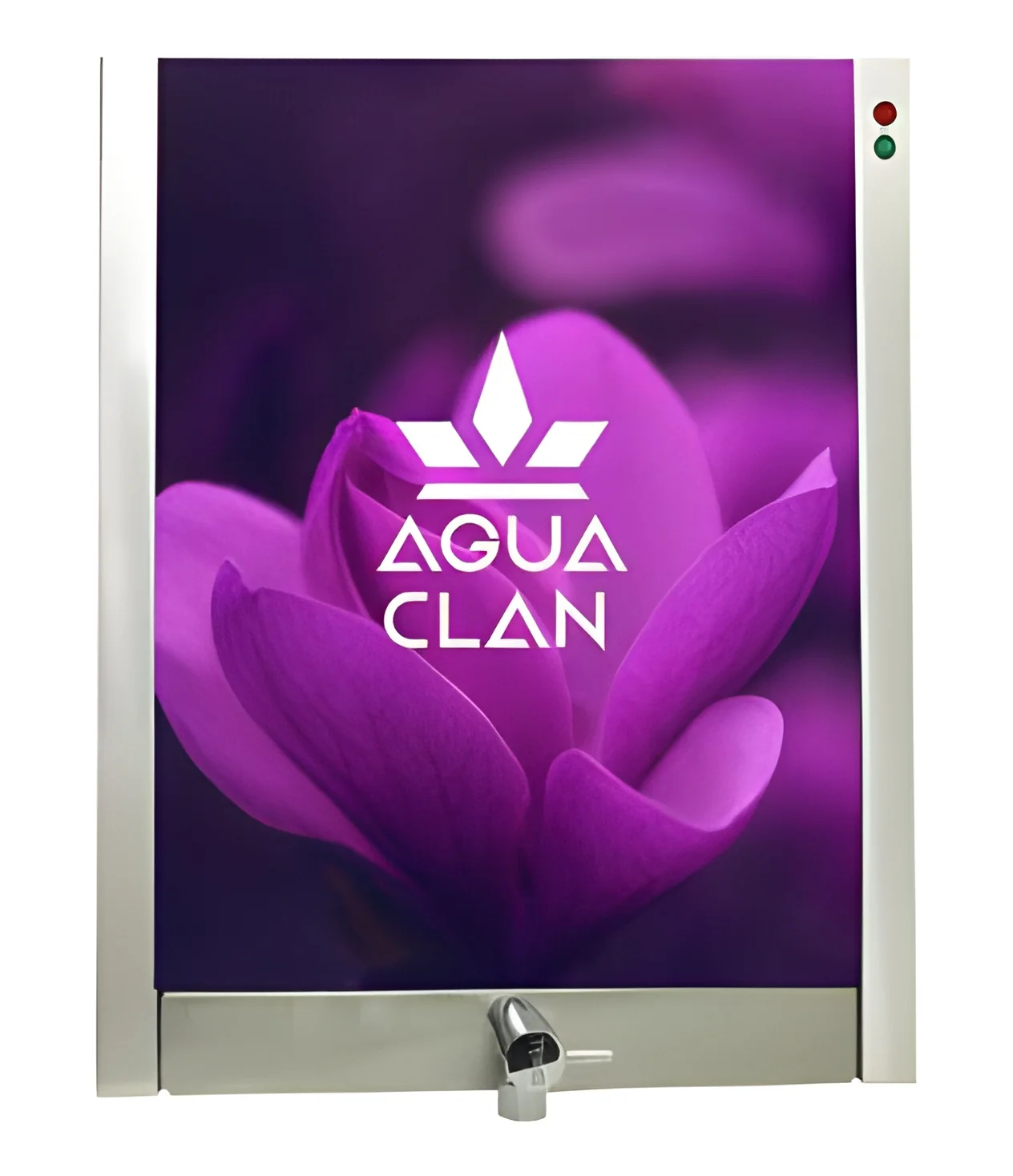
- Some brands offer customization for branding and aesthetic preferences.
Understanding these specifications helps businesses select water dispensers that meet their operational requirements while ensuring user satisfaction.
Common Applications and Use Cases
Water dispensers are versatile and serve a range of industries effectively.
1. Office Environments: Water dispensers are essential in offices, providing employees with easy access to hydration. This promotes workplace wellness and can enhance productivity.
2. Educational Institutions: Schools and universities utilize water dispensers to encourage students to stay hydrated throughout the day. They are often placed in cafeterias and common areas.
3. Healthcare Facilities: Hospitals and clinics use water dispensers to provide patients, visitors, and staff with convenient access to drinking water. Ensuring hydration is crucial for patient recovery and comfort.
4. Hospitality Sector: Hotels and resorts install water dispensers in lobbies and dining areas to enhance guest experience by offering refreshing hydration options.
5. Industrial Sites: Manufacturing plants and warehouses often incorporate water dispensers to ensure that workers have access to hydration, which is vital for maintaining safety and productivity.
6. Retail Spaces: Shopping malls and supermarkets install water dispensers for customer convenience, encouraging shoppers to stay hydrated during their visits.
7. Fitness Centers: Gyms and fitness studios provide water dispensers to support members in maintaining hydration during workouts.
Product Variants and Subcategories
Water dispensers come in various forms, catering to different needs and preferences.
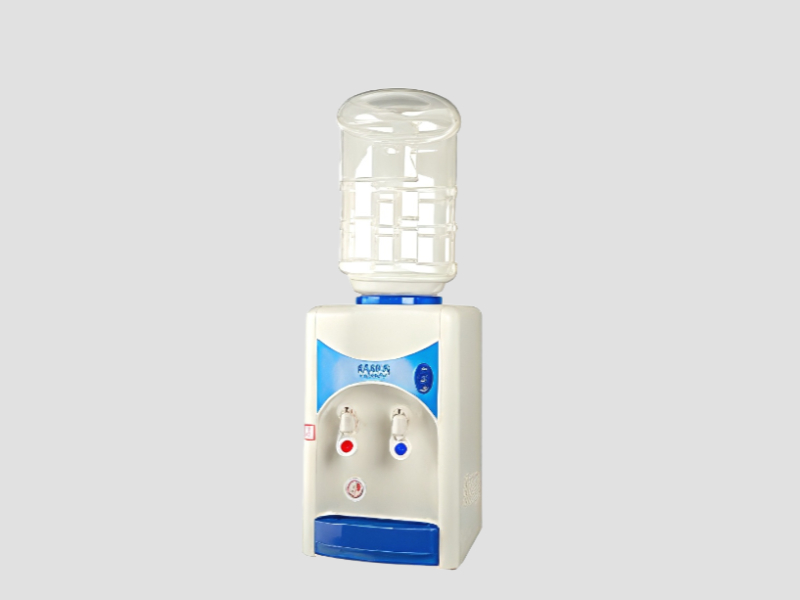
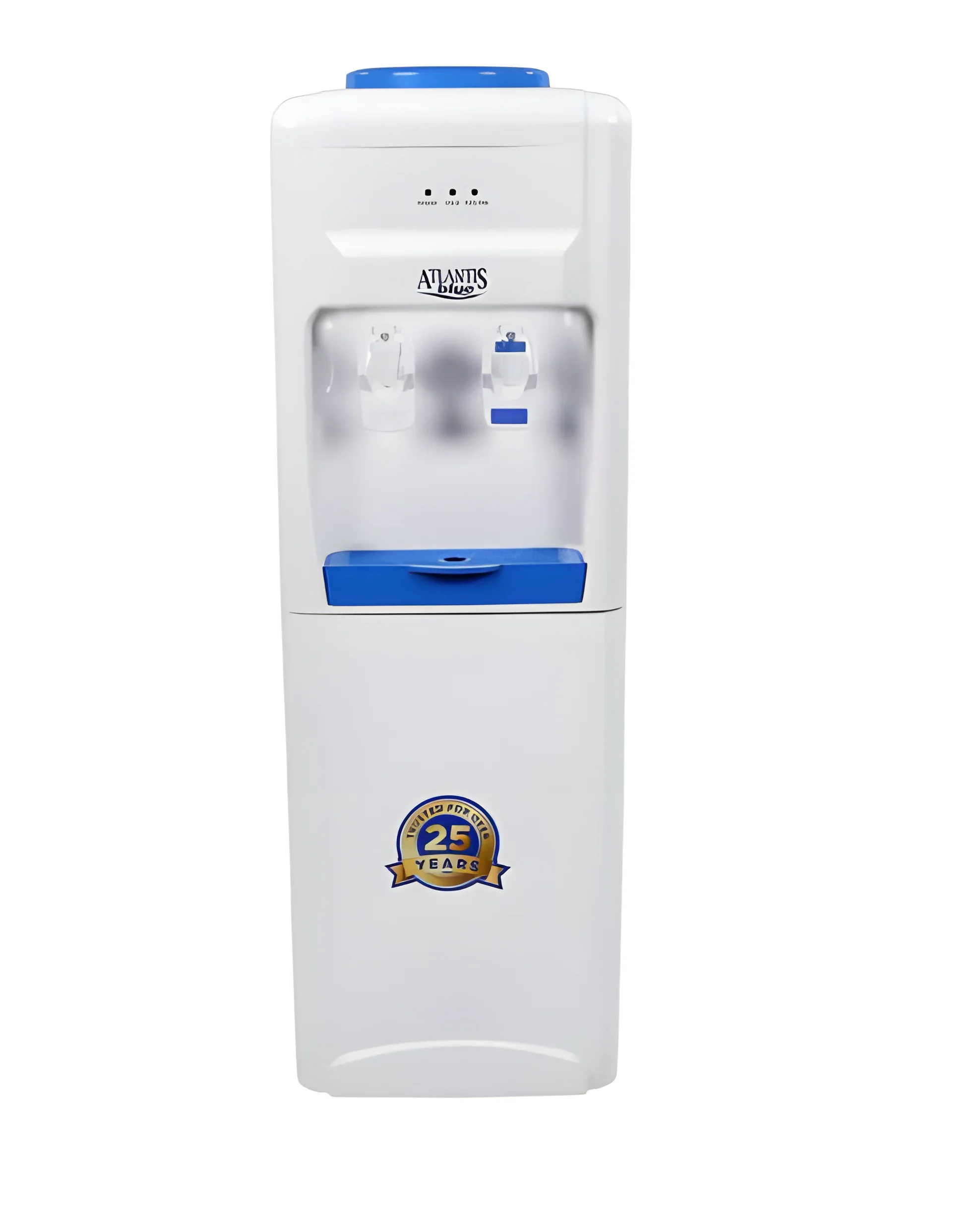
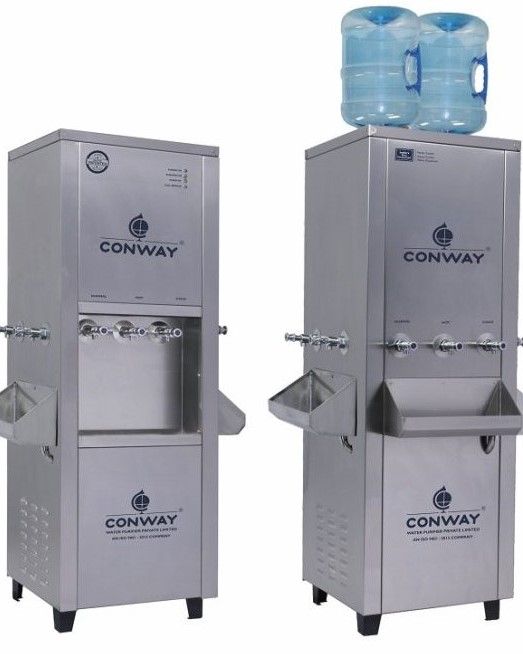
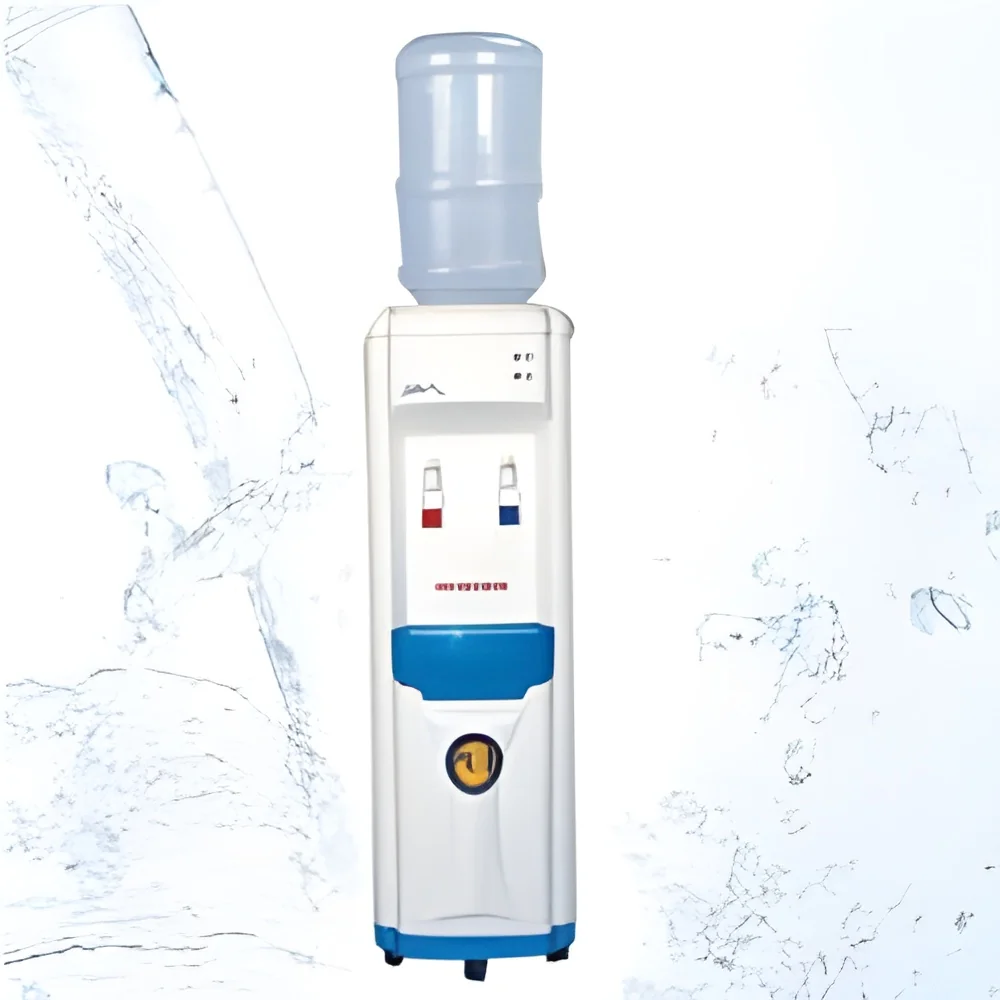
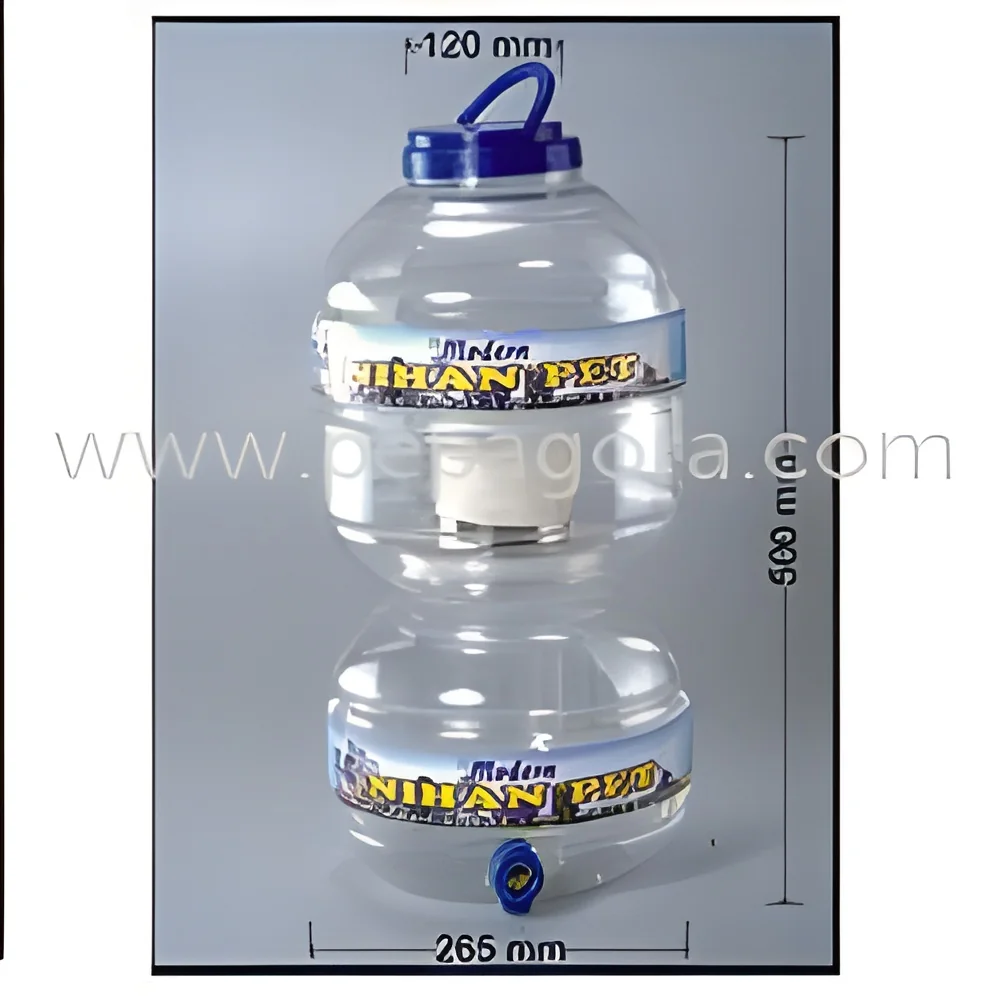
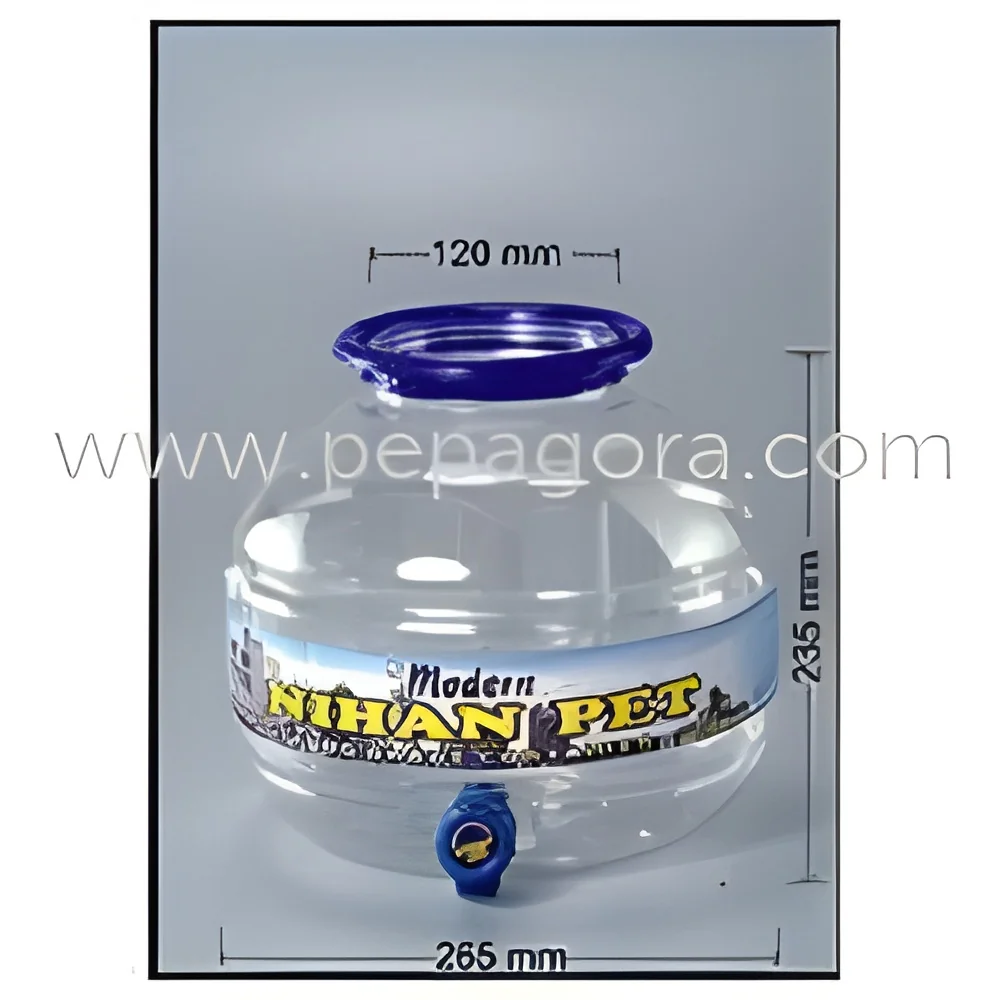
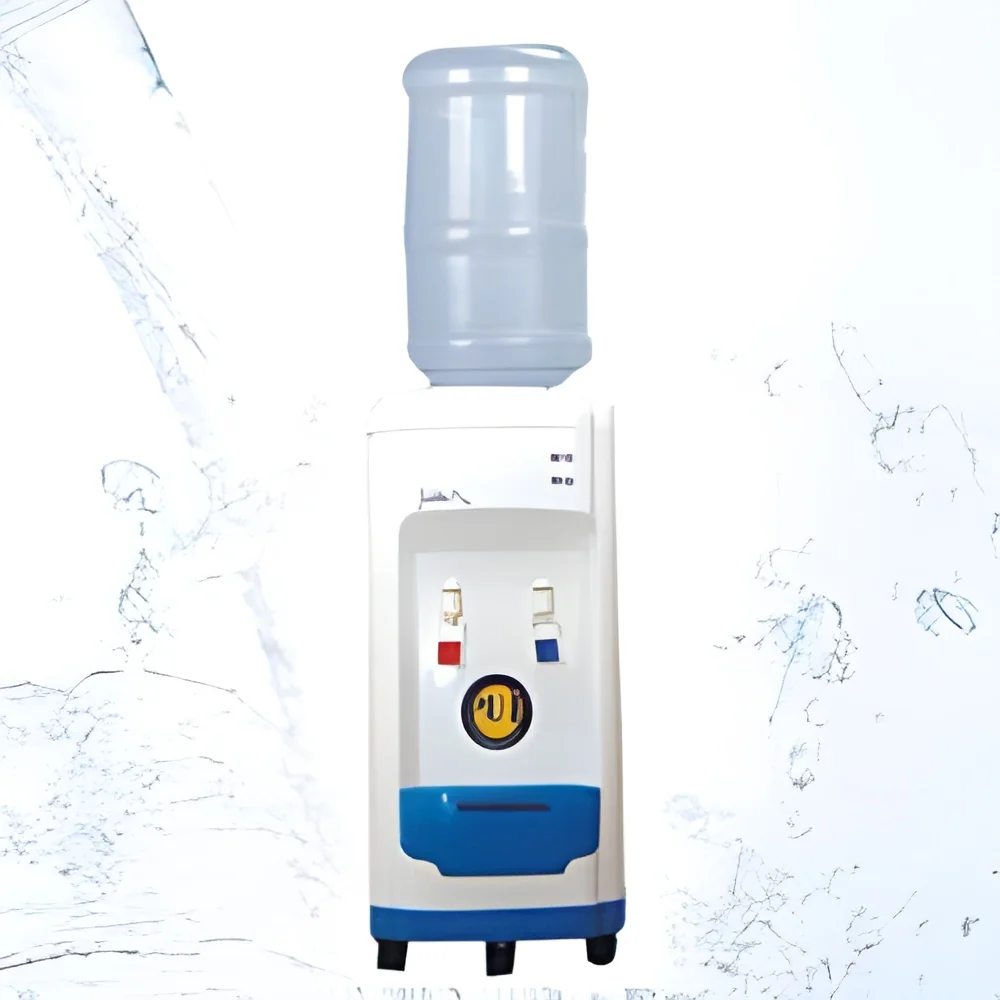
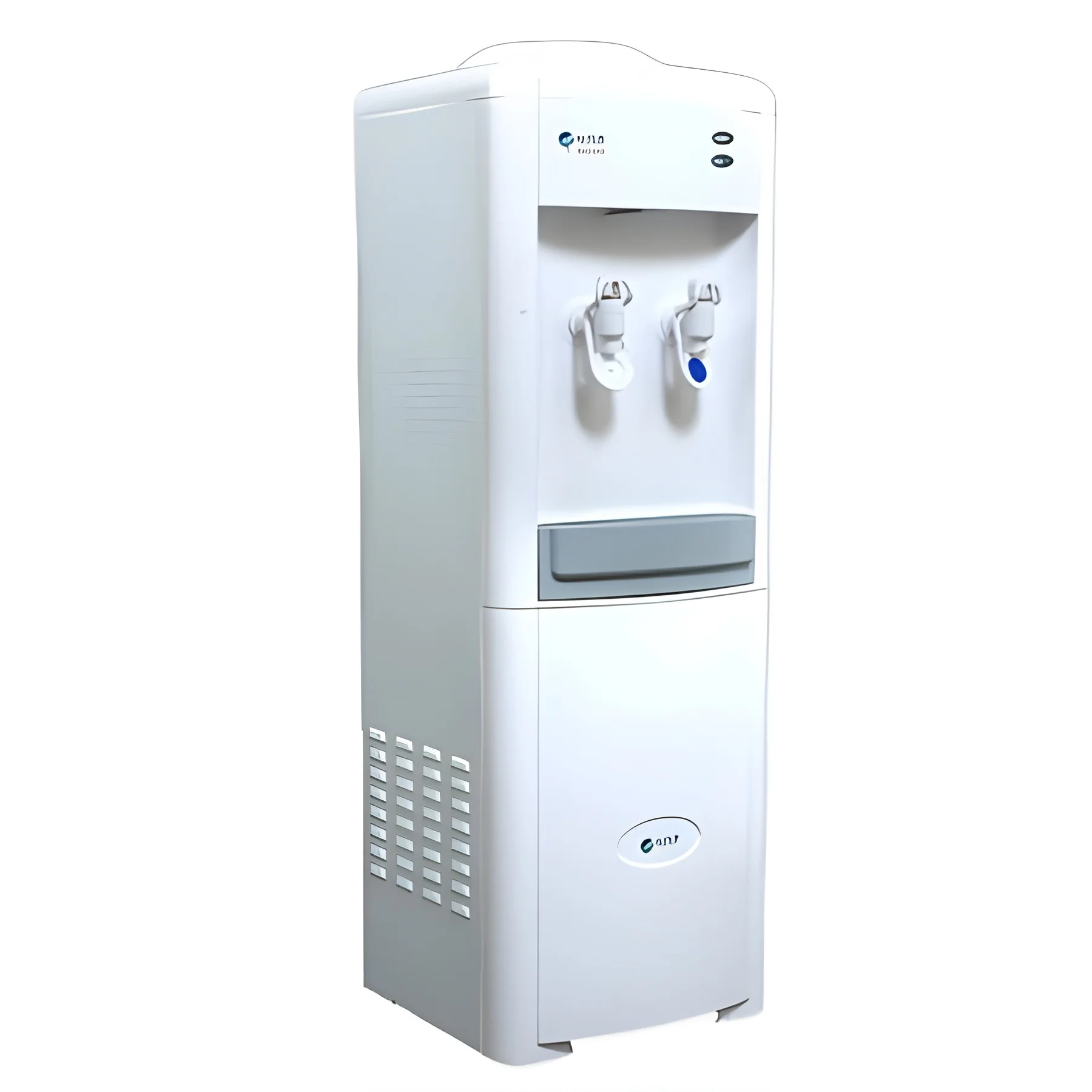
Bottled Water Dispenser
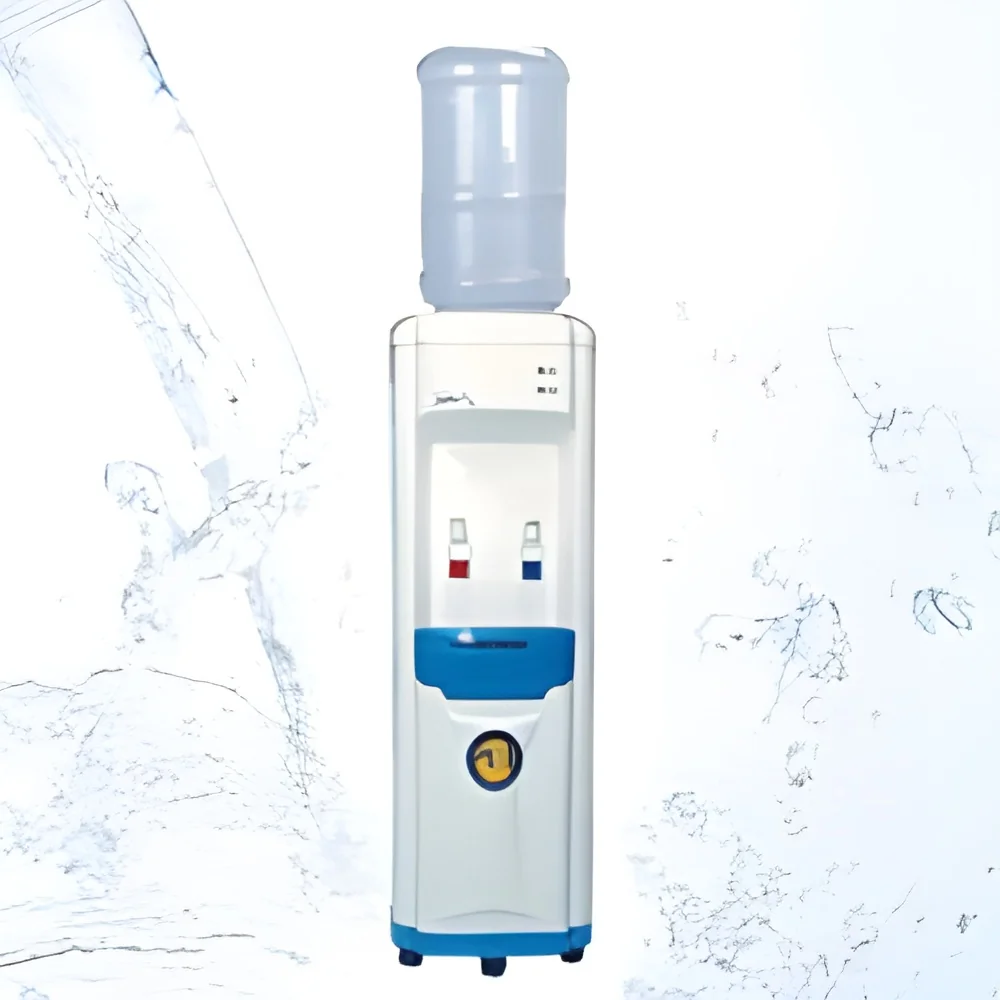
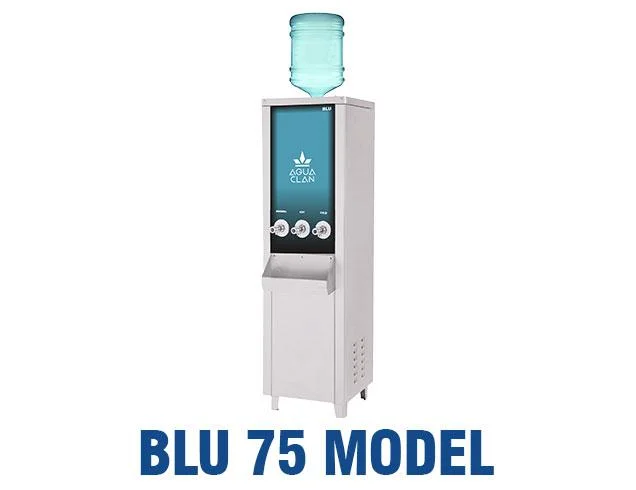
This variant utilizes large water bottles that can be replaced as needed. It is ideal for locations without direct plumbing access and offers flexibility in water sourcing.
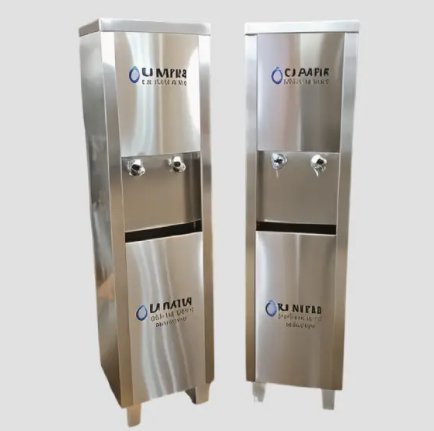
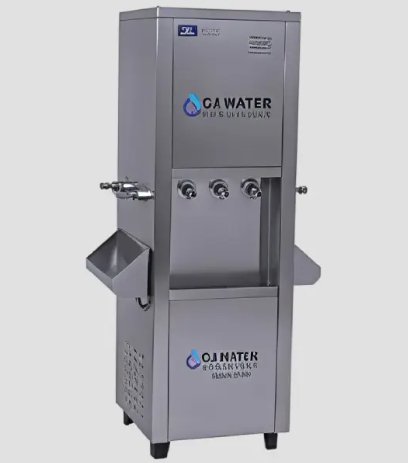
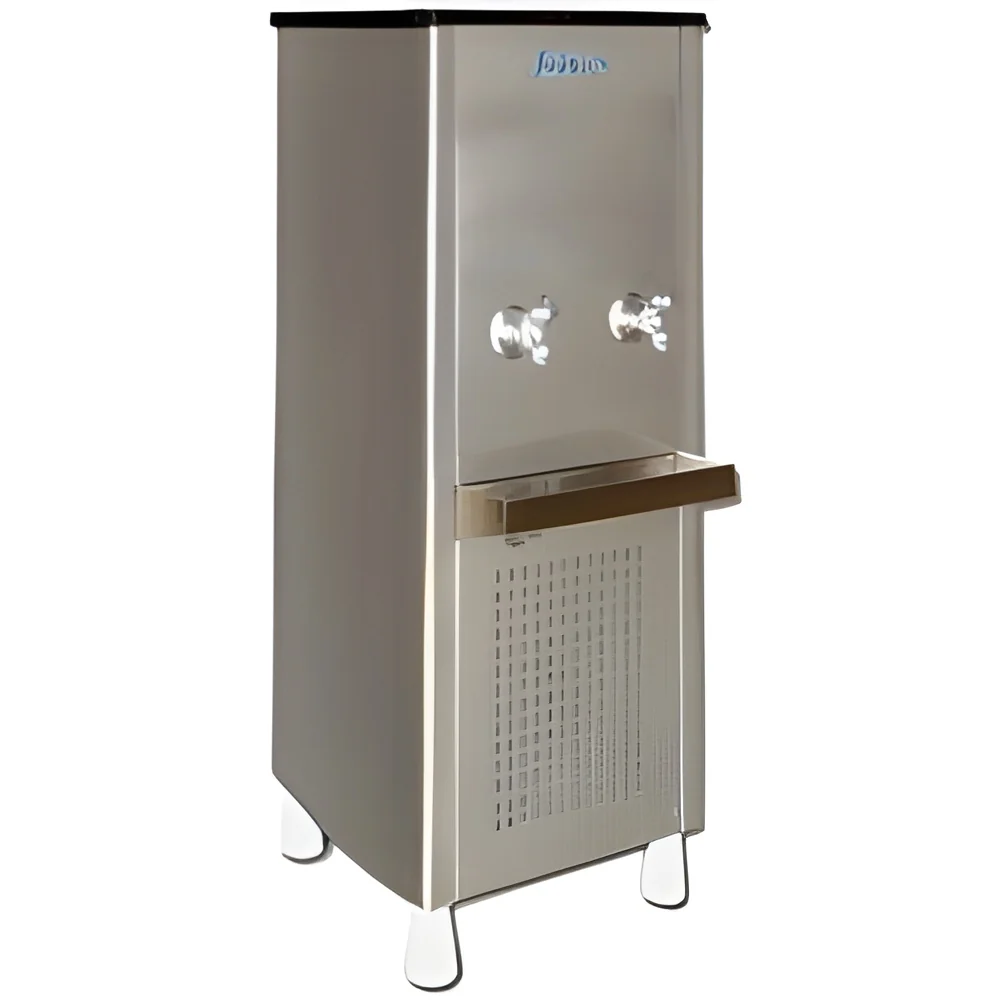
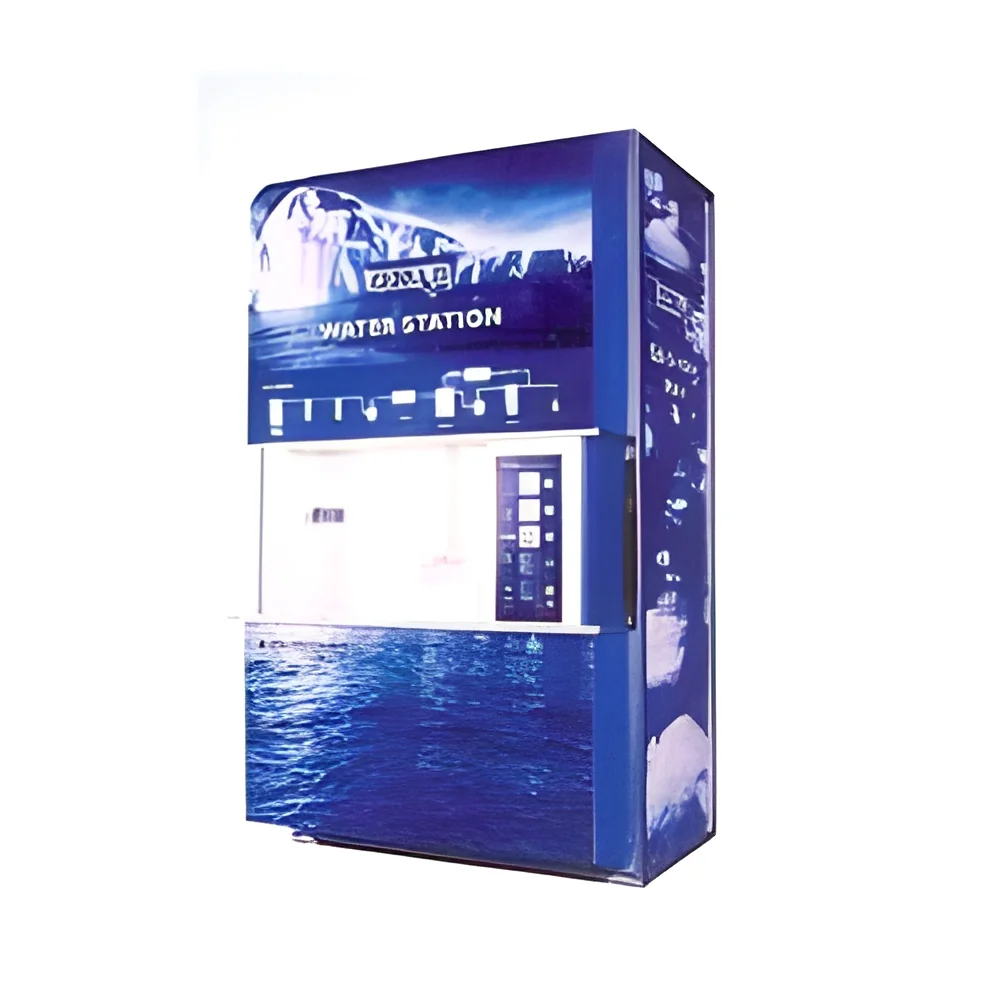
Point of Use Water Dispenser
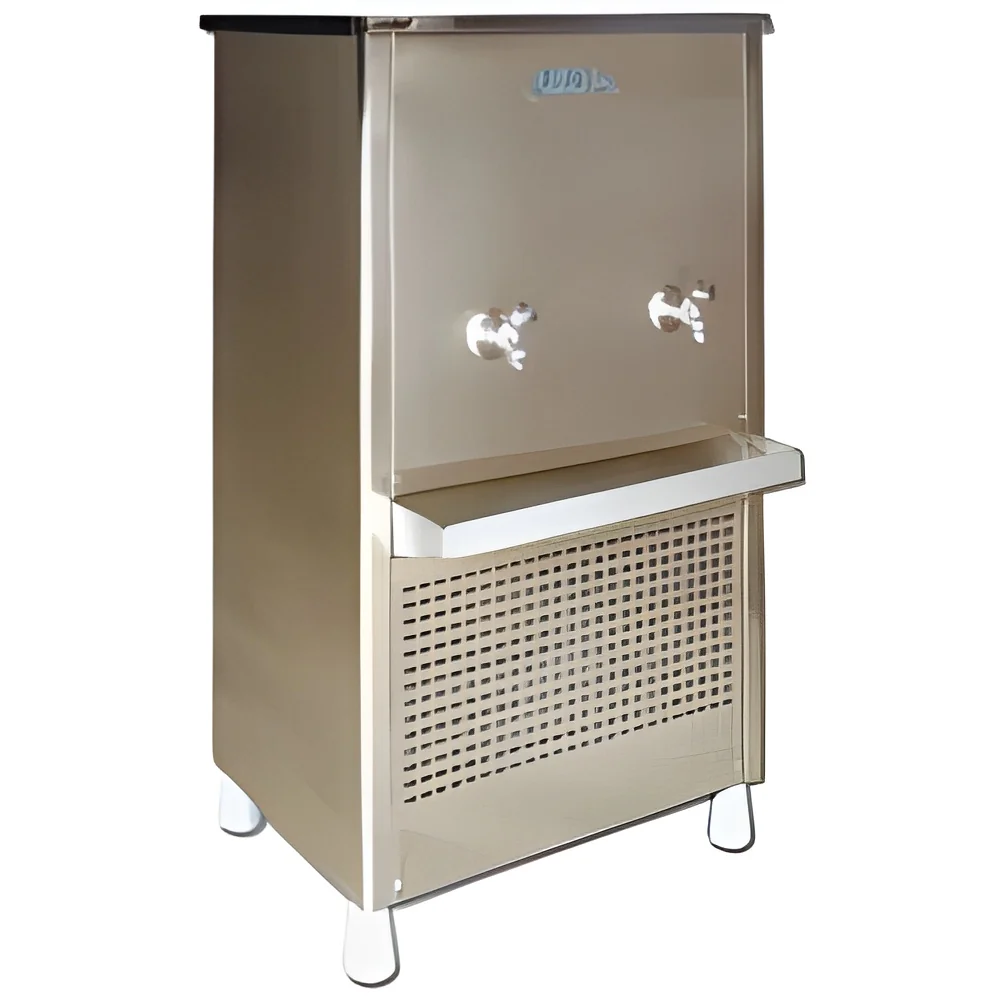
These models connect directly to the water supply, providing a constant source of filtered water. They are suitable for high-usage areas and reduce the need for bottle replacements.
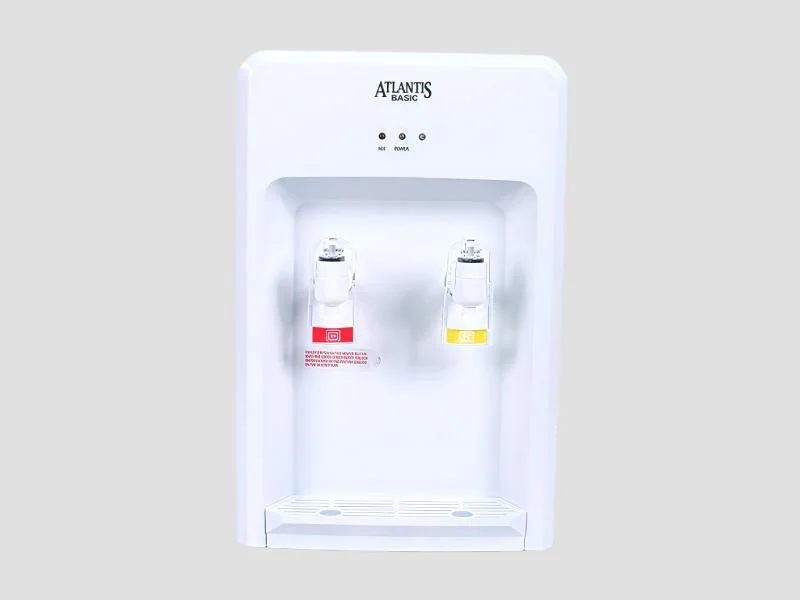
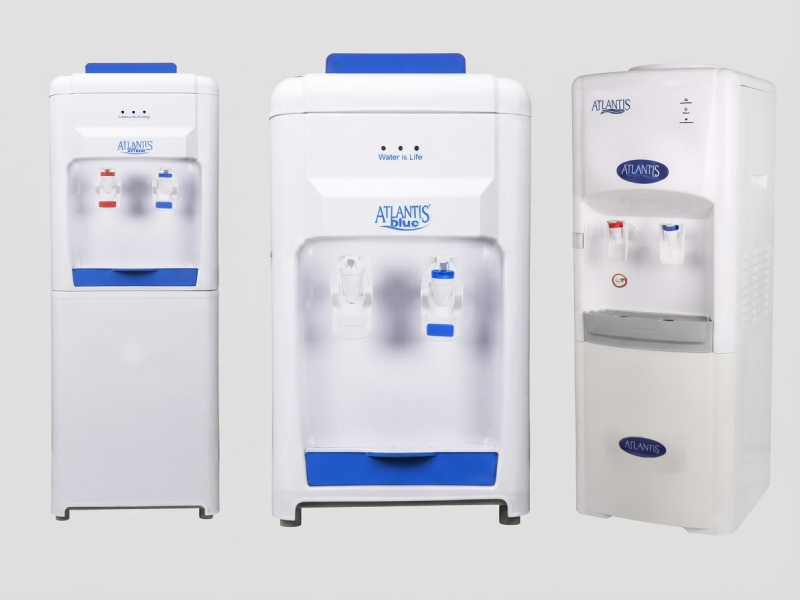
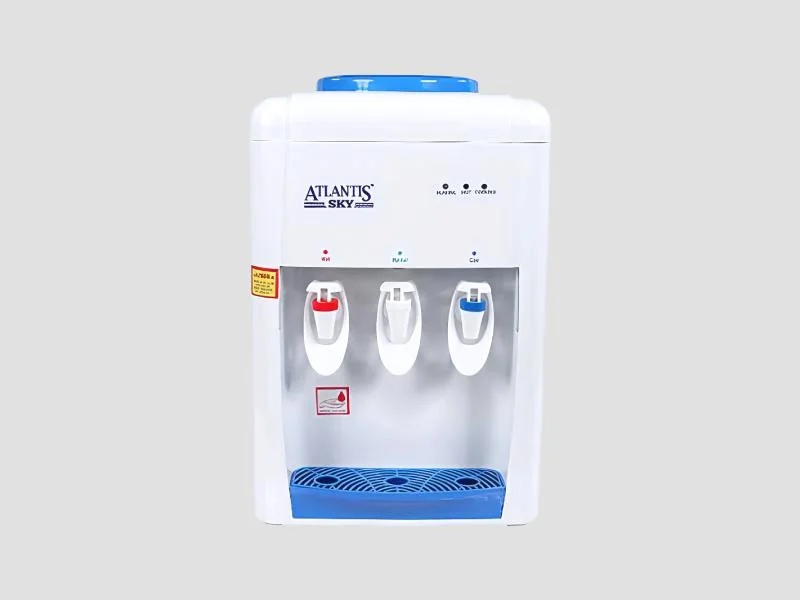
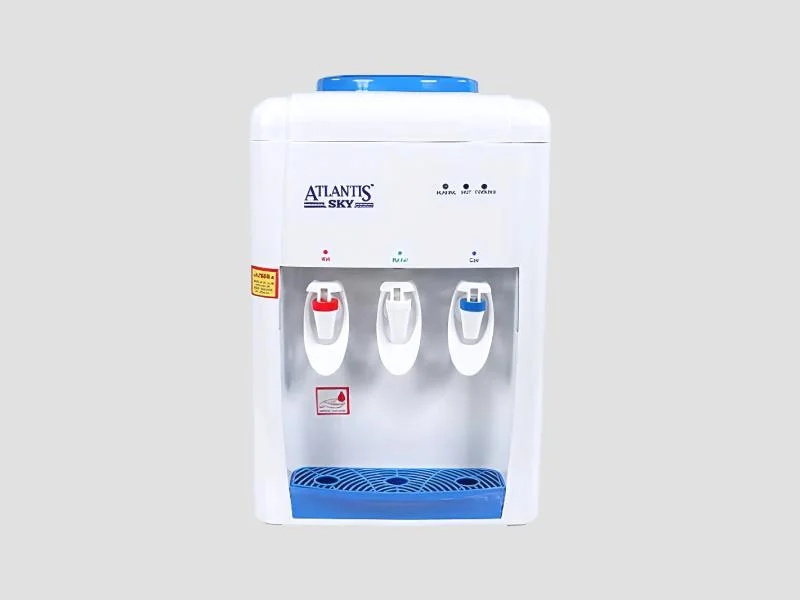
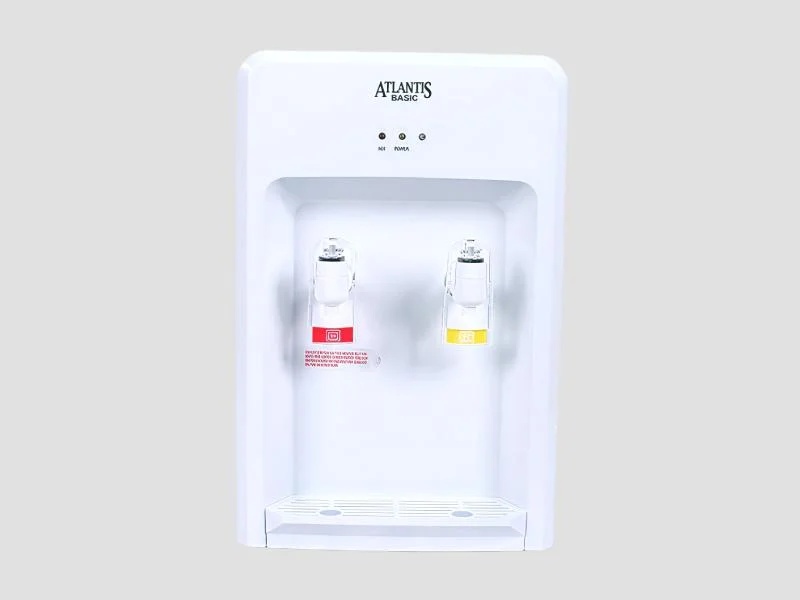
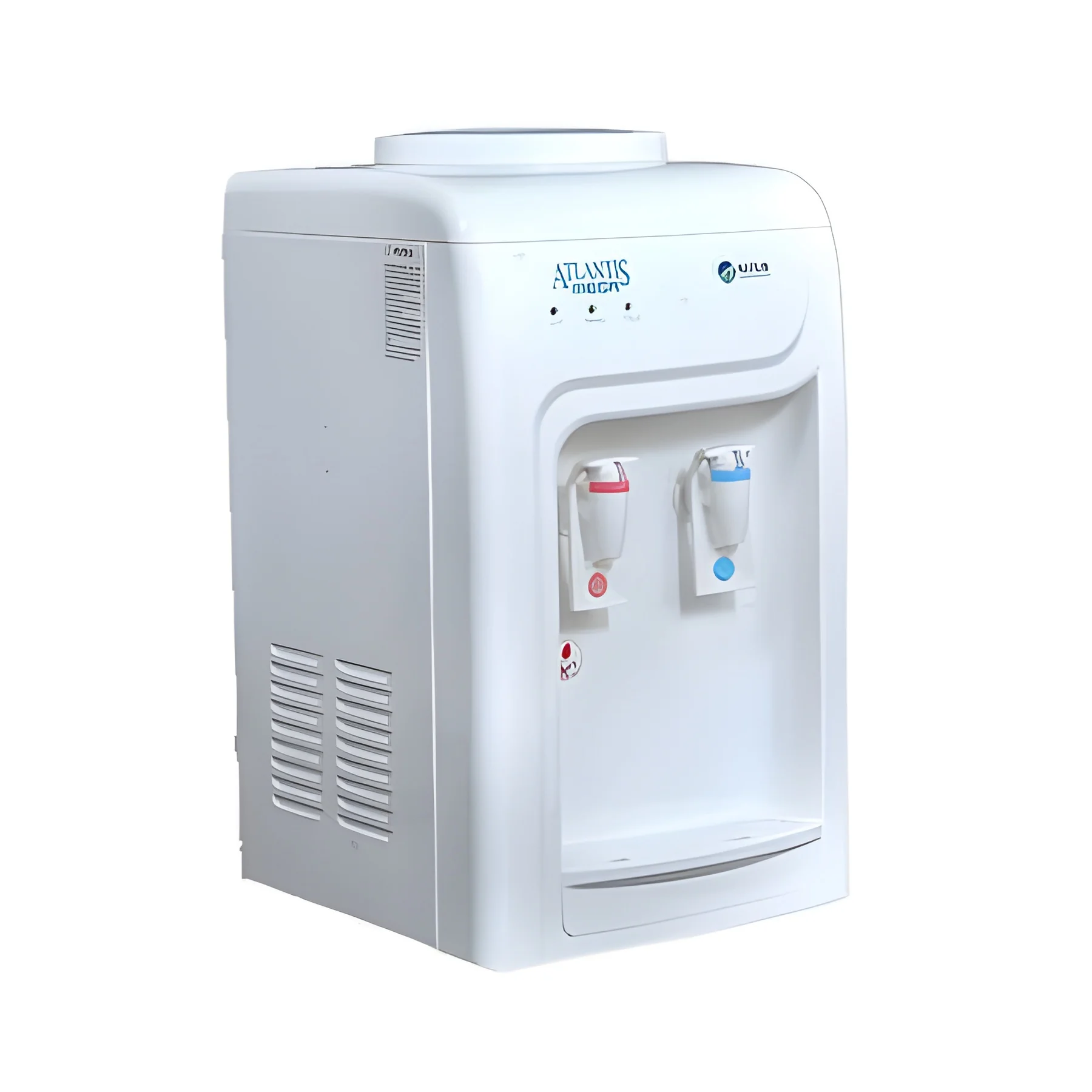
Countertop Water Dispenser
Compact and designed for smaller spaces, countertop models are ideal for kitchens and break rooms. They offer similar features to larger units but in a more space-efficient design.
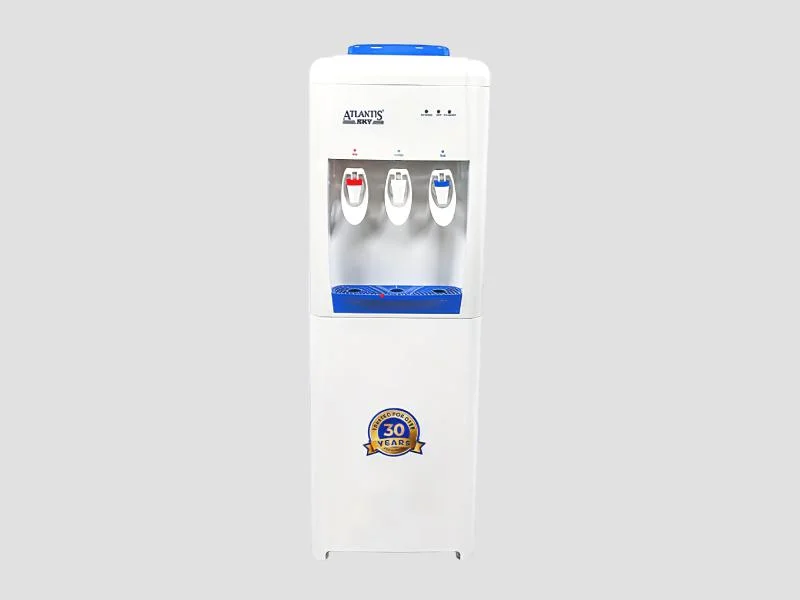
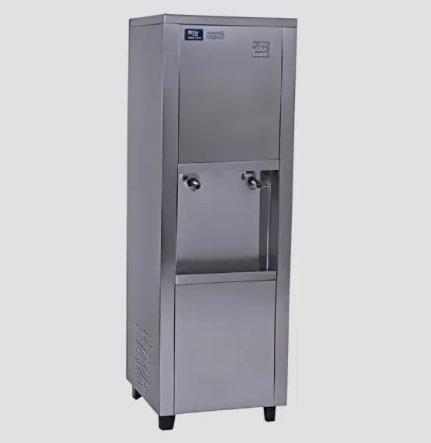
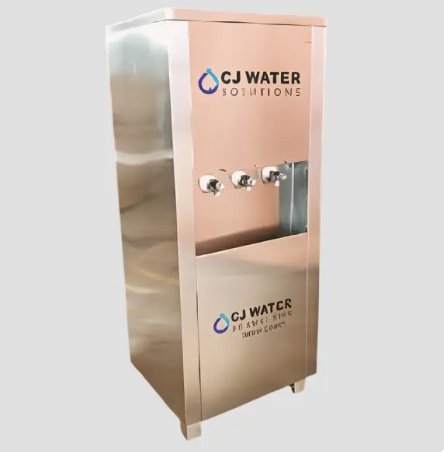
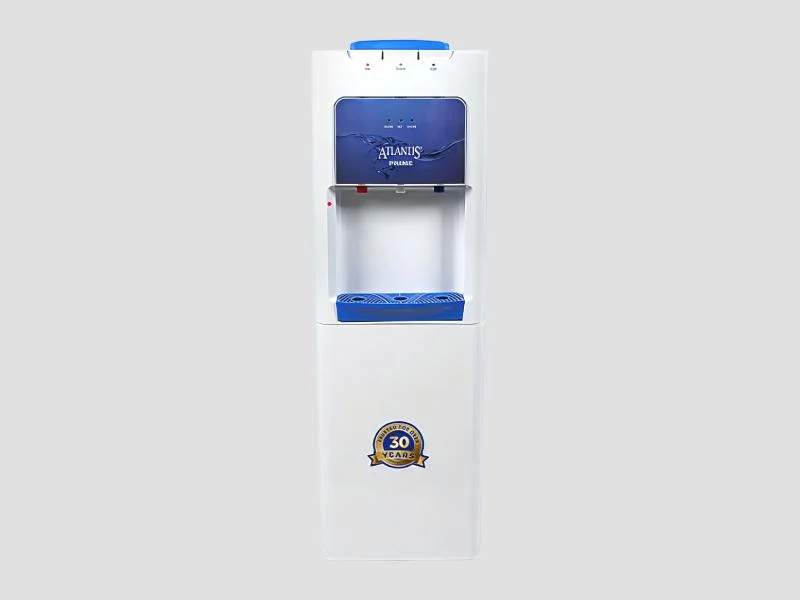
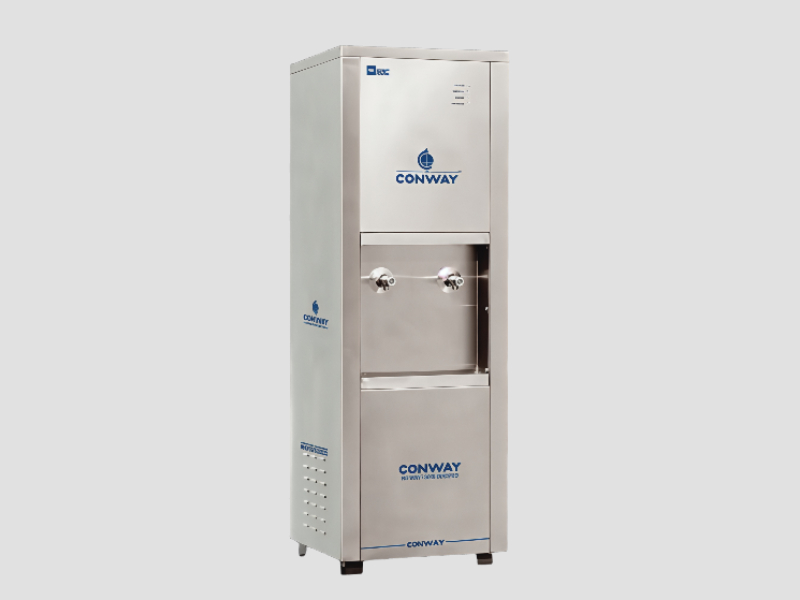
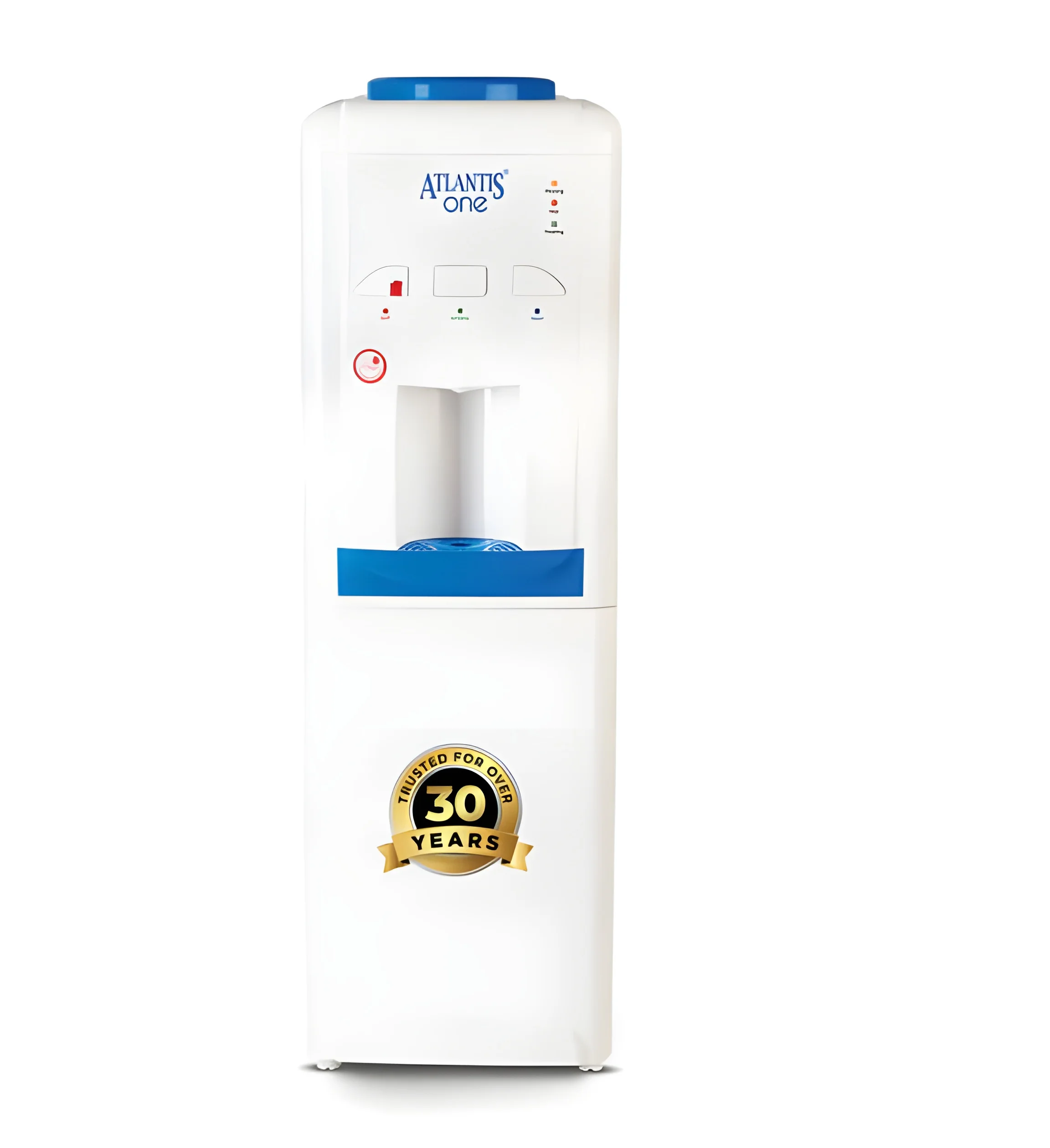
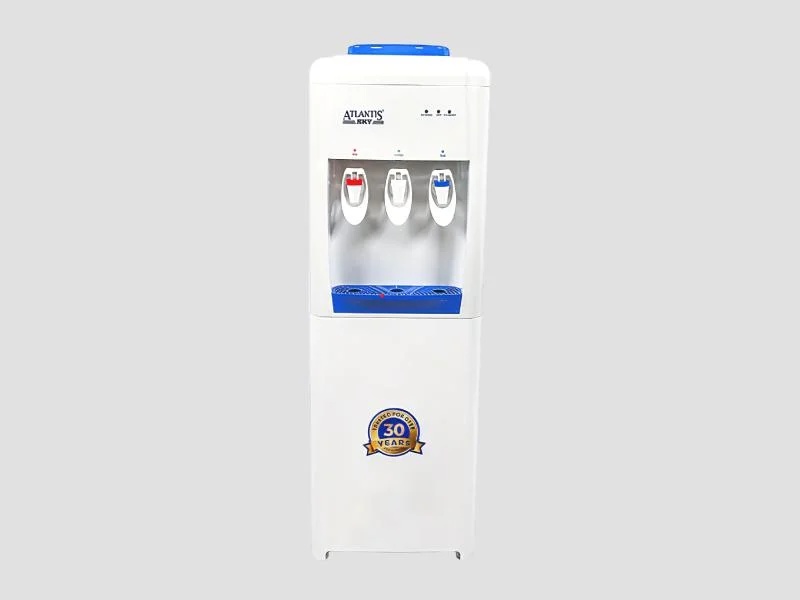
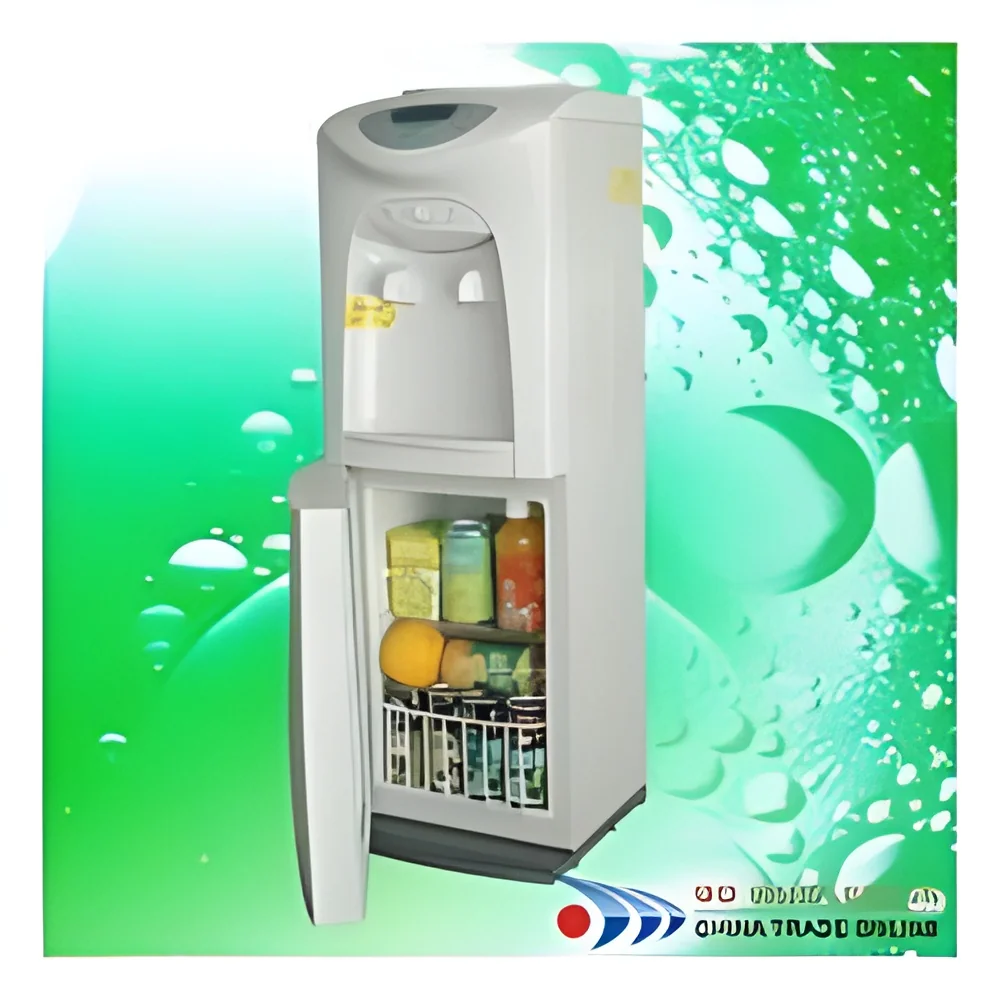
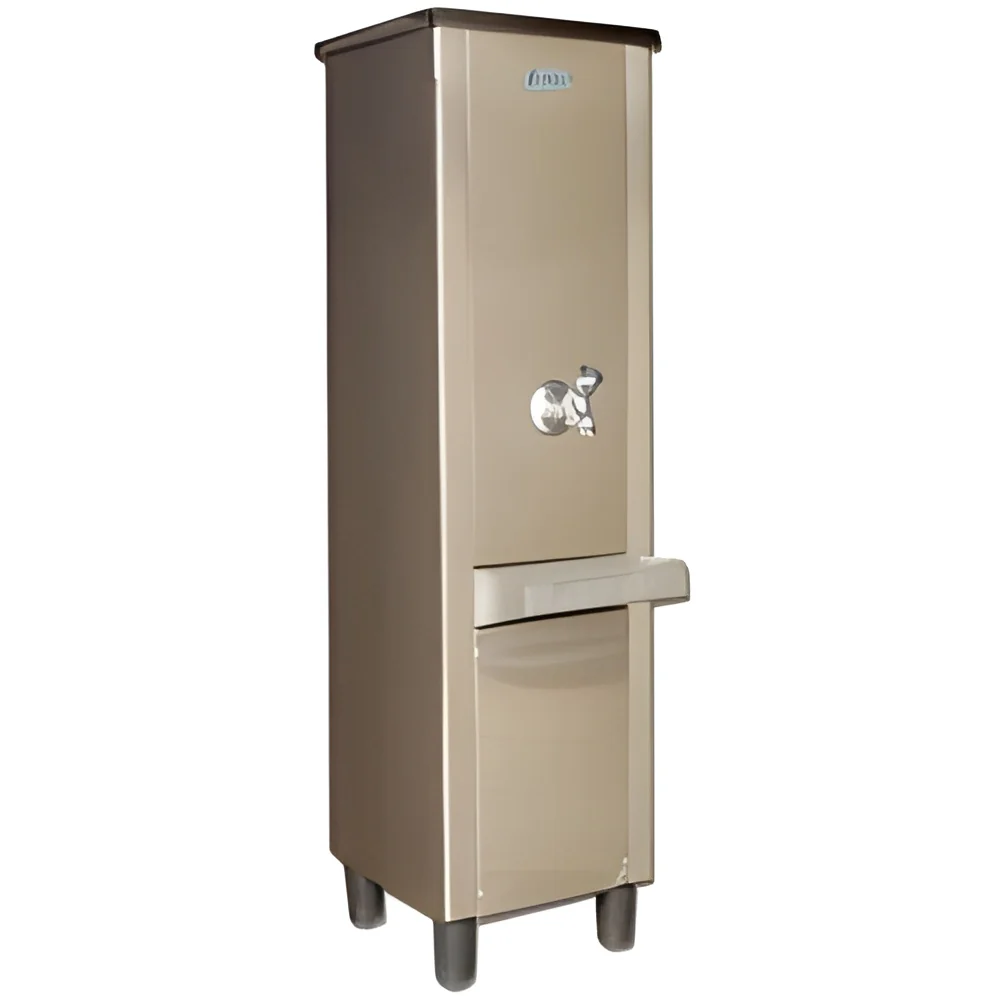
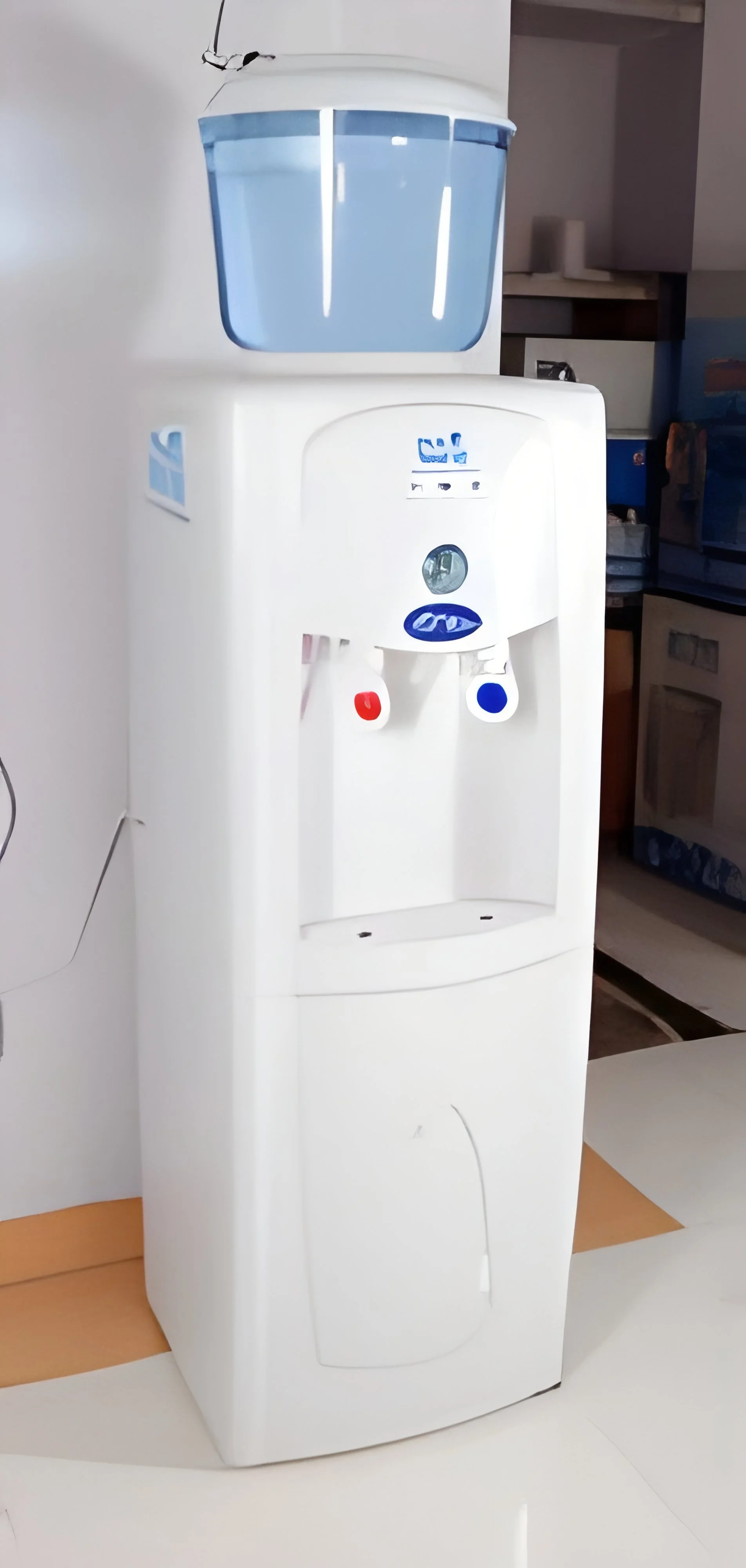
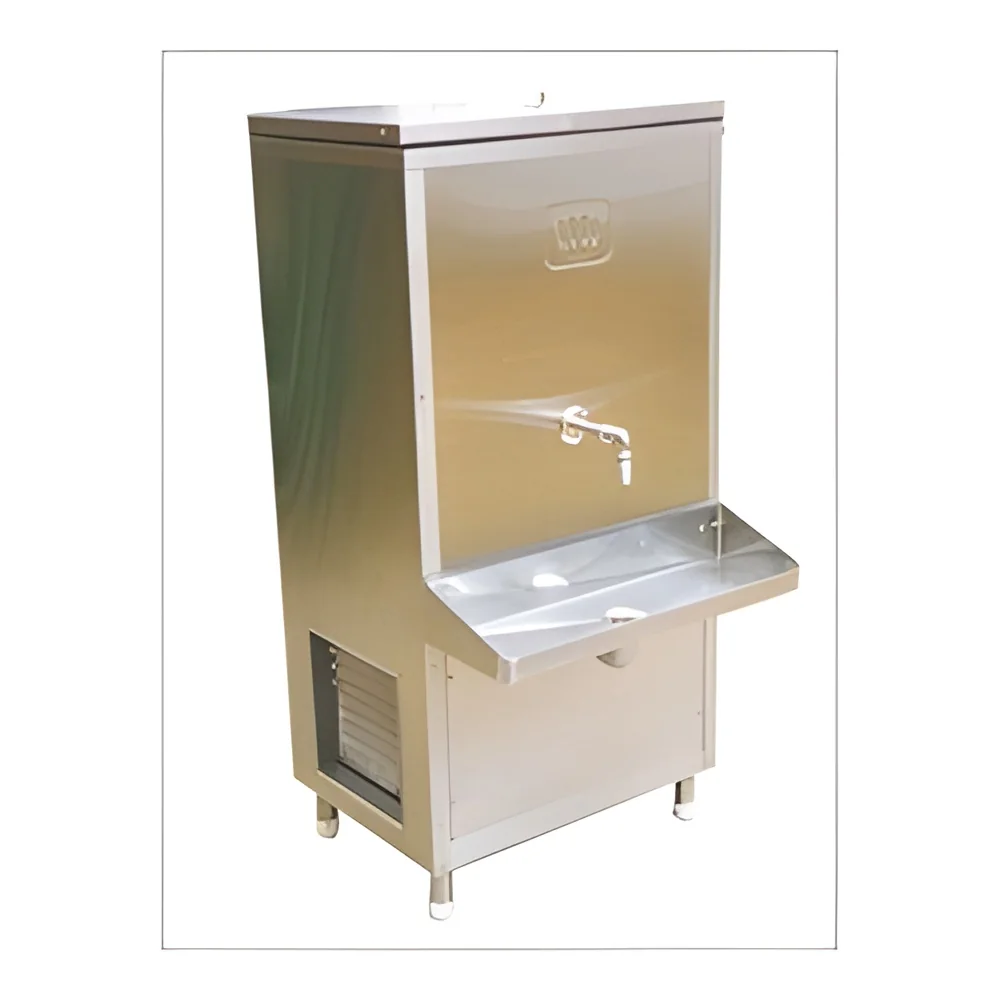
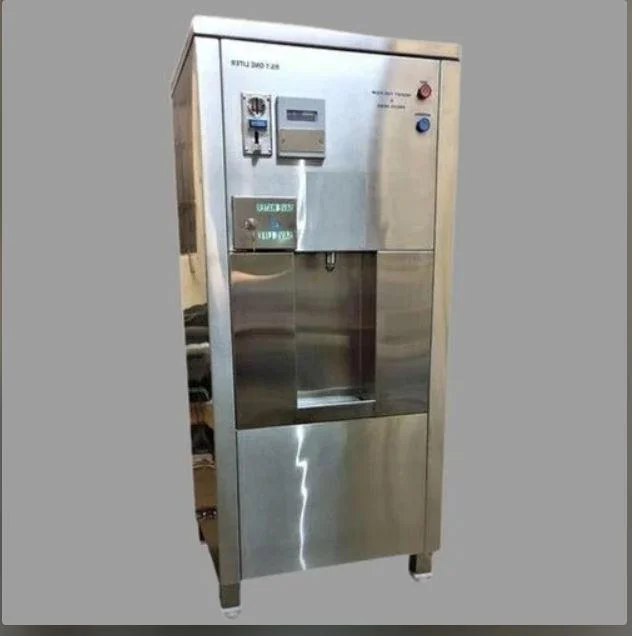
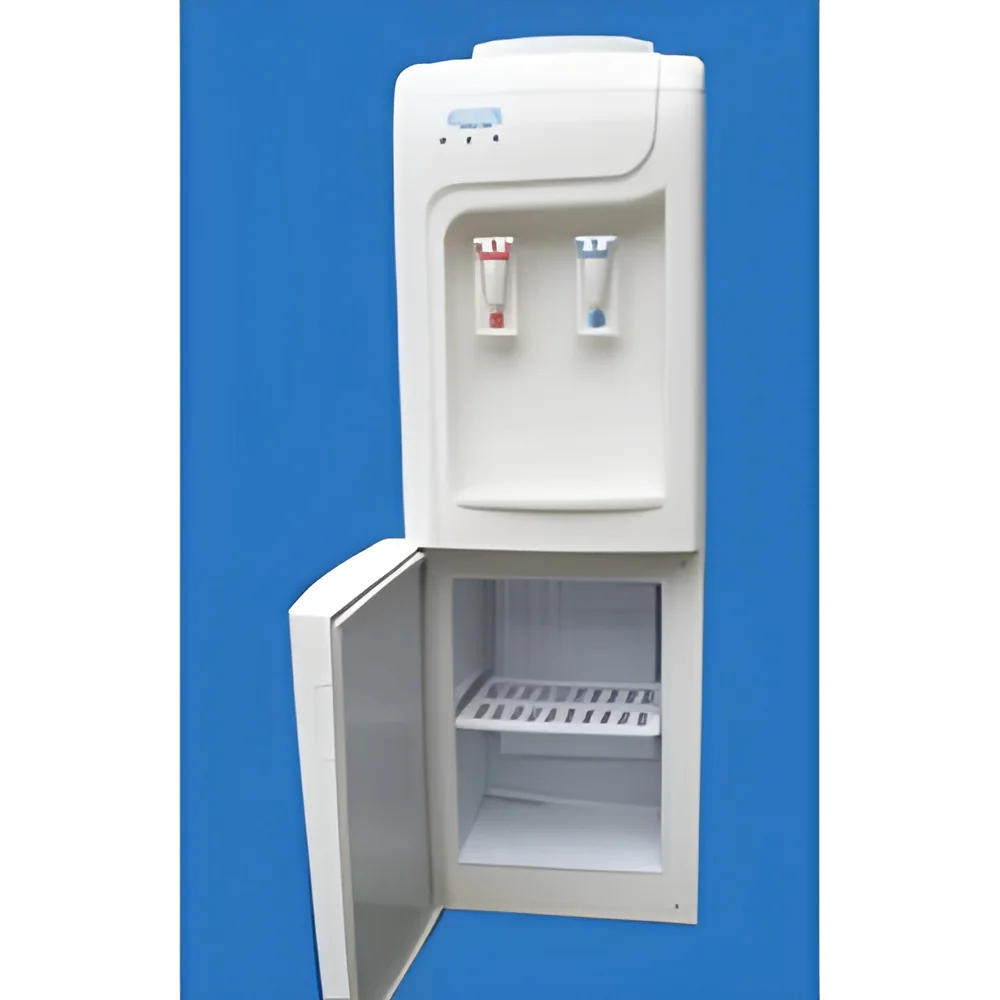
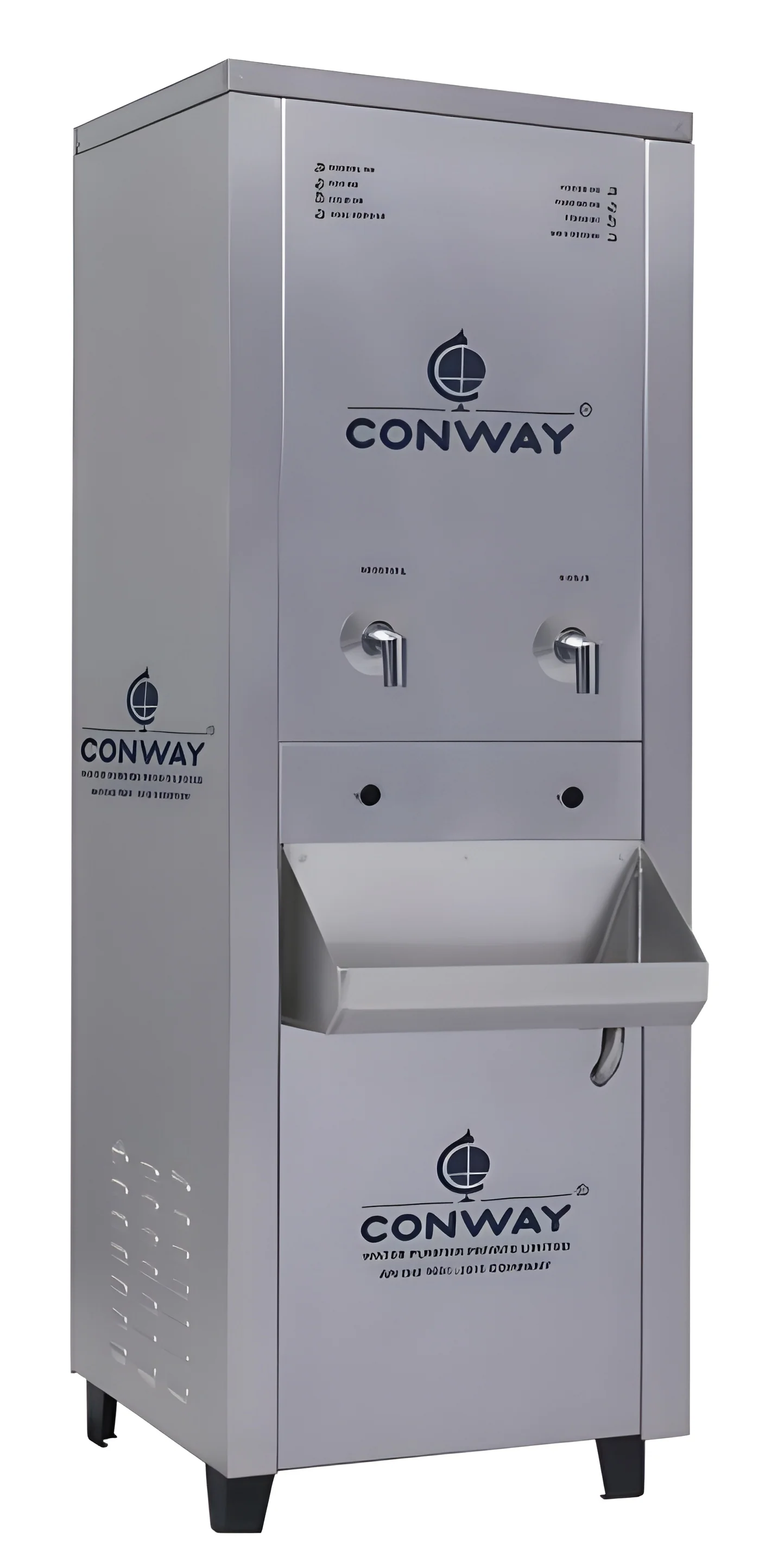
Floor Standing Water Dispenser
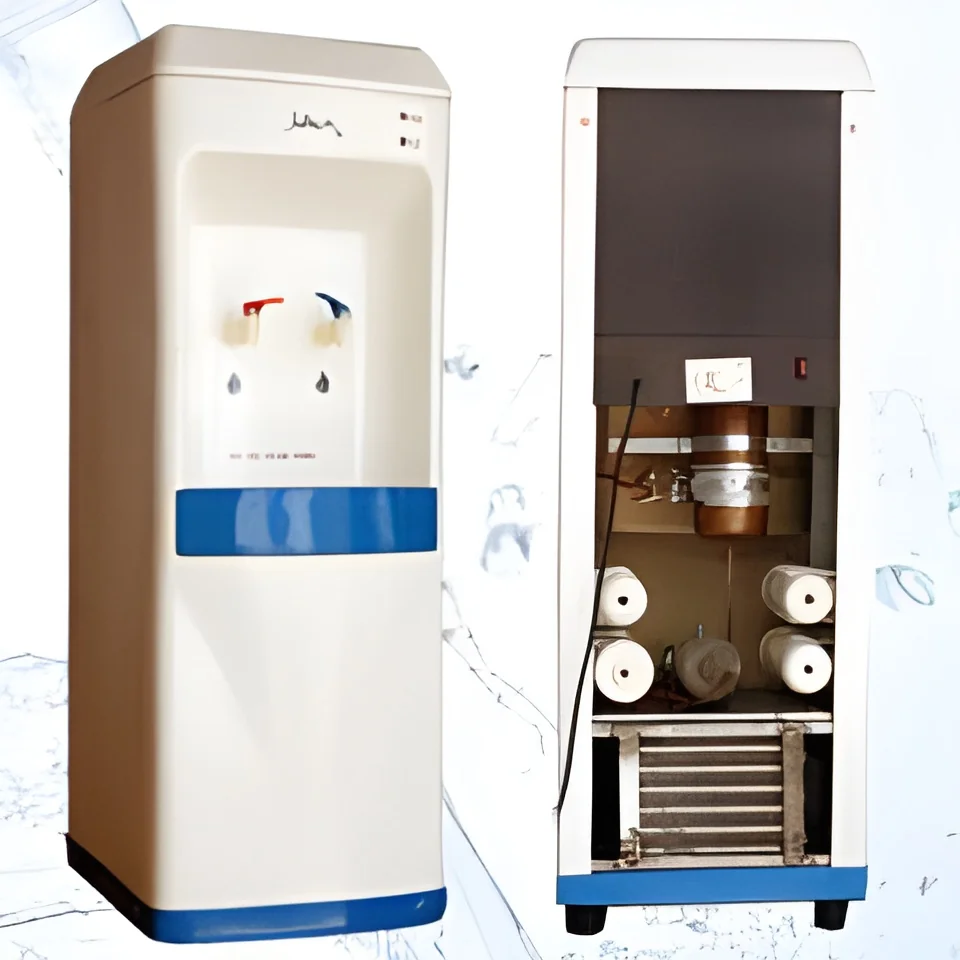
These dispensers are designed for high visibility and accessibility, making them suitable for larger offices and public spaces. They often feature advanced filtration and temperature control.
Benefits and Advantages
Water dispensers provide numerous benefits that enhance workplace environments and overall health.
1. Convenience: Users can easily access drinking water at any time, promoting regular hydration without the need for constant trips to the kitchen.
2. Cost-Effective: Investing in a water dispenser can reduce the need for bottled water purchases, leading to long-term savings for businesses.
3. Improved Health: Providing easy access to clean drinking water encourages hydration, which is critical for maintaining health and productivity.
4. Enhanced Workplace Culture: Offering water dispensers can contribute to a positive work environment, showing employees that their wellbeing is valued.
5. Customization: Many models allow for branding and customization, aligning with company aesthetics and values.
6. Sustainability: Water dispensers reduce plastic waste associated with bottled water, making them an eco-friendly option for businesses.
Buying Guide for B2B Buyers
When sourcing water dispensers, several factors should be considered to ensure the best choice for your business needs.
1. Quality Assessment: Look for dispensers that meet industry standards and have durable construction. High-quality materials ensure longevity and reliability.
2. Supplier Verification: Vet suppliers by checking their credentials, customer reviews, and industry experience. A reputable supplier will provide quality products and support.
3. Pricing and MOQ: Understand the pricing structure and minimum order quantities. Compare different suppliers to find competitive pricing without compromising on quality.
4. Delivery and Lead Times: Confirm the delivery timelines and logistics to ensure that your order arrives when needed. Consider suppliers with efficient shipping processes.
5. Compliance Requirements: Ensure that the dispensers meet local regulatory standards and certifications. This includes safety and health regulations relevant to your industry.
Compliance and Certifications
Compliance and certifications are crucial in ensuring the safety and reliability of water dispensers.
Many water dispensers are manufactured following quality standards such as ISO 9001, which focuses on quality management systems. This standard ensures that products meet customer expectations and regulatory requirements.
HACCP compliance is also important, particularly for dispensers used in food service or healthcare settings. It outlines procedures to ensure the safety of food and beverages.
CE marking indicates that the product meets European safety standards. This certification is vital for companies operating in the EU market, ensuring that products are safe for consumer use.
Safety requirements may involve testing for electrical safety, water quality, and operational reliability. Regional compliance considerations can vary, necessitating a thorough understanding of local regulations before purchasing.
Why Source Water Dispensers from Pepagora?
Pepagora provides a trusted platform for sourcing water dispensers with several key advantages.
Verified Supplier Network: Pepagora connects buyers with a network of verified suppliers, ensuring that you can find reliable sources for high-quality water dispensers. This reduces the risk of purchasing from untrustworthy vendors.
Streamlined RFQ Process: The request for quotation (RFQ) process on Pepagora is designed to be user-friendly, allowing buyers to easily compare offers from multiple suppliers. This transparency helps in making informed purchasing decisions.
Trade Assurance and Support: Pepagora offers buyer protection through trade assurance, which safeguards your purchases. This support ensures that you feel secure in your transactions and can resolve disputes effectively.
Regional Coverage: With a presence in India, the GCC, and Southeast Asia, Pepagora provides extensive reach. This geographic coverage allows businesses to source water dispensers tailored to regional market needs and preferences.

 IN
IN