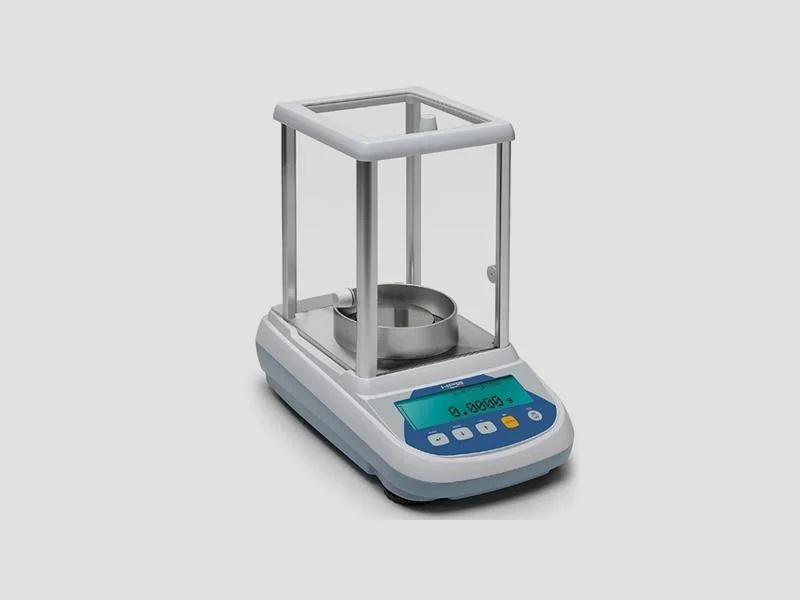
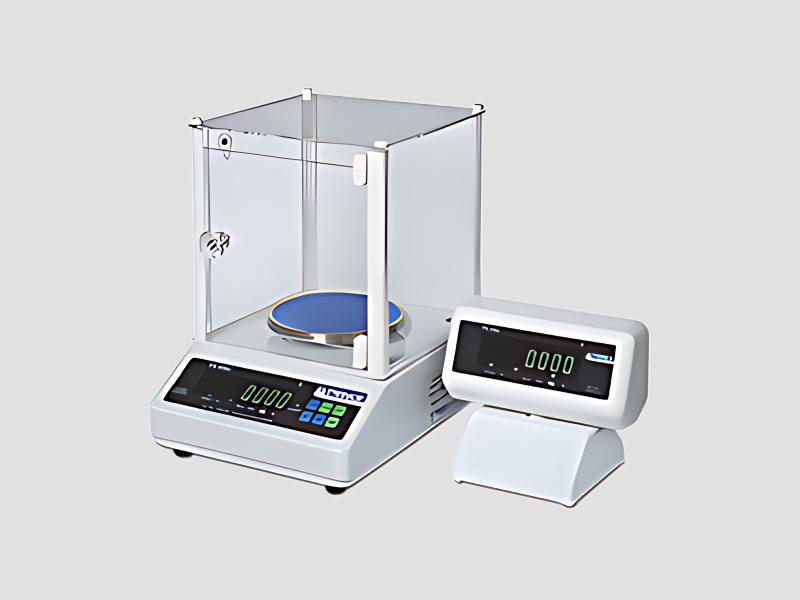
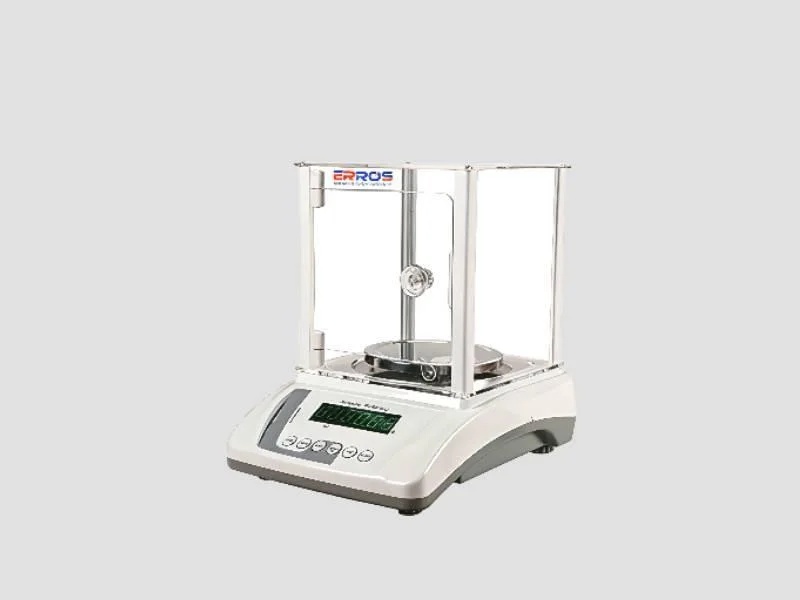
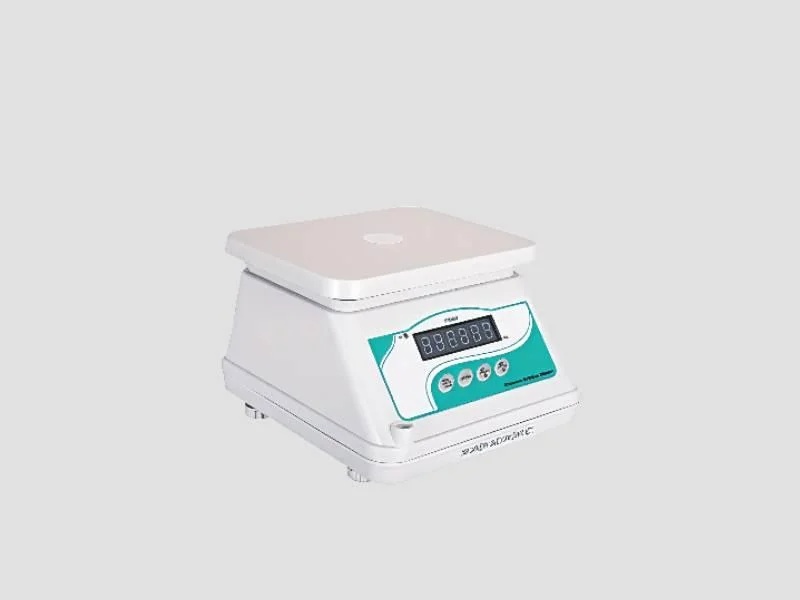
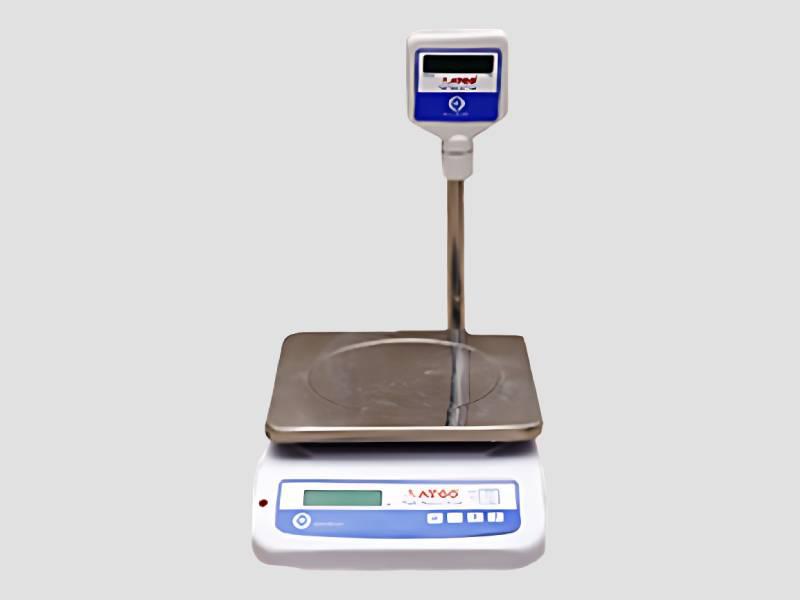
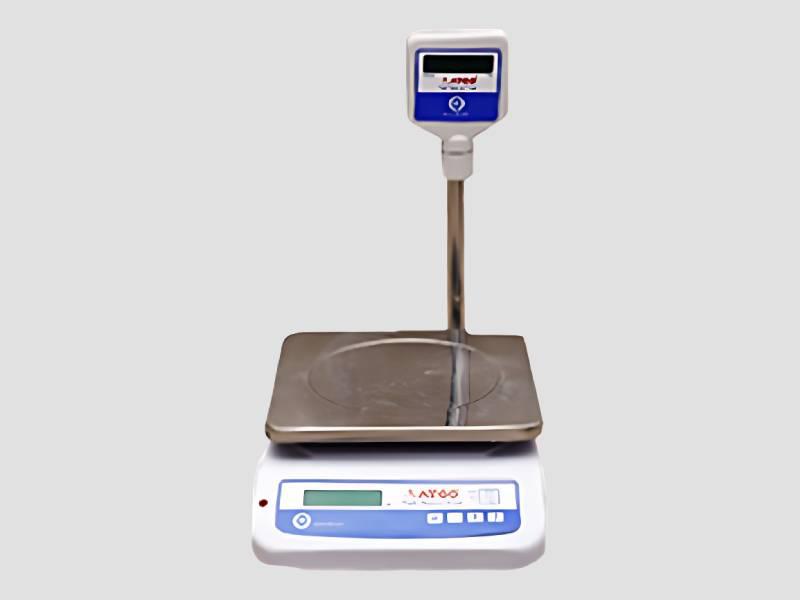
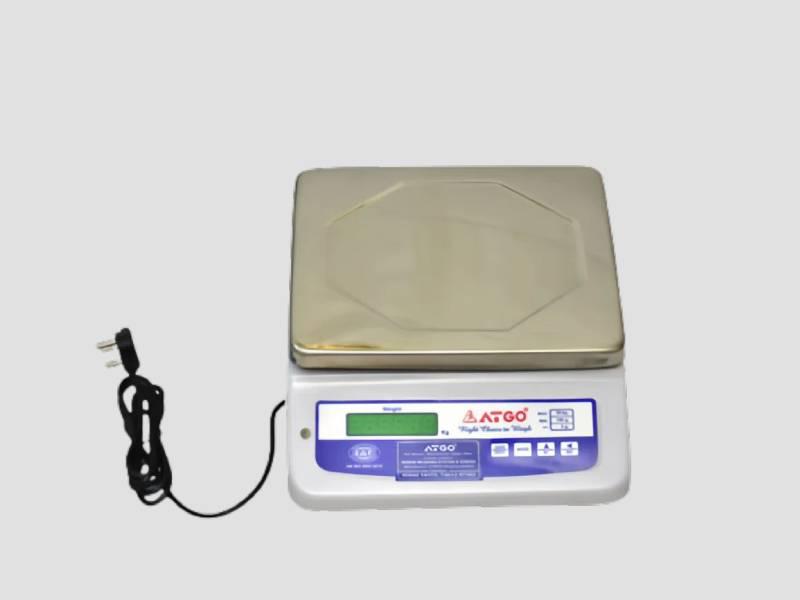
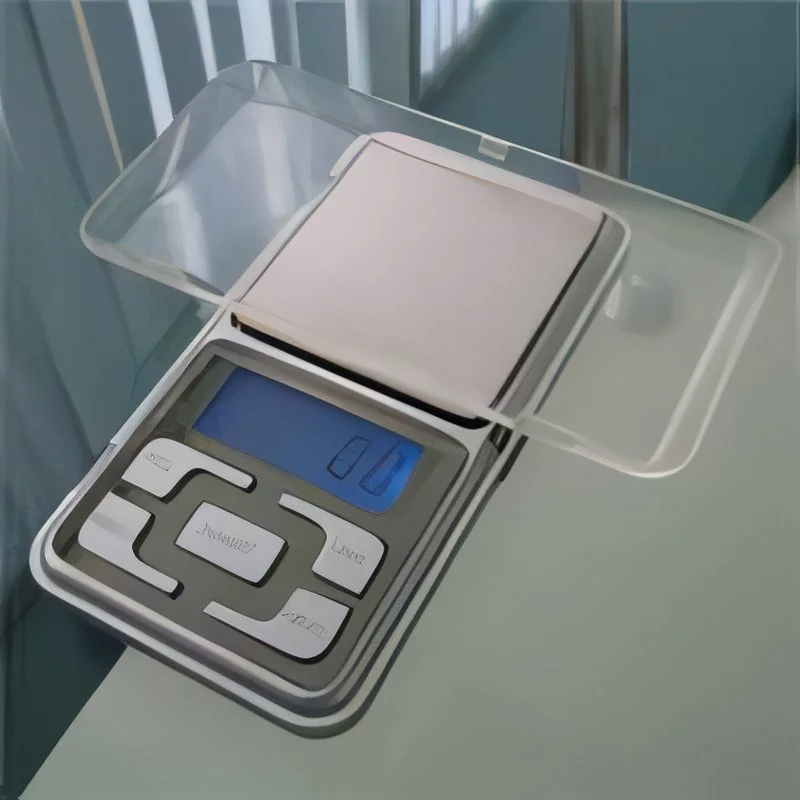
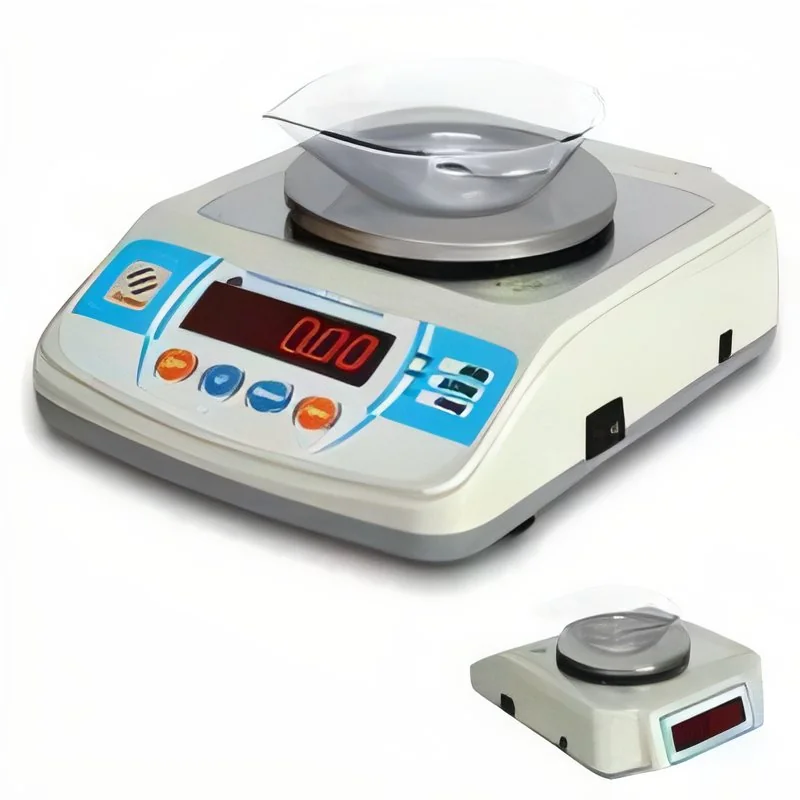
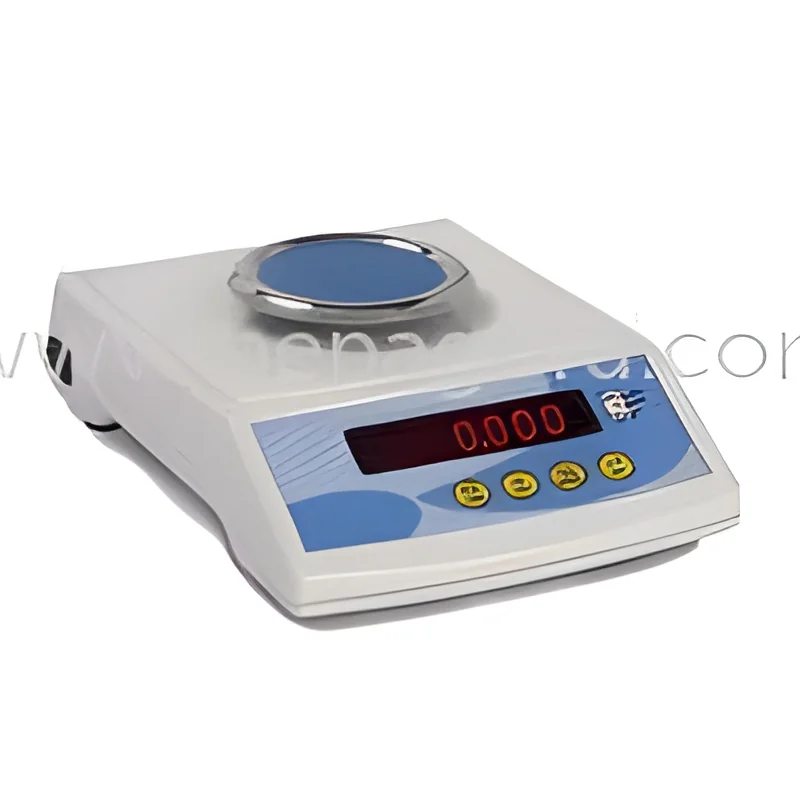
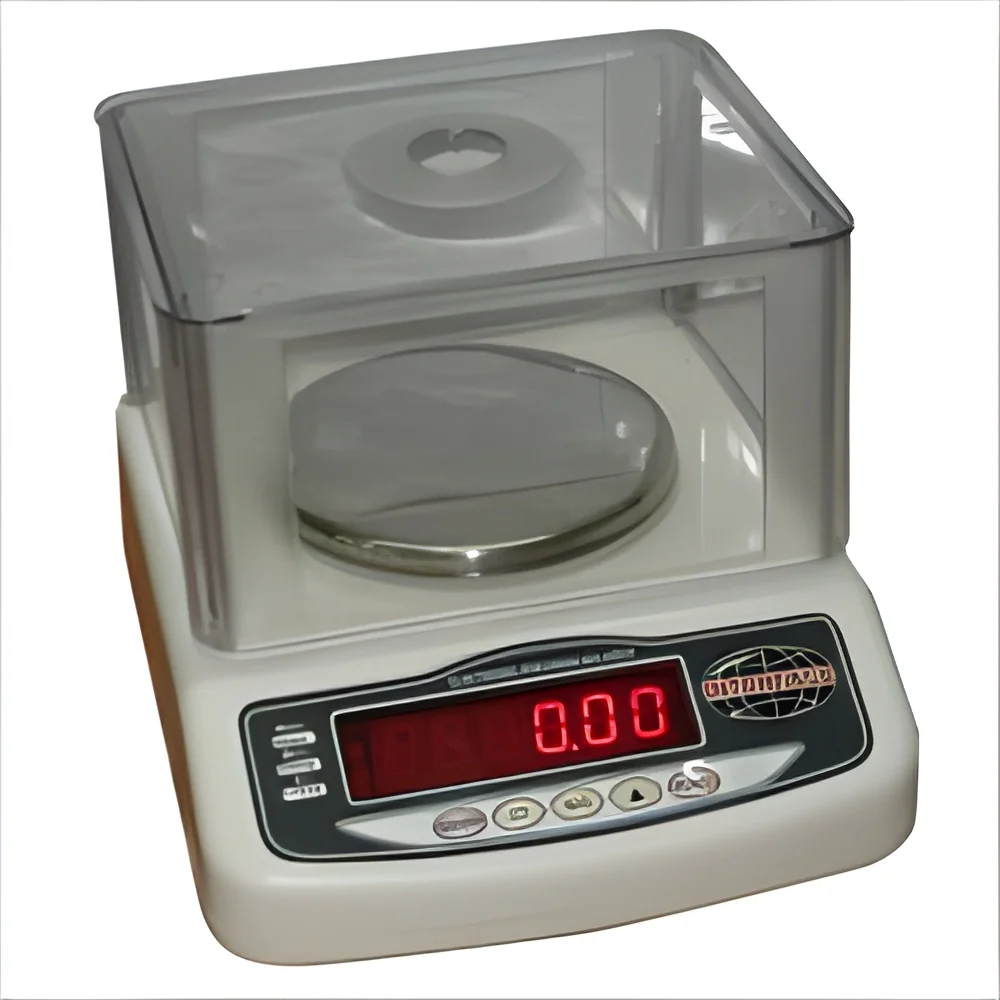
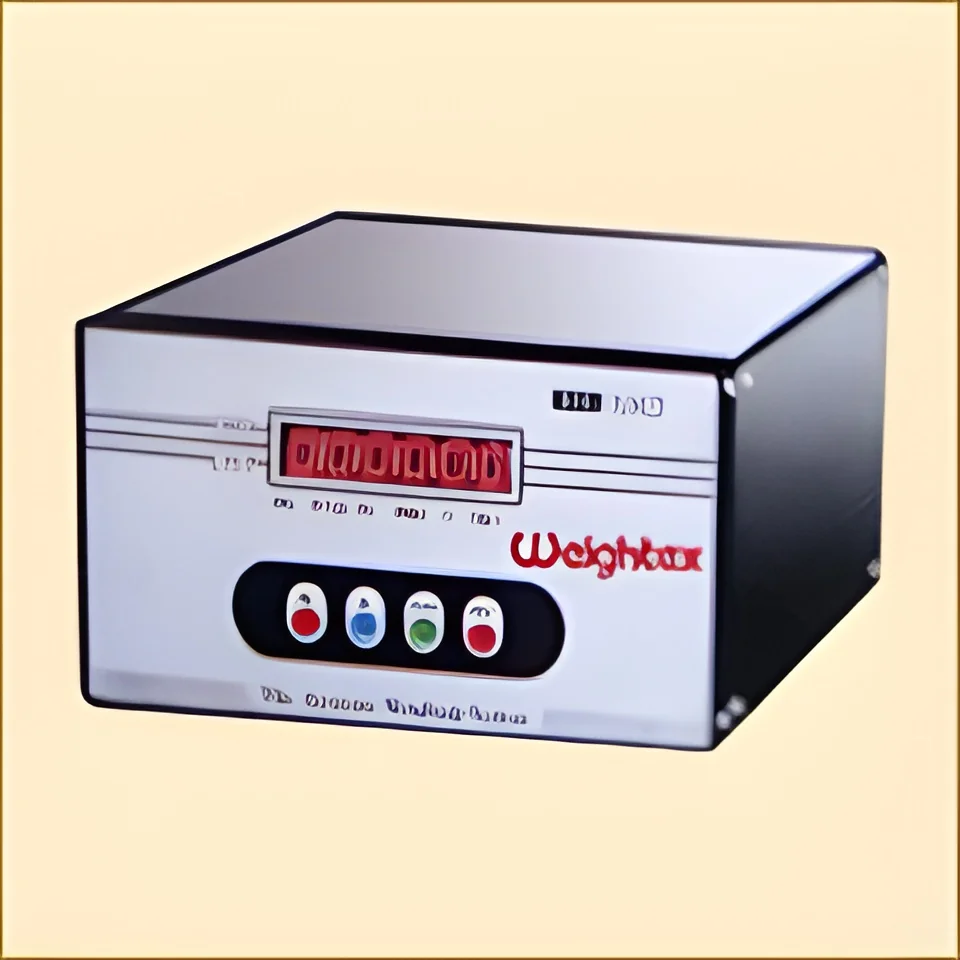
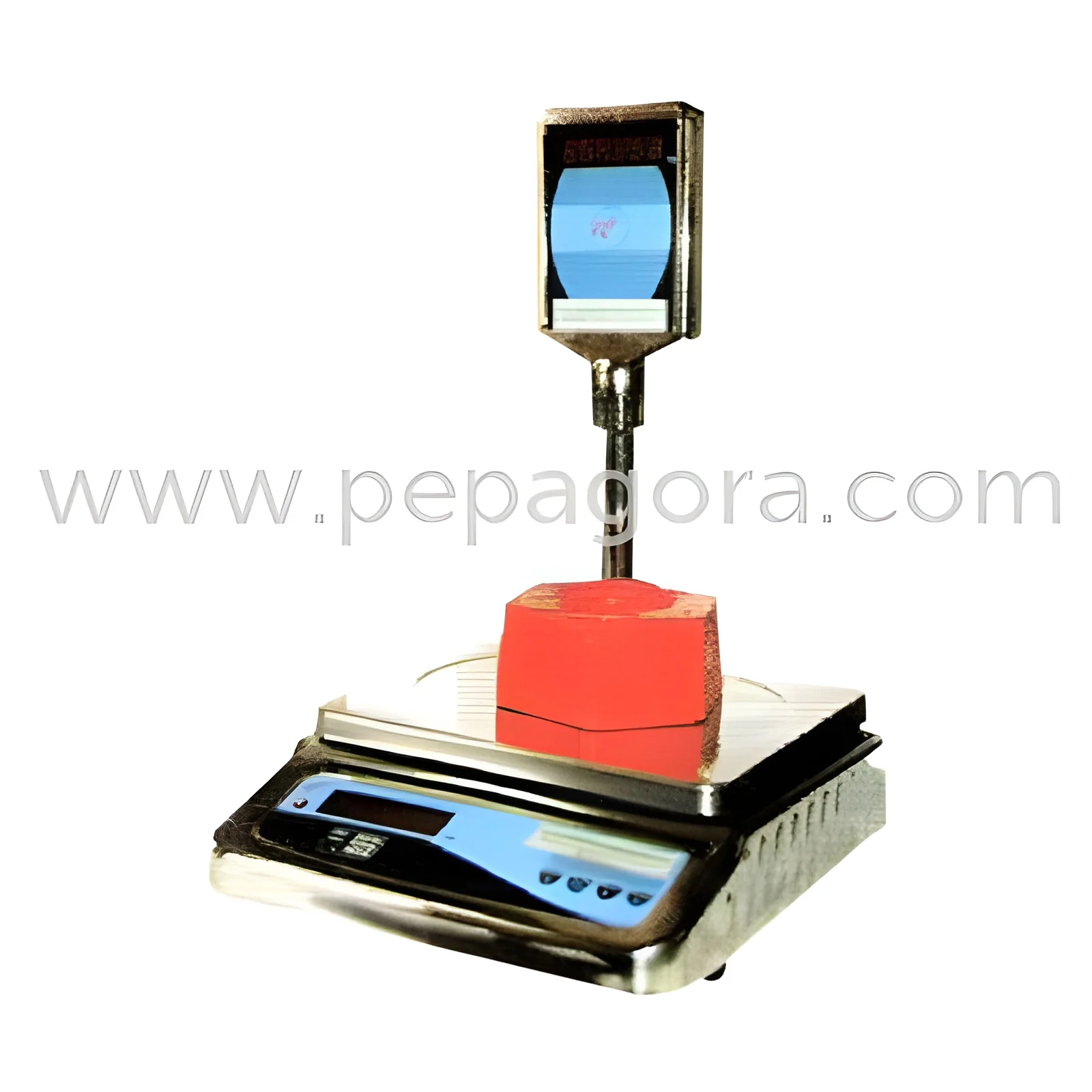
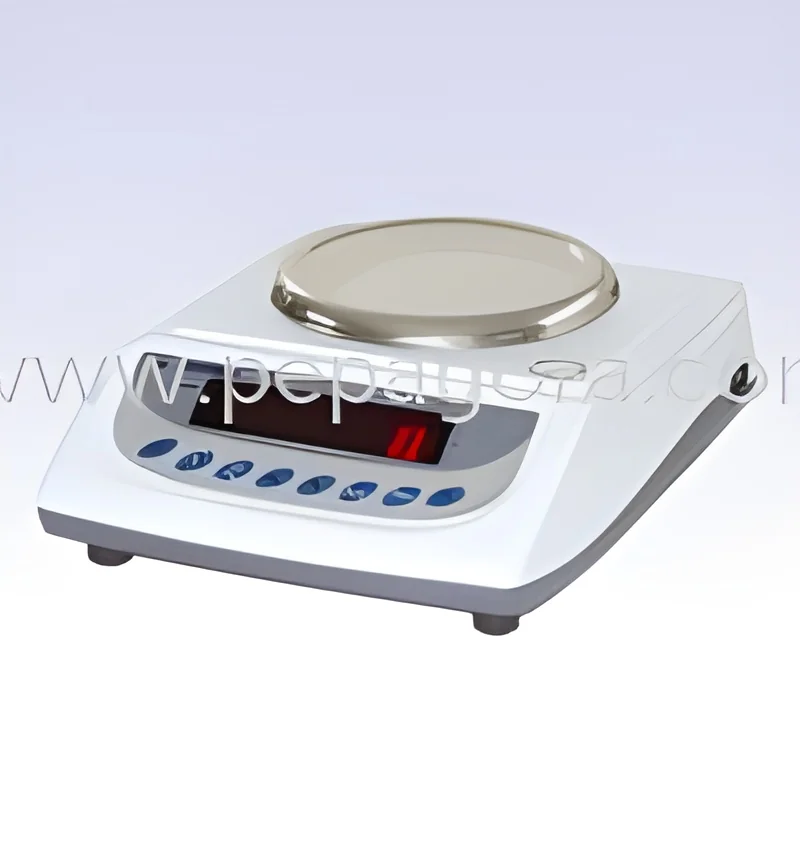
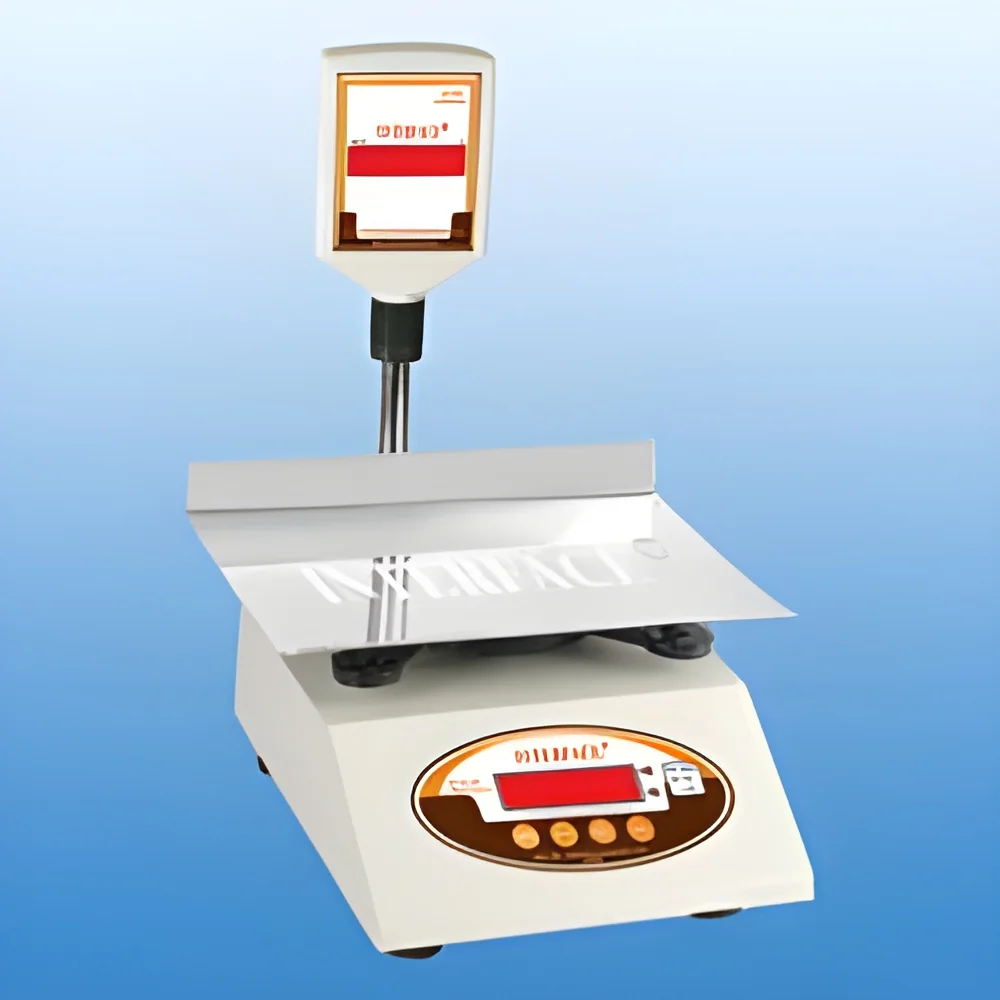
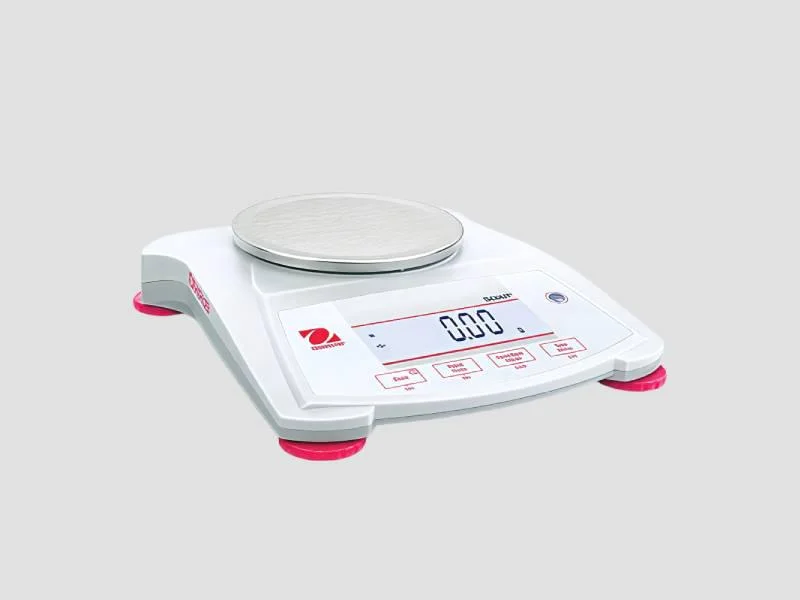
What are Smart Weighing Scales?
Smart weighing scales are advanced devices designed to provide accurate weight measurements with integrated technology for enhanced functionality. These scales utilize digital technology to deliver precise readings and often include features that allow for data collection, analysis, and real-time monitoring. They are commonly equipped with connectivity options such as Bluetooth or Wi-Fi, enabling seamless data transfer to other devices or cloud-based platforms for further analysis.
The primary applications of smart weighing scales are found in various business sectors, including manufacturing, logistics, and retail. In manufacturing, they help in quality control and inventory management by ensuring products meet weight specifications. In logistics, these scales facilitate accurate shipping and receiving processes. Retail businesses use them for pricing and inventory tracking, ensuring that products are consistently weighed and priced accurately. As industries increasingly adopt digital solutions, the relevance of smart weighing scales continues to grow in the marketplace.
Key Features and Specifications
Smart weighing scales come equipped with several advanced features that enhance their usability and efficiency. These specifications vary across models, catering to different industrial needs and operational environments.
Key specifications include:
1. Accuracy
- High precision with minimal deviation, typically within ±0.1% of the reading.
2. Capacity
- Weight capacities generally ranging from 1 kg to several tons, depending on the model.
3. Connectivity
- Options for Bluetooth and Wi-Fi connectivity to facilitate data sharing and integration with other systems.
4. Display
- Clear digital displays that show weight readings and can include additional information like unit conversion.
5. Power Supply
- Options for battery-operated or mains-powered units, providing flexibility in various settings.
6. Durability
- Built with materials that withstand industrial environments, often featuring water and dust resistance.
7. User Interface
- Intuitive designs that allow for easy operation, often with programmable settings for different user needs.
8. Compliance
- Meets international standards, such as CE certification, ensuring reliability and safety.
In summary, smart weighing scales combine technological advancements with precision engineering to meet the diverse needs of various industries.
Common Applications and Use Cases
Smart weighing scales are utilized across a range of industries, demonstrating their versatility and functionality.
1. Manufacturing: In manufacturing facilities, smart scales are used to monitor product weights during production, ensuring compliance with quality standards and reducing waste.
2. Logistics: Logistics companies rely on these scales for accurate shipping and receiving, helping to streamline inventory management and reduce shipping costs.
3. Retail: Retailers use smart weighing scales for weighing produce, bulk items, and other goods to ensure correct pricing and inventory tracking.
4. Pharmaceuticals: In the pharmaceutical industry, these scales are crucial for precisely measuring ingredients, ensuring product consistency and compliance with regulatory standards.
5. Food and Beverage: Restaurants and food producers use smart scales to accurately portion ingredients, ensuring consistency in product offerings.
6. Agriculture: Farmers and agricultural businesses utilize these scales for weighing produce and livestock, assisting in inventory management and sales processes.
7. Transportation: Transportation companies incorporate smart scales to assess vehicle loads, ensuring compliance with weight regulations and optimizing fuel efficiency.
Product Variants and Subcategories
Smart weighing scales come in various models to accommodate specific needs and applications within industries.
Digital Bench Scales
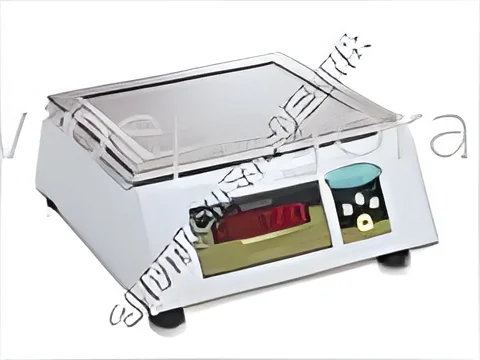
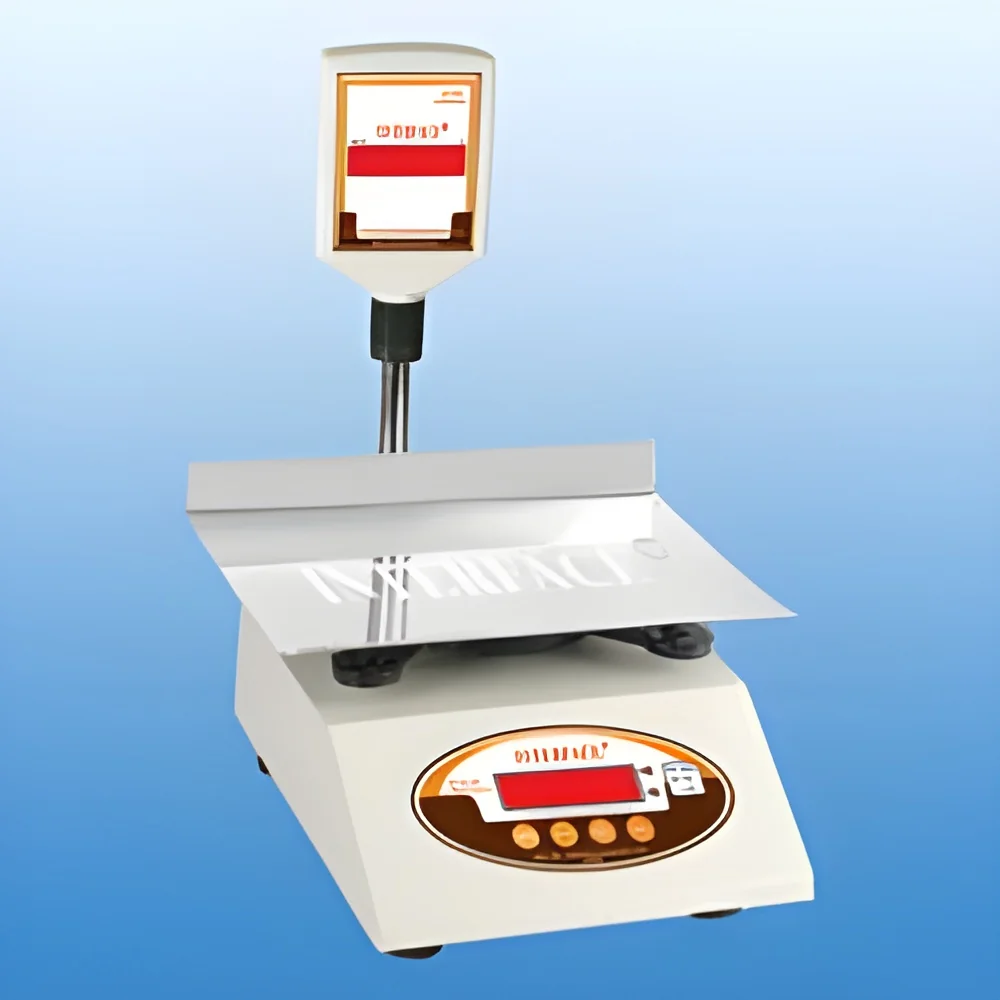
These scales are designed for stationary use, often found in retail and warehouse settings. They offer high precision and can handle various weight capacities, making them ideal for weighing packages and products.
Portable Weighing Scales
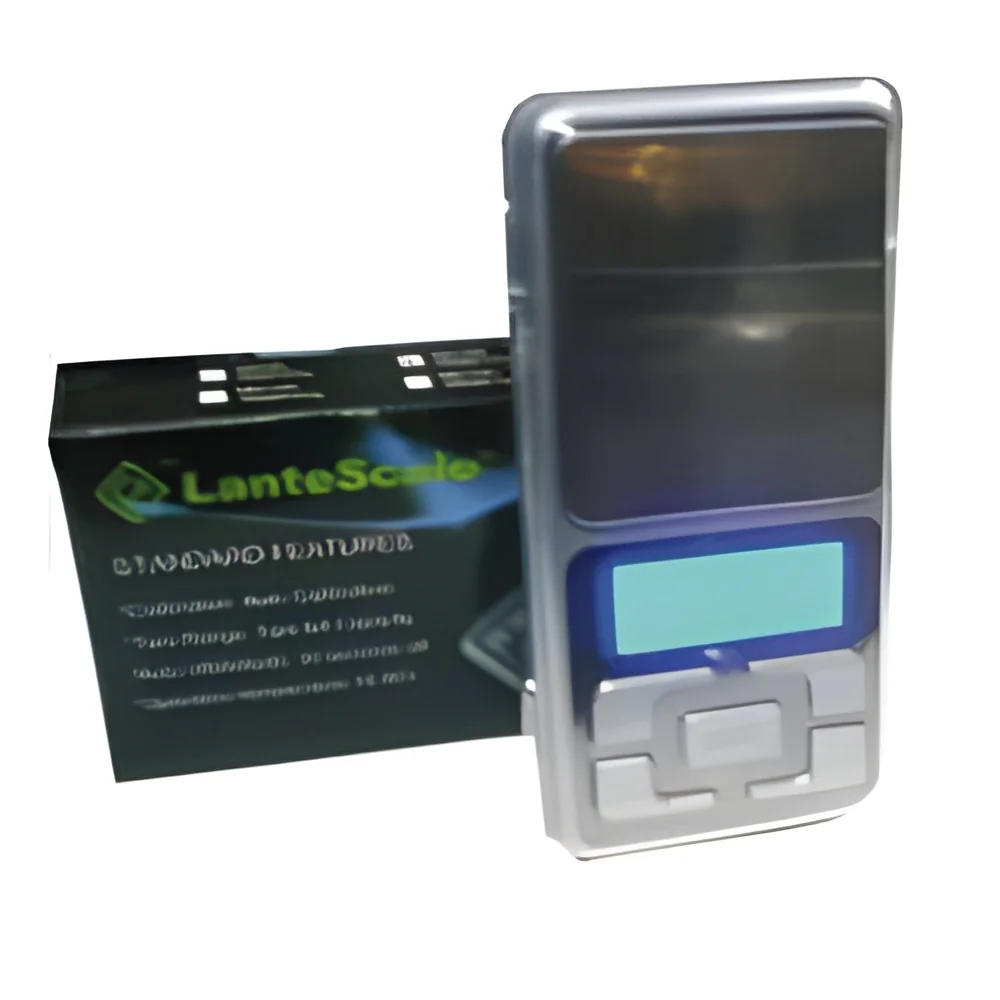
These scales are lightweight and battery-operated, providing flexibility for on-the-go applications. They are suitable for field use in agriculture and logistics, allowing users to weigh items wherever needed.
Industrial Floor Scales
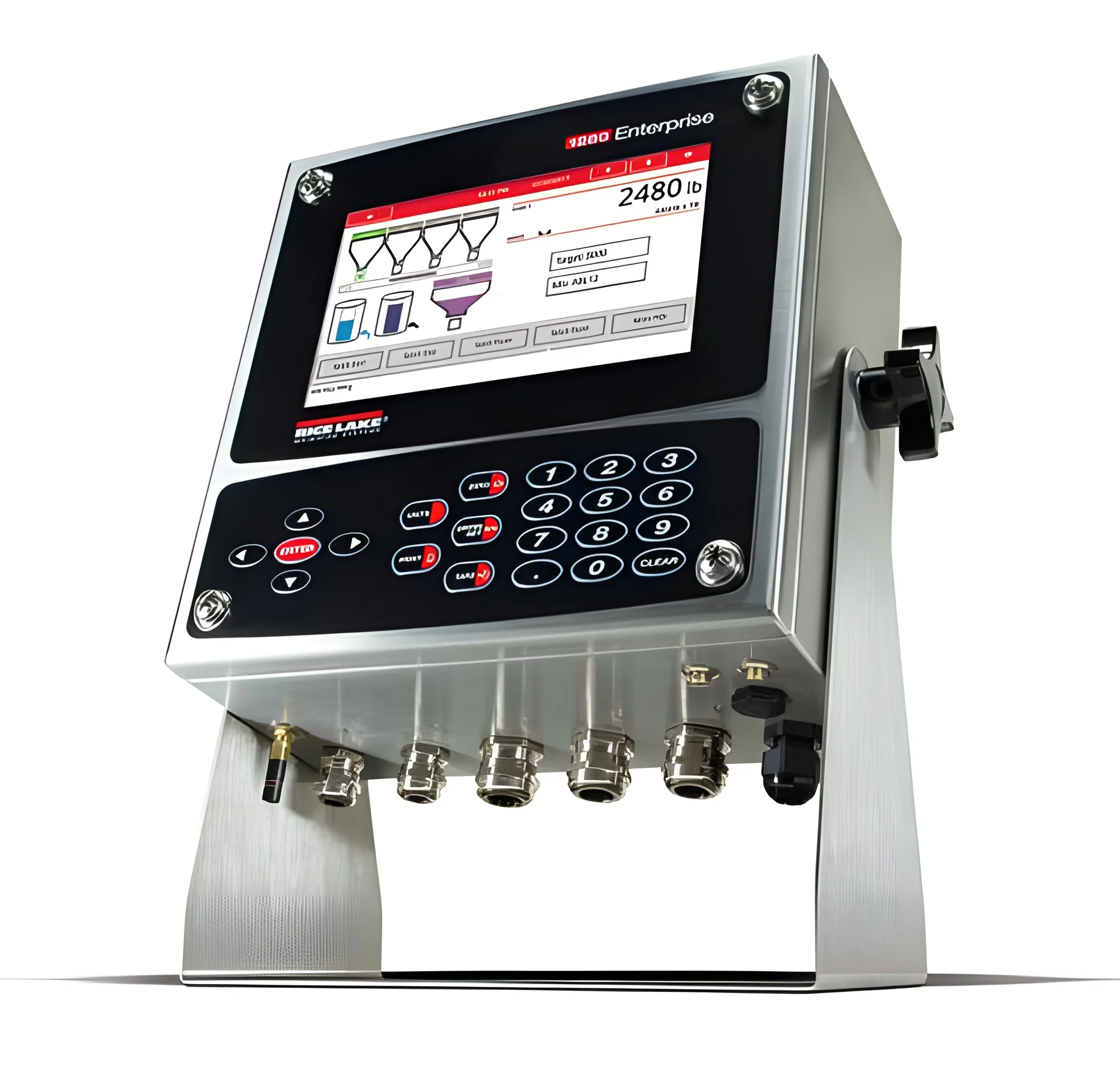
Heavy-duty floor scales are engineered for weighing large items and pallets in manufacturing and shipping environments. They are built to withstand rigorous use and often come with advanced features like remote displays and connectivity.
Benefits and Advantages
The adoption of smart weighing scales offers numerous advantages for businesses seeking efficiency and accuracy.
1. Enhanced Accuracy: These scales provide precise weight measurements, reducing errors that can lead to financial losses or compliance issues.
2. Improved Efficiency: Automated data collection and connectivity features streamline operations, allowing for faster decision-making and inventory management.
3. Cost Savings: By minimizing waste and optimizing shipping processes, smart scales can lead to significant cost reductions over time.
4. Greater Compliance: Smart weighing scales facilitate adherence to industry regulations and standards, ensuring that businesses operate within legal weight limits.
5. Increased Data Insights: Integrated data management allows businesses to analyze trends and make informed decisions based on real-time data.
6. User-Friendly Operation: With intuitive interfaces and programmable settings, users can easily operate smart scales, reducing training time and improving productivity.
Buying Guide for B2B Buyers
When considering the purchase of smart weighing scales, several key factors should guide the decision-making process.
1. Quality Assessment: Evaluate the build quality and precision of the scales. Look for models that meet industry standards for accuracy and durability.
2. Supplier Verification: Ensure suppliers are reputable and have a track record of providing reliable products. Request references and check for certifications.
3. Pricing and MOQ: Understand the cost structure and minimum order quantities. Compare prices among suppliers to ensure competitive pricing while considering quality.
4. Delivery and Lead Times: Discuss logistics with suppliers to ascertain delivery timelines, ensuring that scales are received in a timely manner for operational needs.
5. Compliance Requirements: Verify that the scales meet necessary compliance standards for your industry, such as CE certification or local regulations.
Compliance and Certifications
Smart weighing scales must adhere to various compliance and certification standards to ensure quality and safety in their operation.
ISO 9001 certification is relevant as it establishes quality management systems that focus on consistent product quality and customer satisfaction. Businesses should seek scales that are produced by manufacturers with this certification.
HACCP certification is crucial for industries dealing with food products, ensuring that weighing equipment meets safety and quality standards for food safety management.
CE certification is necessary for products sold in the European Economic Area, indicating that the scales comply with health, safety, and environmental protection standards.
Additionally, manufacturers should adhere to testing and safety requirements relevant to their specific industry. Regional compliance considerations may also play a role, depending on local regulations governing weighing equipment.
Why Source Smart Weighing Scales from Pepagora?
Pepagora serves as an effective platform for sourcing smart weighing scales, offering significant advantages to B2B buyers.
Verified Supplier Network: Pepagora has established a network of verified suppliers, ensuring that buyers can access reliable manufacturers of smart weighing scales. This verification process helps mitigate risks associated with sourcing.
Streamlined RFQ Process: The request for quotation (RFQ) process on Pepagora is designed to be user-friendly, allowing buyers to quickly obtain competitive quotes from multiple suppliers. This efficiency saves time and helps in making informed purchasing decisions.
Trade Assurance and Support: Pepagora provides trade assurance, protecting buyers' investments and ensuring that products meet the specified quality standards. Dedicated support is also available to assist buyers throughout the sourcing process.
Regional Coverage: With a broad reach across India, the GCC, and Southeast Asia, Pepagora connects buyers with suppliers in key markets, facilitating seamless transactions and enhancing accessibility to quality products.

 IN
IN