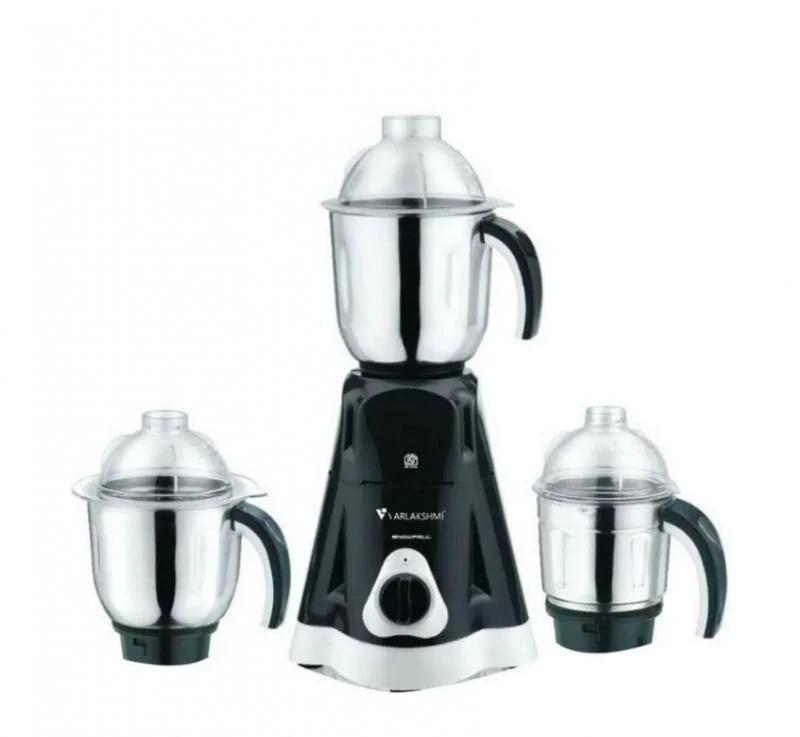
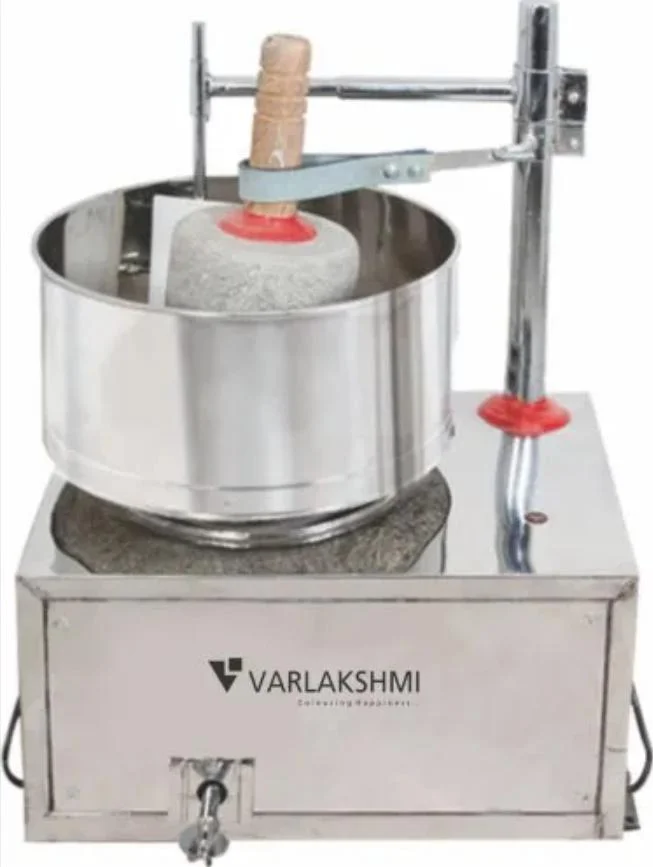
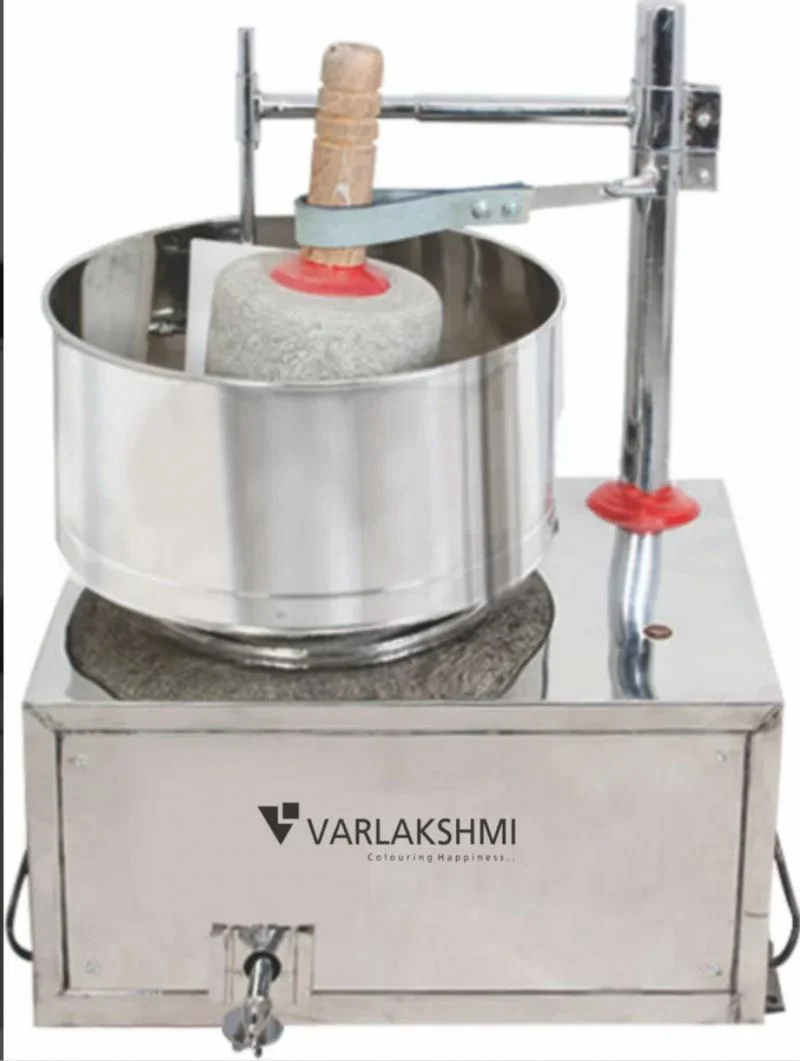
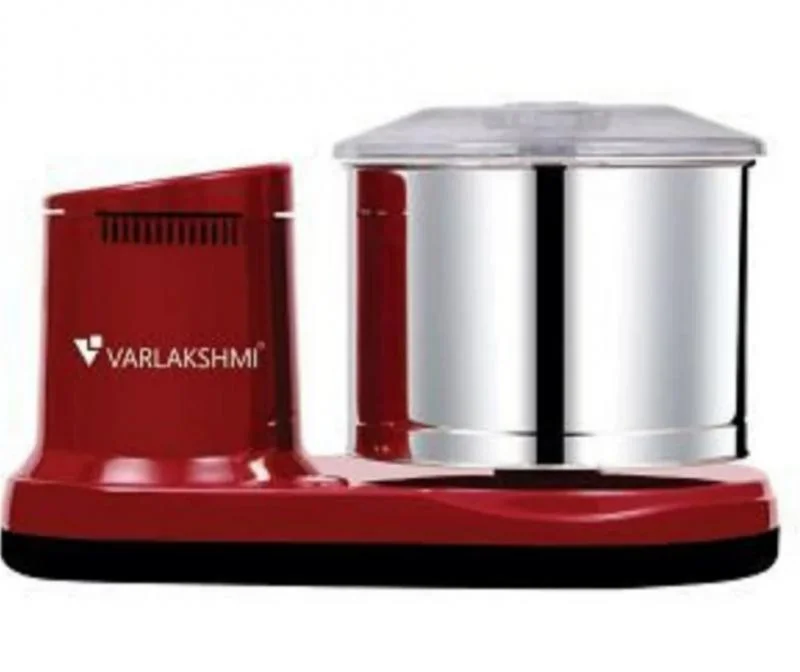
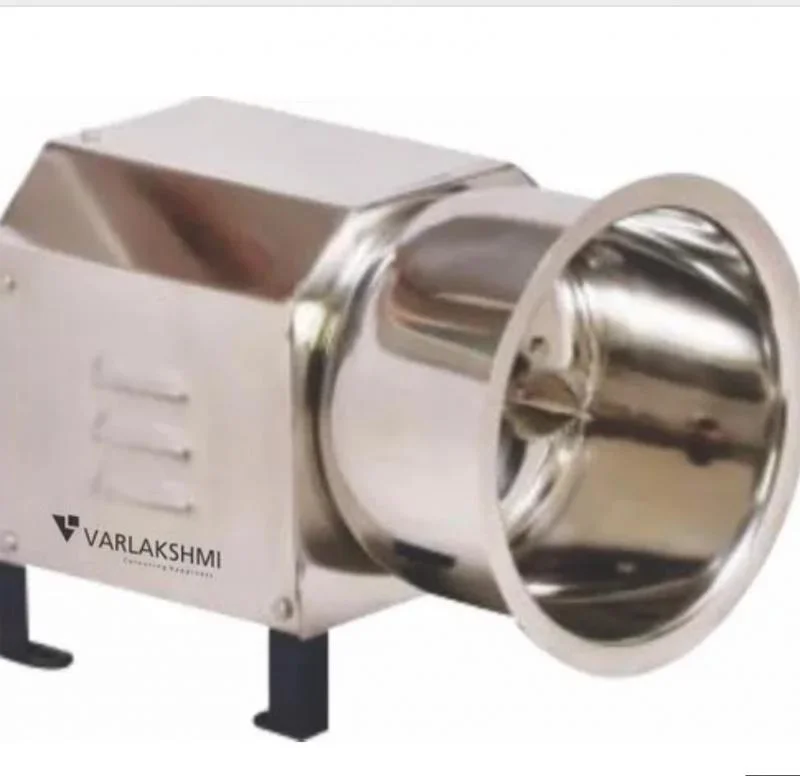
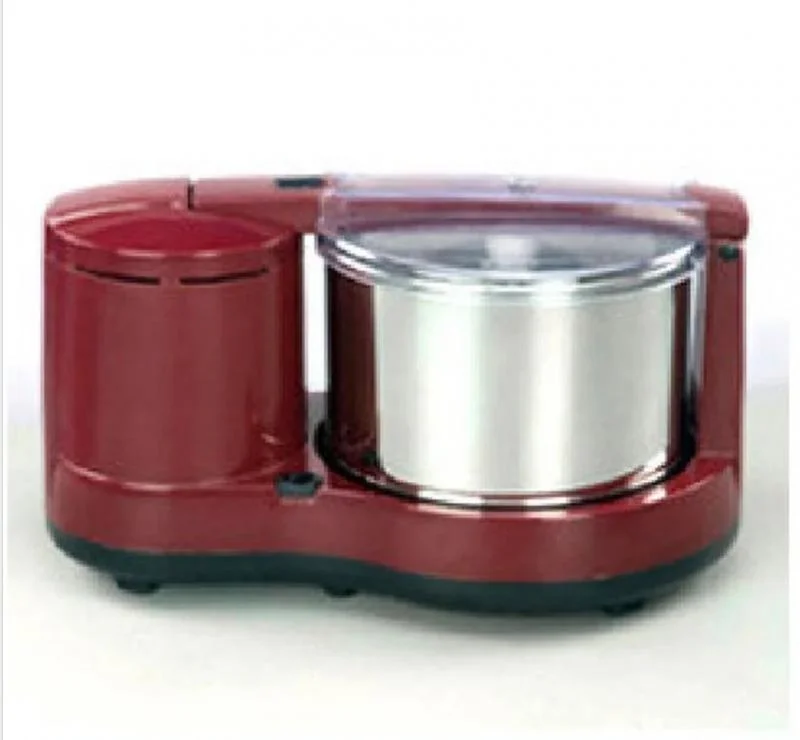
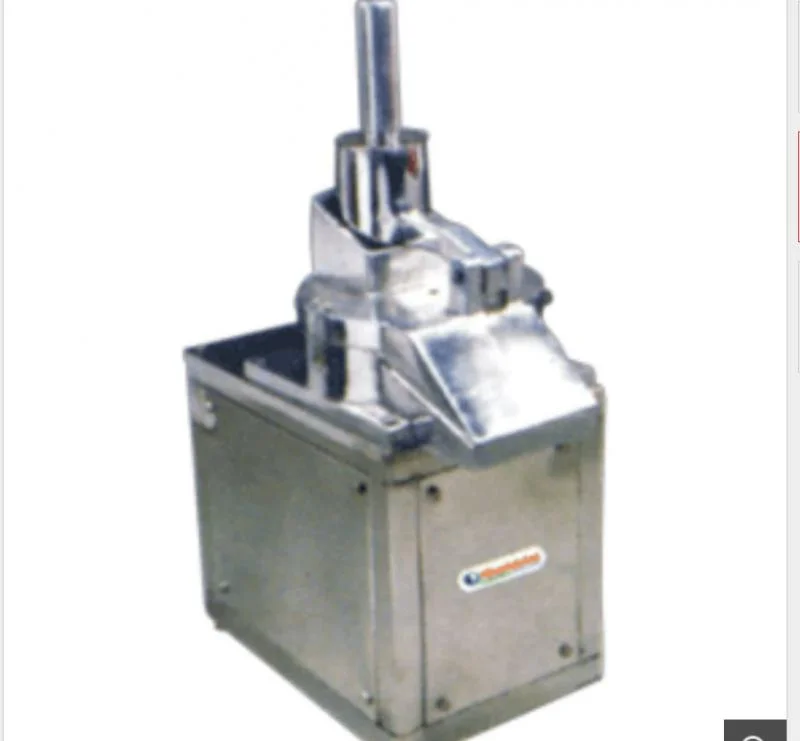
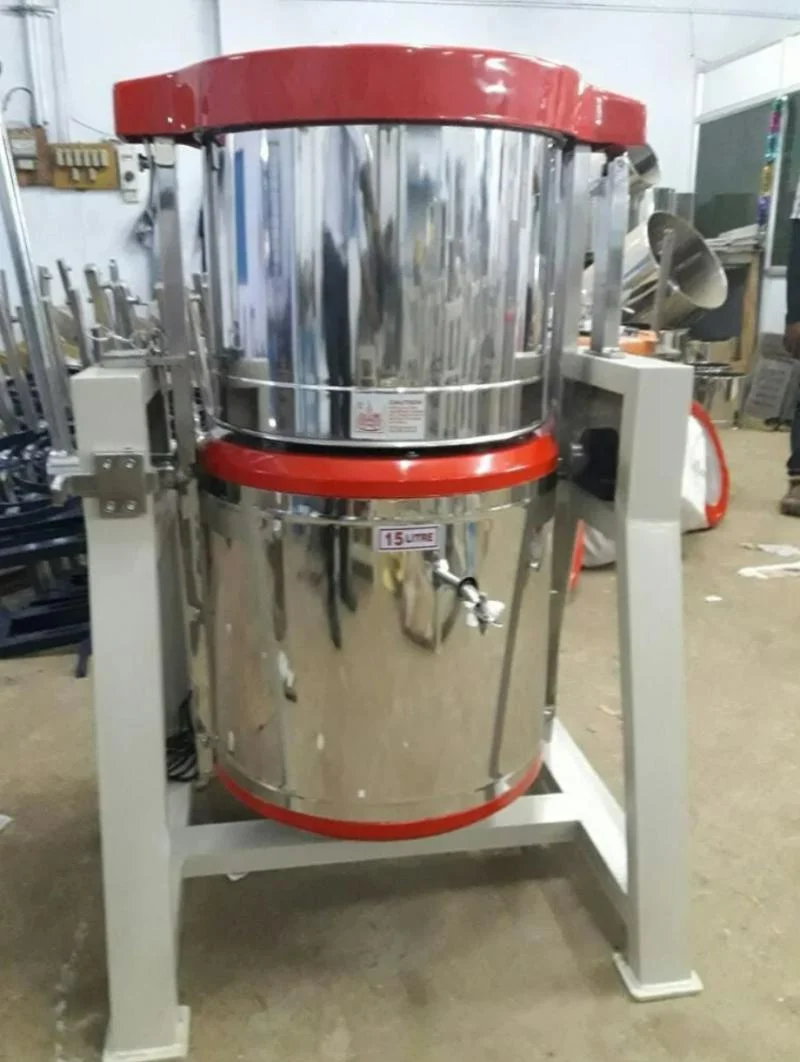
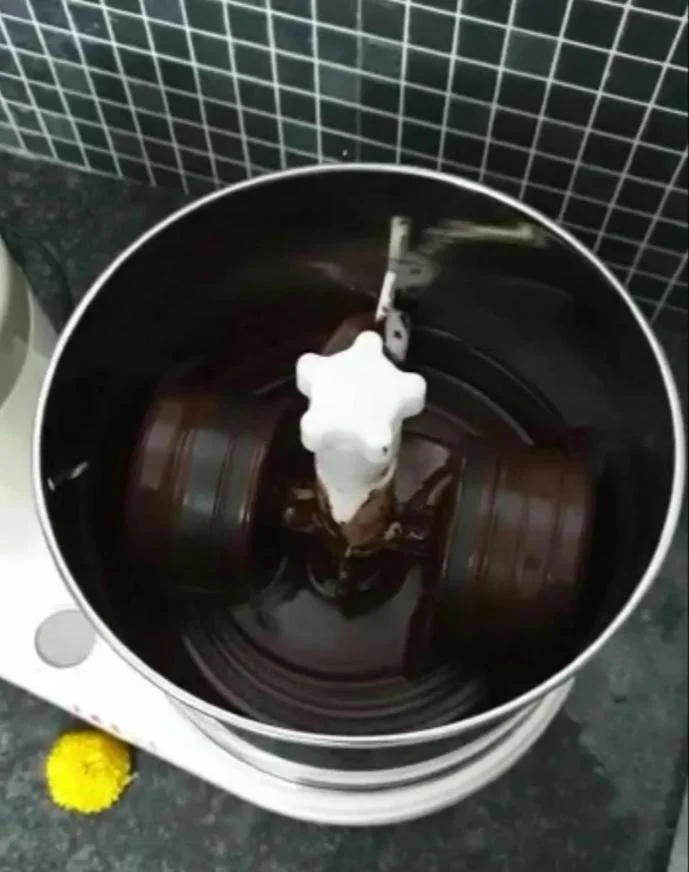
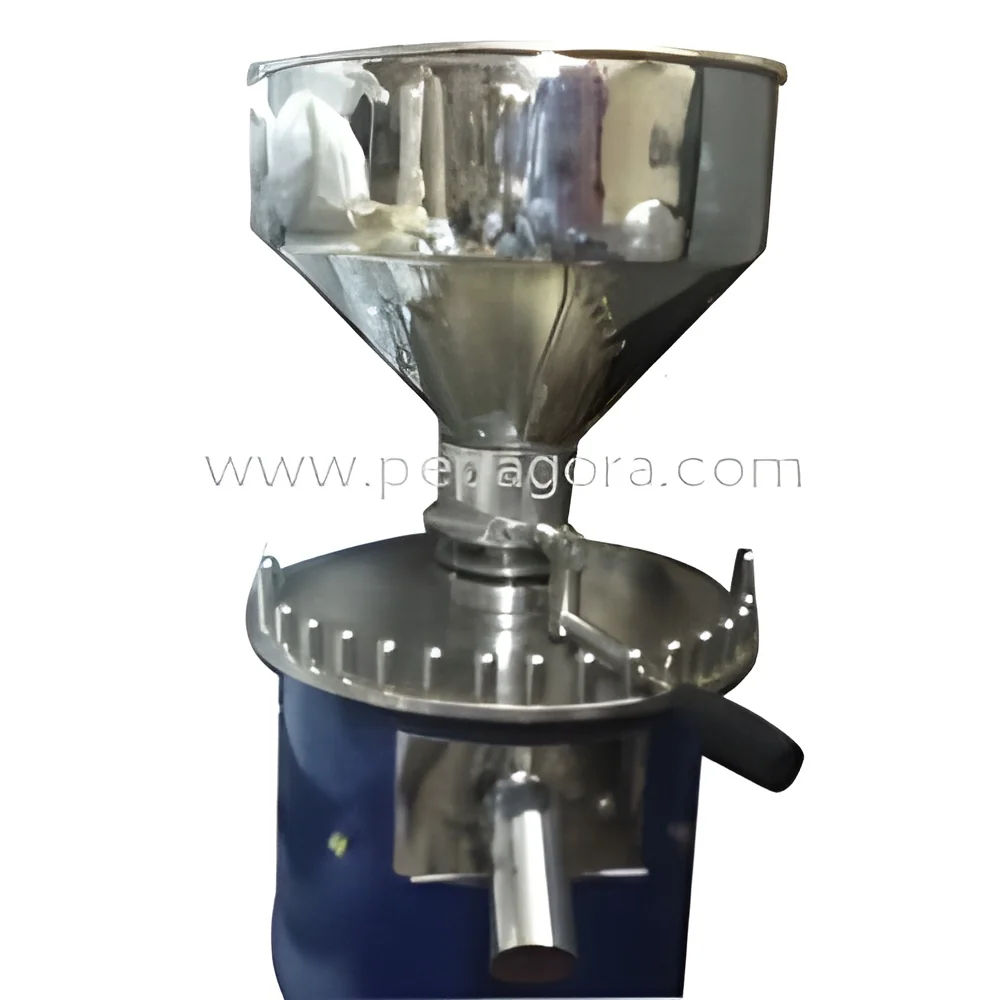
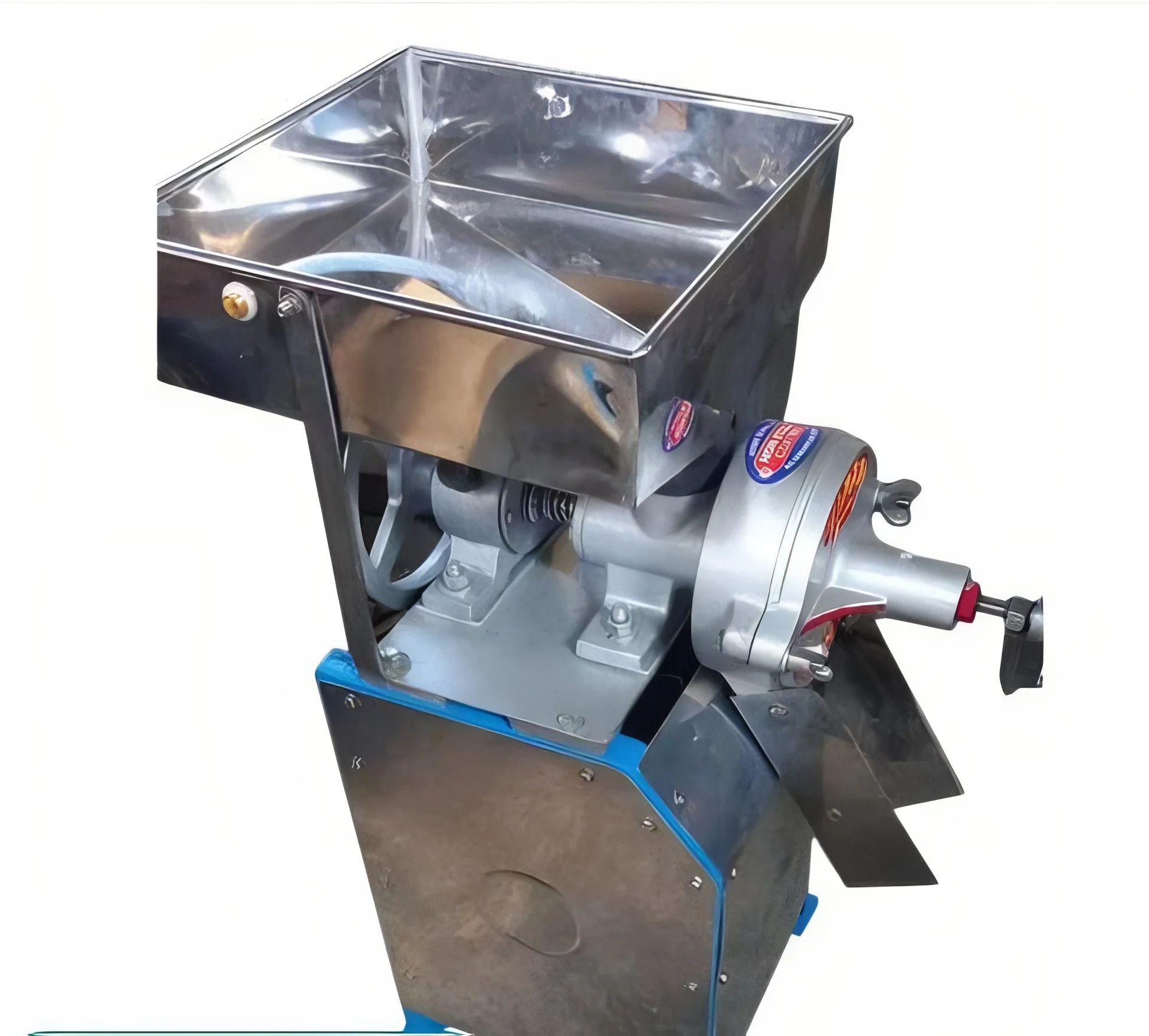
What are Coffee Grinders?
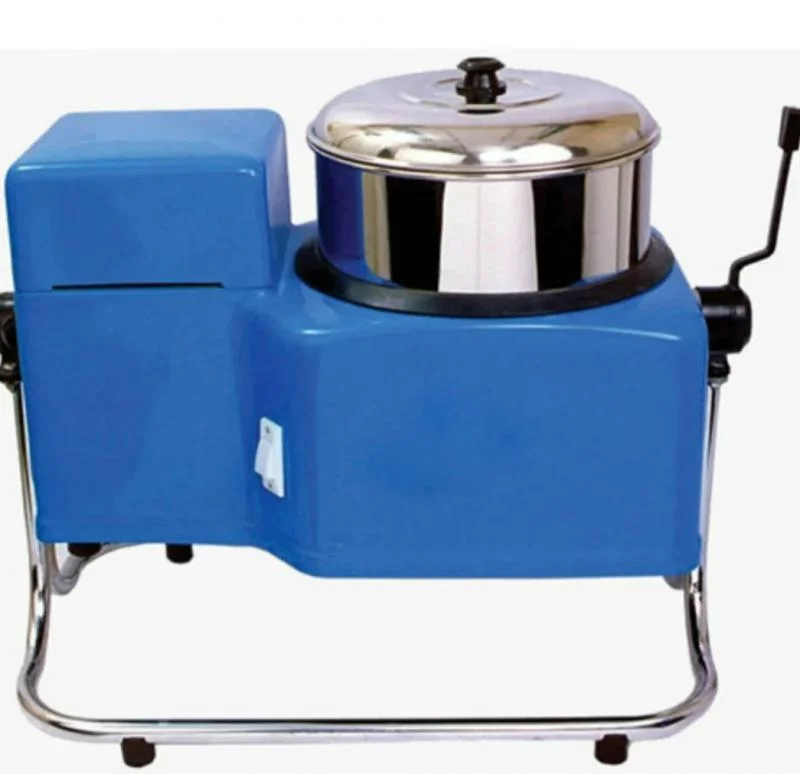
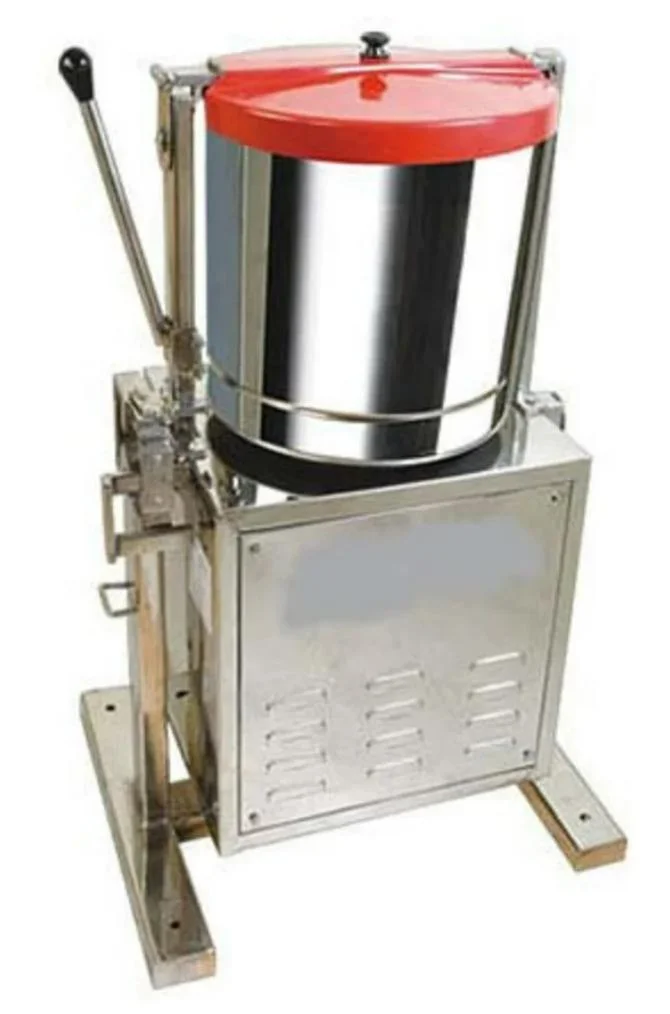
Coffee grinders are essential machines used to grind coffee beans into a fine powder for brewing. They operate by using a series of blades or burrs to break down the beans, allowing for optimal extraction of flavors during the brewing process. The grind size can be adjusted based on the brewing method, ensuring that users achieve the desired taste and aroma in their coffee.
These machines are primarily used in cafes, restaurants, and other food service establishments. They cater to both small-scale operations and large-scale production, helping to meet the demands of coffee enthusiasts and casual drinkers alike. With a growing global coffee culture, the demand for quality coffee grinders has surged, making them a vital tool for any business aiming to offer a premium coffee experience.
In the current market, coffee grinders play a significant role in the specialty coffee industry. As consumers become more discerning about their coffee choices, businesses must invest in high-quality grinders to maintain competitive advantage. The increasing popularity of freshly ground coffee has further solidified the relevance of coffee grinders in the market.
Key Features and Specifications
When selecting a coffee grinder, it is important to consider various features and specifications that can affect performance and usability. Understanding these specifications helps businesses choose the right grinder for their needs.
Key specifications include:
1. Grind Type
- Coffee grinders may feature blade or burr grinding mechanisms.
- Burr grinders are preferred for their consistent grind size.
2. Grind Settings
- Many grinders offer multiple settings for different brew methods.
- Range may include fine, medium, and coarse adjustments.
3. Capacity
- Grinders come in various capacities, suitable for both small and large batches.
- Common capacities range from 100 grams to over 1 kilogram.
4. Power Rating
- Grinders are rated by wattage, affecting their efficiency.
- Typical power ratings range from 150 to 600 watts.
5. Durability
- Material quality can impact the lifespan of the grinder.
- Stainless steel and high-grade plastics are common materials.
6. Noise Level
- Noise can be a concern in coffee shops.
- Some grinders are designed to operate quietly.
7. Size and Weight
- Compact models are ideal for limited space.
- Heavy-duty grinders are often larger and more robust.
8. Safety Features
- Many grinders come with automatic shut-off mechanisms.
- Safety interlocks prevent operation when components are improperly assembled.
In summary, understanding these features and specifications is crucial for businesses when selecting the right coffee grinder to suit their operational needs.
Common Applications and Use Cases
Coffee grinders serve various industries, ensuring that businesses can provide high-quality coffee products.
1. Coffee Shops: These establishments require grinders that can handle frequent use while maintaining grind consistency for different brew methods, enhancing customer experience.
2. Restaurants: Many restaurants grind coffee on-site to offer fresh brews. Grinders with larger capacities are beneficial for catering to high volumes during peak hours.
3. Cafés: Specialty cafés often focus on the coffee experience. High-end grinders can provide the precision needed to extract the best flavors from premium beans.
4. Roasteries: Coffee roasters use grinders to prepare beans for brewing and packaging. Precision and consistency are critical in this setting.
5. Bakeries: Some bakeries offer coffee alongside their baked goods, necessitating the use of grinders for freshly ground coffee.
6. Offices: Many businesses are investing in coffee machines with integrated grinders for employee satisfaction and productivity.
7. Home Brewing: As more individuals embrace coffee at home, personal grinders are becoming popular for home baristas seeking quality.
Product Variants and Subcategories
Coffee grinders come in various forms to cater to different needs and preferences.
Manual Grinders: These grinders require manual effort to operate, making them ideal for personal use or small-scale applications. They are often compact and portable.
Electric Grinders: Suitable for larger operations, electric grinders offer convenience and efficiency. They come in various sizes and capacities to match different business needs.
Commercial Grinders: Designed for high-volume use, these grinders feature robust construction and advanced technology to ensure consistent performance throughout the day.
Benefits and Advantages
Investing in quality coffee grinders offers significant advantages for businesses.
1. Improved Flavor: Freshly ground coffee enhances flavor and aroma, leading to a better overall coffee experience for customers.
2. Versatility: Diverse grind settings allow businesses to cater to different brewing methods, appealing to a wider audience.
3. Increased Efficiency: Electric grinders significantly reduce the time and effort required to grind coffee, improving service speed in busy environments.
4. Consistency: High-quality grinders ensure uniform grind size, essential for optimal extraction and flavor consistency.
5. Cost-Effective: Investing in a reliable grinder reduces waste and maximizes the potential of coffee beans, ultimately saving costs.
6. Brand Differentiation: Offering freshly ground coffee can differentiate a business from competitors, helping to attract more customers.
Buying Guide for B2B Buyers
When sourcing coffee grinders, several important factors should be considered to ensure quality and suitability for business needs.
1. Quality Assessment: Evaluate the build quality and materials of the grinder. Look for reputable brands known for durability and performance.
2. Supplier Verification: Vet suppliers by checking their credentials, customer reviews, and business history to ensure reliability and trustworthiness.
3. Pricing and MOQ: Consider the pricing structure and minimum order quantities. Some suppliers may offer discounts for bulk purchases.
4. Delivery and Lead Times: Understand logistics regarding delivery times and shipping costs, especially for urgent needs.
5. Compliance Requirements: Ensure that the grinders comply with relevant industry standards and regulations, such as safety certifications.
Compliance and Certifications
Coffee grinders must adhere to various quality standards and certifications to ensure safety and reliability.
Relevant quality standards include ISO 9001, which focuses on quality management systems, ensuring that manufacturers maintain consistent quality in production processes.
HACCP (Hazard Analysis and Critical Control Points) is important for food safety, ensuring that grinders used in food and beverage applications meet safety requirements.
CE certification is essential for products sold in the European market, indicating compliance with safety and health standards.
Safety and testing requirements involve thorough quality checks during production, ensuring that grinders operate efficiently and safely.
Regional compliance considerations may vary, so it is important for manufacturers and suppliers to be aware of local regulations affecting coffee grinders.
Why Source Coffee Grinders from Pepagora?
Pepagora provides a trusted platform for sourcing coffee grinders, offering several key advantages for B2B buyers.
Verified Supplier Network: Pepagora connects buyers with a network of verified suppliers, ensuring that businesses can source high-quality products with confidence.
Streamlined RFQ Process: The request for quotation process is designed to be efficient, allowing buyers to quickly compare pricing and specifications from multiple suppliers.
Trade Assurance and Support: Pepagora offers buyer protection through trade assurance, ensuring that transactions are secure and satisfactory.
Regional Coverage: With a strong presence in India, the GCC, and Southeast Asia, Pepagora ensures that businesses in these regions have access to reliable coffee grinder suppliers, facilitating smooth procurement processes.

 IN
IN