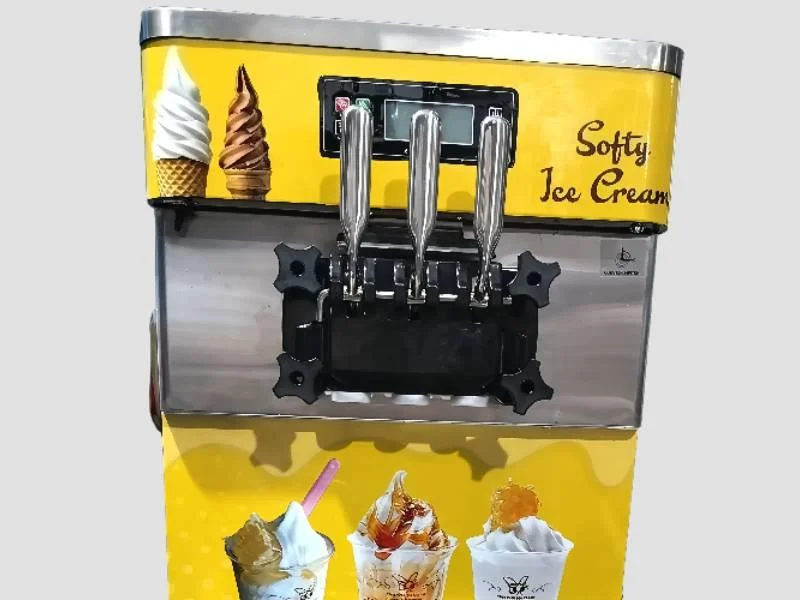
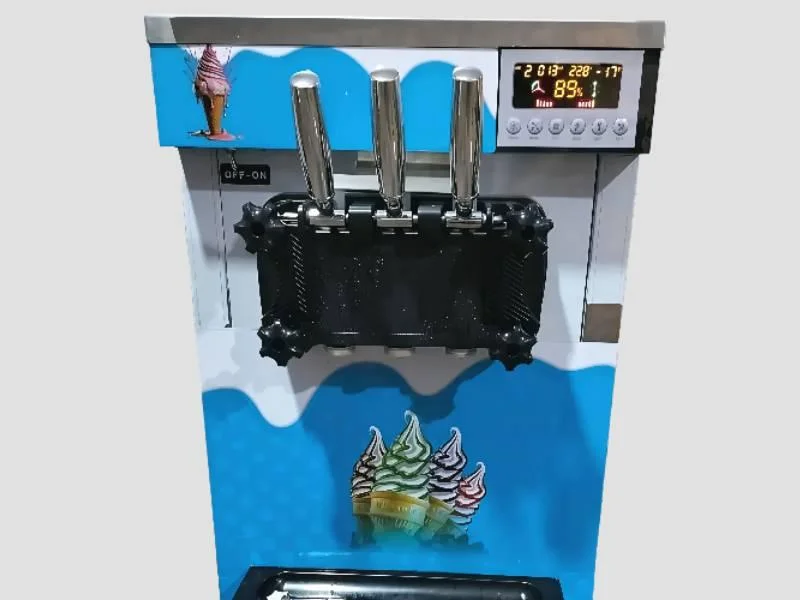
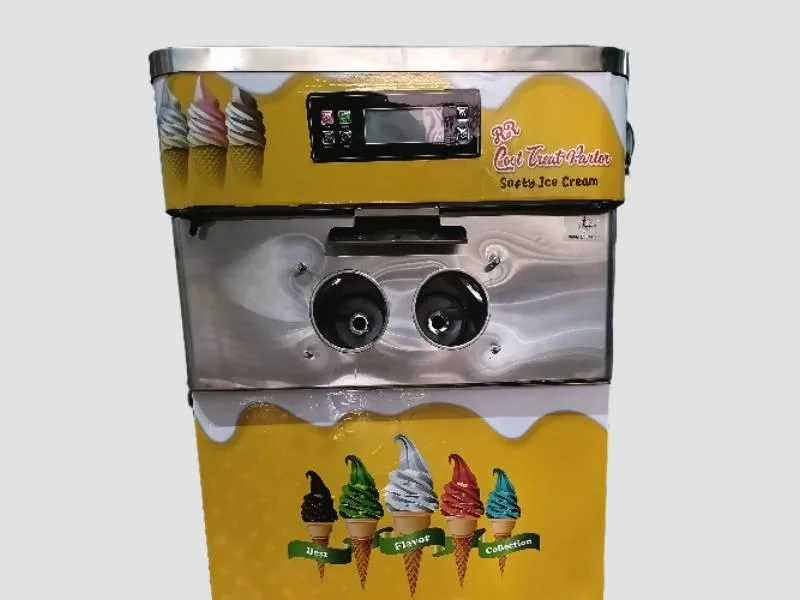
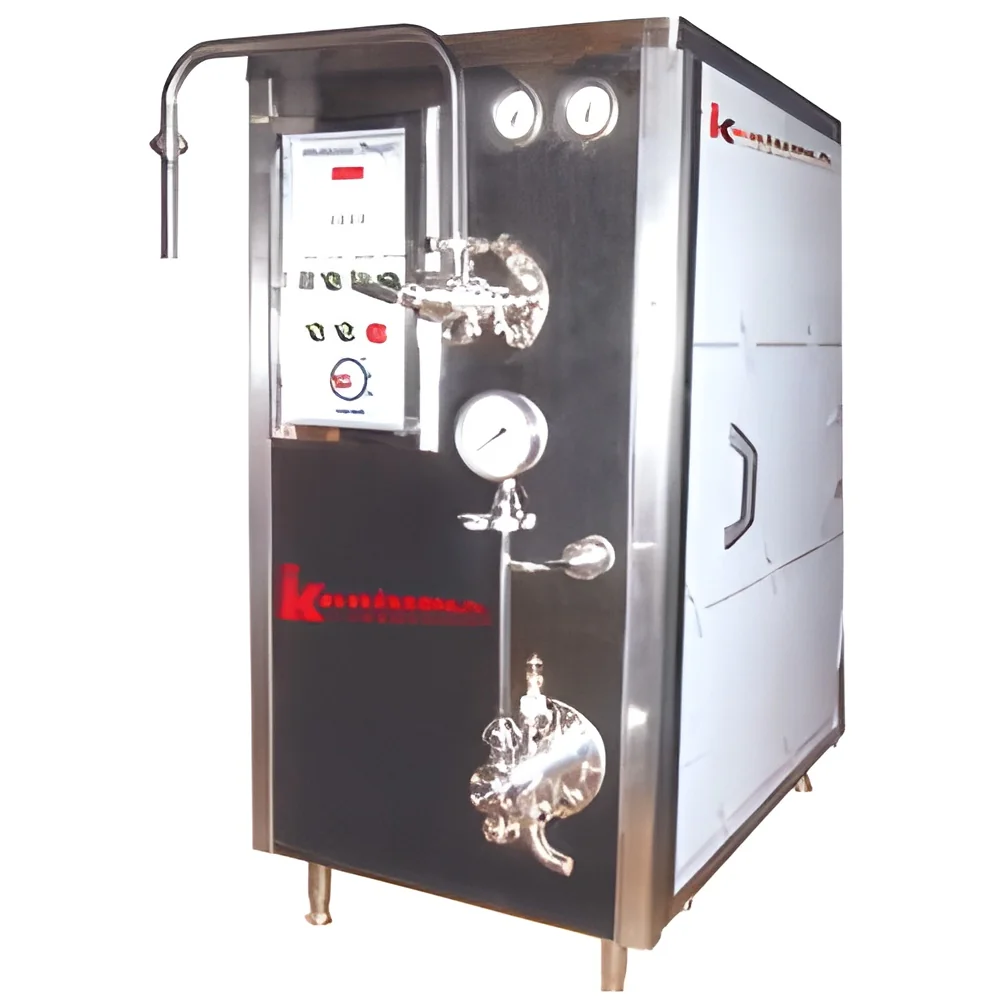
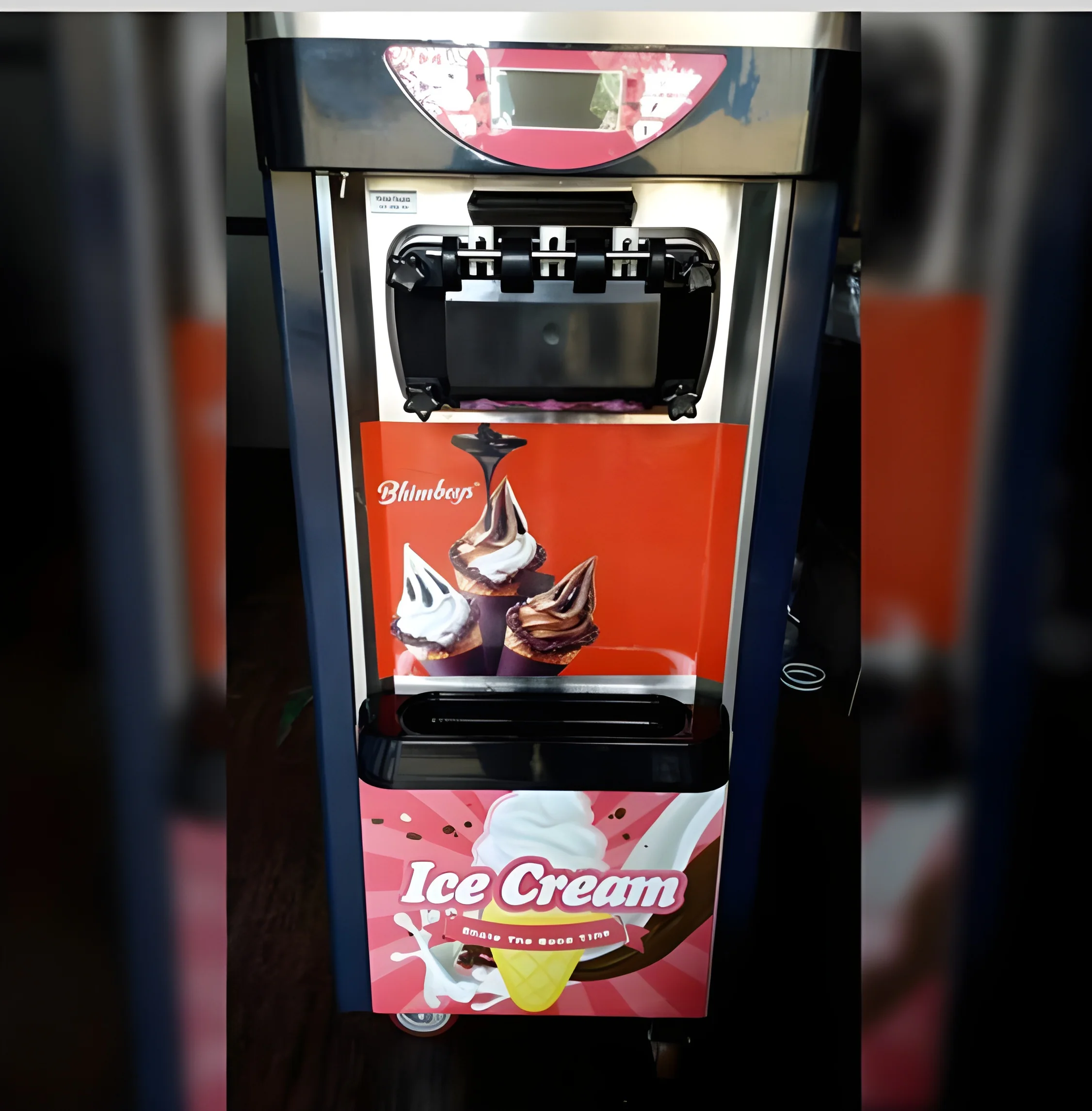
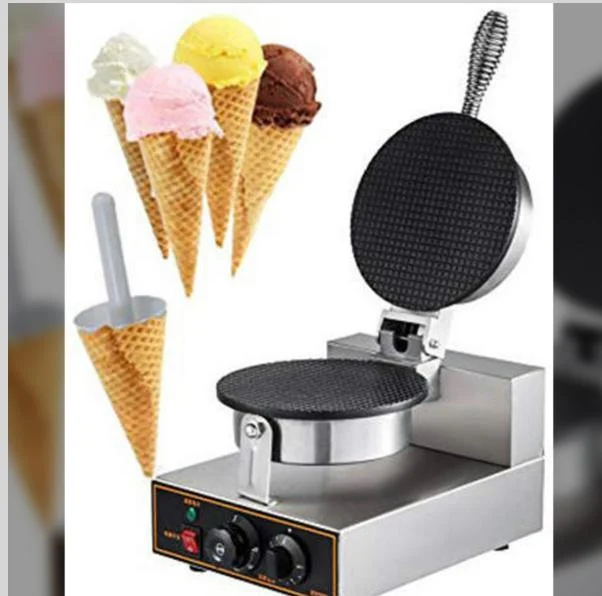
What are Ice Cream Makers?
Ice cream makers are specialized machines designed to produce ice cream, gelato, and sorbet by mixing and freezing ingredients. They operate by combining a chilling element with continuous mixing to ensure a smooth and creamy texture. The process typically involves the incorporation of air into the mixture, which is essential for achieving the right consistency and volume in the final product.
In the business context, ice cream makers are crucial for ice cream parlors, restaurants, and food manufacturers. They allow these businesses to create unique flavors and tailor products to consumer preferences. Additionally, ice cream makers can help reduce costs by enabling in-house production rather than relying on third-party suppliers. As the demand for artisanal and gourmet ice cream continues to rise, the relevance of quality ice cream makers in the market has increased significantly.
Key Features and Specifications
Ice cream makers vary widely in features and specifications, catering to different business needs. Understanding these specifications is vital for selecting the right equipment.
Key specifications include:
1. Production Capacity
- The amount of ice cream produced per batch
- Ranges from small-scale (1-2 quarts) to large-scale (up to 20 quarts or more)
2. Freezing Time
- The time taken to freeze the ice cream mixture
- Typically ranges from 20 minutes to several hours depending on the model
3. Power Consumption
- The electrical power required to operate the machine
- Generally measured in watts; varies by model
4. Material Construction
- The type of materials used in the machine's construction
- Common materials include stainless steel and high-quality plastic for durability
5. Control Features
- Options for temperature control and mixing speeds
- May include digital displays and programmable settings
6. Size and Portability
- Dimensions of the machine and its weight
- Important for space considerations in kitchens or production areas
7. Ease of Cleaning
- Features that facilitate easy disassembly and cleaning
- Critical for maintaining hygiene standards
8. Warranty and Support
- Information on warranty periods and available customer support
- Important for long-term investment assurance
In summary, selecting an ice cream maker involves evaluating these key features to ensure the equipment meets business requirements for production and quality.
Common Applications and Use Cases
Ice cream makers are utilized across various industries to meet diverse needs.
1. Food Service: Restaurants and cafés use ice cream makers to create fresh desserts, allowing for customization and seasonal flavors.
2. Retail: Ice cream shops rely on these machines to produce a range of frozen treats, enhancing customer offerings and experiences.
3. Catering: Caterers employ ice cream makers to provide unique dessert options for events, ensuring freshness and variety.
4. Food Manufacturing: Large-scale manufacturers utilize industrial ice cream makers for consistent production of bulk products.
5. Research and Development: Food scientists use ice cream makers for experimenting with new flavors and formulations.
6. Specialty Food Producers: Artisanal brands create small-batch ice creams to cater to niche markets, utilizing high-quality machines for superior results.
7. Events and Festivals: Mobile vendors and food trucks use portable ice cream makers to serve fresh products at fairs and events.
Product Variants and Subcategories
Ice cream makers come in various types, each designed to serve specific needs within the market.
Commercial Standalone Models
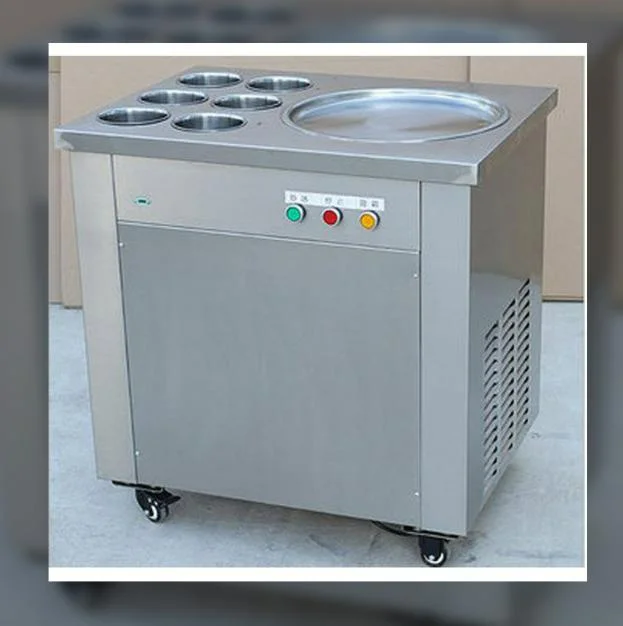
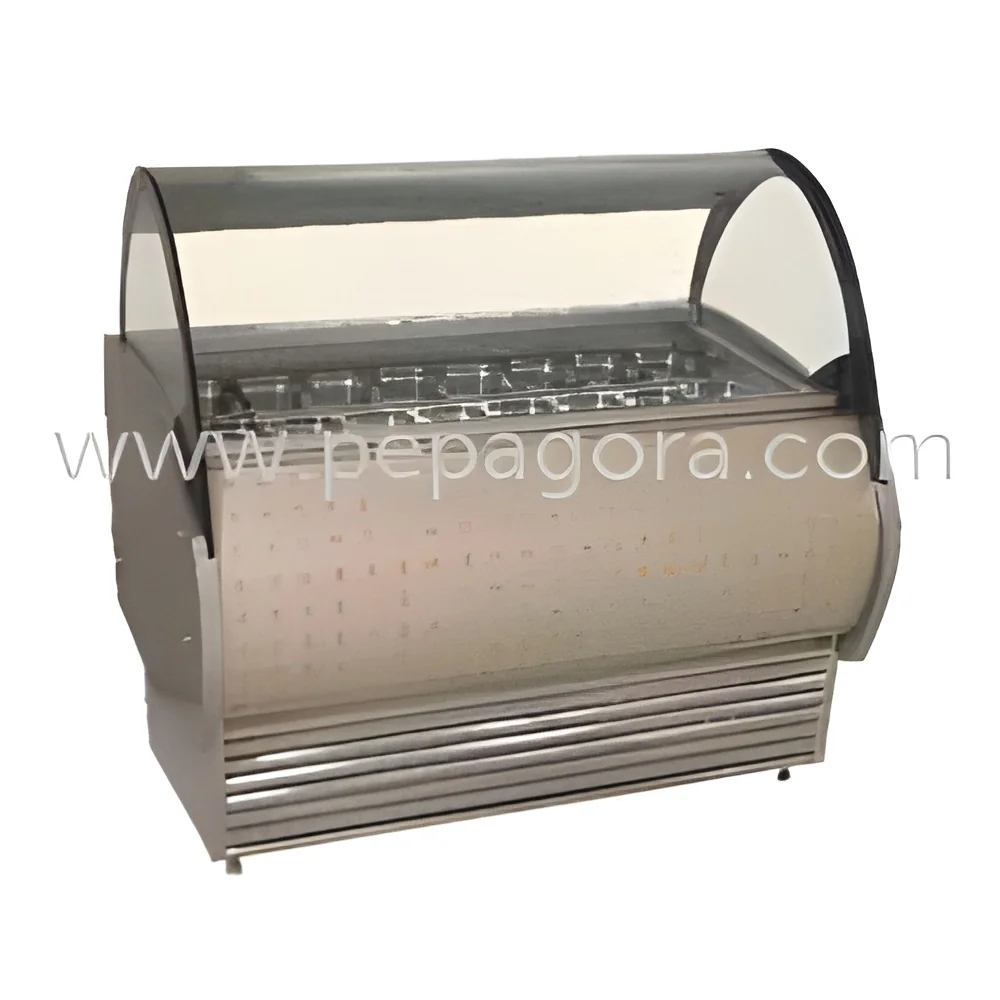
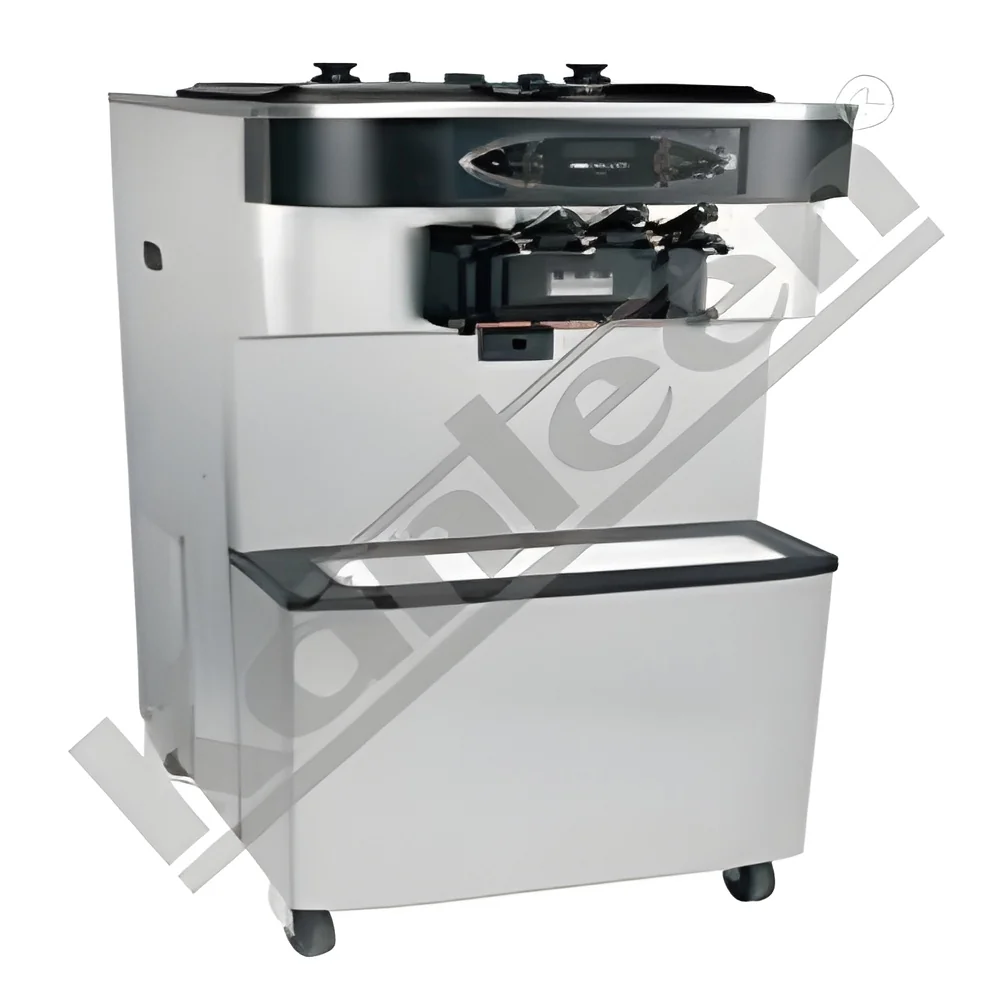
These machines are built for high-volume production, featuring robust construction and large capacity. They are ideal for ice cream shops and restaurants that require consistent output.
Countertop Models
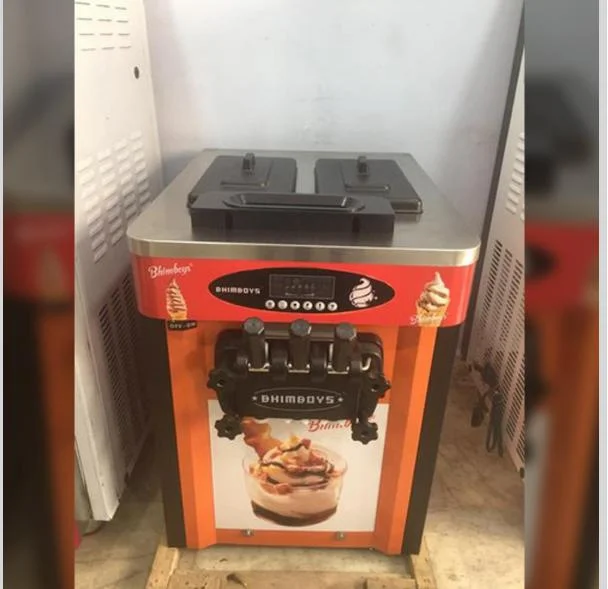
Designed for smaller operations, these models are compact and easy to use. They are suitable for cafés and home-based businesses, allowing for quick batch production.
Batch Freezers
These machines are specifically designed for making large quantities of ice cream at once. They are favored by manufacturers looking to produce multiple flavors efficiently.
Continuous Freezers
These models are used in large-scale production settings. They continuously churn and freeze ice cream, ideal for manufacturers with high demand.
Benefits and Advantages
Investing in ice cream makers can offer numerous advantages for businesses.
Key benefits include:
1. Cost Efficiency: Creating ice cream in-house reduces dependency on suppliers and lowers ingredient costs over time.
2. Customization: Businesses can develop unique flavors and recipes tailored to their target audience, enhancing brand identity.
3. Quality Control: In-house production allows for better control over ingredient quality and production processes.
4. Freshness: Ice cream made on-site ensures maximum freshness, which can attract customers seeking high-quality products.
5. Increased Revenue: Offering freshly made ice cream can drive sales and customer loyalty, leading to increased profitability.
6. Versatility: Ice cream makers can produce not just ice cream, but also gelato and sorbet, expanding a business's product range.
Buying Guide for B2B Buyers
When considering the purchase of ice cream makers, several factors should be taken into account.
1. Quality Assessment: Evaluate the build quality and reliability of the machine. Look for materials that ensure durability and efficiency in production.
2. Supplier Verification: Research potential suppliers to ensure they have a solid reputation and can provide reliable customer service and support.
3. Pricing and MOQ: Consider the total cost of ownership, including initial purchase and ongoing operational costs. Be aware of minimum order quantities for bulk purchases.
4. Delivery and Lead Times: Discuss logistics with suppliers to understand delivery timelines and ensure they align with your operational needs.
5. Compliance Requirements: Ensure that the ice cream makers meet local regulatory standards and safety certifications, such as CE.
Compliance and Certifications
Ice cream makers must adhere to specific quality and safety standards to guarantee their reliability and performance.
Relevant quality standards include ISO 9001, which focuses on quality management systems, ensuring that manufacturers maintain high production standards. Additionally, HACCP (Hazard Analysis Critical Control Point) compliance is crucial for food safety, helping businesses identify and mitigate potential risks in the production process.
Industry certifications, such as CE marking, indicate that the products meet European safety standards. This assurance is critical for businesses looking to sell their products in the European market.
Safety and testing requirements ensure that the machines are safe for operational use. Regular testing and compliance checks are essential for maintaining industry standards.
Regional compliance considerations may vary, so businesses must be aware of local regulations regarding food production equipment.
Why Source Ice Cream Makers from Pepagora?
Pepagora offers a reliable platform for sourcing ice cream makers, providing several key advantages for B2B buyers.
Verified Supplier Network: Pepagora connects businesses with verified suppliers, ensuring that buyers receive quality products from reputable sources.
Streamlined RFQ Process: The platform allows for a smooth request for quotation process, simplifying the way buyers can obtain pricing and product information from multiple suppliers.
Trade Assurance and Support: Pepagora provides trade assurance, giving buyers peace of mind with protection against potential transaction risks.
Regional Coverage: With a presence in India, GCC, and Southeast Asia, Pepagora offers expansive geographic reach, making it easier for businesses in these regions to find suitable ice cream makers.
By leveraging these advantages, businesses can confidently source the right ice cream makers to meet their production needs.

 IN
IN