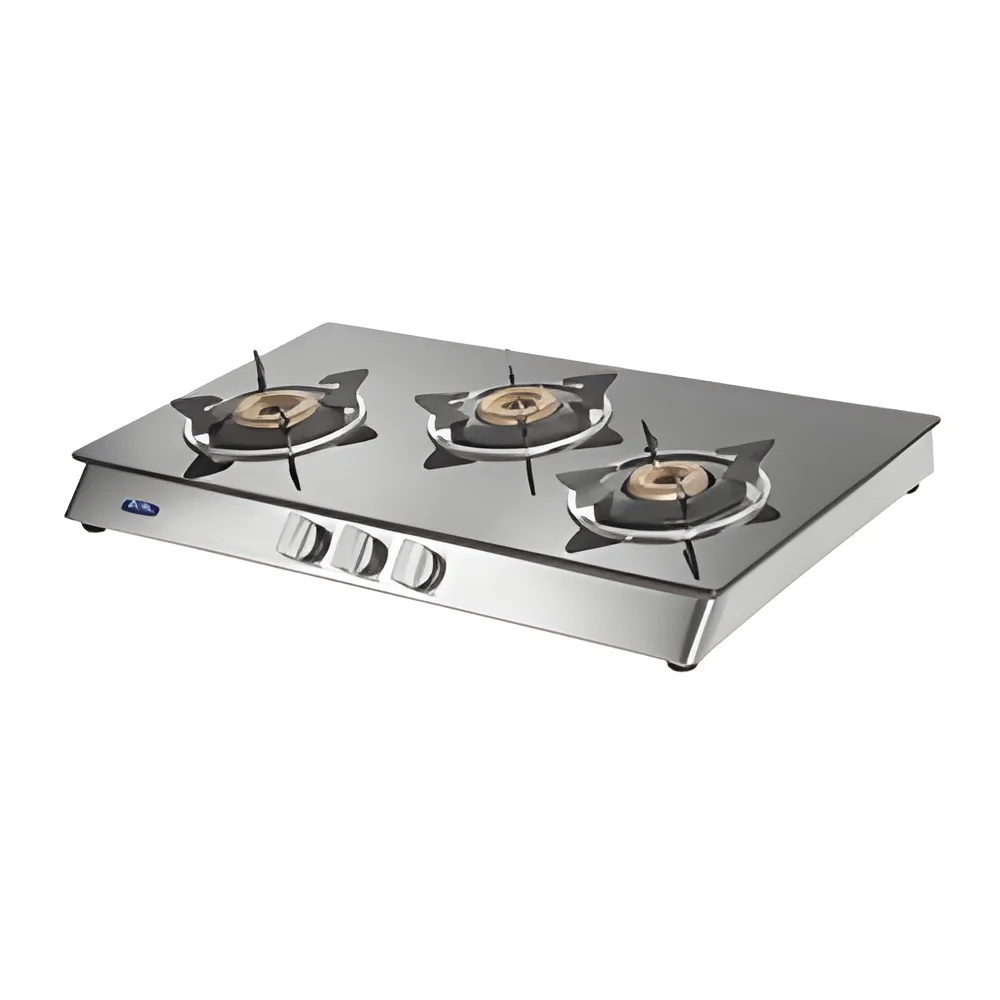
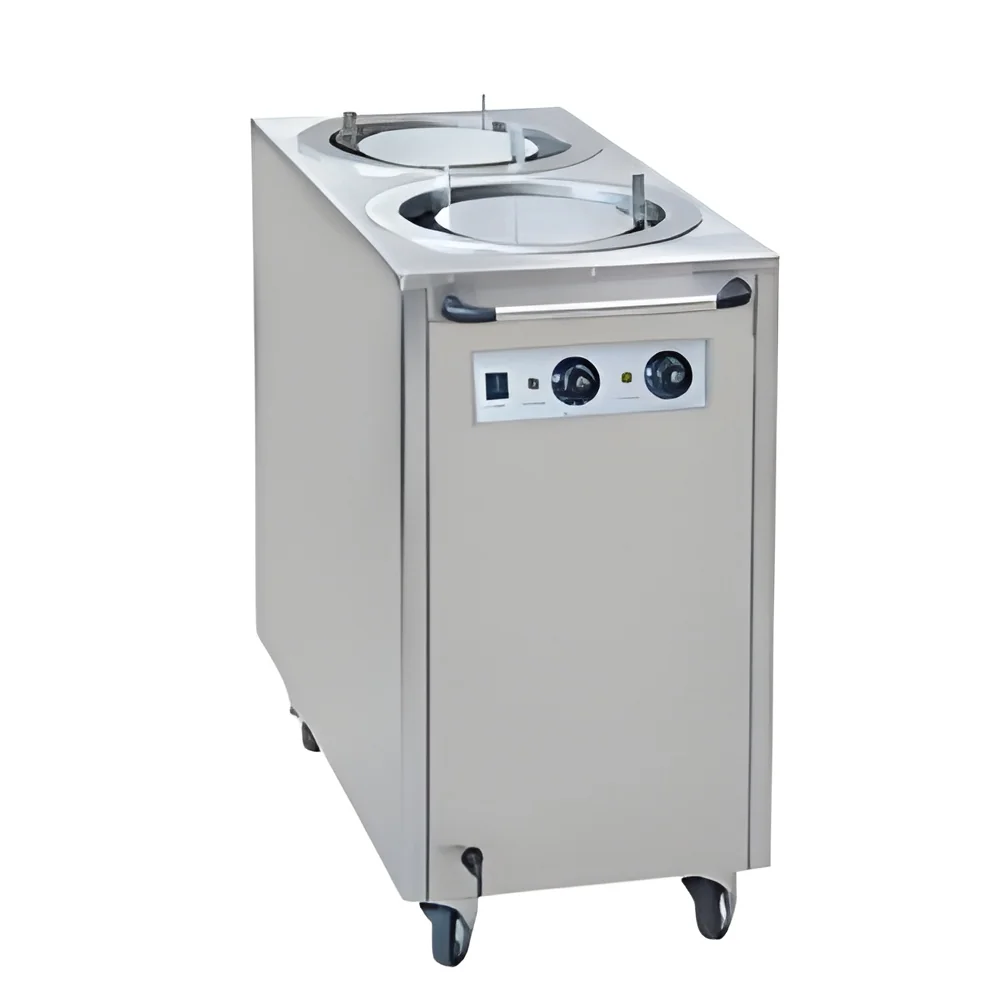
What are Electric Hot Plates?
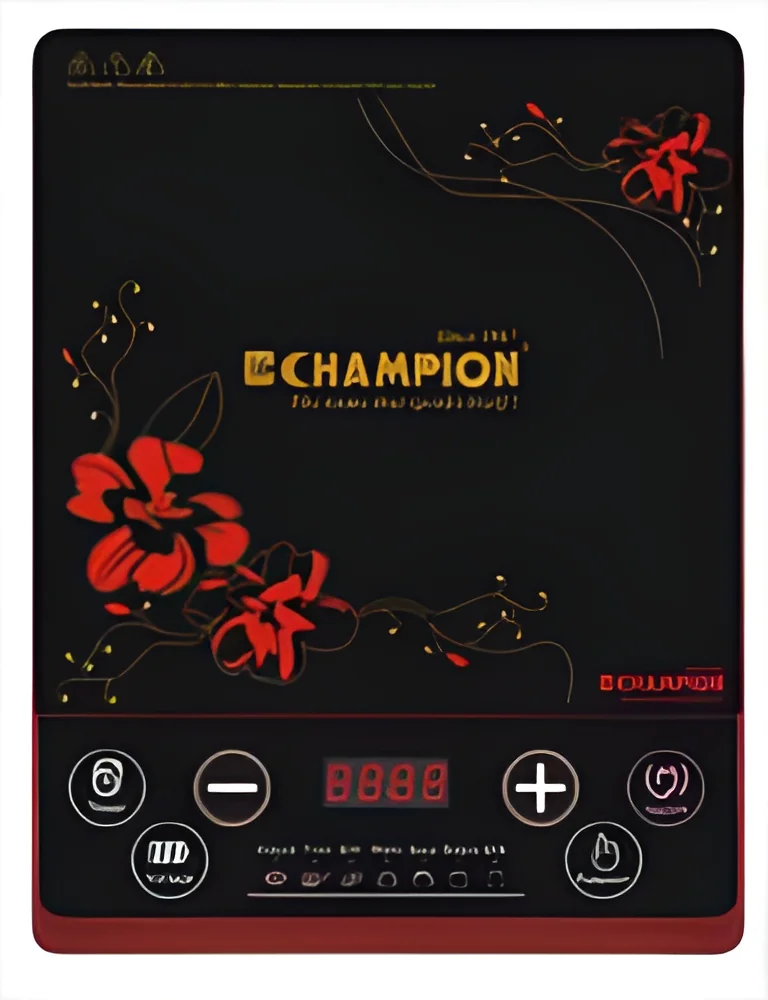
Electric hot plates are portable cooking appliances that utilize electric heating elements to provide direct heat for cooking or warming food. They are designed for efficiency and convenience, making them suitable for various cooking tasks in both commercial and industrial settings. Electric hot plates can be used independently or as a supplementary cooking source, easily accommodating different cooking vessels.
These versatile devices find applications in restaurants, catering services, laboratories, and industrial kitchens. They are particularly valued for their ability to heat food quickly and maintain precise temperature control. In addition to food service, electric hot plates are also useful in scientific research where heating of liquids or materials is required. Their compact design allows for flexibility in placement and use, making them relevant across multiple industries.
The market for electric hot plates continues to grow as businesses seek efficient, reliable cooking solutions. Increased demand for portable cooking equipment, coupled with advancements in technology, has led to the development of more sophisticated models. Businesses are increasingly prioritizing quality and performance, ensuring that electric hot plates meet the rigorous demands of their operations.
Key Features and Specifications
Electric hot plates come with a variety of features and specifications that enhance their functionality and performance. Understanding these specifications is crucial for businesses seeking to invest in the right equipment for their needs.
Key specifications include:
1. Heating Capacity
- This refers to the power output of the hot plate, typically measured in watts. Common ranges are from 1000 to 3000 watts, depending on the model.
2. Temperature Control
- Many electric hot plates come with adjustable temperature settings, allowing users to select specific heat levels for different cooking tasks.
3. Surface Material
- The cooking surface can be made from materials such as stainless steel or ceramic. Each material offers different benefits, including durability and ease of cleaning.
4. Size and Dimensions
- Electric hot plates are available in various sizes, suitable for different cooking vessels. Typical dimensions range from small, single-burner units to larger, multi-burner models.
5. Safety Features
- Some models include safety features such as automatic shutoff, heat indicators, and non-slip feet to prevent accidents during use.
6. Voltage Compatibility
- Most electric hot plates are designed for standard voltage levels, such as 110V or 220V, which should be considered based on geographical requirements.
7. Portability
- The design of electric hot plates often includes lightweight and compact features, making them easy to transport and store.
8. Warranty and Support
- Many manufacturers offer warranties and support services, which can be an essential consideration for businesses investing in equipment.
In summary, selecting the right electric hot plate involves understanding its features and specifications to ensure it meets the specific needs of your business.
Common Applications and Use Cases
Electric hot plates serve various industries, providing essential cooking and heating solutions.
1. Food Service Industry: In restaurants and catering businesses, electric hot plates are used for cooking, warming, and holding food at safe temperatures during service.
2. Scientific Laboratories: These hot plates are often employed in laboratories for heating chemicals, conducting experiments, and maintaining precise temperature control in various applications.
3. Educational Institutions: Schools and universities utilize electric hot plates in culinary programs for teaching cooking techniques and food safety practices.
4. Industrial Kitchens: Large-scale kitchens in hospitals and other institutions use electric hot plates for efficient meal preparation and rapid heating of large quantities of food.
5. Emergency Services: In disaster relief scenarios, electric hot plates can provide vital cooking capabilities for temporary shelters and emergency kitchens.
6. Food Trucks and Mobile Carts: Portable electric hot plates are essential for food vendors who require efficient cooking solutions in limited spaces.
7. Home Use: While primarily aimed at commercial applications, electric hot plates are also popular for home cooks seeking additional cooking surfaces.
Product Variants and Subcategories
Electric hot plates come in various configurations to suit different needs and applications.
Single Burner Hot Plate
This type features one heating element and is ideal for small cooking tasks or limited kitchen space. It is commonly used in home kitchens and for individual cooking needs.
Double Burner Hot Plate
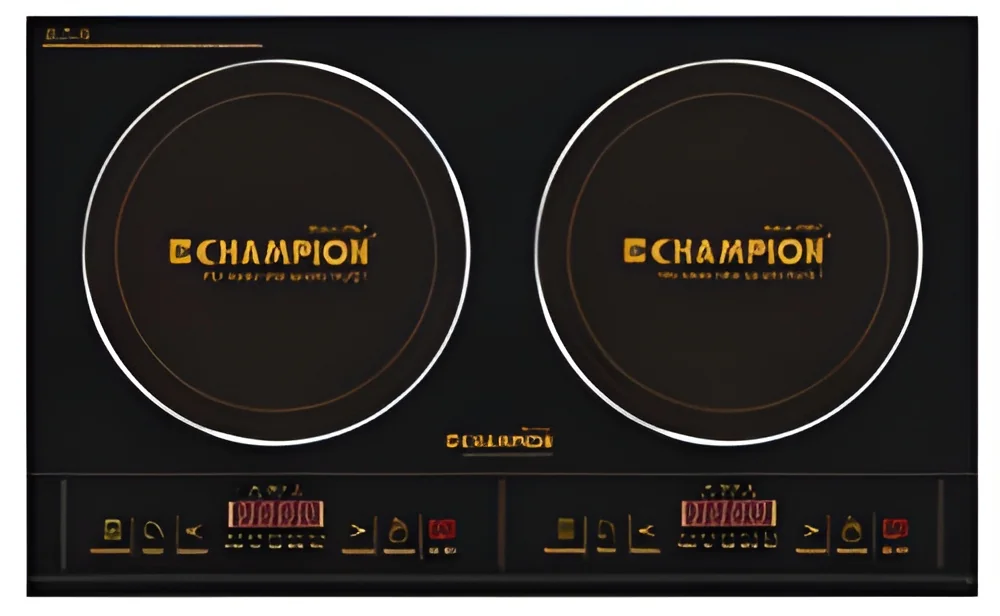
Equipped with two heating elements, this variant allows for simultaneous cooking of multiple dishes. It is popular in catering and restaurant settings where efficiency is crucial.
High-Power Hot Plate
Designed for heavy-duty cooking, this variant offers higher wattage and rapid heating capabilities. It is suitable for industrial kitchens and high-volume food preparation.
Portable Hot Plate
These compact models are designed for mobility, making them perfect for outdoor events or temporary cooking setups. They often come with lightweight designs and easy-to-store features.
Benefits and Advantages
Electric hot plates offer numerous benefits that make them a valuable addition to commercial kitchens and other settings.
1. Energy Efficiency: Electric hot plates typically consume less energy compared to traditional gas burners, leading to cost savings over time.
2. Versatility: They can be used for a wide range of cooking tasks, from boiling and frying to simmering and keeping food warm.
3. Precise Temperature Control: Many electric hot plates feature adjustable settings that allow for precise control over cooking temperatures, enhancing food quality.
4. Compact Design: Their small footprint makes electric hot plates suitable for kitchens with limited space or for portable applications.
5. Easy to Clean: Most models have smooth surfaces that simplify the cleaning process, which is essential in maintaining hygiene in food service environments.
6. Safety Features: Many electric hot plates are equipped with safety mechanisms that reduce the risk of accidents, making them safer to use in busy kitchens.
Buying Guide for B2B Buyers
When sourcing electric hot plates, it is important for businesses to consider several key factors to ensure they make the right choice.
1. Quality Assessment: Evaluate the quality of materials used in the construction of the hot plates. Look for durable components that can withstand frequent use without compromising performance.
2. Supplier Verification: Vet potential suppliers thoroughly to ensure they have a good reputation and reliable customer service. Checking reviews and seeking referrals can be helpful.
3. Pricing and MOQ: Understand the pricing structure and minimum order quantities (MOQ) set by suppliers. This helps in budgeting and ensures that the purchase aligns with order needs.
4. Delivery and Lead Times: Confirm delivery times and logistics with suppliers to ensure timely receipt of products. This is crucial for businesses with tight schedules.
5. Compliance Requirements: Verify that the electric hot plates meet relevant safety and quality standards, including any applicable certifications. This can be essential for regulatory compliance.
Compliance and Certifications
Electric hot plates must adhere to various quality standards and certifications to ensure they are safe and reliable for commercial use. Some of the key standards include ISO 9001, which outlines quality management systems, ensuring manufacturers maintain high-quality production processes.
Industry certifications such as CE mark are crucial in the European market, indicating that products meet safety and health requirements. Compliance with these standards assures buyers that the products have undergone rigorous testing and meet necessary safety protocols.
In addition to international standards, businesses should also consider regional compliance requirements. This includes understanding local regulations regarding electrical appliances, which may vary significantly from one region to another. Ensuring compliance can mitigate risks associated with safety and liability.
Why Source Electric Hot Plates from Pepagora?
Pepagora provides a trusted platform for sourcing electric hot plates, offering several key advantages for B2B buyers.
Verified Supplier Network: Pepagora has a rigorous verification process for suppliers, ensuring that businesses connect with reputable manufacturers and distributors. This builds confidence in the sourcing process.
Streamlined RFQ Process: The request for quotation (RFQ) system simplifies the procurement process. Buyers can easily request quotes from multiple suppliers, allowing for better comparison and decision-making.
Trade Assurance and Support: Pepagora offers trade assurance, providing buyers with protection against potential issues during transactions. This support fosters trust and security in the sourcing process.
Regional Coverage: With a presence in key markets such as India, the GCC, and Southeast Asia, Pepagora ensures that buyers have access to a wide range of electric hot plates tailored to their specific regional needs. This broad coverage enhances the sourcing experience, making it easier for businesses to find the right products.

 IN
IN