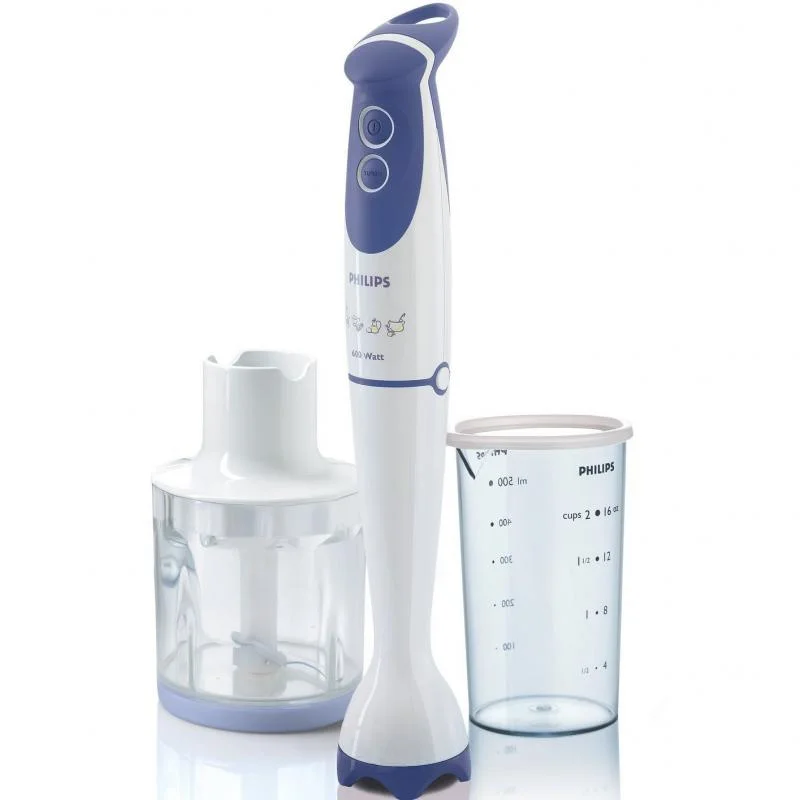
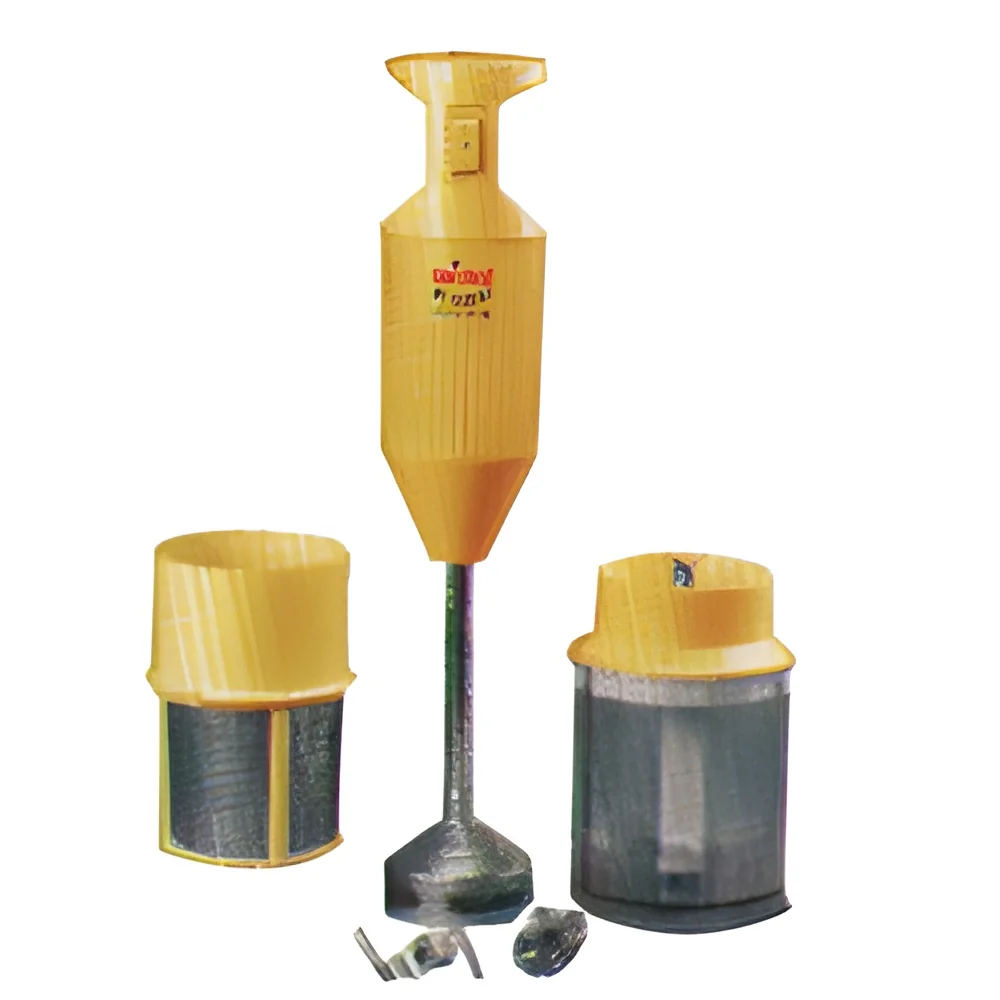
What are Blenders (Hand, Stand, Immersion)?
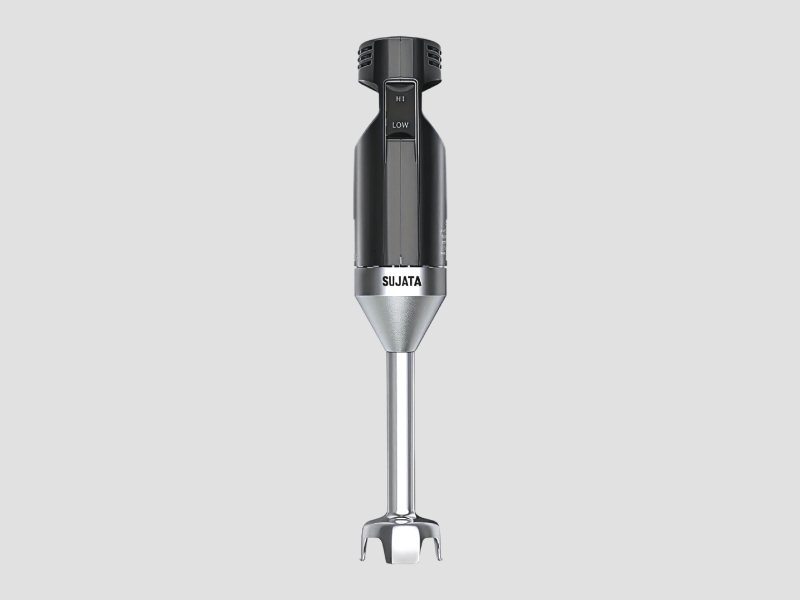
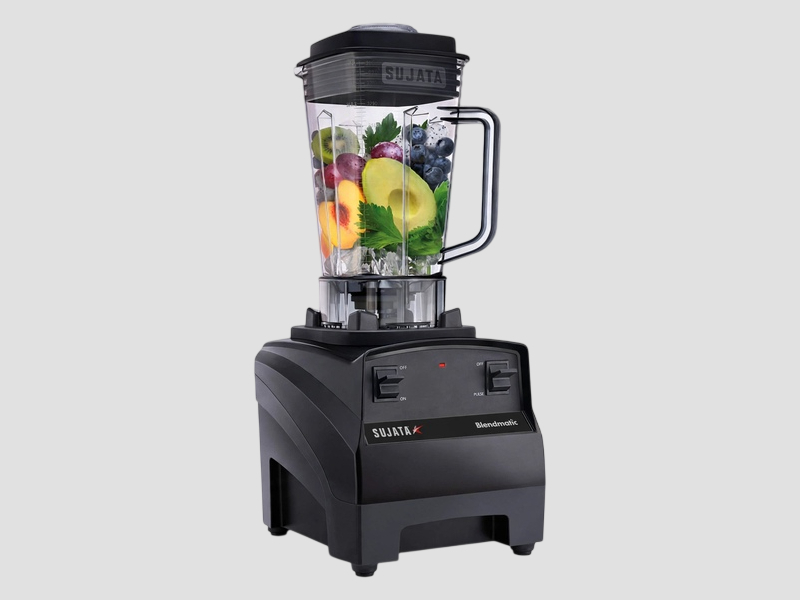
Blenders are versatile kitchen appliances designed to mix, puree, or emulsify food and beverages. They come in various forms, including hand blenders, stand blenders, and immersion blenders. Each type offers unique benefits and is suited for specific tasks. Hand blenders are portable and convenient for quick tasks, while stand blenders provide more power for larger batches. Immersion blenders are ideal for blending directly in pots or containers, enhancing usability and minimizing cleanup.
These appliances are widely used across multiple industries, including food service, beverage production, and pharmaceuticals. In food service, blenders are essential for preparing soups, sauces, and smoothies. Beverage manufacturers utilize stand blenders to create uniform mixes for drinks. In the pharmaceutical sector, immersion blenders are used for mixing compounds and solutions, highlighting their adaptability in different applications.
The market for blenders continues to grow as consumer demand for convenience and efficiency increases. Innovations in design and technology are shaping the development of these products, ensuring they meet the evolving needs of various industries. As businesses strive for improved workflows, blenders play a critical role in enhancing productivity and product quality.
๐๐ฒ๐ ๐๐ฒ๐ฎ๐๐๐ฟ๐ฒ๐ ๐ฎ๐ป๐ฑ ๐ฆ๐ฝ๐ฒ๐ฐ๐ถ๐ณ๐ถ๐ฐ๐ฎ๐๐ถ๐ผ๐ป๐
Blenders come with a range of features that cater to different operational needs. Understanding these specifications is crucial for businesses looking to invest in the right equipment.
Key specifications include:
1. Power Rating
- Indicates the strength of the motor.
- Typically ranges from 200 watts to 1500 watts.
2. Speed Settings
- Allows for versatility in mixing and blending.
- Usually offers 2 to 10 adjustable speed options.
3. Capacity
- Refers to the volume the blender can handle at one time.
- Typically ranges from 0.5 liters to 3 liters for stand blenders.
4. Blade Material
- Affects durability and blending efficiency.
- Common materials include stainless steel and high-carbon steel.
5. Ergonomics
- Relates to the design for ease of use.
- Features may include non-slip handles and lightweight construction.
6. Safety Features
- Includes automatic shut-off and lid locks.
- Essential for preventing accidents during operation.
7. Dimensions
- Determines counter space requirements.
- Varies widely depending on the type of blender.
8. Noise Level
- Important for workplace environments.
- Typically measured in decibels (dB), with quieter models around 60 dB.
In summary, selecting the right blender involves considering these key specifications to ensure it meets the specific needs of your business.
๐๐ผ๐บ๐บ๐ผ๐ป ๐๐ฝ๐ฝ๐น๐ถ๐ฐ๐ฎ๐๐ถ๐ผ๐ป๐ ๐ฎ๐ป๐ฑ ๐จ๐๐ฒ ๐๐ฎ๐๐ฒ๐
Blenders find applications across multiple industries, enhancing productivity and efficiency in various processes.
1. Food and Beverage: In restaurants and cafes, blenders are essential for creating smoothies, sauces, and soups. They help in achieving desired textures and flavors, catering to diverse customer preferences.
2. Pharmaceuticals: In the pharmaceutical industry, immersion blenders are used to mix compounds and solutions. This ensures homogeneity in the preparation of medications, which is crucial for safety and efficacy.
3. Cosmetics: Blenders are utilized in the formulation of creams and lotions, allowing for smooth and consistent product textures. They help in achieving the right emulsion and stability.
4. Nutraceuticals: In the production of nutritional supplements, blenders aid in mixing powders and liquids to create uniform products. This is vital for maintaining quality and effectiveness.
5. Research and Development: Laboratories use blenders for various experiments that require precise mixing of substances. They are integral to developing new formulations and products.
6. Catering Services: Catering companies rely on blenders for quick preparation of large quantities of food. They help streamline processes and improve service efficiency.
7. Household Use: Many businesses also cater to the consumer market, providing blenders for home use, which are popular for personal meal preparation and health-focused diets.
๐ฃ๐ฟ๐ผ๐ฑ๐๐ฐ๐ ๐ฉ๐ฎ๐ฟ๐ถ๐ฎ๐ป๐๐ ๐ฎ๐ป๐ฑ ๐ฆ๐๐ฏ๐ฐ๐ฎ๐๐ฒ๐ด๐ผ๐ฟ๐ถ๐ฒ๐
Blenders come in a variety of forms, each designed for specific tasks and user preferences. This diversity allows businesses to choose the most suitable equipment for their needs.
Hand Blenders: These compact devices are ideal for quick blending tasks. They are portable and easy to use, making them perfect for smaller kitchens or on-the-go applications. Hand blenders are often used for soups, sauces, and drinks.
Stand Blenders: These models are more powerful and designed for larger blending tasks. They are commonly used in commercial kitchens for smoothies, batters, and purees. Stand blenders can handle tougher ingredients, making them versatile for various recipes.
Immersion Blenders: Also known as stick blenders, these devices are used directly in pots or bowls. They are perfect for blending soups or sauces without transferring to a separate container. Immersion blenders are convenient for quick tasks and easy to clean.
๐๐ฒ๐ป๐ฒ๐ณ๐ถ๐๐ ๐ฎ๐ป๐ฑ ๐๐ฑ๐๐ฎ๐ป๐๐ฎ๐ด๐ฒ๐
Investing in high-quality blenders provides numerous advantages for businesses looking to enhance their operations.
1. Efficiency: Blenders streamline food preparation processes, saving time and labor costs. This allows staff to focus on other essential tasks.
2. Versatility: With various models and settings, blenders can handle a wide range of ingredients, making them suitable for diverse applications.
3. Consistency: Blenders ensure uniform mixing, which is crucial in industries like food and pharmaceuticals where consistency is key to quality.
4. Ease of Use: Most blenders are designed for user-friendly operation, requiring minimal training for staff.
5. Space Saving: Compact models are available, making it easier to integrate blenders into small kitchens or workspaces.
6. Cost-Effectiveness: High-quality blenders offer durability and reliability, reducing the need for frequent replacements.
๐๐๐๐ถ๐ป๐ด ๐๐๐ถ๐ฑ๐ฒ ๐ณ๐ผ๐ฟ ๐๐ฎ๐ ๐๐๐๐ฒ๐ฟ๐
When sourcing blenders, businesses should consider several key factors to make informed purchasing decisions.
1. Quality Assessment: Evaluate the build quality and materials of the blenders. Look for reputable brands known for their reliability and performance.
2. Supplier Verification: Vet potential suppliers to ensure they meet industry standards and have a solid reputation. This helps mitigate risks associated with sourcing equipment.
3. Pricing and MOQ: Understand the pricing structure and minimum order quantities (MOQ). This will help in budgeting and ensuring you can meet your operational needs.
4. Delivery and Lead Times: Consider the logistics involved in sourcing blenders, including delivery times. Ensure that suppliers can meet your timeline requirements.
5. Compliance Requirements: Be aware of any regulatory standards that apply to blenders in your industry. This includes safety certifications and quality assurances.
๐๐ผ๐บ๐ฝ๐น๐ถ๐ฎ๐ป๐ฐ๐ฒ ๐ฎ๐ป๐ฑ ๐๐ฒ๐ฟ๐๐ถ๐ณ๐ถ๐ฐ๐ฎ๐๐ถ๐ผ๐ป๐
Compliance with industry standards is crucial for ensuring the safety and quality of blenders. Relevant quality standards such as ISO 9001 ensure that manufacturers adhere to consistent quality management practices.
Certifications like CE indicate that products meet European safety and health requirements, providing assurance to buyers. Additionally, compliance with safety testing requirements ensures that blenders operate safely and effectively in commercial environments.
Regional compliance considerations must also be taken into account. Different regions may have specific regulations regarding equipment used in food preparation, pharmaceuticals, and other industries. Understanding these requirements is essential for businesses operating on a global scale.
Why Source Blenders (Hand, Stand, Immersion) from Pepagora?
Pepagora offers a reliable platform for sourcing blenders, providing several advantages to B2B buyers.
Verified Supplier Network: Pepagora connects you with a network of verified suppliers, ensuring that you can source high-quality blenders from trusted manufacturers.
Streamlined RFQ Process: The platform simplifies the request for quotation (RFQ) process, making it easier for buyers to obtain competitive pricing and compare options from various suppliers.
Trade Assurance and Support: Buyers benefit from trade assurance features that protect their transactions, ensuring peace of mind when sourcing equipment.
Regional Coverage: Pepagora has a strong presence in regions such as India, the GCC, and Southeast Asia. This geographic reach facilitates sourcing for businesses looking to expand their operations or streamline their supply chains.