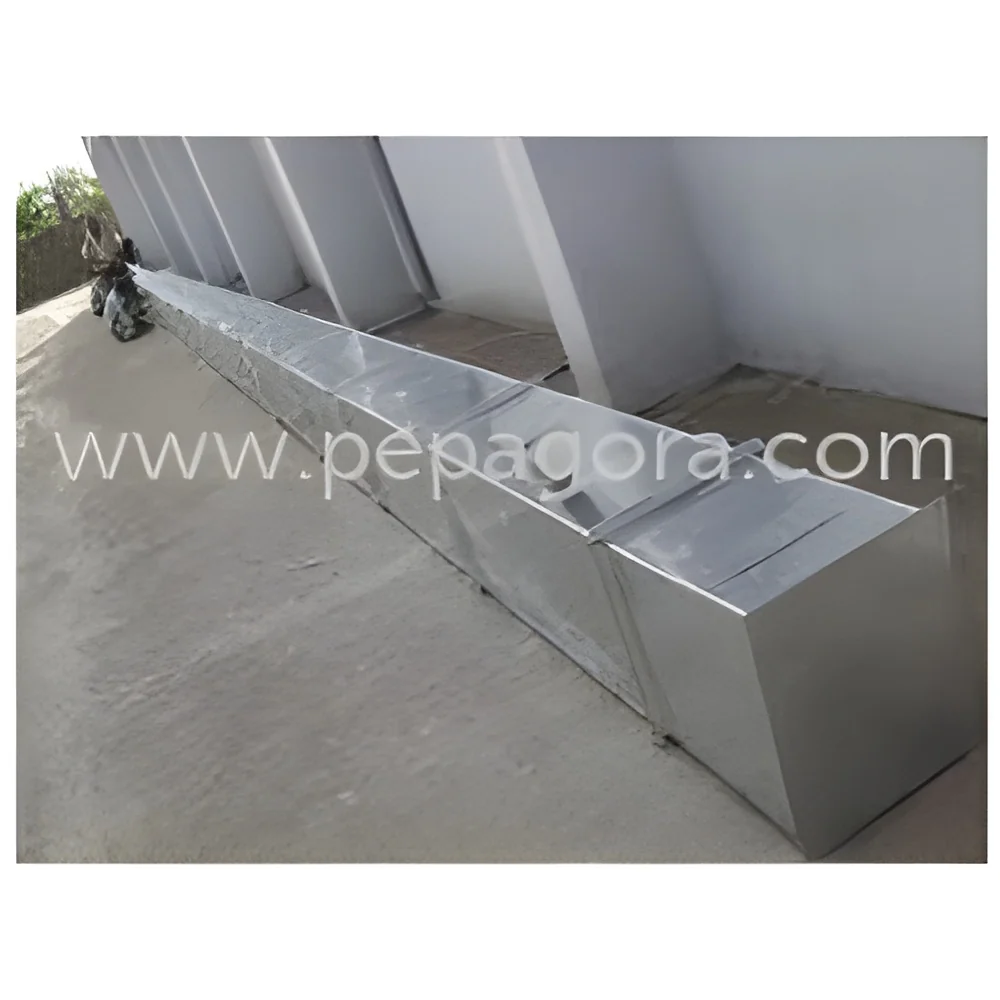
𝗪𝗵𝗮𝘁 𝗮𝗿𝗲 𝗛𝗩𝗔𝗖 & 𝗗𝘂𝗰𝘁𝗶𝗻𝗴 𝗪𝗼𝗿𝗸𝘀?
HVAC stands for Heating, Ventilation, and Air Conditioning. It encompasses the technology used to control indoor environmental conditions to ensure comfort and safety. Ducting works are an integral part of HVAC systems, providing a pathway for air to flow throughout a building. This ensures that heated or cooled air is effectively distributed, maintaining desired temperatures and air quality.
The primary applications of HVAC and ducting works are in commercial, industrial, and residential buildings. These systems are essential for climate control, supporting a range of functions from air conditioning in office spaces to ventilation in manufacturing plants. They are particularly important in environments that require strict temperature and humidity control, such as laboratories and food processing facilities. In the current market, the demand for energy-efficient HVAC solutions is growing, driven by sustainability goals and regulatory requirements.
As industries continue to evolve, HVAC and ducting works remain critical for maintaining comfort and operational efficiency. The market is expanding due to technological advancements, increased awareness of air quality, and a focus on energy conservation. This positions HVAC and ducting solutions as vital components in modern infrastructure.
𝗞𝗲𝘆 𝗙𝗲𝗮𝘁𝘂𝗿𝗲𝘀 𝗮𝗻𝗱 𝗦𝗽𝗲𝗰𝗶𝗳𝗶𝗰𝗮𝘁𝗶𝗼𝗻𝘀
HVAC and ducting works are characterized by several important features and specifications. These specifications determine the efficiency, flexibility, and suitability of the systems for various applications.
Key specifications include:
1. Airflow Capacity
- Measured in cubic feet per minute (CFM)
- This indicates the volume of air that can be moved through the system.
2. Energy Efficiency Ratio (EER)
- This ratio measures the cooling output divided by the energy consumed.
- Higher EER values indicate more energy-efficient systems.
3. Duct Material
- Common materials include galvanized steel, aluminum, and fiberglass.
- Each material has different properties affecting durability and insulation.
4. Temperature Range
- Specifications may vary; data not available for specific ranges.
- Systems should be capable of handling the expected temperature extremes.
5. Humidity Control
- Effective systems incorporate humidity control features.
- Data not available for specific humidity management capabilities.
6. Noise Level
- Measured in decibels (dB), crucial for residential and office applications.
- Lower dB ratings indicate quieter operation.
7. Filter Efficiency
- Measured by Minimum Efficiency Reporting Value (MERV).
- Higher MERV ratings indicate better air filtration.
8. Compliance with Standards
- Systems should comply with relevant industry standards.
- Certification details such as CE are essential for market acceptance.
In summary, understanding these specifications helps businesses select HVAC and ducting works that meet their operational needs and regulatory requirements.
𝗖𝗼𝗺𝗺𝗼𝗻 𝗔𝗽𝗽𝗹𝗶𝗰𝗮𝘁𝗶𝗼𝗻𝘀 𝗮𝗻𝗱 𝗨𝘀𝗲 𝗖𝗮𝘀𝗲𝘀
HVAC and ducting works are utilized across a range of industries for various purposes. Each application has unique requirements that these systems can fulfill.
1. Commercial Buildings: HVAC systems in offices ensure a comfortable working environment. They regulate temperature and maintain air quality for employee productivity.
2. Industrial Facilities: In manufacturing plants, HVAC systems control the climate to protect sensitive equipment and ensure a safe working environment for employees.
3. Healthcare: Hospitals and clinics use HVAC systems to maintain sterile environments. Proper ventilation and temperature control are critical for patient care and infection prevention.
4. Food Processing: HVAC and ducting works are essential in food processing plants where temperature and humidity must be closely monitored to prevent spoilage and maintain safety.
5. Retail: Shopping centers use HVAC systems to create a pleasant shopping experience. Effective climate control helps attract and retain customers.
6. Educational Institutions: Schools and universities rely on HVAC to provide a conducive learning environment. Proper ventilation and temperature control enhance student focus and comfort.
7. Residential: Home HVAC systems maintain comfort throughout the year, ensuring that families are warm in winter and cool in summer.
𝗣𝗿𝗼𝗱𝘂𝗰𝘁 𝗩𝗮𝗿𝗶𝗮𝗻𝘁𝘀 𝗮𝗻𝗱 𝗦𝘂𝗯𝗰𝗮𝘁𝗲𝗴𝗼𝗿𝗶𝗲𝘀
HVAC and ducting works offer a diverse range of products tailored to different applications and environments. This diversity allows businesses to select the most suitable solutions for their specific needs.
Air Conditioning Units: These units are designed to cool indoor spaces effectively. They come in various sizes and capacities, suitable for both residential and commercial applications.
Ventilation Systems: These systems facilitate the exchange of indoor and outdoor air, improving air quality. They are essential in settings where fresh air circulation is needed, such as offices and schools.
Heating Systems: Different heating solutions, including furnaces and heat pumps, are available to provide warmth in colder climates. These systems can be integrated into HVAC setups for efficient climate control.
Ductless Systems: Ideal for spaces without ductwork, these systems allow for flexible installation and zoning options. They provide targeted heating or cooling in specific areas.
𝗕𝗲𝗻𝗲𝗳𝗶𝘁𝘀 𝗮𝗻𝗱 𝗔𝗱𝘃𝗮𝗻𝘁𝗮𝗴𝗲𝘀
Investing in HVAC and ducting works provides several significant advantages for businesses. These benefits enhance operational efficiency and contribute to long-term savings.
1. Energy Efficiency: Modern HVAC systems are designed to be energy-efficient, reducing overall energy consumption and lowering utility costs.
2. Improved Air Quality: Effective filtration and ventilation reduce pollutants, ensuring a healthier indoor environment for occupants.
3. Enhanced Comfort: HVAC systems maintain consistent temperatures and humidity levels, promoting comfort for employees and customers alike.
4. Increased Productivity: A comfortable environment can boost employee morale and productivity, making HVAC systems a valuable investment for businesses.
5. Regulatory Compliance: Many industries require compliance with health and safety regulations, which HVAC and ducting works can help achieve.
6. Customization Options: HVAC systems can be tailored to meet specific business needs, providing flexibility in design and operation.
𝗕𝘂𝘆𝗶𝗻𝗴 𝗚𝘂𝗶𝗱𝗲 𝗳𝗼𝗿 𝗕𝟮𝗕 𝗕𝘂𝘆𝗲𝗿𝘀
When sourcing HVAC and ducting works, businesses should consider several key factors to ensure they make informed decisions.
1. Quality Assessment: Evaluate the quality of materials and components used in HVAC systems. Look for suppliers who adhere to industry standards and offer warranties.
2. Supplier Verification: Conduct due diligence on potential suppliers. Verify their track record, customer reviews, and certifications to ensure reliability and expertise.
3. Pricing and MOQ: Understand pricing structures and minimum order quantities. Compare costs among suppliers to ensure competitive pricing while considering total value.
4. Delivery and Lead Times: Assess suppliers' logistics capabilities. Timely delivery is crucial for project planning and execution.
5. Compliance Requirements: Ensure that selected HVAC systems meet all relevant regulatory standards. This will prevent potential legal issues and ensure safety and efficiency.
𝗖𝗼𝗺𝗽𝗹𝗶𝗮𝗻𝗰𝗲 𝗮𝗻𝗱 𝗖𝗲𝗿𝘁𝗶𝗳𝗶𝗰𝗮𝘁𝗶𝗼𝗻𝘀
Compliance and certifications are critical in the HVAC and ducting works industry. They ensure that products meet quality and safety standards.
Relevant quality standards include ISO 9001, which outlines requirements for a quality management system. Adhering to these standards helps ensure consistent product quality and customer satisfaction.
Industry certifications, such as CE marking, indicate compliance with European safety, health, and environmental protection standards. Such certifications enhance product credibility in the market.
Safety and testing requirements are paramount. HVAC systems must undergo rigorous testing to ensure they operate safely and efficiently. This includes assessments for energy efficiency, emissions, and overall performance.
Additionally, regional compliance considerations may vary. Understanding local regulations is essential for businesses operating in different geographical areas to ensure adherence to specific requirements.
𝗪𝗵𝘆 𝗦𝗼𝘂𝗿𝗰𝗲 𝗛𝗩𝗔𝗖 & 𝗗𝘂𝗰𝘁𝗶𝗻𝗴 𝗪𝗼𝗿𝗸𝘀 𝗳𝗿𝗼𝗺 𝗣𝗲𝗽𝗮𝗴𝗼𝗿𝗮?
Pepagora offers a reliable platform for sourcing HVAC and ducting works, providing numerous advantages to B2B buyers.
Verified Supplier Network: Pepagora features a robust network of verified suppliers. This ensures that buyers are connected with reputable manufacturers who meet industry standards.
Streamlined RFQ Process: The platform simplifies the request for quotation process, allowing buyers to receive competitive quotes quickly. This efficiency helps businesses make timely decisions.
Trade Assurance and Support: Pepagora provides trade assurance, protecting buyers throughout the sourcing process. This support fosters trust and security in transactions.
Regional Coverage: Pepagora's extensive reach across India, the GCC, and Southeast Asia ensures that businesses can access a wide range of HVAC solutions tailored to their regional needs.

 IN
IN

 India
India