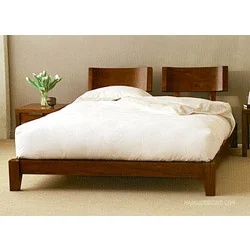
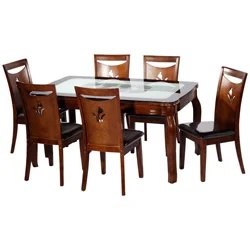
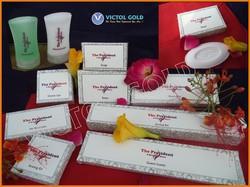
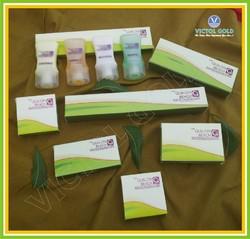
What are Hospitality Interior Design (Hotels, Restaurants)?
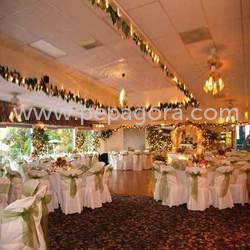
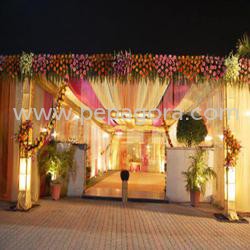
Hospitality interior design refers to the specialized field of designing and decorating spaces within hotels, restaurants, and other hospitality venues. This discipline combines aesthetics, functionality, and the unique branding of the establishment to create inviting environments for guests. It encompasses various elements, including layout, furnishings, color schemes, lighting, and decorative details, all aimed at enhancing the overall guest experience.
The primary applications of hospitality interior design include creating welcoming atmospheres in hotels, optimizing dining experiences in restaurants, and ensuring that spaces reflect the brand identity of the business. Designers work closely with architects, contractors, and clients to ensure that the spaces are not only visually appealing but also meet practical requirements such as safety and accessibility standards. As the hospitality industry continues to evolve, the demand for innovative and unique interior designs grows, making this sector highly relevant in today’s competitive market.
In an industry driven by customer satisfaction, effective hospitality interior design can differentiate a brand and significantly influence guest retention and overall success. A well-designed space can enhance customer loyalty, increase operational efficiency, and ultimately boost revenue.
𝗞𝗲𝘆 𝗙𝗲𝗮𝘁𝘂𝗿𝗲𝘀 𝗮𝗻𝗱 𝗦𝗽𝗲𝗰𝗶𝗳𝗶𝗰𝗮𝘁𝗶𝗼𝗻𝘀
The key features and specifications of hospitality interior design play a crucial role in delivering quality and functionality. Designers focus on several essential areas to ensure that the final product meets industry standards and user expectations.
Key specifications include:
1. Space Planning
- Proper allocation of areas for different functions
- Consideration of guest flow and accessibility
2. Material Selection
- Use of durable and aesthetically pleasing materials
- Consideration of maintenance requirements and sustainability
3. Lighting Design
- Incorporation of natural and artificial lighting
- Creation of ambiance and enhancing visual appeal
4. Color Palette
- Selection of colors that align with the brand and theme
- Impact on mood and perception of space
5. Furniture and Fixtures
- Ergonomic and stylish options tailored to the target audience
- Adaptability to various themes and styles
6. Acoustics
- Attention to sound control and comfort
- Use of materials to minimize noise pollution
7. Compliance with Regulations
- Adherence to local building codes and safety standards
- Ensuring accessibility for all guests
8. Customization Options
- Ability to tailor designs to specific client needs
- Flexibility in adapting to changing trends and preferences
In summary, the combination of these features ensures that hospitality interior design is functional, safe, and visually appealing, contributing to the overall guest experience.
𝗖𝗼𝗺𝗺𝗼𝗻 𝗔𝗽𝗽𝗹𝗶𝗰𝗮𝘁𝗶𝗼𝗻𝘀 𝗮𝗻𝗱 𝗨𝘀𝗲 𝗖𝗮𝘀𝗲𝘀
Hospitality interior design serves various industries, creating tailored environments that meet unique needs.
1. Hotels: Designing guest rooms, lobbies, and recreational areas to ensure comfort and enhance guest experiences.
2. Restaurants: Creating inviting dining spaces that reflect the restaurant's theme and encourage customer engagement.
3. Cafes: Developing cozy atmospheres that promote relaxation and social interaction among patrons.
4. Resorts: Designing luxurious and functional spaces for leisure and relaxation, enhancing the overall guest experience.
5. Bars and Nightclubs: Creating vibrant and stimulating environments that cater to nightlife and entertainment.
6. Spas: Designing tranquil and soothing spaces that promote wellness and relaxation.
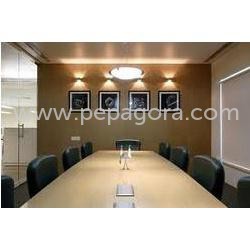
7. Conference Centers: Developing flexible spaces that accommodate various events while maintaining aesthetic appeal.
𝗣𝗿𝗼𝗱𝘂𝗰𝘁 𝗩𝗮𝗿𝗶𝗮𝗻𝘁𝘀 𝗮𝗻𝗱 𝗦𝘂𝗯𝗰𝗮𝘁𝗲𝗴𝗼𝗿𝗶𝗲𝘀
The diversity of hospitality interior design allows for various product variants that cater to different client needs and business applications.
Commercial Furniture
This variant includes seating, tables, and storage solutions specifically designed for high-traffic environments. Features include durability, style, and ease of maintenance.
Lighting Solutions
A range of lighting options tailored for hospitality settings, including ambient, task, and accent lighting to create the desired atmosphere.
Decorative Elements
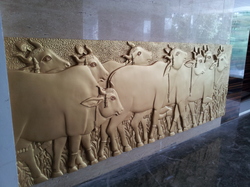
These include artwork, plants, and other design accents that enhance the aesthetic appeal of a space while reflecting the brand's identity.
Textiles and Upholstery
Selection of fabrics that are both attractive and durable, used for furniture and decorative elements, ensuring comfort and style.
𝗕𝗲𝗻𝗲𝗳𝗶𝘁𝘀 𝗮𝗻𝗱 𝗔𝗱𝘃𝗮𝗻𝘁𝗮𝗴𝗲𝘀
Investing in hospitality interior design offers numerous advantages for businesses in this sector.
Key benefits include:
1. Enhanced Customer Experience: Thoughtfully designed spaces improve guest satisfaction and loyalty, leading to repeat business.
2. Brand Differentiation: Unique interior designs set businesses apart from competitors, creating a memorable identity.
3. Increased Revenue: Attractive environments can lead to higher occupancy rates and increased sales in dining and bar areas.
4. Improved Functionality: Effective space planning enhances operational efficiency and guest flow.
5. Compliance Assurance: Adhering to safety and accessibility standards reduces the risk of legal issues and improves guest comfort.
6. Long-term Value: Quality design and materials contribute to the longevity and durability of the space, reducing future renovation costs.
𝗕𝘂𝘆𝗶𝗻𝗴 𝗚𝘂𝗶𝗱𝗲 𝗳𝗼𝗿 𝗕𝟮𝗕 𝗕𝘂𝘆𝗲𝗿𝘀
When sourcing hospitality interior design, several factors should be considered to ensure successful outcomes.
1. Quality Assessment: Evaluate materials and craftsmanship to ensure durability and aesthetic appeal. Look for samples and previous project references.
2. Supplier Verification: Vet suppliers for credibility and experience in the hospitality industry. Check reviews, testimonials, and past projects.
3. Pricing and MOQ: Understand the pricing structure and minimum order quantities to ensure alignment with budget and project scope.
4. Delivery and Lead Times: Confirm logistics and timelines to ensure that the project stays on schedule and meets operational needs.
5. Compliance Requirements: Ensure suppliers meet all relevant local and industry regulations, including safety standards and accessibility codes.
𝗖𝗼𝗺𝗽𝗹𝗶𝗮𝗻𝗰𝗲 𝗮𝗻𝗱 𝗖𝗲𝗿𝘁𝗶𝗳𝗶𝗰𝗮𝘁𝗶𝗼𝗻𝘀
Compliance and certifications are vital in the hospitality interior design sector. Adhering to relevant quality standards ensures that designs meet safety and functionality requirements.
ISO 9001 is a quality management standard that outlines the criteria for effective quality management systems. It is essential for suppliers to demonstrate adherence to this standard to ensure consistent quality in their offerings.
HACCP (Hazard Analysis Critical Control Point) is particularly relevant for restaurant designs where food safety is critical. Compliance with HACCP guidelines ensures that food preparation and service areas are designed to minimize risks.
CE certification indicates that products meet European safety, health, and environmental protection standards. This is crucial for ensuring that materials and products used in hospitality design are safe and reliable.
Additionally, regional compliance considerations may vary, necessitating a thorough understanding of local regulations and codes. Ensuring compliance with these standards is not only about legal obligations but also about enhancing guest safety and satisfaction.
Why Source Hospitality Interior Design (Hotels, Restaurants) from Pepagora?
Pepagora provides a trusted platform for sourcing hospitality interior design, offering various advantages to businesses in the sector.
Verified Supplier Network: Pepagora connects buyers with a network of verified suppliers, ensuring quality and reliability. This reduces the risk associated with sourcing materials and services.
Streamlined RFQ Process: The platform simplifies the request for quotation (RFQ) process, allowing buyers to efficiently obtain competitive quotes from multiple suppliers. This saves time and improves decision-making.
Trade Assurance and Support: Pepagora offers trade assurance, protecting buyers from potential risks during transactions. Additionally, dedicated support teams are available to assist with inquiries and resolve issues.
Regional Coverage: With a strong presence in India, the GCC, and Southeast Asia, Pepagora provides extensive regional coverage, making it easier for businesses to find local suppliers that understand market needs and trends.
By leveraging these advantages, businesses can confidently source hospitality interior design solutions that enhance their offerings and improve overall guest experiences.

 IN
IN
 India
India