What are Hospital Chairs?
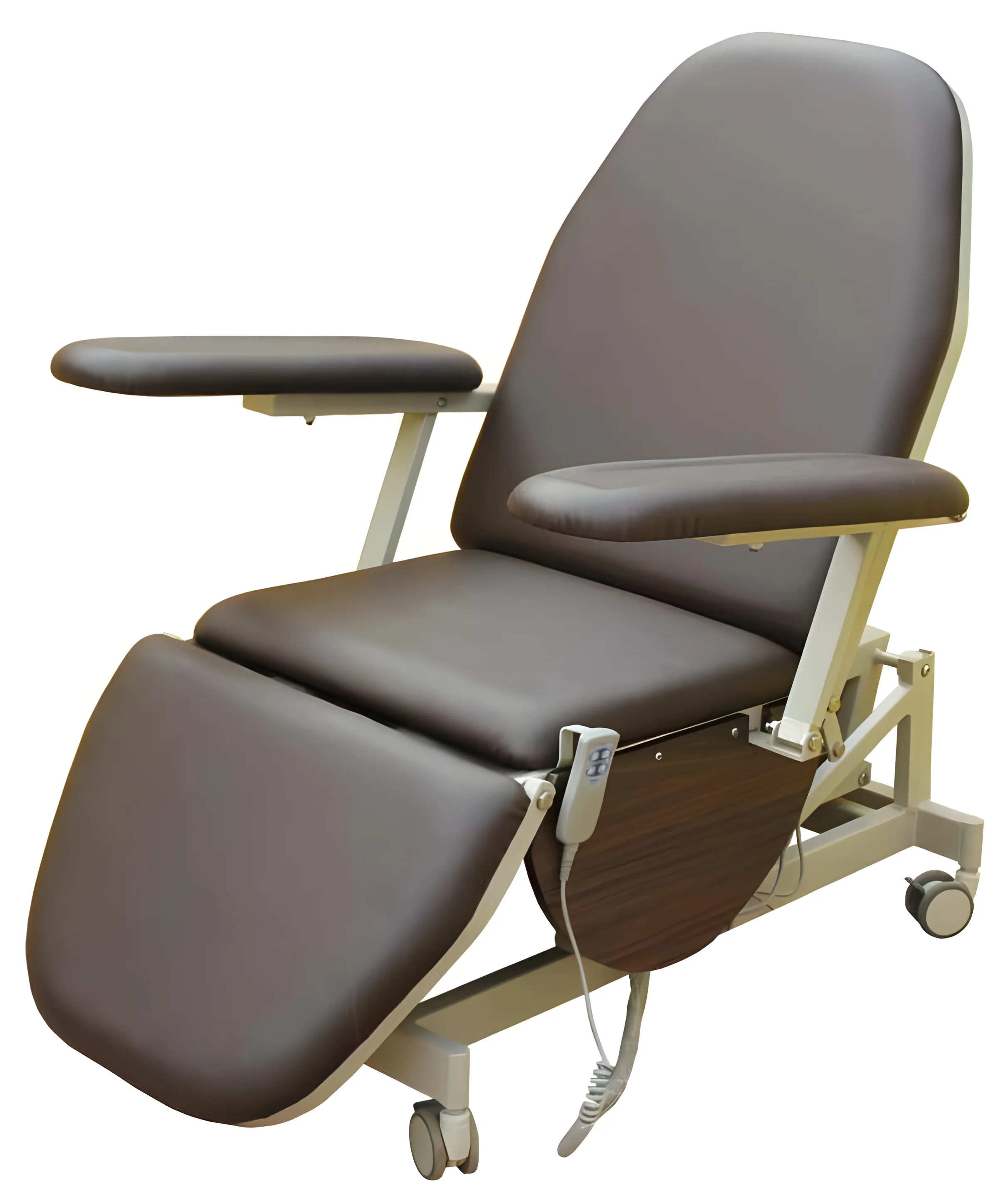
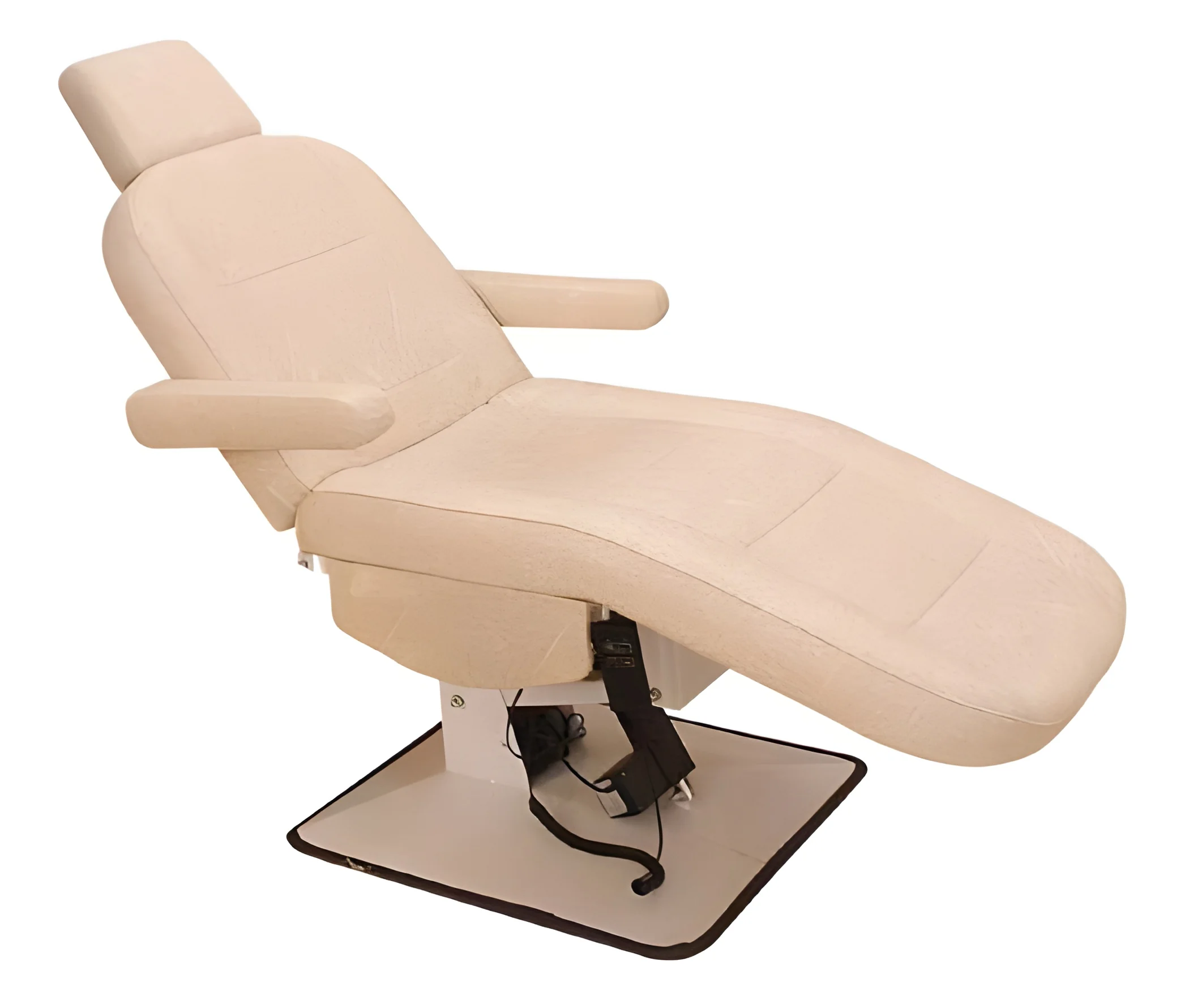
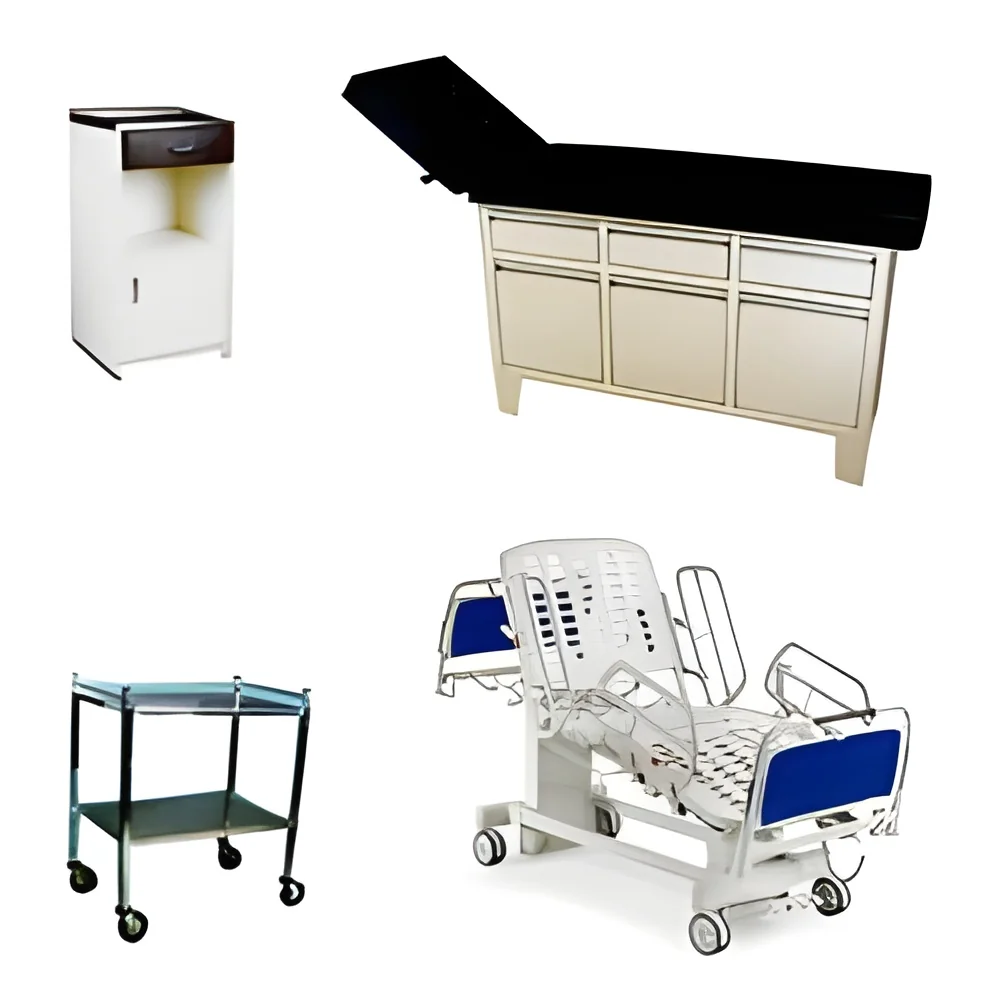
Hospital chairs are specially designed seating solutions used in healthcare settings. They provide comfort and support for patients and visitors during various medical procedures and waiting periods. These chairs come in different styles and configurations to meet the diverse needs of hospitals, clinics, and other medical facilities.
The primary uses of hospital chairs include examination rooms, waiting areas, and patient recovery spaces. They are essential for facilitating patient comfort and accessibility, especially in environments where individuals may require assistance due to mobility issues or medical conditions. Hospital chairs are increasingly relevant in the healthcare market as they contribute to enhancing patient experiences and operational efficiency.
In the context of a growing healthcare industry, the demand for hospital chairs is on the rise. As facilities strive to improve patient satisfaction and comply with evolving health standards, investing in quality seating solutions becomes a critical consideration. This trend emphasizes the importance of selecting the right hospital chairs that align with both patient needs and operational efficiency.
Key Features and Specifications
Hospital chairs are equipped with a variety of features that enhance their functionality and comfort. When considering these products, it is essential to understand their key specifications to ensure they meet the needs of healthcare environments.
Key specifications include:
1. Ergonomic Design
- Supports natural body posture
- Reduces strain during prolonged sitting
2. Adjustable Features
- Height adjustment options for optimal positioning
- Reclining capabilities for patient comfort
3. Material Quality
- Durable upholstery resistant to stains and easy to clean
- Framework made from high-strength materials for longevity
4. Weight Capacity
- Typically supports a range from 250 to 500 pounds, depending on model
5. Mobility
- Equipped with wheels or casters for easy movement
- Locking mechanisms for safety during use
6. Safety Features
- Armrests and footrests designed to prevent falls
- Rounded edges to minimize injury risk
7. Aesthetic Options
- Variety of colors and styles to match healthcare settings
- Customizable designs for branding purposes
In summary, understanding the key features and specifications of hospital chairs helps healthcare providers make informed purchasing decisions that meet both practical and aesthetic requirements.
Common Applications and Use Cases
Hospital chairs serve various industries beyond traditional healthcare settings. Their versatility allows them to be used in multiple applications.
1. Hospitals: Hospital chairs are primarily used in patient rooms, waiting areas, and examination rooms, providing comfort for patients and their families.
2. Clinics: In outpatient facilities, these chairs help facilitate examinations and provide a welcoming space for patients during their visits.
3. Nursing Homes: Hospital chairs offer comfort and support for elderly residents, aiding in mobility and accessibility.
4. Rehabilitation Centers: These chairs assist patients recovering from surgeries or injuries, allowing them to engage comfortably in therapy sessions.
5. Dental Offices: Comfortable seating options are essential in dental practices, making hospital chairs suitable for patient use during procedures.
6. Urgent Care Facilities: Quick access to comfortable seating can enhance patient experience in urgent care situations, where waiting times may vary.
7. Home Healthcare: Hospital chairs can be used in home settings to provide comfort and support for patients receiving at-home medical care.
Product Variants and Subcategories
Hospital chairs come in various designs to cater to specific needs within healthcare environments. The diversity of products allows facilities to choose options that best suit their requirements.
Standard Recliner Chair
These chairs offer adjustable reclining features, allowing patients to find their most comfortable position during recovery or waiting periods. They are often equipped with additional support features for enhanced comfort.
Waiting Room Chair
Designed for aesthetic appeal and comfort, these chairs are ideal for reception areas. They typically have durable upholstery and are easy to clean, making them suitable for high-traffic environments.
Pediatric Chair
Specially designed for children, these chairs feature playful designs and adjustable features to accommodate varying sizes and needs. They help create a welcoming environment for young patients.
Benefits and Advantages
Investing in quality hospital chairs brings numerous benefits to healthcare facilities. These advantages impact both patient experience and operational efficiency.
1. Enhanced Comfort: Hospital chairs are designed with patient comfort in mind, helping to reduce anxiety during medical visits.
2. Improved Accessibility: Adjustable features ensure that patients of all abilities can access seating without difficulty.
3. Increased Durability: Made from high-quality materials, these chairs withstand the rigors of daily use in busy healthcare environments.
4. Easy Maintenance: Many hospital chairs are designed for easy cleaning, helping facilities maintain hygiene standards.
5. Customizable Options: Facilities can select colors and styles that align with branding and interior design.
6. Positive Patient Experience: Comfortable and functional seating contributes to a more pleasant healthcare experience for patients and their families.
Buying Guide for B2B Buyers
When sourcing hospital chairs, it is essential for B2B buyers to consider several critical factors that can impact their purchasing decisions.
1. Quality Assessment: Buyers should evaluate the materials and construction of hospital chairs to ensure they meet durability and safety standards. A thorough inspection of upholstery and frame strength is crucial.
2. Supplier Verification: It is important to vet suppliers by checking their history, reputation, and customer feedback. Verified suppliers are more likely to provide high-quality products.
3. Pricing and MOQ: Understanding pricing structures and minimum order quantities can help buyers budget effectively. Comparing prices among different suppliers can yield better deals.
4. Delivery and Lead Times: Buyers should inquire about delivery times and logistics to ensure they receive their chairs when needed, especially in urgent situations.
5. Compliance Requirements: Familiarity with relevant regulations and certification standards is vital. Ensuring that hospital chairs meet industry compliance can avoid legal issues.
Compliance and Certifications
Hospital chairs must adhere to various compliance and certification standards to ensure safety and quality. Relevant standards include ISO 9001, which emphasizes quality management systems, and CE marking, indicating compliance with European safety regulations.
Additionally, hospitals often follow safety testing requirements that ensure products can withstand rigorous use without compromising patient safety. Regional compliance considerations may vary, so it is essential for buyers to understand local regulations that impact hospital chair selection.
Why Source Hospital Chairs from Pepagora?
Pepagora provides a trusted platform for sourcing hospital chairs, offering several key advantages to B2B buyers.
Verified Supplier Network: Pepagora connects buyers with a network of verified suppliers, ensuring that they can access high-quality products from reputable manufacturers. This reduces the risk of purchasing inferior items.
Streamlined RFQ Process: The platform features a user-friendly Request for Quotation (RFQ) system that allows buyers to easily compare prices and specifications from multiple suppliers, saving time and effort.
Trade Assurance and Support: With trade assurance, buyers can feel secure in their purchases, knowing they have protection against potential issues. Pepagora offers dedicated support to assist buyers throughout the sourcing process.
Regional Coverage: Pepagora has a broad geographic reach, covering markets in India, the Gulf Cooperation Council (GCC), and Southeast Asia. This enables buyers to find suitable suppliers that cater to their specific regional needs.

 IN
IN
 India
India