What are Hospital Beds?
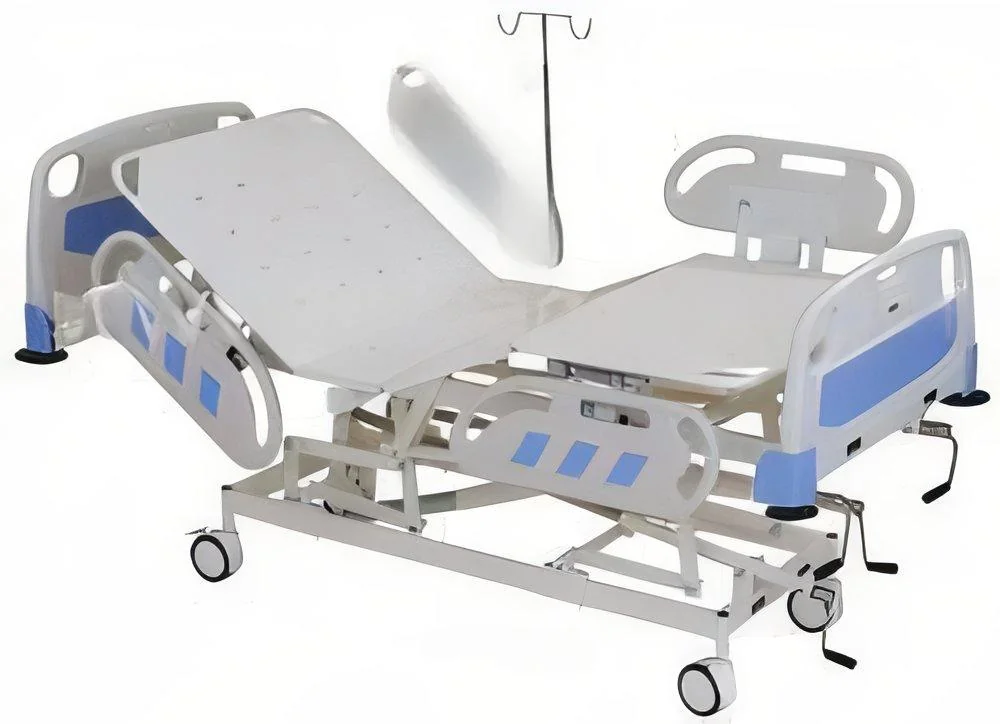
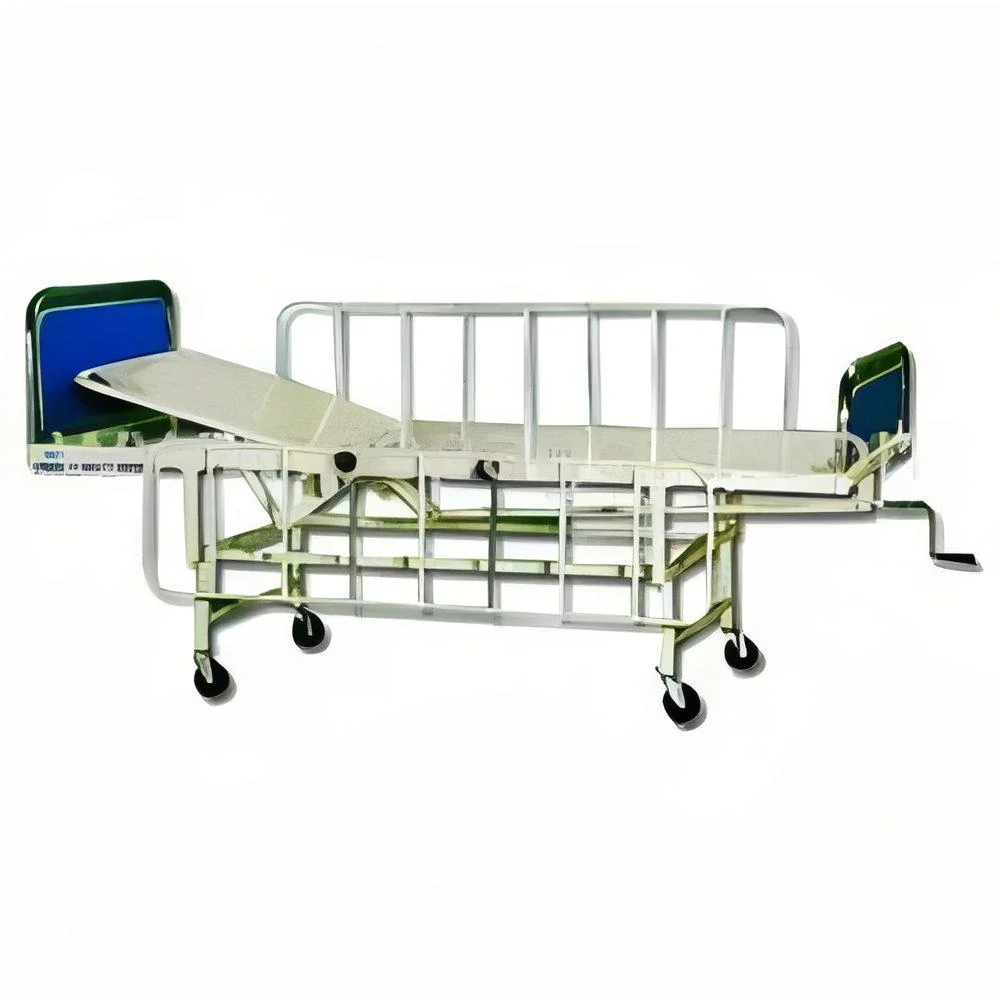
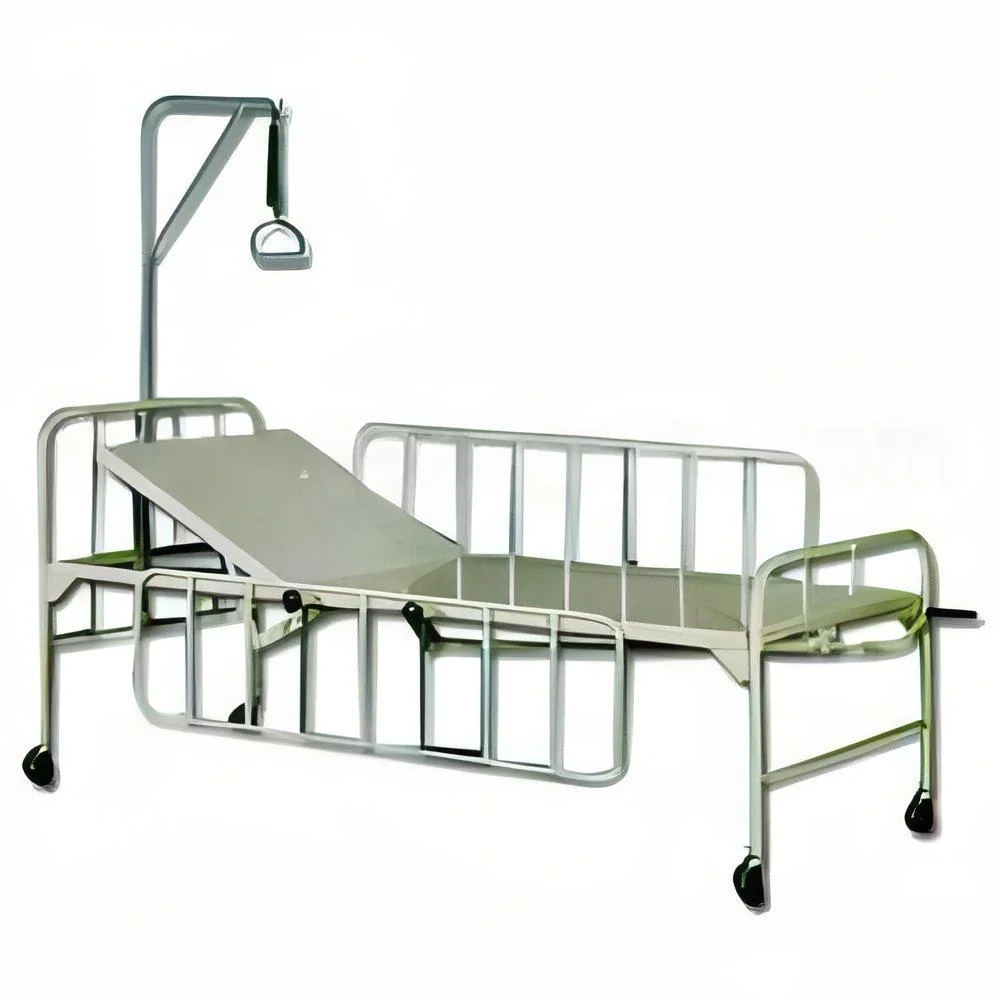
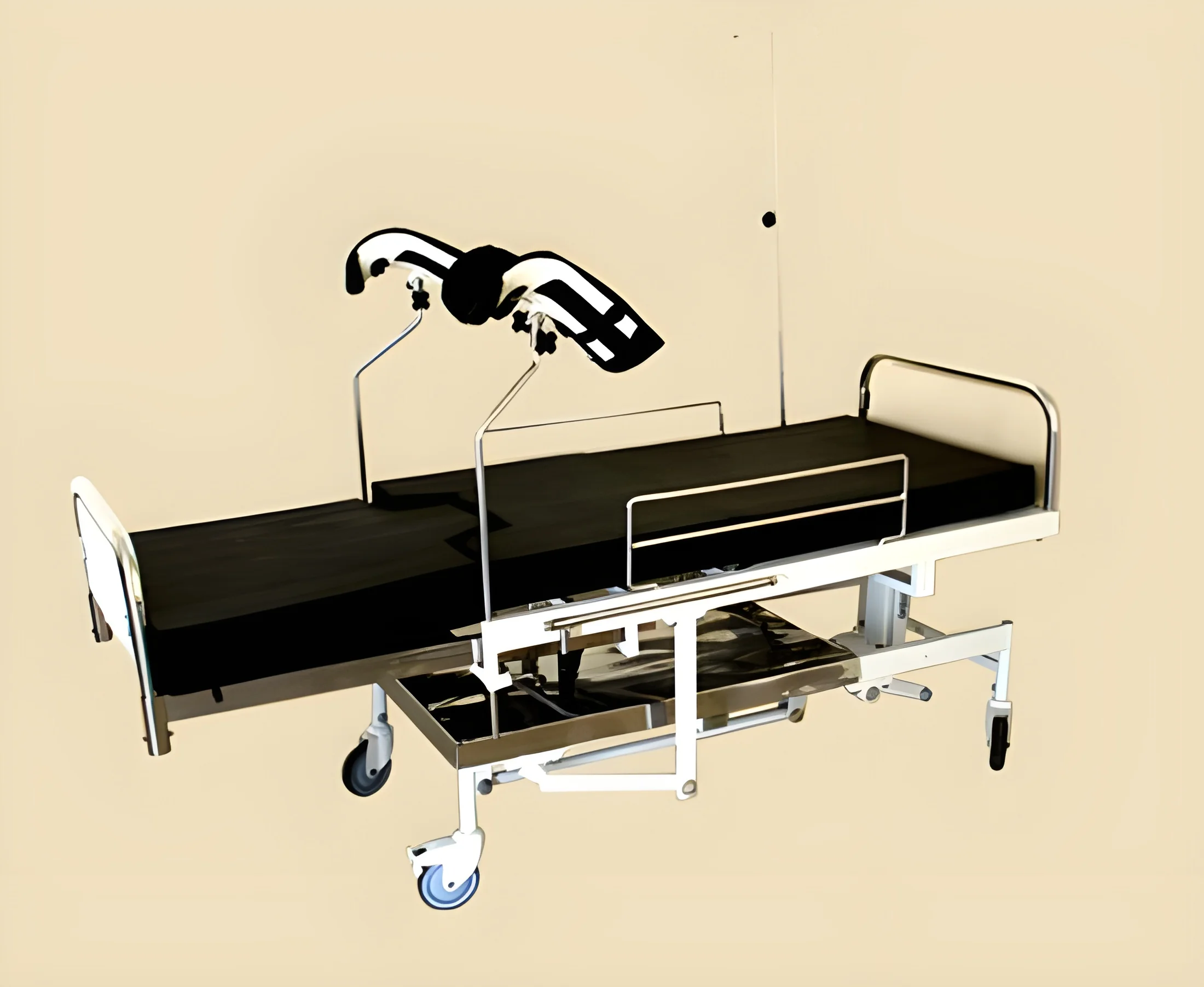
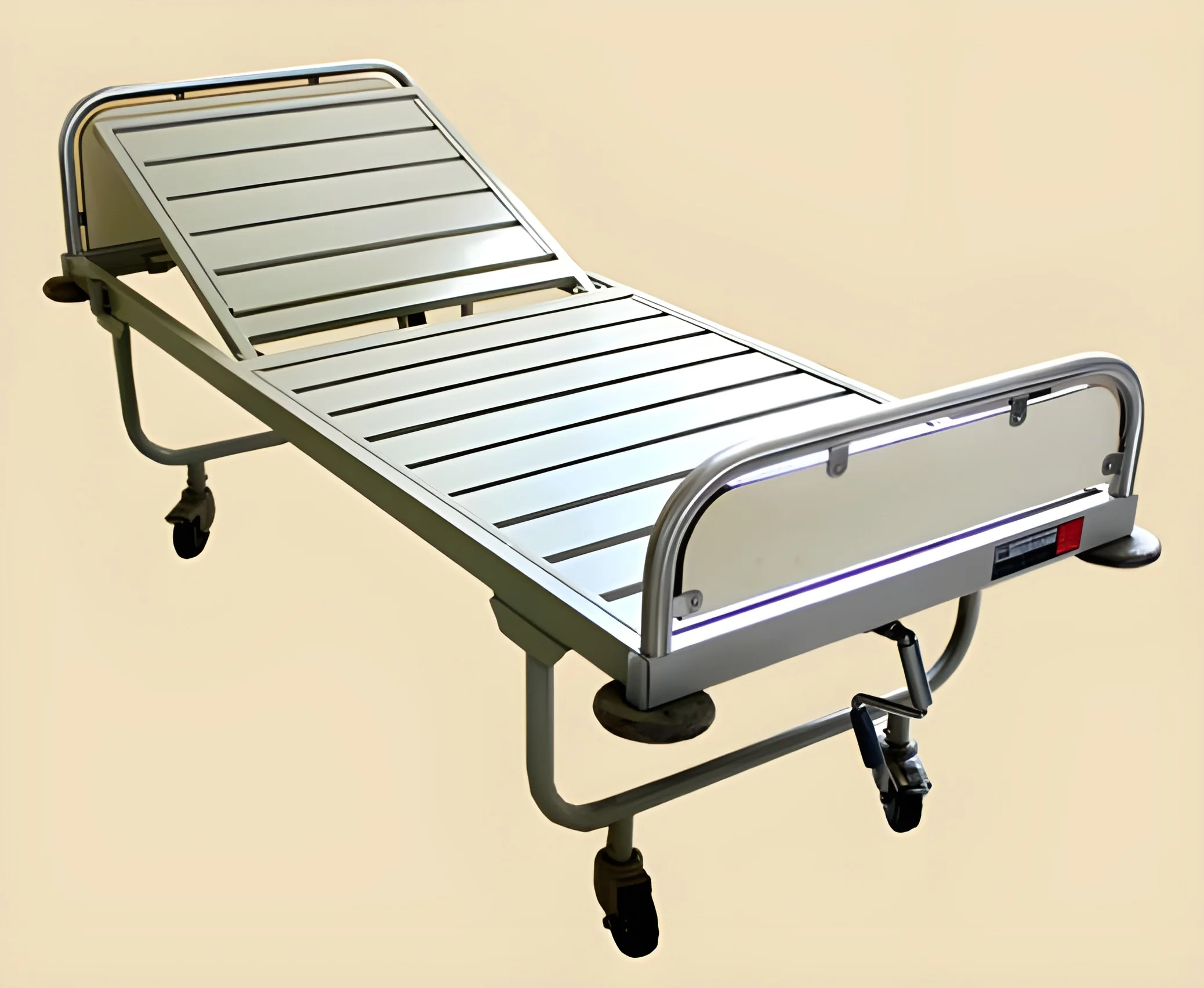
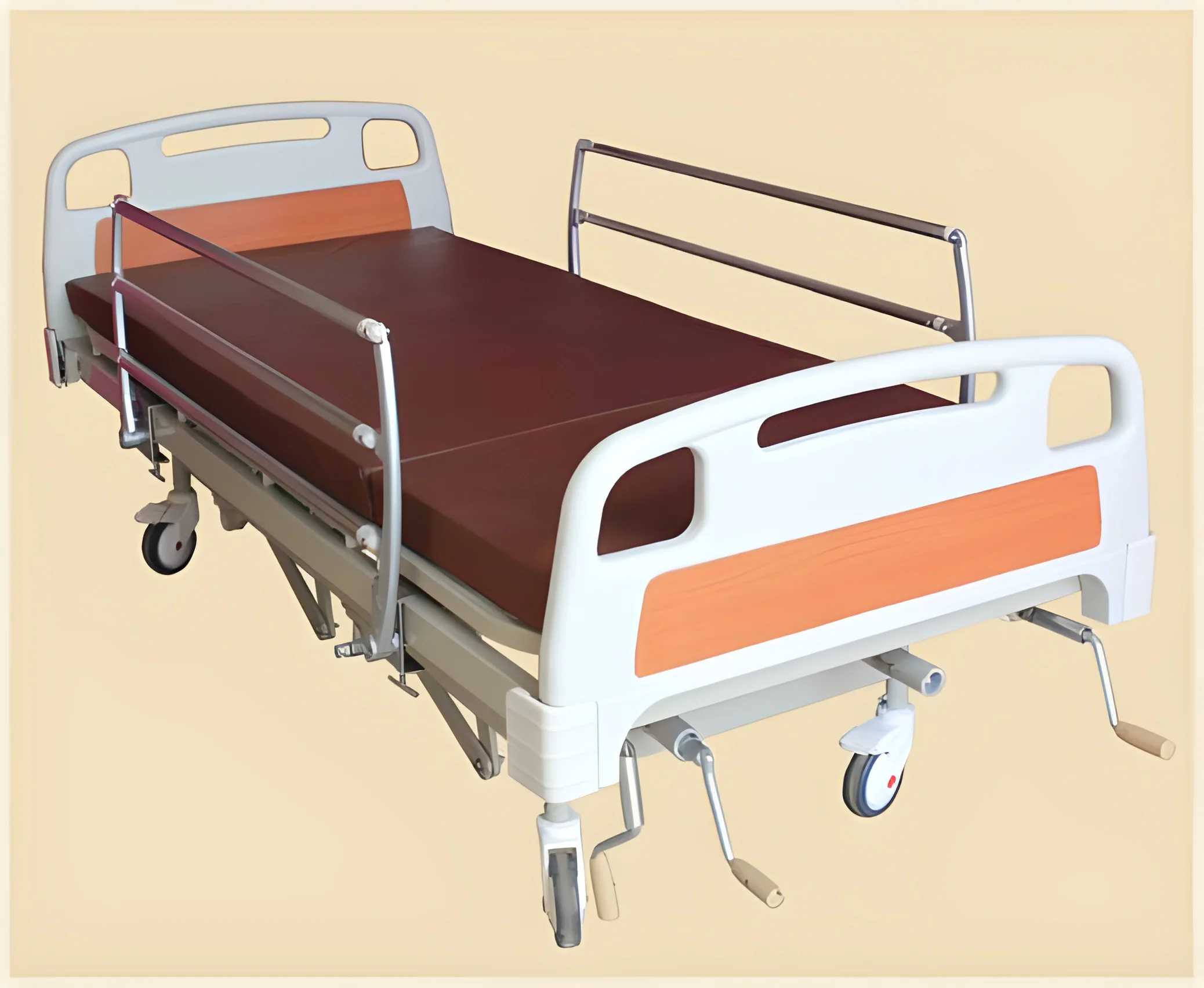
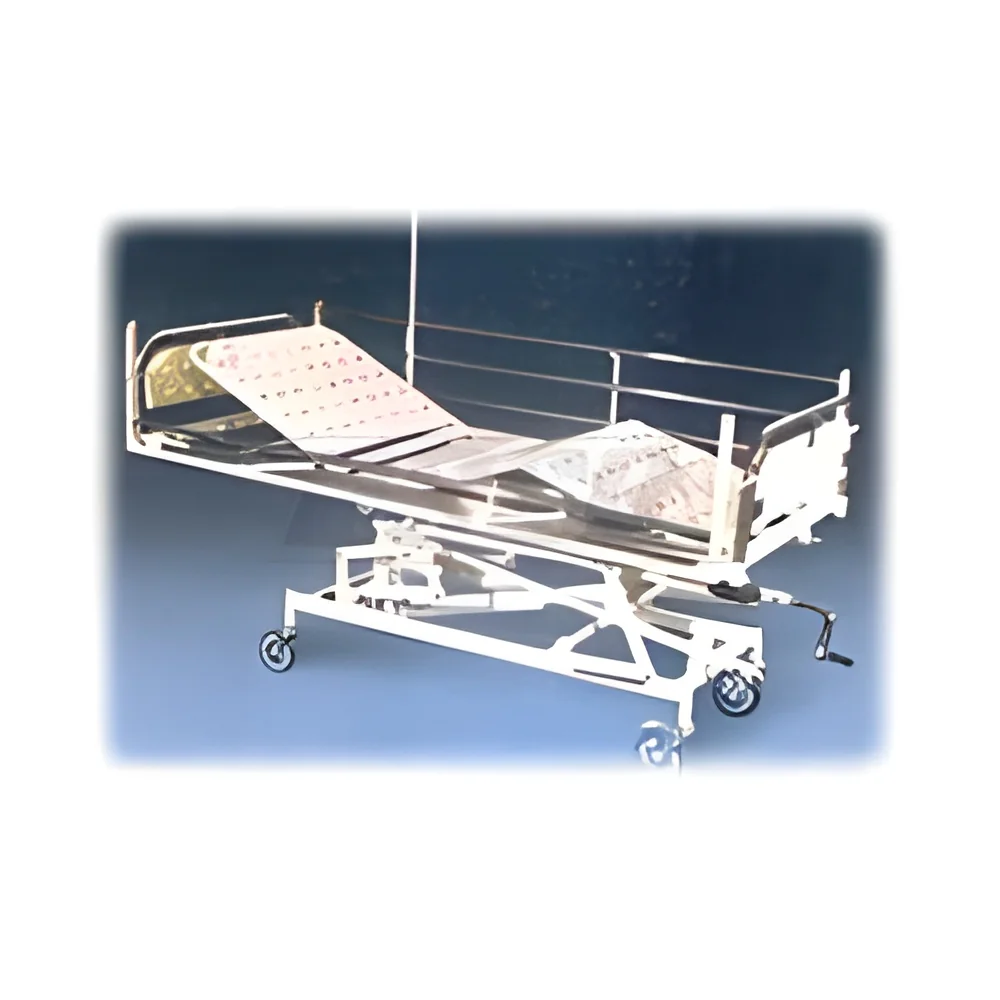
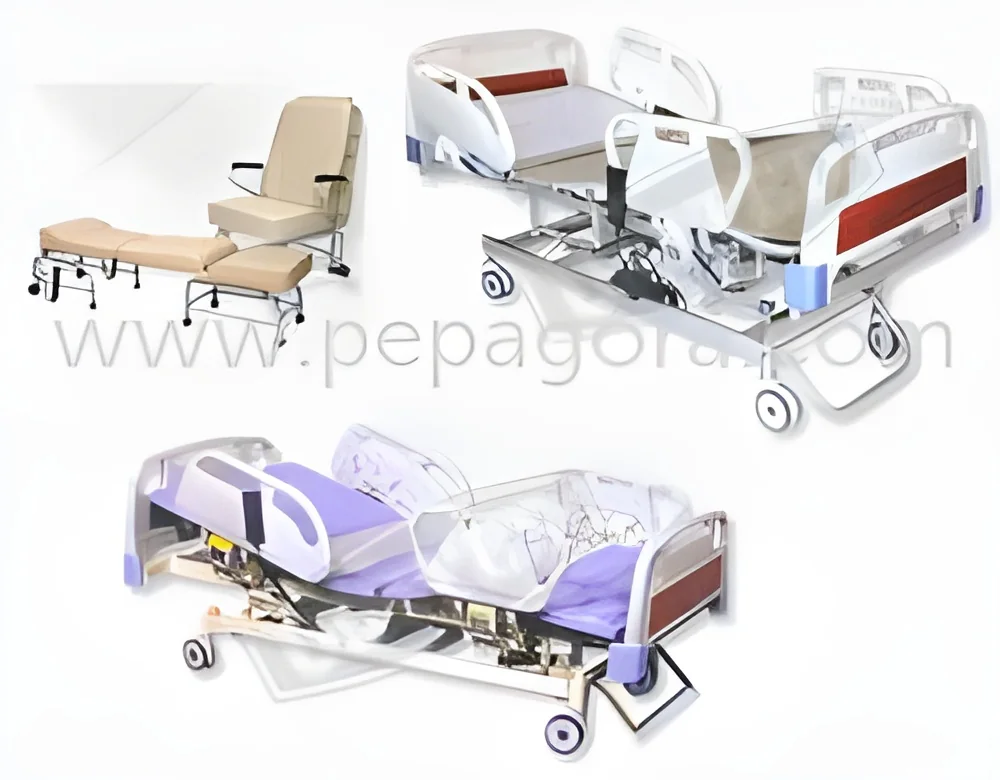
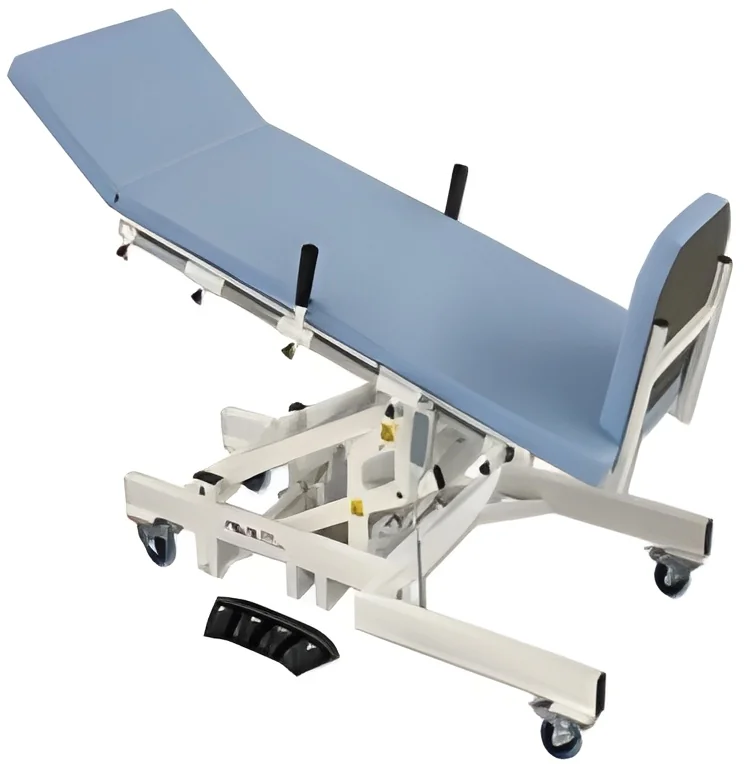
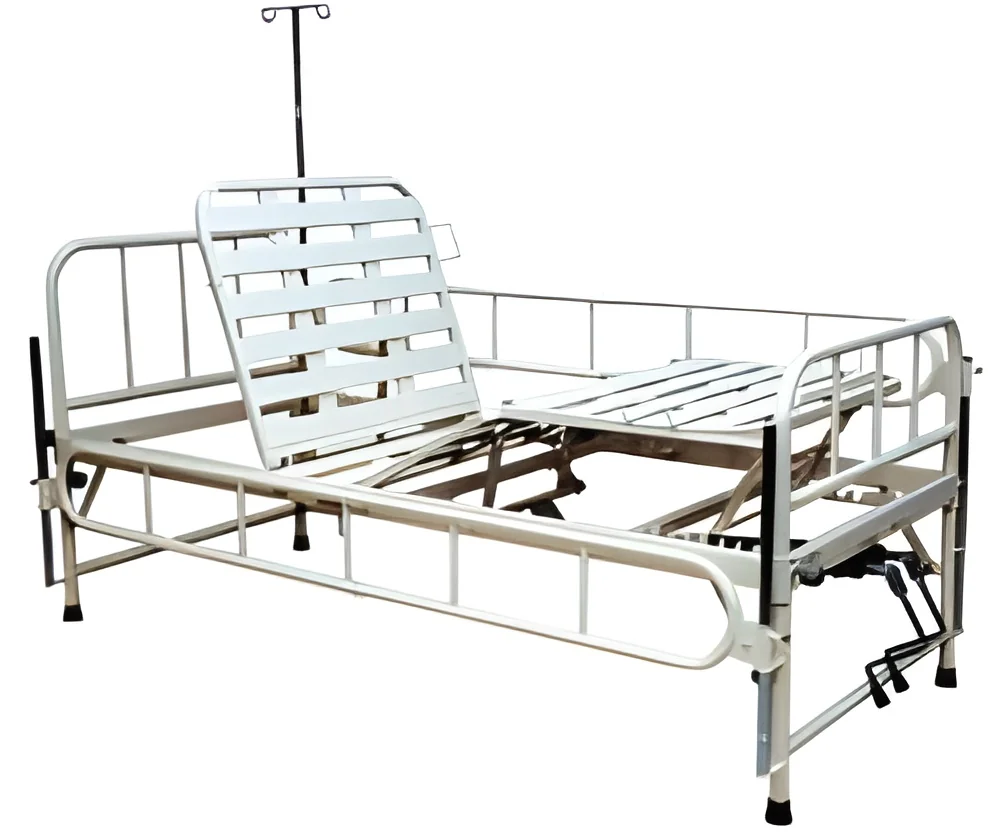
Hospital beds are specialized medical beds designed for patients in healthcare facilities. They are adjustable and equipped with features that assist in patient care, comfort, and safety. These beds can be raised or lowered in height and have adjustable backrests and leg rests to accommodate various patient needs. They often include additional features such as side rails, wheels for mobility, and controls for caregivers.
The primary uses of hospital beds are in hospitals, nursing homes, and rehabilitation centers. They play a crucial role in patient care by enabling healthcare providers to perform medical procedures and provide comfort to patients recovering from illness, surgery, or injury. The design of hospital beds takes into account the diverse needs of patients, ensuring they can be positioned appropriately for medical examinations or therapy.
In terms of industry relevance, the global hospital bed market is expanding, driven by the rising demand for healthcare services. Factors such as an aging population, increasing prevalence of chronic diseases, and advancements in technology contribute to the growth of this sector. As hospitals and healthcare facilities continuously seek to improve patient care, the importance of high-quality hospital beds becomes more significant.
Key Features and Specifications
Hospital beds come with various features and specifications tailored to enhance patient care and safety. Understanding these specifications helps buyers make informed purchasing decisions.
Key specifications include:
1. Adjustable Height
- Allows caregivers to modify the bed's height for easier patient access
- Usually ranges from 18 to 30 inches
2. Backrest Adjustment
- Enables the head of the bed to be raised for patient comfort
- Typically adjustable from 0 to 75 degrees
3. Weight Capacity
- Indicates the maximum load the bed can safely support
- Commonly accommodates up to 500 pounds
4. Side Rails
- Provide safety and support for patients
- Often adjustable and removable
5. Mobility Features
- Beds are equipped with wheels for easy transport
- Locking mechanisms to ensure stability
6. Material Construction
- Built with high-quality, durable materials for long-term use
- Often includes steel frames for added strength
7. Power Options
- Electric or manual adjustments for ease of use
- Electric models typically have backup battery options
8. Infection Control
- Designed with surfaces that are easy to clean and disinfect
- Complies with healthcare standards for hygiene
Overall, the diverse features of hospital beds ensure they meet the varying needs of patients and healthcare providers.
Common Applications and Use Cases
Hospital beds are essential in multiple healthcare settings, serving various industries.
1. Hospitals: Used extensively for patient monitoring and treatment, hospital beds are vital for acute care and post-operative recovery.
2. Nursing Homes: These beds cater to elderly patients who require ongoing care, providing comfort and support for mobility and health monitoring.
3. Rehabilitation Centers: Hospital beds are utilized for patients undergoing physical therapy, allowing adjustments to facilitate exercises and recovery.
4. Home Healthcare: Increasingly, hospital beds are used in home settings for patients needing long-term care, improving their quality of life.
5. Hospice Care: Designed to enhance the comfort of terminally ill patients, these beds often include features that allow for easy repositioning.
6. Pediatric Care: Specialized hospital beds are available for children, accommodating their unique needs and ensuring safety during recovery.
7. Psychiatric Facilities: These beds can include security features to ensure the safety of patients in mental health settings.
Product Variants and Subcategories
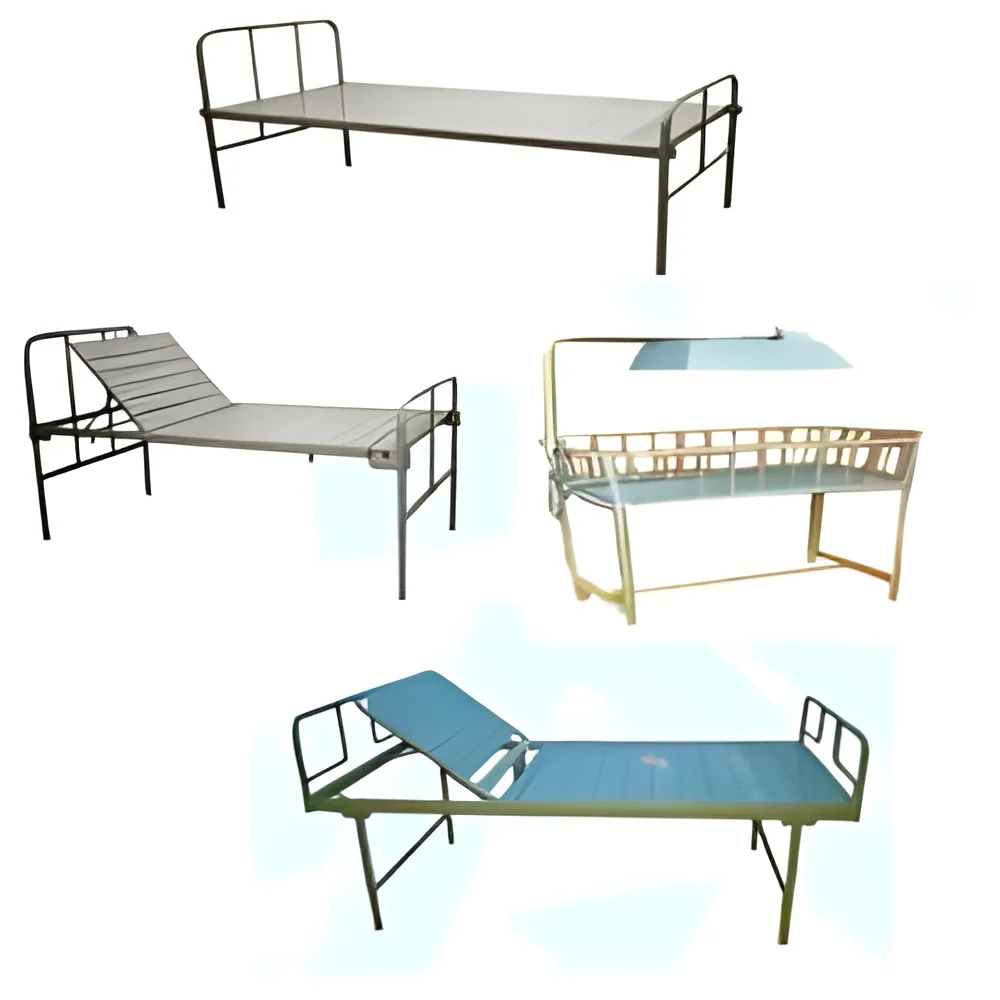
Hospital beds come in a variety of models to meet specific needs and applications.
Manual Hospital Beds: These beds require manual adjustments through cranks or levers. They are cost-effective and suitable for facilities with budget constraints.
Electric Hospital Beds: Equipped with electric motors, these beds allow caregivers to adjust height and position with ease, enhancing patient comfort and care efficiency.
Bariatric Hospital Beds: Specifically designed for larger patients, these beds have reinforced structures and higher weight capacities to ensure safety and comfort.
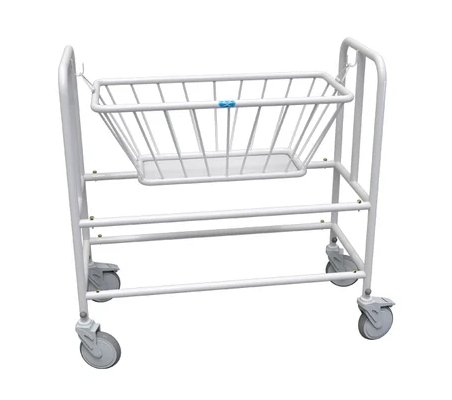
Pediatric Hospital Beds: Tailored for children, these beds often feature safety rails and colorful designs to create a more comforting environment for young patients.
Benefits and Advantages
Investing in quality hospital beds offers numerous advantages for healthcare facilities.
1. Enhanced Patient Comfort: Adjustable features allow patients to find comfortable positions, aiding in recovery.
2. Improved Caregiver Efficiency: Electric beds facilitate quick adjustments, reducing physical strain on healthcare staff.
3. Safety Features: Side rails and locking mechanisms help prevent falls and provide security for patients.
4. Versatility: Hospital beds can accommodate a range of medical needs, making them suitable for various healthcare settings.
5. Durability: High-quality construction ensures longevity, reducing the need for frequent replacements.
6. Infection Control: Easy-to-clean designs help maintain hygiene, essential in healthcare environments.
Buying Guide for B2B Buyers
When sourcing hospital beds, it is essential to consider several critical factors to make an informed purchase.
1. Quality Assessment: Look for beds constructed from durable materials that comply with healthcare standards. Consider features that enhance patient safety and comfort.
2. Supplier Verification: Vet potential suppliers by checking their reputation, certifications, and customer reviews. A reliable supplier should have a proven track record in the industry.
3. Pricing and MOQ: Understand the pricing structure and minimum order quantities. This helps in budgeting and ensures you can meet your facility's needs without overcommitting.
4. Delivery and Lead Times: Inquire about the supplier's delivery capabilities and lead times. Timely delivery is crucial in healthcare settings.
5. Compliance Requirements: Ensure that the hospital beds meet relevant regulations and standards, such as CE certification, to guarantee safety and efficacy.
Compliance and Certifications
Hospital beds must meet specific quality and safety standards to be deemed suitable for healthcare use. Compliance with ISO 9001 ensures that manufacturers adhere to quality management principles, promoting consistent quality in production.
Additionally, the CE certification signifies that the product meets European Union safety, health, and environmental protection standards. This certification is crucial for beds sold in markets where such regulations apply.
Safety testing is also an essential aspect of compliance. Hospital beds undergo rigorous testing to ensure they can withstand various conditions and loads. It is vital to check if the beds meet local and regional compliance requirements, especially if they are to be used in different countries.
Why Source Hospital Beds from Pepagora?
Pepagora provides a trusted platform for sourcing hospital beds, ensuring that buyers have access to high-quality products from verified suppliers.
Verified Supplier Network: Pepagora's stringent vetting process ensures that all suppliers meet industry standards for quality and reliability. This provides buyers with peace of mind when making purchases.
Streamlined RFQ Process: The platform allows buyers to submit requests for quotations easily, facilitating competitive pricing and enabling buyers to find the best deals.
Trade Assurance and Support: Pepagora prioritizes buyer protection through trade assurance programs, offering support throughout the purchasing process to handle any issues that may arise.
Regional Coverage: With a strong presence in India, the GCC, and Southeast Asia, Pepagora ensures that buyers can access hospital beds suited to their specific regional needs while benefiting from a broad supplier base.

 IN
IN
 India
India