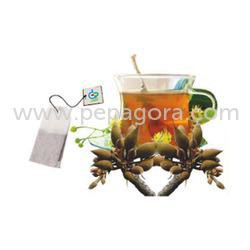
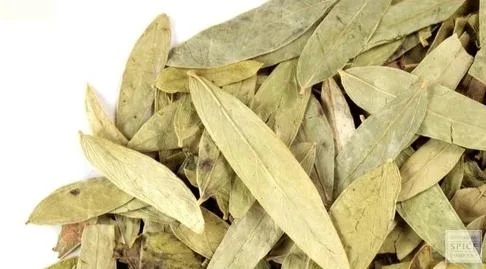
𝗪𝗵𝗮𝘁 𝗮𝗿𝗲 𝗛𝗲𝗿𝗯𝗮𝗹 & 𝗔𝘆𝘂𝗿𝘃𝗲𝗱𝗶𝗰 𝗧𝗲𝗮𝘀?
Herbal and Ayurvedic teas are beverages made from a variety of plants, including herbs, spices, flowers, and fruits. Unlike traditional teas derived from the Camellia sinensis plant, these infusions focus on holistic wellness and natural remedies. They are often crafted using age-old recipes that incorporate the principles of Ayurveda, an ancient system of medicine that emphasizes balance within the body and mind.
In the business context, Herbal and Ayurvedic teas are increasingly popular in health food markets, wellness centers, and even cafes. They are used for various purposes including relaxation, digestion aid, and immune support. This growing trend reflects a broader shift towards natural health products as consumers seek alternatives to processed foods and beverages.
The market for Herbal and Ayurvedic teas is expanding globally, driven by rising health consciousness and interest in natural remedies. With a diverse range of products available, businesses can cater to a wide audience seeking these beneficial beverages. As the demand for plant-based solutions increases, the relevance of these teas in the B2B sector continues to grow.
𝗞𝗲𝘆 𝗙𝗲𝗮𝘁𝘂𝗿𝗲𝘀 𝗮𝗻𝗱 𝗦𝗽𝗲𝗰𝗶𝗳𝗶𝗰𝗮𝘁𝗶𝗼𝗻𝘀
Herbal and Ayurvedic teas offer a range of features that appeal to both consumers and businesses. These specifications can impact quality, taste, and effectiveness.
Key specifications include:
1. Ingredient Quality
- Made from 100% natural herbs and spices
- No artificial additives or preservatives
2. Flavor Profiles
- Available in diverse flavors including chamomile, peppermint, ginger, and tulsi
- Custom blends can be created based on market needs
3. Packaging Options
- Available in bulk packaging for wholesale or retail
- Eco-friendly packaging options are increasingly preferred
4. Shelf Life
- Typically ranges from 12 to 24 months depending on the blend
- Proper storage conditions can extend shelf life
5. Nutritional Benefits
- Each blend may offer specific health benefits, such as antioxidants or anti-inflammatory properties
- Nutritional content can vary based on ingredients used
6. Certification
- Many products are certified organic or wildcrafted
- Compliance with safety and quality standards like CE
7. Customization
- Options for private label or custom branding
- Flexibility in formulating unique blends for specific market segments
8. Source Transparency
- Clear information on sourcing and origin of ingredients
- Ethical sourcing practices are often highlighted
In summary, Herbal and Ayurvedic teas are characterized by their natural ingredients, diverse flavors, and potential health benefits, making them a compelling choice for health-oriented businesses.
𝗖𝗼𝗺𝗺𝗼𝗻 𝗔𝗽𝗽𝗹𝗶𝗰𝗮𝘁𝗶𝗼𝗻𝘀 𝗮𝗻𝗱 𝗨𝘀𝗲 𝗖𝗮𝘀𝗲𝘀
Herbal and Ayurvedic teas are versatile products that find applications across various industries.
1. Health and Wellness Industry: These teas are widely used in spas, wellness centers, and health food stores for their therapeutic properties.
2. Food and Beverage Sector: Cafes and restaurants incorporate Herbal and Ayurvedic teas into their menus as natural beverage options, appealing to health-conscious customers.
3. Retail and E-commerce: Online platforms and retail stores offer a broad selection of these teas for direct consumer purchase, capitalizing on the e-commerce growth trend.
4. Hospitality Sector: Hotels and resorts provide Herbal and Ayurvedic teas as part of their beverage offerings, enhancing the guest experience with unique, healthy options.
5. Dietary Supplements: Some companies create herbal tea blends that focus on specific health benefits, bridging the gap between beverages and dietary supplements.
6. Nutraceuticals: The rise of functional beverages has led to the integration of Herbal and Ayurvedic teas into nutraceutical product lines, targeting health-focused consumers.
7. Export Markets: With increasing demand for natural products globally, these teas are exported to international markets, catering to a diverse clientele.
𝗣𝗿𝗼𝗱𝘂𝗰𝘁 𝗩𝗮𝗿𝗶𝗮𝗻𝘁𝘀 𝗮𝗻𝗱 𝗦𝘂𝗯𝗰𝗮𝘁𝗲𝗴𝗼𝗿𝗶𝗲𝘀
Herbal and Ayurvedic teas come in various forms, catering to different preferences and needs.
Classic Herbal Tea
This variant features traditional herbal teas such as chamomile and peppermint. Known for their soothing properties, they are popular among consumers seeking relaxation and digestive support.
Ayurvedic Blends
These blends incorporate specific herbs based on Ayurvedic principles. They are designed to promote balance in the body and often include ingredients like ashwagandha and tulsi.
Functional Teas
This type focuses on specific health benefits, such as immunity boosting or detoxification. These teas are formulated with a blend of herbs targeted at solving particular health concerns.
𝗕𝗲𝗻𝗲𝗳𝗶𝘁𝘀 𝗮𝗻𝗱 𝗔𝗱𝘃𝗮𝗻𝘁𝗮𝗴𝗲𝘀
Herbal and Ayurvedic teas offer numerous benefits that make them appealing to consumers and businesses alike.
Key benefits include:
1. Natural Ingredients: Made from plants without artificial additives, these teas provide a healthier alternative to conventional beverages.
2. Health Benefits: Many blends offer specific health advantages, such as improved digestion, relaxation, or enhanced immunity.
3. Versatile Usage: These teas can be enjoyed hot or cold, making them suitable for any season or occasion.
4. Customization Potential: Businesses have the opportunity to create unique blends tailored to their target market, enhancing brand differentiation.
5. Eco-friendly Options: Many brands prioritize sustainable sourcing and packaging, appealing to environmentally conscious consumers.
6. Growing Market Demand: With increasing interest in natural and wellness products, businesses that offer Herbal and Ayurvedic teas can tap into a lucrative market segment.
𝗕𝘂𝘆𝗶𝗻𝗴 𝗚𝘂𝗶𝗱𝗲 𝗳𝗼𝗿 𝗕𝟮𝗕 𝗕𝘂𝘆𝗲𝗿𝘀
When sourcing Herbal and Ayurvedic teas, businesses should consider several important factors to ensure quality and reliability.
1. Quality Assessment: Focus on the purity and sourcing of ingredients. Look for teas made from 100% natural herbs with available certifications to guarantee quality.
2. Supplier Verification: Conduct thorough research on potential suppliers. Check their certifications, customer reviews, and reputation within the industry.
3. Pricing and MOQ: Understand the pricing structure and minimum order quantities. This helps in budgeting and ensures you can meet customer demands without excess inventory.
4. Delivery and Lead Times: Inquire about the supplier's logistics capabilities. Reliable delivery times are crucial for maintaining stock levels and fulfilling customer orders.
5. Compliance Requirements: Ensure that the products meet local and international regulatory standards. This is essential for avoiding legal issues and ensuring product safety.
𝗖𝗼𝗺𝗽𝗹𝗶𝗮𝗻𝗰𝗲 𝗮𝗻𝗱 𝗖𝗲𝗿𝘁𝗶𝗳𝗶𝗰𝗮𝘁𝗶𝗼𝗻𝘀
Compliance with quality standards is vital in the production and sale of Herbal and Ayurvedic teas. Relevant quality standards include ISO 9001, which ensures that products meet customer and regulatory requirements consistently. HACCP guidelines may be followed to ensure food safety during the production process.
Many Herbal and Ayurvedic teas also hold certifications such as CE, indicating compliance with European health and safety regulations. Additionally, manufacturers may adhere to Good Distribution Practices (GDP) to maintain quality during storage and transportation.
Safety testing is important, with products often subjected to rigorous testing to ensure they are free from contaminants. Regional compliance considerations may vary, so businesses should stay informed about specific regulations in their target markets.
𝗪𝗵𝘆 𝗦𝗼𝘂𝗿𝗰𝗲 𝗛𝗲𝗿𝗯𝗮𝗹 & 𝗔𝘆𝘂𝗿𝘃𝗲𝗱𝗶𝗰 𝗧𝗲𝗮𝘀 𝗳𝗿𝗼𝗺 𝗣𝗲𝗽𝗮𝗴𝗼𝗿𝗮?
Pepagora provides a trusted platform for sourcing Herbal and Ayurvedic teas, offering several key advantages to B2B buyers.
Verified Supplier Network: Pepagora connects buyers with a network of verified suppliers, ensuring that all partners meet stringent quality and compliance standards. This network provides peace of mind when sourcing products.
Streamlined RFQ Process: The platform simplifies the request for quotation process, allowing buyers to quickly compare offers and select the best options for their needs. This efficiency enhances the procurement experience.
Trade Assurance and Support: Buyers enjoy protection through trade assurance policies that safeguard their purchases. Support services are available to address any concerns during the sourcing process.
Regional Coverage: Pepagora facilitates access to suppliers across India, the GCC, and Southeast Asia, allowing buyers to source Herbal and Ayurvedic teas tailored to various regional preferences and market demands.

 IN
IN

 India
India