
 IN
Healthcare Facility Interiors
11 products available
What are Healthcare Facility Interiors?
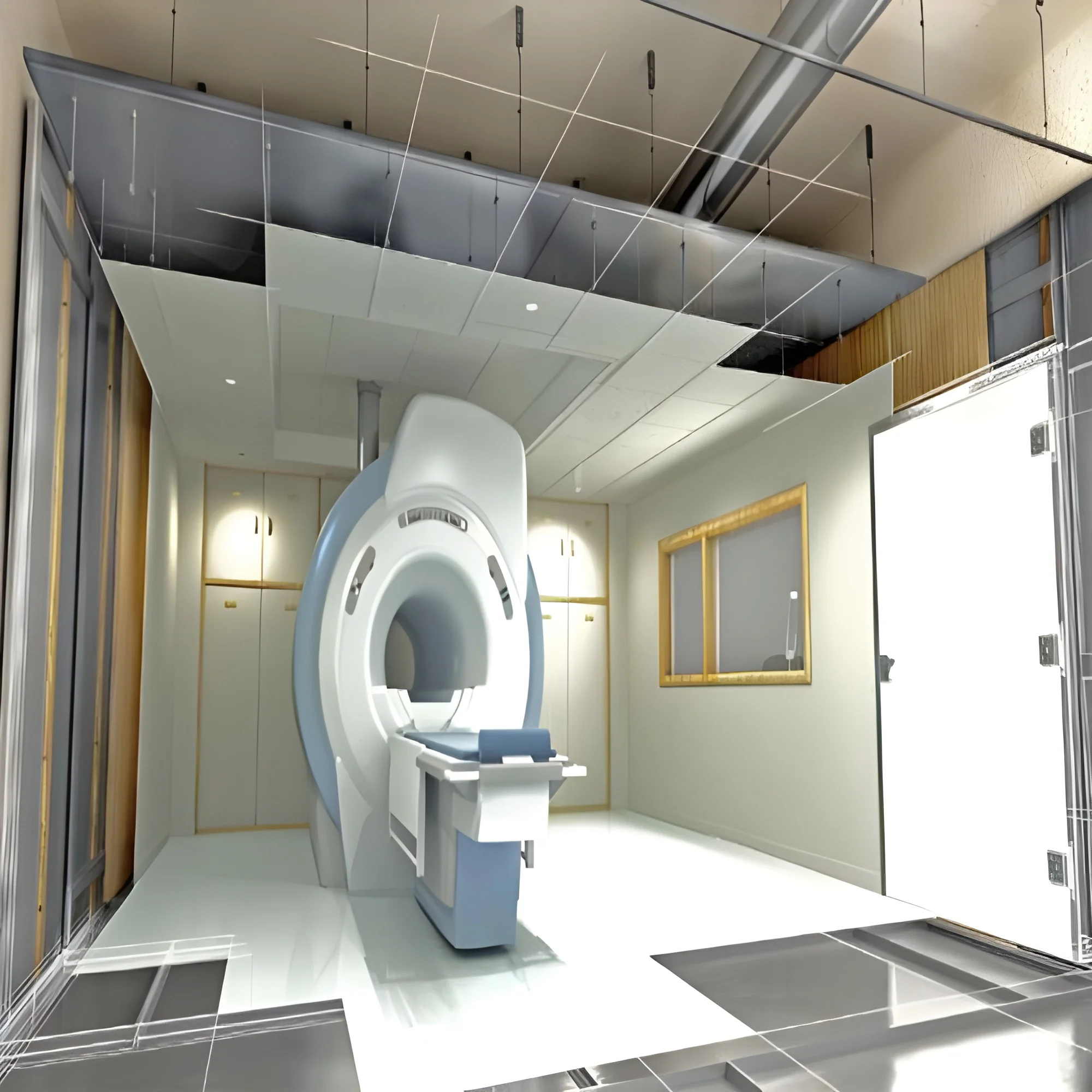
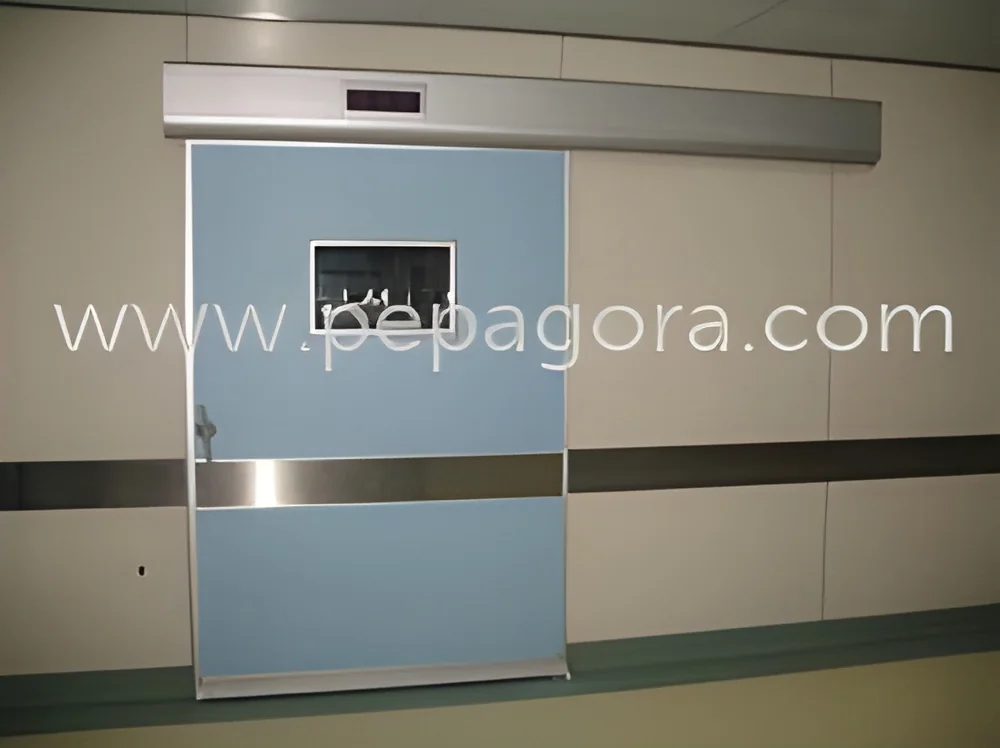
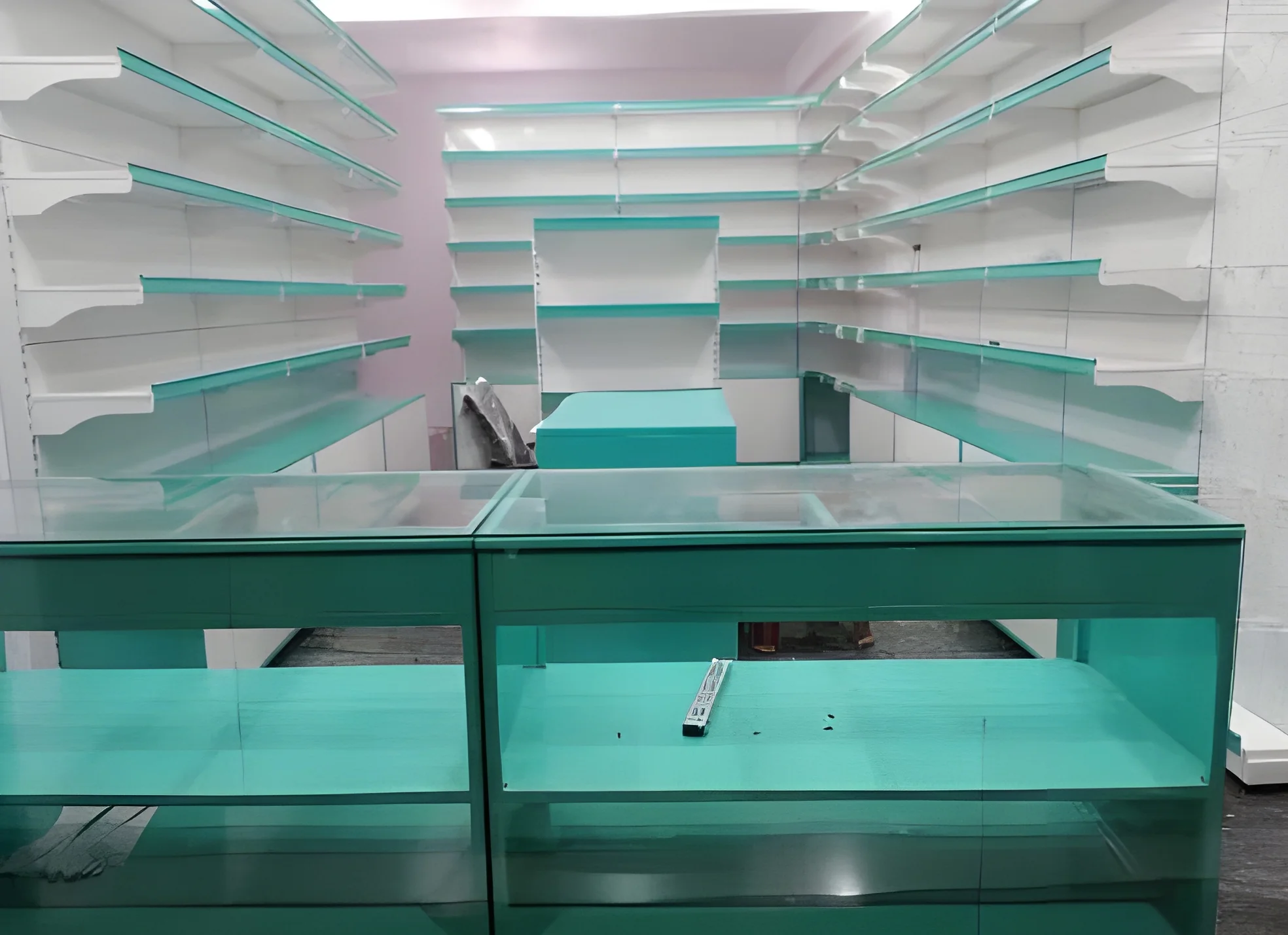
Healthcare Facility Interiors refer to the specialized design and furnishing solutions tailored for medical establishments such as hospitals, clinics, and long-term care facilities. These interiors encompass a broad range of elements, including patient rooms, waiting areas, surgical suites, and administrative spaces. The goal is to create environments that promote healing, efficiency, and comfort for both patients and healthcare staff.
These interiors are designed with functionality in mind, ensuring that the layout and materials used facilitate the unique needs of healthcare delivery. They often incorporate advanced technology, ergonomic furniture, and soothing aesthetics to enhance the patient experience and support healthcare providers in their work. The relevance of healthcare facility interiors has grown significantly due to the increasing emphasis on patient-centered care and the need for efficient workflows in a rapidly evolving healthcare landscape.
The market for healthcare facility interiors is influenced by factors such as regulatory standards, advancements in healthcare technology, and changing patient expectations. As the healthcare sector continues to evolve, there is a growing demand for innovative and adaptable interior solutions that can meet the challenges of modern medical practice.
Key Features and Specifications
Healthcare Facility Interiors are characterized by several key features that enhance their functionality and appeal. These specifications ensure that the interiors meet the rigorous demands of healthcare environments, providing safety, comfort, and efficiency.
Key specifications include:
1. Material Durability
- High-performance materials that withstand cleaning and disinfection processes.
- Resistance to stains, scratches, and wear over time.
2. Ergonomic Design
- Furniture and layouts that reduce strain on healthcare professionals.
- Adjustable features to accommodate various user needs.
3. Acoustic Control
- Elements that minimize noise levels to create a peaceful environment.
- Sound-absorbing materials for patient privacy and comfort.
4. Safety Compliance
- Adherence to safety regulations and codes relevant to healthcare settings.
- Use of non-toxic materials to ensure patient safety.
5. Aesthetic Appeal
- Designs that create a calming atmosphere through color and layout.
- Incorporation of natural light and greenery to enhance healing.
6. Flexibility and Modularity
- Adaptable spaces that can be reconfigured as needs change.
- Modular furniture that supports various functions.
7. Technology Integration
- Built-in technology solutions for communication and patient monitoring.
- Smart features that enhance operational efficiency.
8. Sustainability
- Environmentally friendly materials and practices.
- Energy-efficient designs to reduce operational costs.
These specifications collectively contribute to creating effective healthcare environments that support patient care and operational efficiency.
Common Applications and Use Cases
Healthcare Facility Interiors are essential in various sectors within the healthcare industry, each with specific applications that cater to unique needs.
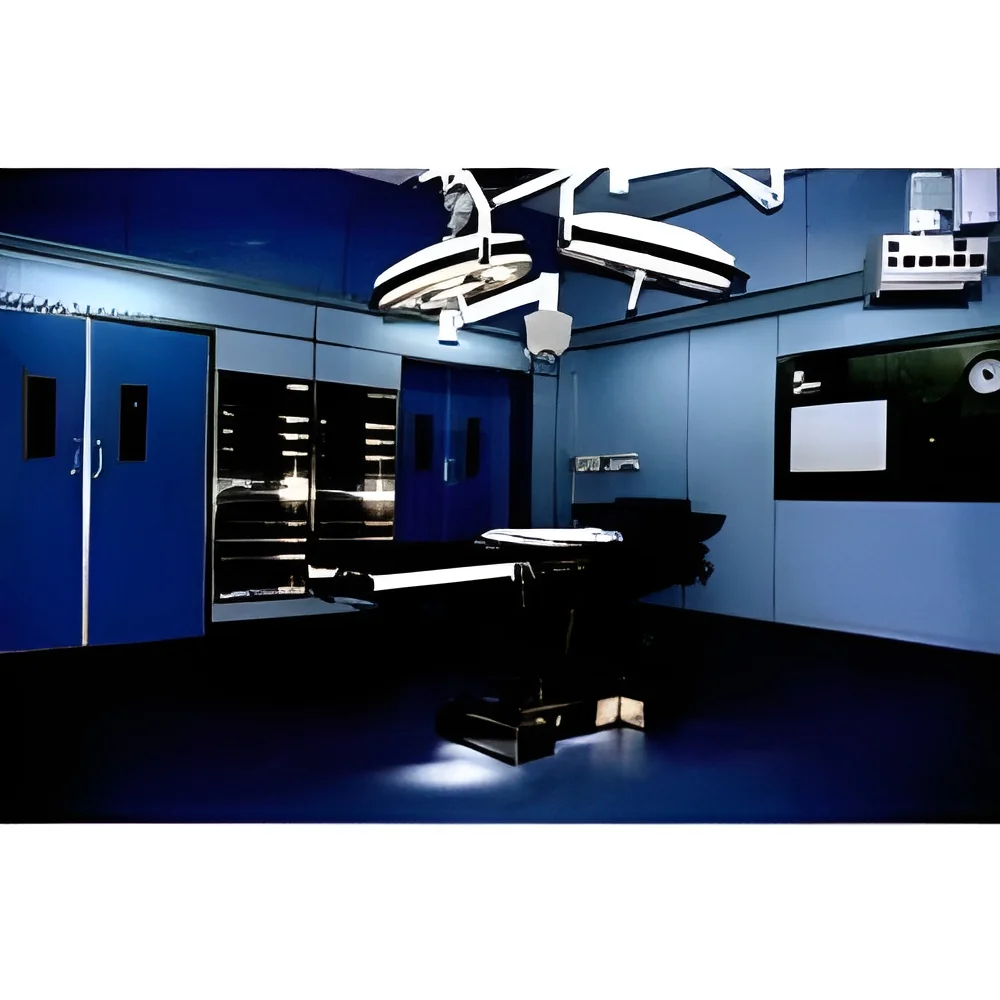
1. Hospitals: These interiors are designed to facilitate patient recovery and operational efficiency, incorporating elements like patient rooms, emergency departments, and surgical suites.
2. Clinics: Ambulatory care facilities require efficient waiting areas and examination rooms that enhance patient flow and comfort.
3. Long-Term Care Facilities: Interiors promote a homelike atmosphere while ensuring safety and accessibility for residents with varying needs.
4. Rehabilitation Centers: Spaces are designed to support physical therapy and recovery, incorporating equipment and layouts that facilitate movement and healing.
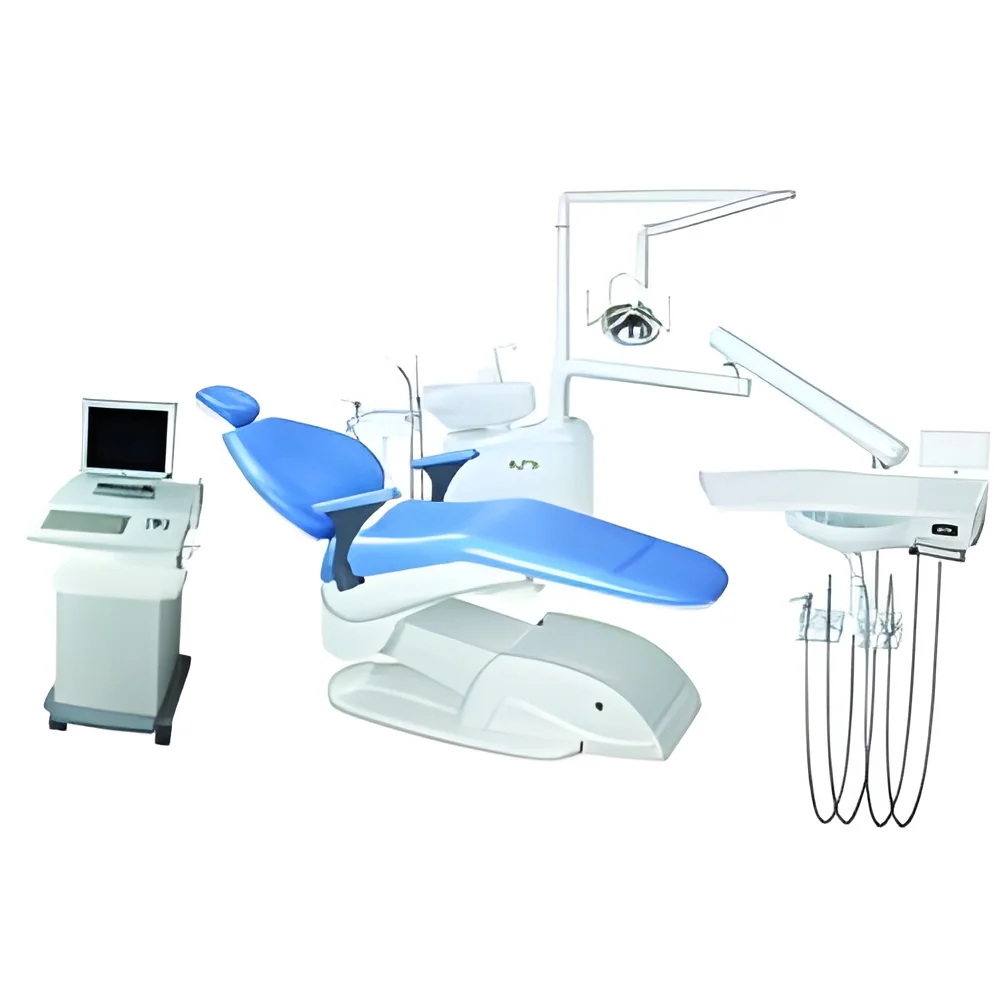
5. Dental Offices: Interiors focus on patient comfort and operational efficiency, with tailored designs for treatment rooms and waiting areas.
6. Urgent Care Centers: These facilities require flexible layouts that can adapt to varying patient volumes and types of care provided.
7. Outpatient Facilities: These spaces need to optimize patient flow and comfort, often prioritizing quick access to services.
Product Variants and Subcategories
Healthcare Facility Interiors encompass a diverse range of products tailored to meet the specific needs of different healthcare environments.
Patient Room Interiors
These variants focus on creating a comfortable and healing environment, featuring adjustable beds, soothing colors, and ergonomic furnishings that support recovery.
Waiting Area Solutions
Designed to enhance patient experience, these solutions include comfortable seating, informative displays, and calming aesthetics to reduce anxiety.
Administrative Office Spaces
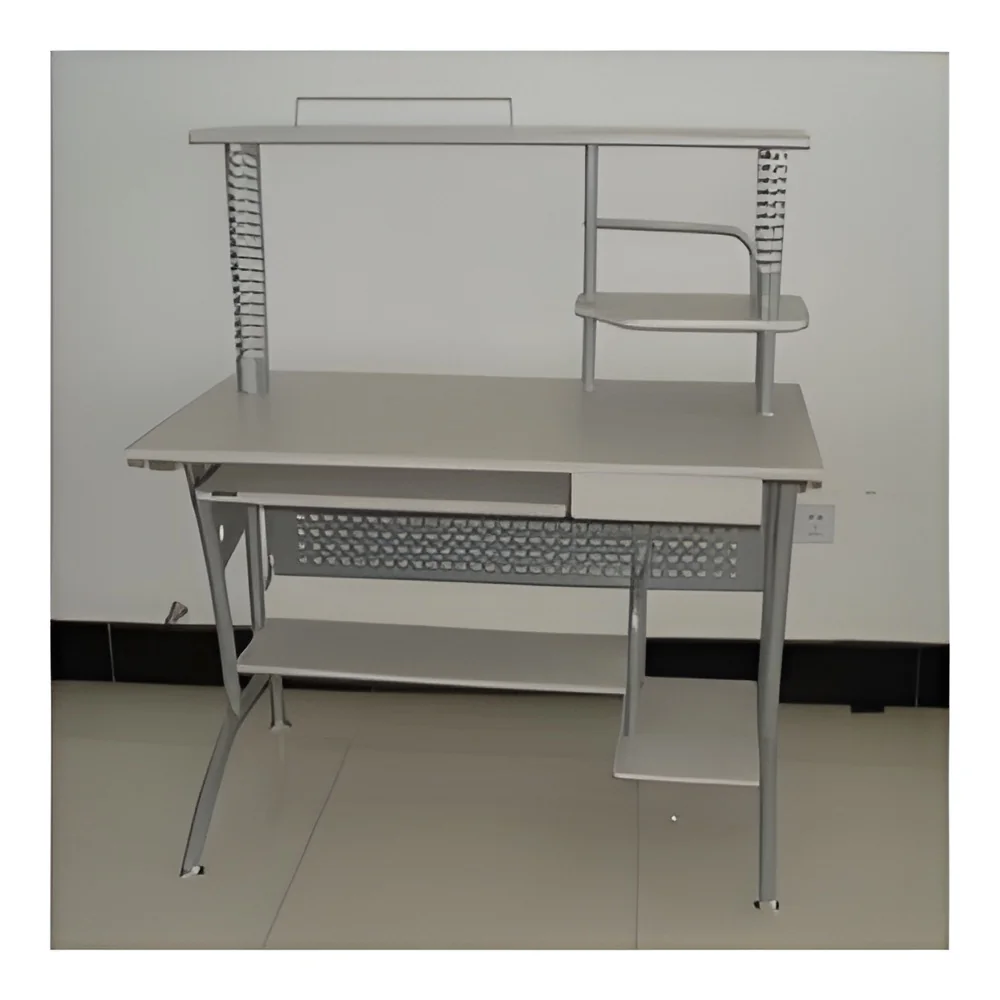
These interiors are tailored for efficiency, providing functional workspaces with collaborative areas and technology integration to support healthcare operations.
Treatment Room Designs
Specialized designs for treatment rooms ensure that medical staff have access to necessary equipment and that patient privacy is maintained.
Benefits and Advantages
Investing in Healthcare Facility Interiors offers numerous benefits that contribute to improved patient care and operational efficiency.
1. Enhanced Patient Experience: Thoughtfully designed interiors create a comforting atmosphere that promotes healing and reduces stress.
2. Improved Operational Efficiency: Efficient layouts and furniture designs streamline workflows, enabling healthcare professionals to provide better care.
3. Increased Staff Satisfaction: Ergonomic designs and comfortable workspaces lead to higher job satisfaction among healthcare workers.
4. Compliance with Regulations: Interiors that meet safety and regulatory standards ensure a secure environment for both patients and staff.
5. Flexibility for Future Needs: Adaptable designs allow for easy reconfiguration as healthcare practices evolve or expand.
6. Cost-Effective Solutions: Durable materials and energy-efficient designs reduce maintenance and operational costs over time.
Buying Guide for B2B Buyers
When sourcing Healthcare Facility Interiors, it is essential to consider various factors to ensure the best outcomes for your investment.
1. Quality Assessment: Evaluate the quality of materials and construction to ensure durability and compliance with healthcare standards. Look for products that withstand the rigors of a healthcare environment.
2. Supplier Verification: Vet potential suppliers by reviewing their track record, certifications, and customer feedback. A reliable supplier will have a history of delivering high-quality products and services.
3. Pricing and MOQ: Understand the pricing structure and minimum order quantities to ensure that your budget aligns with the product offerings. Compare quotes from multiple suppliers to find the best value.
4. Delivery and Lead Times: Inquire about delivery schedules and lead times to ensure that your project timelines are met. Timely delivery is critical in healthcare settings.
5. Compliance Requirements: Ensure that the interiors meet relevant regulatory requirements and industry standards. This includes safety certifications and adherence to healthcare regulations.
Compliance and Certifications
Healthcare Facility Interiors must adhere to various compliance and certification standards to ensure safety and quality.
ISO 9001 is a widely recognized quality management standard that outlines requirements for maintaining a consistent quality of products and services. Compliance with this standard helps ensure that healthcare facility interiors are produced under strict quality controls.
HACCP (Hazard Analysis Critical Control Point) is another critical standard, especially relevant in healthcare settings where hygiene and food safety are paramount. Healthcare interiors that comply with HACCP guidelines help mitigate risks associated with contamination.
CE certification indicates that the products meet European safety, health, and environmental protection standards. This certification is essential for products used in healthcare environments, ensuring they are safe for use.
Additionally, healthcare facility interiors must undergo rigorous safety testing to comply with local and regional regulations. This includes considerations for fire safety, material toxicity, and accessibility requirements.
It is important for buyers to stay informed about regional compliance considerations that may affect their purchasing decisions. This ensures that the interiors are not only functional but also meet the legal requirements of the healthcare industry.
Why Source Healthcare Facility Interiors from Pepagora?
Pepagora provides a trusted platform for sourcing Healthcare Facility Interiors, offering several key advantages that make it an ideal choice for B2B buyers.
Verified Supplier Network: Pepagora connects buyers with a network of verified suppliers, ensuring that you can source high-quality products from reliable manufacturers. This network simplifies the procurement process, allowing for better decision-making.
Streamlined RFQ Process: The Request for Quotation (RFQ) system on Pepagora allows buyers to easily request quotes from multiple suppliers. This process enhances transparency and enables buyers to compare offerings effectively.
Trade Assurance and Support: Pepagora offers trade assurance, providing buyers with protection during transactions. This support ensures that you can confidently source products without worrying about quality or delivery issues.
Regional Coverage: With a strong presence in India, the GCC, and Southeast Asia, Pepagora provides extensive geographic coverage. This ensures that buyers can access a wide range of healthcare facility interiors tailored to their regional needs.
By choosing Pepagora, businesses can benefit from a comprehensive sourcing experience that prioritizes quality, efficiency, and reliability in healthcare facility interiors.


 India
 India
 India

 India
 India

 India
 India

Frequently Asked Questions
What are Healthcare Facility Interiors?
Healthcare Facility Interiors refer to the design and decoration of spaces within healthcare facilities such as hospitals, clinics, and nursing homes. This includes elements like furniture, fixtures, color schemes, and layouts that create a functional and supportive environment for patients and staff.
What are the different types of Healthcare Facility Interiors?
Different types of Healthcare Facility Interiors include patient rooms, waiting areas, examination rooms, operating theaters, and administrative offices. Each type is designed with specific considerations for functionality, comfort, and hygiene to meet the unique needs of healthcare settings.
How do I choose the right Healthcare Facility Interiors?
Choosing the right Healthcare Facility Interiors involves assessing the specific needs of the facility, considering the patient demographic, and ensuring compliance with health regulations. It is also important to balance aesthetics with functionality and to select materials that are durable and easy to maintain.
What are the standard specifications for Healthcare Facility Interiors?
Standard specifications for Healthcare Facility Interiors often include materials that are non-toxic, easy to clean, and resistant to bacteria. Additionally, designs typically incorporate accessibility features and comply with safety standards to ensure a safe environment for both patients and staff.
What is the price range for Healthcare Facility Interiors?
The price range for Healthcare Facility Interiors can vary widely based on the scope of the project, materials used, and customization options. Generally, costs can start from a few thousand rupees for basic setups to several lakhs for comprehensive interior designs in larger facilities.
What quality standards apply to Healthcare Facility Interiors?
Quality standards for Healthcare Facility Interiors are often guided by local health regulations, safety codes, and industry best practices. These standards ensure that the materials used are not only safe and durable but also contribute positively to the healing environment.
Where can I find Healthcare Facility Interiors suppliers in India?
You can find Healthcare Facility Interiors suppliers in India through online B2B marketplaces, industry trade shows, and professional networks. Websites like Pepagora.com feature a range of manufacturers and suppliers specializing in healthcare interiors.
Can Healthcare Facility Interiors be customized?
Yes, Healthcare Facility Interiors can be customized to meet the specific needs of the facility and its users. Customization may include tailored layouts, specific color schemes, and the selection of specialized equipment or furniture that aligns with the facility's operational goals.
What is the typical minimum order quantity for Healthcare Facility Interiors?
The typical minimum order quantity (MOQ) for Healthcare Facility Interiors can vary by supplier and product type. Generally, MOQs can range from a single unit for certain items to larger quantities for bulk orders, especially for custom designs.
What is the typical lead time for Healthcare Facility Interiors?
The typical lead time for Healthcare Facility Interiors depends on the complexity of the project and the supplier's production capabilities. Generally, it can range from a few weeks to several months, especially for customized solutions or larger installations.
Why Businesses Trust Pepagora
Thousands of companies trust Pepagora to source smarter and sell faster
Expand Your Sales Globally

Source Smarter,Grow Faster
