
 IN
Gym Flooring Tiles & Mats
2 products available
What are Gym Flooring Tiles & Mats?
Gym flooring tiles and mats are specialized surfaces designed to provide a safe and durable foundation for various fitness activities. They are engineered to absorb shock, reduce noise, and enhance grip, making them ideal for gym environments. Typically made from materials like rubber, foam, or vinyl, these products not only protect the underlying floor but also ensure comfort for users during workouts.
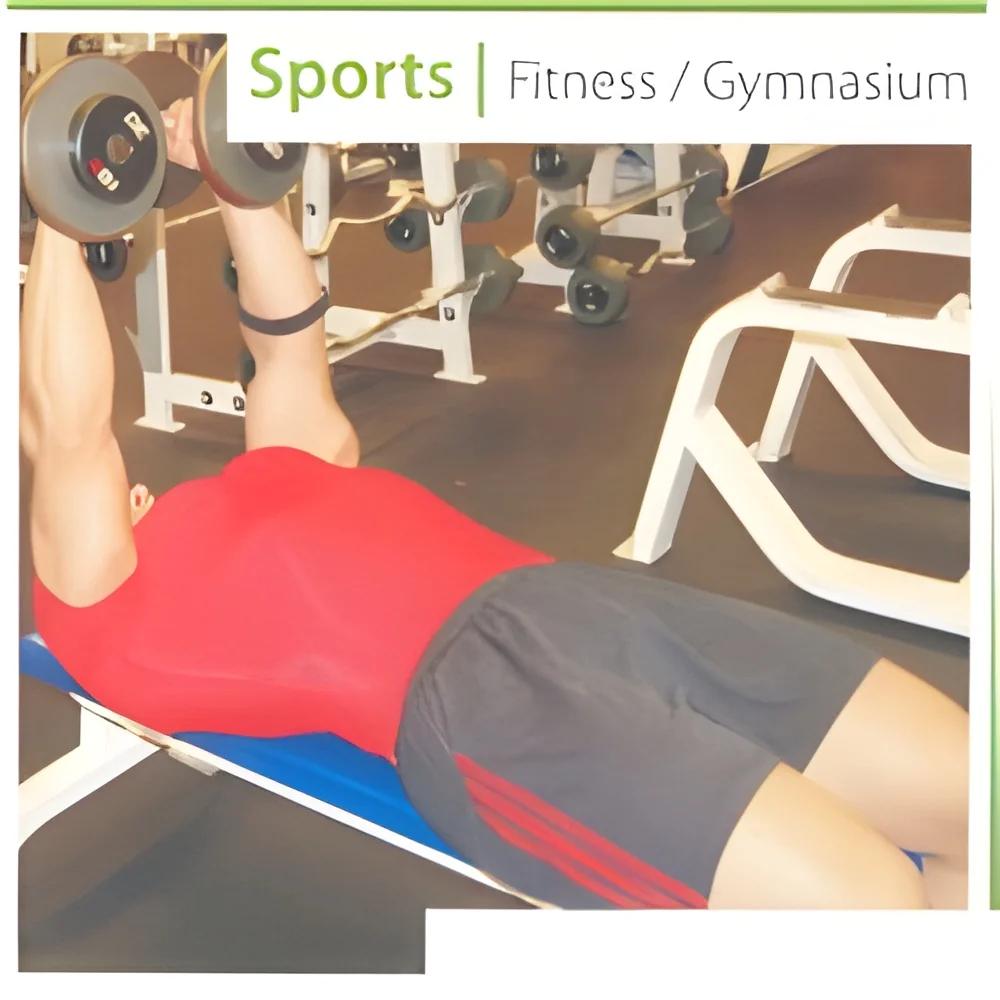
These flooring solutions are used in a variety of business applications within the fitness industry. From commercial gyms and fitness studios to home gyms and rehabilitation centers, gym flooring tiles and mats cater to diverse needs. They are particularly relevant in settings where heavy equipment is used or where high-impact activities, such as weightlifting or aerobics, take place. The growing emphasis on fitness and wellness in society has led to an increase in demand for high-quality gym flooring products.
Key Features and Specifications
Gym flooring tiles and mats come with several essential features that enhance their functionality and performance. Understanding these specifications is crucial for businesses looking to invest in quality flooring solutions.
Key specifications include:
1. Material Composition
- Most gym flooring tiles and mats are made from rubber, foam, or vinyl.
- These materials provide varying levels of durability, comfort, and shock absorption.
2. Thickness
- The thickness of gym flooring typically ranges from 8mm to 25mm.
- Thicker mats provide better shock absorption and comfort.
3. Slip Resistance
- Many mats feature a textured surface to enhance grip.
- This is essential for safety during workouts, especially in high-intensity activities.
4. Sound Absorption
- Quality flooring can significantly reduce noise levels in gym environments.
- This feature is important for maintaining a comfortable atmosphere.
5. Water Resistance
- Many gym flooring options are designed to be water-resistant.
- This ensures longevity and ease of cleaning, particularly in environments prone to spills.
6. Customization Options
- Some suppliers offer customization in terms of size, color, and design.
- This allows businesses to align flooring aesthetics with branding.
7. Installation Method
- Gym flooring can be interlocking, glued, or loose-laid.
- Each method has its benefits, influencing ease of installation and maintenance.
8. Environmental Considerations
- Many products are now manufactured with eco-friendly materials.
- This appeals to businesses aiming for sustainability certifications.
In summary, selecting the right gym flooring involves considering these specifications to ensure safety, durability, and aesthetic appeal.
Common Applications and Use Cases
Gym flooring tiles and mats find applications across various sectors within the fitness industry. Their versatility makes them suitable for different environments.
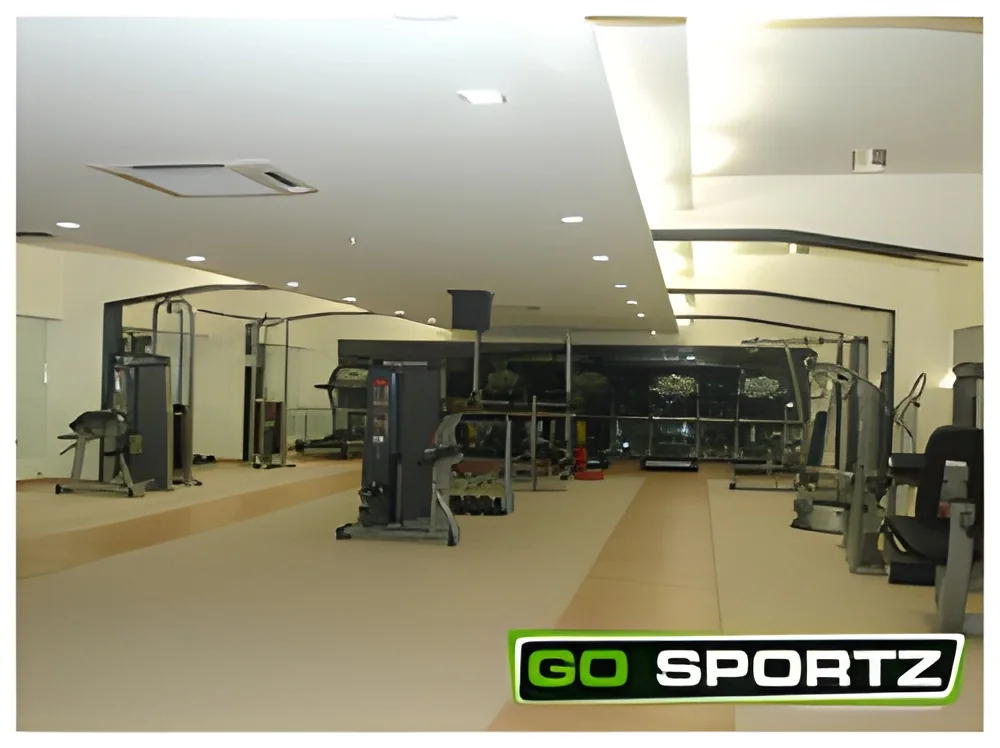
1. Commercial Gyms: In large fitness centers, these floors handle heavy foot traffic and equipment. They provide safety and comfort for users engaged in diverse activities.
2. Home Gyms: Many fitness enthusiasts invest in gym flooring for their homes. These mats provide a dedicated workout space that is safe and aesthetically pleasing.
3. Rehabilitation Centers: Specialized flooring is used in therapy facilities to support patients during recovery. Shock-absorbing mats help minimize the risk of injury.
4. Dance Studios: Dance floors require surfaces that enhance movement while providing grip. Gym mats are often adapted for this purpose.
5. Martial Arts Studios: Safety is paramount in martial arts training. Flooring solutions that cushion falls and provide grip are essential for these environments.
6. Schools and Universities: Educational institutions often utilize gym flooring in fitness and sports facilities. Durable and easy-to-maintain mats cater to a variety of physical activities.
7. Outdoor Fitness Areas: Some flooring options are suitable for outdoor use, providing a safe surface for fitness activities in parks and recreational areas.
Product Variants and Subcategories
Gym flooring tiles and mats come in a range of variants to meet specific needs and preferences. These variants cater to different applications and environments.
Interlocking Rubber Tiles
These tiles are easy to install and provide excellent shock absorption. They are ideal for commercial gyms and home fitness setups where heavy equipment is used.
Foam Mats
Lightweight and portable, foam mats are great for activities like yoga and pilates. They offer comfort and cushioning, making them suitable for low-impact workouts.
Vinyl Flooring
Vinyl gym flooring is designed for multi-purpose use. It provides a sleek appearance and is often used in dance studios and recreational facilities.
Carpet Tiles
These tiles can be used in less intensive settings, such as yoga studios or community centers. They add warmth and comfort to a fitness space.
Benefits and Advantages
Investing in gym flooring tiles and mats offers several advantages that enhance the overall fitness experience.
1. Safety: Quality flooring reduces the risk of slips and falls, providing a safer workout environment.
2. Durability: High-quality materials ensure long-lasting performance, even under heavy usage.
3. Comfort: Proper cushioning helps prevent injuries and enhances user comfort during workouts.
4. Aesthetic Appeal: Available in various colors and designs, gym flooring can enhance the visual appeal of fitness spaces.
5. Easy Maintenance: Many flooring options are designed for easy cleaning, which is crucial for hygiene in gym environments.
6. Noise Reduction: Effective flooring can significantly reduce noise levels, contributing to a more pleasant atmosphere.
Buying Guide for B2B Buyers
When sourcing gym flooring tiles and mats, businesses should consider several critical factors to ensure they make informed purchasing decisions.
1. Quality Assessment: Evaluate the materials used and ensure they meet industry standards for durability and safety. Look for certifications that validate product quality.
2. Supplier Verification: Conduct thorough research on potential suppliers. Check their reputation, customer reviews, and the reliability of their supply chain.
3. Pricing and MOQ: Understand the pricing structure and minimum order quantities. This will help in budgeting and ensure that you can meet your operational needs.
4. Delivery and Lead Times: Discuss logistics with suppliers to ensure timely delivery. Understanding lead times is crucial for planning installations or product launches.
5. Compliance Requirements: Ensure that the flooring products meet relevant safety and regulatory standards applicable in your region. This may include CE certifications and environmental regulations.
Compliance and Certifications
Compliance and certifications are critical aspects of gym flooring products. They ensure that the flooring meets safety, quality, and environmental standards.
Many gym flooring tiles and mats adhere to ISO 9001 standards, which focus on quality management systems. This certification assures buyers of consistent quality and performance.
Additionally, CE marking indicates that products meet European safety and health requirements. This is particularly important for businesses looking to source flooring for use in the European market.
Safety testing is also essential, especially for products used in high-impact environments. Manufacturers should provide documentation on testing procedures and results to demonstrate compliance with safety standards.
Businesses must also consider regional compliance requirements. Different countries may have specific regulations regarding materials and safety, making it essential to verify that flooring meets local standards.
Why Source Gym Flooring Tiles & Mats from Pepagora?
Pepagora provides a trusted platform for sourcing gym flooring tiles and mats, offering several key advantages for B2B buyers.
Verified Supplier Network: Pepagora ensures that all suppliers are thoroughly vetted, providing buyers with peace of mind. This network includes manufacturers known for producing high-quality products.
Streamlined RFQ Process: The request for quotation process on Pepagora is designed to be efficient. Buyers can easily request quotes from multiple suppliers, allowing for better pricing and quicker decision-making.
Trade Assurance and Support: Pepagora offers buyer protection through trade assurance. This ensures that transactions are secure and that buyers receive the products as promised.
Regional Coverage: With a broad geographic reach in India, the GCC, and Southeast Asia, Pepagora can connect buyers with local suppliers. This facilitates easier logistics and potentially lower shipping costs.
By choosing Pepagora, businesses can confidently source gym flooring tiles and mats that meet their specific needs while benefiting from a reliable network and support system.

 India

Frequently Asked Questions
What are Gym Flooring Tiles & Mats?
Gym flooring tiles and mats are specialized surfaces designed to provide safety, comfort, and durability in gym environments. They are typically made from materials like rubber, foam, or vinyl, and are intended to withstand heavy foot traffic and equipment.
What are the different types of Gym Flooring Tiles & Mats?
There are various types of gym flooring tiles and mats, including interlocking tiles, rolled mats, and puzzle mats. Each type is suited for different activities, such as weightlifting, yoga, or group fitness classes.
How do I choose the right Gym Flooring Tiles & Mats?
To choose the right gym flooring tiles and mats, consider factors like the type of activities performed, the level of impact, and the desired aesthetics. It's also important to evaluate the material's durability and ease of maintenance to ensure long-term usability.
What are the standard specifications for Gym Flooring Tiles & Mats?
Standard specifications for gym flooring tiles and mats typically include thickness, density, and slip resistance. Most gym flooring options range from 8mm to 25mm in thickness, while density can vary based on the material used.
What is the price range for Gym Flooring Tiles & Mats?
The price range for gym flooring tiles and mats can vary widely based on material, thickness, and brand. Generally, prices may range from INR 300 to INR 1500 per square meter.
What quality standards apply to Gym Flooring Tiles & Mats?
Quality standards for gym flooring tiles and mats often include compliance with safety regulations, such as slip resistance and fire ratings. Additionally, manufacturers may adhere to industry-specific certifications to ensure durability and performance.
Where can I find Gym Flooring Tiles & Mats suppliers in India?
You can find gym flooring tiles and mats suppliers in India through online B2B marketplaces like Pepagora, trade shows, and local distributors. It's advisable to compare multiple suppliers to ensure quality and pricing.
Can Gym Flooring Tiles & Mats be customized?
Yes, gym flooring tiles and mats can often be customized in terms of color, size, and design to meet specific needs. Custom options may be available through certain manufacturers or suppliers.
What is the typical minimum order quantity for Gym Flooring Tiles & Mats?
The typical minimum order quantity (MOQ) for gym flooring tiles and mats can vary by supplier, with common MOQs ranging from 100 to 500 square meters. It's best to check with specific manufacturers for their requirements.
What is the typical lead time for Gym Flooring Tiles & Mats?
The typical lead time for gym flooring tiles and mats can range from 2 to 6 weeks, depending on the supplier, order quantity, and customization options. Always confirm the lead time with the supplier before placing an order.
Why Businesses Trust Pepagora
Thousands of companies trust Pepagora to source smarter and sell faster
Expand Your Sales Globally

Source Smarter,Grow Faster
