
 IN
INElliptical Trainers
1 products available
What are Elliptical Trainers?
Key Features and Specifications
Common Applications and Use Cases
Benefits and Advantages
Buying Guide for B2B Buyers
Compliance and Certifications
Why Source Elliptical Trainers from Pepagora?

Frequently Asked Questions
What are Elliptical Trainers?
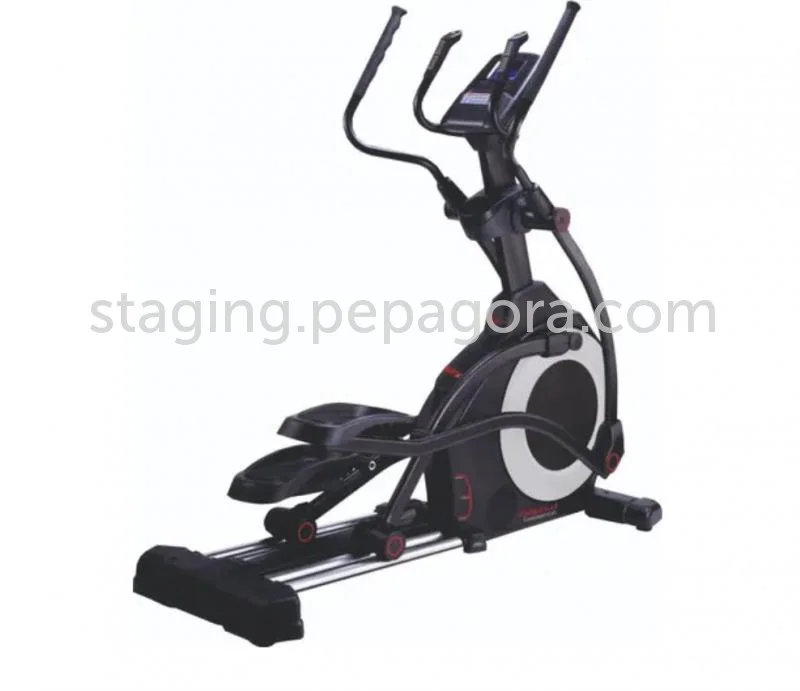
Elliptical trainers are low-impact cardiovascular exercise machines designed to simulate walking, running, or stair climbing without putting excessive pressure on the joints. They feature two pedals that move in an elliptical motion, allowing users to engage multiple muscle groups while minimizing the risk of injury.
What are the different types of Elliptical Trainers?
There are several types of elliptical trainers, including front-drive, rear-drive, and center-drive models. Front-drive ellipticals have the flywheel located at the front, offering a more natural stride, while rear-drive models provide a more traditional elliptical motion. Center-drive ellipticals have a compact design, making them suitable for smaller spaces.
How do I choose the right Elliptical Trainers?
When selecting an elliptical trainer, consider factors such as stride length, resistance levels, and the machine's weight capacity. Additionally, evaluate the features that are important to you, such as built-in workout programs, heart rate monitors, and connectivity options. Testing different models can also help you determine which one feels most comfortable.
What are the standard specifications for Elliptical Trainers?
Standard specifications for elliptical trainers typically include a stride length ranging from 16 to 20 inches, adjustable resistance levels, and a maximum weight capacity that can vary from 250 to 400 pounds. Other specifications may include display features for tracking workout metrics and dimensions for the machine's footprint.
What is the price range for Elliptical Trainers?
The price range for elliptical trainers can vary significantly based on features, brand, and quality. Generally, entry-level models can start around INR 20,000, while advanced models with more features can cost upwards of INR 1,00,000 or more.
What quality standards apply to Elliptical Trainers?
Elliptical trainers should adhere to quality standards such as ISO 20957 for fitness equipment, which ensures safety and performance. Additionally, manufacturers may follow specific safety regulations and guidelines to ensure that their products are durable and reliable for consumer use.
Where can I find Elliptical Trainers suppliers in India?
You can find elliptical trainers suppliers in India through B2B marketplaces like Pepagora.com, where you can browse various manufacturers and suppliers. Additionally, trade shows, fitness equipment expos, and online directories can also be valuable resources for sourcing suppliers.
Can Elliptical Trainers be customized?
Yes, many manufacturers offer customization options for elliptical trainers. Customizations may include adjustments in design, color, branding, and specific features to cater to individual or business preferences.
What is the typical minimum order quantity for Elliptical Trainers?
The typical minimum order quantity (MOQ) for elliptical trainers can vary by manufacturer but usually ranges from 5 to 10 units. It's advisable to check with suppliers for their specific MOQ requirements as it can differ based on the model and customization options.
What is the typical lead time for Elliptical Trainers?
The typical lead time for elliptical trainers can range from 4 to 12 weeks, depending on factors such as the manufacturer, order quantity, and whether any customization is requested. It's best to confirm lead times directly with suppliers during the ordering process.
Why Businesses Trust Pepagora
Thousands of companies trust Pepagora to source smarter and sell faster
Expand Your Sales Globally

Source Smarter,Grow Faster
