Key Features and Specifications
Exercise bikes come equipped with a variety of features and specifications that enhance user experience and performance. Understanding these specifications is essential for B2B buyers looking to make informed purchasing decisions.
Key specifications include:
1. Resistance Levels
- Adjustable resistance settings allow users to customize workout intensity
- Common ranges include 8 to 32 levels of resistance
2. Weight Capacity
- Maximum user weight supported by the bike
- Typical ranges vary from 250 to 500 pounds
3. Dimensions
- Overall size of the bike, including length, width, and height
- Standard dimensions range from 40 to 60 inches in length
4. Display Console
- Features include speed, distance, time, calories burned, and heart rate monitoring
- Some models may also offer Bluetooth connectivity
5. Pedal System
- Types include standard pedals and those with adjustable straps
- Spin bikes often feature a clip-in system for cycling shoes
6. Seat Adjustability
- Options for horizontal and vertical adjustments for user comfort
- Many bikes offer quick-release mechanisms for ease of use
7. Portability
- Presence of wheels for easy movement and storage
- Some models are designed to be compact for home use
8. Warranty
- Coverage period for parts and labor, typically ranging from 1 to 5 years
In summary, understanding the key features and specifications of exercise bikes can help buyers select models that best fit their needs. A well-informed decision will lead to enhanced user satisfaction and product longevity.
Common Applications and Use Cases
Exercise bikes serve various industries and applications. Their versatility makes them suitable for multiple environments.
1. Fitness Centers: Gyms and fitness studios use exercise bikes in group classes or as part of individual workout routines. They cater to users of all fitness levels.
2. Corporate Wellness Programs: Companies implement exercise bikes in on-site fitness facilities to promote employee health and productivity. This can reduce healthcare costs and improve morale.
3. Rehabilitation Facilities: Physical therapy clinics utilize recumbent bikes for patients recovering from injuries. The supportive design aids in rehabilitation while minimizing strain.
4. Home Fitness: Many individuals invest in exercise bikes for personal use. They provide an effective way to maintain fitness without needing to go to a gym.
5. Educational Institutions: Schools and universities may include exercise bikes in their athletic programs or wellness initiatives, promoting physical activity among students.
6. Hotels and Resorts: Luxury accommodations often feature exercise bikes in their fitness centers, enhancing guest experiences by providing convenient workout options.
7. Health Clubs: Specialized health clubs, like those focused on seniors or specific health conditions, incorporate exercise bikes to cater to their clientele.
Product Variants and Subcategories
Exercise bikes come in various models and configurations to cater to different user preferences and workout styles.
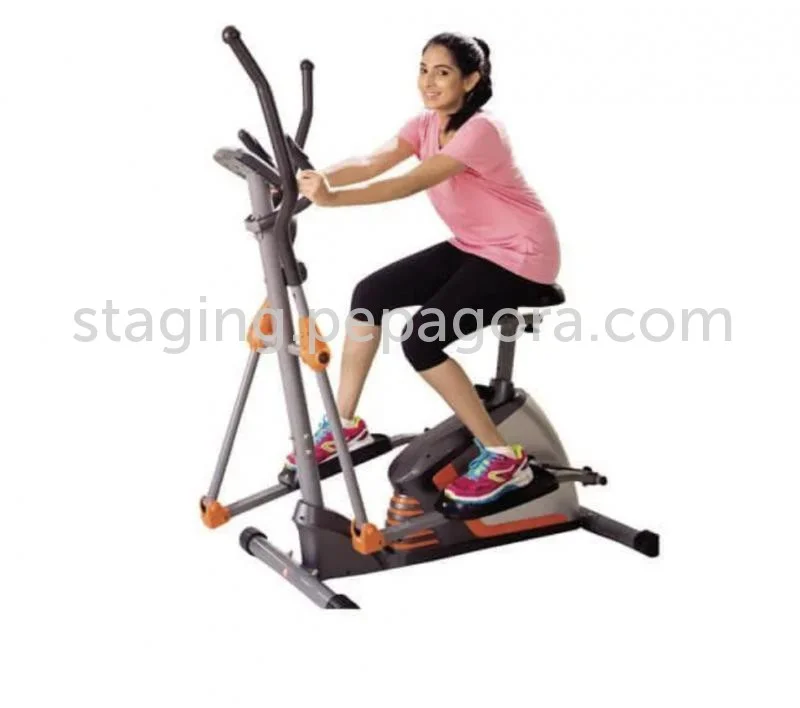
Upright Bikes: These models mimic traditional cycling and engage core muscles. They are ideal for users looking for a straightforward, effective cardiovascular workout.
Recumbent Bikes: Featuring a reclined seating position, these bikes provide back support and comfort. They are particularly beneficial for users with mobility issues or those seeking low-impact workouts.
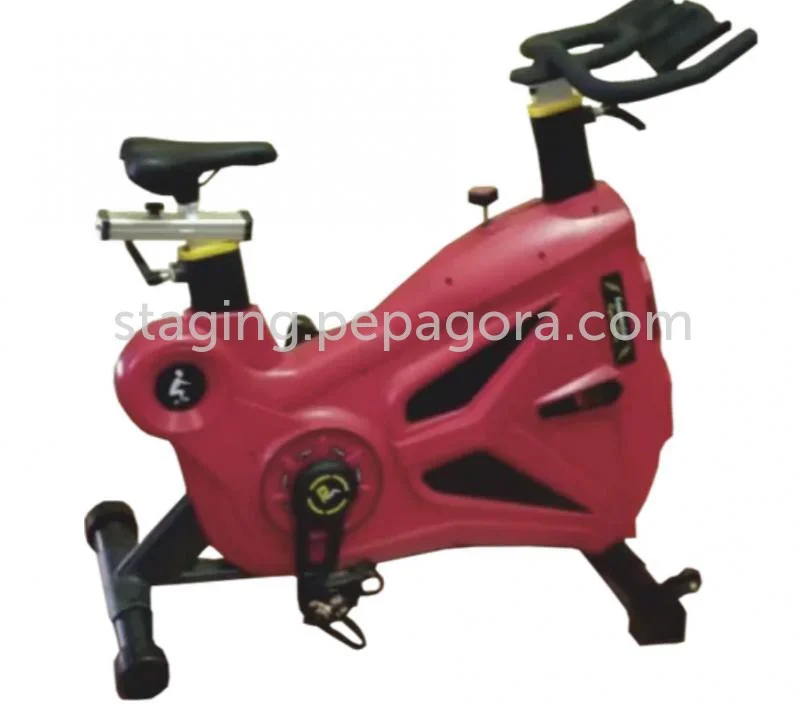
Spin Bikes: Designed for high-intensity interval training, spin bikes are built for serious cyclists. They feature heavier flywheels and adjustable handlebars for an authentic cycling experience.
Benefits and Advantages
Exercise bikes offer numerous benefits for users, making them a popular choice for fitness enthusiasts and businesses alike.
1. Cardiovascular Health: Regular use helps improve heart health and overall cardiovascular fitness.
2. Low Impact: Exercise bikes provide a low-impact workout, reducing the risk of injury while still delivering an effective exercise session.
3. Customizable Workouts: Users can adjust resistance levels and seat positions, allowing for personalized workout experiences.
4. Convenience: Exercise bikes are ideal for home use, eliminating the need to travel to a gym.
5. Space Efficiency: Many models are compact and can easily fit into smaller spaces, making them suitable for various environments.
6. Multi-User Capability: Exercise bikes can accommodate users of different fitness levels and body types, making them versatile for gyms and wellness programs.
Buying Guide for B2B Buyers
When sourcing exercise bikes, B2B buyers should consider several key factors to ensure they make the right investment.
1. Quality Assessment: Evaluate the build quality and materials used in the construction of the bikes. Look for warranties and customer reviews to gauge long-term performance.
2. Supplier Verification: Verify the credibility of suppliers by checking references and certifications. A reliable supplier will have a proven track record in delivering quality products.
3. Pricing and MOQ: Understand the pricing structure and minimum order quantities. Negotiating bulk purchase deals can lead to cost savings.
4. Delivery and Lead Times: Inquire about logistics and expected delivery timelines. Timely delivery is crucial for businesses with tight schedules.
5. Compliance Requirements: Ensure that the exercise bikes meet relevant safety and quality standards. Compliance with regulations such as CE certification is essential.
Compliance and Certifications
Exercise bikes must adhere to certain quality standards and certifications to ensure safety and reliability.
ISO 9001 is a widely recognized standard that applies to quality management systems. Manufacturers adhering to this standard demonstrate a commitment to consistent quality and customer satisfaction.
CE certification indicates that a product meets European safety, health, and environmental protection standards. This certification is important for businesses looking to sell exercise bikes within the European market.
Safety and testing requirements vary by region, and manufacturers should conduct thorough testing to ensure compliance. This includes evaluating the structural integrity, electrical safety, and overall performance of the bikes.
Regional compliance considerations also play a role in sourcing decisions. Buyers should be aware of specific regulations in their country or region to ensure all products meet necessary guidelines.
Why Source Exercise Bikes (Upright, Recumbent, Spin) from Pepagora?
Pepagora provides a trusted platform for sourcing exercise bikes with several key advantages.
Verified Supplier Network: Pepagora has a robust network of verified suppliers, ensuring that buyers can find reputable manufacturers offering high-quality exercise bikes. This minimizes the risk of sourcing low-quality products.
Streamlined RFQ Process: The platform offers an efficient Request for Quotation (RFQ) process that simplifies the procurement experience. Buyers can easily compare prices and specifications from multiple suppliers, enabling informed decision-making.
Trade Assurance and Support: Pepagora prioritizes buyer protection through trade assurance programs. This offers peace of mind, knowing that your investment is safeguarded.
Regional Coverage: With a strong presence in India, the GCC, and Southeast Asia, Pepagora connects buyers with suppliers across these regions. This geographic reach enhances the availability of diverse exercise bike options to meet various business needs.

 IN
IN