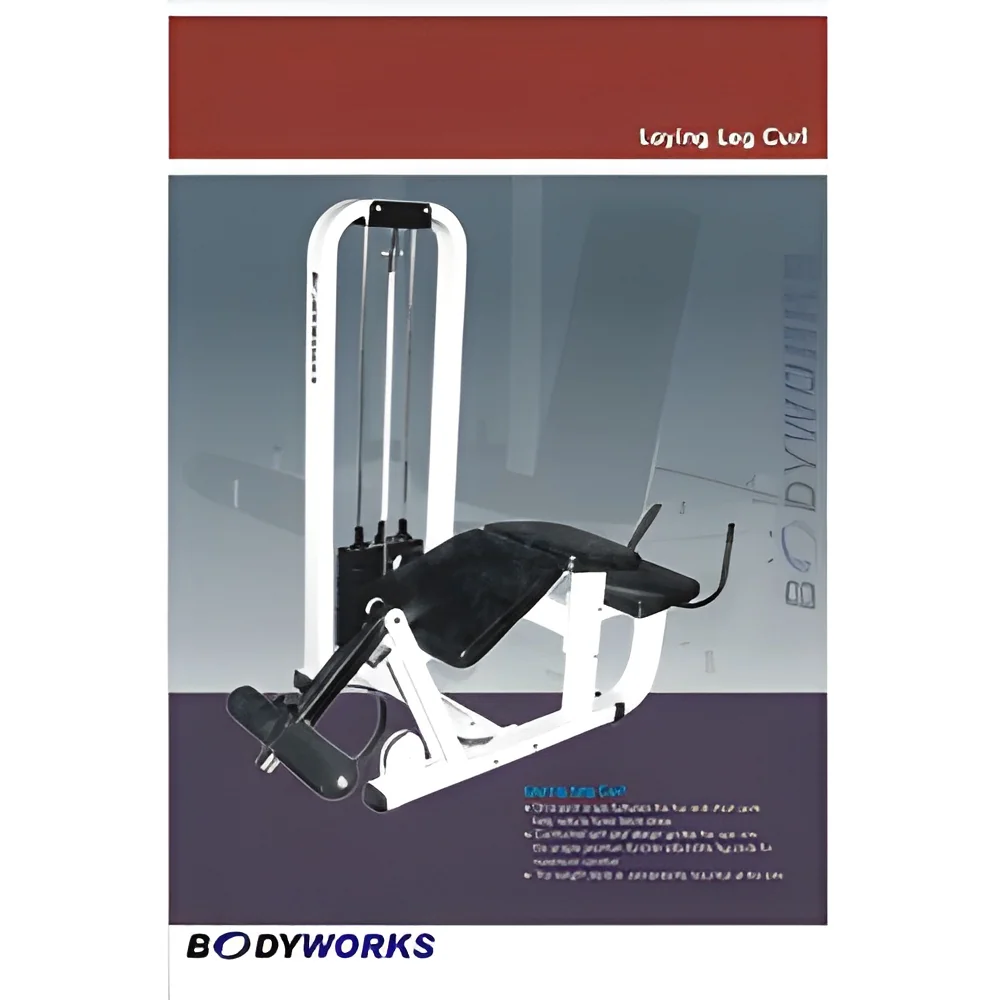
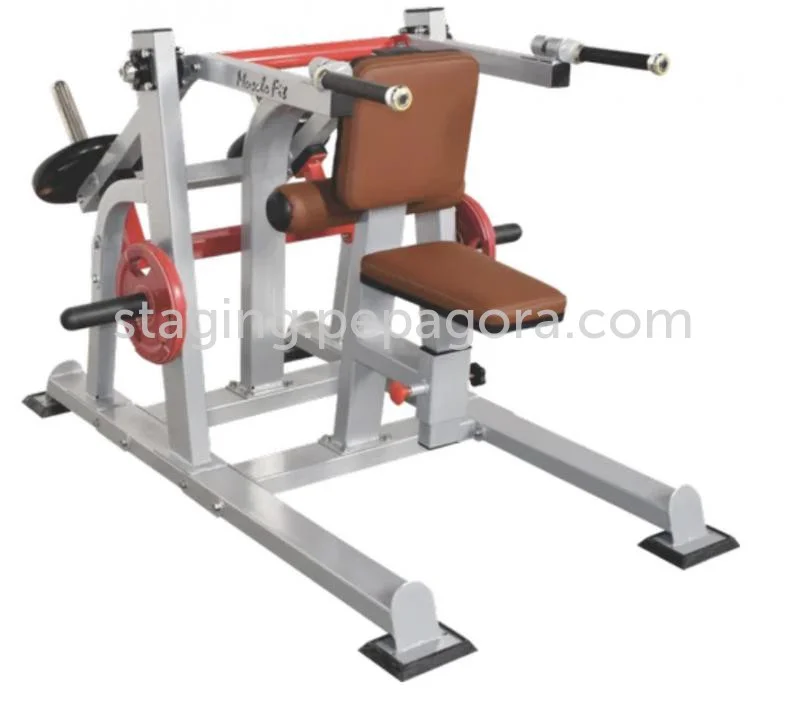
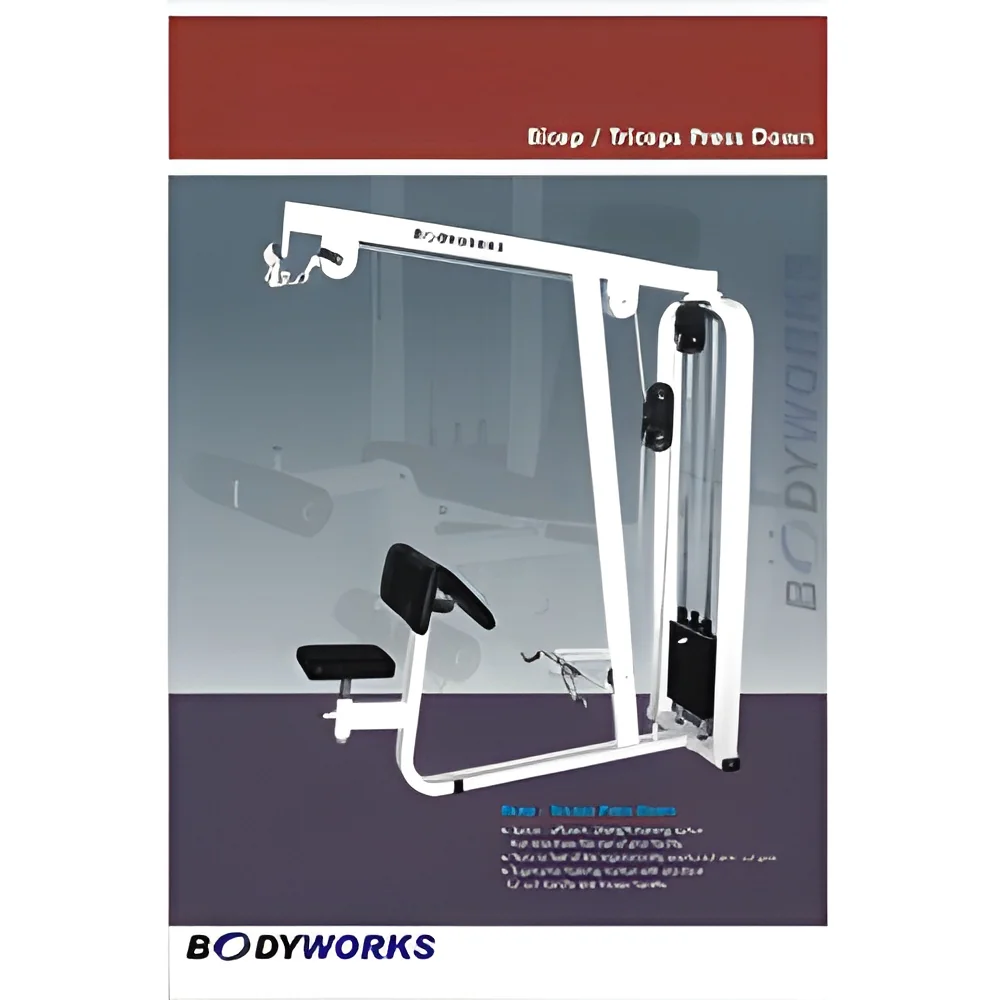
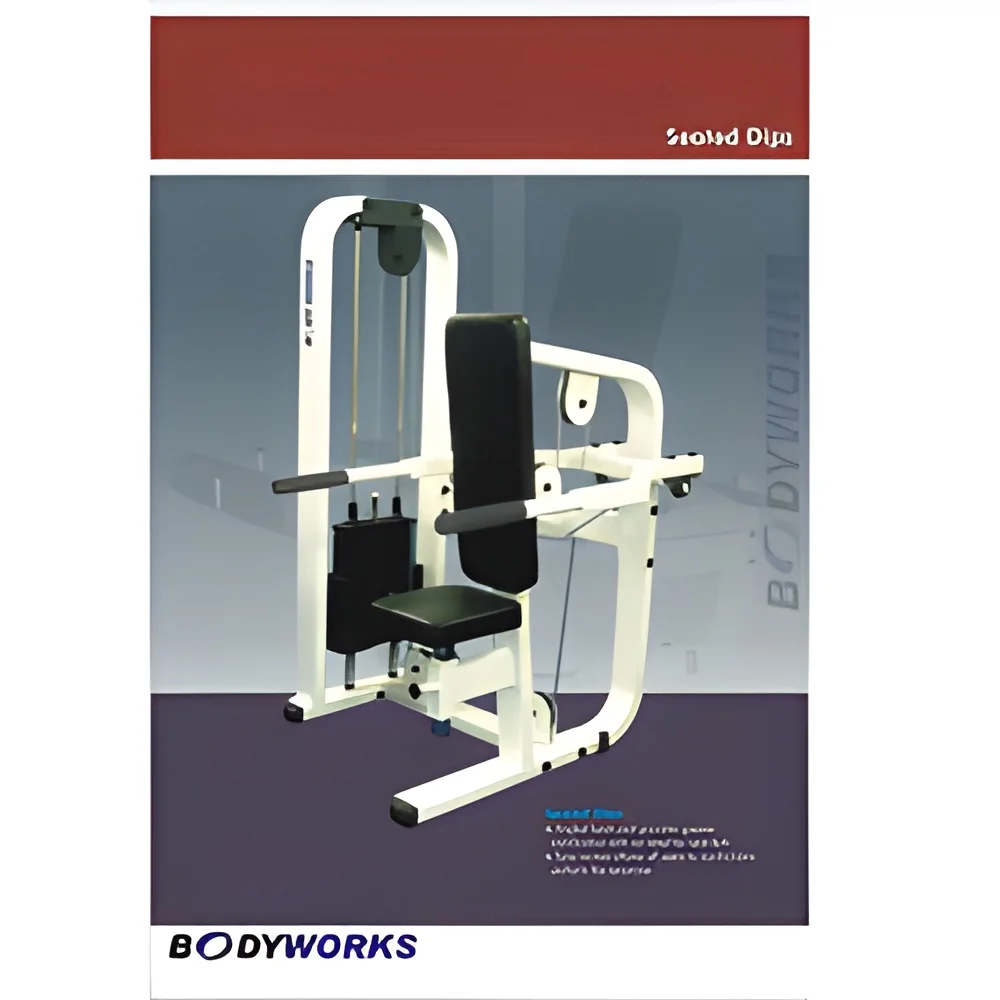
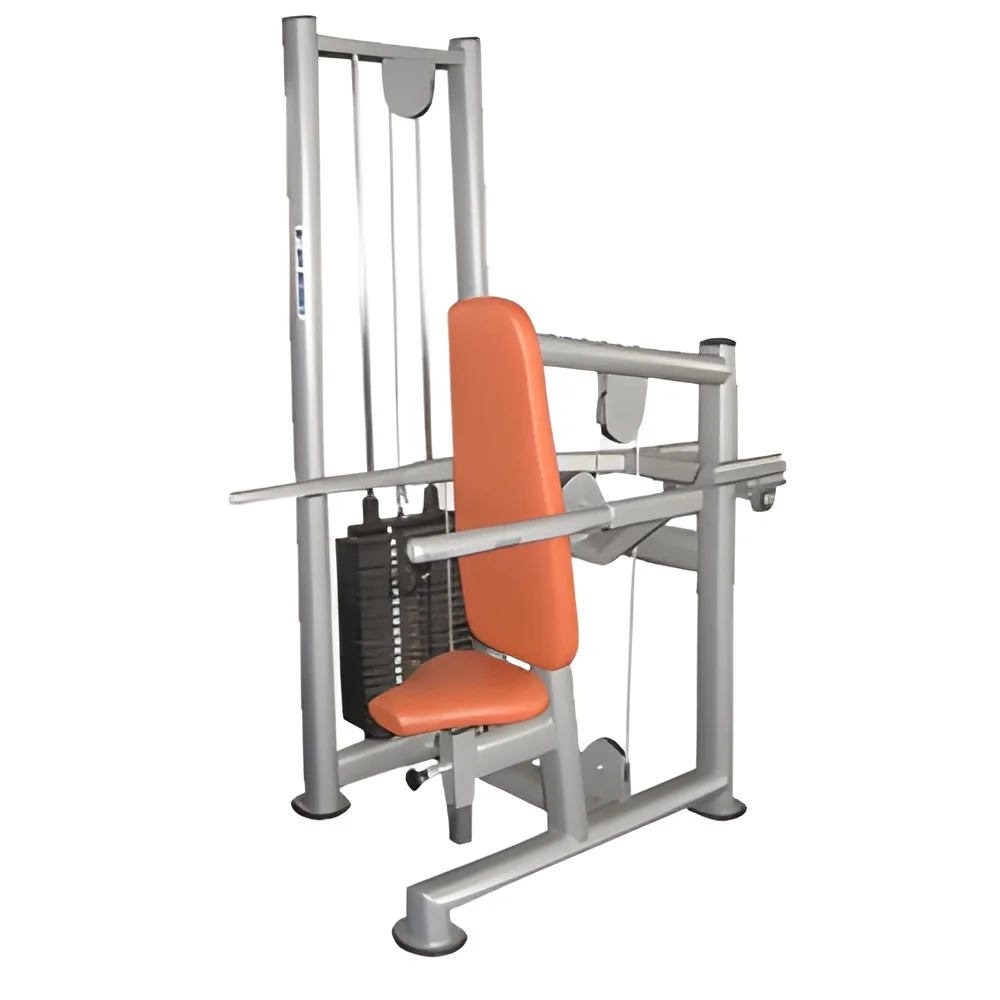
What are Professional Weight Machines?
Professional weight machines are specialized devices designed for accurate measurement of weight in various settings. These machines are commonly used in commercial environments such as gyms, health clubs, and medical facilities. They provide precise weight readings that are essential for monitoring health and fitness metrics, conducting medical assessments, and ensuring proper weight management.
The primary applications of professional weight machines revolve around health and fitness, as well as clinical diagnostics. In gyms and fitness centers, these machines are vital for tracking client progress and personalizing workout programs. In healthcare settings, they are used to monitor patient weight for dietary management and medical evaluations. The increasing emphasis on health awareness and fitness in various industries has significantly boosted the demand for these machines, making them a crucial component in both fitness and medical sectors.
In the current market context, professional weight machines are being integrated with advanced technology to enhance their functionality. Features such as digital displays, connectivity options, and automated calibration are becoming more common. As the fitness and healthcare industries continue to evolve, the relevance of professional weight machines remains strong, making them indispensable tools for professionals across multiple sectors.
Key Features and Specifications
Professional weight machines come equipped with a variety of features tailored to meet the needs of different industries. Understanding these specifications is essential for selecting the right machine.
Key specifications include:
1. Capacity
- Typically ranges from 120 kg to 300 kg.
- Suitable for a wide range of users.
2. Accuracy
- Resolution of 0.1 kg or better.
- Essential for precise weight monitoring.
3. Display Type
- LCD or LED screens for easy readability.
- Some models include backlighting for visibility in low light.
4. Power Source
- Battery-operated or mains-powered options.
- Ensures flexibility in different settings.
5. Calibration
- Automatic or manual calibration features.
- Important for maintaining accuracy over time.
6. Build Material
- Usually constructed from durable steel or high-grade plastic.
- Ensures longevity and stability.
7. Connectivity
- Options for Bluetooth or Wi-Fi connectivity.
- Facilitates data sharing and integration with fitness apps.
8. Safety Features
- Non-slip surfaces and sturdy bases.
- Designed to prevent accidents during use.
In summary, understanding the features and specifications of professional weight machines is crucial for making informed buying decisions. Each specification contributes to the overall performance, reliability, and user experience of the machine.
Common Applications and Use Cases
Professional weight machines are utilized across various industries, each with specific applications that highlight their importance.
1. Fitness Centers: These machines are essential for measuring the weight of gym members, helping trainers tailor fitness programs and track progress.
2. Medical Facilities: In hospitals and clinics, weight machines are used to monitor patients' health, enabling healthcare providers to assess conditions related to weight.
3. Sports Coaching: Coaches use these machines to evaluate athletes’ weight as part of performance assessments and training regimens.
4. Nutrition Programs: Dietitians rely on weight machines to track clients’ weight in nutrition plans and make dietary recommendations.
5. Research Institutions: Used in studies related to health and fitness, professional weight machines provide reliable data for various research projects.
6. Educational Institutions: Schools and universities incorporate these machines in physical education programs to educate students about health and fitness.
7. Home Gyms: Individuals setting up personal workout spaces utilize professional weight machines for accurate weight tracking.
Product Variants and Subcategories
While there are no specific subcategories of professional weight machines available, the diversity in features and applications leads to different variants that cater to various needs.
Digital Weight Machines: These machines often feature advanced digital displays that provide precise weight measurements. They are suitable for high-traffic environments like gyms.
Mechanical Weight Machines: Known for their durability, these machines use traditional mechanical systems for weight measurement. They are often favored in healthcare settings for their simplicity.
Portable Weight Machines: Designed for ease of transport, these machines are ideal for mobile health services and personal trainers who operate in various locations.
Heavy-Duty Weight Machines: Built to accommodate heavier weights, these machines are optimal for commercial gyms and sports facilities.
Benefits and Advantages
Professional weight machines provide numerous benefits that make them valuable assets in any setting.
1. Precision Measurement: These machines ensure accurate weight readings, which are critical for health assessments and fitness tracking.
2. User-Friendly Interfaces: Many models feature intuitive displays and controls, making them easy to operate for both staff and clients.
3. Data Integration: Advanced models allow for data connectivity, enabling seamless integration with health and fitness applications.
4. Enhanced Durability: Built with high-quality materials, these machines are designed to withstand frequent use in busy environments.
5. Time Efficiency: Rapid measurement capabilities save time during patient evaluations or fitness assessments, improving overall service delivery.
6. Improved Client Engagement: Providing clients with precise weight data encourages accountability and motivation in fitness journeys.
Buying Guide for B2B Buyers
When sourcing professional weight machines, B2B buyers should consider several key factors to ensure they choose the right equipment for their needs.
1. Quality Assessment: Evaluate the build quality and specifications of the machines to ensure they meet industry standards. Look for reputable brands known for reliability.
2. Supplier Verification: Vet potential suppliers thoroughly to confirm their legitimacy and reliability. Check reviews and ask for references from previous clients.
3. Pricing and MOQ: Understand the pricing structure, including bulk purchase discounts and minimum order quantities. This helps in budgeting and maximizing value.
4. Delivery and Lead Times: Inquire about the expected delivery timelines and logistics. Timely delivery is crucial for businesses that need equipment operational quickly.
5. Compliance Requirements: Ensure that the weight machines comply with relevant industry regulations and certifications. This can prevent future legal or operational issues.
Compliance and Certifications
Professional weight machines must adhere to several quality standards and compliance regulations to ensure safety and reliability.
ISO 9001 is a key standard that focuses on quality management systems. Compliance with this standard indicates that manufacturers maintain consistent quality in their products.
CE certification is crucial for products sold in Europe, as it signifies compliance with health, safety, and environmental protection standards. This certification assures buyers of the machine's safety and efficacy.
Safety and testing requirements are essential in ensuring that professional weight machines operate without risk to users. Regular testing and adherence to safety standards help maintain product integrity.
Regional compliance considerations may vary, so it is important for buyers to understand the specific regulations relevant to their location. This ensures that their equipment meets all necessary local requirements.
Why Source Professional Weight Machines from Pepagora?
Pepagora provides a trusted platform for sourcing professional weight machines, offering several key advantages that simplify the buying process for businesses.
Verified Supplier Network: Pepagora boasts a comprehensive network of verified suppliers, ensuring that buyers connect with reputable manufacturers. This verification process enhances trust and reduces the risk of fraud.
Streamlined RFQ Process: The request for quotation (RFQ) system on Pepagora is designed to simplify the procurement process. Buyers can easily request quotes from multiple suppliers, allowing for informed price comparisons and selection.
Trade Assurance and Support: Pepagora offers trade assurance, providing buyers with protection throughout the transaction. This coverage enhances buyer confidence and ensures that they receive the products as promised.
Regional Coverage: With a focus on markets in India, the GCC, and Southeast Asia, Pepagora has a strong geographic reach. This regional focus allows buyers to find suppliers that understand local market conditions and requirements.
In conclusion, sourcing professional weight machines through Pepagora not only connects businesses with trusted suppliers but also streamlines the purchasing process, ensuring that buyers get the best products for their needs.

 IN
IN