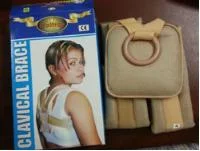
What are Posture Correction Braces?
Posture correction braces are support devices designed to align and stabilize the spine, shoulders, and neck. They work by encouraging proper posture through gentle pressure and support. These braces are typically made from elastic materials and are adjustable to fit various body types. Their design can range from simple shoulder straps to more complex back braces that cover a larger area.
The primary uses of posture correction braces include alleviating pain and discomfort associated with poor posture, preventing repetitive strain injuries, and aiding in rehabilitation following surgeries or injuries. Businesses in healthcare, occupational therapy, and ergonomics utilize these braces to improve employee wellness and productivity. Additionally, they are often recommended by healthcare professionals for patients with musculoskeletal issues.
In the current market, the demand for posture correction braces is growing due to increased awareness of the health impacts of poor posture, particularly in sedentary work environments. This trend is evident across various industries, including healthcare, corporate sectors, and manufacturing, where employees spend extended periods sitting or performing repetitive tasks.
Key Features and Specifications
Posture correction braces come with a variety of features and specifications tailored to meet different user needs. Understanding these specifications is crucial for B2B buyers to make informed decisions.
Key specifications include:
1. Material Composition
- Typically made from breathable elastic fabrics
- Provides comfort and flexibility for the user
2. Adjustability
- Features adjustable straps to accommodate various body sizes
- Enhances user comfort and effectiveness
3. Support Levels
- Available in varying levels of support: light, moderate, and firm
- Allows users to select according to their specific needs
4. Design Style
- Options range from discreet under-clothing designs to more robust external braces
- Ensures versatility for different situations and user preferences
5. Size Variations
- Offered in multiple sizes to fit a wide range of body types
- Includes measurements for optimal fit
6. Durability
- Constructed to withstand regular wear and tear
- Ensures long-lasting use for consumers
7. Ease of Use
- Designed for simple application and removal
- Suitable for all-day wear
8. Compliance with Safety Standards
- Meets relevant safety and quality standards
- Ensures reliability and user trust
In summary, the features and specifications of posture correction braces vary widely, allowing users to select options that best suit their needs and preferences.
Common Applications and Use Cases
Posture correction braces find application across a range of industries, offering solutions for various posture-related problems.
1. Healthcare: In physical therapy settings, braces are used to support patients recovering from injuries or surgeries, helping them regain proper posture and mobility.
2. Corporate Offices: Many companies provide braces for employees working long hours at desks to prevent musculoskeletal disorders and enhance productivity.
3. Manufacturing: Workers in manufacturing environments often wear braces to support their back and shoulders during repetitive tasks, reducing the risk of strain.
4. Education: Schools may use posture correction braces to help students develop healthy posture habits during their formative years.
5. Sports: Athletes use specialized braces to maintain proper alignment during training and competition, which can aid in performance and recovery.
6. Ergonomics: Companies specializing in ergonomic products may include posture correction braces as part of their offerings to improve workplace wellness.
7. Rehabilitation: Clinics focused on rehabilitation frequently recommend these braces as part of a comprehensive treatment plan for patients with postural imbalances.
Product Variants and Subcategories
Posture correction braces are available in various variants to cater to diverse user needs and preferences.
Shoulder Braces: These are designed to support the shoulders and upper back, helping to correct slouching and hunching. They are lightweight and easily adjustable, making them suitable for daily wear.
Back Braces: These braces provide comprehensive support to the lower back and spine. They are often used by individuals with chronic back pain or those recovering from surgery. The design typically includes adjustable straps for a customized fit.
Neck Braces: Targeted at users experiencing neck pain or stiffness, these braces help maintain proper neck alignment. They are particularly beneficial for individuals who spend long hours in front of screens.
Posture Corrective Shirts: These specially designed garments incorporate built-in support to promote better posture while being worn. They are ideal for users looking for a discreet option.
Benefits and Advantages
Posture correction braces offer a range of benefits that can significantly improve the quality of life for users.
1. Pain Relief: Many users experience reduced pain in the back, neck, and shoulders when using posture correction braces, leading to improved comfort throughout the day.
2. Improved Posture: Regular use of these braces encourages the body to maintain a healthier posture, which can have long-term health benefits.
3. Enhanced Performance: By promoting better posture, these braces can enhance physical performance, particularly in sports and physically demanding jobs.
4. Prevention of Injuries: Wearing posture correction braces can help prevent injuries related to poor posture, particularly in high-risk occupations.
5. Increased Confidence: Users often report feeling more confident in their appearance and posture, contributing to better overall well-being.
6. Support for Rehabilitation: Posture correction braces can be an integral part of rehabilitation programs, aiding recovery from injuries and surgeries.
Buying Guide for B2B Buyers
When sourcing posture correction braces, B2B buyers should consider several key factors to ensure they make informed purchasing decisions.
1. Quality Assessment: Evaluate the quality of materials and construction. Look for products that are durable and made from breathable fabrics to ensure comfort.
2. Supplier Verification: It is essential to vet suppliers for reliability and reputation. Check reviews and request references to ensure you are partnering with a trustworthy provider.
3. Pricing and MOQ: Understand the pricing structure and minimum order quantities. This will help in budgeting and ensuring that the investment aligns with your business needs.
4. Delivery and Lead Times: Inquire about delivery schedules and lead times to ensure that products arrive when needed. Timely delivery is crucial for maintaining inventory levels.
5. Compliance Requirements: Ensure that the products meet relevant safety and quality standards. This includes checking for necessary certifications and compliance with industry regulations.
Compliance and Certifications
Posture correction braces must adhere to several industry standards and regulations to ensure their safety and efficacy.
Quality standards such as ISO 9001 focus on ensuring consistent quality management and operational excellence. This standard is crucial for manufacturers aiming to deliver reliable products.
Certifications like CE are essential in the European market, indicating that a product meets health, safety, and environmental protection standards. This certification helps build trust with consumers and businesses alike.
Safety and testing requirements are also vital, ensuring that the braces do not cause harm to users and are effective in providing the intended support. Regular testing for durability and performance is recommended.
In addition, regional compliance considerations may vary based on local regulations. Buyers should be aware of these differences to ensure full compliance in their respective markets.
Why Source Posture Correction Braces from Pepagora?
Pepagora offers a trusted platform for sourcing posture correction braces, providing several key advantages for B2B buyers.
Verified Supplier Network: Pepagora connects buyers with a verified network of suppliers who have been thoroughly vetted for reliability and product quality. This eliminates the risk of sourcing from untrustworthy vendors.
Streamlined RFQ Process: The Request for Quotation (RFQ) process is designed to be user-friendly, allowing buyers to easily obtain quotes from multiple suppliers. This saves time and ensures competitive pricing.
Trade Assurance and Support: Pepagora offers trade assurance to protect buyers from risks associated with online trading. This includes support from a dedicated team to assist with any inquiries or issues that may arise.
Regional Coverage: With a strong presence in India, the GCC, and Southeast Asia, Pepagora provides extensive geographic reach, making it easier for businesses to source posture correction braces from various regions. This regional focus helps meet local market demands effectively.

 IN
IN