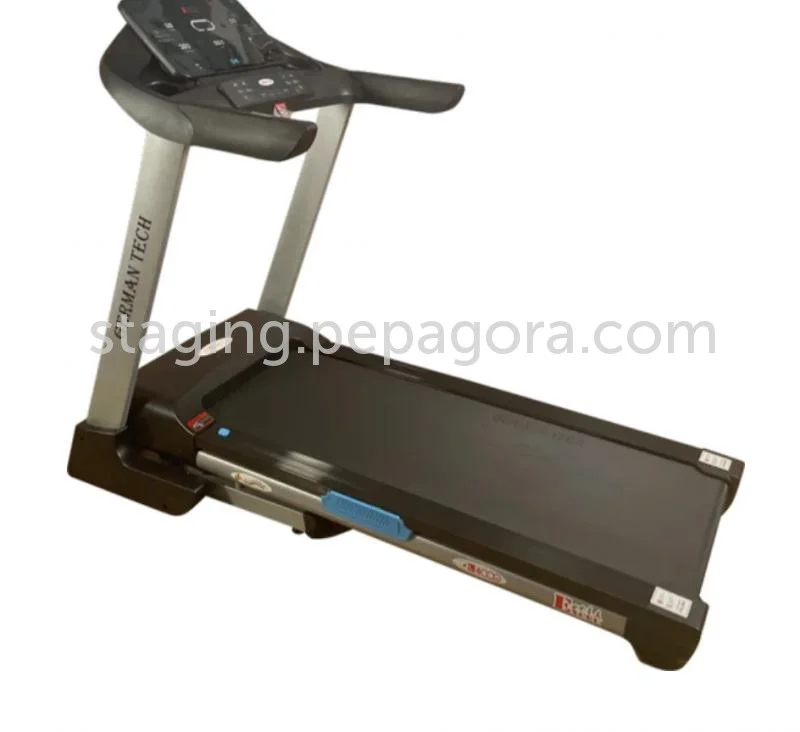
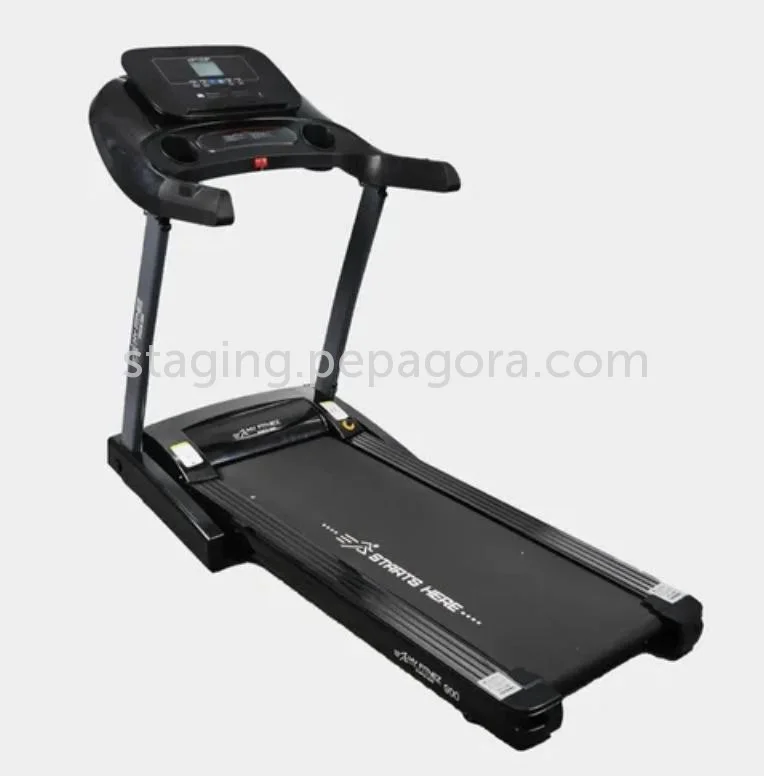
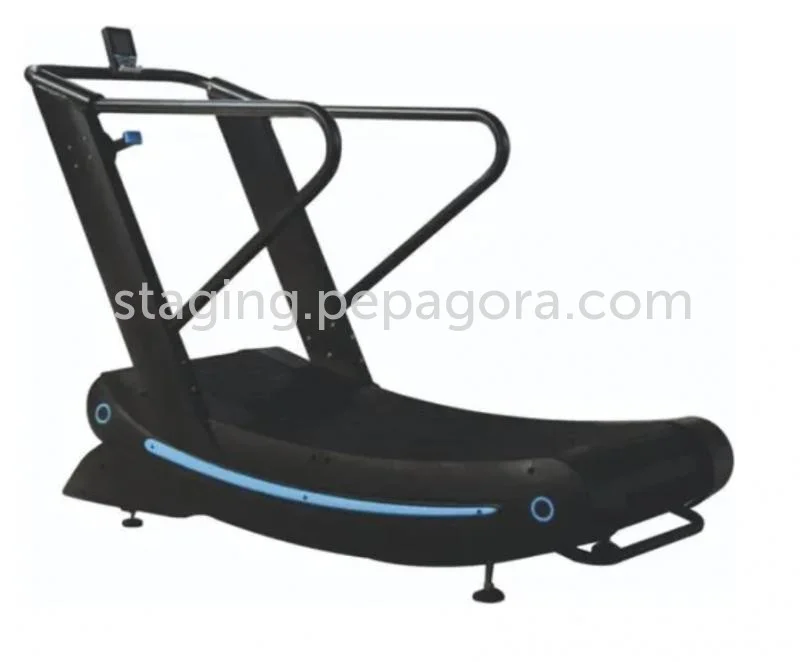
What are Treadmills (Manual & Motorized)?
Treadmills are exercise machines that allow users to walk, jog, or run while remaining in one place. They come in two primary types: manual and motorized. Manual treadmills rely on the user's effort to move the belt, while motorized treadmills use an electric motor to power the belt's movement. This distinction affects their usability, maintenance, and overall functionality.
These machines are widely used in fitness centers, rehabilitation facilities, and corporate wellness programs. They enable users to engage in cardiovascular exercise, improving cardiovascular health and overall fitness levels. Treadmills are also essential in physical therapy for rehabilitation purposes, allowing patients to regain mobility in a controlled environment. As fitness trends continue to rise globally, the demand for both manual and motorized treadmills has increased significantly, reflecting their importance in the health and wellness industry.
๐๐ฒ๐ ๐๐ฒ๐ฎ๐๐๐ฟ๐ฒ๐ ๐ฎ๐ป๐ฑ ๐ฆ๐ฝ๐ฒ๐ฐ๐ถ๐ณ๐ถ๐ฐ๐ฎ๐๐ถ๐ผ๐ป๐
When evaluating treadmills, it is crucial to consider their features and specifications. This ensures the right fit for specific applications and user needs.
Key specifications include:
1. Maximum User Weight Capacity
- Indicates the maximum weight a treadmill can support.
- Typically ranges from 250 to 400 pounds.
2. Speed Range
- Defines the range of speeds available for walking or running.
- Commonly varies from 0.5 to 12 miles per hour.
3. Incline Levels
- Refers to the adjustable incline settings for varied workouts.
- Most treadmills offer incline settings from 0% to 15%.
4. Running Surface Dimensions
- Represents the size of the area where users run.
- Typical dimensions range from 48 to 60 inches in length and 16 to 22 inches in width.
5. Motor Power
- Indicates the power of the motor in motorized treadmills.
- Usually measured in horsepower (HP), ranging from 1.5 to 3.5 HP.
6. Console Features
- Includes features like heart rate monitors, workout programs, and display screens.
- Advanced models may offer Bluetooth connectivity and app integration.
7. Folding Capability
- Describes whether the treadmill can be folded for storage.
- Many models provide a folding design for space-saving.
8. Safety Features
- Encompasses emergency stop buttons and safety keys.
- Essential for preventing accidents during use.
In summary, understanding these specifications helps buyers select the right treadmill that meets their specific requirements.
๐๐ผ๐บ๐บ๐ผ๐ป ๐๐ฝ๐ฝ๐น๐ถ๐ฐ๐ฎ๐๐ถ๐ผ๐ป๐ ๐ฎ๐ป๐ฑ ๐จ๐๐ฒ ๐๐ฎ๐๐ฒ๐
Treadmills serve various industries, catering to specific applications and user needs.
1. Fitness Centers: Treadmills are foundational equipment in gyms, allowing members to engage in cardio workouts.
2. Rehabilitation Facilities: Used to aid patients recovering from surgery or injury, providing a controlled environment for regaining strength.
3. Corporate Wellness Programs: Companies incorporate treadmills to promote employee health and well-being through accessible fitness options.
4. Hotels and Resorts: Many hospitality businesses offer treadmills in fitness centers to enhance guest experiences.
5. Schools and Universities: Educational institutions use treadmills for physical education programs and fitness training.
6. Home Fitness: Increasingly popular in home gyms, allowing individuals to exercise conveniently.
7. Sports Teams: Professional athletes utilize treadmills for training, enhancing endurance and performance.
๐ฃ๐ฟ๐ผ๐ฑ๐๐ฐ๐ ๐ฉ๐ฎ๐ฟ๐ถ๐ฎ๐ป๐๐ ๐ฎ๐ป๐ฑ ๐ฆ๐๐ฏ๐ฐ๐ฎ๐๐ฒ๐ด๐ผ๐ฟ๐ถ๐ฒ๐
Treadmills are available in various forms to cater to different needs and preferences.
Manual Treadmills
These treadmills require users to generate their power. They are typically more affordable and require less maintenance. Ideal for users looking for a basic unit without electrical dependencies.
Motorized Treadmills
Equipped with electric motors, these treadmills provide adjustable speed and incline settings. They are suited for a wider range of fitness levels and workout intensities, making them a popular choice for fitness centers.
๐๐ฒ๐ป๐ฒ๐ณ๐ถ๐๐ ๐ฎ๐ป๐ฑ ๐๐ฑ๐๐ฎ๐ป๐๐ฎ๐ด๐ฒ๐
Investing in treadmills offers several advantages for users and businesses alike.
1. Versatile Workouts: Treadmills support various exercises, from walking to sprinting, accommodating different fitness levels.
2. Space Efficiency: Many treadmills, especially folding models, are designed to save space, making them ideal for small facilities or home use.
3. Year-Round Accessibility: Treadmills allow users to maintain their fitness regimen regardless of weather conditions, ensuring consistent exercise.
4. Health Monitoring: Many treadmills come equipped with heart rate monitors and performance tracking, aiding in personal fitness assessments.
5. Low Impact: Treadmills provide a low-impact workout option, reducing stress on joints compared to outdoor running.
6. Customizable Workouts: Users can tailor their workouts with adjustable speed and incline settings, enhancing exercise effectiveness.
๐๐๐๐ถ๐ป๐ด ๐๐๐ถ๐ฑ๐ฒ ๐ณ๐ผ๐ฟ ๐๐ฎ๐ ๐๐๐๐ฒ๐ฟ๐
When sourcing treadmills, it is vital to consider several factors to ensure a successful purchase.
1. Quality Assessment: Evaluate the build quality and durability of the treadmill. Look for reputable brands with proven track records in the fitness industry.
2. Supplier Verification: Conduct thorough research on potential suppliers. Verify their credibility, customer reviews, and history in the market.
3. Pricing and MOQ: Assess pricing structures and minimum order quantities. Compare costs among suppliers to find the best value for your investment.
4. Delivery and Lead Times: Understand the logistics involved in delivery. Inquire about lead times to ensure timely availability for your business.
5. Compliance Requirements: Familiarize yourself with regional regulatory standards and certifications, such as CE, to ensure the treadmills meet safety and quality requirements.
๐๐ผ๐บ๐ฝ๐น๐ถ๐ฎ๐ป๐ฐ๐ฒ ๐ฎ๐ป๐ฑ ๐๐ฒ๐ฟ๐๐ถ๐ณ๐ถ๐ฐ๐ฎ๐๐ถ๐ผ๐ป๐
Compliance with industry standards is essential for ensuring quality and safety in treadmills.
Many manufacturers adhere to quality standards such as ISO 9001, which focuses on quality management systems. This certification ensures that products meet customer expectations consistently.
Treadmills may also comply with safety certifications like CE, indicating they meet European health, safety, and environmental protection standards.
Additionally, manufacturers often conduct safety testing to meet compliance requirements, ensuring that treadmills are safe for public use.
Buyers should be aware of regional compliance considerations, as different countries may have specific regulations governing fitness equipment.
Why Source Treadmills (Manual & Motorized) from Pepagora?
Pepagora provides a trusted platform for sourcing treadmills, offering multiple advantages to B2B buyers.
Verified Supplier Network: Pepagora connects buyers with suppliers who have undergone rigorous verification processes. This builds trust and ensures quality.
Streamlined RFQ Process: The platform simplifies the request for quotation process, allowing buyers to receive competitive pricing and options quickly.
Trade Assurance and Support: Pepagora offers buyer protection through its trade assurance program, ensuring secure transactions and support throughout the purchasing process.
Regional Coverage: With a broad reach across India, the GCC, and Southeast Asia, Pepagora facilitates access to a diverse range of suppliers and product options.