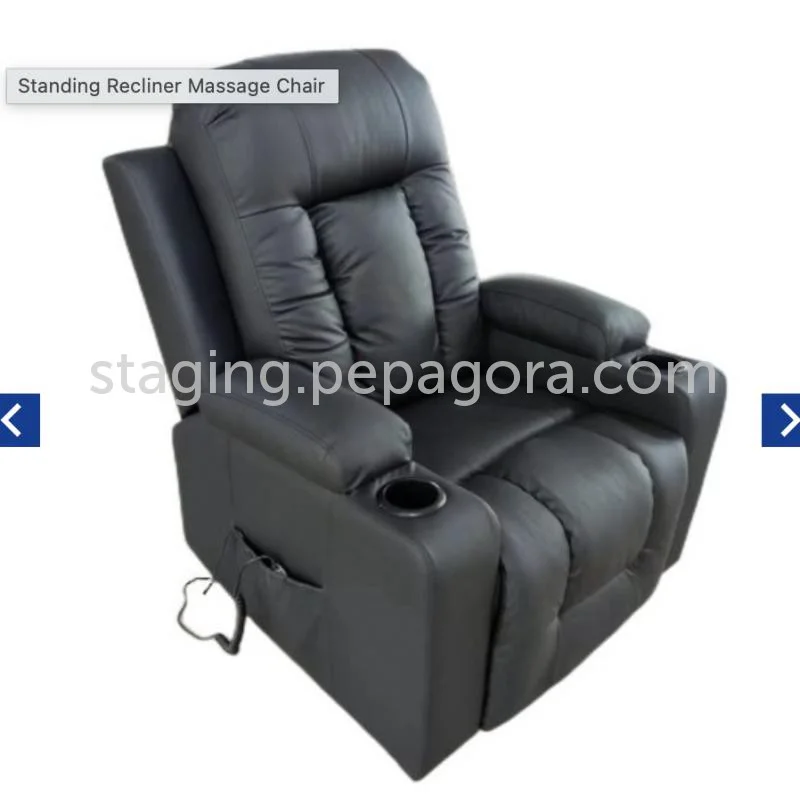
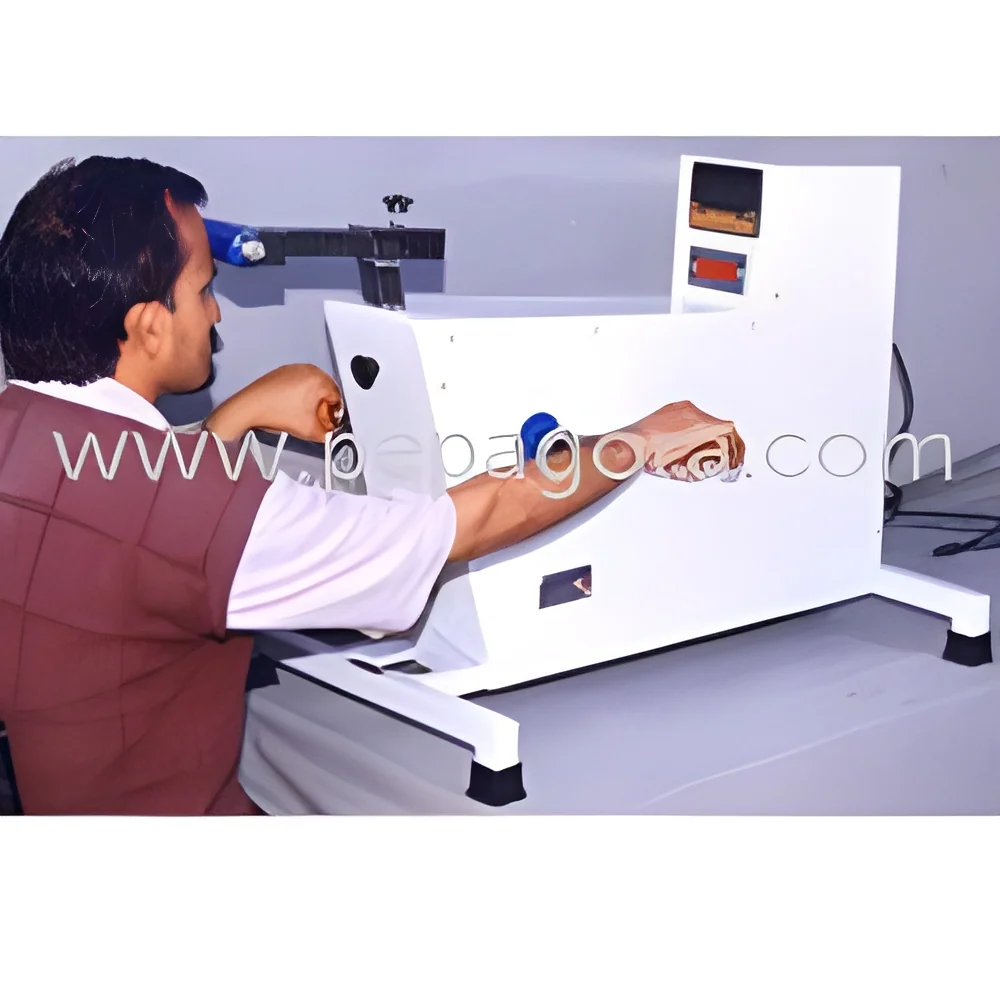
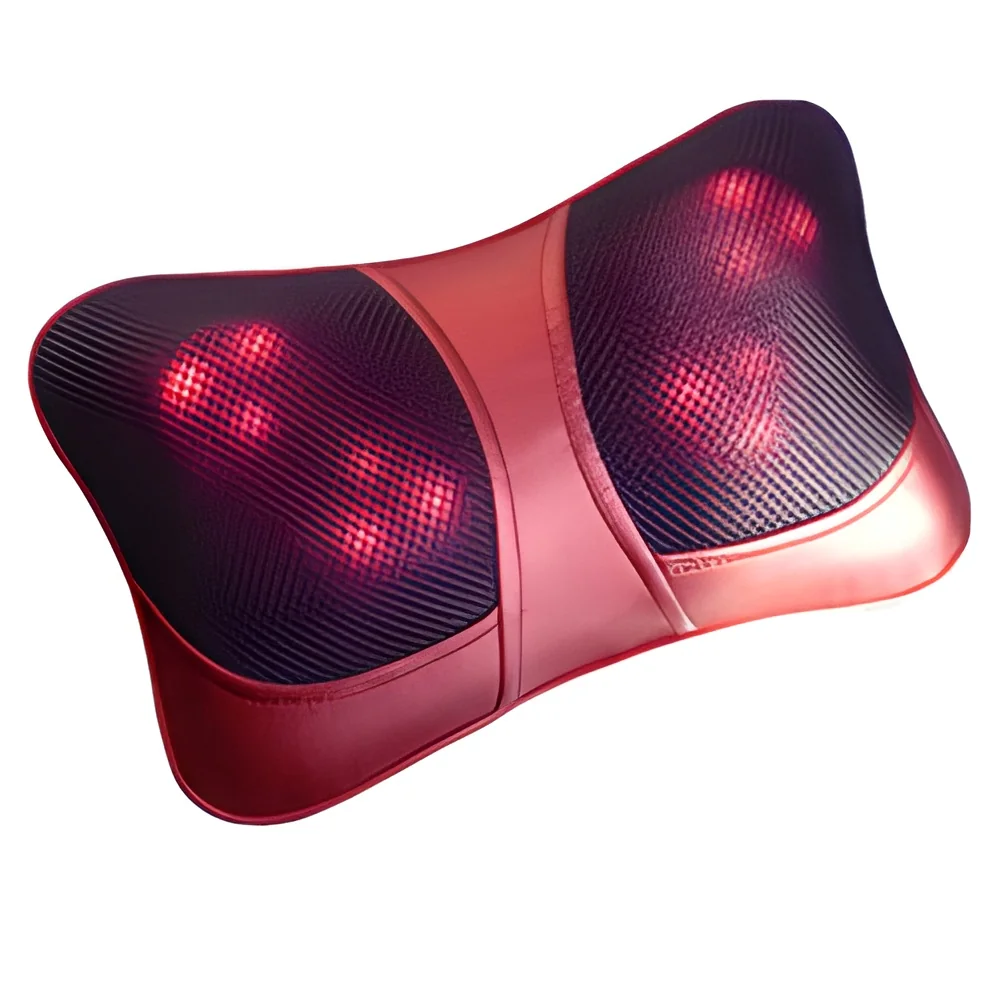
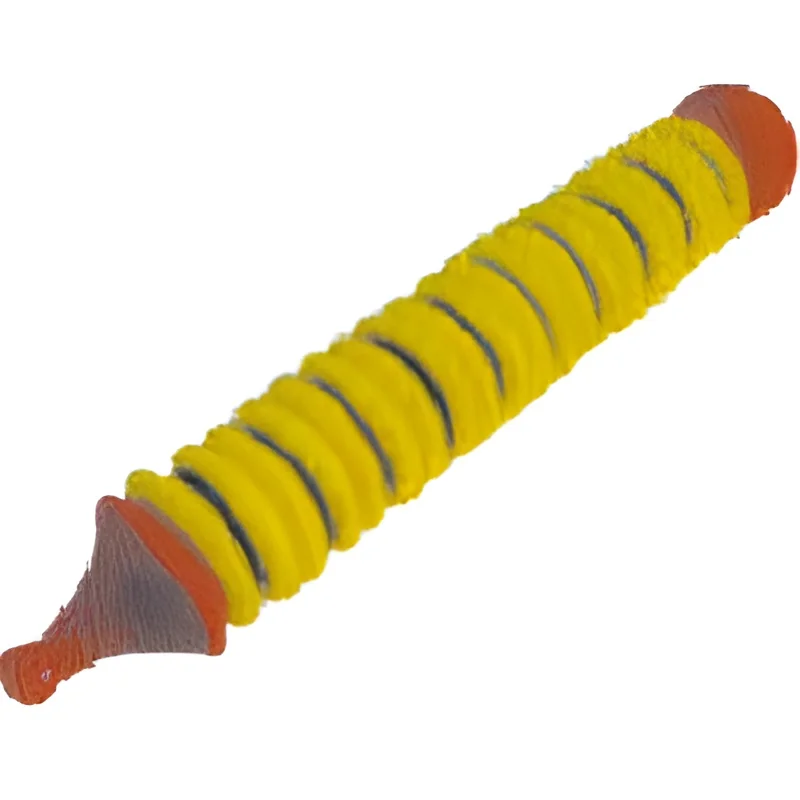
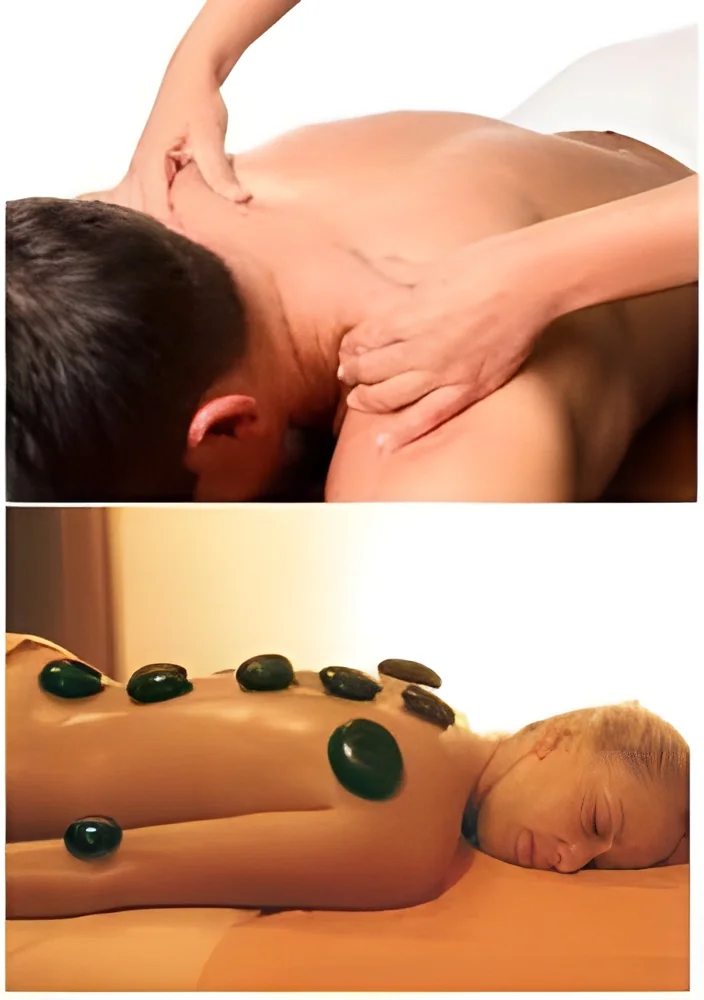
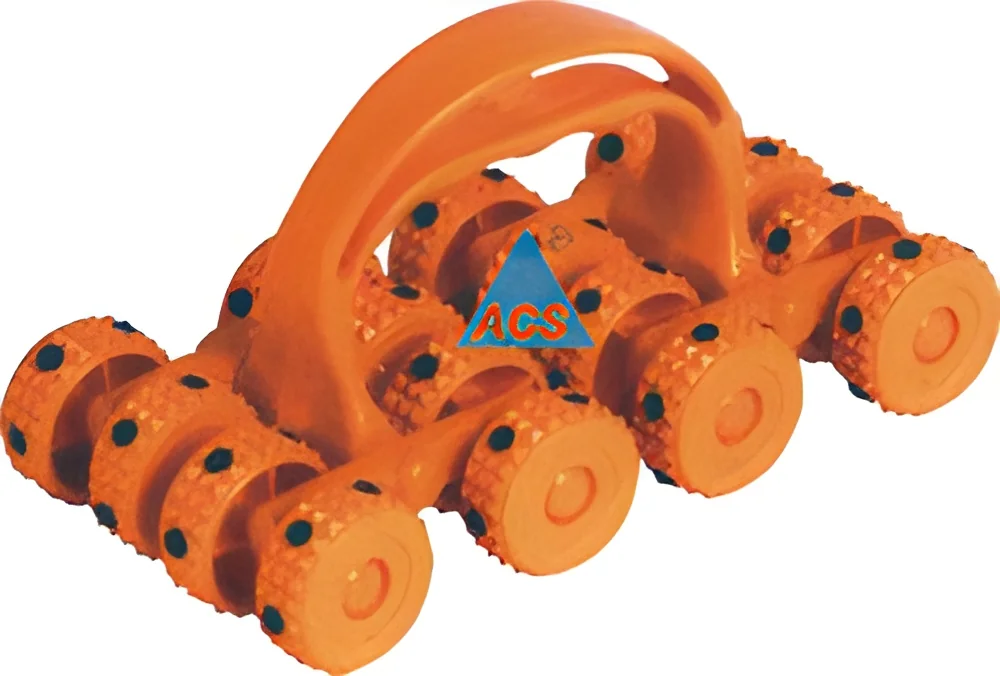
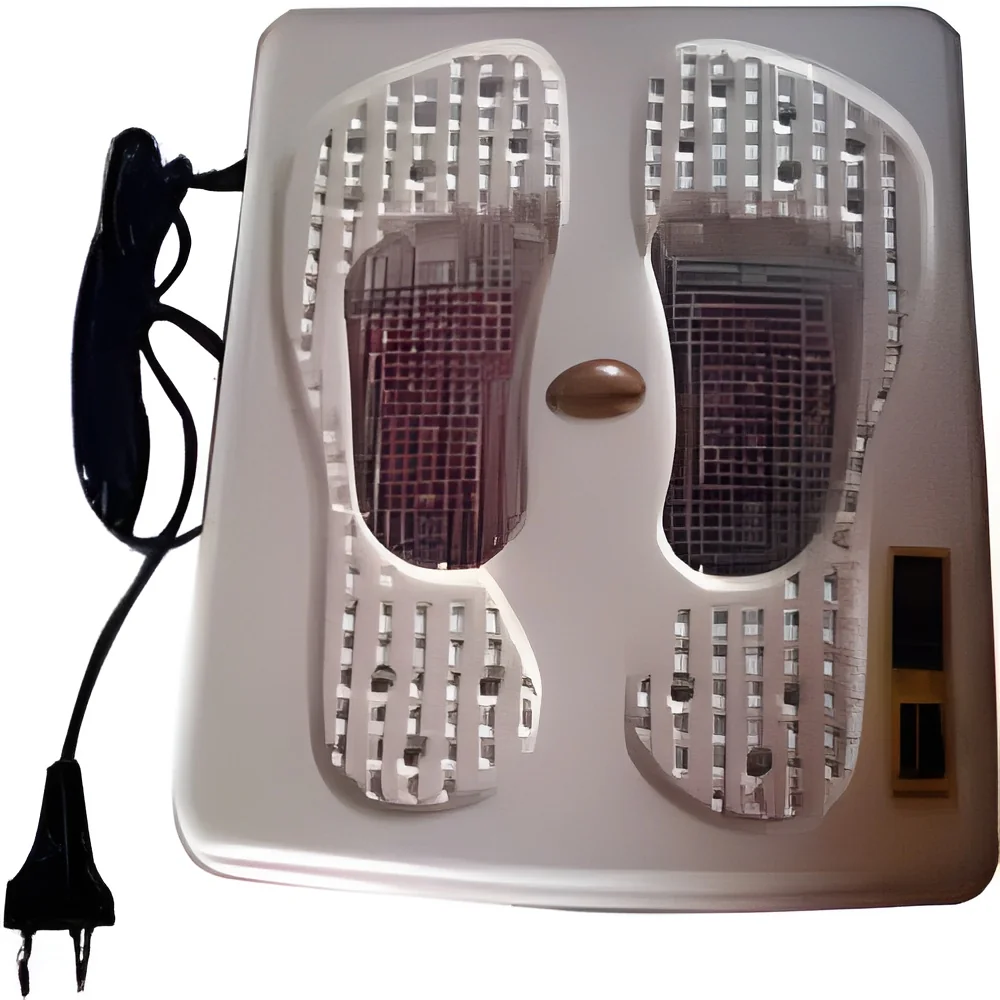
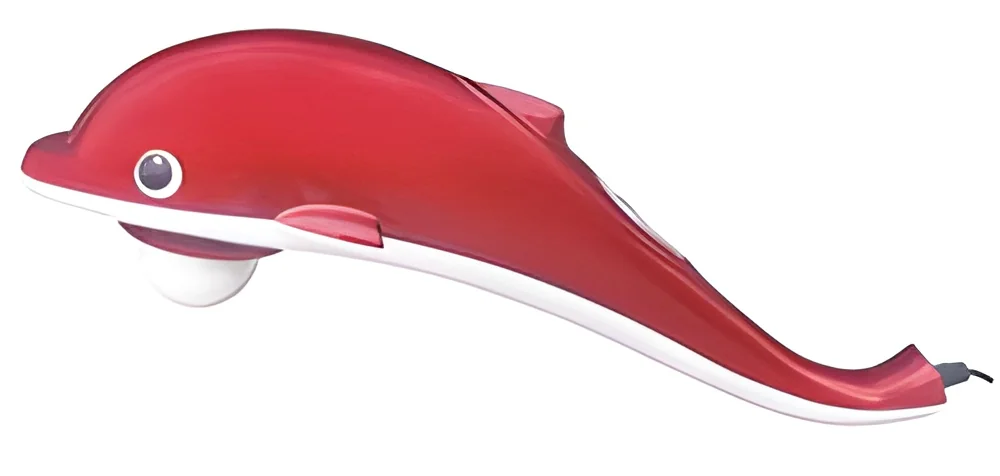
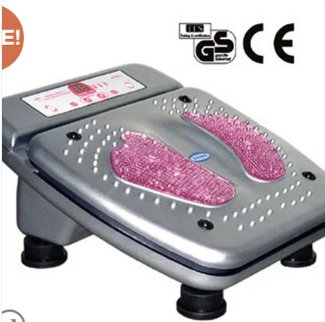
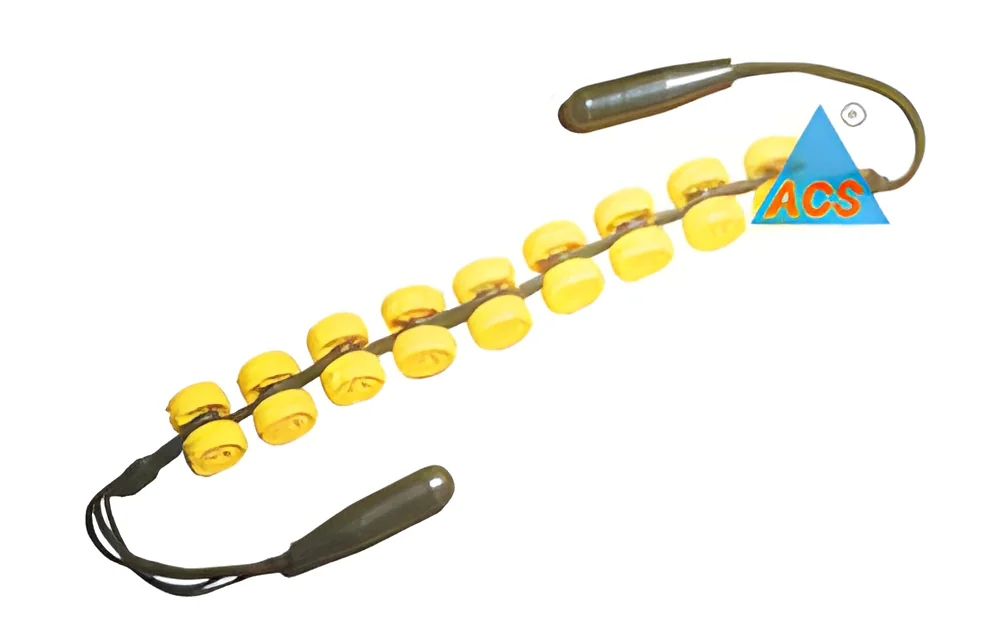
𝗪𝗵𝗮𝘁 𝗮𝗿𝗲 𝗙𝗶𝘁𝗻𝗲𝘀𝘀 & 𝗪𝗲𝗹𝗹𝗻𝗲𝘀𝘀 𝗘𝗾𝘂𝗶𝗽𝗺𝗲𝗻𝘁?
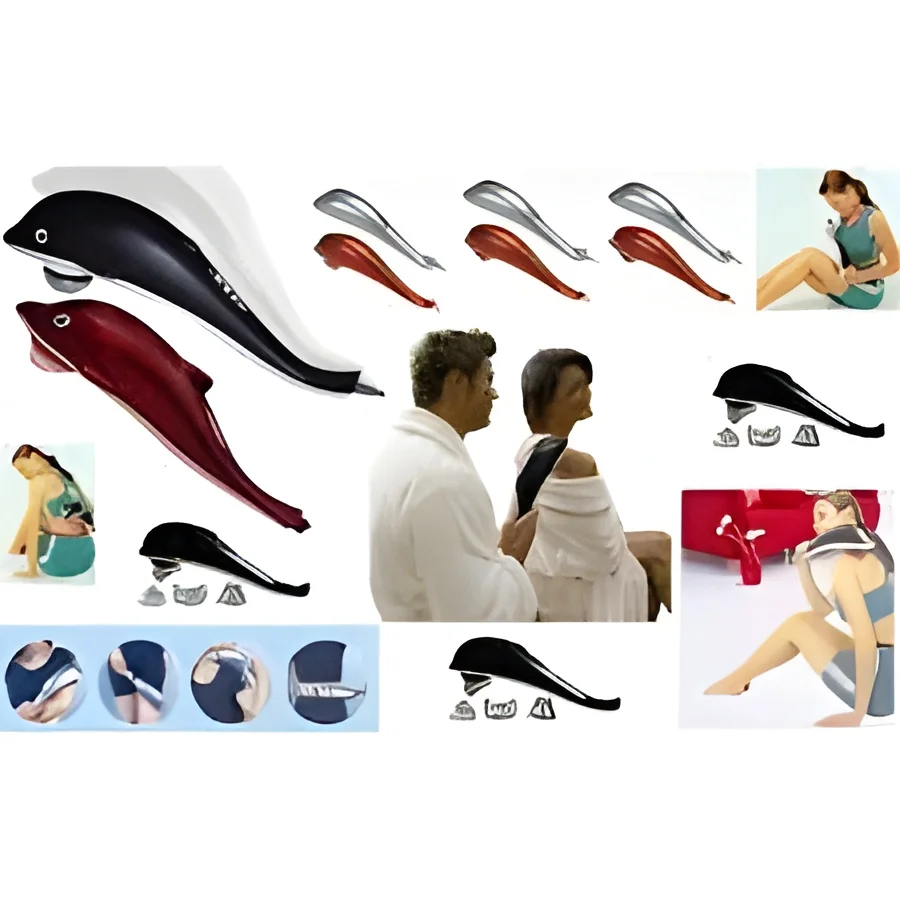
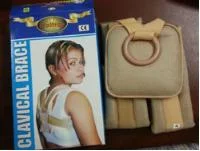
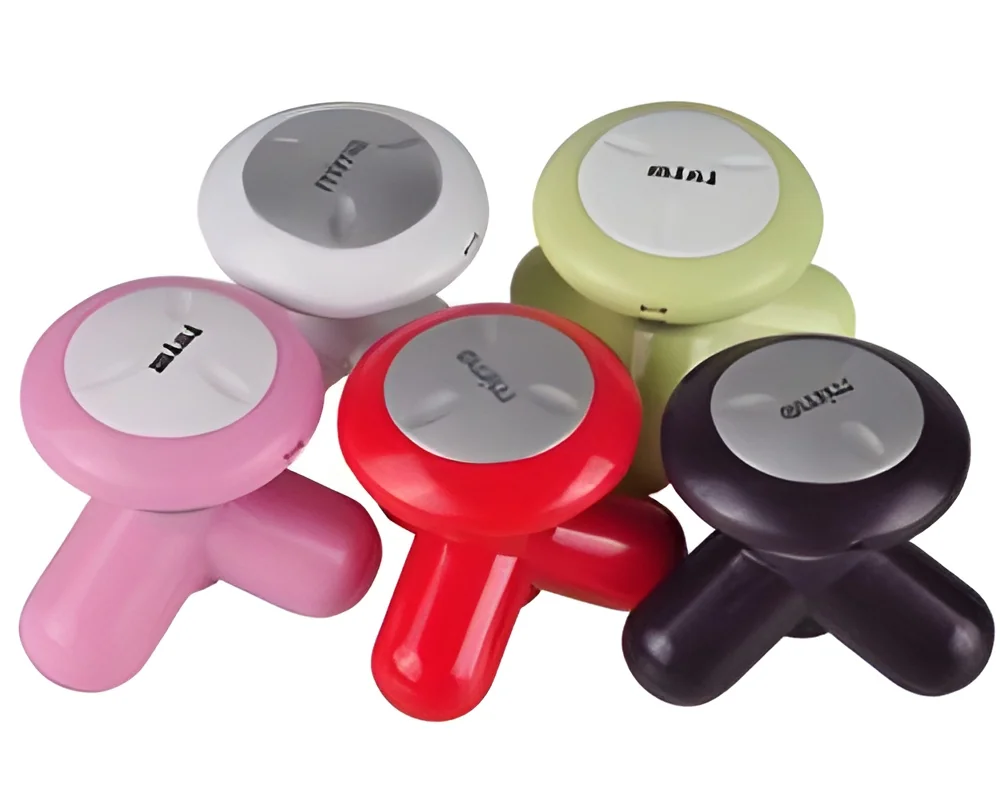
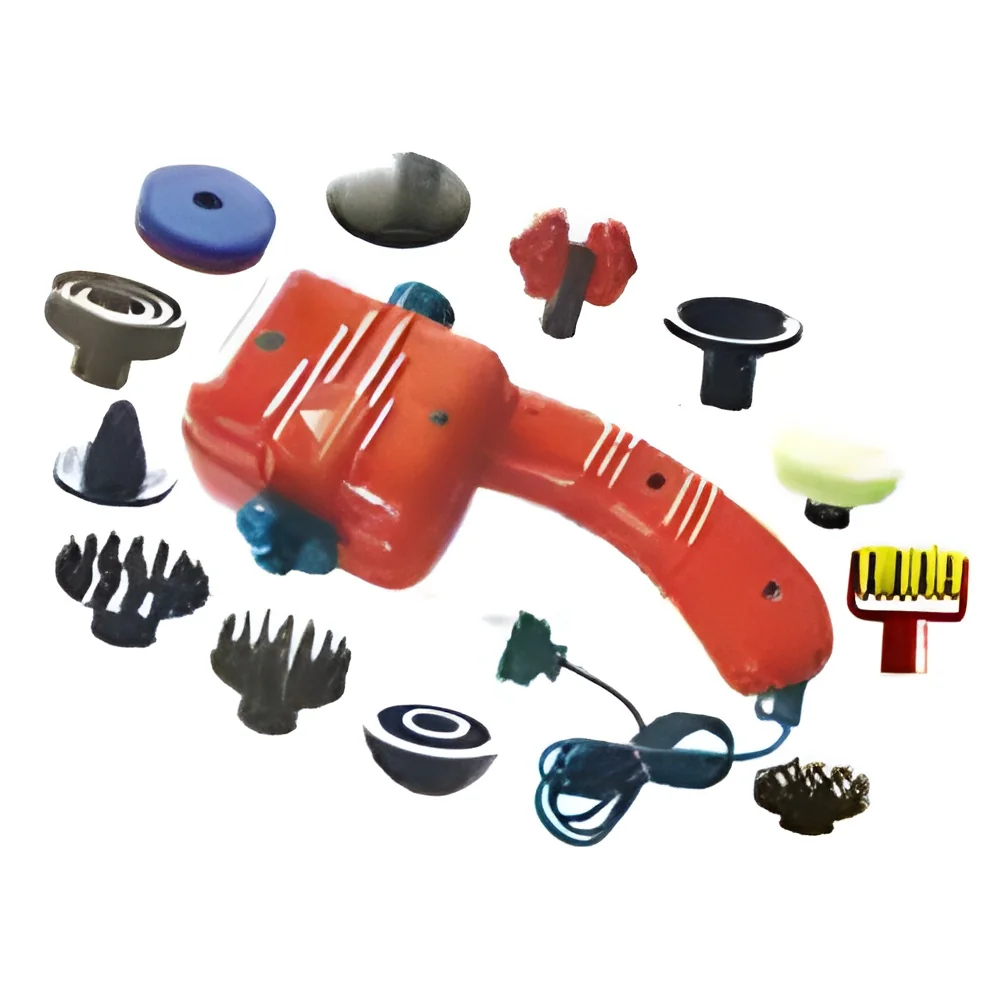
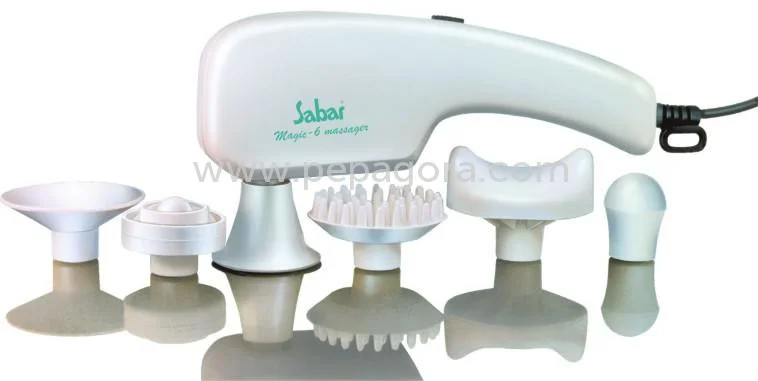
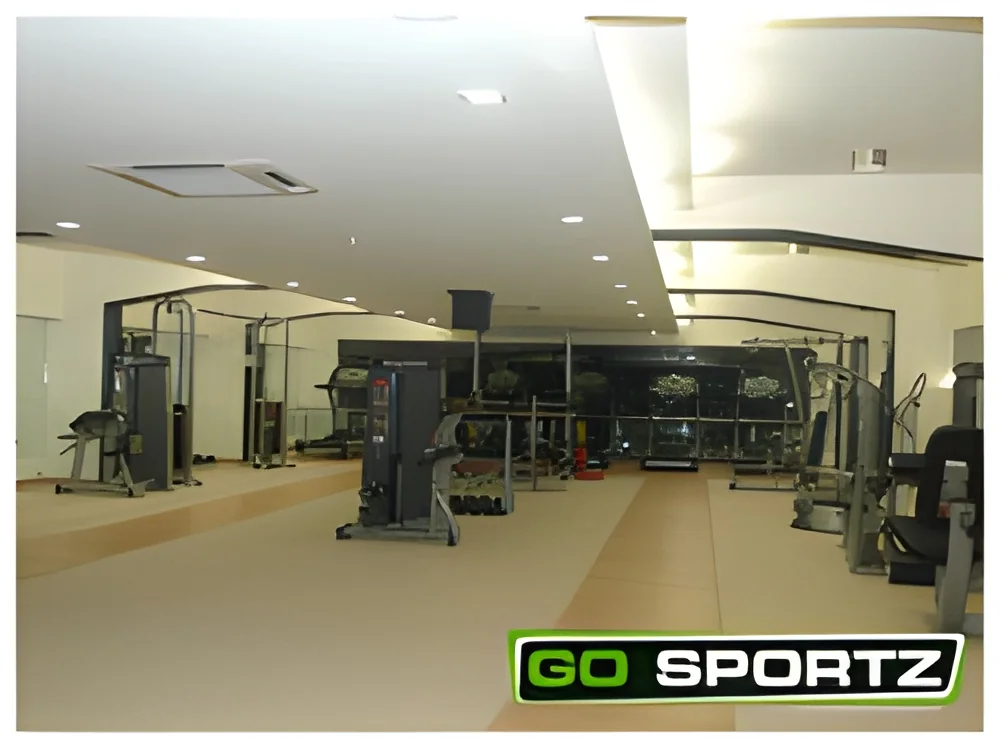
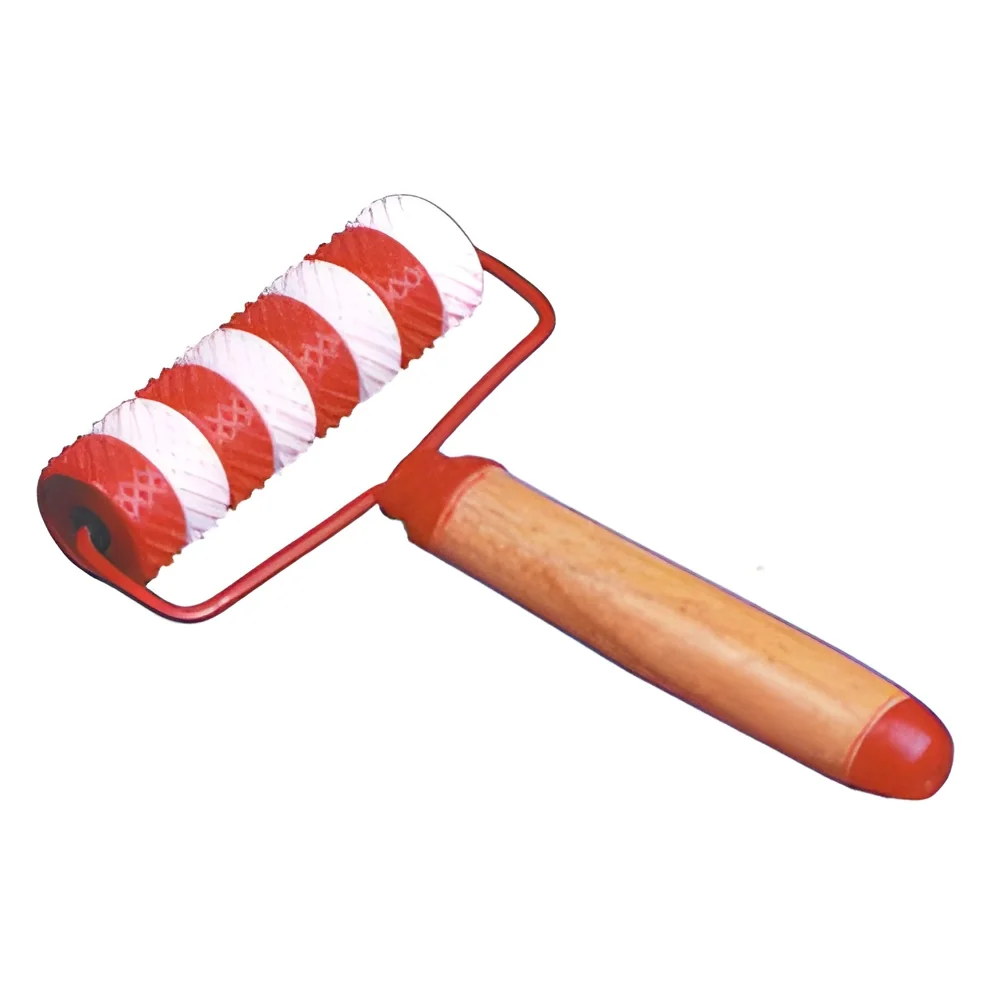
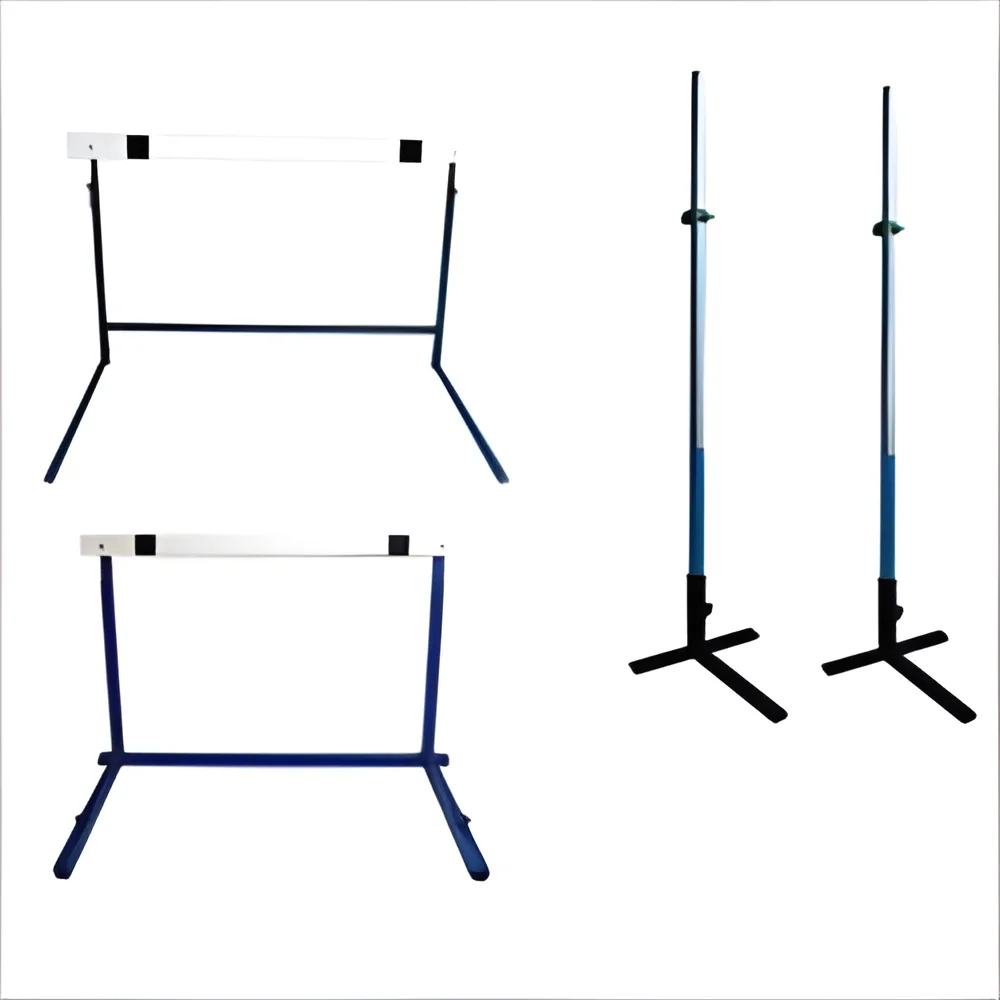
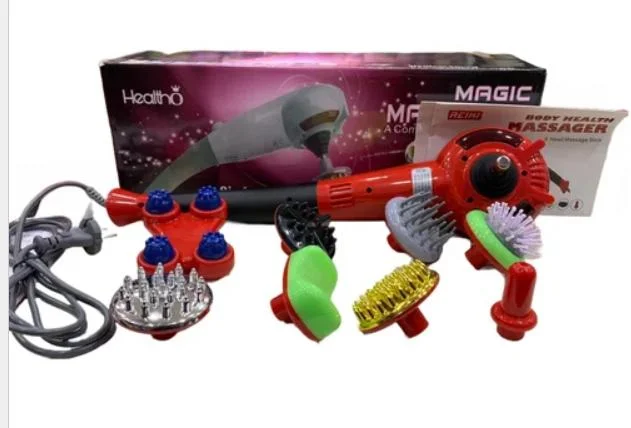
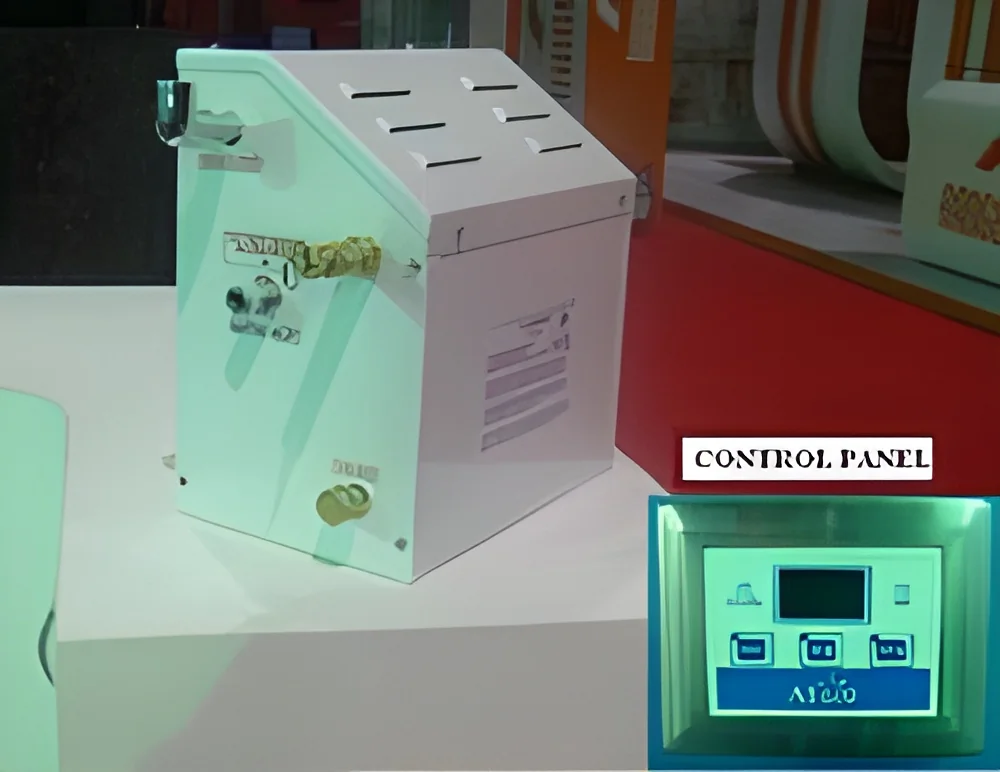
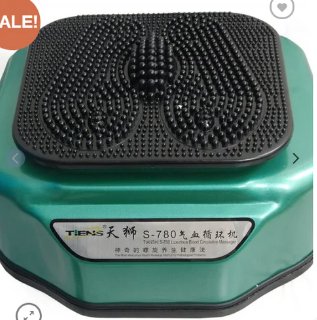
Fitness and wellness equipment refers to a wide range of tools and machines designed to enhance physical health, improve fitness levels, and promote overall well-being. These products include cardiovascular machines, strength training equipment, flexibility tools, and wellness accessories. The primary goal of fitness and wellness equipment is to facilitate exercise routines, support rehabilitation processes, and encourage a healthier lifestyle.
Business applications for fitness and wellness equipment are prevalent in various sectors, including commercial gyms, corporate wellness programs, rehabilitation centers, and educational institutions. These products are used not only for personal fitness but also as part of structured programs aimed at improving employee health, enhancing athletic performance, and aiding recovery from injuries. The fitness and wellness industry continues to grow, driven by increasing awareness of health issues and the demand for effective workout solutions.
The market context for fitness and wellness equipment is robust, with innovations driving both consumer interest and technological advancements. Companies are continually developing new products that incorporate smart technology, offering enhanced monitoring and user engagement. This sector remains relevant as more businesses seek to invest in employee well-being and fitness initiatives.
𝗞𝗲𝘆 𝗙𝗲𝗮𝘁𝘂𝗿𝗲𝘀 𝗮𝗻𝗱 𝗦𝗽𝗲𝗰𝗶𝗳𝗶𝗰𝗮𝘁𝗶𝗼𝗻𝘀
Fitness and wellness equipment comes with a range of features and specifications designed to meet the diverse needs of users. Understanding these specifications is crucial for businesses looking to invest in the right equipment for their facilities.
Key specifications include:
1. Equipment Type
- Includes cardio machines, strength training tools, and flexibility aids
- Each type serves distinct fitness objectives
2. Size and Weight Capacity
- Varies by model; typically ranges from compact designs to larger commercial units
- Weight capacity can range from 250 lbs to over 1,000 lbs depending on the equipment
3. Material Quality
- Constructed from durable materials such as steel, aluminum, or high-grade plastics
- Important for longevity and safety during use
4. Safety Features
- Includes emergency stop buttons, safety locks, and non-slip surfaces
- Essential for user safety and confidence during workouts
5. Digital Integration
- Many modern units offer connectivity with apps or fitness trackers
- Allows for performance monitoring and user engagement
6. Warranty and Support
- Typically ranges from 1 year to 5 years based on the manufacturer
- Important for long-term investment protection
7. Customization Options
- Some equipment can be tailored to specific user needs or branding requirements
- Enhances usability and company image
In summary, understanding these specifications helps businesses make informed decisions when selecting fitness and wellness equipment that aligns with their goals and user needs.
𝗖𝗼𝗺𝗺𝗼𝗻 𝗔𝗽𝗽𝗹𝗶𝗰𝗮𝘁𝗶𝗼𝗻𝘀 𝗮𝗻𝗱 𝗨𝘀𝗲 𝗖𝗮𝘀𝗲𝘀
Fitness and wellness equipment serves a variety of industries, each with unique applications that enhance health and fitness.
1. Health Clubs: Fitness centers utilize a range of equipment to offer diverse workout options for members, catering to cardio, strength, and flexibility training.
2. Corporate Wellness Programs: Companies implement fitness equipment in on-site gyms or wellness initiatives to promote employee health and productivity.
3. Rehabilitation Centers: Specialized equipment aids in physical therapy and rehabilitation, helping patients recover from injuries and regain strength.
4. Educational Institutions: Schools and universities invest in fitness equipment to support athletic programs and promote healthy lifestyles among students.
5. Senior Living Facilities: Wellness equipment designed for older adults helps maintain mobility, strength, and overall health, contributing to improved quality of life.
6. Community Centers: Local organizations use fitness equipment to offer accessible health programs to the community, fostering engagement and wellness.
7. Sports Teams: Professional and amateur sports teams use specialized training equipment to enhance performance, strength, and conditioning.
𝗣𝗿𝗼𝗱𝘂𝗰𝘁 𝗩𝗮𝗿𝗶𝗮𝗻𝘁𝘀 𝗮𝗻𝗱 𝗦𝘂𝗯𝗰𝗮𝘁𝗲𝗴𝗼𝗿𝗶𝗲𝘀
Fitness and wellness equipment is diverse, with various variants designed to suit different applications and user preferences.
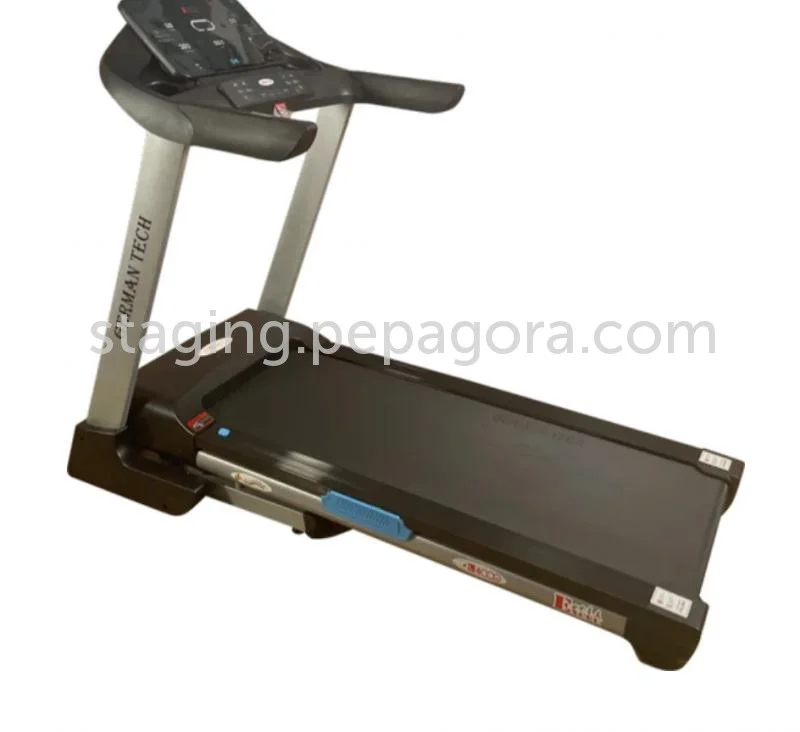
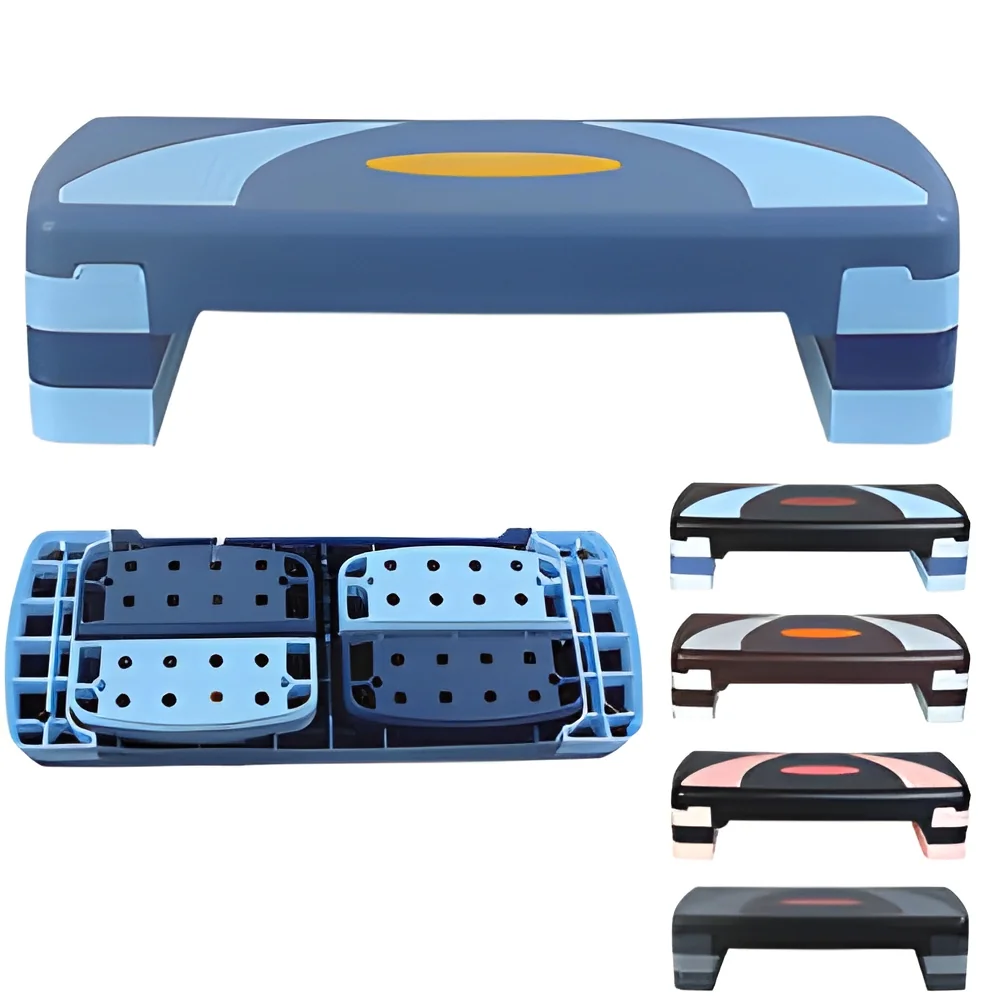
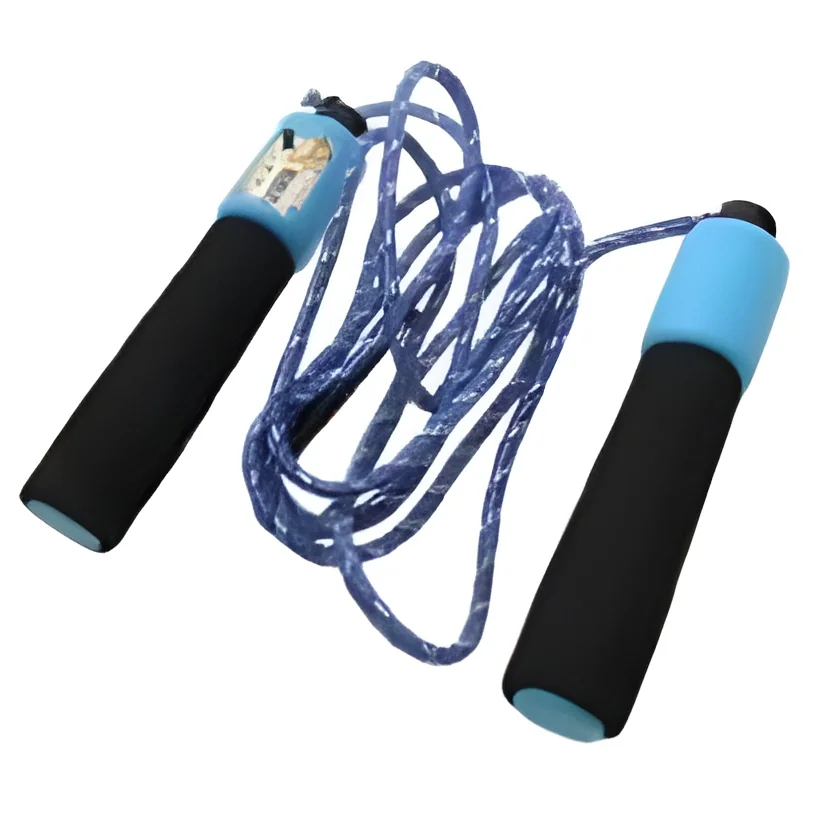
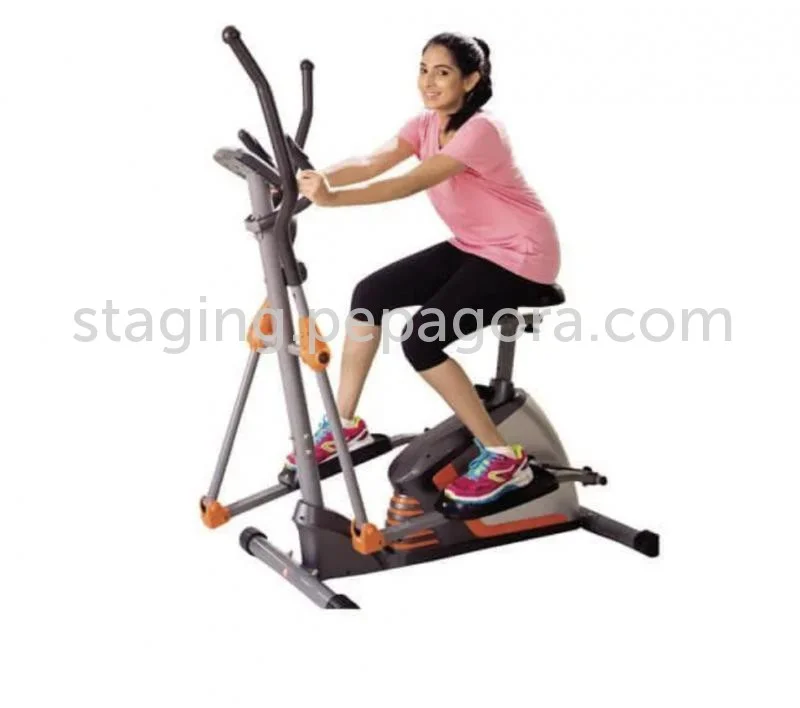
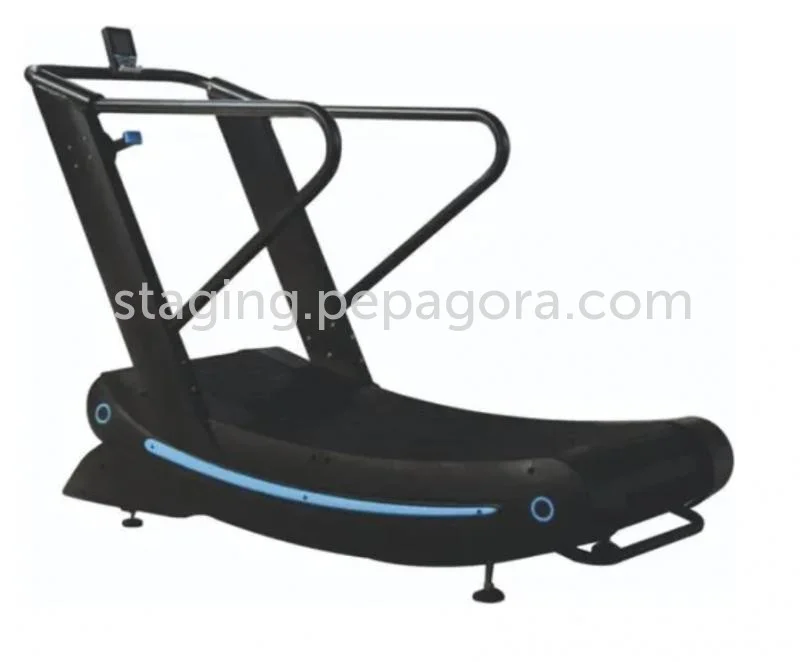
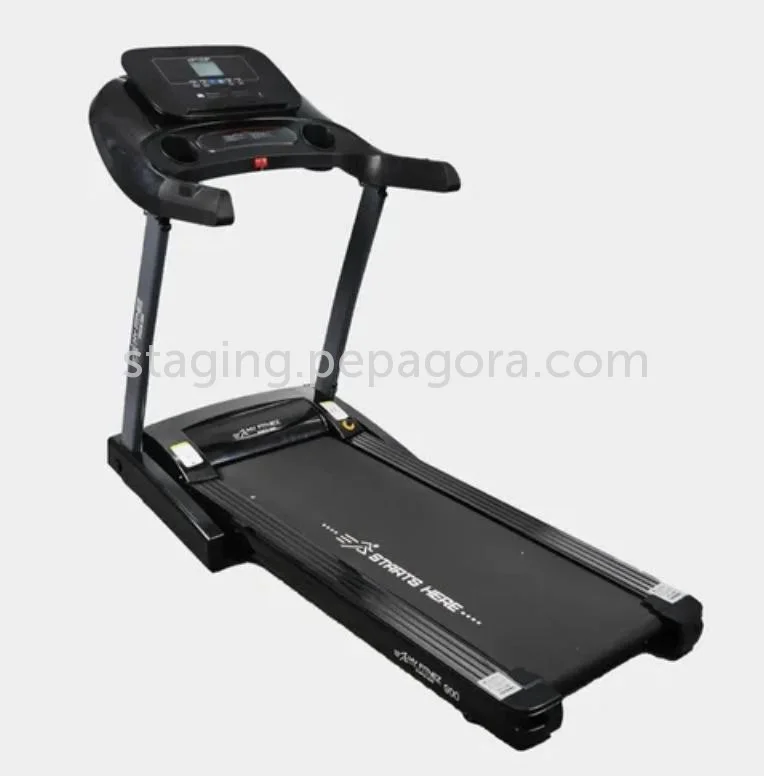
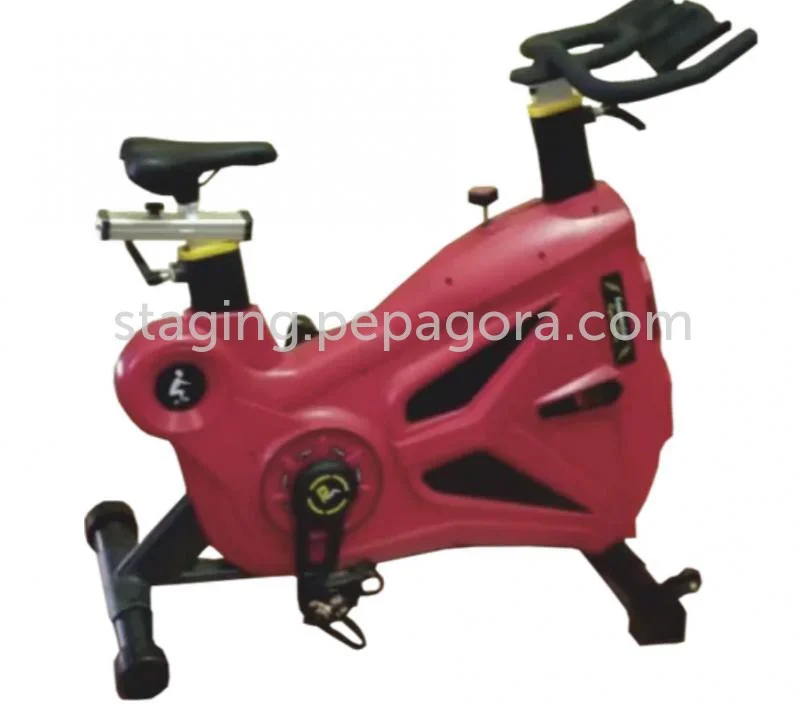
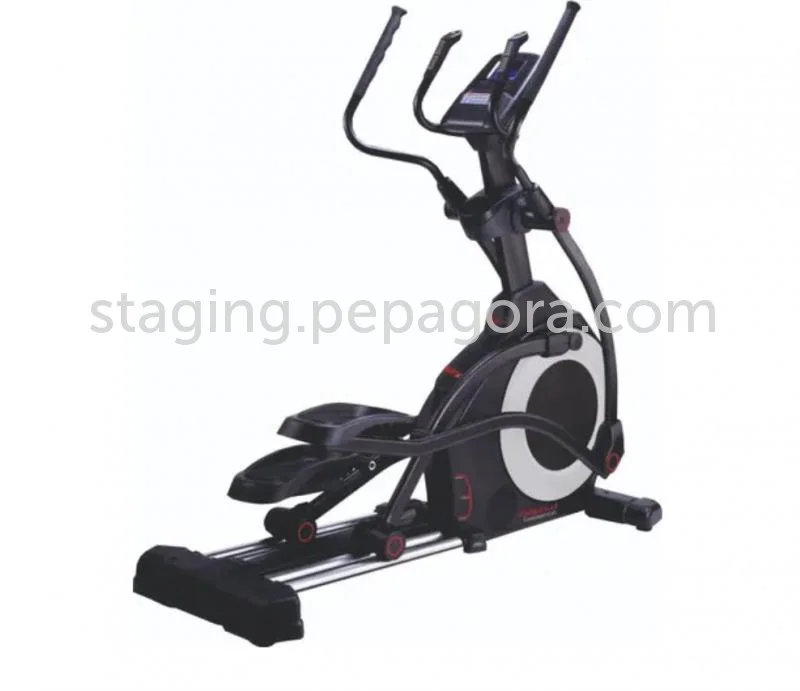
Cardiovascular Machines: These include treadmills, stationary bikes, and ellipticals. They are designed to improve cardiovascular health and endurance through aerobic exercise.
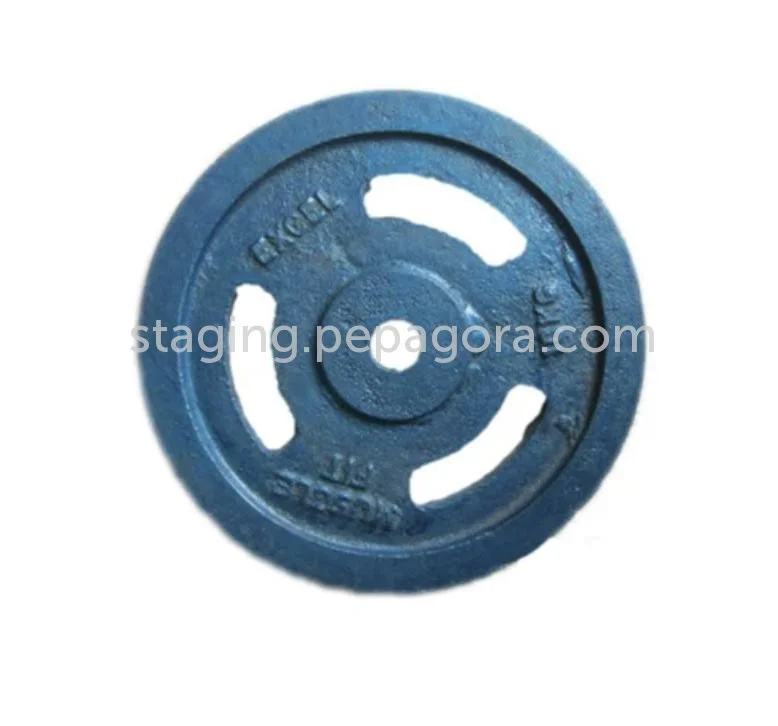
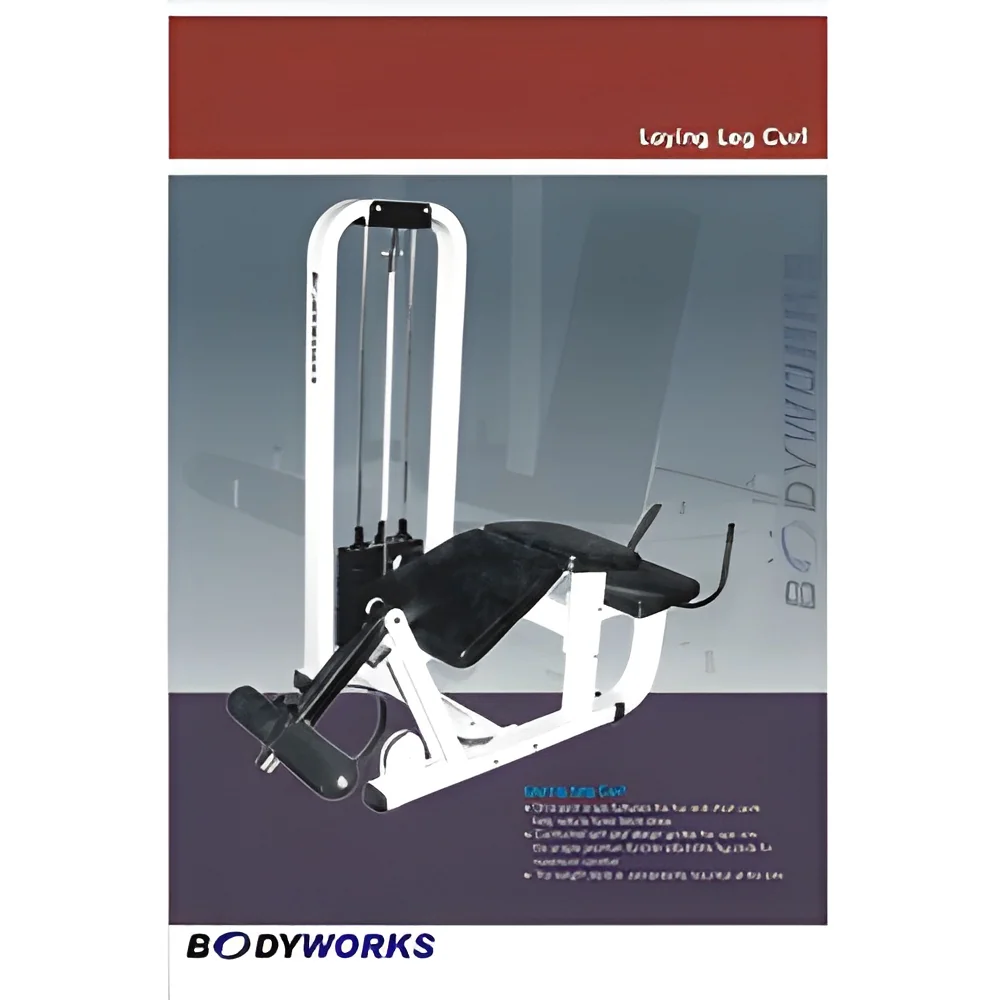
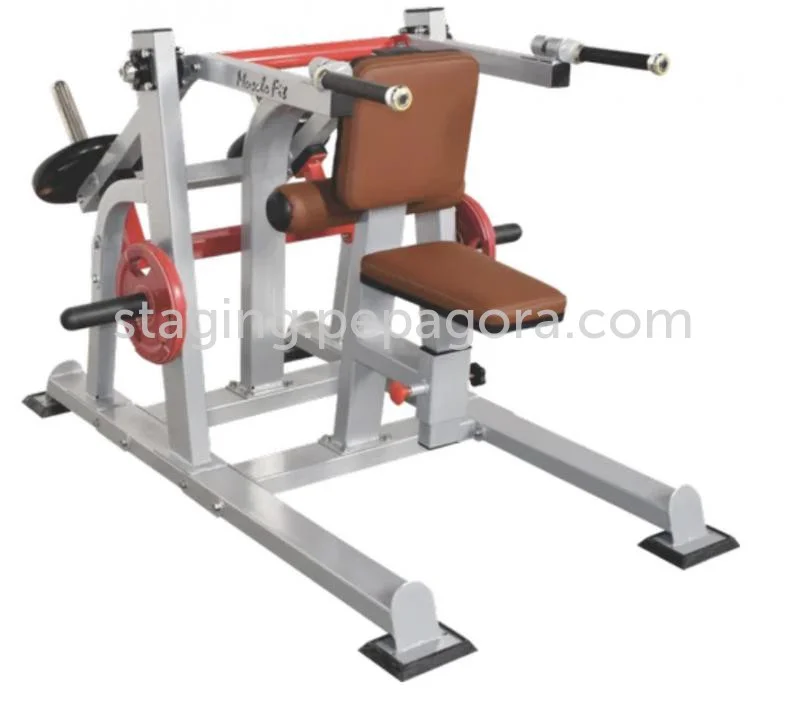
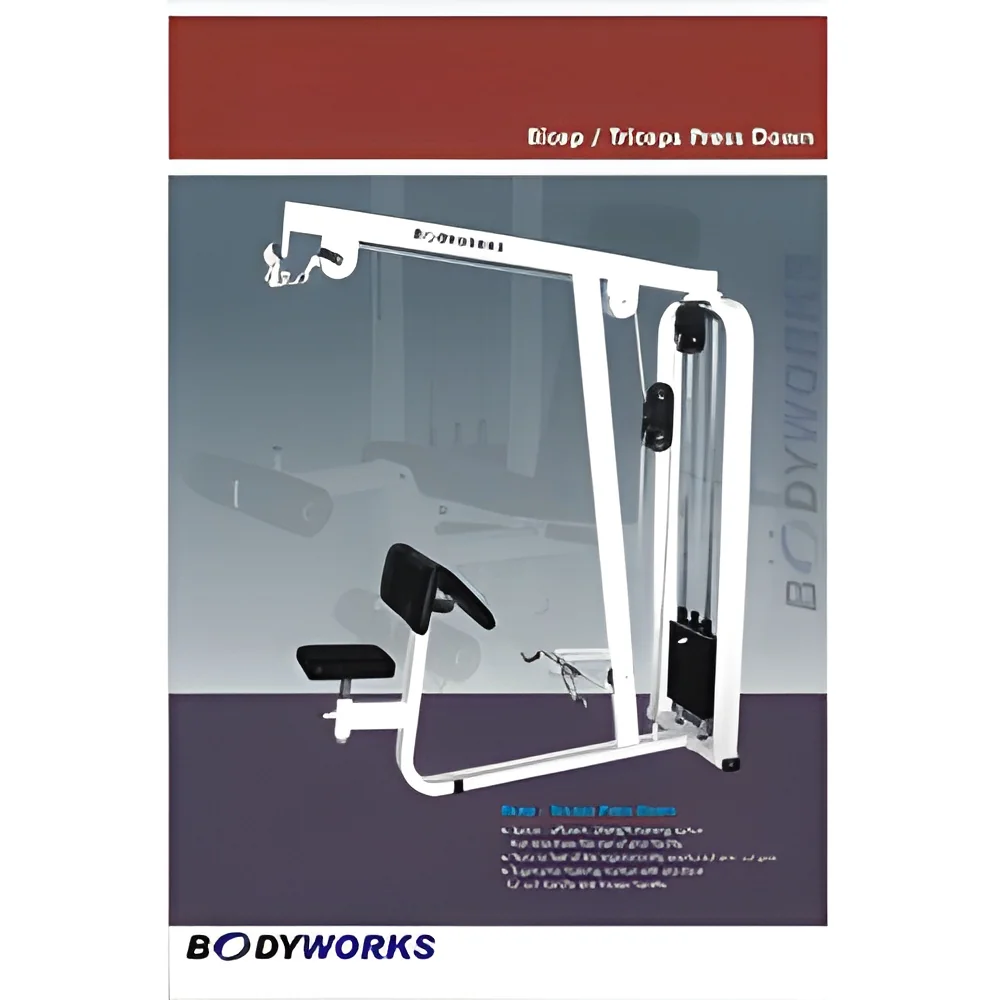
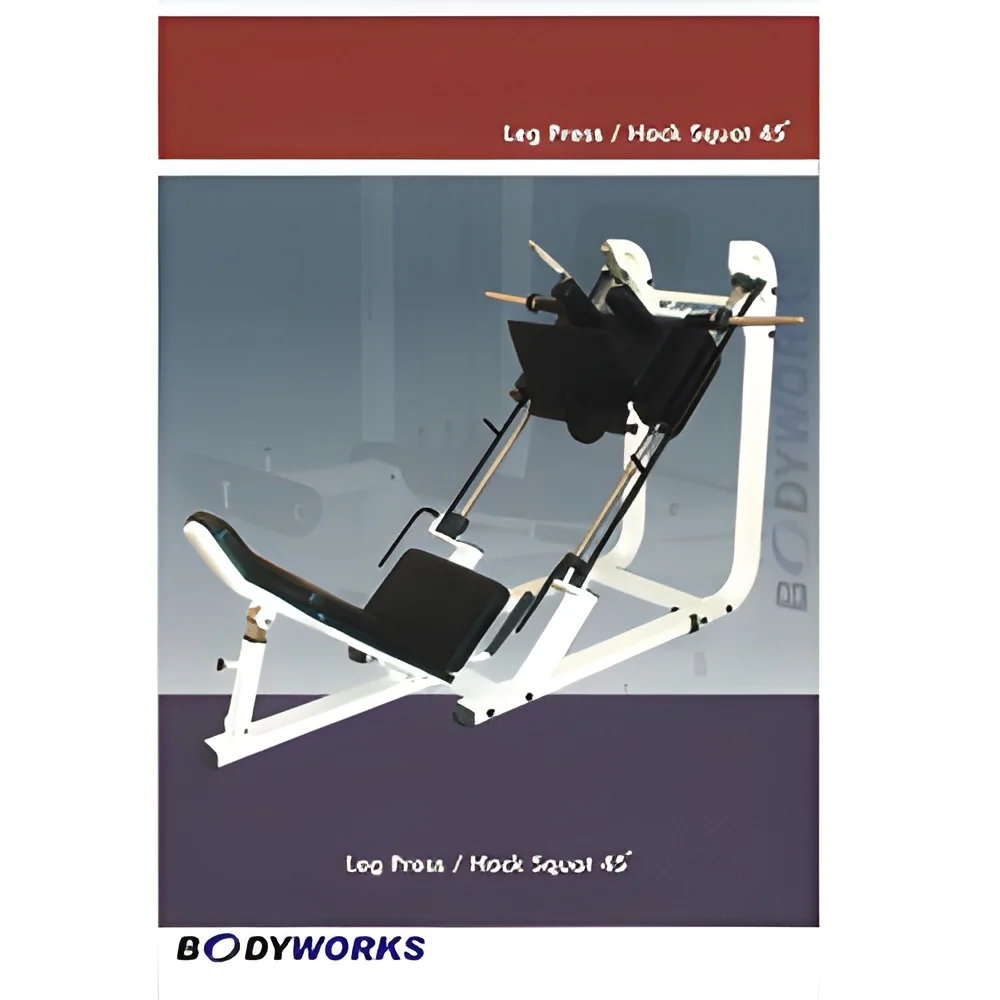
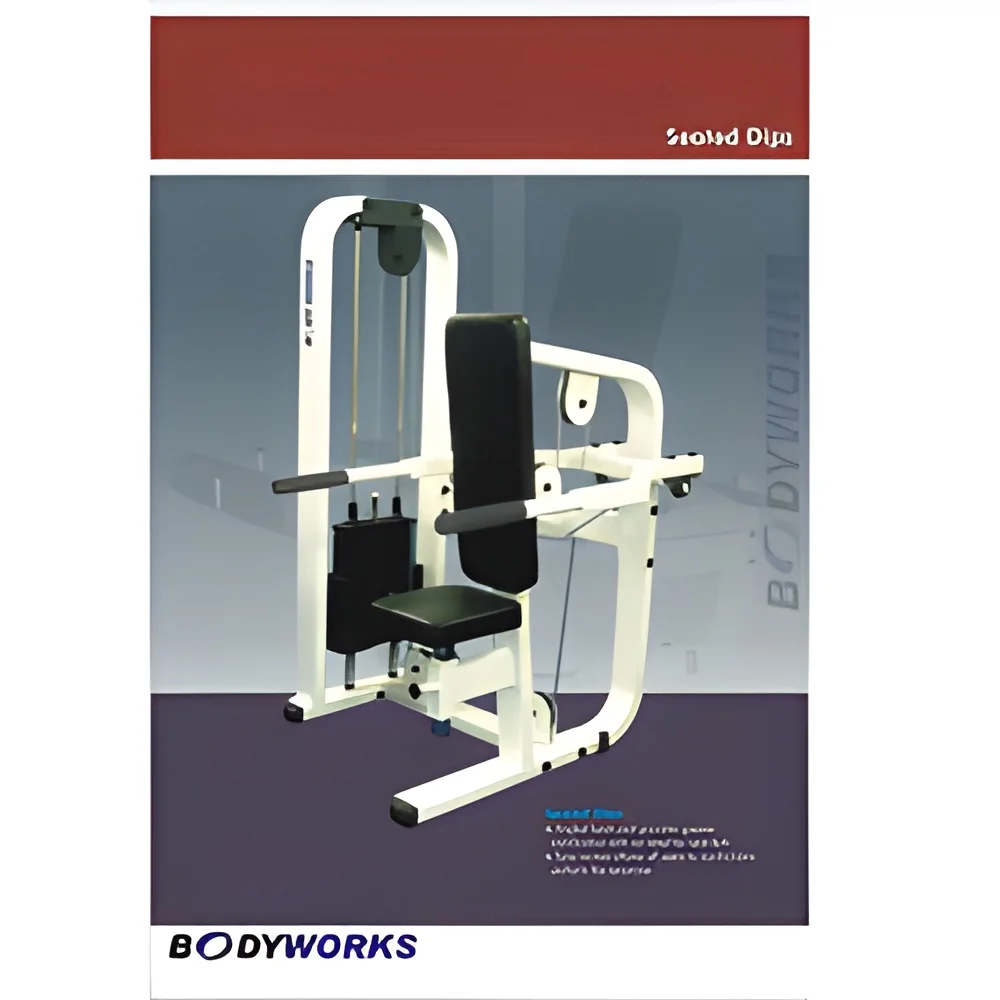
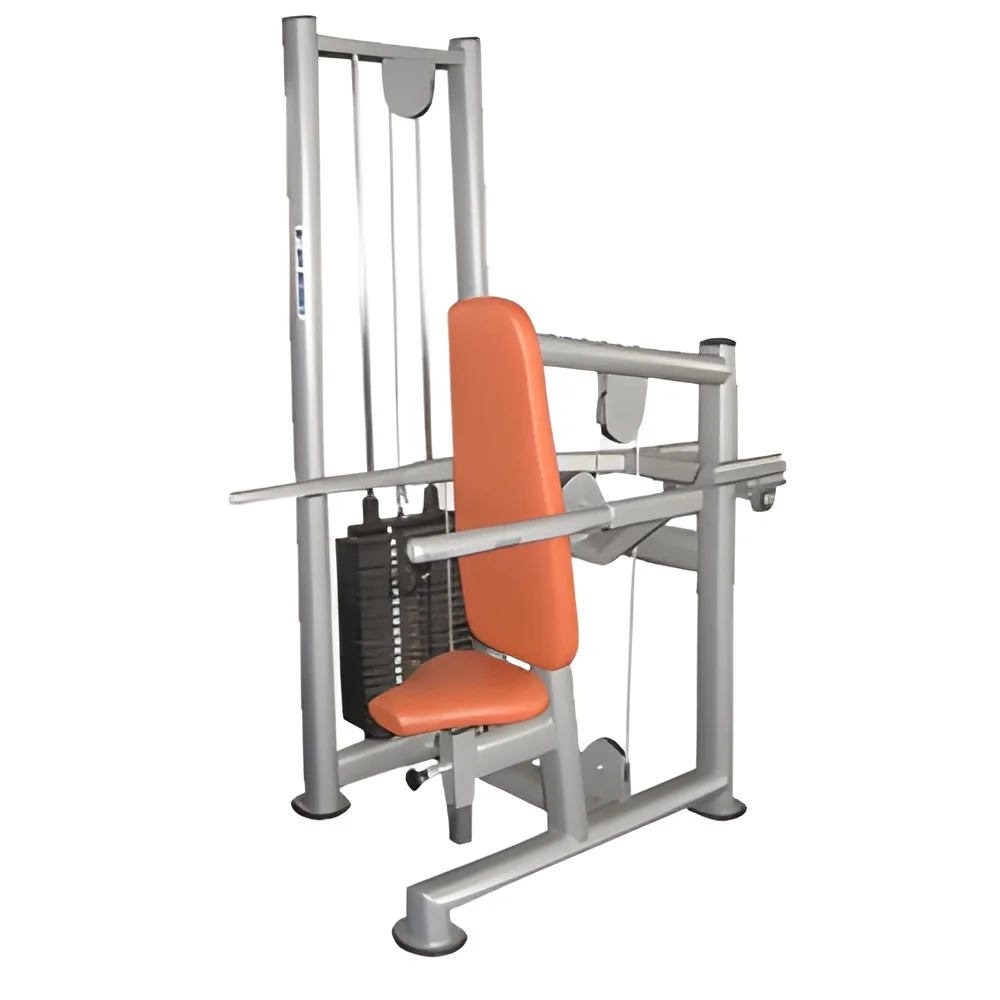
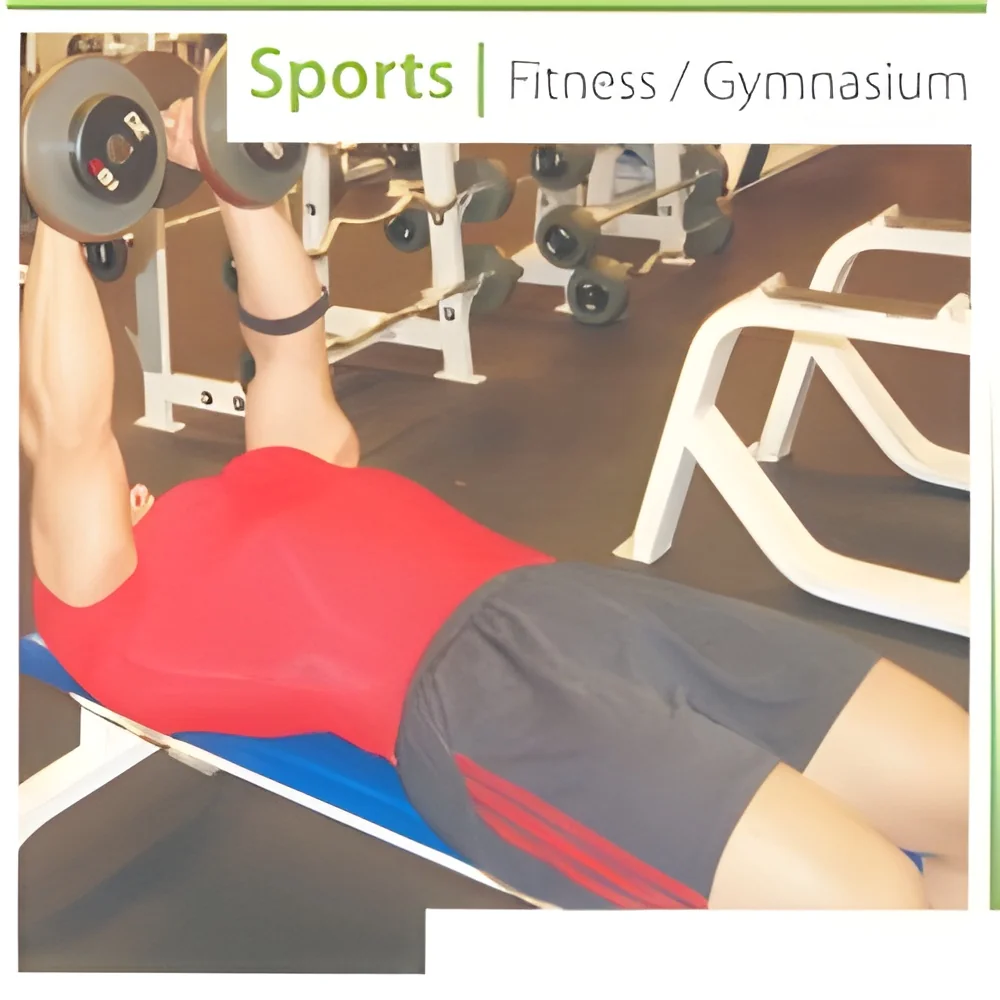
Strength Training Equipment: This category encompasses weight machines, free weights, and resistance bands. These tools help build muscle strength and support functional fitness.
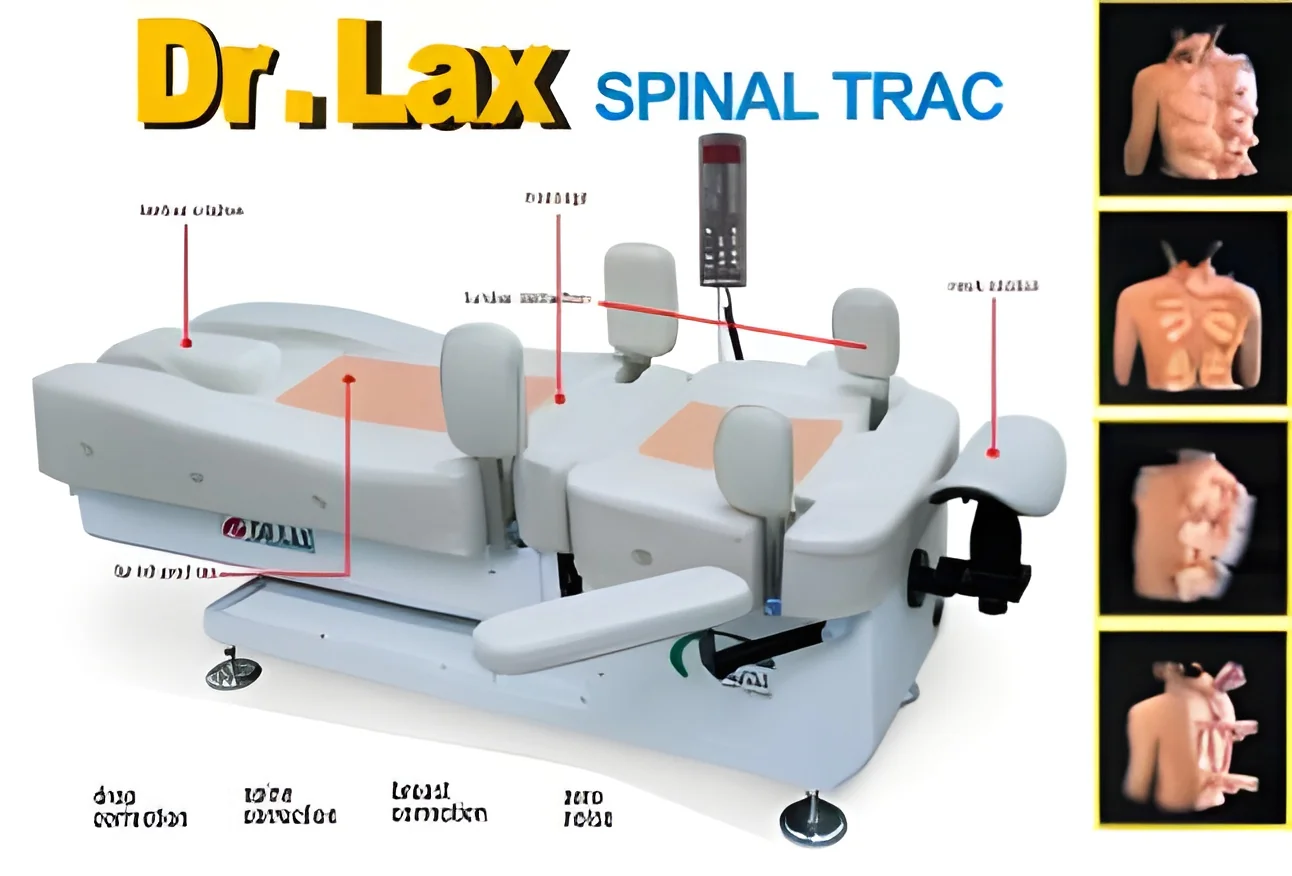
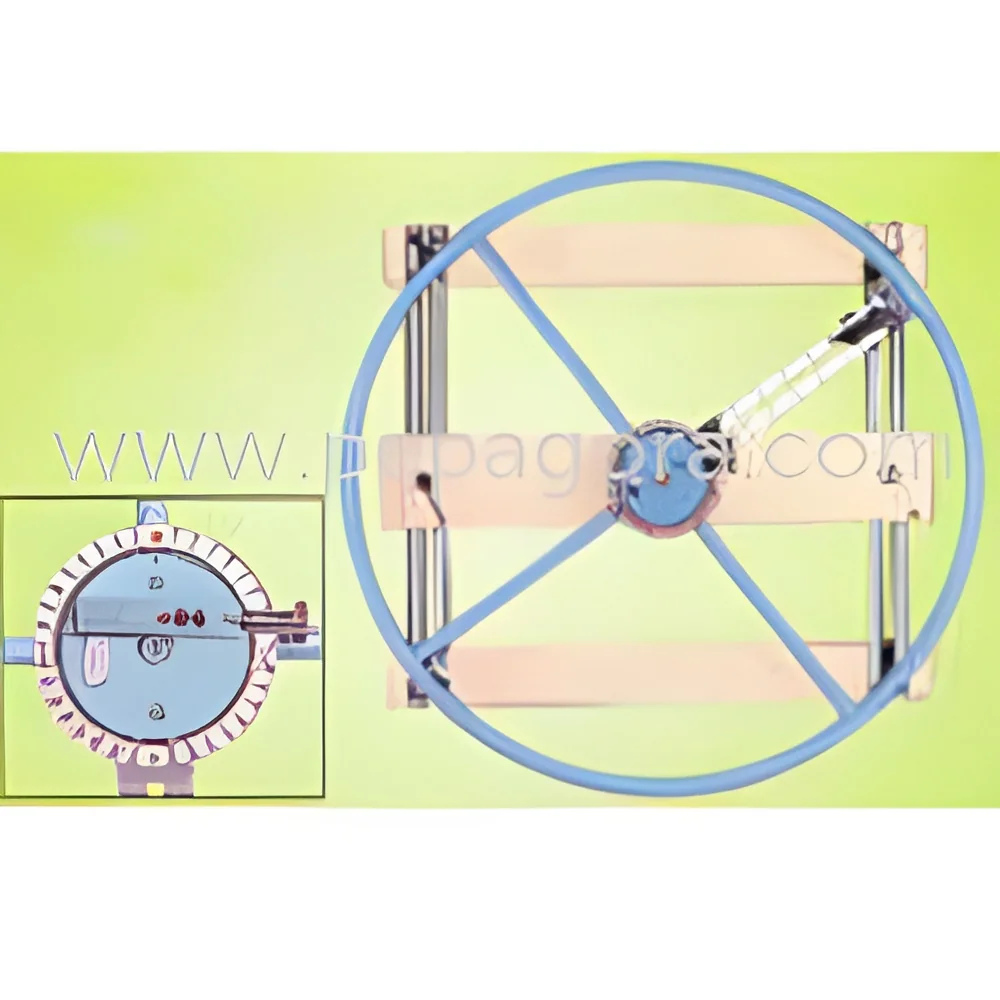
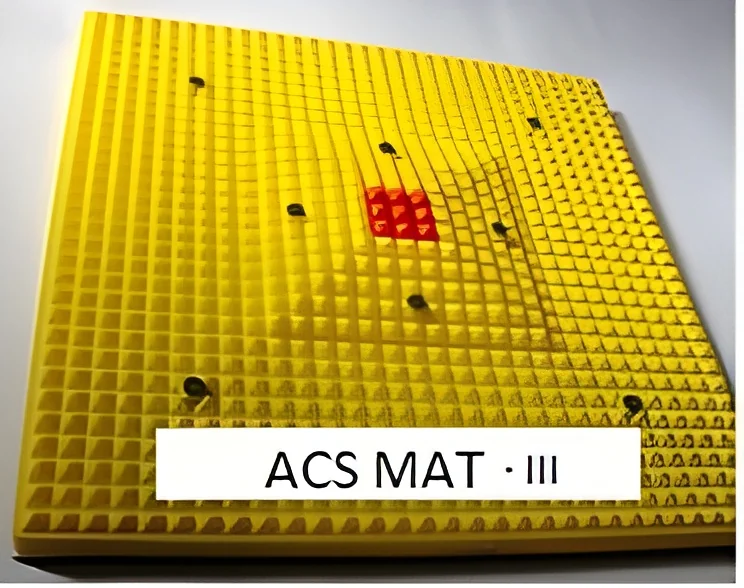
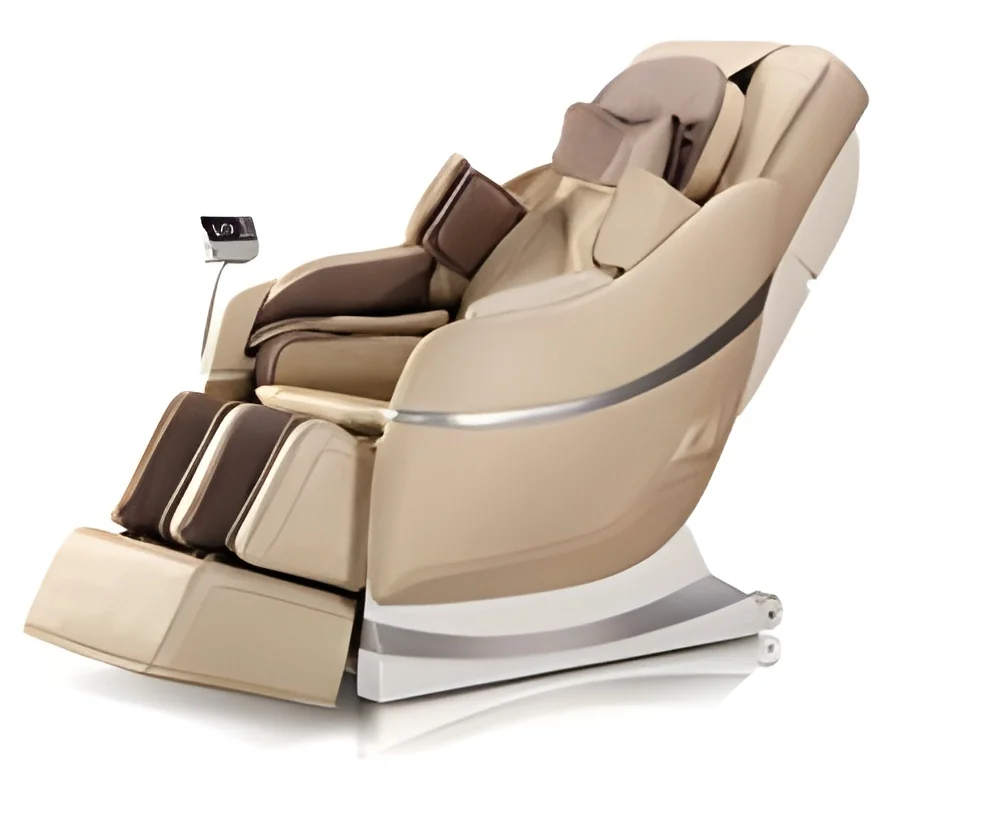
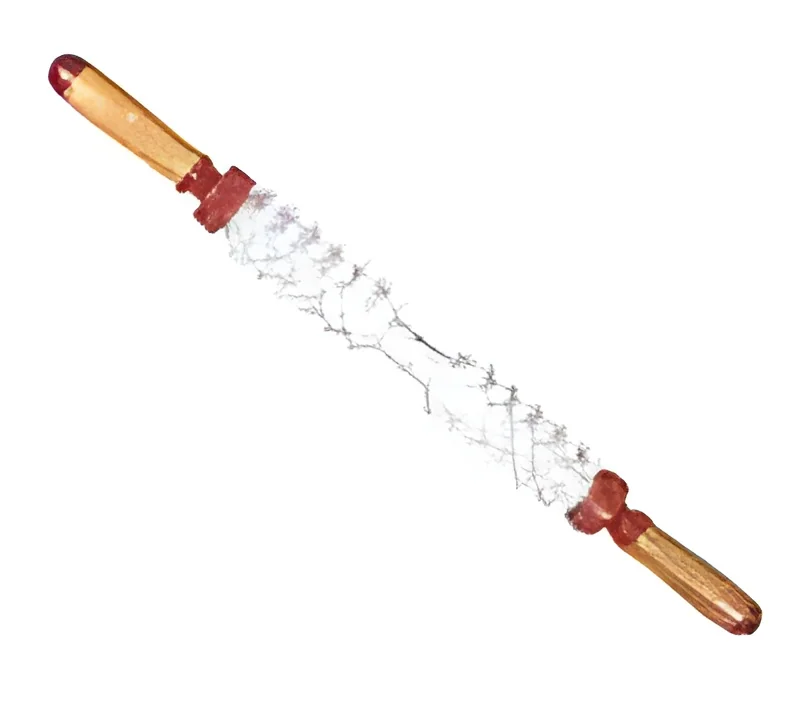
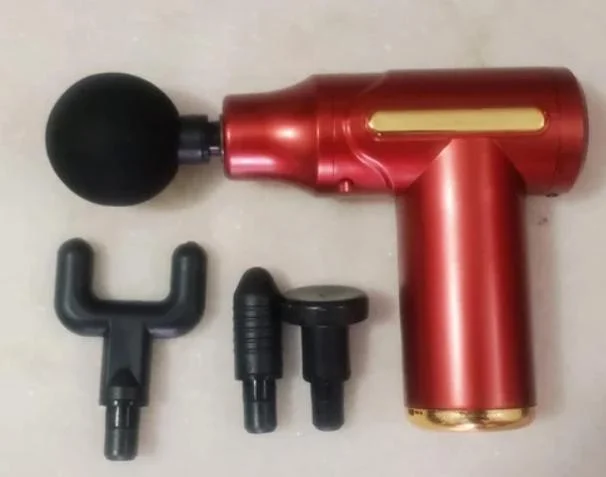
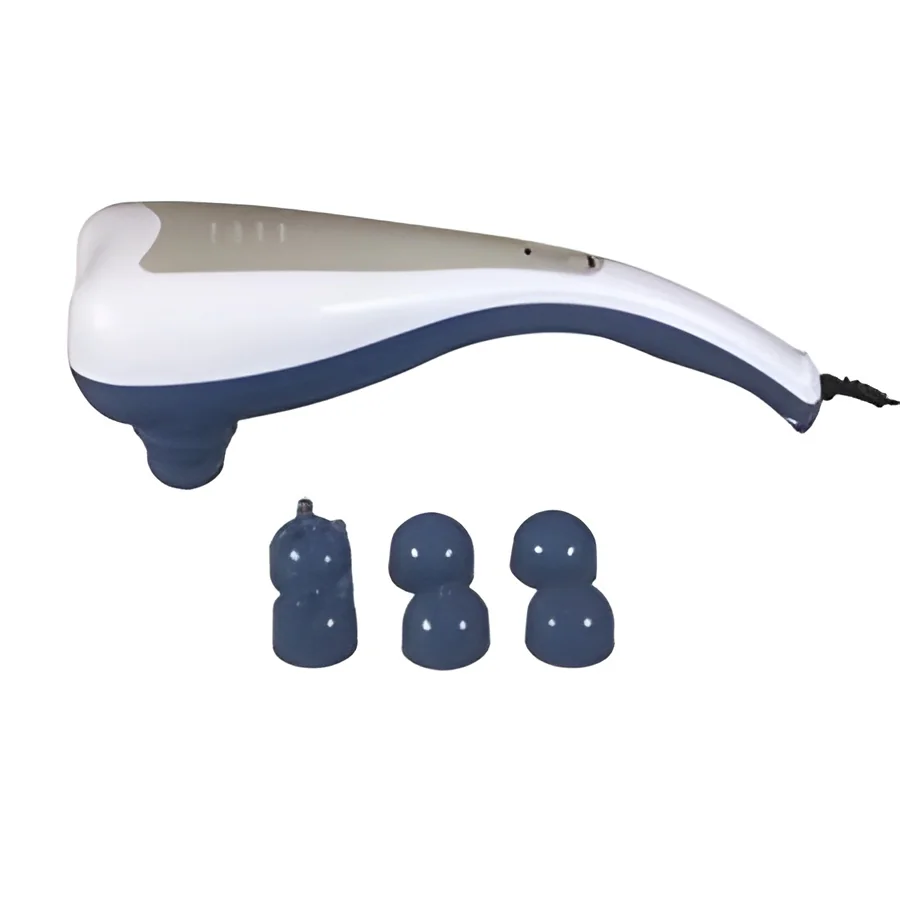
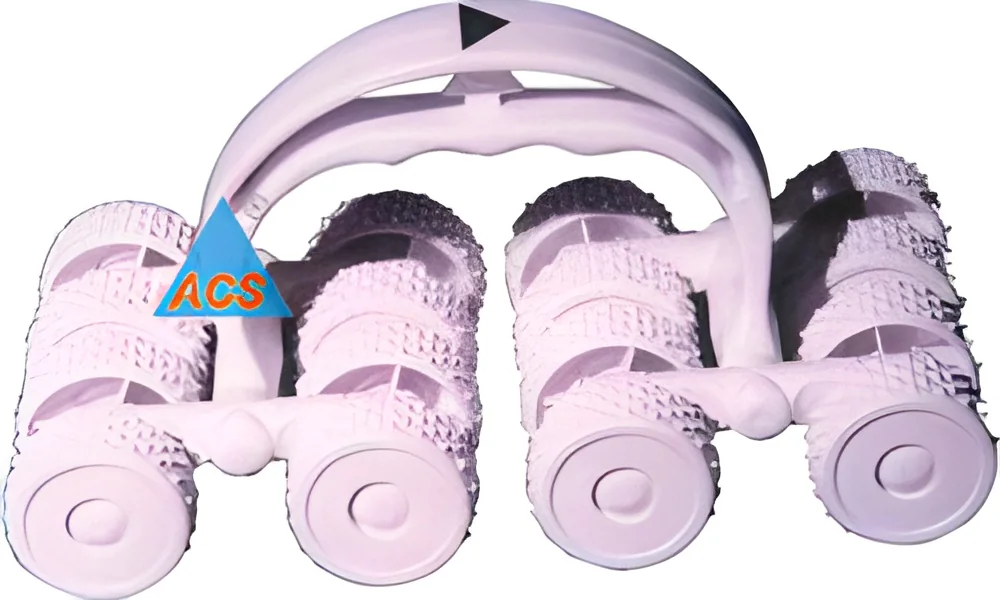
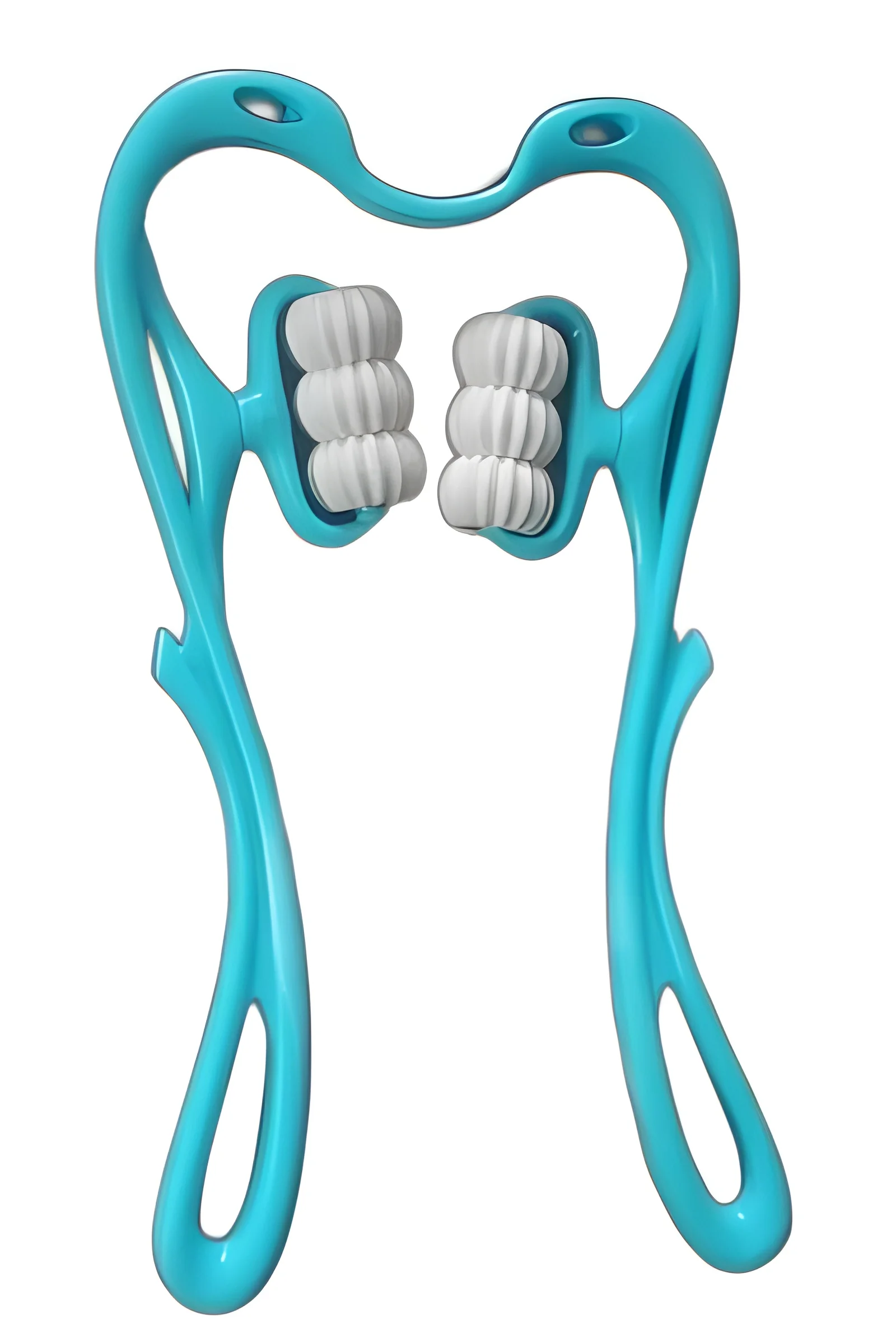
Flexibility Tools: Equipment such as stretching machines and foam rollers are used to enhance flexibility and aid in recovery.
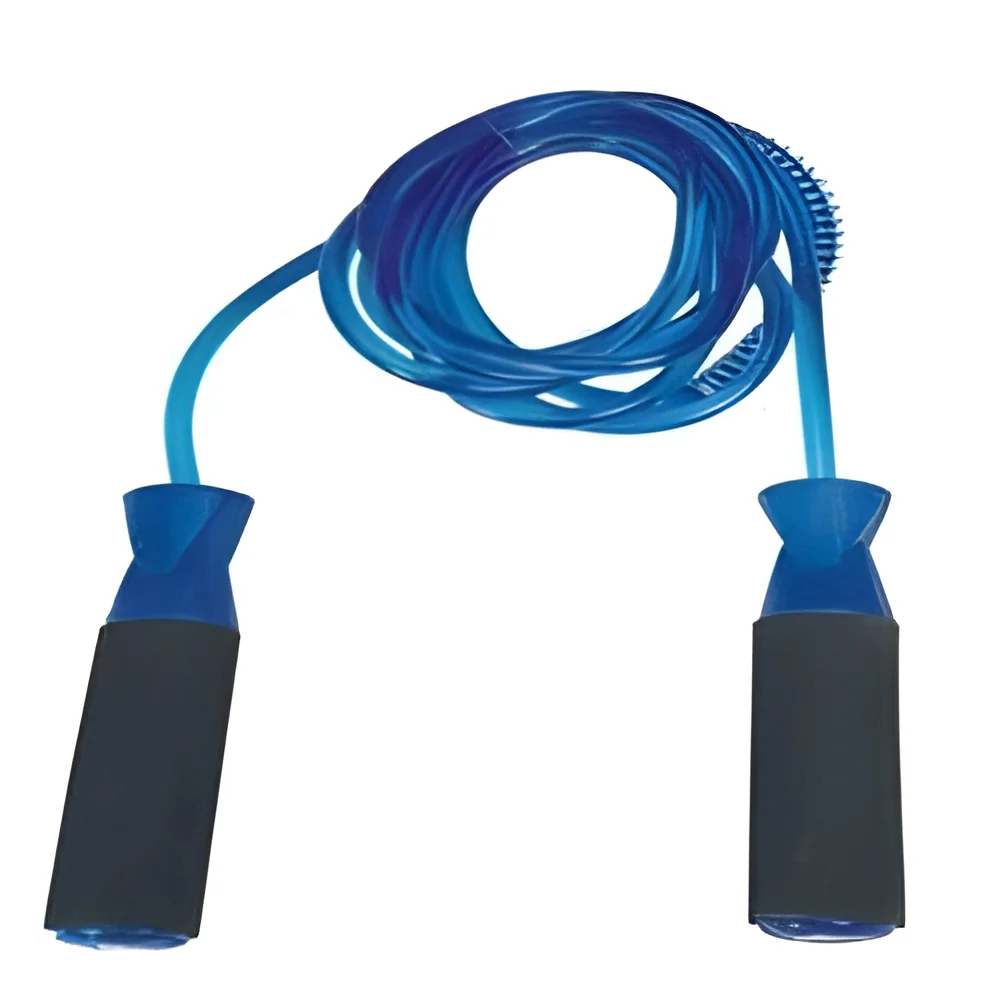
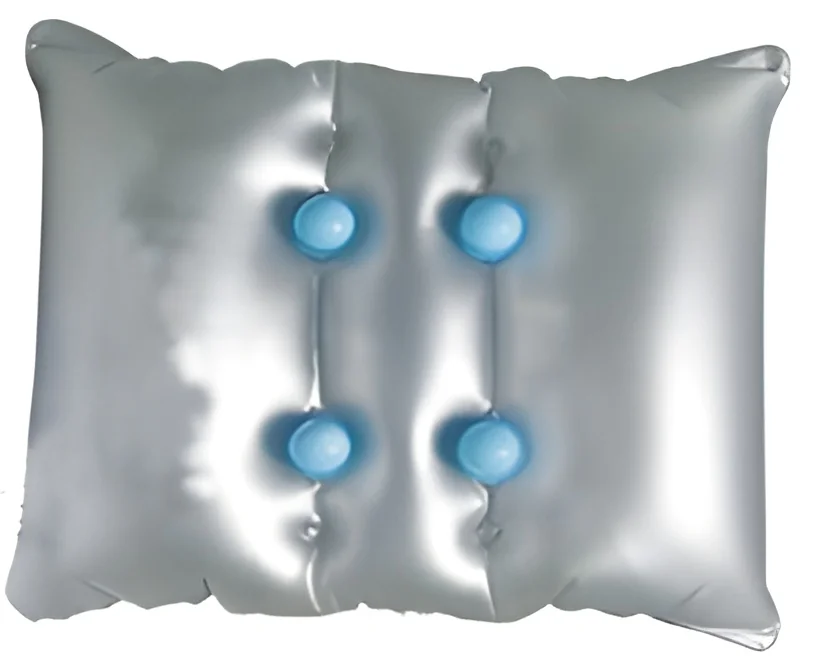
Wellness Accessories: Items like yoga mats, balance balls, and resistance bands support overall wellness and can be used in both personal and group settings.
𝗕𝗲𝗻𝗲𝗳𝗶𝘁𝘀 𝗮𝗻𝗱 𝗔𝗱𝘃𝗮𝗻𝘁𝗮𝗴𝗲𝘀
Investing in fitness and wellness equipment provides numerous benefits that extend beyond physical fitness.
1. Health Improvement: Regular use of fitness equipment promotes better health outcomes, including weight management and disease prevention.
2. Increased Productivity: Healthy employees tend to be more productive, reducing absenteeism and enhancing workplace morale.
3. Enhanced Employee Engagement: Providing wellness resources fosters a culture of health, leading to higher employee satisfaction and retention.
4. Customizable Programs: Equipment can be integrated into tailored programs that meet specific organizational needs, enhancing effectiveness.
5. Competitive Advantage: Companies that prioritize employee wellness can attract top talent, differentiating themselves in the job market.
6. Community Impact: Providing access to fitness resources can positively influence local health trends and community engagement.
𝗕𝘂𝘆𝗶𝗻𝗴 𝗚𝘂𝗶𝗱𝗲 𝗳𝗼𝗿 𝗕𝟮𝗕 𝗕𝘂𝘆𝗲𝗿𝘀
When sourcing fitness and wellness equipment, businesses should consider several key factors to ensure they make the best investment.
1. Quality Assessment: Ensure the equipment meets industry standards for safety and durability. Look for reputable brands with a track record of quality.
2. Supplier Verification: Vet suppliers thoroughly by checking their credentials, customer reviews, and compliance with relevant regulations.
3. Pricing and MOQ: Understand the pricing structure and minimum order quantities to align with your budget and operational needs.
4. Delivery and Lead Times: Consider logistics, including shipping options and lead times, to ensure timely availability of equipment.
5. Compliance Requirements: Be aware of any regulatory standards or certifications that may apply to the equipment in your region, ensuring all products meet necessary guidelines.
𝗖𝗼𝗺𝗽𝗹𝗶𝗮𝗻𝗰𝗲 𝗮𝗻𝗱 𝗖𝗲𝗿𝘁𝗶𝗳𝗶𝗰𝗮𝘁𝗶𝗼𝗻𝘀
In the fitness and wellness equipment industry, compliance with various quality standards and certifications is essential for ensuring safety and effectiveness.
ISO 9001 is a widely recognized standard that outlines criteria for quality management systems, ensuring products meet customer and regulatory requirements.
CE certification indicates that the equipment meets European safety, health, and environmental protection standards, providing assurance to buyers regarding product safety.
Safety testing is crucial, as equipment must undergo rigorous evaluation to ensure it performs safely under expected conditions. This includes durability tests and user safety assessments.
Additionally, regional compliance considerations may vary. Businesses should be aware of local regulations that govern fitness and wellness equipment to avoid legal issues and promote user safety.
𝗪𝗵𝘆 𝗦𝗼𝘂𝗿𝗰𝗲 𝗙𝗶𝘁𝗻𝗲𝘀𝘀 & 𝗪𝗲𝗹𝗹𝗻𝗲𝘀𝘀 𝗘𝗾𝘂𝗶𝗽𝗺𝗲𝗻𝘁 𝗳𝗿𝗼𝗺 𝗣𝗲𝗽𝗮𝗴𝗼𝗿𝗮?
Pepagora provides a trusted platform for sourcing fitness and wellness equipment, offering several key advantages for B2B buyers.
Verified Supplier Network: Pepagora rigorously verifies suppliers, ensuring that buyers have access to high-quality products from reputable manufacturers. This verification process builds trust and confidence in the purchasing decision.
Streamlined RFQ Process: The request for quotation (RFQ) system simplifies the procurement process, allowing buyers to receive multiple quotes from suppliers quickly. This efficiency saves time and helps buyers find the best pricing options.
Trade Assurance and Support: Pepagora offers buyer protection through trade assurance, providing peace of mind during transactions. Their support team is available to assist with any inquiries or issues that may arise.
Regional Coverage: With a strong presence in India, the GCC, and Southeast Asia, Pepagora connects buyers to a wide range of suppliers, enhancing access to diverse fitness and wellness equipment suited to various markets.
In conclusion, sourcing fitness and wellness equipment through Pepagora offers a reliable and efficient way to meet organizational health and fitness needs while ensuring quality and compliance.

 IN
IN