What are Shoulder Wheels & Pedal Exercisers?
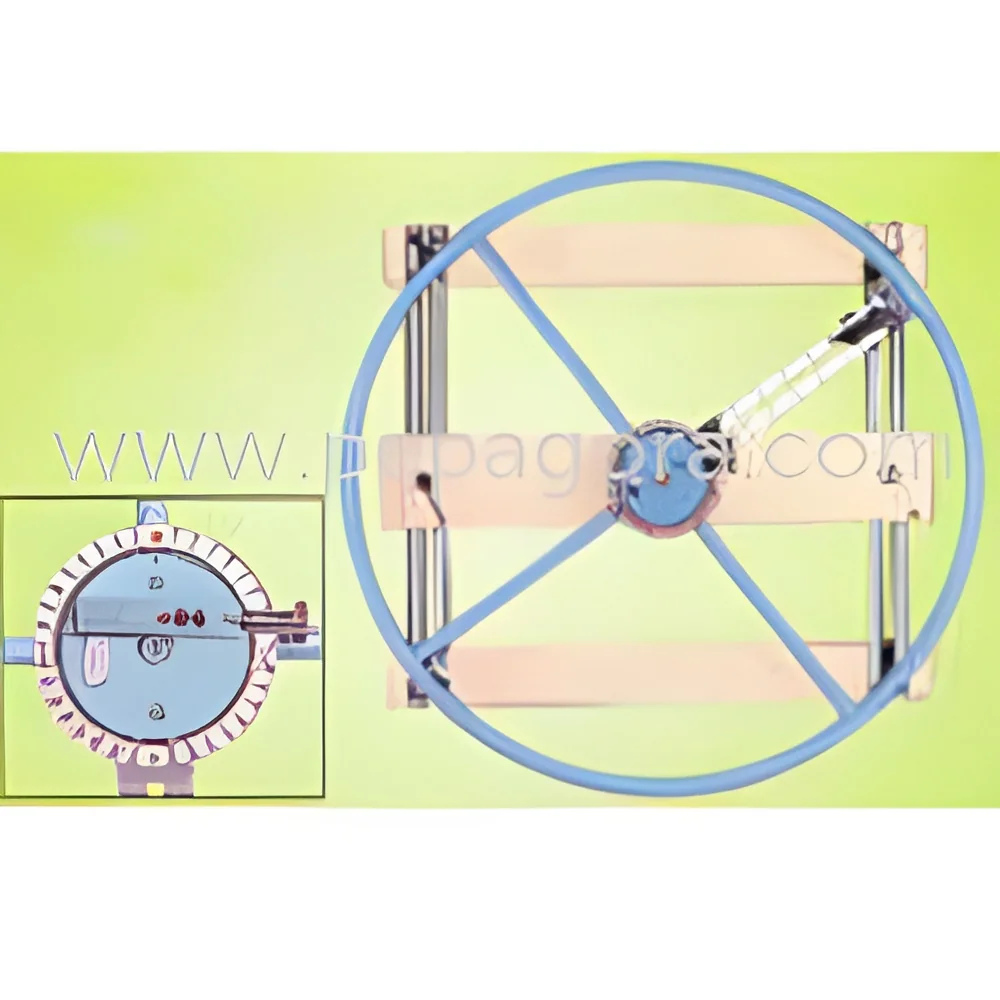
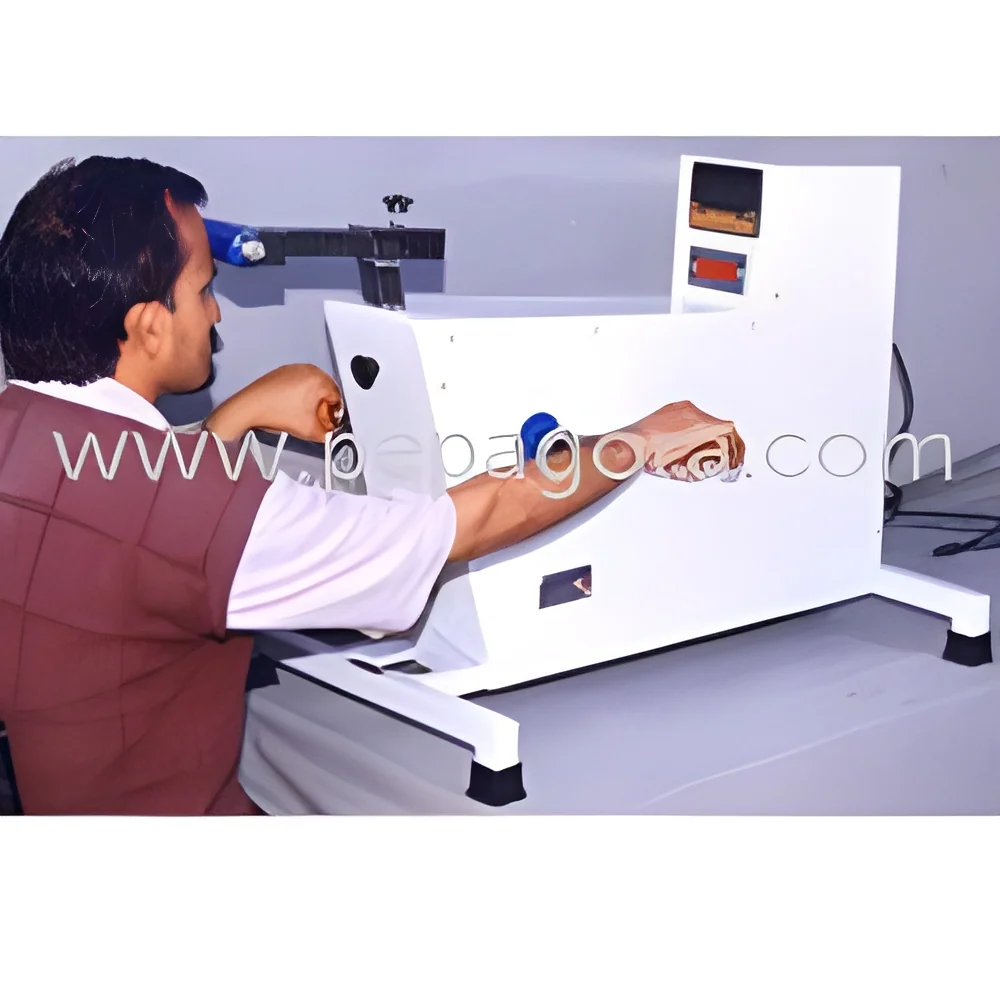
Shoulder wheels and pedal exercisers are specialized equipment designed for physical rehabilitation and fitness. Shoulder wheels consist of a large wheel mounted on a frame, enabling users to perform circular arm movements that aid in improving shoulder mobility and strength. Pedal exercisers, on the other hand, are compact devices that allow users to engage in low-impact cycling motions, making them suitable for rehabilitation of the lower body or general fitness.
These devices are primarily used in physical therapy settings, rehabilitation centers, and home exercise programs. They are particularly beneficial for individuals recovering from injuries or surgeries, as they promote movement without putting excessive strain on the joints. In addition to rehabilitation, these products are utilized in fitness and wellness programs for enhancing overall strength and flexibility.
The relevance of shoulder wheels and pedal exercisers in the healthcare and fitness industries continues to grow. With an increasing focus on preventive care and rehabilitation, these products are becoming essential tools for healthcare professionals. The market for such equipment is expanding as more facilities recognize the importance of mobility and strength training in patient recovery and overall health.
Key Features and Specifications
Shoulder wheels and pedal exercisers come with a variety of features that enhance their usability and effectiveness. When selecting these products, understanding their specifications is critical to ensure they meet the needs of users in rehabilitation and fitness contexts.
Key specifications include:
1. Load Capacity
- Indicates the maximum weight the equipment can support.
- Typically ranges from 100 to 250 pounds.
2. Adjustable Resistance
- Allows users to modify the difficulty level of the exercise.
- Can feature multiple resistance settings for gradual progression.
3. Materials Used
- Often constructed from durable materials like steel or high-quality plastics.
- Ensures longevity and stability during use.
4. Dimensions
- Size specifications for both shoulder wheels and pedal exercisers.
- Shoulder wheels usually have a diameter between 24 to 36 inches, while pedal exercisers are compact for easy storage.
5. Portability
- Many models are designed to be lightweight and easy to transport.
- Some feature foldable designs for enhanced convenience.
6. Safety Features
- Includes non-slip pedals or grips for secure handling.
- Safety locks or stabilizing features to prevent accidents during use.
7. User-Friendly Interface
- Simple controls for adjusting settings.
- Often includes visual displays for monitoring progress.
In summary, the specifications of shoulder wheels and pedal exercisers are crucial for ensuring the equipment meets user needs and safety standards.
Common Applications and Use Cases
Shoulder wheels and pedal exercisers are versatile pieces of equipment used across various industries.
1. Healthcare: In hospitals and rehabilitation centers, these devices are used for patient recovery after surgeries, helping to regain mobility and strength.
2. Fitness: Gyms and fitness centers incorporate these products into their training programs, enabling members to engage in effective low-impact workouts.
3. Sports Training: Coaches utilize shoulder wheels for athletes to enhance shoulder strength and flexibility, reducing injury risks.
4. Geriatric Care: Senior living facilities use pedal exercisers to promote physical activity among residents, supporting mobility and cardiovascular health.
5. Physiotherapy: Physical therapists employ these tools in treatment plans to assist patients in regaining functional movement.
6. Occupational Therapy: These devices help clients develop coordination and strength required for daily activities.
7. Home Fitness: Individuals often purchase these products for home use, enabling them to maintain fitness routines conveniently.
Product Variants and Subcategories
Shoulder wheels and pedal exercisers come in various forms to cater to different user needs and preferences.
Standard Shoulder Wheel
This model is designed for general use in rehabilitation and physical therapy. It features adjustable height and resistance levels, making it suitable for a wide range of users.
Compact Pedal Exerciser
Ideal for home use, this pedal exerciser is lightweight and portable. It is designed for low-impact workouts and can be used while seated, promoting convenience and accessibility.
Heavy-Duty Shoulder Wheel
This variant is built for professional settings and can support higher weight capacities. It is ideal for intense rehabilitation sessions where users require robust equipment.
Mini Pedal Exerciser
A smaller version of traditional pedal exercisers, this variant is perfect for users with limited space. It offers similar functionality in a compact form, making it user-friendly.
Benefits and Advantages
Using shoulder wheels and pedal exercisers offers numerous benefits to users in rehabilitation and fitness.
1. Improved Mobility: Regular use helps in regaining lost range of motion, essential for recovery.
2. Enhanced Strength: These devices promote muscle strengthening, particularly for the upper and lower body.
3. Low-Impact Exercise: Suitable for all fitness levels, they provide a safe way to engage in physical activity without excessive strain.
4. Versatile Usage: They can be used in various settings, including homes, clinics, and gyms.
5. Customizable Workouts: Adjustable resistance settings allow users to tailor their workouts according to their fitness levels.
6. Cost-Effective: Investing in these devices can reduce the need for expensive gym memberships or frequent therapy sessions.
Buying Guide for B2B Buyers
When sourcing shoulder wheels and pedal exercisers, buyers should consider several critical factors to ensure they make informed decisions.
1. Quality Assessment: Evaluate the materials and construction of the equipment. High-quality products will have better durability and performance.
2. Supplier Verification: Vet potential suppliers by checking their reputation, certifications, and customer reviews. This ensures reliability and trustworthiness.
3. Pricing and MOQ: Understand the pricing structure and minimum order quantities. Look for competitive pricing without compromising on quality.
4. Delivery and Lead Times: Inquire about shipping options and delivery timelines. Efficient logistics are essential for timely procurement.
5. Compliance Requirements: Ensure products meet relevant safety and quality standards. Check for certifications like UL and CE to confirm compliance.
Compliance and Certifications
Shoulder wheels and pedal exercisers must adhere to various compliance and certification standards to ensure safety and effectiveness.
ISO 9001 is a crucial quality management standard that ensures manufacturers maintain a consistent level of quality in their products. Compliance with this standard indicates a commitment to quality control.
Certifications such as UL and CE are essential for verifying that equipment meets specific safety and performance criteria. These certifications provide assurance that the products have undergone rigorous testing and adhere to industry standards.
Additionally, manufacturers should be aware of regional compliance requirements, which may vary based on location. Adhering to these regulations is vital for market acceptance and user safety.
Why Source Shoulder Wheels & Pedal Exercisers from Pepagora?
Pepagora is a trusted platform for sourcing shoulder wheels and pedal exercisers, offering several key advantages to B2B buyers.
Verified Supplier Network: Pepagora connects buyers with a network of verified suppliers, ensuring that they can access high-quality products from reliable sources. This network allows buyers to make informed choices based on supplier reputation.
Streamlined RFQ Process: The platform features a streamlined request for quotation (RFQ) process, simplifying the procurement journey. Buyers can easily submit requests and receive competitive quotes from multiple suppliers, making the selection process efficient.
Trade Assurance and Support: Pepagora provides trade assurance to protect buyers throughout the purchasing process. This support includes handling disputes and ensuring timely delivery, fostering a secure buying environment.
Regional Coverage: With a strong presence in India, the GCC, and Southeast Asia, Pepagora offers extensive regional coverage. This geographic reach allows buyers to source products that meet their specific local needs while enjoying competitive pricing and quality assurance.

 IN
IN