What are Agility Training Equipment?
Agility training equipment refers to specialized tools and devices designed to enhance athletic performance by improving speed, coordination, balance, and overall agility. These pieces of equipment are commonly used in sports training, physical rehabilitation, and fitness programs. Examples include agility ladders, cones, hurdles, and balance boards, which facilitate a variety of drills aimed at developing motor skills and physical responsiveness.
The primary uses of agility training equipment span across multiple sectors, including sports teams, fitness centers, schools, and rehabilitation clinics. Coaches and trainers utilize these tools to create structured training sessions that target specific athletic skills. The equipment is essential for athletes in sports such as soccer, basketball, and football, where quick directional changes are critical for success. Moreover, it is increasingly being adopted in corporate wellness programs as businesses recognize the importance of physical fitness for employee productivity and health.
In the current market context, agility training equipment is gaining recognition due to the rising interest in health and fitness globally. With the growing number of fitness enthusiasts and athletes, the demand for specialized training tools is on the rise. This trend is further supported by advancements in athletic training methodologies and the integration of technology in fitness, making agility training equipment a relevant and essential offering for suppliers and manufacturers.
Key Features and Specifications
Agility training equipment is designed with a focus on performance enhancement and user safety. It typically includes a range of features that cater to both professional athletes and casual fitness enthusiasts.
Key specifications include:
1. Material Quality
- Equipment is often made from durable materials such as high-density plastic, rubber, or nylon.
- Ensures longevity and withstands frequent use.
2. Weight Capacity
- Equipment should support various weight ranges depending on the specific use case.
- Typically designed to accommodate users from youth to professional athletes.
3. Portability
- Many agility tools are lightweight and easy to transport.
- Some items may be foldable or come with storage bags for convenience.
4. Adjustability
- Equipment like hurdles and cones may have adjustable heights or configurations.
- Allows for customization based on training needs.
5. Weather Resistance
- Many products are designed to be weather-resistant for outdoor use.
- Ensures durability regardless of environmental conditions.
6. Safety Features
- Equipment often includes non-slip surfaces and rounded edges.
- Minimizes the risk of injury during training sessions.
7. Size and Dimensions
- Varies across different equipment types, catering to various training environments.
- Important to select the right size for available training space.
8. Color and Visibility
- Bright colors are common to enhance visibility during drills.
- Helps in maintaining focus and engagement during training.
In summary, agility training equipment combines durability, safety, and versatility to meet the needs of athletes and trainers across various levels of expertise.
Common Applications and Use Cases
Agility training equipment serves various industries by enhancing physical performance and rehabilitation processes.
1. Sports Training: Professional sports teams utilize agility equipment to develop athletes' quickness and coordination, essential for high-performance competition.
2. Fitness Centers: Gyms incorporate agility tools into group classes and personal training sessions to provide diverse workouts that challenge participants.
3. Rehabilitation Clinics: Physical therapists use agility equipment to assist clients in regaining mobility and strength after injuries, promoting recovery through targeted exercises.
4. Educational Institutions: Schools incorporate agility training into physical education programs, teaching students the importance of fitness and movement skills.
5. Corporate Wellness Programs: Companies implement agility training as part of employee wellness initiatives, improving overall health and productivity.
6. Military and Law Enforcement: Training programs for military personnel and law enforcement officers often include agility drills to enhance physical fitness and tactical response.
7. Youth Sports: Local sports clubs for children and teens use agility tools to build foundational skills in young athletes, promoting lifelong fitness habits.
Product Variants and Subcategories
Agility training equipment consists of various types that cater to different training needs and preferences.
Agility Ladder
This variant is designed for foot speed and coordination drills. The ladder is lightweight and portable, making it easy to set up in various locations. Its flexible rungs allow for customizable spacing to accommodate different skill levels.
Cone Set
A set of brightly colored cones is useful for marking distances and creating obstacle courses. These cones are durable and come in different heights, enabling trainers to design a wide range of drills for agility and speed.
Hurdles
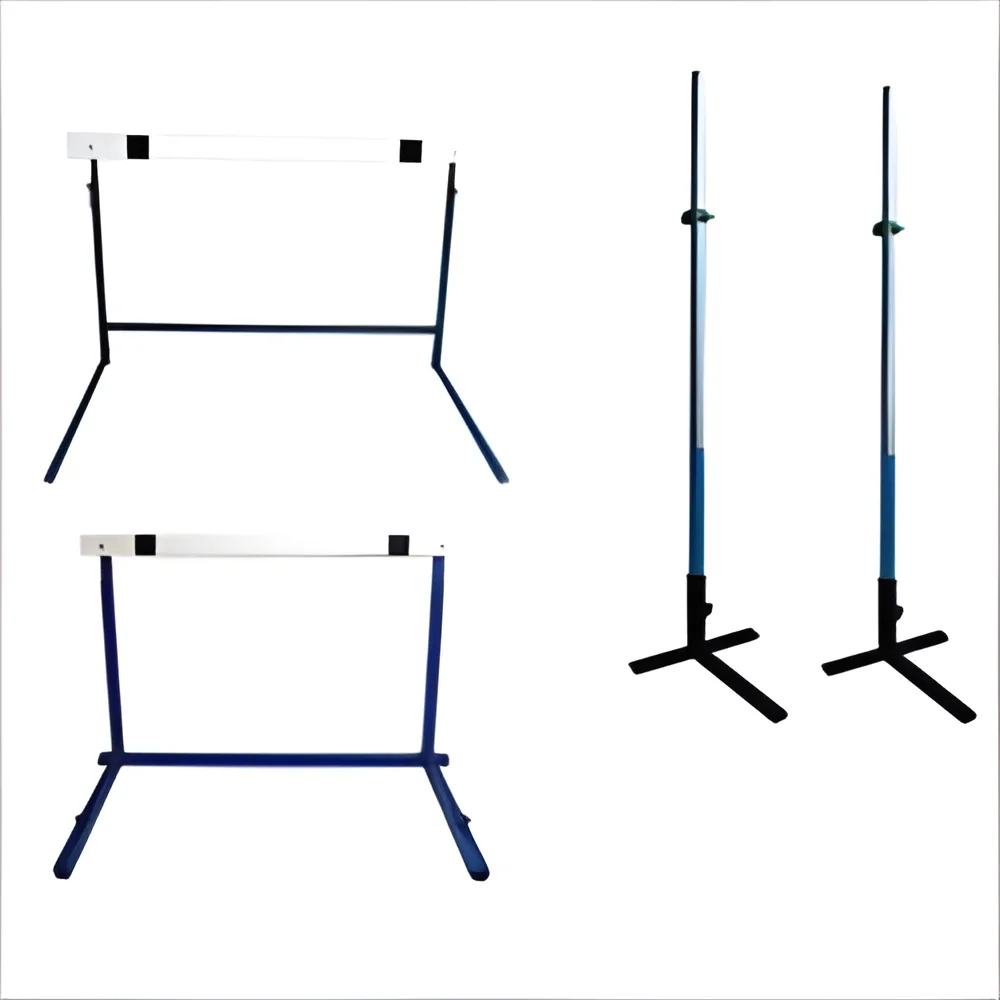
Agility hurdles are adjustable, allowing users to modify the height for various training needs. They are typically made from high-quality materials and are suitable for both indoor and outdoor use, making them versatile training tools.
Balance Board
This equipment is used to improve stability and core strength. Balance boards are beneficial for athletes in rehabilitation and training, as they enhance coordination and proprioception.
Benefits and Advantages
Agility training equipment offers several advantages to users and businesses alike.
1. Enhanced Performance: Regular use of agility training equipment leads to improved speed, coordination, and overall athletic performance.
2. Versatility: Equipment can be used for a wide range of activities, making it suitable for various sports and fitness applications.
3. Injury Prevention: Incorporating agility training into fitness routines helps strengthen muscles and joints, reducing the likelihood of injuries.
4. Customization: Trainers can tailor workouts to meet the specific needs and skill levels of their athletes, maximizing training effectiveness.
5. Engaging Workouts: Agility drills provide dynamic and fun training options that keep participants motivated and engaged.
6. Accessibility: Many agility training tools are affordable and easy to set up, making them accessible for both professional trainers and casual fitness enthusiasts.
Buying Guide for B2B Buyers
When sourcing agility training equipment, consider the following factors to ensure a successful purchase.
1. Quality Assessment: Evaluate the materials and construction of the equipment to ensure durability and safety. Look for products that meet industry standards.
2. Supplier Verification: Conduct thorough research on suppliers to ensure they are reputable and have a track record of delivering high-quality products.
3. Pricing and MOQ: Understand the pricing structure and minimum order quantities (MOQ) that suppliers require. Compare costs to ensure you are getting value for your investment.
4. Delivery and Lead Times: Inquire about the logistics involved in delivery, including lead times, to ensure that the equipment arrives when needed.
5. Compliance Requirements: Be aware of any regulatory needs specific to your region or industry, ensuring that the equipment meets necessary compliance standards.
Compliance and Certifications
Agility training equipment must adhere to specific quality and safety standards to ensure reliability and user safety.
Relevant quality standards include ISO 9001, which outlines requirements for a quality management system, ensuring that manufacturing processes are efficient and consistent in producing high-quality products.
Additionally, CE certification is crucial for products sold in Europe, indicating that the equipment meets EU safety, health, and environmental protection standards.
Manufacturers should also implement safety and testing requirements that verify the equipment's performance and durability, helping to prevent injuries during use.
When sourcing agility training equipment, consider regional compliance standards to ensure that products meet local regulations and requirements, further guaranteeing safety and efficacy.
Why Source Agility Training Equipment from Pepagora?
Pepagora provides a trusted platform for sourcing agility training equipment with several key advantages that cater to the needs of B2B buyers.
Verified Supplier Network: Pepagora offers access to a broad network of verified suppliers, ensuring that you can find reliable partners who provide high-quality agility training equipment.
Streamlined RFQ Process: The platform simplifies the request for quotation (RFQ) process, allowing buyers to easily compare offers from multiple suppliers and make informed purchasing decisions.
Trade Assurance and Support: Buyers are protected through trade assurance features, which foster confidence in transactions. Pepagora offers support to address any issues that may arise during the sourcing process.
Regional Coverage: With a presence in India, the GCC, and Southeast Asia, Pepagora connects buyers with suppliers across diverse regions, facilitating efficient sourcing and logistics for agility training equipment.

 IN
IN