
 IN
Grout Pumps
9 products available
What are Grout Pumps?
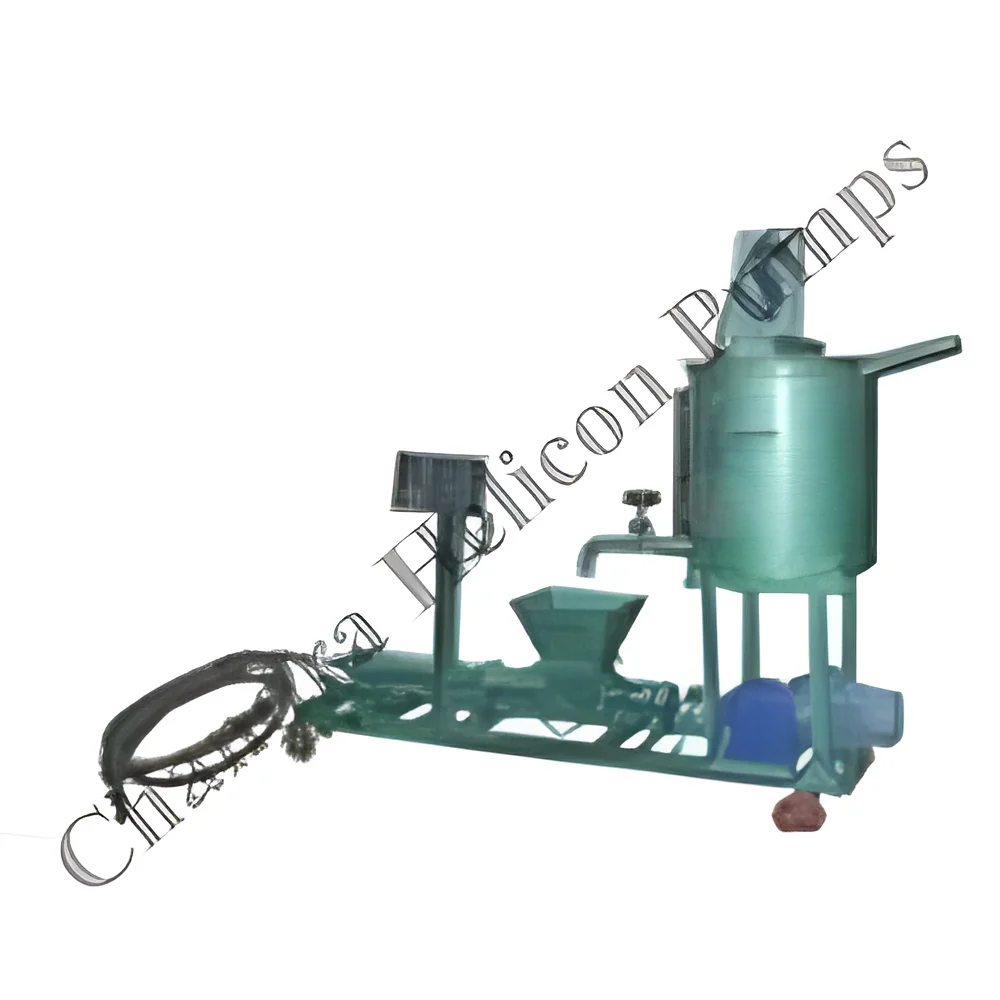
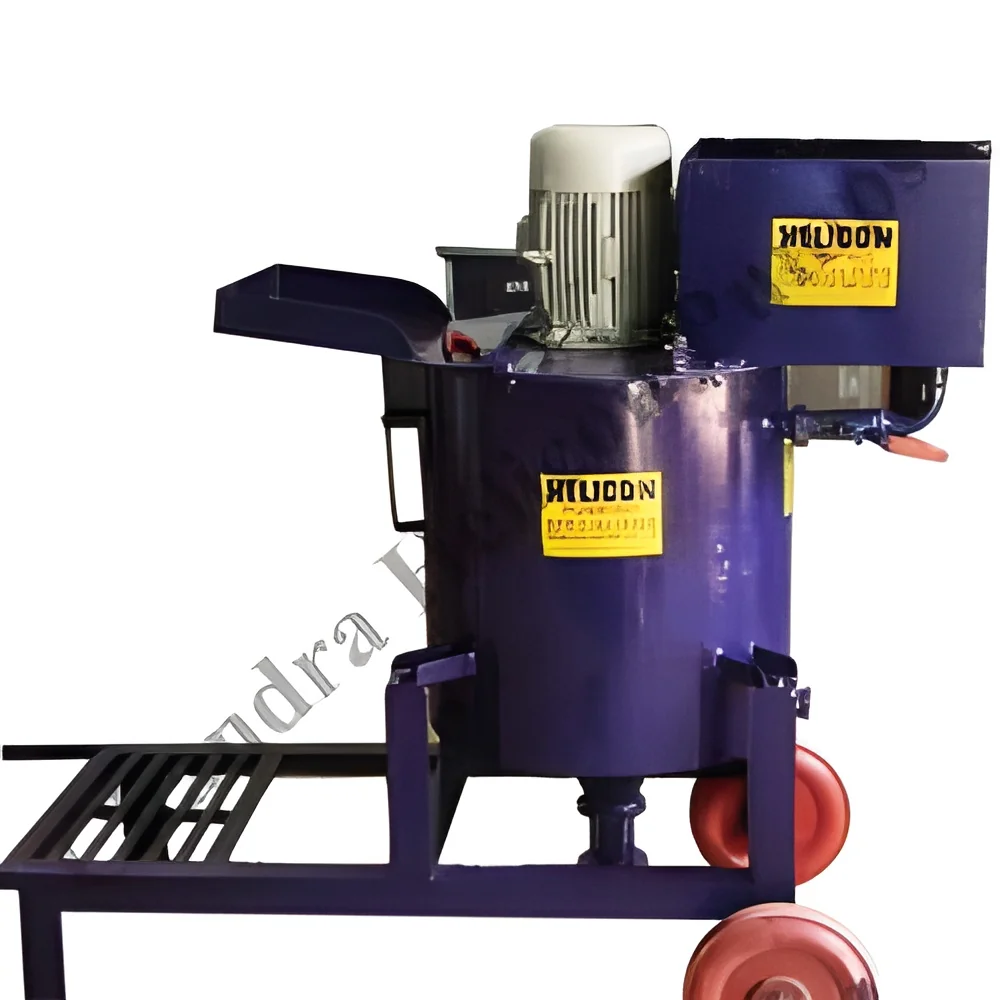
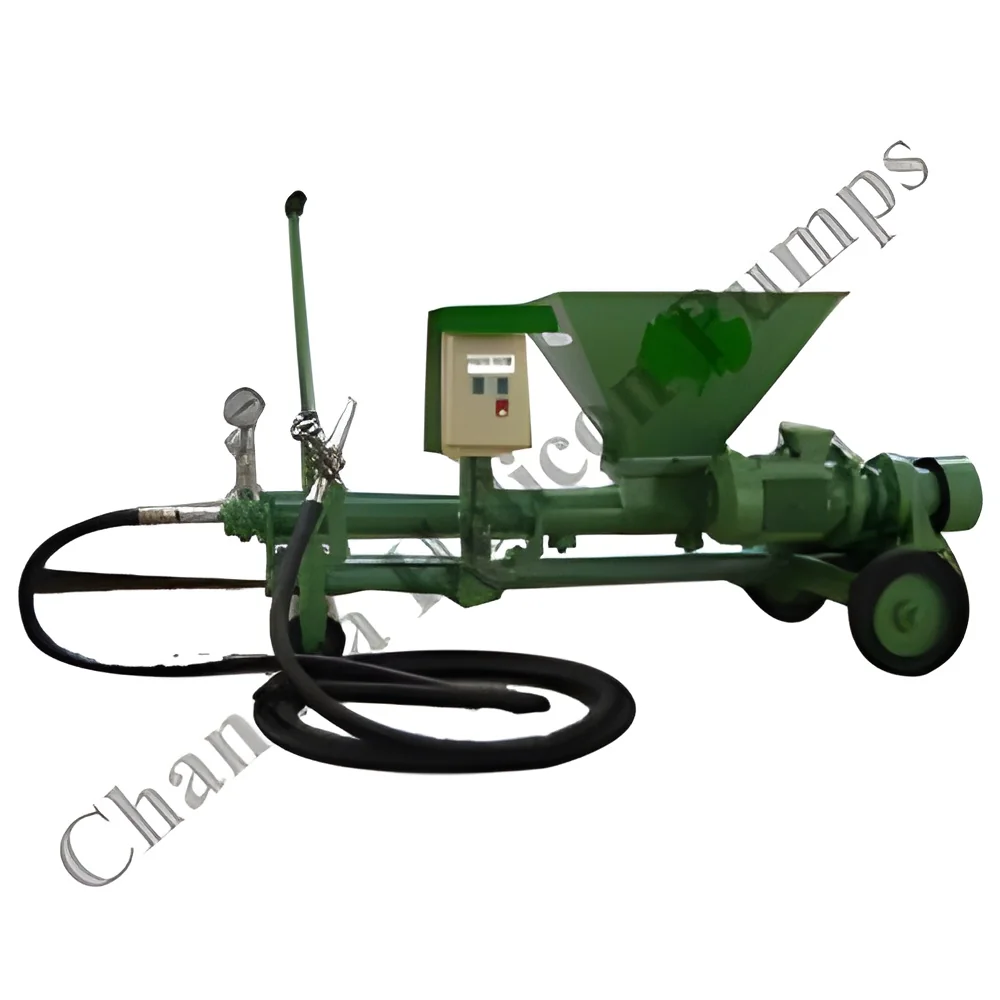
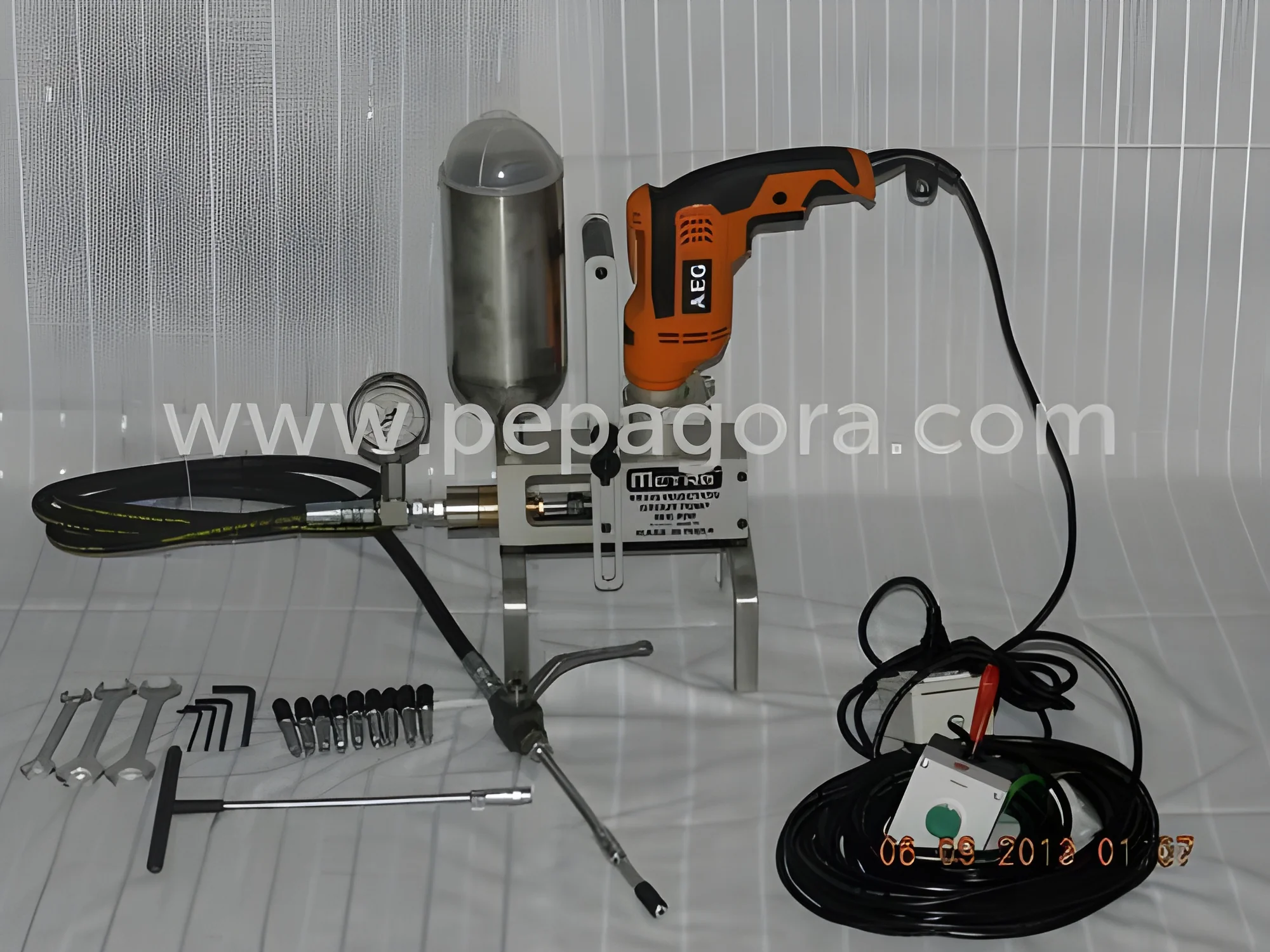
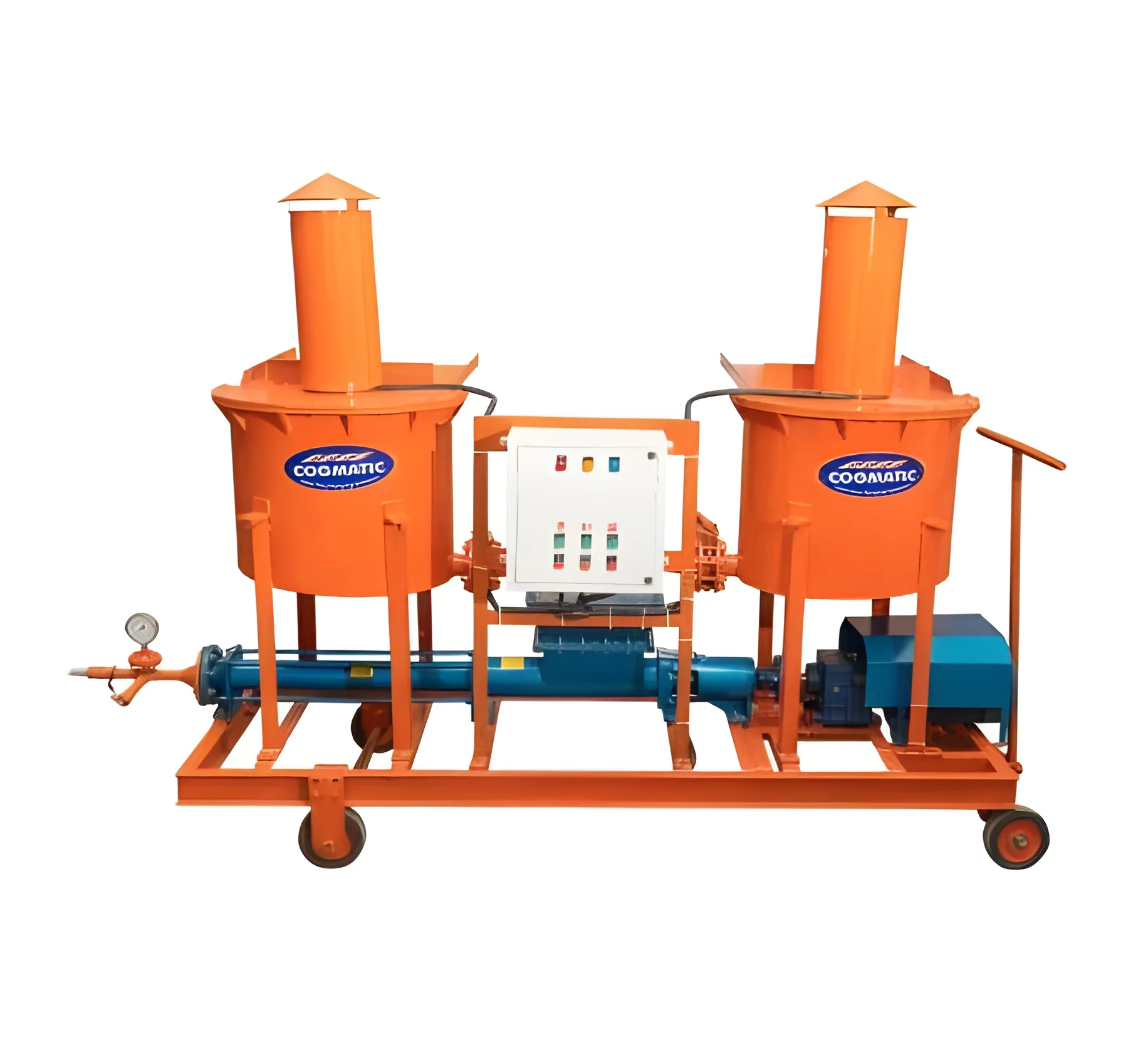
Grout pumps are specialized equipment designed to transport and inject grout materials into various applications. Grout is a mixture of water, cement, sand, and sometimes additives, used to fill gaps, seal joints, or provide structural support in construction and other industries. The primary function of grout pumps is to ensure a consistent flow and accurate placement of grout, making them essential tools in many construction and maintenance projects.
In the construction industry, grout pumps are utilized for tasks such as underpinning, floor leveling, and sealing joints in masonry. They are also crucial in applications like soil stabilization and repairing cracks in concrete structures. The versatility of grout pumps makes them relevant not only in construction but also in sectors like mining and tunneling, where precise grout placement is necessary for safety and structural integrity. The market for grout pumps is growing, driven by the increasing demand for efficient and reliable construction methods.
Key Features and Specifications
Grout pumps come with a variety of features and specifications tailored to meet different operational needs. These specifications can vary significantly depending on the model and intended application.
Key specifications include:
1. Pump Type
- Available in electric or hydraulic models
- Electric pumps are often more portable, while hydraulic options provide higher pressure capabilities
2. Maximum Pressure
- Typical ranges from 50 to 300 psi
- Higher pressure models can deliver grout more efficiently over longer distances
3. Flow Rate
- Common flow rates range from 0.5 to 10 gallons per minute
- Flow rate affects the speed of grout application and project timelines
4. Hopper Capacity
- Ranges from 5 to 50 gallons
- Larger hoppers minimize refilling intervals during operation
5. Weight
- Typical weights from 100 to 500 pounds
- Heavier models may offer more stability and durability
6. Portability Features
- Some models include wheels or frames for easy transport
- Lightweight options are available for smaller jobs
7. Control Mechanisms
- Manual and automatic options for ease of use
- Advanced models may include remote controls for precision
8. Material Compatibility
- Suitable for various types of grout, including cement-based and epoxy grouts
- Some models can handle thicker or more viscous materials
These specifications help buyers select the right grout pump for their specific projects and ensure optimal performance.
Common Applications and Use Cases
Grout pumps find extensive use across multiple industries, highlighting their versatility and importance.
1. Construction: In this sector, grout pumps are used for underpinning foundations, filling voids, and stabilizing soil. They facilitate the efficient placement of grout in large volumes, ensuring structural integrity.
2. Mining: Grout pumps are essential for ground stabilization and sealing in underground mining operations. They help manage water ingress and enhance the safety of mining tunnels.
3. Tunneling: In tunneling projects, grout pumps are employed to fill gaps between tunnel walls and surrounding soil. This process is crucial for maintaining tunnel stability.
4. Civil Engineering: Grout pumps assist in repairing bridges and highways by injecting grout into cracks and voids, contributing to infrastructure longevity.
5. Industrial Maintenance: Facilities use grout pumps to maintain equipment by filling expansion joints and sealing areas prone to wear and tear.
6. Oil and Gas: Grout pumps play a role in sealing well casings and managing subsurface pressures, which is vital for safe drilling operations.
7. Marine Applications: In marine construction, grout pumps help secure structures such as piers and docks by filling gaps and providing stability against water erosion.
Product Variants and Subcategories
Grout pumps are available in various forms to cater to different operational needs and project requirements.
Electric Grout Pumps
These pumps are designed for portability and ease of use, making them ideal for small to medium-sized projects. They typically have lower flow rates but offer sufficient power for most construction tasks.
Hydraulic Grout Pumps
Hydraulic models provide higher pressure capabilities, making them suitable for larger projects requiring significant material displacement. They are often used in heavy-duty applications like mining and tunneling.
Pneumatic Grout Pumps
These pumps utilize compressed air for operation, offering high mobility and ease of use in remote locations. They are commonly used in industrial maintenance and repair tasks.
Skid-mounted Grout Pumps
These stationary units are designed for large-scale applications and are often mounted on a skid for stability. They are ideal for continuous operation in construction sites.
Trailer-mounted Grout Pumps
These portable pumps are mounted on trailers for easy transportation. They are well-suited for projects that require mobility over long distances.
Benefits and Advantages
Grout pumps provide numerous advantages that enhance operational efficiency and project outcomes.
1. Increased Efficiency: Grout pumps allow for faster application of grout compared to manual methods, reducing project timelines significantly.
2. Precision Placement: These pumps ensure accurate placement of grout, minimizing waste and ensuring even distribution in applications.
3. Versatility: Grout pumps can handle a wide variety of materials, making them suitable for numerous applications across different industries.
4. Improved Safety: By mechanizing the grout application process, these pumps reduce the risk associated with manual handling and allow for safer operations.
5. Cost-Effectiveness: Efficient grout placement reduces material waste and labor costs, contributing to overall project savings.
6. Reliability: High-quality grout pumps are built for durability and consistent performance, ensuring they can handle demanding applications.
Buying Guide for B2B Buyers
When sourcing grout pumps, it is important to consider several key factors to ensure the right selection for your needs.
1. Quality Assessment: Evaluate the materials and construction quality of the grout pump. Look for certifications and standards that indicate reliability and performance.
2. Supplier Verification: Vet potential suppliers to ensure they have a good reputation and track record in the industry. Check for reviews and references.
3. Pricing and MOQ: Compare pricing across different suppliers while considering minimum order quantities. Ensure that the pricing aligns with your budget and project scope.
4. Delivery and Lead Times: Discuss logistics with suppliers to understand delivery timelines. Ensure they can meet your project's schedule without delays.
5. Compliance Requirements: Verify that the grout pumps meet relevant regulatory and safety standards for your industry. Compliance with certifications like CE is essential for safety and performance.
Compliance and Certifications
Grout pumps must adhere to various quality standards and certifications to ensure safety and effectiveness in their applications. ISO 9001 is a widely recognized standard that ensures a quality management system is in place, promoting consistent quality across products. Additionally, compliance with HACCP and GDP standards may be relevant in specific industries, particularly those involving food safety and pharmaceutical applications.
CE certification is important for grout pumps sold within the European market, signifying that the product meets health, safety, and environmental protection standards. Safety testing requirements are also critical, as grout pumps must be evaluated for performance under pressure and material compatibility. Regional compliance considerations may vary, so it's important to verify that the selected grout pump meets local regulations.
Why Source Grout Pumps from Pepagora?
Pepagora offers a trusted platform for sourcing grout pumps, providing numerous advantages for buyers looking to make informed decisions.
Verified Supplier Network: Pepagora connects buyers with a network of verified suppliers, ensuring that you work with reputable manufacturers known for their quality products.
Streamlined RFQ Process: The platform features a streamlined Request for Quotation process, making it easy for buyers to obtain competitive pricing and detailed information from multiple suppliers quickly.
Trade Assurance and Support: Buyers can benefit from trade assurance programs that protect their purchases and provide support throughout the sourcing process. This increases confidence in transactions and product quality.
Regional Coverage: Pepagora has a wide geographic reach, serving markets in India, the GCC, and Southeast Asia. This ensures that buyers have access to a diverse range of grout pump options tailored to their specific needs and locations.

 India
 India

 India
Frequently Asked Questions
What are Grout Pumps?
Grout pumps are specialized machines used to inject grout into construction applications. They are commonly employed for filling voids, stabilizing soil, and anchoring structures.
What are the different types of Grout Pumps?
There are several types of grout pumps, including positive displacement pumps, pneumatic pumps, and electric pumps. Each type serves different applications and has unique operational characteristics.
How do I choose the right Grout Pumps?
Selecting the right grout pump depends on the specific application, required pressure, and material viscosity. It is essential to consider the project requirements and consult with manufacturers or suppliers for guidance.
What are the standard specifications for Grout Pumps?
Standard specifications for grout pumps typically include flow rate, maximum pressure, and power source. Additionally, factors such as portability, pump material, and discharge size may also be relevant.
What is the price range for Grout Pumps?
The price of grout pumps can vary widely based on the type, brand, and specifications. Generally, prices may range from a few thousand to several lakhs of Indian Rupees.
What quality standards apply to Grout Pumps?
Grout pumps are subject to various quality standards, including ISO certifications and adherence to safety regulations. These standards ensure reliability and performance in construction applications.
Where can I find Grout Pumps suppliers in India?
You can find grout pump suppliers in India through online marketplaces, trade directories, and industry exhibitions. Websites like Pepagora.com offer a platform to connect with reputable manufacturers and suppliers.
Can Grout Pumps be customized?
Yes, grout pumps can often be customized to meet specific project requirements. Customizations may include modifications to size, capacity, and additional features based on client needs.
What is the typical minimum order quantity for Grout Pumps?
The minimum order quantity (MOQ) for grout pumps can vary by supplier and product type. It is advisable to check with individual manufacturers for their specific MOQs.
What is the typical lead time for Grout Pumps?
The lead time for grout pumps may vary depending on the supplier and customization requirements. Typically, lead times can range from a few days to several weeks.
Why Businesses Trust Pepagora
Thousands of companies trust Pepagora to source smarter and sell faster
Expand Your Sales Globally

Source Smarter,Grow Faster
