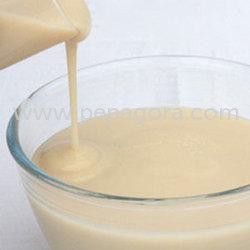
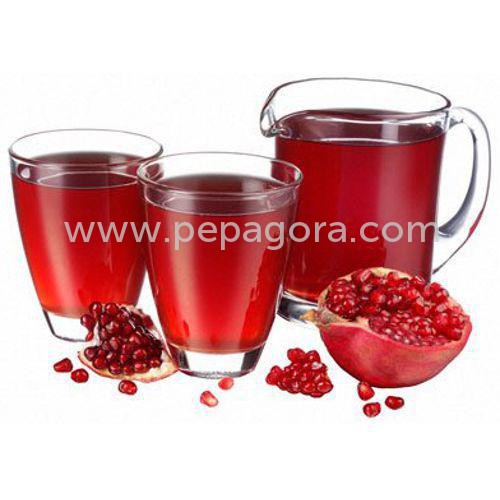
What are Fruit Juices (Mango, Orange, Apple)?
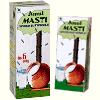
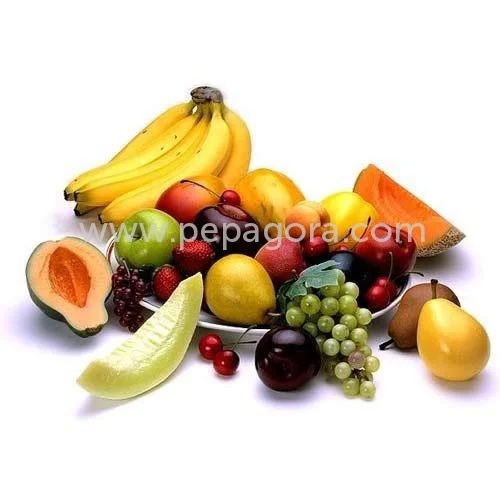
Fruit juices, specifically Mango, Orange, and Apple, are liquid extracts obtained from the pressing or processing of fresh fruits. These juices are rich in vitamins, minerals, and antioxidants, making them popular choices for health-conscious consumers. Each type of juice offers a unique flavor profile and nutritional benefits, catering to diverse consumer preferences and dietary needs.
In the B2B context, fruit juices are widely used across various sectors including food and beverage, hospitality, and retail. They serve as essential ingredients in smoothies, cocktails, and culinary dishes, as well as standalone beverages. Businesses often purchase these juices in bulk to meet consumer demand, create product offerings, or enhance their menus. The fruit juice market has seen significant growth in recent years, driven by increasing health awareness and a shift towards natural products.
The industry relevance of fruit juices cannot be overstated. With rising consumer preference for natural and organic products, the demand for high-quality fruit juices continues to expand. Companies that produce or sell fruit juices must adhere to stringent quality standards and certifications to remain competitive in this evolving market landscape.
𝗞𝗲𝘆 𝗙𝗲𝗮𝘁𝘂𝗿𝗲𝘀 𝗮𝗻𝗱 𝗦𝗽𝗲𝗰𝗶𝗳𝗶𝗰𝗮𝘁𝗶𝗼𝗻𝘀
The key features and specifications of Fruit Juices (Mango, Orange, Apple) are essential for businesses looking to source these products effectively. Understanding these specifications helps in making informed purchasing decisions.
Key specifications include:
1. Flavor Profile
- Distinct flavors corresponding to each type of juice
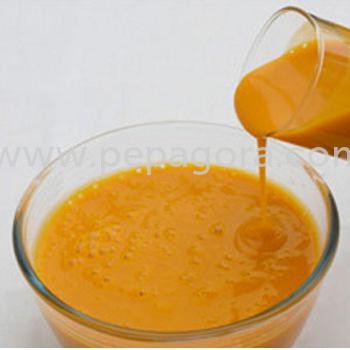
- Mango: Sweet and tropical
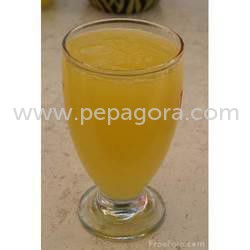
- Orange: Citrusy and refreshing
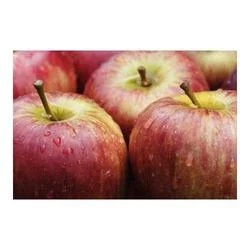
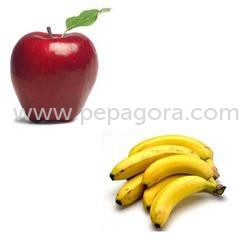
- Apple: Crisp and slightly tart
2. Nutritional Content
- Vitamins and minerals vary by fruit
- Mango: High in Vitamin A and C
- Orange: Rich in Vitamin C and folate
- Apple: Good source of dietary fiber
3. Packaging Options
- Available in various container sizes
- Common options include cartons, plastic bottles, and glass jars
4. Shelf Life
- Varies based on processing methods
- Typically ranges from 6 months to 2 years for shelf-stable products
5. Production Methods
- Can be cold-pressed, pasteurized, or from concentrate
- Cold-pressed options retain more nutrients
6. Certification Standards
- Compliance with food safety and quality standards
- CE certification ensures adherence to European safety regulations
7. Bulk Availability
- Offered in large quantities for commercial use
- Minimum order quantities may apply
In summary, understanding the key features and specifications of fruit juices is crucial for businesses to ensure they meet quality standards and customer expectations.
𝗖𝗼𝗺𝗺𝗼𝗻 𝗔𝗽𝗽𝗹𝗶𝗰𝗮𝘁𝗶𝗼𝗻𝘀 𝗮𝗻𝗱 𝗨𝘀𝗲 𝗖𝗮𝘀𝗲𝘀
Fruit juices serve various industries and can be utilized in multiple applications. Their versatility makes them valuable to many businesses.
1. Food and Beverage Industry: Fruit juices are essential ingredients in smoothies, flavored waters, and alcoholic beverages. They are also used in sauces and marinades to enhance flavor.
2. Hospitality Sector: Restaurants and hotels incorporate fruit juices into their drink menus and breakfast offerings. Freshly squeezed juices are particularly popular among patrons seeking healthy options.
3. Retail: Supermarkets and grocery stores stock fruit juices as popular consumer products. They are marketed for their health benefits and convenience.
4. Health and Wellness: Juice bars and health food stores offer fruit juices as part of detox programs and wellness regimes. They cater to consumers looking for nutritious options.
5. Catering Services: Caterers use fruit juices in various dishes and beverage offerings, adding a refreshing element to events and gatherings.
6. Pharmaceuticals: Some fruit juices are utilized in health supplements and functional beverages, leveraging their nutritional properties.
7. Ice Cream and Dessert Production: Fruit juices are incorporated into frozen treats and desserts to provide natural flavors and colors.
𝗣𝗿𝗼𝗱𝘂𝗰𝘁 𝗩𝗮𝗿𝗶𝗮𝗻𝘁𝘀 𝗮𝗻𝗱 𝗦𝘂𝗯𝗰𝗮𝘁𝗲𝗴𝗼𝗿𝗶𝗲𝘀
Fruit juices come in various forms and types, each catering to different consumer tastes and business needs.
Mango Juice
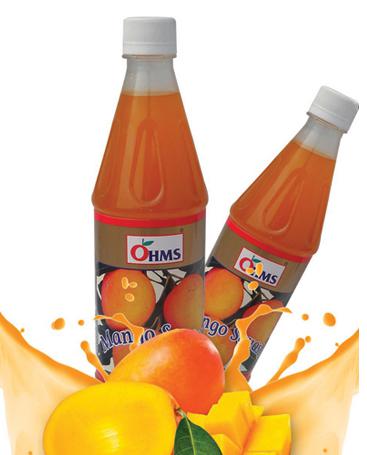
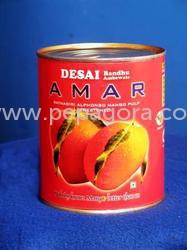
Mango juice is a popular tropical beverage known for its sweet, rich flavor. It is often used in smoothies, desserts, and cocktails, making it a versatile choice for food manufacturers and beverage companies.
Orange Juice
Orange juice is a classic breakfast beverage that is refreshing and packed with Vitamin C. It can be served fresh or used as an ingredient in sauces and marinades, appealing to both food service and retail sectors.
Apple Juice
Apple juice is widely consumed for its crisp taste and natural sweetness. It is often marketed as a healthy drink for children and is used in many culinary applications, making it a staple in households and restaurants alike.
𝗕𝗲𝗻𝗲𝗳𝗶𝘁𝘀 𝗮𝗻𝗱 𝗔𝗱𝘃𝗮𝗻𝘁𝗮𝗴𝗲𝘀
Sourcing fruit juices like Mango, Orange, and Apple offers numerous advantages for businesses.
1. Nutritional Value: Fruit juices are rich in vitamins and antioxidants, providing health benefits that appeal to consumers.
2. Versatility: They can be used in a variety of applications, from beverages to culinary dishes, making them a valuable ingredient for many industries.
3. Popularity: These juices are widely recognized and sought after, ensuring strong consumer demand.
4. Convenience: Ready-to-drink options save time for both businesses and consumers, enhancing overall customer satisfaction.
5. Natural Ingredients: Sourcing juices made from real fruit aligns with the growing trend towards natural and organic products.
6. Customization: Many suppliers offer the ability to customize flavors and formulations to meet specific business needs.
𝗕𝘂𝘆𝗶𝗻𝗴 𝗚𝘂𝗶𝗱𝗲 𝗳𝗼𝗿 𝗕𝟮𝗕 𝗕𝘂𝘆𝗲𝗿𝘀
When sourcing Fruit Juices (Mango, Orange, Apple), several factors should be considered to ensure high-quality procurement.
1. Quality Assessment: Evaluate the juice's nutritional content, flavor profile, and processing methods. Ensure the product meets industry standards for quality and safety.
2. Supplier Verification: Conduct thorough research on potential suppliers to verify their reputation and reliability. Look for industry certifications and customer reviews.
3. Pricing and MOQ: Understand the pricing structure and minimum order quantities. Compare offers from different suppliers to find the best value.
4. Delivery and Lead Times: Discuss logistics and lead times with suppliers to ensure timely delivery of products. Consider regional factors that may affect shipping.
5. Compliance Requirements: Ensure that the juice complies with relevant food safety regulations and industry standards. This is crucial for maintaining consumer trust.
𝗖𝗼𝗺𝗽𝗹𝗶𝗮𝗻𝗰𝗲 𝗮𝗻𝗱 𝗖𝗲𝗿𝘁𝗶𝗳𝗶𝗰𝗮𝘁𝗶𝗼𝗻𝘀
Compliance and certifications are vital in the fruit juice industry, ensuring that products meet safety and quality standards.
Relevant quality standards include ISO 9001, which focuses on quality management systems, and HACCP, which outlines processes for food safety. These standards help manufacturers maintain consistency and ensure consumer safety.
Industry certifications such as CE are essential for products sold in the European market, indicating that they meet health, safety, and environmental protection standards.
Safety and testing requirements are critical to ensuring that fruit juices are free from contaminants and adhere to industry regulations. Regular testing helps maintain product integrity and consumer trust.
Regional compliance considerations can vary, so it is important for businesses to be aware of local regulations governing food and beverage products in their target markets.
Why Source Fruit Juices (Mango, Orange, Apple) from Pepagora?
Pepagora provides a trusted platform for sourcing Fruit Juices (Mango, Orange, Apple), offering several key advantages for B2B buyers.
Verified Supplier Network: Pepagora connects buyers with a network of verified suppliers, ensuring that businesses can source high-quality fruit juices from trusted manufacturers.
Streamlined RFQ Process: The platform simplifies the quotation process, allowing buyers to easily request and compare offers from multiple suppliers, saving valuable time and resources.
Trade Assurance and Support: Pepagora offers trade assurance, providing protection for buyers throughout the purchasing process. This support helps build confidence in sourcing decisions.
Regional Coverage: With a strong presence in India, GCC, and Southeast Asia, Pepagora facilitates access to a diverse range of suppliers and products, catering to various market needs.
By choosing Pepagora, businesses can ensure a reliable sourcing experience for fruit juices that meet their quality and flavor expectations.

 IN
IN
 India
India